Storia
The 1972 plantings
The estate vineyard includes old vines planted in 1972. These mature plantings account for approximately half of the vineyard area. The technical information for the 2021 wines identifies the old vines as Merlot and Tocai, each described at that time as 48 years old.
New plantings in 2017
A second phase of vineyard development came in 2017, when new vines were planted. The newer plantings make up approximately half of the present vineyard and include Chardonnay and Riesling. Together, the 1972 and 2017 plantings form a 2-hectare vineyard within the 3.5-hectare property.
Organic conversion from 2020
Podere Pisani began conversion to organic farming in 2020. This marked a formal change in the estate’s agricultural direction and preceded the adoption of biodynamic principles.
Biodynamic principles from 2021
In 2021, the estate embraced the principles of biodynamic agriculture. Its vineyard-centred approach is paired with cellar practices based on spontaneous fermentation, indigenous yeasts and restrained use of sulphur dioxide.
Terroir
Podere Pisani’s vineyards are in Località Frati, within Valeggio sul Mincio in the province of Verona. The documented vineyard elevation is 115 metres above sea level.
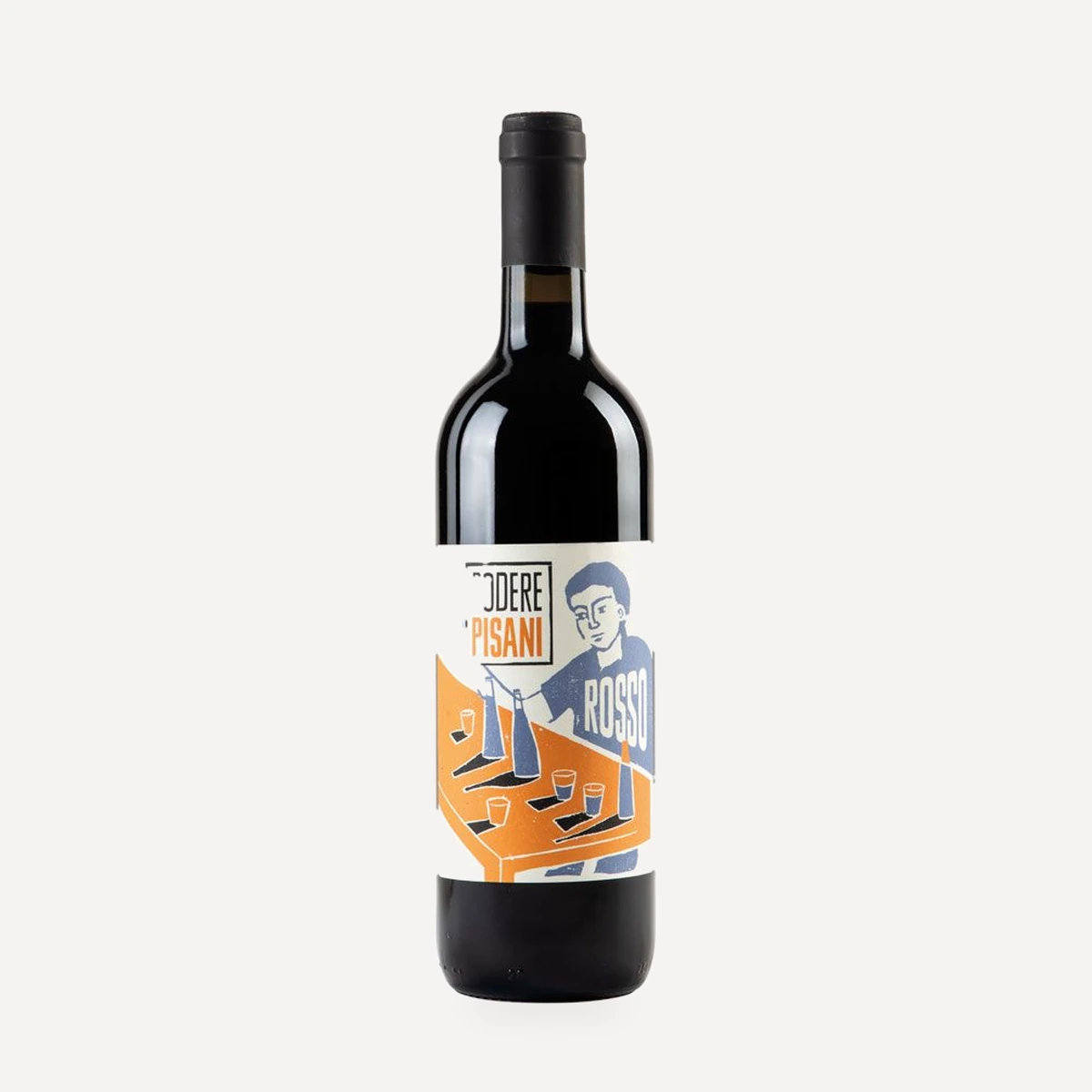
The soils are morainic. The Merlot vineyard used for the estate’s red wine has a south-eastern exposure. The property covers 3.5 hectares, of which 2 hectares are planted with vines. A wooded area separates the property’s two sections, while the remaining land includes a small orchard and an olive grove.
Vinificazione
Podere Pisani has been converting its farming to organic methods since 2020 and has followed biodynamic principles since 2021. The estate presents the vineyard as the centre of its work and regards its own development as inseparable from the development of its vines.
Both the mature and young vineyards are trained to Guyot. The documented white-wine block has a density of 4,000 vines per hectare, while the Merlot block has 3,000 vines per hectare. Grapes for the documented 2021 Bianco and Rosso were picked by hand and transported in 18-kilogram crates.
Podere Pisani’s cellar approach is based on spontaneous fermentation with indigenous yeasts, restrained additions of sulphur dioxide and an emphasis on preserving the vitality of the grapes.
The documented 2021 Bianco and Rosso were both fermented spontaneously with indigenous yeasts using a pied de cuve. Each was subsequently matured in stainless steel for nine months and received a further four months of bottle ageing.
Filosofia
The vineyard at the centre
Podere Pisani places the vineyard at the centre of its work: everything begins with the vines, and the estate describes its own progress as a process of growing alongside them. This perspective connects the long-established 1972 vines with the younger 2017 plantings rather than treating them as separate agricultural projects.
Vitality from vineyard to cellar
Organic conversion and biodynamic principles shape the agricultural direction. In the cellar, the corresponding objective is to preserve and express the vitality of the grapes through spontaneous indigenous-yeast fermentations and restrained use of sulphur dioxide.
Vini
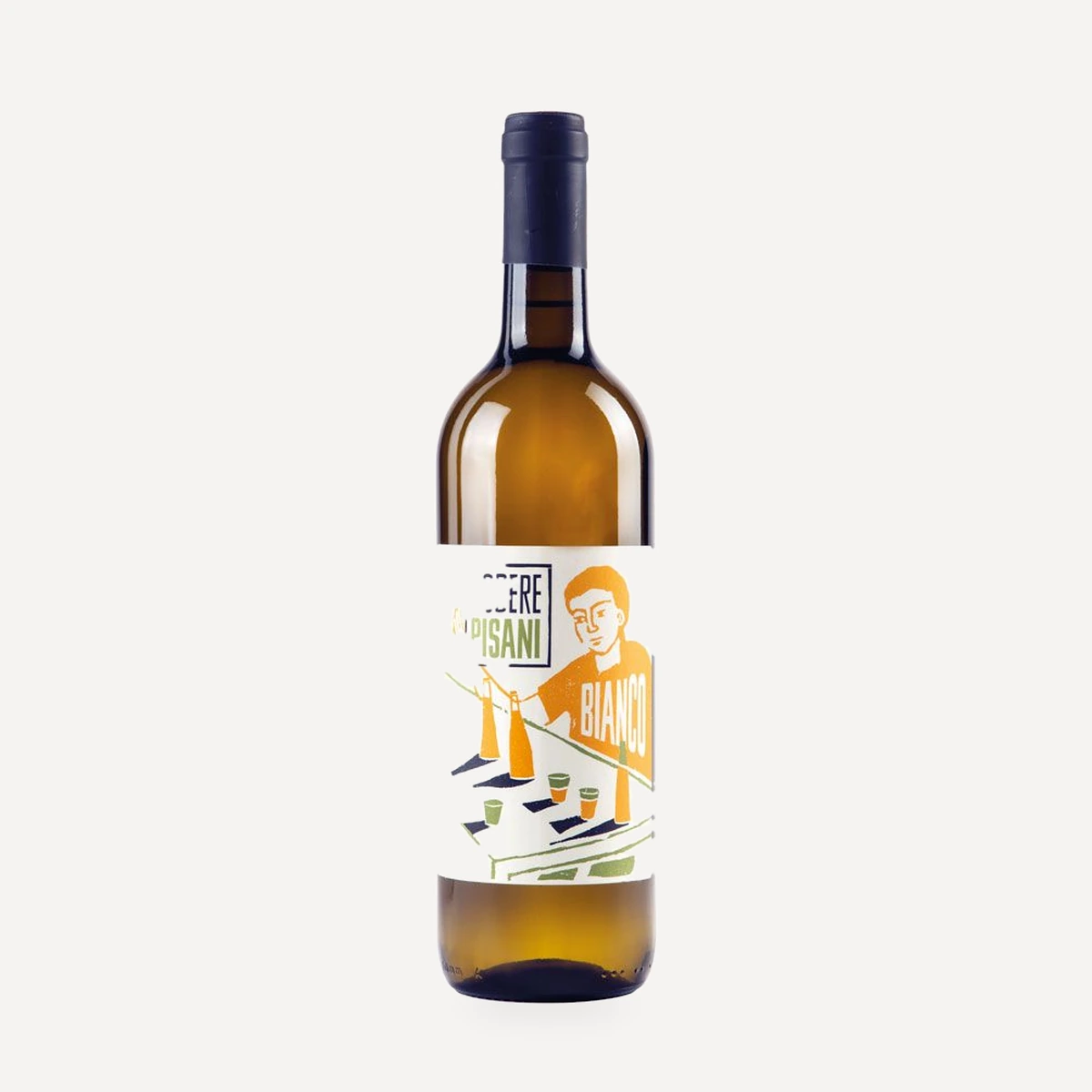
Bianco - Veneto IGT