Storia
The search for a new territory, 2001
In 2001, Marilisa and Walter Allegrini set out to establish a wine project beyond their native Valpolicella. Their aim was to work in a territory capable of supporting ambitious wines while giving them the freedom to create an estate from the ground up. They travelled through Tuscany, initially examining several parts of the Maremma before reaching Bolgheri. Walter was particularly struck by the Viale dei Cipressi, the proximity of the sea, the profound variation among the soils and the climate's potential for red wines combining character with elegance.
The first property examined along Via Bolgherese, at Felciaino, comprised approximately seven hectares, a stone farmhouse, agricultural buildings and about 3.5 hectares of Cabernet Sauvignon and Cabernet Franc planted in 1994 at roughly 9,000 vines per hectare. Nearby stood another approximately seven-hectare holding then known as Le Grottine, with a small church dedicated to Saint Joseph, olive trees and land used for cereals and vegetables. Around 4.5 hectares there could be planted with vines.
Walter envisaged a substantially larger undertaking. The family consequently turned to Le Sondraie, in the northern part of the Bolgheri production zone. Creating a single holding of around 50 hectares required negotiating separately with the cultivators of numerous small vegetable plots. A further property near Bibbona offered land for experimentation and production outside the rules of the Bolgheri appellation. The project then advanced through land purchases, soil studies, vineyard design, selection of varieties, clones and rootstocks, recruitment, planning for the cellar and development of a commercial network. Franco Allegrini and the family's long-standing American importer Leonardo Lo Cascio also became involved.
The first three hectares were acquired in 2001. A company timeline records the formal creation of Poggio al Tesoro on 29 April 2002, while newer descriptions date the founding project itself to 2001.
Building the vineyards, 2003–2004
Systematic planting began in 2003. The property was divided into parcels according to soil, exposure and environmental conditions. Sandy, fossil-rich sites were matched particularly with Cabernet Sauvignon and Cabernet Franc for concentration and power, while Merlot was placed in more clayey, mineral soils in pursuit of aromatic definition, elegance and harmony. Merlot planted in 2003 was the estate's first new planting.
A small quantity from Via Bolgherese became the first 2003 vintage. Walter Allegrini died unexpectedly that same year and did not see the project fully realised. Marilisa continued the undertaking, and a pure Cabernet Franc was dedicated to him.
Marilisa wanted a structured, mineral white wine as part of the estate. In 2004, working with the agronomist, she selected Vermentino material from Corsica and introduced it alongside the red varieties at Le Sondraie. Cabernet Sauvignon was also planted during the second year of the vineyard-development programme.
First releases, 2005–2007
The first wines from the 2003 harvest reached the market in 2005. They included Sondraia, then composed of 65% Cabernet Sauvignon, 25% Merlot and 10% Cabernet Franc, and a very small production of 100% Cabernet Franc dedicated to Walter. The debut 2003 Dedicato a Walter received the highest Sole distinction in the 2006 edition of I Vini di Veronelli.
Further Cabernet Franc was planted at Le Grottine in 2005 and Petit Verdot followed in 2006. The estate's Vermentino debuted in 2007 under the name Solosole, referring to the sunlight responsible for the grapes' ripeness, structure and character.
Vineyard refinement and environmental programme, 2008–2016
The estate continued acquiring, planting and subdividing land, selecting varieties and rootstocks for the distinct soils and microclimates of Via Bolgherese, Chiesina San Giuseppe, Le Sondraie and Valle di Cerbaia. The vineyard programme remained active, with additional plots added over time.
In 2014, Poggio al Tesoro adopted a formal sustainability protocol intended to protect the equilibrium of the vines and the surrounding ecosystem while retaining experimentation and technical innovation as guiding principles.
During the 2016 harvest, the cellar began trials with selected lots in terracotta amphorae and jars. The programme initially involved Solosole and Cassiopea and sought to develop structure without imposing wood-derived tannin or aromas.
Certification and generational continuity, 2021–2024
The estate began the Equalitas certification process in 2021, addressing environmental, social and economic sustainability. Certification was achieved in 2022. BRCGS food-safety and production-quality certification was also obtained. In the same year, Christian Coco replaced Lorenzo Fortini as winemaker and technical production director; Fortini returned to Verona after eleven years with the estate's wider organisation.
By its twentieth anniversary, the property comprised 64 hectares under vine across four principal areas. Marilisa Allegrini continued to lead Poggio al Tesoro with her daughters Carlotta and Caterina. In March 2024 the estate became one of the three wineries organised under the newly formed Marilisa Allegrini Group. The current family project combines Marilisa's direction with Caterina's and Carlotta's involvement, including Carlotta's management of the Le Sondraie hospitality hub.
Five hectares of Cabernet Sauvignon, equivalent to approximately 35,000 young grafted vines, were planted in May 2024. During that year the estate processed 394,809 kg of grapes, obtained 263,512 litres of wine and produced 382,008 bottles.
Toward the twenty-fifth anniversary, 2025–2026
In 2025 Poggio al Tesoro participated for the first time in the New York Wine Experience and was selected for OperaWine 2026. These appearances preceded celebrations marking twenty-five years from the inception of the Bolgheri project. The Le Sondraie hub was developed as a contemporary centre for hospitality and wine culture, with spaces intended for visitors, enthusiasts and corporate events.
In June 2026, the estate appointed Prestige Beverage Group, part of Johnson Brothers, as its importer and distributor in the United States, seeking wider and more continuous representation in both retail and restaurant channels.
Terroir
Between the Tyrrhenian Sea and the hills
Poggio al Tesoro lies between the coast and wooded hills protecting its eastern side. The landscape is not a plain: terraces, rises, cliffs and easterly slopes descend gradually toward the sea. Winters are mild, and summer conditions can persist into October. The sea moderates heat in summer and returns warmth during winter, while the hills and nearby woods contribute to local temperature differences.
Ventilation is persistent. At night, cooler hillside air travels toward the coast; after sunrise, warmed air rises and allows fresher marine currents to move inland. This alternation cools the vineyards, dries morning dew and supports the retention of grape aromas. Additional winds arrive through the corridor between Elba and the metal-rich inland hills, including Libeccio, Mistral, Tramontana and Grecale under different weather patterns.
Sunlight is strong and prolonged. Reflection from the moving surface of the sea increases luminosity, helping phenolic development. The combination of daytime heat and cool, ventilated nights supports aromatic and phenolic ripening while preserving freshness.
Historical estate material gives average annual precipitation at approximately 600 mm, around 60% in winter and 40% in spring and summer, across roughly 80 rainy days. Summer rainfall is described as less than 100 mm. Sandy surface horizons allow water to enter rapidly, while deeper layers retain reserves accessible to deeply rooted vines.
Geological and soil diversity
The landscape combines Ligurian geological material, fluvial deposits, marine and continental sediments, wind-borne sands, clay and gravel formed or deposited from the Miocene and Pliocene through the Pleistocene. Higher surfaces between approximately 35 and 130 metres are associated with Bolgheri conglomerates, red sands and gravel. Soil colours range from yellowish and tawny to brown and red.
This variability underpins the estate's parcel-by-parcel planning. Via Bolgherese and Chiesina San Giuseppe occupy the locally prized Soprastrada sector east of Strada Bolgherese. Their alluvial, red, fossil-bearing and gravelly soils are suited to Cabernet Franc, Cabernet Sauvignon and Merlot according to the distribution of clay, stone and drainage. Le Sondraie combines clay-sand and sand-pebble soils with marked mineral content. Valle di Cerbaia, at the boundary between Bibbona and Bolgheri, has two levels: the lower, cooler and more clay-retentive area accommodates Viognier, while coarser sandy, gravelly and clay-bearing sectors support Cabernet Franc.
Vinificazione
The vineyard programme is based on matching varieties, clones and rootstocks to the soil, exposure and microclimate of each parcel. Every vineyard receives an identifying code so its grapes can be followed and vinified separately. Before new plantings, pedological and climatic suitability is formally evaluated.
The vineyard area is preparing for organic management but is not described as certified organic. Chemical fertilizers are avoided; plant protection relies on copper- and sulfur-based materials. In dry or difficult seasons, algae-derived preparations, natural substances, covering products and plant-resistance inducers have also been employed.
Soil is managed through conservative, comparatively low-energy techniques. Harrows are used for cleaning, and permanent or alternating-row grass cover is maintained. Winter and spring green manure is sown in alternate rows with grasses and legumes; the other rows retain spontaneous vegetation. Frequently used species include clover, vetch, lupin, oats, barley, chicory and mustard. Surface cultivation is avoided during summer.
Routine irrigation is avoided, although emergency irrigation is used where vines are at risk of water stress. Weather stations and sensors measuring soil moisture and evapotranspiration support irrigation decisions, supplemented by visual and manual assessment of leaf and berry turgidity.
Canopy and under-row management are used preventively against pests and fungal pressure while maintaining vegetative–productive balance. Operations documented across different seasons include sap-flow-respecting winter pruning, tying Guyot fruiting canes, shoot thinning, leaf-wall management, defoliation, bunch rearrangement, pinching out new shoots, green harvesting and bunch thinning. During the rainy 2018 season these measures improved aeration and helped protect fruit quality. In 2014, green harvesting removed excess bunches; in another particularly productive season, thinning reduced the vine load by about 50% in July.
Biological control includes releases of Anagyrus pseudococci, a parasitoid used against cottony scale. Drainage ditches are kept clean so water can move away naturally and hydrogeological risk is reduced.
Harvest timing follows ripeness in each parcel and variety. Grapes may be gathered during the coolest night or early-morning hours to control fruit temperature. Vermentino has been harvested at night to keep bunches cool and limit oxidation. Sensitive grapes receive targeted selection, while individual parcels are monitored through sampling, tasting and analysis before picking. Cabernet Franc harvesting at Le Sondraie, for example, proceeds through successive selections as bunches reach the desired maturity.
Cellar organisation
The cellar is designed as a functional production space rather than a monumental building. Stainless-steel tanks are used to preserve varietal aromas and individual character. Red varieties are vinified separately, and every vineyard is assigned a code so that its fruit can be processed independently. Distinct barrique rooms can be maintained at different temperatures, either to support fermentation or to provide suitable conditions for the maturation of red wines.
Grapes are collected during cool night or early-morning conditions when appropriate. Technical decisions during alcoholic fermentation and maceration are supported by tasting, chemical and physical analysis. Malolactic fermentation is monitored analytically. The cellar team records analyses, additions, transfers and blends for each individual lot.
From the 2016 harvest onward, selected lots were experimentally vinified in terracotta amphorae and jars. The intention was to develop structure gently, without adding wood-derived tannins or aromatic character. Stainless steel, oak vats, barriques, amphorae and terracotta jars all form part of the estate's documented production toolkit, depending on the lot.
Blending is carried out against defined oenological objectives. Tartrate and protein stability are assessed according to the degree of instability. Before bottling, sulfur-dioxide levels and turbidity are checked and filtration is applied when required. Bottling occurs only after the intended stability and sensory profile have been achieved.
Cleaning and sanitation cover cellar spaces, machinery and tanks, with attention to rationalising resource consumption. Packaging, waste reduction and the environmental effects of bottling are monitored under the Equalitas programme. In the 2024 carbon assessment, packaging was identified as the dominant source of bottling emissions, prompting objectives such as reducing bottle weight and plastic use and improving purchasing logistics.
Filosofia
Poggio al Tesoro was conceived as a project in which an established family's experience could be adapted freely to a comparatively young wine territory. Marilisa Allegrini has described the creative freedom of starting from bare land—choosing the name, vineyards, varieties, wine styles and production philosophy—as one of the project's principal attractions.
The estate's stated objective is to make high-level wines that express their place even when they rely on varieties of international origin. Cabernet Franc, Cabernet Sauvignon, Merlot, Syrah and Viognier are treated as capable of acquiring a distinct Bolgheri identity through the local combination of soil, sea, light, wind and temperature variation.
Tradition and innovation are presented as complementary. Parcel-by-parcel soil study, dense planting, technical monitoring and experimental vessels coexist with close observation of the vines, patience in the cellar and respect for seasonal variation. Experimentation, audacity and an avant-garde outlook have been identified as continuing principles.
Environmental, social and economic responsibility are treated as interconnected. Ethics, sustainability and equality guide relationships with employees, suppliers and the surrounding community. The estate's programme includes environmental protection, continuous improvement, fair treatment, equal opportunity, staff development, transparent communication and expectations that suppliers also pursue responsible practices.
Family continuity remains central. Marilisa, Caterina and Carlotta carry forward the project begun with Walter, retaining his connection to farming and landscape while developing hospitality, new vineyards and international markets.
Vini
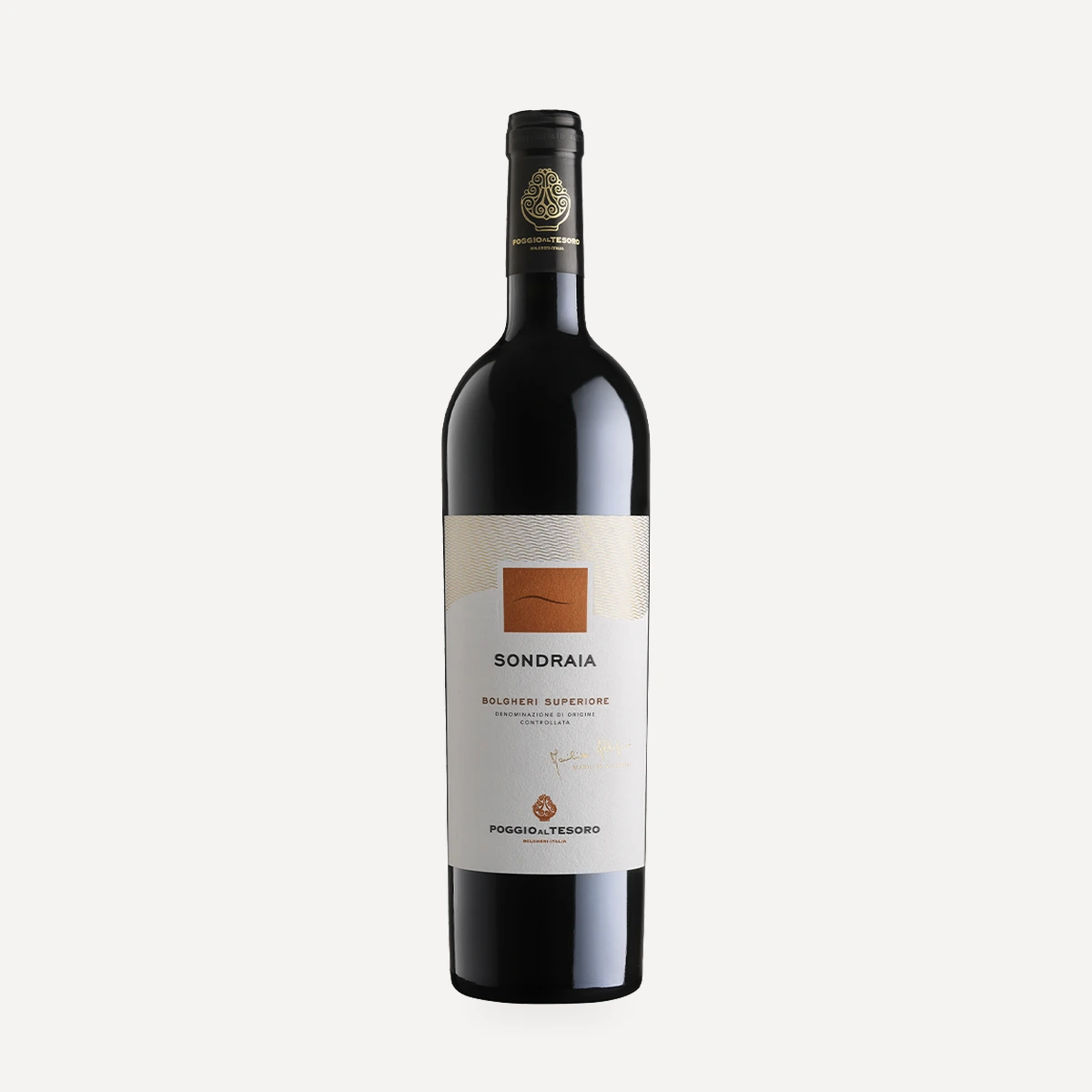
Sondraia Bolgheri Superiore DOC
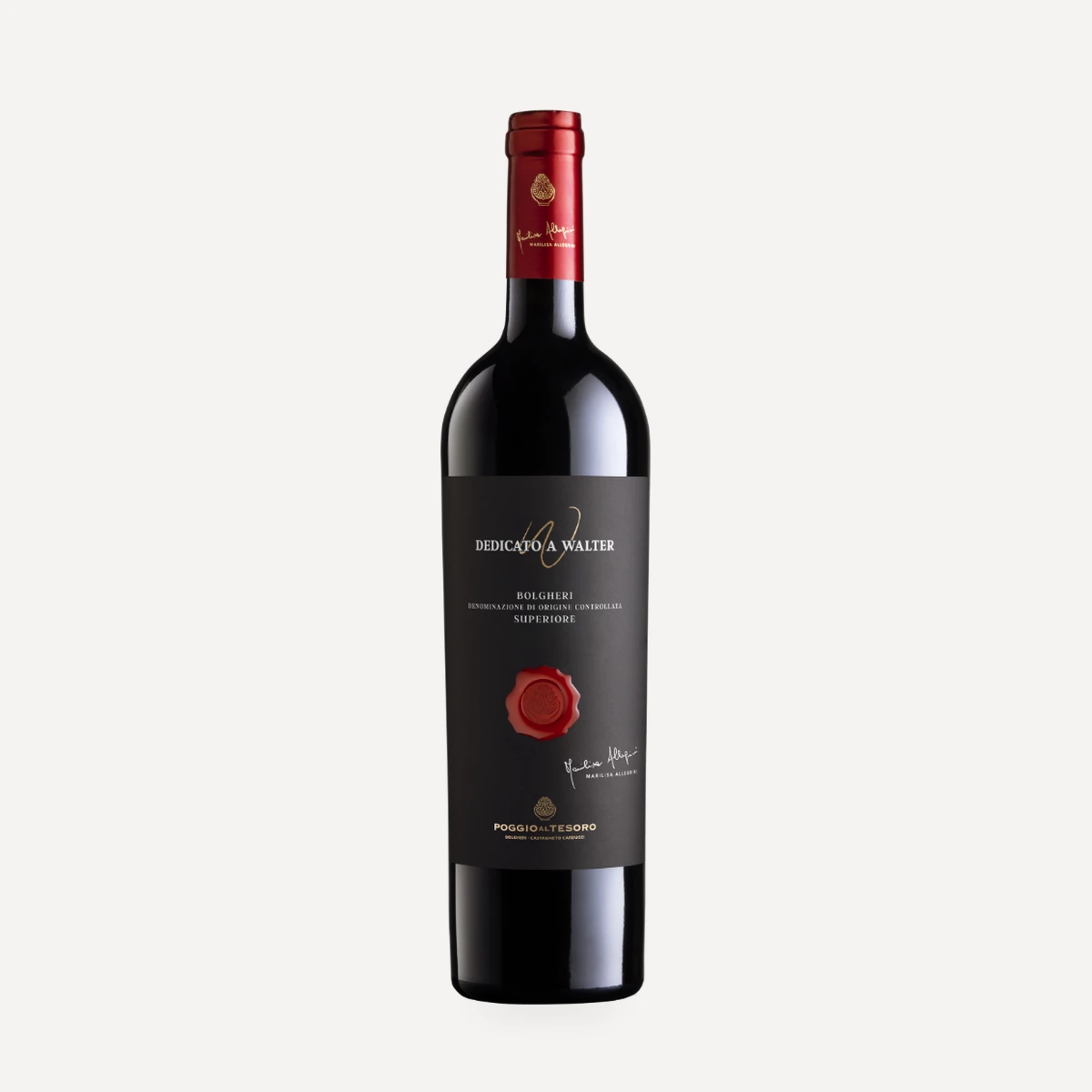
W Dedicato a Walter Toscana IGT
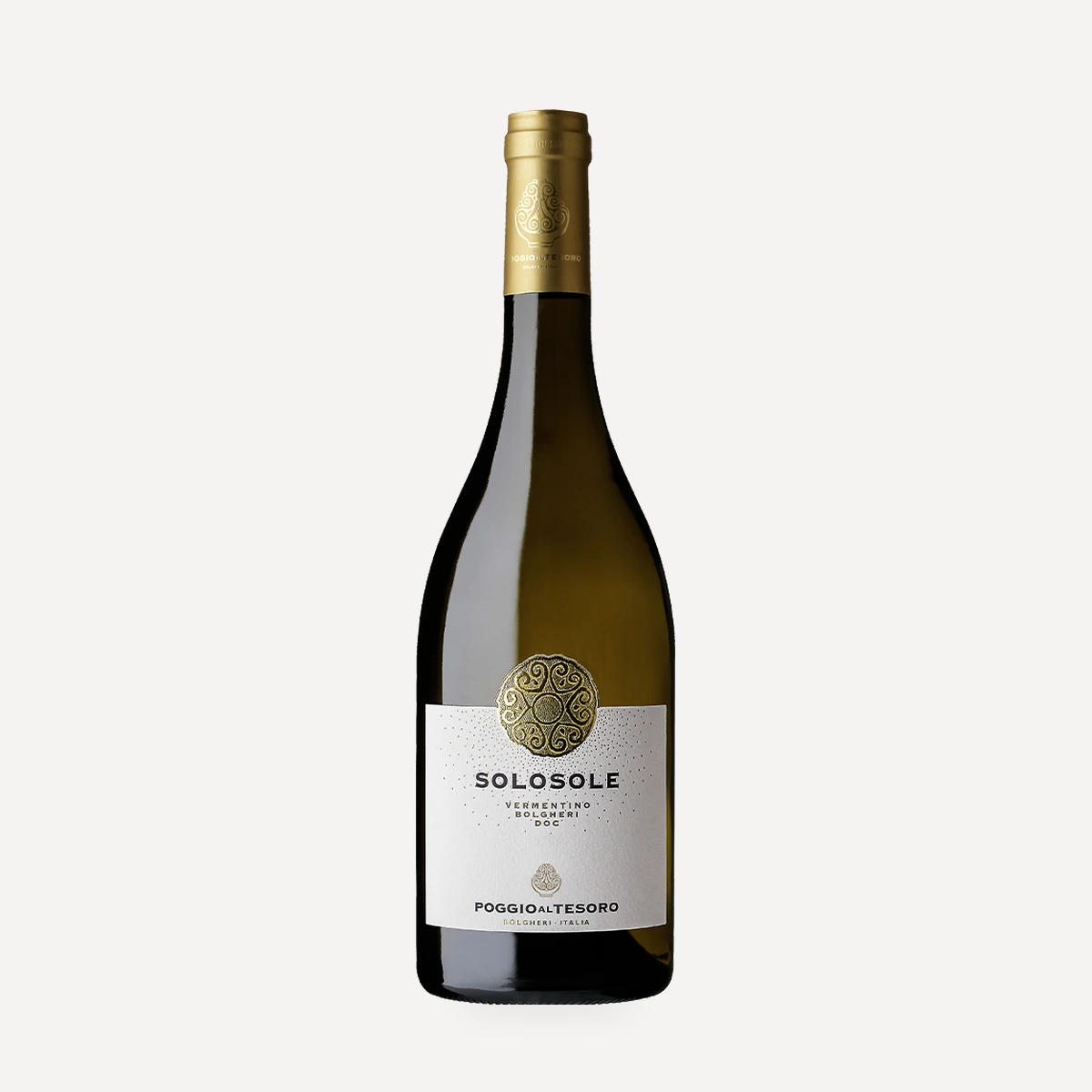
Solosole Bolgheri Vermentino DOC
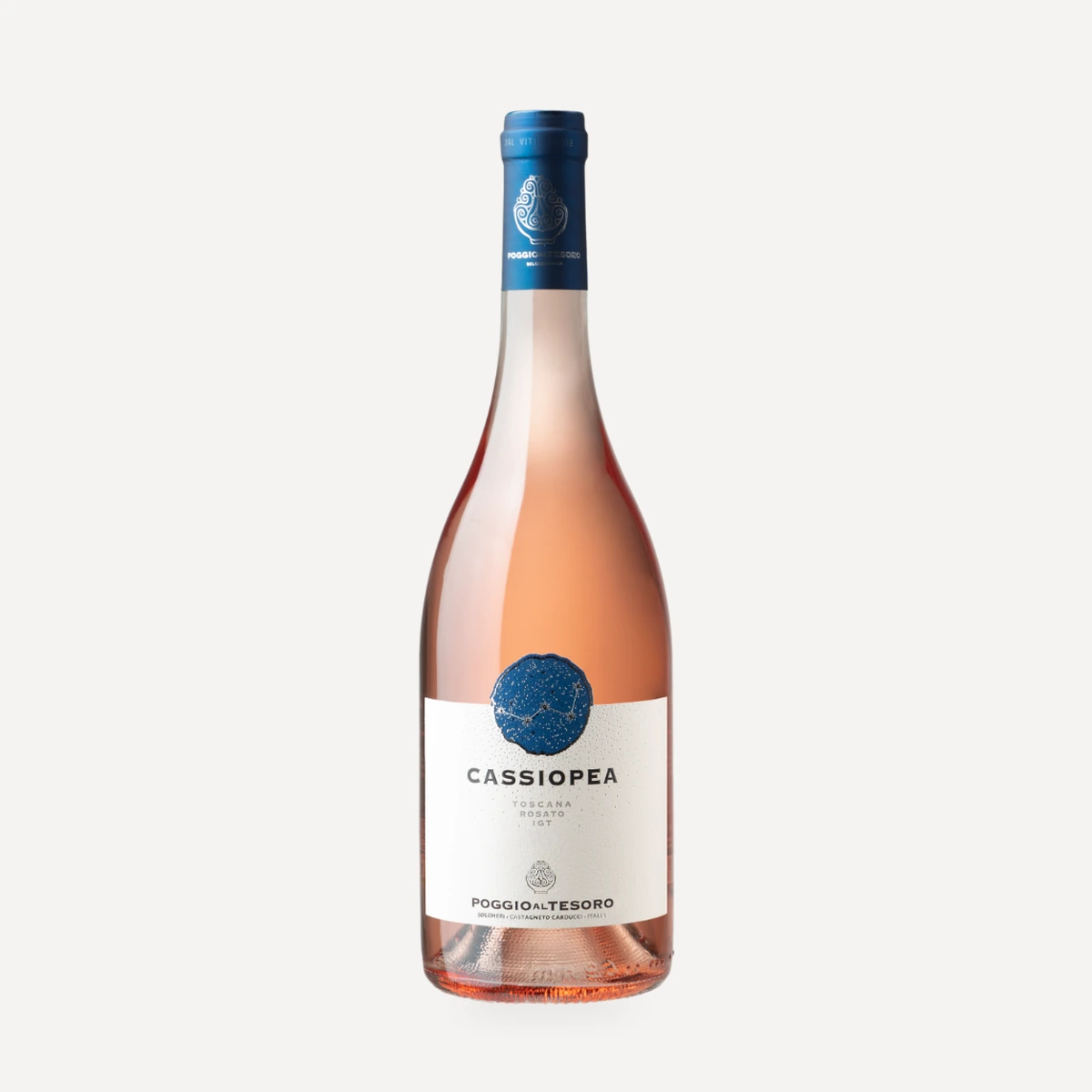
Cassiopea Bolgheri Rosato DOC
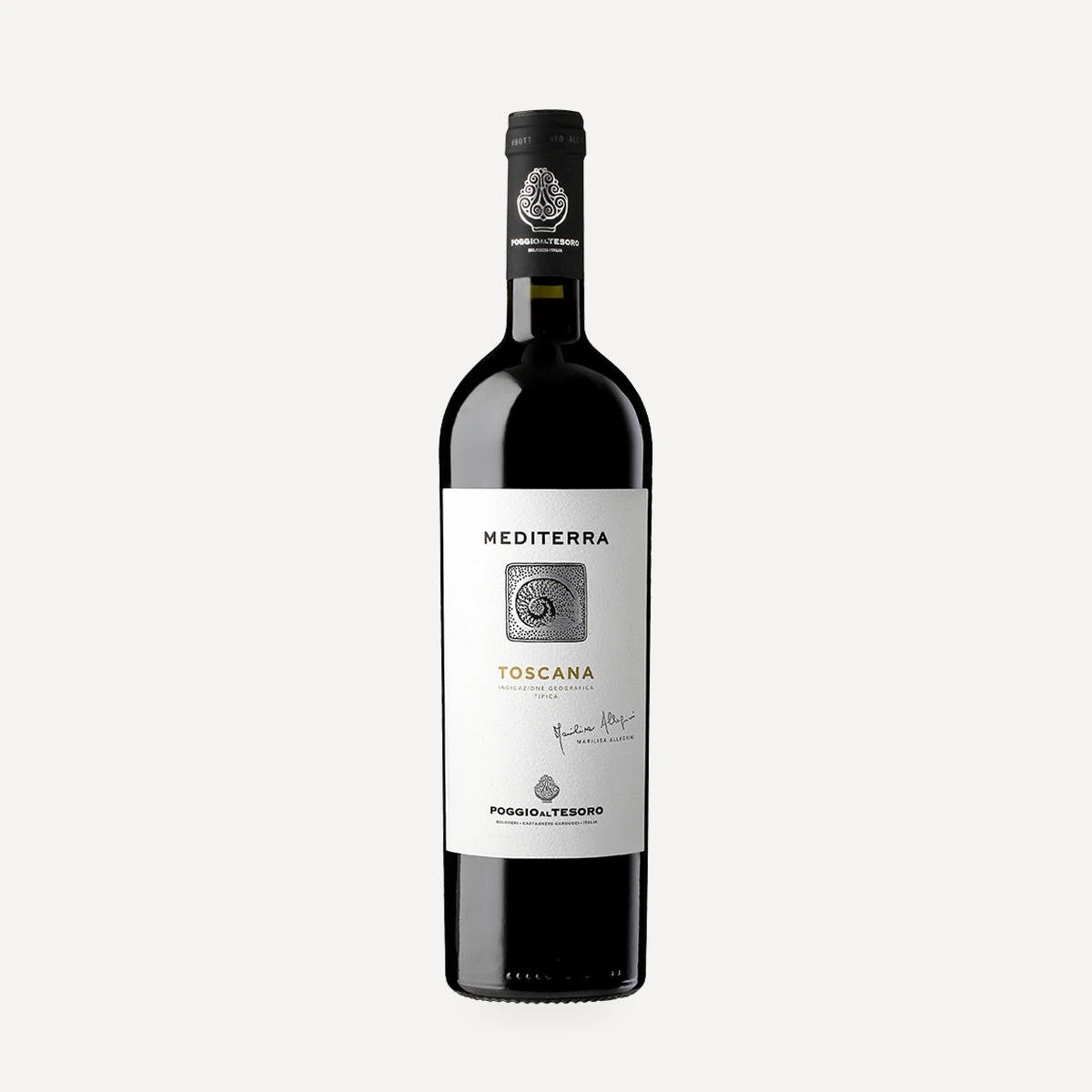
Mediterra Toscana IGT