Storia
Mercatali before the wine estate
Tenuta Ridolfi occupies Località Mercatali, a place associated with a large annual market during the 5th and 6th centuries. One of the surviving farmhouses preserves a three-storey section built of stone and tuff from that period.
The Ridolfi lineage
In 1290, three Ridolfi families emerged in Florence from an older Tuscan lineage. One of them, the Ridolfi di Borgo, gave rise to the Sienese branch known as “dalla Contrada,” named for the district in which it held property. Over subsequent centuries the family included priors, gonfaloniers and other prominent figures. The historic Ridolfi arms were later retained as part of the wine estate’s identity and appear on its labels.
The Montalcino property formerly belonged to this Florentine Ridolfi family, from which the estate takes both its name and coat of arms.
Acquisition and renewal
In 2011, entrepreneur Giuseppe Valter Peretti acquired the estate. He began reorganizing and restoring both its built spaces and vineyards. The Peretti family subsequently assumed stewardship of the Ridolfi name and continued the estate’s wine project.
Gianni Maccari joined in 2014 after experience at other Montalcino estates. That same year, the cellar was completely renovated and its capacity expanded while preserving the original arrangement of the Mercatale settlement.
The estate today
The property extends over 30 hectares on the northeast side of the Montalcino hill, close to the Strada del Brunello. Its land includes 18.9 hectares assigned to three wine denominations and 700 Correggiolo olive trees. Vineyard and cellar work combines manual operations and traditional large-cask maturation with temperature control, careful fruit selection and other modern equipment.
Terroir
Tenuta Ridolfi lies at Località Mercatali on the northeast slope of the Montalcino hill, approximately 300 metres above sea level and close to the Strada del Brunello. All of its Montalcino vineyards occupy this northeast-facing side of the hill.
The soils have a medium texture and are rich in clay and marine fossils. Alberese appears in the higher part of the vineyards. The estate associates this setting with Sangiovese capable of elegance, complexity and extended aging.
Vinificazione
Vineyard work is performed manually and follows organic-farming principles. Older vineyards—those more than 15 years old—are trained to spur-pruned cordon and pruned to two buds on each of four spurs. Vineyards planted after 2013 use Guyot training.
The crop is thinned three times during the season: at fruit set, at veraison and toward the end of ripening. Grapes removed during the final thinning are used for Rosé Brut rather than discarded.
Sexual-confusion methods are employed against grapevine moth, avoiding insecticide use for that pest. Organic humus is applied, while sowing and green manures improve soil structure and organic matter. Barley is sown and incorporated in cooler soils to restrain Sangiovese’s natural vigour. In more clay-rich ground, sulla is used as green manure to increase nitrogen availability.
Harvesting is manual, with an initial selection made in the vineyard. Current harvest protocols use small crates and keep individual parcels separate through picking, fermentation and maturation. A second selection follows destemming in the cellar on a roller sorting table.
Cellar
The cellar was completely renovated and enlarged in 2014 without altering the original layout of the Mercatale settlement. Modern temperature control and bottling equipment operate alongside manual work and traditional maturation in large casks.
Reception and fermentation
All grapes are harvested by hand and selected first in the vineyard. After destemming, a second selection is carried out on a roller table. The selected berries are not crushed; they enter temperature-controlled stainless-steel tanks whole. Fermentation temperatures do not exceed 27°C, and only indigenous yeasts are used.
Extended maceration is intended to extract colour and polyphenols gently. Pump-overs and délestage are used rather than more aggressive extraction, with approximately four operations per tank distributed over 24 hours. Malolactic fermentation takes place in stainless steel.
Current parcel management keeps lots separate through harvesting, fermentation and aging. For the current Brunello protocol, grapes spend one night in a cold room at 5°C, followed by 14 days of alcoholic fermentation. Four pump-overs per day are performed during the first ten days, and total skin contact lasts 50 days at 26°C.
Maturation
The red wines mature predominantly in large French and Slavonian oak casks, and transfers are kept to a minimum. Brunello matures for 36 months in large oak, followed by at least 12 months in bottle. The current Rosso protocol uses 12 months in a 35-hectolitre French and Slavonian oak cask followed by at least eight months in bottle.
Filosofia
Tenuta Ridolfi’s approach rests on the idea that technology should support human ability rather than replace it. Specialist expertise, modern vinification and bottling techniques are placed alongside accumulated experience and artisanal processes, with the aim of improving precision without changing the character of the wine.
Respect for the land is treated as a central value. The estate works only with fruit from vineyards under its control and seeks to translate that fruit into wine while preserving its natural character. Manual vineyard work, organic practices and restrained cellar handling support this objective.
The desired style is classical and traditional, with the character of the land and vintage taking precedence. Quality is pursued through strict choices, manual work at critical stages, gentle extraction, limited racking and large-cask maturation. The stated goal is to express the typicity of Montalcino rather than impose a technical style upon it.
Vini
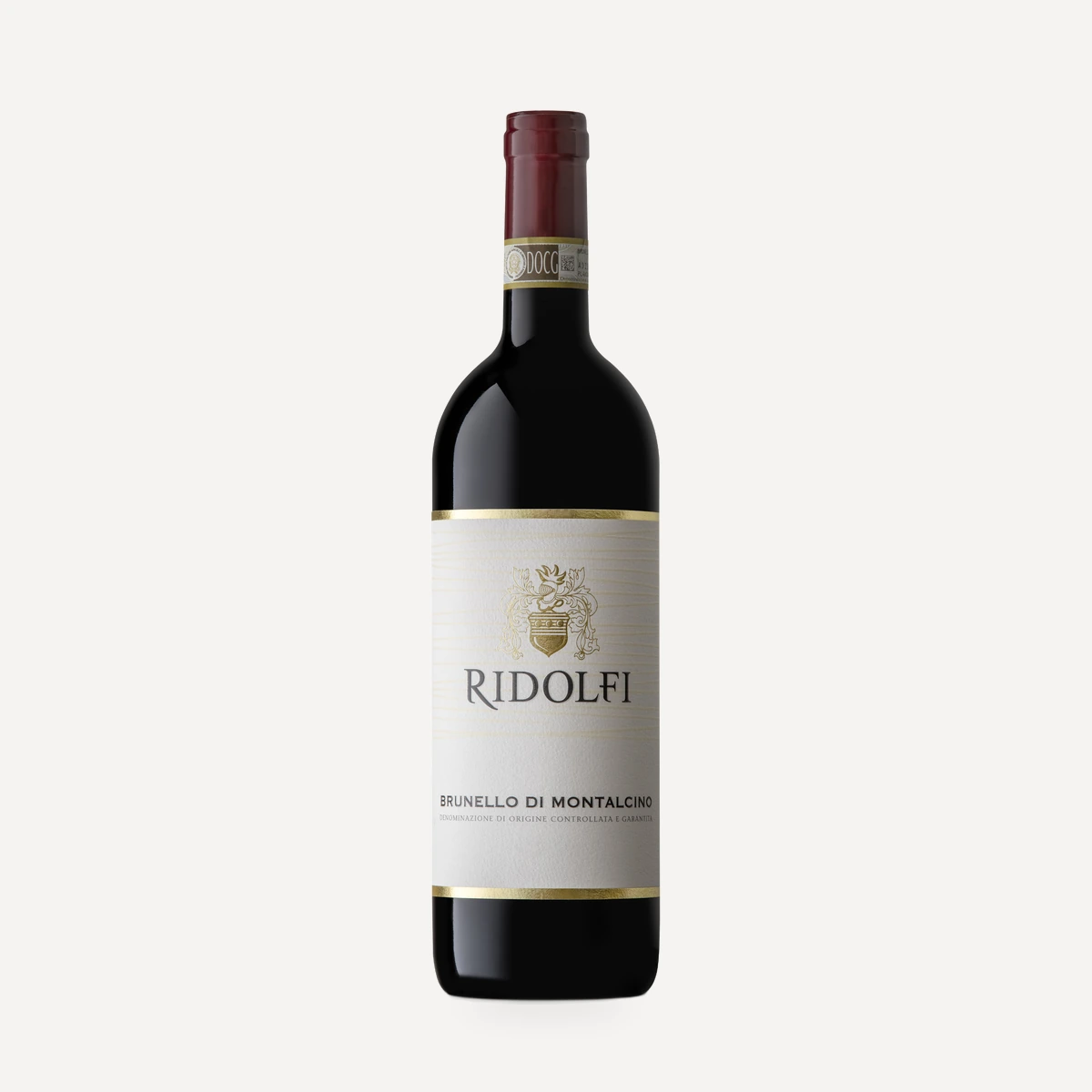
Brunello di Montalcino
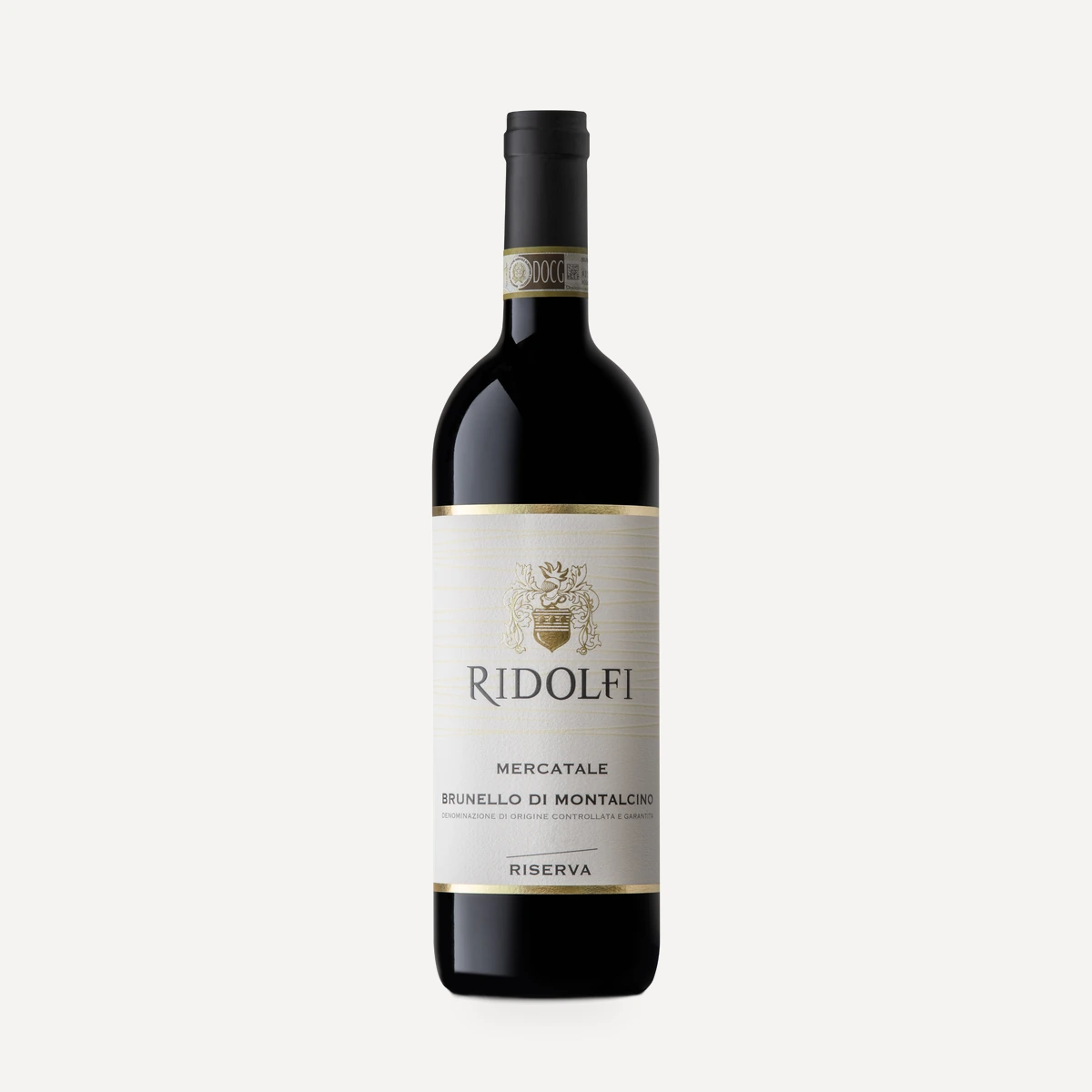
Brunello di Montalcino Riserva Mercatale
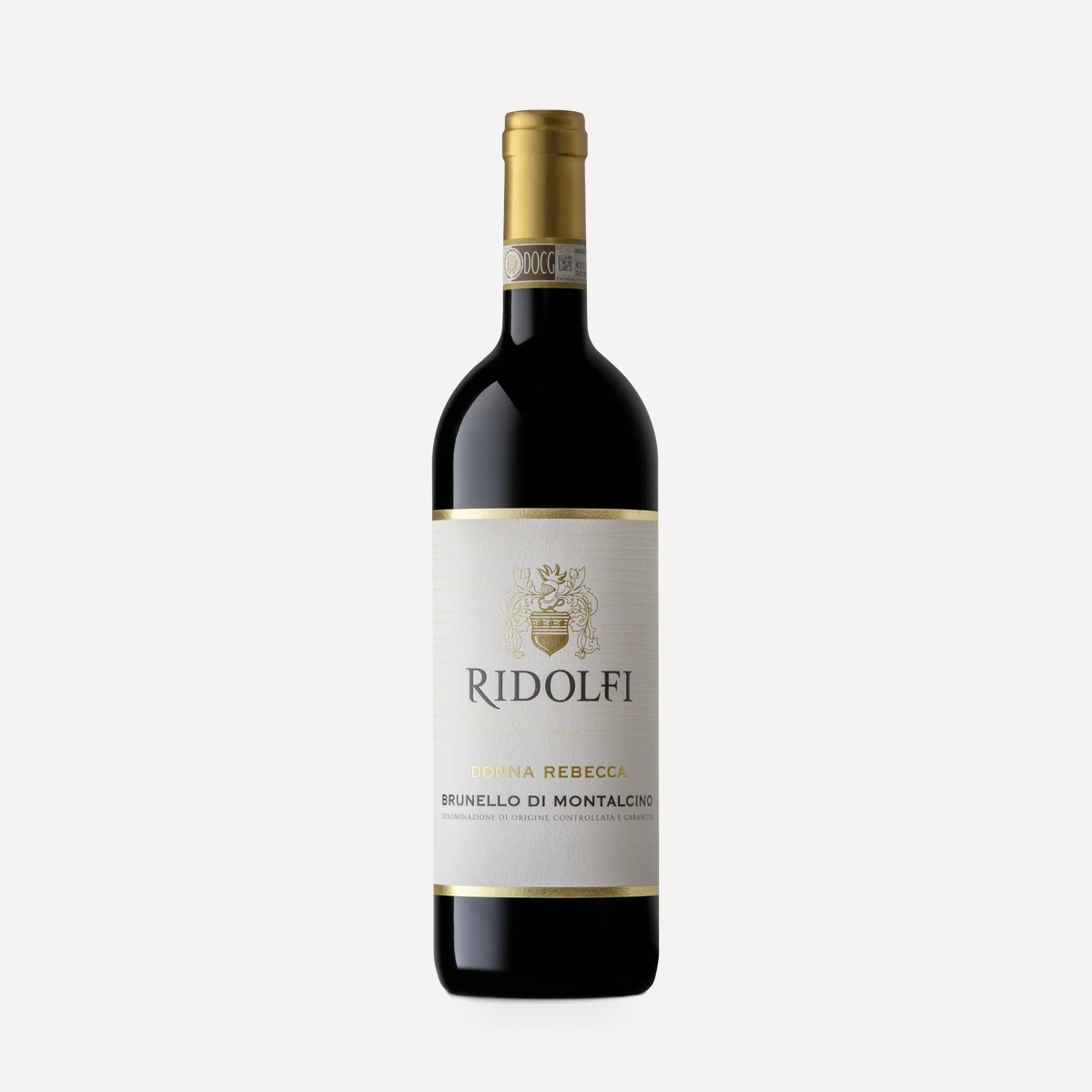
Brunello di Montalcino Donna Rebecca
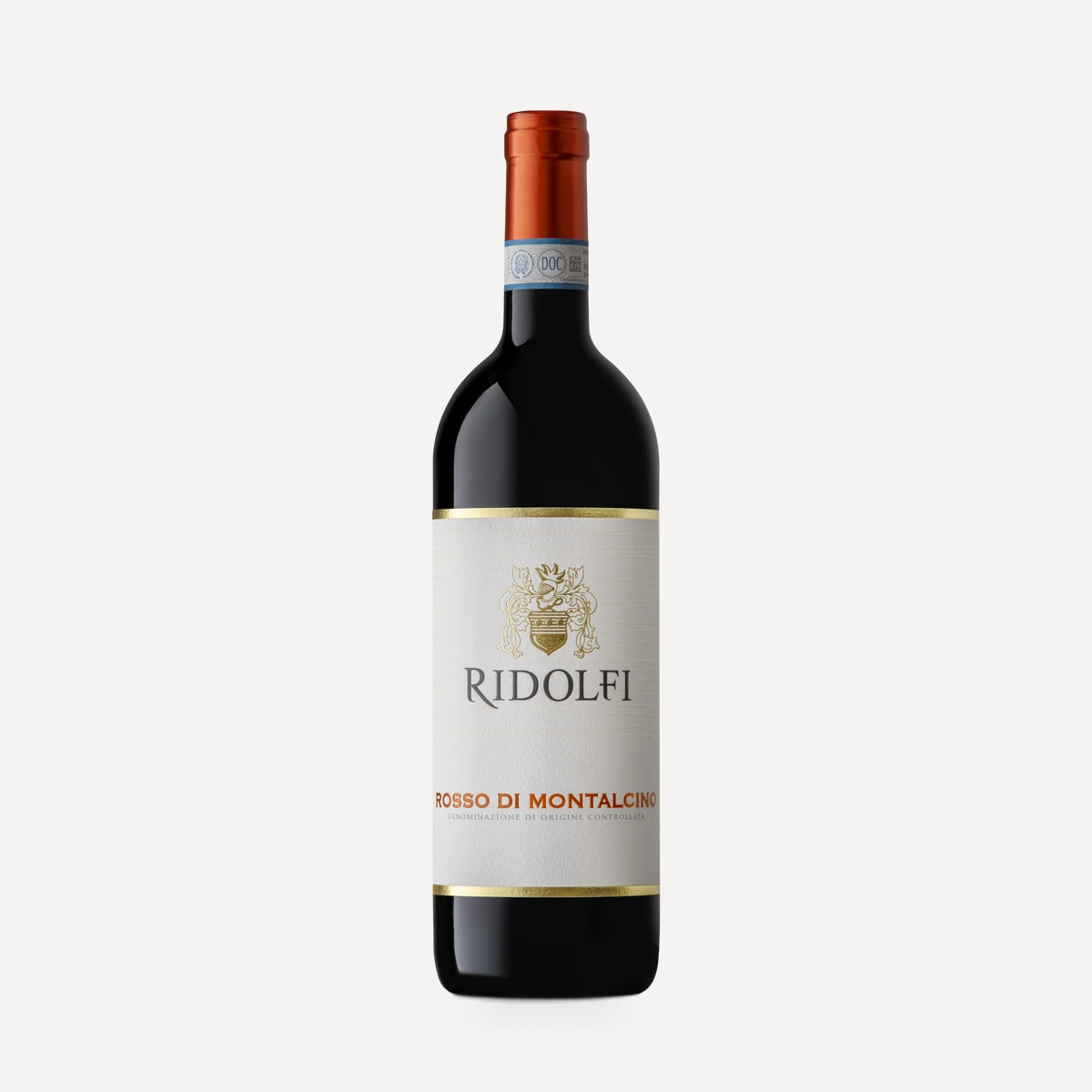
Rosso di Montalcino
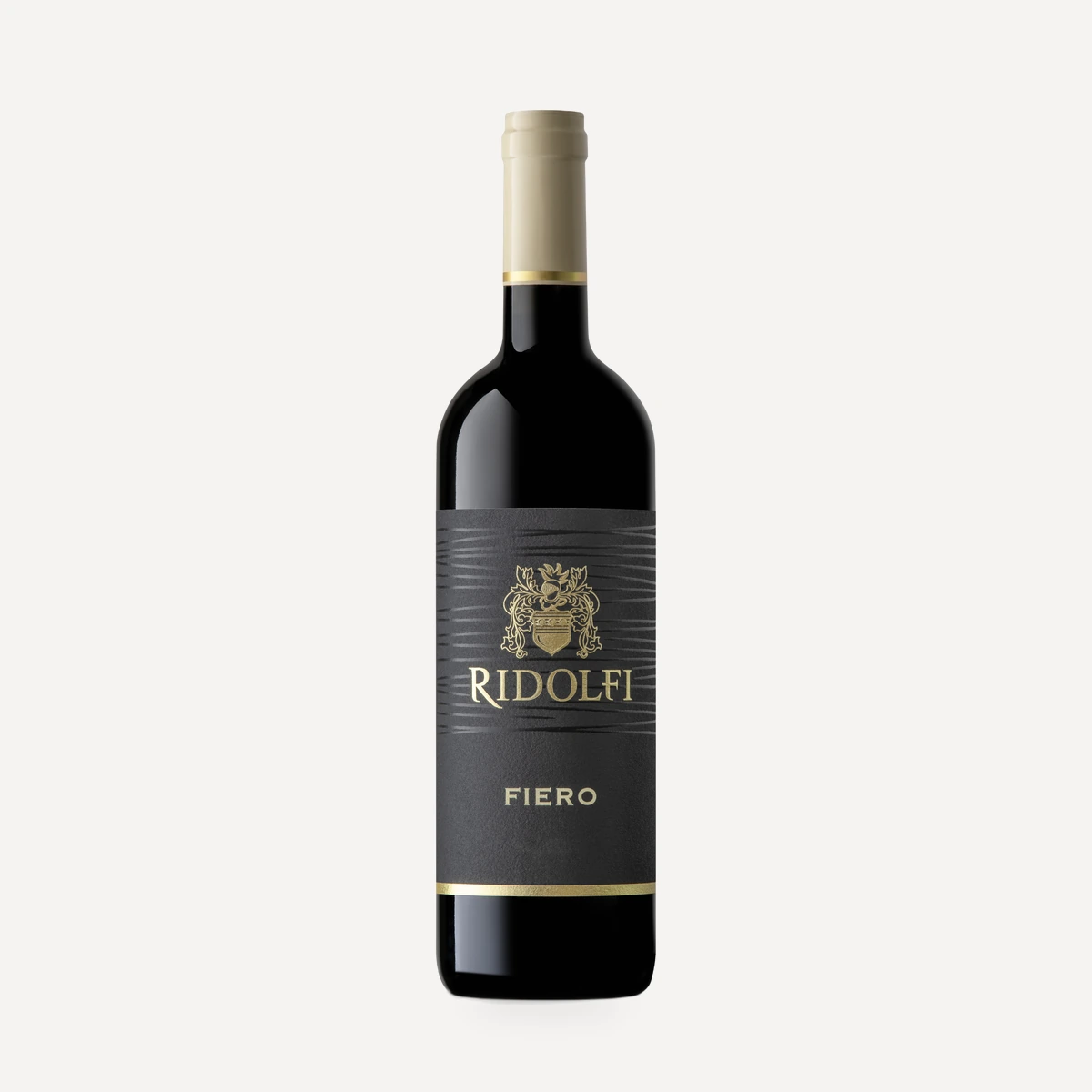
Fiero
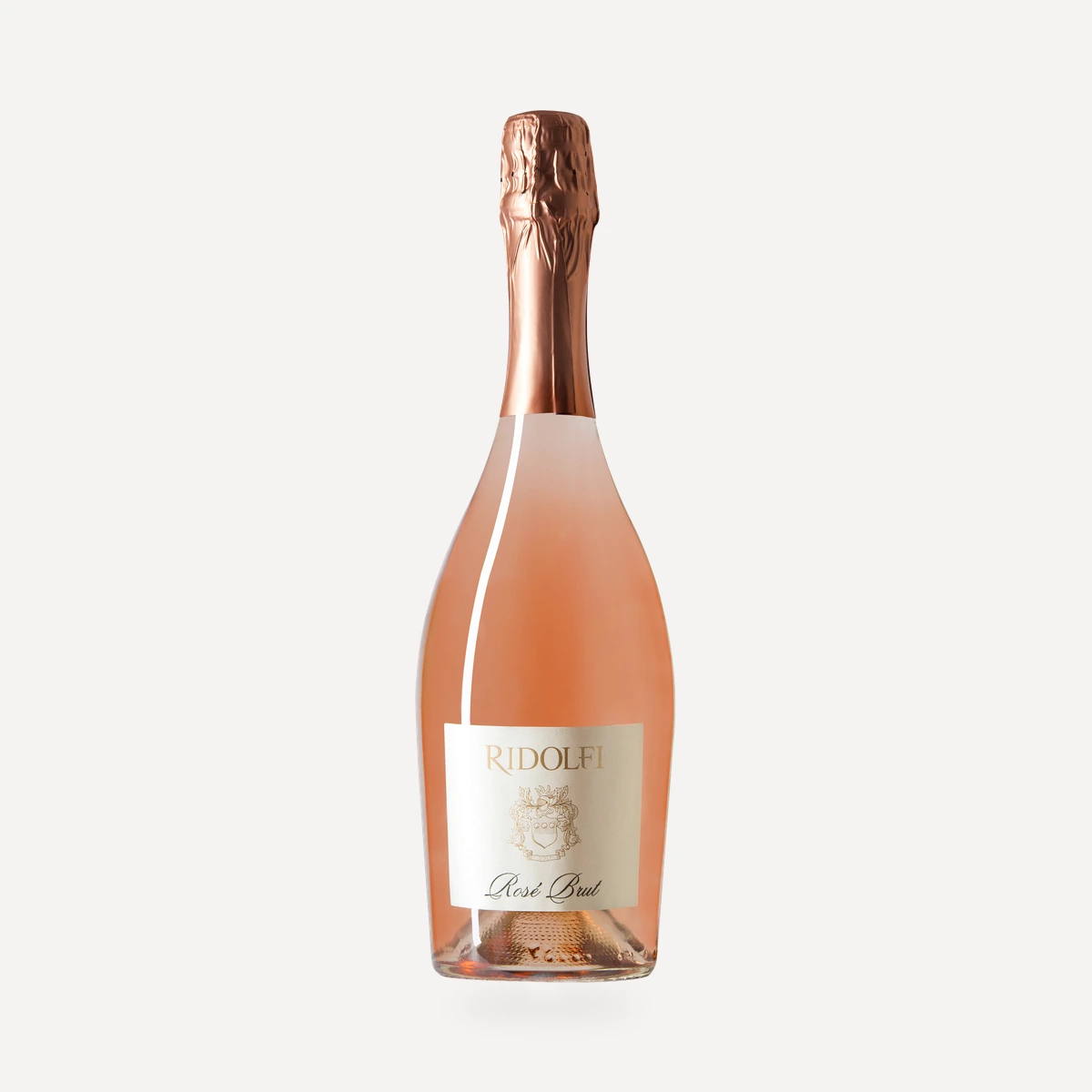
Rosé Brut
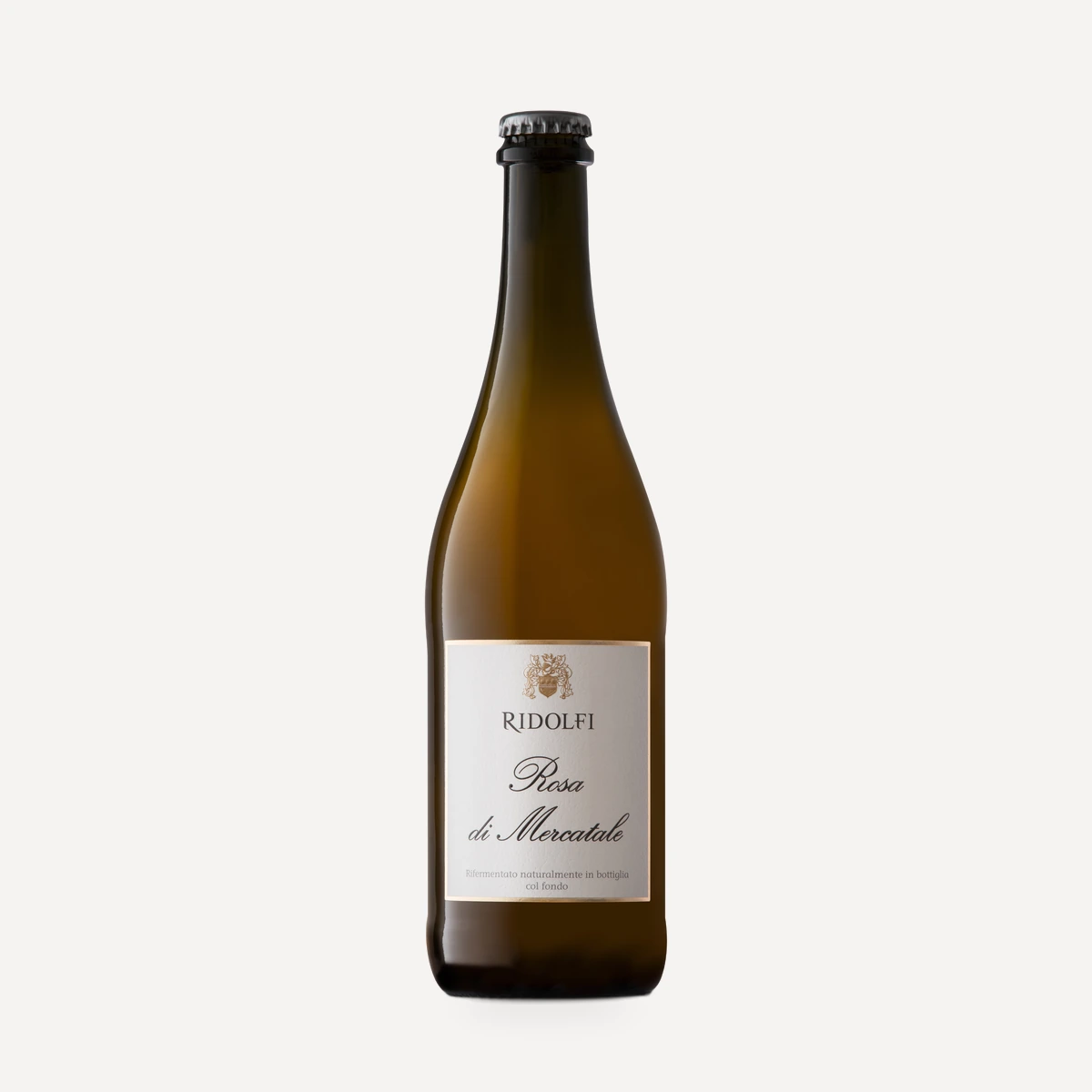
Rosa di Mercatale