Storia
Agricultural development
Rosarubra’s published history is principally the story of its agricultural evolution. Organic certification had been in place for approximately a decade when the estate added Demeter biodynamic certification. The transition was presented as a means of restoring soil fertility, increasing humus and rebuilding the living relationship between vines and soil microorganisms.
The estate subsequently incorporated a symbiotic approach centred on the indigenous microbiology of its soils and plants. This includes the estate’s own production and use of indigenous mycorrhizae, intended to strengthen the vineyards while preserving the biological identity of the site.
Expansion into China
CEO Riccardo Iacobone and Zhou Yong, president of Ouqiao Trading Co., established a strategic partnership and founded Qingtian Rosarubra Trading Company in Qingtian, Zhejiang. Rosarubra regarded the location—near Wenzhou, Hangzhou and Shanghai and connected to a large Chinese community in Italy—as a base for improving logistics, commercial relationships and understanding between the Italian and Chinese markets.
Iacobone subsequently opened Rosarubra’s first Chinese wine shop and tasting venue in Qingtian, at 134 Shijin Road Youhu. Further branded hospitality followed in China, including Rosarubra Mood in Tonglu, about 40 km from Hangzhou.
Musante collaboration
Rosarubra later collaborated with Ligurian artist Francesco Musante on a three-label collection. Musante’s imagery was applied not only to the labels but also to presentation boxes for one, two or three bottles, making the packaging part of the artistic project.
Terroir
Rosarubra lies at Pietranico in the province of Pescara, between the Abruzzese mountains and the Adriatic Sea. The estate occupies fertile hills enclosed and divided by woodland, particularly mature oaks. From the property, the wooded landscape looks toward the sea, while the hills fall eastward toward the rising sun.
The detailed estate description places the land between 330 and 420 metres above sea level and describes it as a convex, north-facing amphitheatre. Sunlight reaches the vineyards throughout the site but is moderated by gradients of approximately 10–20% toward the north and northeast. Newer wine pages describe a broader 300–500-metre range and emphasise the resulting day–night temperature variation.
Water is managed through two bodies of water. An artificial basin at the centre of the estate stores approximately 2,000 m³ supplied partly by rainfall and partly by a spring vein. Together with wells, it can support drip irrigation when necessary. A second basin on the valley floor can intercept part of a stream draining much of the western valley.
The woodland, water, air currents, exposure and surrounding mountains are treated as integral parts of the vineyard environment. A medium-textured soil is specified for the high-density Montepulciano and Pecorino plots used by the Musante collection, but no estate-wide geological or analytical soil profile is published.
Vinificazione
Rosarubra combines certified organic and Demeter-certified biodynamic farming with practices described as symbiotic agriculture. The programme is intended to rebuild soil fertility and humus, support indigenous microorganisms and maintain the biological identity of the vineyards.
The biodynamic programme supplies organic matter rather than seeking a direct fertilising effect. The permitted inputs described by the estate are manure and autumn-sown green manures that are later incorporated into the soil. Rosarubra presents this as a way to compensate for the annual mineralisation of organic matter and keep the soil’s organic balance positive. Permanent or regular grassing is also documented in vineyard technical material.
The symbiotic programme respects the microbiology of both soil and plants. It favours estate-produced inputs and indigenous mycorrhizae, which increase the active microbial population and support vine development.
Medicinal and aromatic plants form another part of the vineyard ecology. Pollinators visit their flowers, while plant extracts are used to fertilise and strengthen the soil and plants. The estate also maintains insect hotels containing materials suited to solitary bees, stag beetles, dragonflies, moths, ladybirds and earwigs. These structures provide habitat for beneficial insects and support biological control.
Bees live in an estate apiary described as a protected habitat, pollinating the wild flowers and spontaneous herbs around the oak woods. The wider biodiversity programme includes the conservation of threatened poultry breeds and habitat for resident and migratory wildlife.
Harvest practices vary by plot and wine, but the available technical material repeatedly documents manual harvesting and manual bunch selection. Some cuvées use an early harvest, while others rely on prolonged ripening or slight overripeness. The Musante collaboration is sourced from vineyards described as approximately 30 years old.
Rosarubra’s cellar page is primarily photographic, so the production record comes from its current wine pages and technical documents. Methods vary by cuvée rather than following one universal protocol.
Temperature-controlled stainless-steel vats are used widely for fermentation and maturation. Published examples include fermentation at 12°C and steel ageing of approximately six to eight months. Some wines undergo malolactic fermentation in steel, while red-wine programmes may use separate fermentations and different skin-contact periods for each grape variety.
The cellar also uses cement and wood. One blend is fermented separately by variety in steel, matured first in cement and then for about one year in oak barriques. Other red wines ferment or mature in 10-hectolitre Slavonian oak vats, 300-litre Slavonian oak barrels or a single large cask. The Intimo technical sheet records separate Merlot and Montepulciano fermentations, 12- and 16-day macerations respectively, completion of malolactic fermentation in wood, and subsequent maturation in wood and steel.
For rosé production, one documented process uses about eight hours of skin contact followed by white-wine vinification, a slow 20-day fermentation and steel ageing. Bottling in the complete absence of oxygen appears repeatedly across the still-wine range.
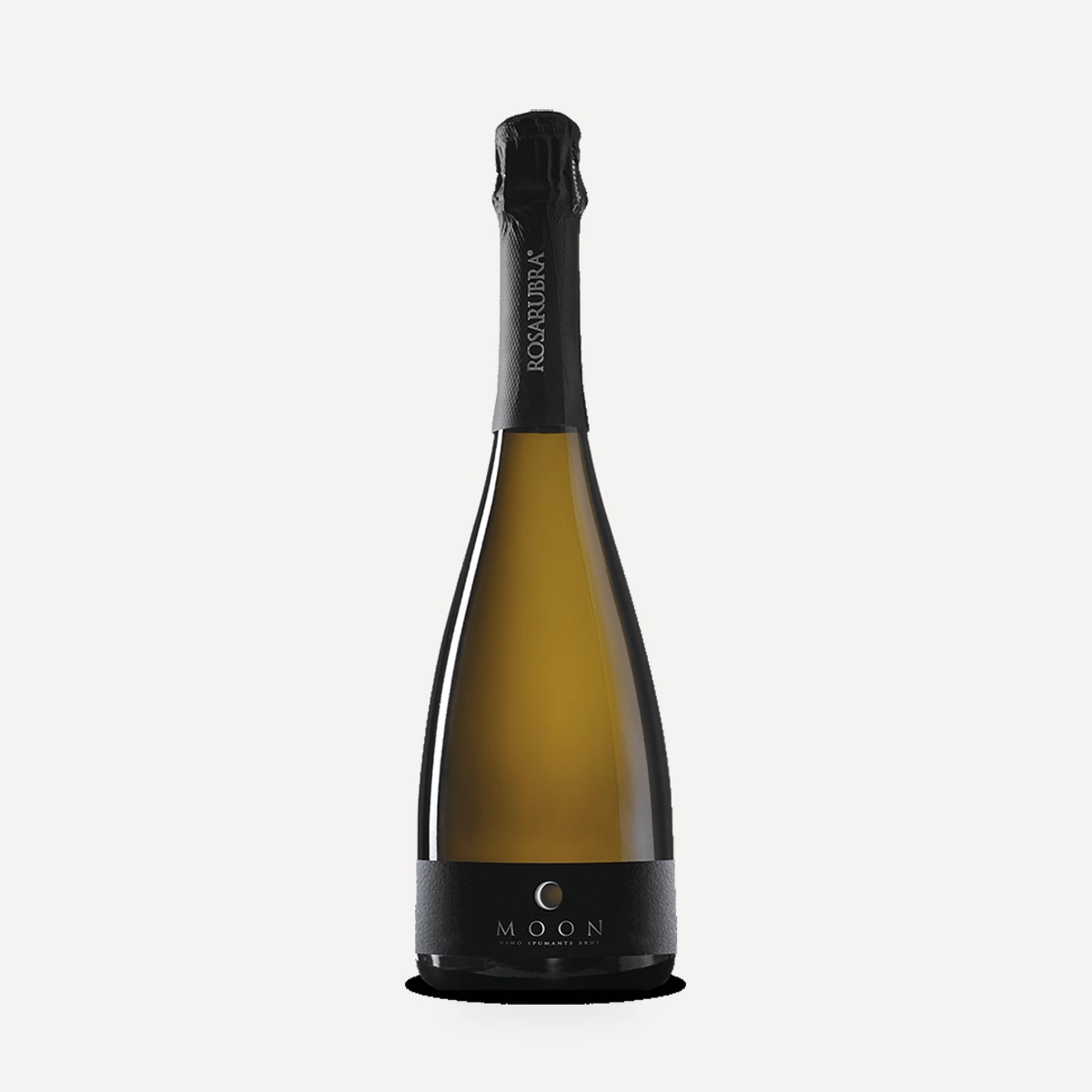
The sparkling range includes wines identified as metodo ancestrale. The Moon Rosé technical sheet instead documents rosé fermentation in temperature-controlled steel followed by a long Martinotti–Charmat process lasting at least six months, filtration and isobaric bottling.
Filosofia
Rosarubra treats the vineyard valley as the current chapter in a much longer natural and human history, rather than simply as an agricultural business. Its philosophy places the woods, watercourses, mountains, air currents, wildlife and cultivated land within one interdependent environment.
The estate presents organic farming as an expression of the property’s existing natural order as well as a technical protocol. Biodynamics is intended to recover the soil’s original fertility, rebuild humus and recreate a living microbial structure comparable to that found in woodland. Symbiotic agriculture extends the same principle through indigenous mycorrhizae and respect for the microbiology of the soil and plants.
Human work is framed as stewardship: cultivated ground is deliberately interwoven with land left to woodland and wildlife. The logo embodies this idea. Although it can be read as a stylised rose or as the outline of the property and its central lake, Rosarubra’s preferred interpretation is a hand protecting a small heart—a symbol of care for nature, land and conscientious workmanship.
Vini
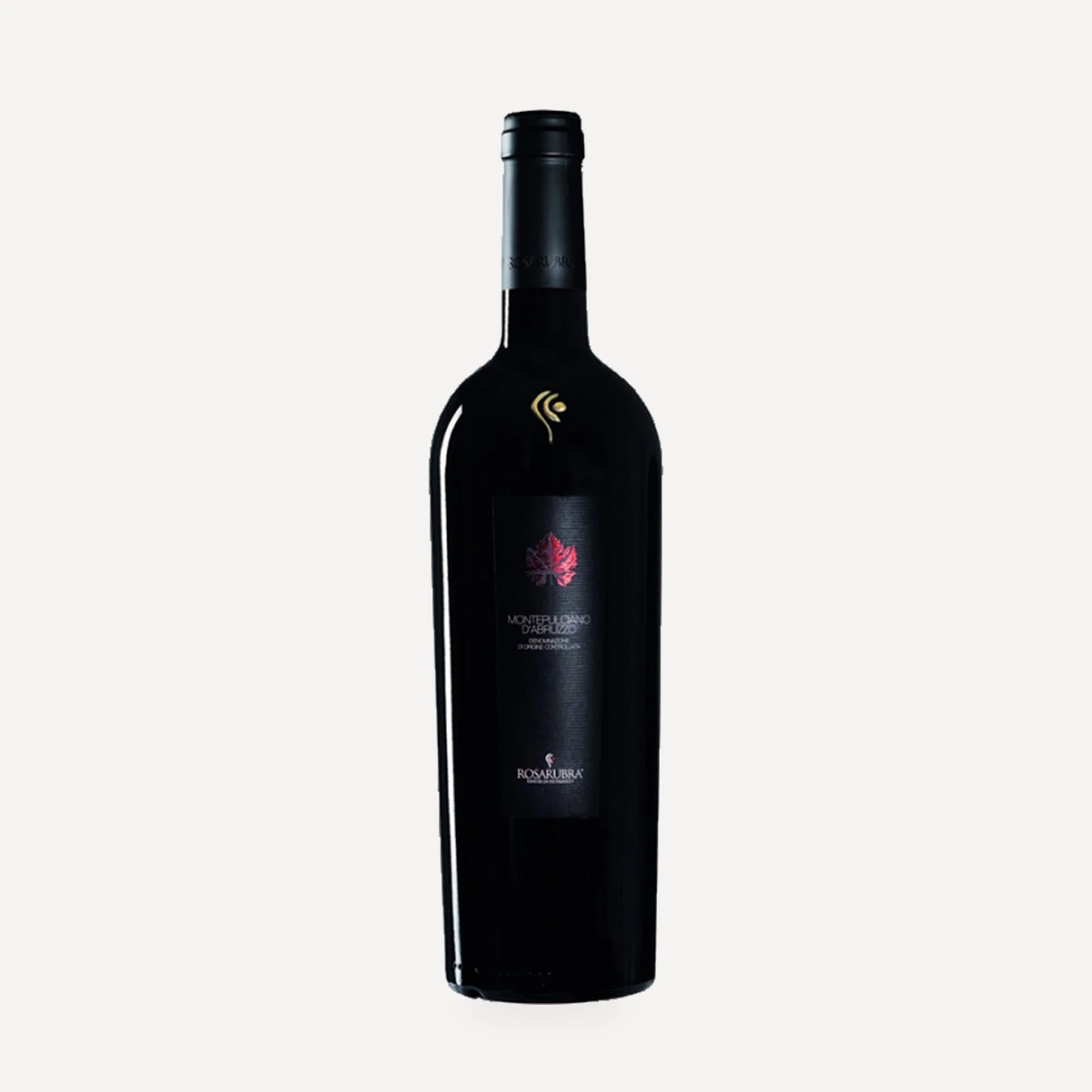
Autoctoni Montepulciano d’Abruzzo DOC
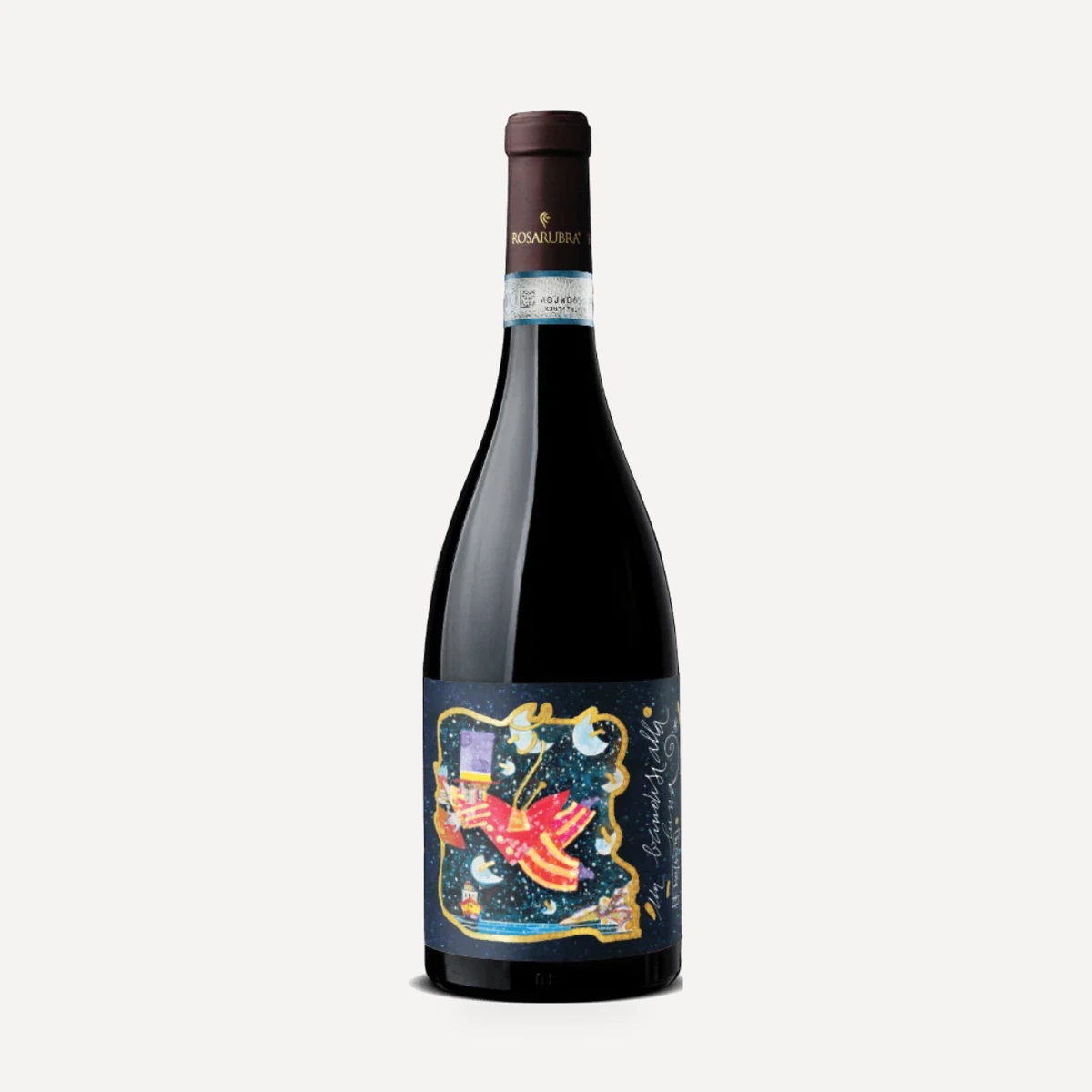
Musante x Rosarubra Montepulciano d’Abruzzo DOC Riserva
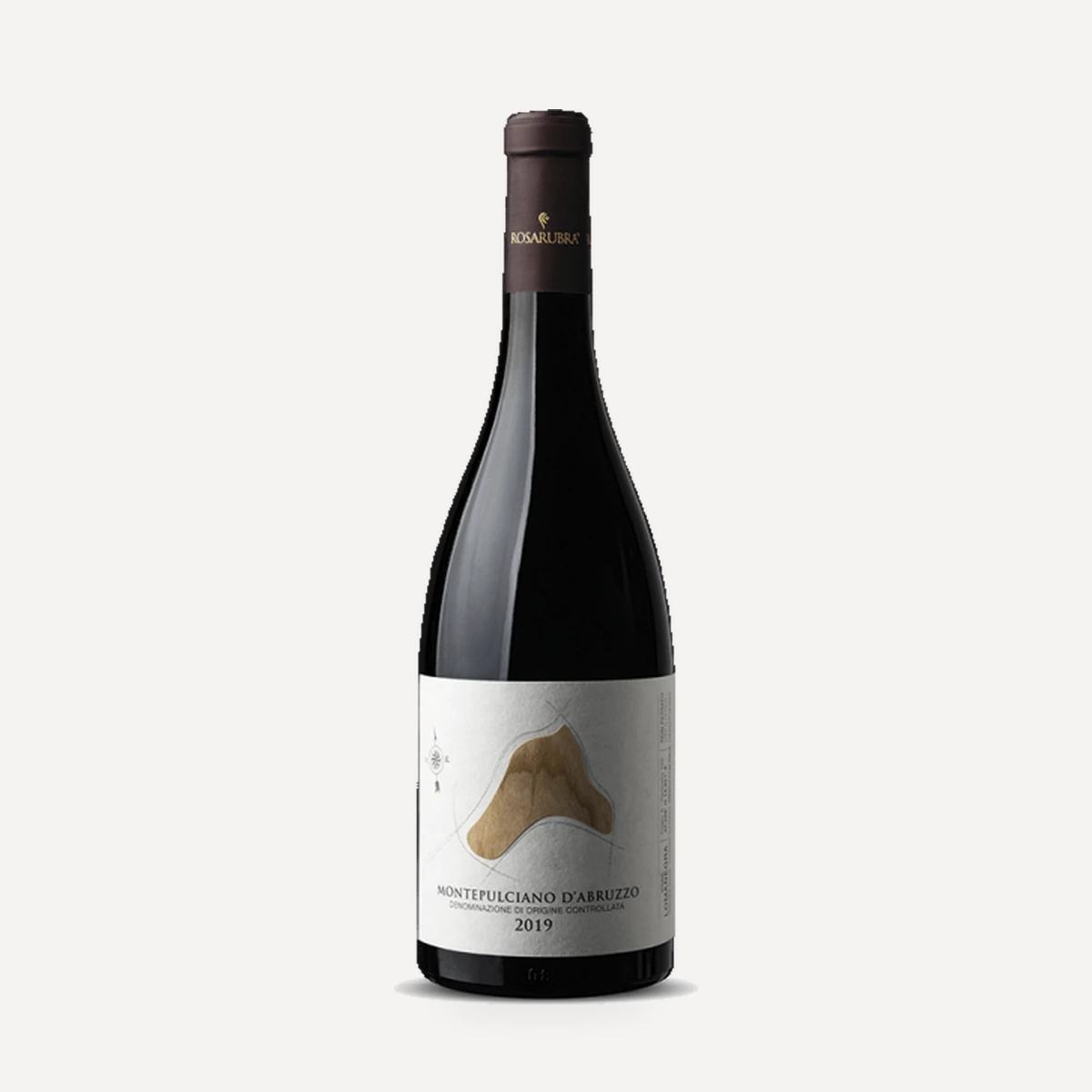
Vigne Lomanegra Montepulciano d’Abruzzo DOC
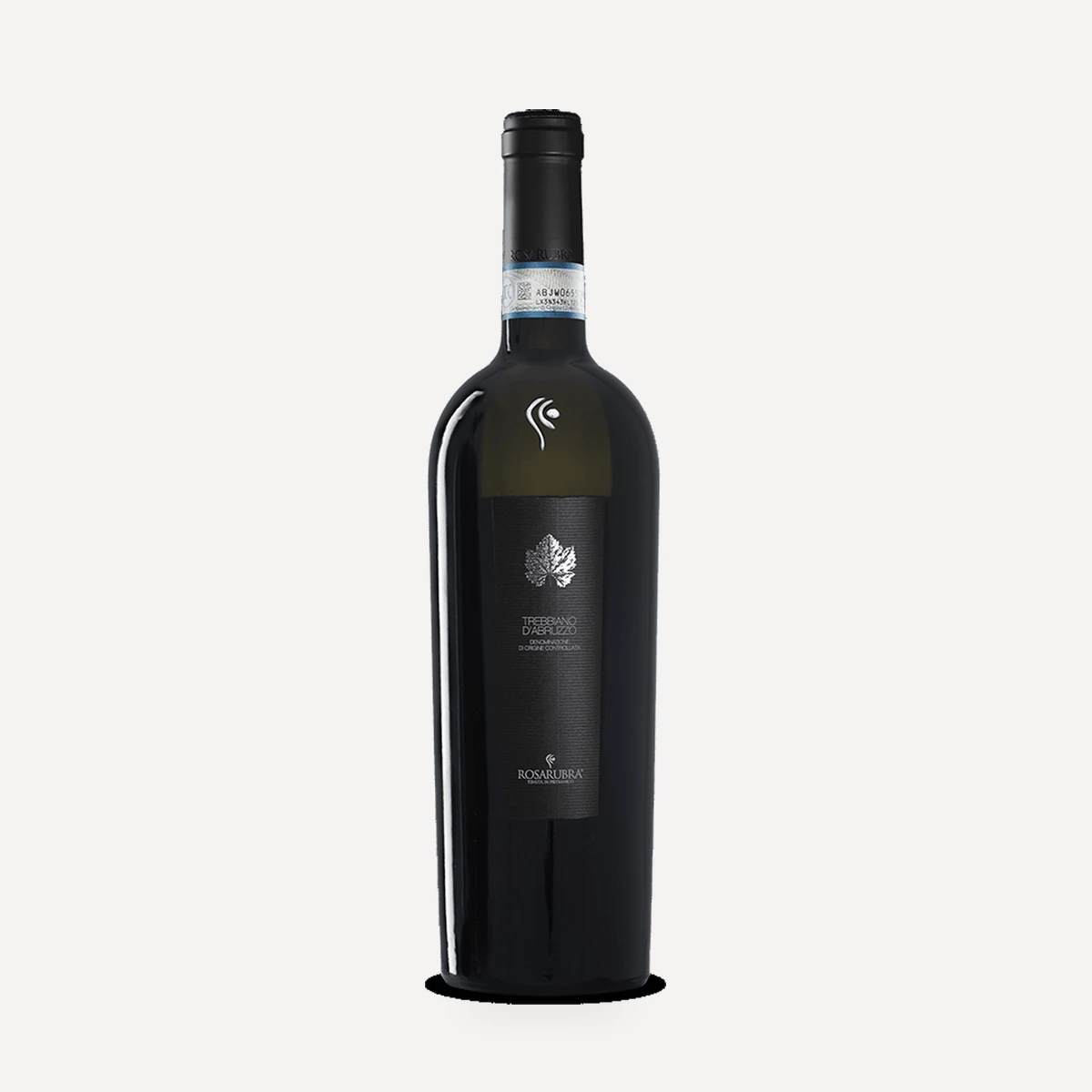
Autoctoni Trebbiano d’Abruzzo DOC
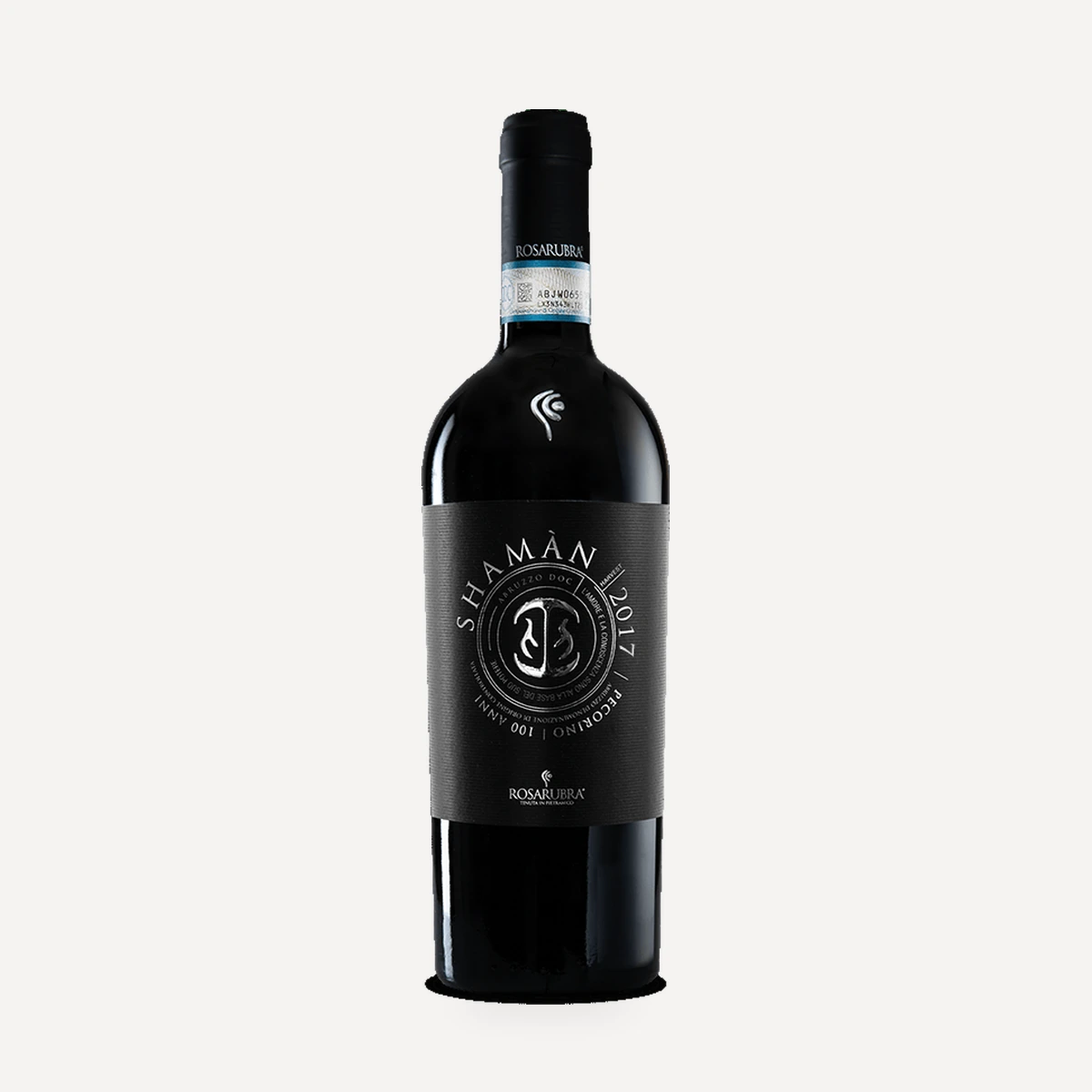
Shamàn Pecorino d’Abruzzo DOC
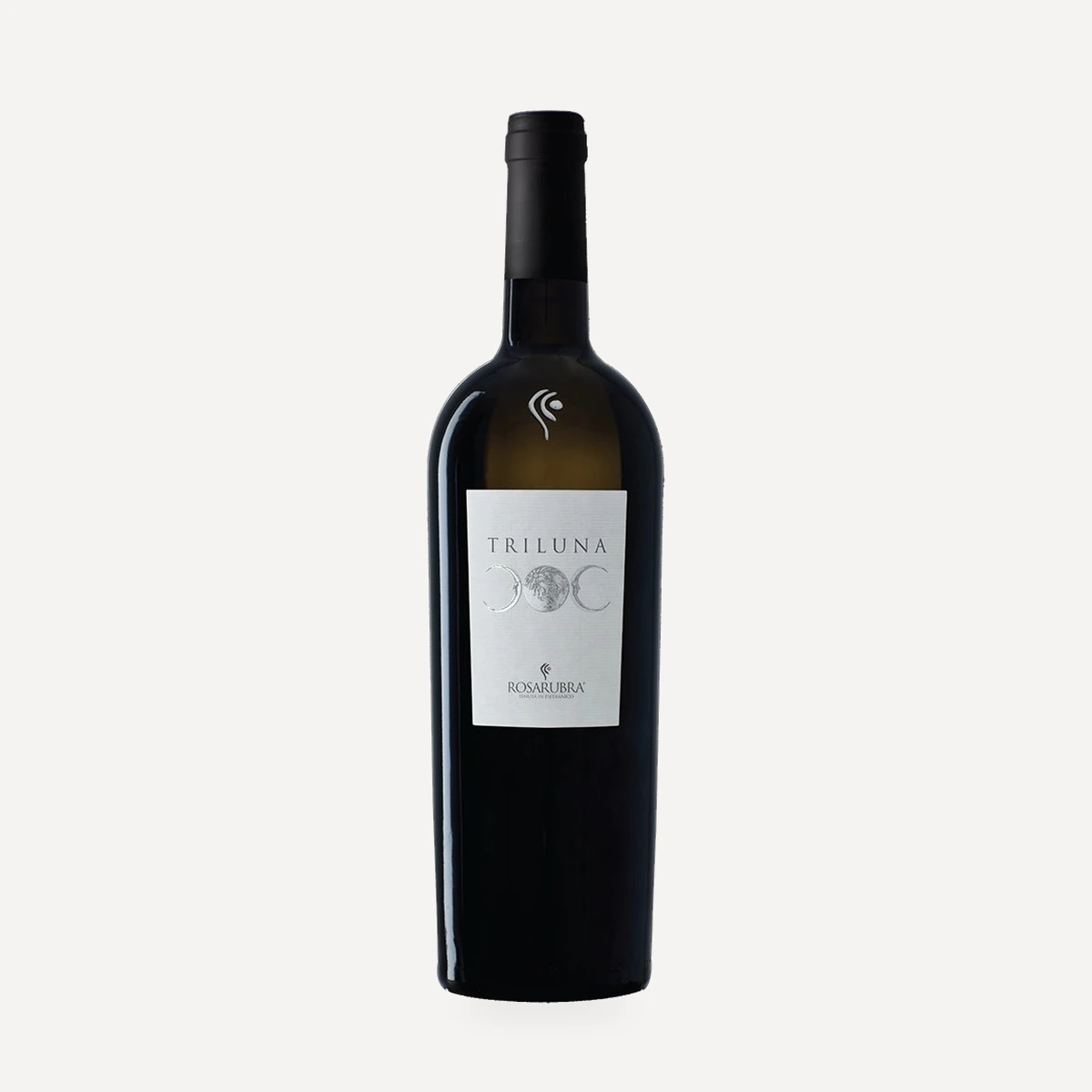
Triluna I.G.T. Colline Pescaresi
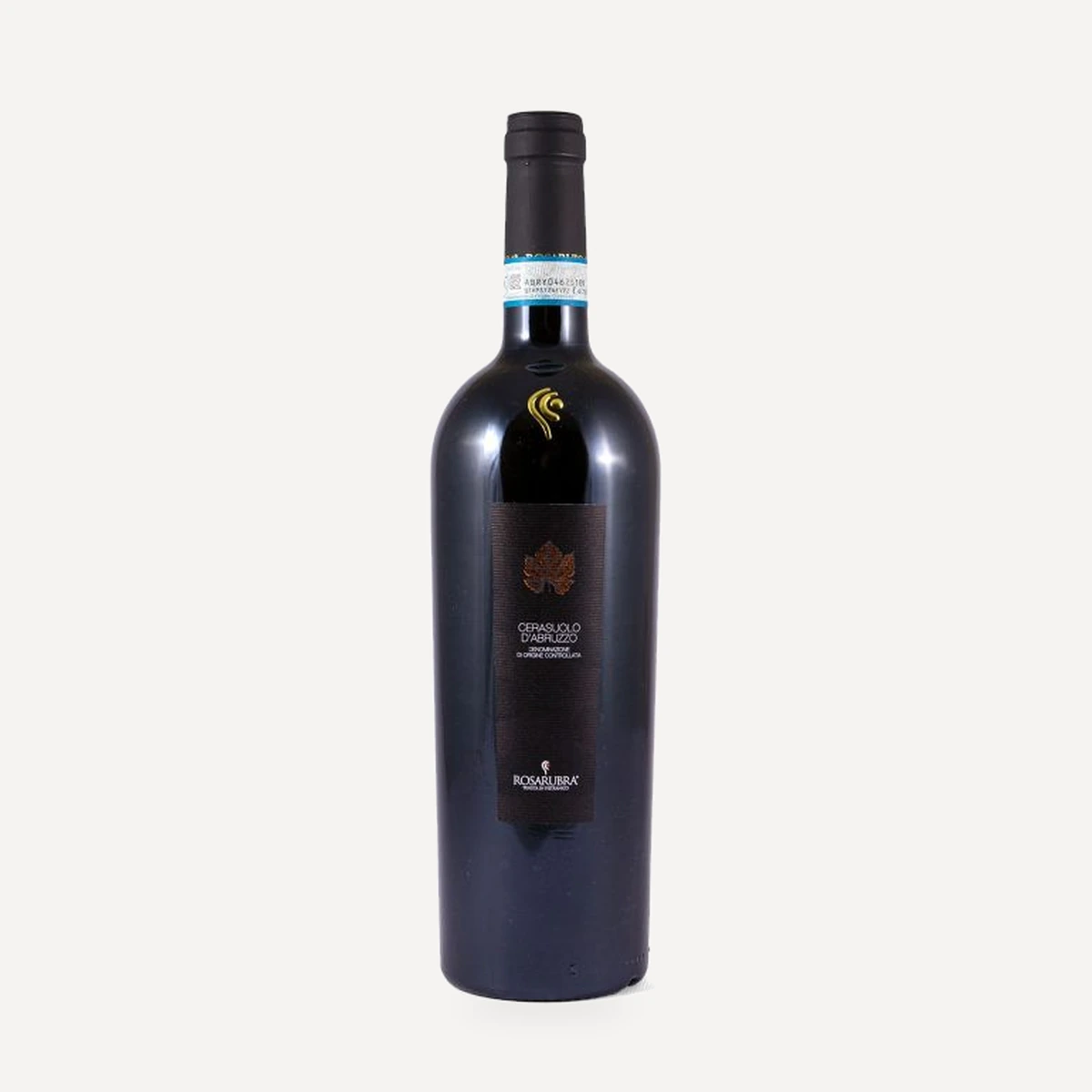
Autoctoni Cerasuolo d’Abruzzo DOC
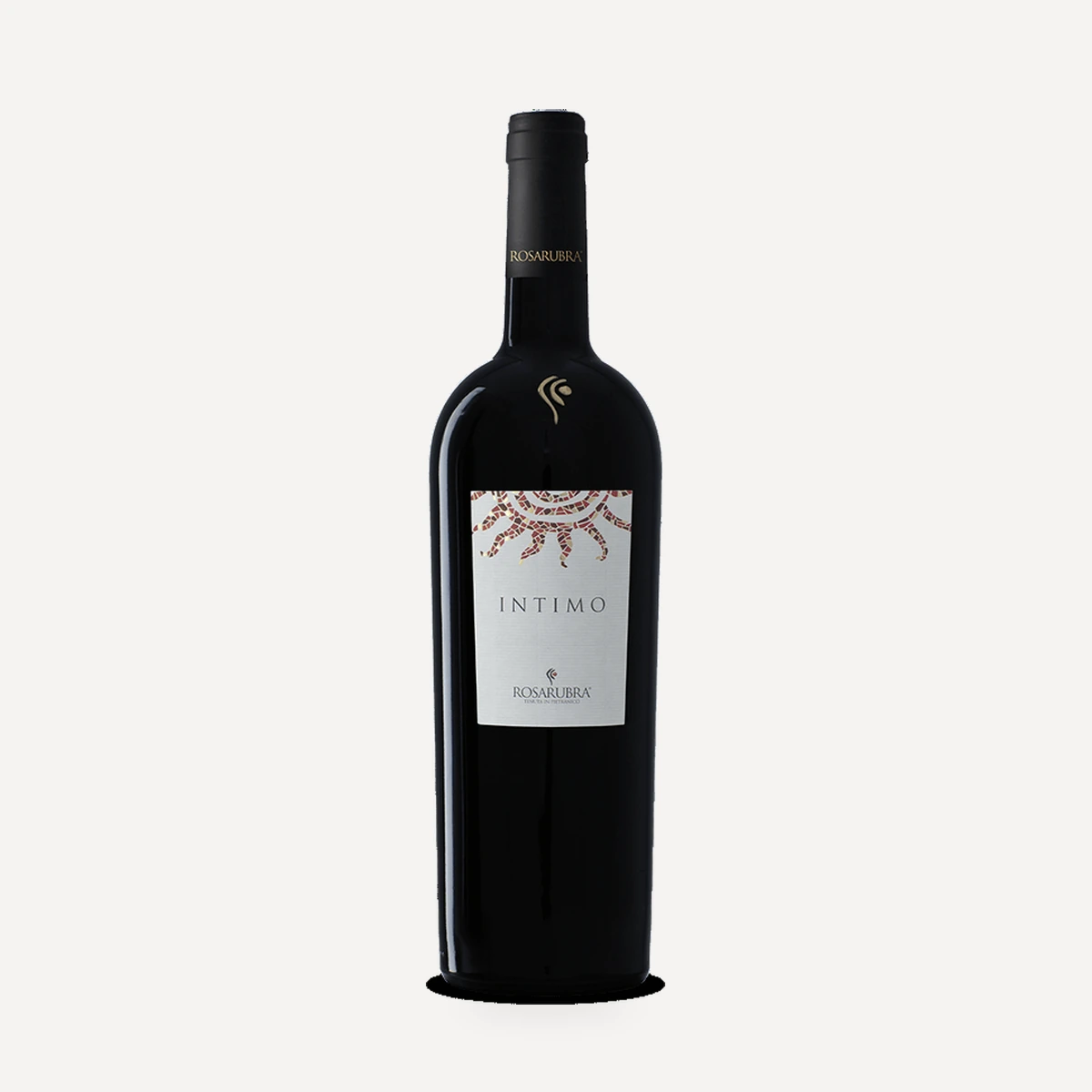
Intimo I.G.T. Colline Pescaresi
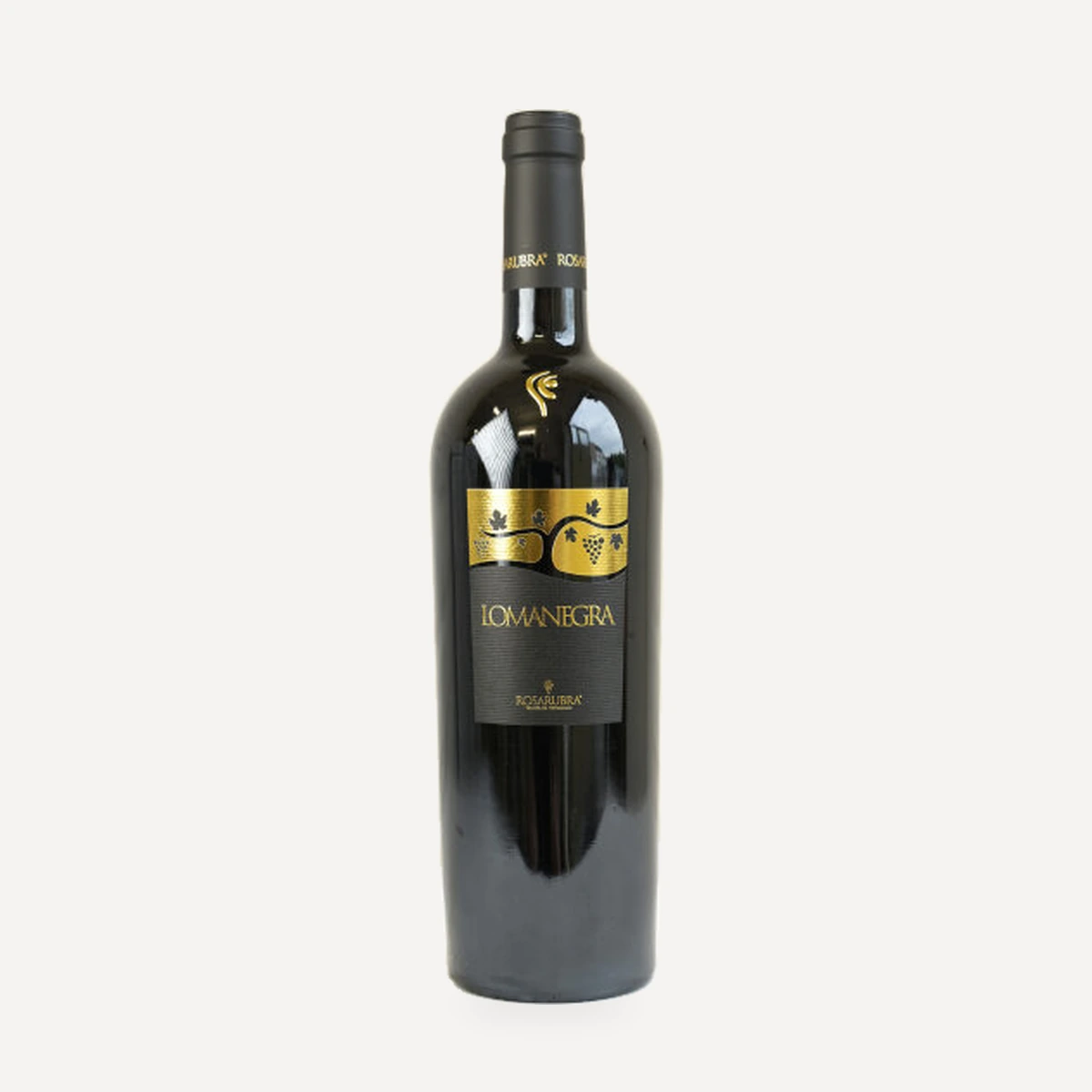
Lomanegra I.G.T. Colline Pescaresi
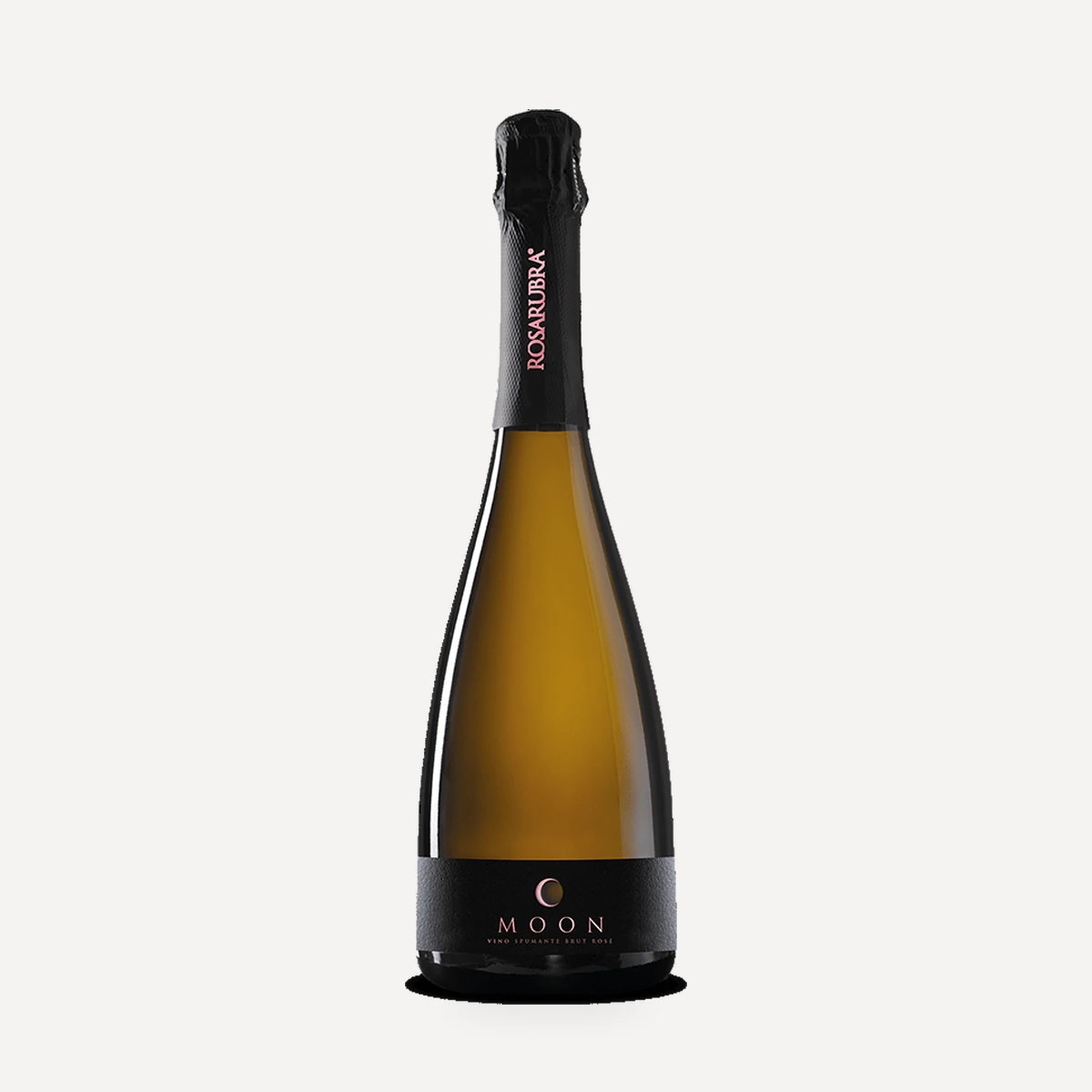
Moon Rosé Spumante Brut
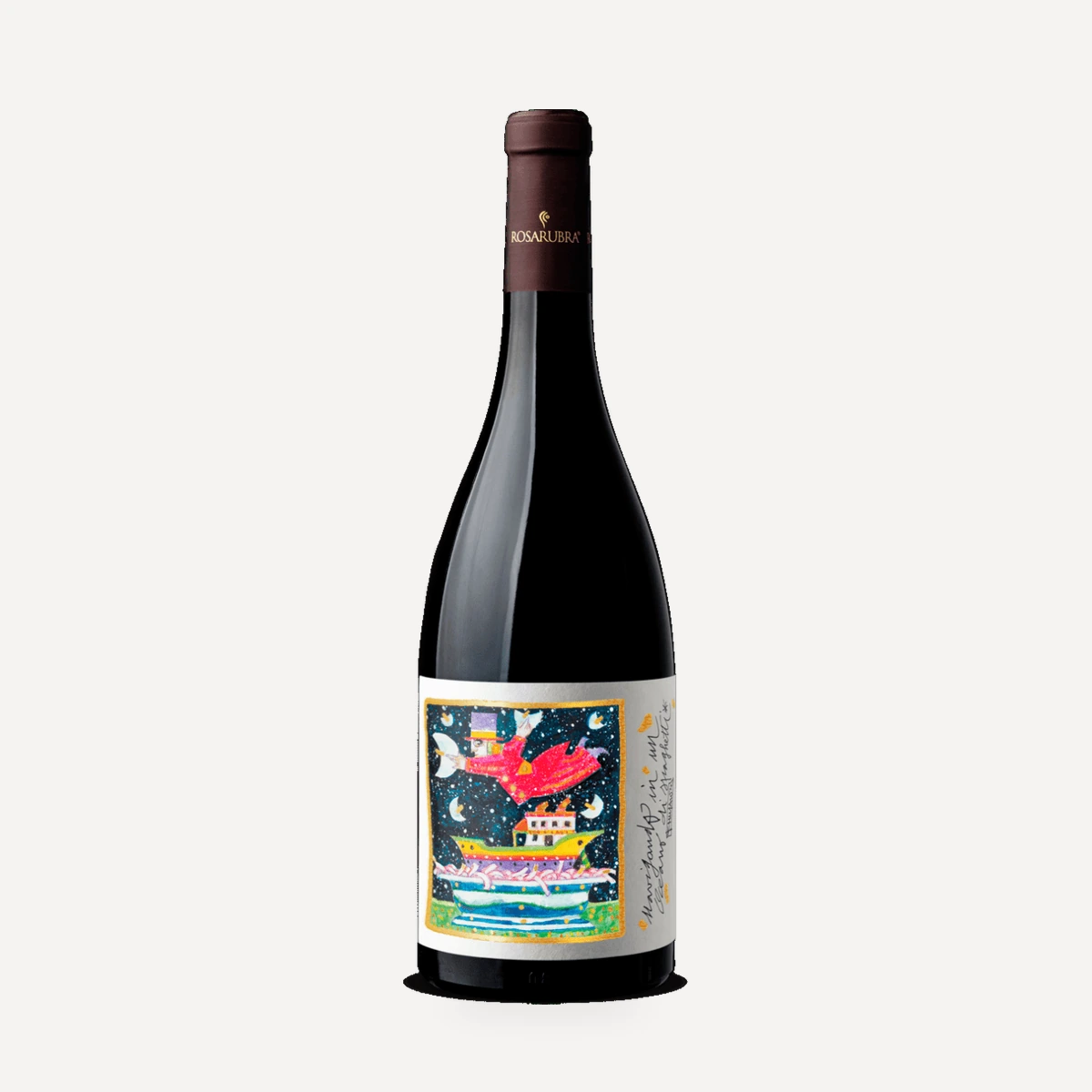
Musante x Rosarubra Merlot I.G.T. Colline Pescaresi
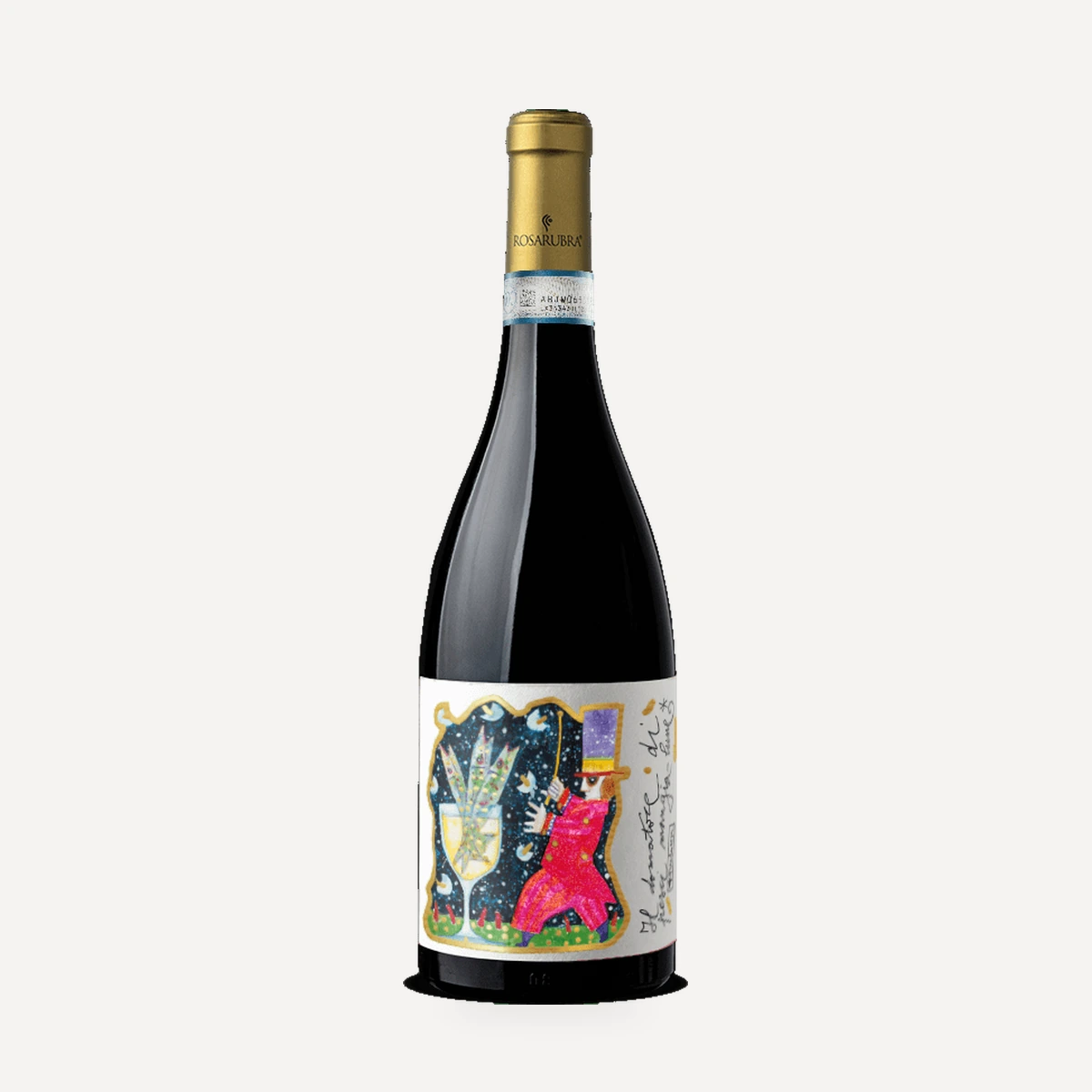
Musante x Rosarubra Pecorino Abruzzo DOC
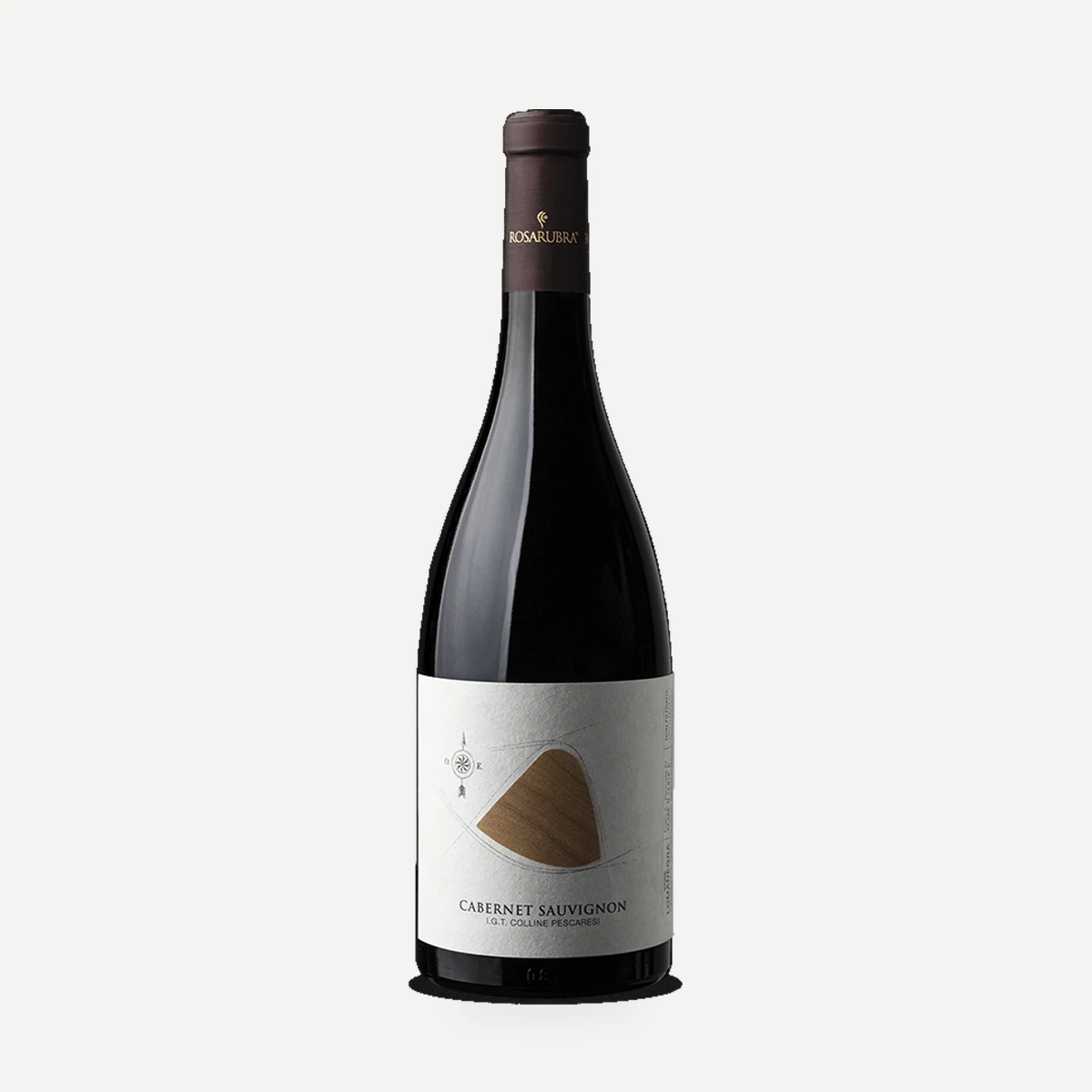
Vigne Lomanegra Cabernet Sauvignon I.G.T. Colline Pescaresi
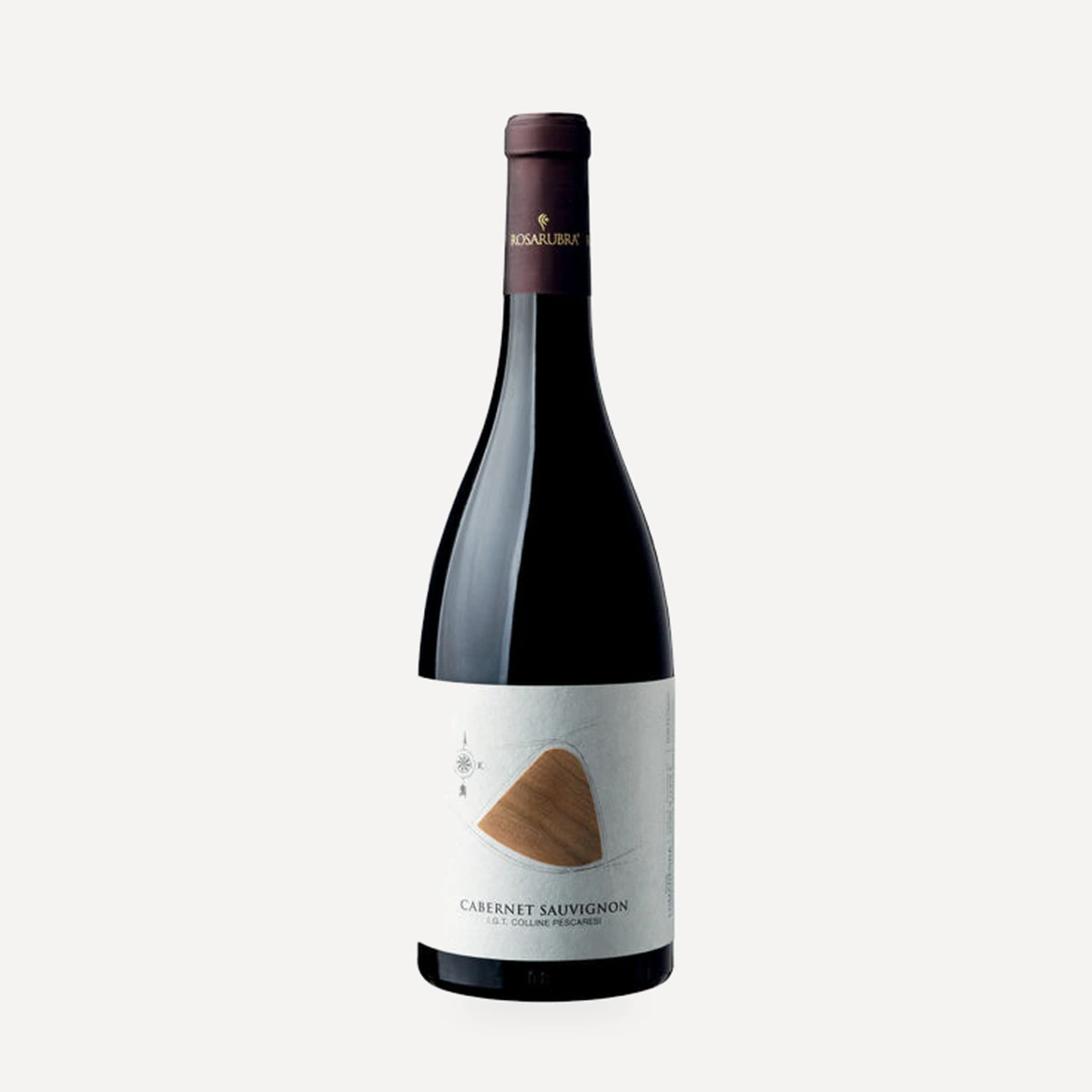
Vigne Lomanegra Cabernet Sauvignon I.G.T. Colline Pescaresi NR
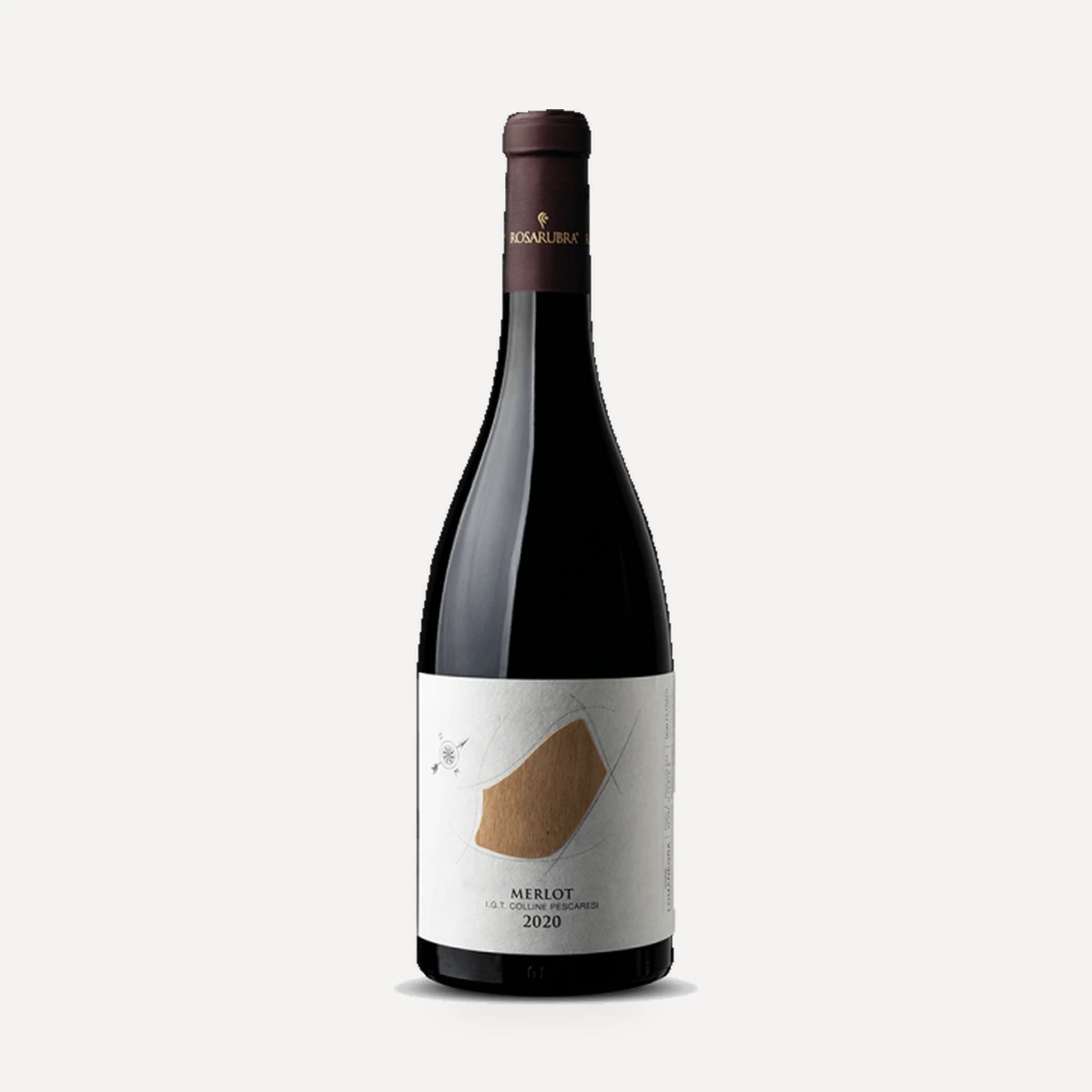
Vigne Lomanegra Merlot I.G.T. Colline Pescaresi
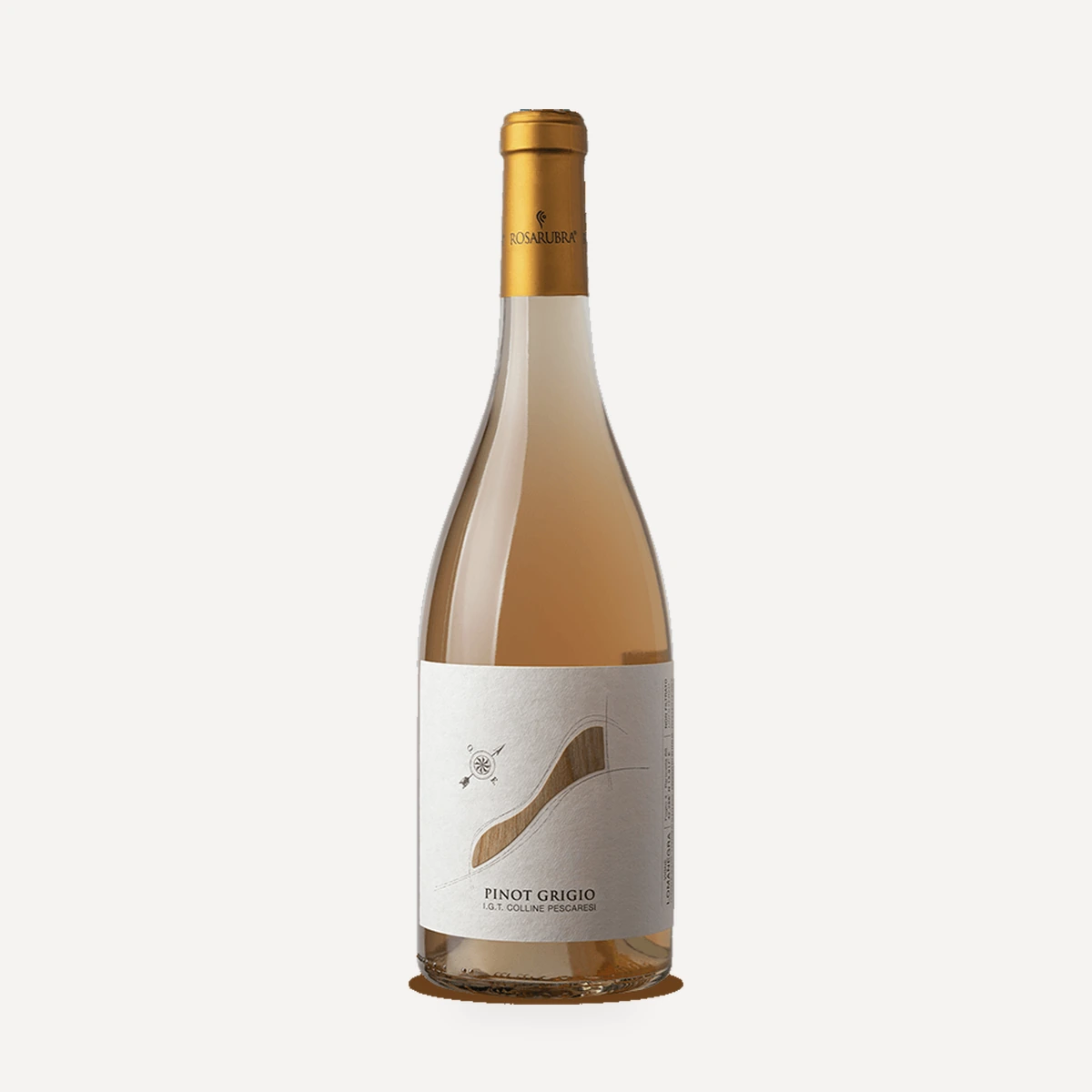
Vigne Lomanegra Pinot Grigio I.G.T. Colline Pescaresi
Shamàn Montepulciano DOC Riserva
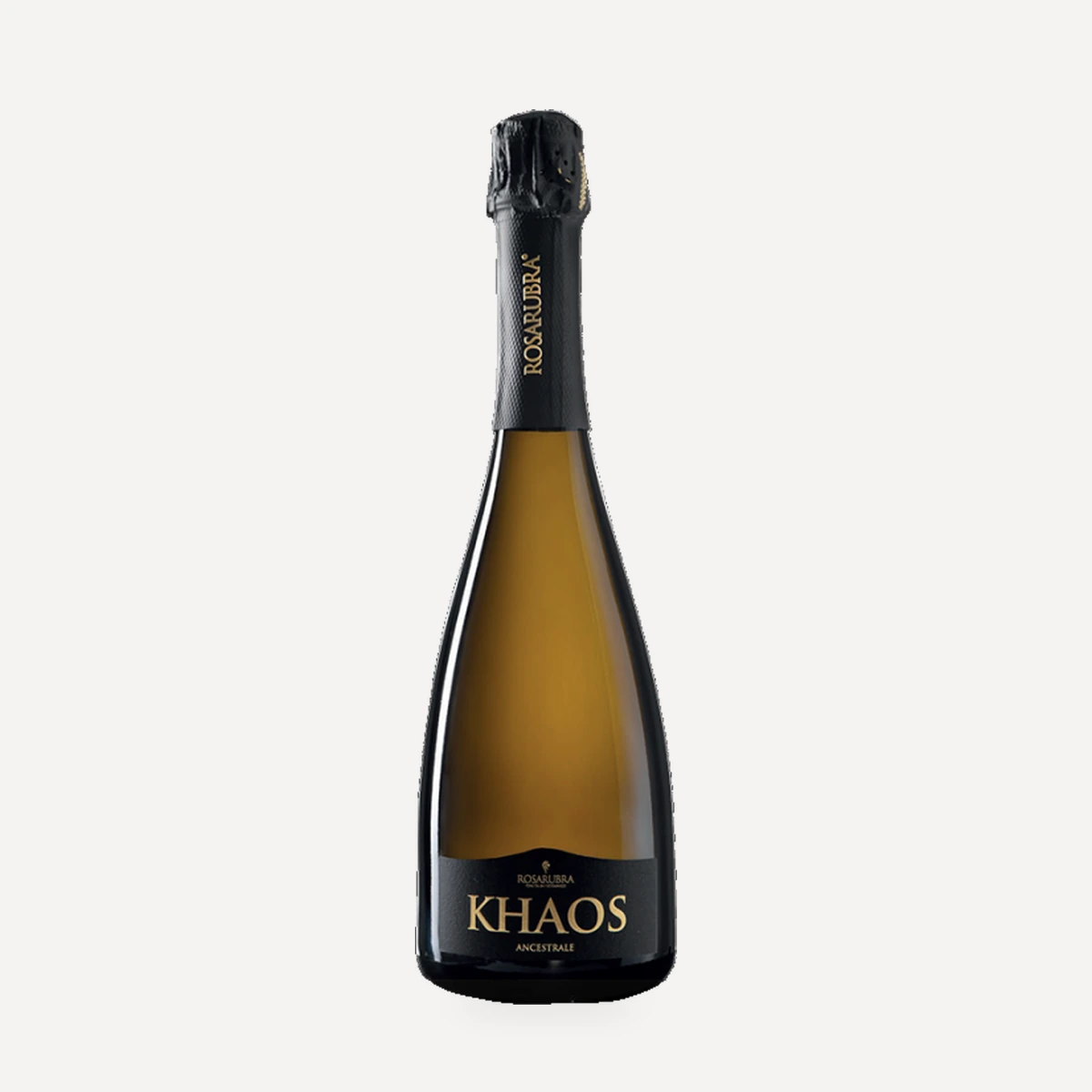
KHAOS Pinot Grigio Spumante Metodo Ancestrale
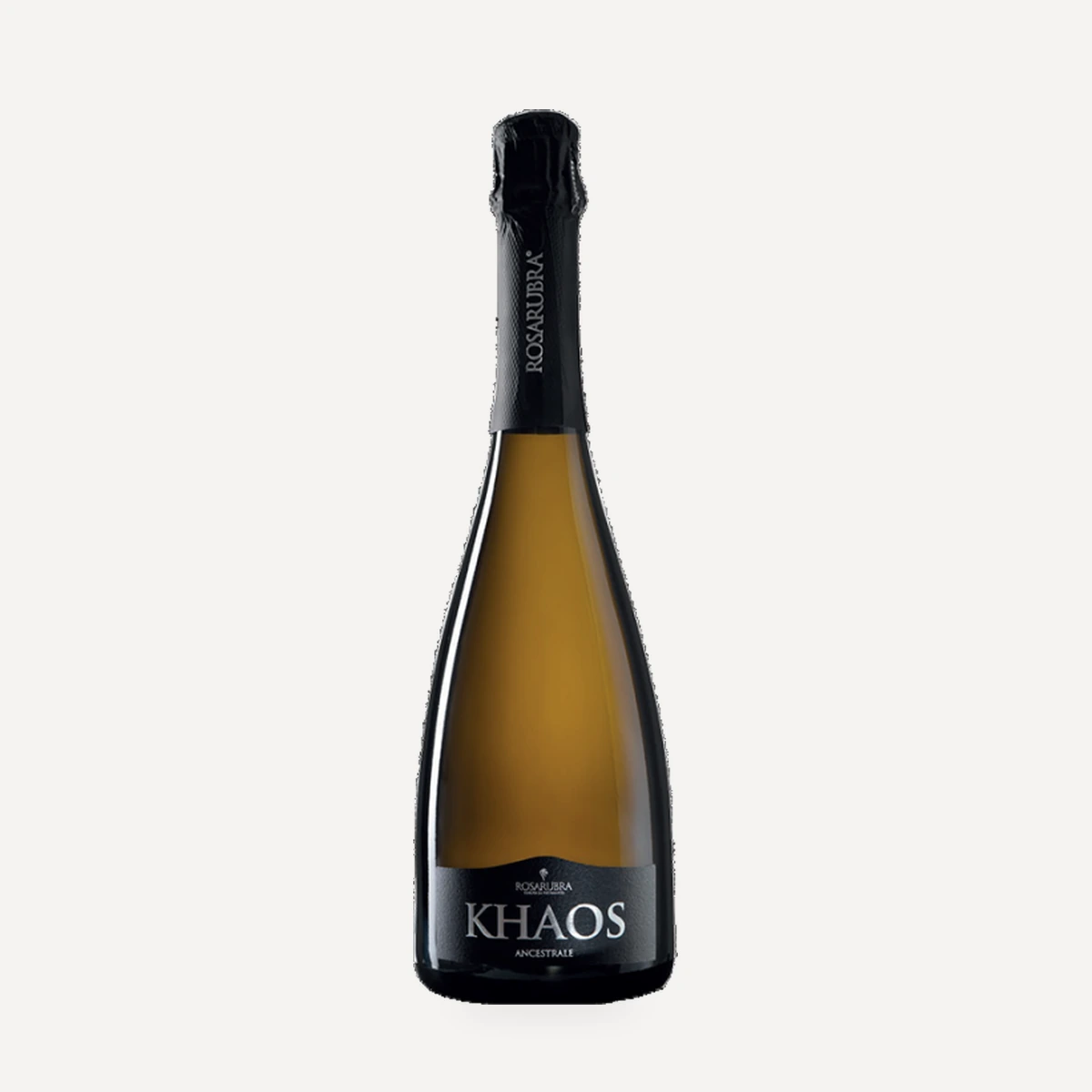
KHAOS Trebbiano Spumante Metodo Ancestrale