Storia
The Rubinelli family and Vajol
The Rubinelli family has lived in Valpolicella for generations. Its recorded association with Vajol begins with Gaetano Rubinelli, regarded as the family’s progenitor. An engineer, Gaetano designed and built the Chievo Dam on the River Adige, a project that supplied electricity to Verona’s developing industries in the early twentieth century. After completing that work, he bought the Vajol property, drawn by its amphitheatre-like shape and position in the historic heart of Valpolicella.
The estate lies on the slopes between San Floriano and San Pietro in Cariano. Its vineyards surround Corte Sant’Anna in a single south-facing body of land, with the farmhouse, cellar and drying loft at the centre.
From family land to an estate label
A family vision of connecting wine, landscape and the character of Vajol was already being passed from one generation to the next in the 1950s. Over time, the family resolved to bottle a cru of Vajol capable of expressing grapes ripened under the valley’s full southern exposure and naturally dried in its mild, ventilated conditions.
In 2006, brothers Alberto and Renzo Rubinelli—grandsons of Gaetano—created the Rubinelli Vajol label. Production initially centred on two wines, Valpolicella Classico Superiore and Amarone della Valpolicella Classico, each assigned one 50 hl cask. The brothers presented their first Amarone, from the 2006 vintage, at the Anteprima Amarone event held on 30–31 January 2010.
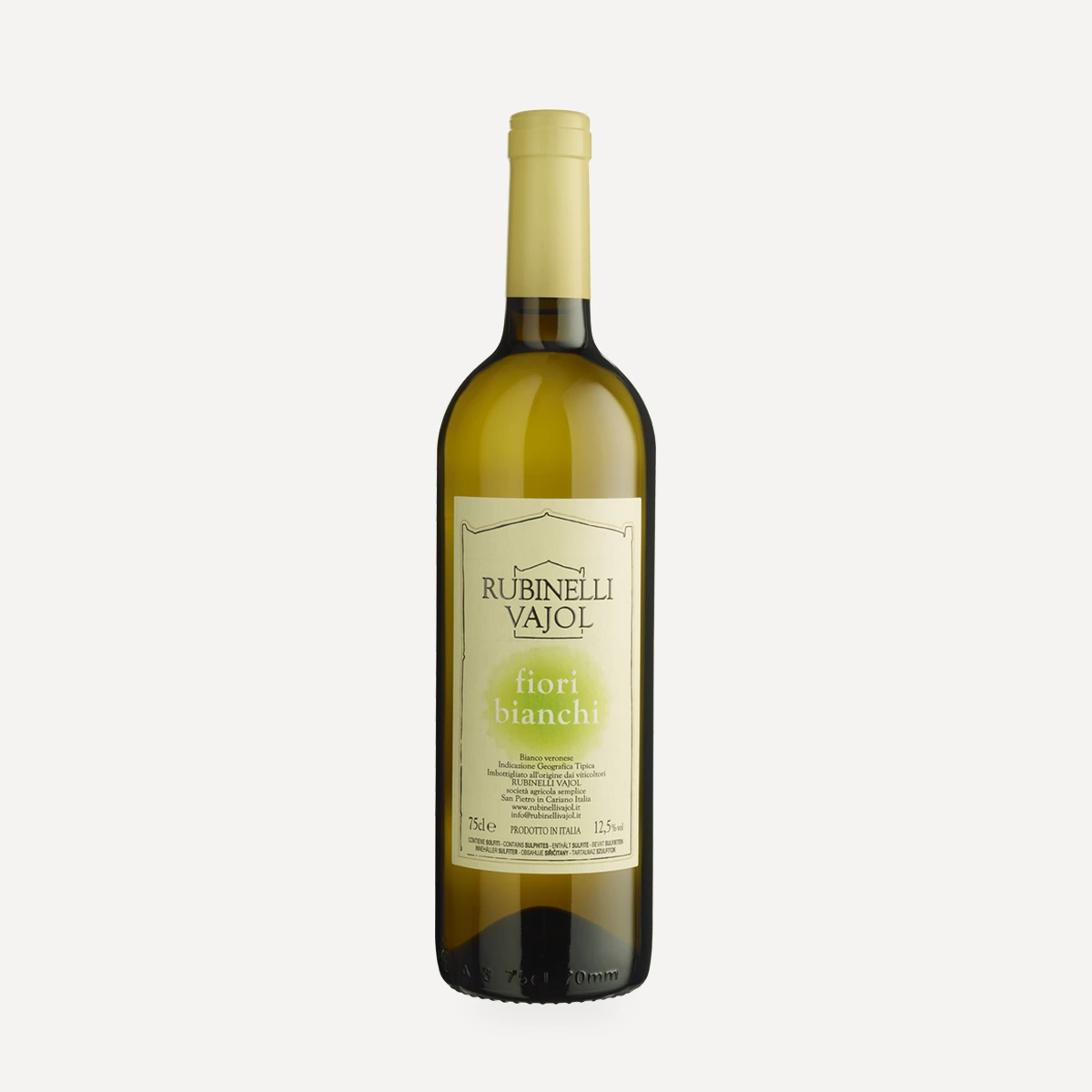
The range subsequently expanded to encompass the five traditional red-wine expressions presented by the estate: Amarone, Ripasso, Valpolicella Classico Superiore, Valpolicella Classico and Recioto. DESTINéE, a limited Amarone Riserva, and Fiori Bianchi, a white IGT, were also introduced. The 2006 and 2008 releases of DESTINéE each comprised 352 bottles.
Later management and cellar development
By 2020, Nicola Scienza was leading Rubinelli Vajol. Renzo Rubinelli remained a prominent voice for its approach to wine, particularly the principle that oak should refine a wine without imposing a recognisable signature.
A major modernisation project reorganised production, processing and commercial facilities. The cellar was renovated and its underground floor enlarged, while above-ground construction was deliberately limited. The project also introduced an inter-row blade for mechanical weed control, intended to reduce environmental impact and improve soil conservation. It received €240,585 through Veneto’s 2014–2020 rural-development programme.
The resulting cellar is built entirely beneath the hill. Its underground position expresses a deliberate commitment to preserving the surrounding landscape while providing naturally cool, dark conditions for ageing. The estate now produces approximately 70,000 numbered bottles.
Terroir
Conca del Vajol
Vajol occupies the centre of Valpolicella Classica between the thousand-year-old Pieve di San Floriano and San Pietro in Cariano. The 10 ha of vineyards form one contiguous, entirely south-facing body of land around Corte Sant’Anna. Flat ground, descending slopes and hills create a natural amphitheatre, with the farmhouse, cellar and fruttaio at its centre. The northernmost fields reach the boundaries of the comuni of Fumane and Marano.
The valley’s cradle-like shape shelters a warm, sunny microclimate. Rolling hills protect the vineyards, while mild conditions and gentle air movement support ripening and the natural drying of selected grapes. The vineyards, cellar and drying facilities stand only a short distance from the Romanesque Pieve di San Floriano.
Geological formation and soils
The soils originated as marine marl formed from the Mesozoic era, approximately 150 million years ago, through the Tertiary era, approximately 60 million years ago, in connection with the formation of the Alps. Tuff occurs throughout the estate, accompanied by limestone and clay.
Although the vineyards share this geological register, variations in relief produce distinct soil conditions. The generally medium-textured, calcareous and tuffaceous soils contain more clay on the lower slopes and a moderate proportion of skeletal fragments on the hills. Soil is deep in the lower parts of the property and varies in depth at higher elevations.
The strong limestone component moderates vine vigour. Its water-retaining capacity allows moisture to be stored and released gradually to the vines. The soils are relatively lean yet rich in organic matter, supporting balanced vine nutrition.
Underground water
Groundwater flows a few metres beneath the fields of Conca del Vajol. The vines draw on this reserve naturally even during dry seasons. Its presence is marked by a still-active spring recorded in 1635 as the “fount of Vajol.”
Vinificazione
The entire vineyard body faces south and combines flat land, slopes and hills. Hillside and sloping vines occupy characteristic tuff terraces. Rootstocks are selected differently for hill, slope and flat-ground conditions so that plant material is adapted to each part of the terrain.
Training is divided equally between the traditional Pergola Veronese system and Guyot. Pergola accounts for 50% of the vineyards, while Guyot is used in the more recent plantings and accounts for the remaining 50%.
Corvina, Corvinone and Rondinella are the principal red varieties, accompanied by smaller quantities of Molinara and Oseleta. Garganega and Trebbiano Veronese are used for Fiori Bianchi.
Herbicides and synthetic fertilisers have been eliminated. Weed control is mechanical, including the use of an inter-row blade acquired as part of the cellar-modernisation and soil-conservation project. Green manure is used to sustain the soil’s natural characteristics and increase organic matter. More than 20 herbaceous and leguminous components are sown between the rows and incorporated into the surrounding soil at flowering.
Harvesting is exclusively manual. Bunches destined for Amarone and the other dried-grape wines are picked first, each only at its appropriate stage of ripeness, and carefully laid out to rest. The remaining manual harvest follows, together with manual pressing. Vineyard decisions are intended to preserve the distinctions among the estate’s different soil and topographical conditions.
Cellar and drying facilities
The farmhouse, winery and fruttaio stand at the centre of the contiguous vineyard amphitheatre. The newer cellar is entirely excavated beneath the hill, limiting above-ground construction and preserving the landscape. Its naturally cool, dark environment is used for maturation in cask, tank and bottle. A tuff-rock chamber also provides the conditions for extended natural grape drying.
The production facility was reorganised through a substantial renovation that enlarged the underground level and improved the processing and commercial areas.
Fermentation and maturation
Harvesting and initial selection are performed by hand. Freshly harvested grapes for the lightest red expression are pressed immediately and fermented in stainless steel at controlled temperature. Selected lots for more structured wines spend several days in the fruttaio before pressing, while grapes intended for the principal dried-grape wines rest for several months. Fermentation and maceration take place at controlled temperature.
Ripasso undergoes a second fermentation in January for several days on fresh Amarone pomace before maturation in large oak. The dried grapes for Amarone are pressed in winter, followed by a long fermentation and years of maturation in 30–50 hl oak casks and then in bottle. Recioto grapes may dry for five months in the tuff chamber before controlled-temperature fermentation and maceration, followed by approximately ten months in a small barrel.
For the principal red range, maturation is based on large French and Slavonian oak casks of 30 or 50 hl. Their role is to refine rather than dominate, preserving the fruit and the combined aromatic expression of the native varieties. The estate’s production is approximately 70,000 numbered bottles.
Filosofia
Rubinelli Vajol defines its purpose as offering the beauty and goodness of the heart of Valpolicella. The cultivated landscape—Corte Sant’Anna, the farmhouse and cellars, vineyard walls, olive trees, flowering cherry and almond trees—is treated as integral to that identity.
Time is central to this approach: time for grapes to ripen in the sunny, hill-protected valley; time for selected bunches to rest and dry; and time for wine to mature in the cool underground cellar. Nature and human work are presented as partners, with vineyard, sun, rain, wind, soil and stone providing the grapes and measured human intervention guiding their transformation.
Renzo Rubinelli’s stated objective is for wine to retain the character of nature, fruit and territory. Oak should refine rather than sign the wine, allowing the combined aromas of Corvina, Corvinone, Rondinella, Molinara and Oseleta to remain recognisable. Vineyard and cellar decisions are likewise directed toward expressing differences within the estate’s soils and terrain.
Environmental and visual stewardship form part of the same philosophy. The cellar was placed beneath the hill to protect the landscape, while herbicides and synthetic fertilisers were replaced by mechanical cultivation and green manure to conserve soil and increase organic matter. The estate dedicates its work to the teachings and inspiration of Prof. Roberto Ferrarini.
Vini
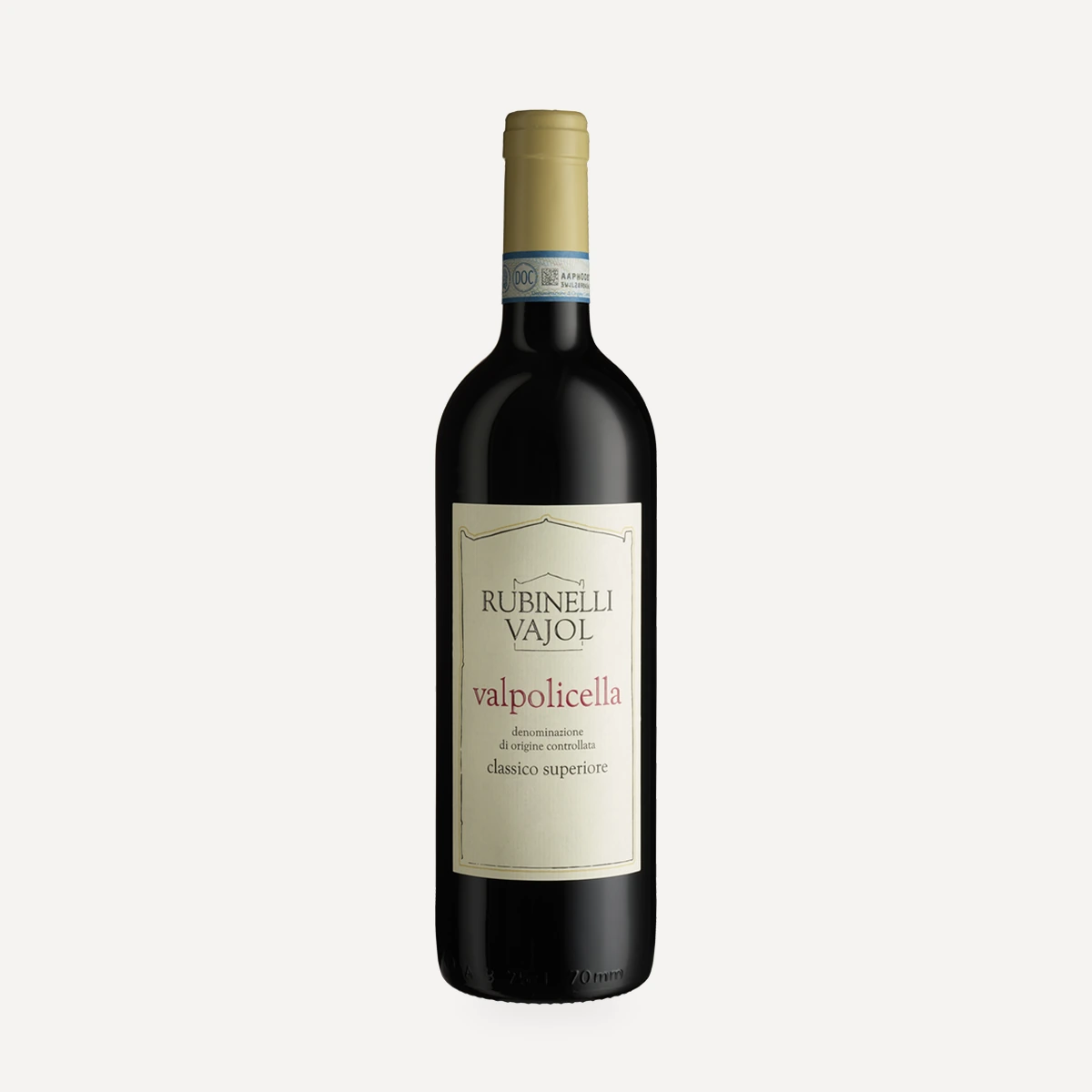
valpolicella classico superiore DOC
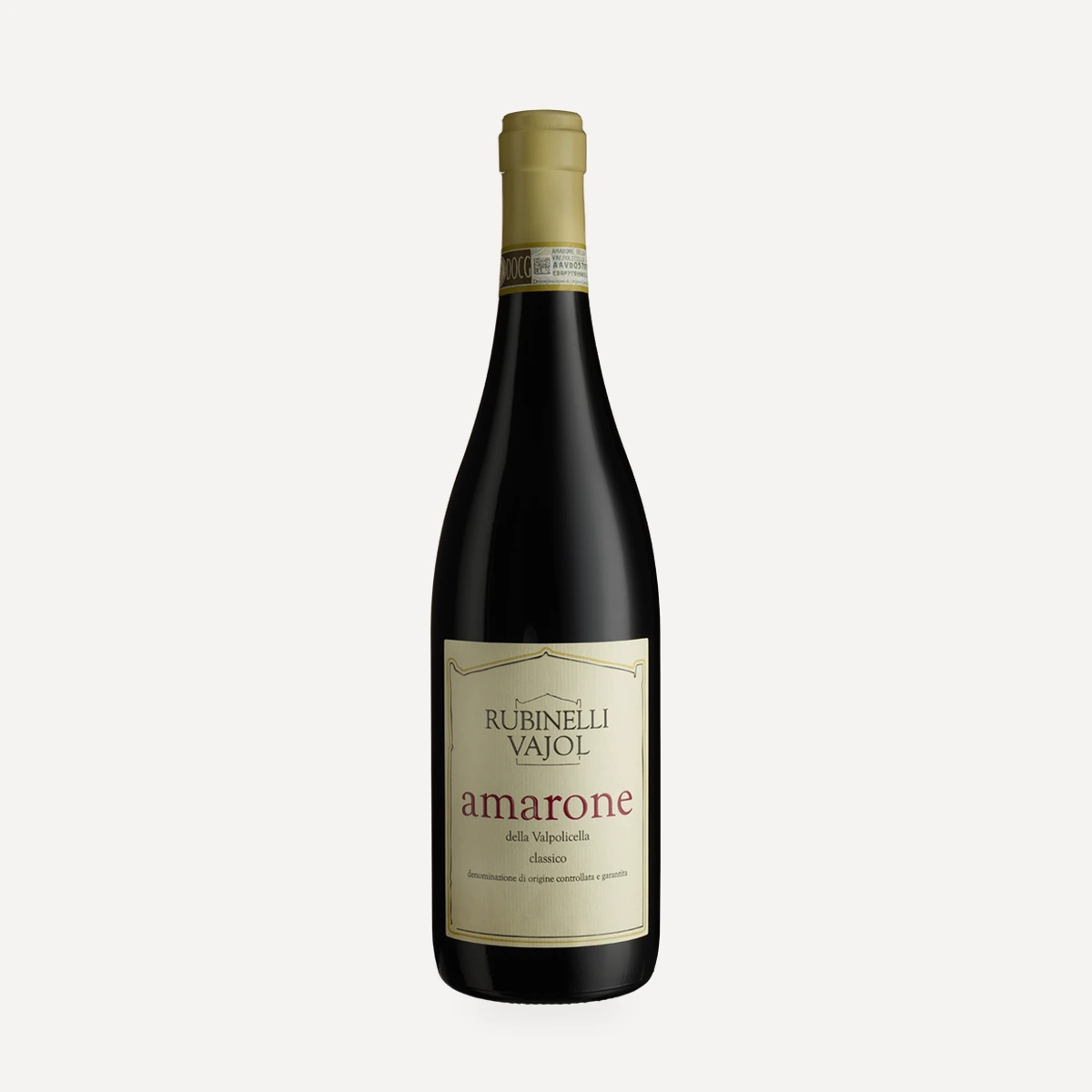
amarone della Valpolicella classico DOCG
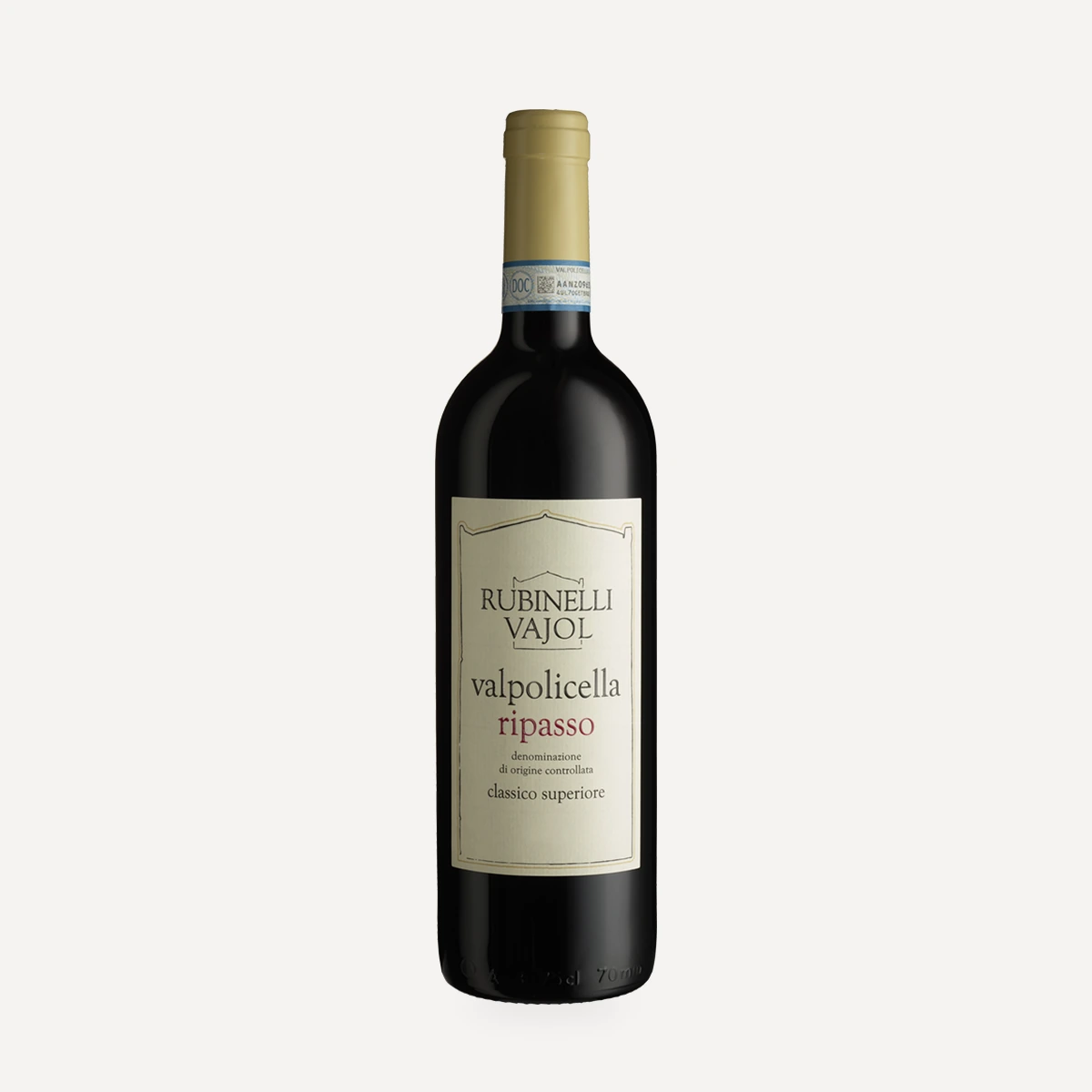
valpolicella ripasso classico superiore DOC
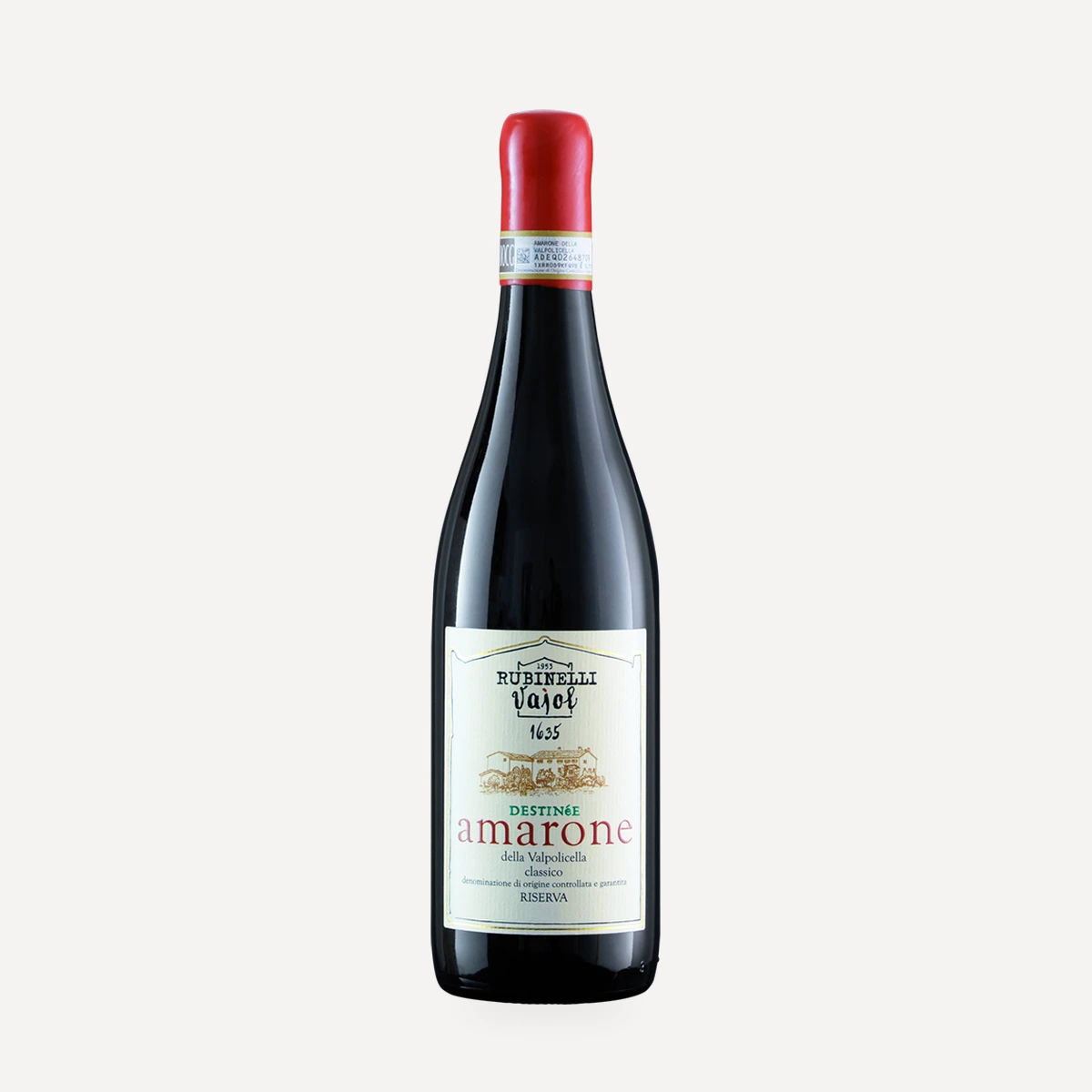
amarone DESTINéE — amarone della Valpolicella classico RISERVA DOCG
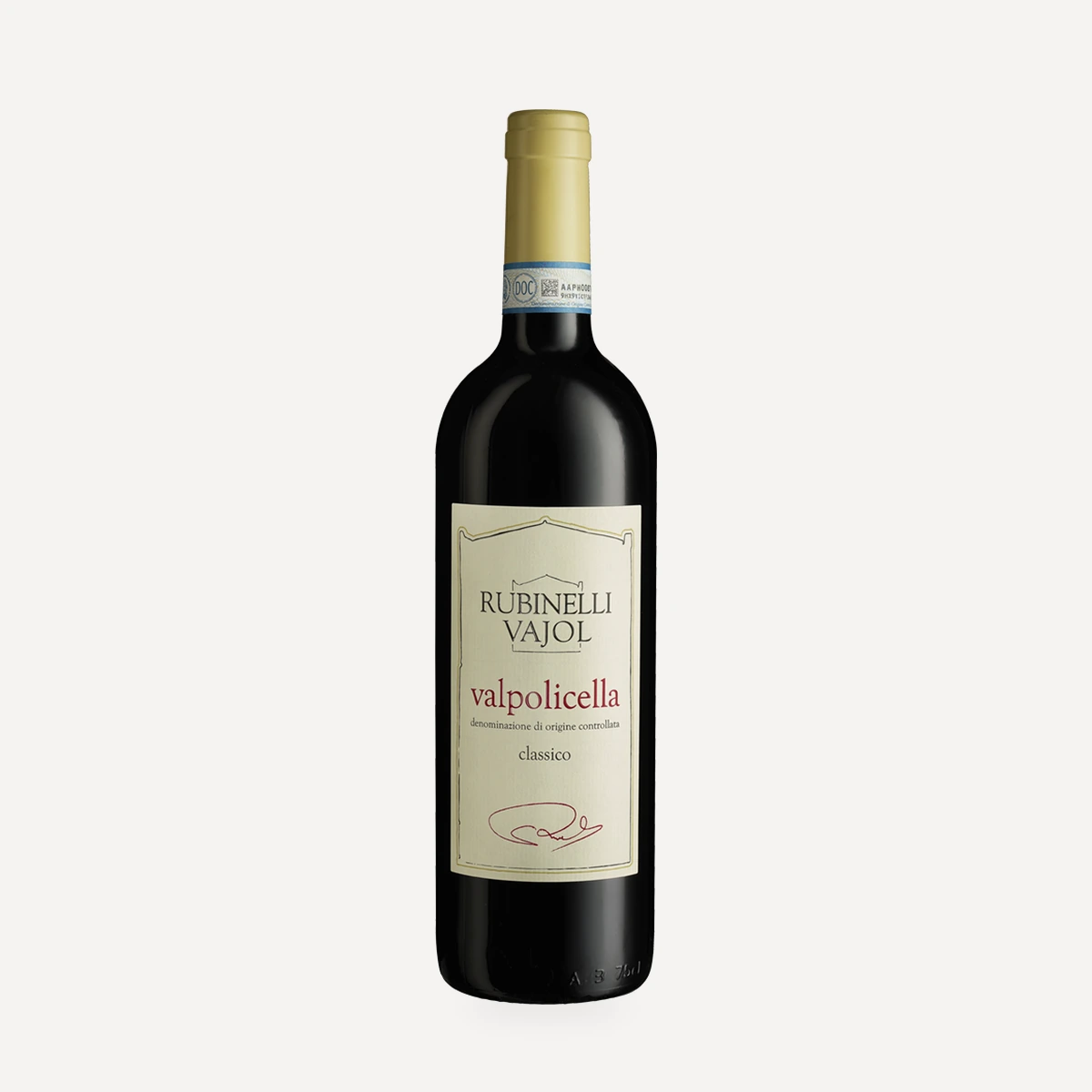
valpolicella classico DOC
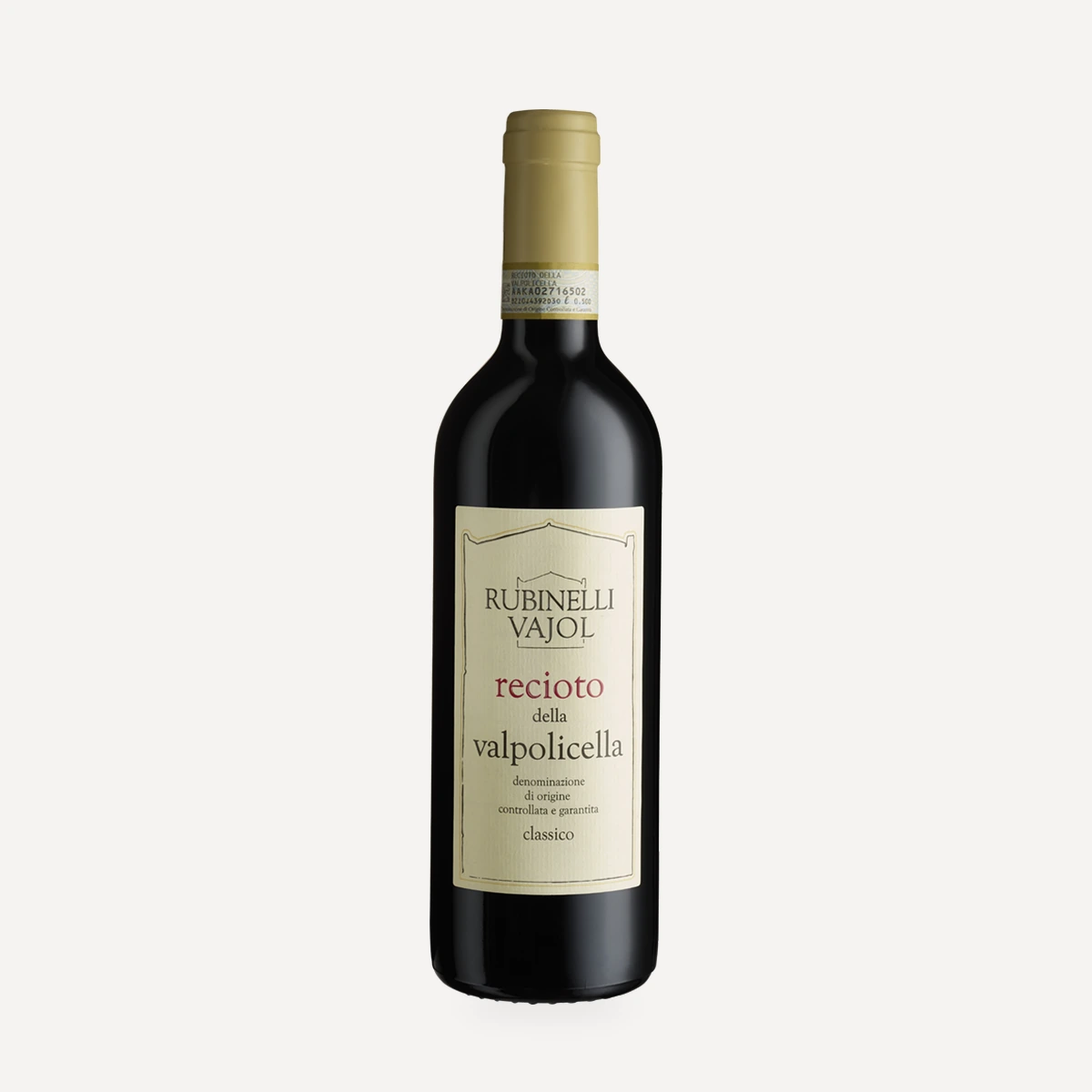
recioto della Valpolicella classico DOCG