Questo vino
Vineyard and terroir
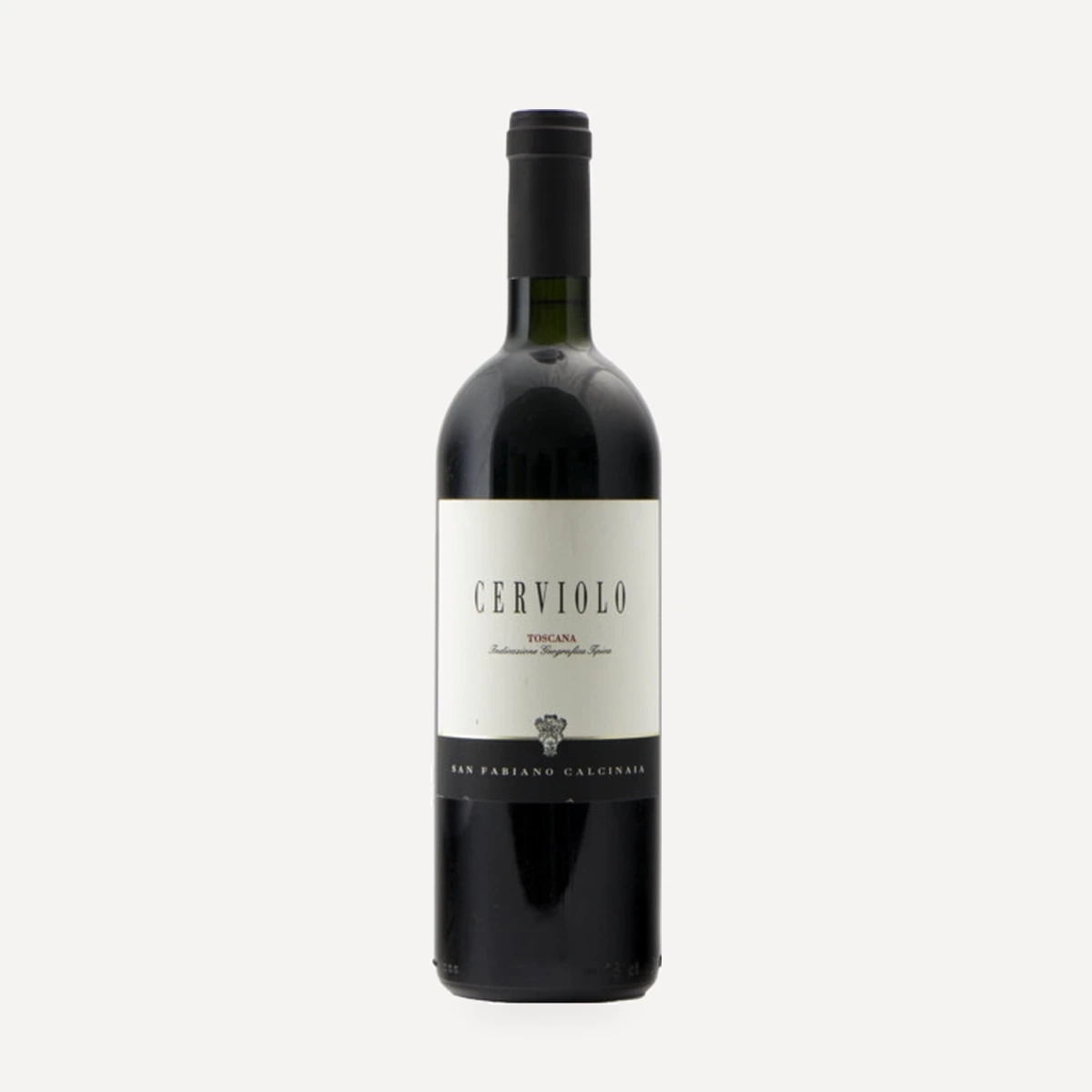
The production area covers 8.5 ha, with vineyards at San Fabiano, 250 m above sea level, and Cellole, 500 m above sea level with a south-western exposure. The vines are trained to spur-pruned cordon. Average yield is approximately 45 q/ha (4.5 t/ha).
Grapes
90% Cabernet Sauvignon and 10% Petit Verdot.
Vinification
First-choice grapes undergo careful selection in the vineyard and further sorting in the cellar. Alcoholic fermentation takes place at a controlled 28–32°C, followed by an extended skin maceration of 18–20 days. The 2014 English technical sheet instead gives a 15–20-day maceration. The wine is gently pressed at approximately 0.6 atm. Malolactic fermentation occurs in stainless-steel tanks, together with partial maturation on the lees.
Ageing
The wine matures for approximately 18–20 months in first- and second-use wood. The product description identifies the vessels as barriques, while the 2014 technical sheet specifies 500 L vessels. Bottle maturation lasts at least 12 months in the product description and at least three months in the 2014 sheet.
Technical data
Alcohol: 13.78% vol. Total acidity: 5.1 g/L. Net extract: 31.9 g/L. Residual sugar is stated as below 5 g/L in the product data and below 0.5 g/L in the 2014 technical sheet. Production is approximately 20,000 bottles. Available formats are 0.750 L and 1.5 L.
Tasting profile
The colour is a very deep ruby red with light violet tones; garnet nuances become more pronounced as the wine ages. The complex, broad and refined nose combines blueberry, blackcurrant and ripe cherry with distinct notes of sweet spices, cocoa and wood. Full-bodied and warm on the palate, it has substantial structure, persistent flavour and an intense, enveloping tannic presence. A medium ageing period of two to four years brings the palate into balance.
Serving and pairing
Serve at 16–18°C. Pair with substantial dishes from traditional Italian and international cuisines, including risotto, timbales, red meat and mature cheeses. It also accompanies soups—including fish soups—game, tartare and other raw-meat preparations.
Vintage notes
The commercial product page presents the 2019 vintage, while its linked English technical sheet covers 2014. Harvest timing differs between them: the product page states the first two weeks of September, whereas the 2014 sheet specifies the end of September. The two sources also differ on maceration length, bottle maturation and residual sugar.