Storia
Family roots and the nineteenth century
The Saracco family settled at the property now known as Vigna del Cascinotto in 1800. The parcel later formed part of the family’s viticultural patrimony and remains planted to Moscato. Other vineyards preserve still earlier layers of local agricultural history: Vigna di San Bovo was probably cultivated with Moscato as early as the Middle Ages, while Vigna della Castagna once belonged to a prominent bourgeois family of Castiglione Tinella during the Napoleonic period.
Early 1900s–1950: Luigi Saracco
The family began producing aromatic Moscato at Castiglione Tinella in the early twentieth century, working its own vineyards in the heart of the Moscato d’Asti area. Founder Luigi Saracco developed the commercial value of Moscato’s aromatic character. Wine was sold in bulk during the spring to companies producing Vermouth.
1950–1988: Giovanni Saracco
Management passed to Luigi’s son Giovanni Saracco. The estate expanded through the acquisition of additional vineyards, increasing grape production. Its wine was sold to Asti Spumante producers, while changes in the cellar made Moscato progressively more ready for the contemporary market. Giovanni owned Vigna della Cascinetta, identified as the property where Azienda Saracco began.
1988: a vineyard and a new bottled identity
In 1988, Vigna in Graffagno was established as a single planting. It became the largest individually described vineyard, with Moscato, Pinot Nero and Riesling Bianco planted across 8.5 hectares.
The same year marks the beginning of the present phase under Paolo Saracco, Giovanni’s son. After studying oenology, Paolo chose to bottle Moscato rather than continue solely as a supplier. This decision created the Paolo Saracco label and brought the estate’s aromatic, balanced interpretation of Moscato d’Asti to consumers in Italy and abroad.
1988–present: expansion and diversification
Paolo continued the family’s emphasis on meticulous vineyard and cellar work while seeking a balance between tradition and technology. The estate acquired vineyards in Castiglione Tinella, Santo Stefano Belbo, Castagnole Lanze and Calosso. Its current vineyard holding exceeds 80 hectares and encompasses 22 individually named properties, although an older historical description still refers to 50 hectares.
The holdings document several successions of ownership. Sorì di Renato takes its name from its former owner, Paolo’s uncle Renato Saracco. Cascina dei Grasso retains the name of former owner Oreste Grasso. Vigna del Poggio, a historical Moscato site occupying the best-exposed portion of its hill, belonged to the Cora family for more than a century. Other names preserve local geography, earlier owners, neighbouring landmarks and former land use.
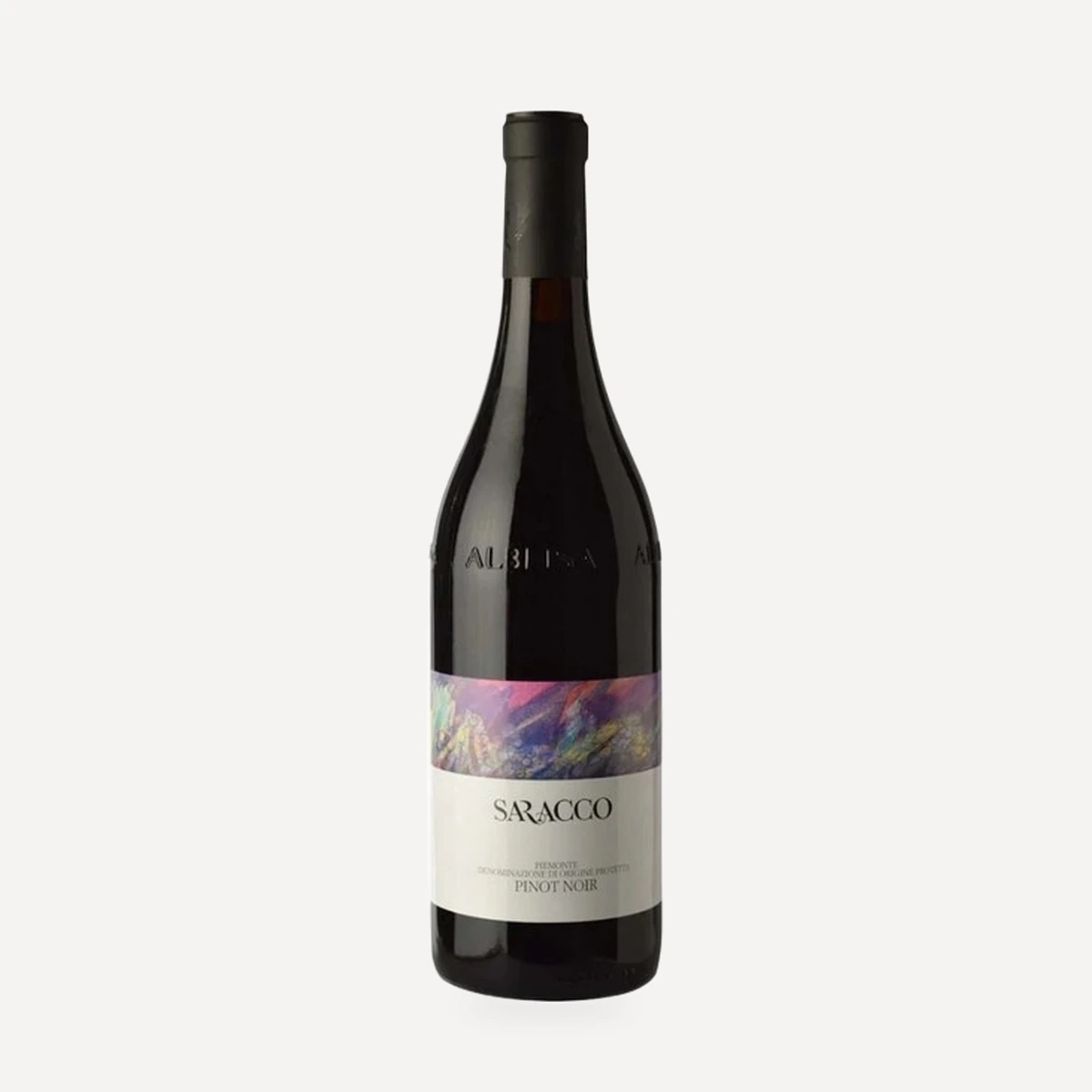
The range grew beyond Moscato to include Pinot Nero, Riesling Bianco, Chardonnay and Barbera. The portfolio now spans Moscato d’Asti, an autumn-bottled selection of Moscato musts, a San Carlo Spring Edition, Pinot Nero, two Chardonnay interpretations, Riesling and Barbera. Moscato grappa is also made from the estate’s own grape marc at Distilleria Giovi in Valdina, Sicily.
Terroir
Castiglione Tinella and the estate’s vineyard territory
Most of the vineyards lie in Castiglione Tinella, with additional properties in Santo Stefano Belbo, Castagnole Lanze and Calosso. The individual sites range from approximately 280 to 500 metres above sea level, with exposures covering every cardinal direction. Their positions include exposed hilltops, a windy plateau, steep south-facing slopes, the side of the Val Tinella and a ridge above a 70-metre drop.
Soils and geological inheritance
Moscato Bianco is considered particularly responsive to the soils of Castiglione Tinella. The local profile is described as alternating layers of sand, silt or grey tuff, and limestone formed from crumbled shells. Roots draw minerals from this subsoil, while altitude, solar exposure and local microclimates modulate the grapes’ aromatic character.
The wider Langhe landscape contains varying combinations of clay, calcareous marl, bluish marl, tuff, sand and sulphurous gypsum. Its pale soils are linked to the retreat of the sea that covered the Po Valley approximately 16 million years ago, while the compact ground is associated with the Miocene, approximately 15 million years ago.
Site-level variation
The highest named property, Vigna San Carlo, reaches an average elevation of 500 metres. Its upper section surrounds the Cappella di San Carlo, while the lower section ends in steep calcareous formations known as calanchi, bordered by wild cherry trees. The combination of calcareous ground, elevation and microclimate supports markedly aromatic Moscato grapes.
Wind is another differentiating factor. Vigna di dietro occupies a windy plateau at 450 metres, and Vigna degli Aive lies in an exposed position at 480 metres, producing grapes characterized by pronounced acidity and mineral content. Vigna Val di Villa occupies the Rocca della Mora at the edge of Castiglione Tinella; its southern side falls sharply for 70 metres. Vigna di San Bovo is particularly steep and has the estate’s strongest southern exposure.
Vinificazione
The vineyards are cultivated according to a sustainable approach intended to respect nature and respond to the climatic course of each growing season. Site selection is fundamental: the estate has progressively acquired parcels in positions considered especially suitable within Castiglione Tinella, Santo Stefano Belbo, Castagnole Lanze and Calosso.
Viticultural work focuses on protecting the aromatic potential already present in Moscato grapes. Each operation is directed toward preserving that aromatic character rather than creating it later in the cellar. The broad range of elevations, exposures and microclimates allows the estate to work with fruit of differing acidity, mineral expression and aromatic intensity.
No organic, biodynamic or other third-party agricultural certification is identified.
Production is based on meticulous coordination between vineyard and cellar, with the declared objective of balancing tradition and technology while preserving the fruit’s aromatic character.
For the Moscato production described in detail, whole bunches are gently pressed so that the juice from the outer portion of each berry—considered the most aromatic—is retained. The must is stored in stainless-steel tanks at approximately −2 °C and may be held until required. It then undergoes temperature-controlled fermentation in autoclaves. Fermentation is stopped when the intended relationship among alcohol, acidity and residual sugar has been reached. The wine is microfiltered and bottled cold to preserve freshness and primary aromas. A slow fermentation and prise de mousse produce the fine perlage associated with the finished Moscato.
Other cellar techniques used across the range include settling after gentle pressing; stainless-steel fermentation at approximately 20 °C for white wines; 11 months on the lees for Riesling; fermentation and 12 months of lees ageing in small French oak barrels for one Chardonnay, followed by eight months in bottle; and stainless-steel fermentation of red grapes followed by 12–14 months in a combination of small French oak barrels and large casks. Barbera receives a further six months in bottle before release.
Filosofia
Paolo Saracco’s approach places terroir at the centre of Moscato production: in his formulation, the terroir determines what the Moscato will become. Subsoil, available minerals, microclimate, elevation and exposure are therefore treated as decisive elements rather than background conditions.
The estate’s quality priorities are bouquet, balance and pleasure. Its definition of a good wine is one that encourages another sip, allowing the drinker to experience the territory and recognize the tradition embodied in the wine. Vineyard and cellar work pursue an equilibrium between inherited practice and technology, with special emphasis on safeguarding Moscato’s natural aromatic character.
Family continuity is expressed through estate-owned vineyards, the succession from Luigi to Giovanni and Paolo, and the retention of vineyard names connected to relatives, former owners, historical properties and local landmarks. Sustainable cultivation is framed as respect for nature combined with close attention to the climatic conditions of each vintage.
Vini
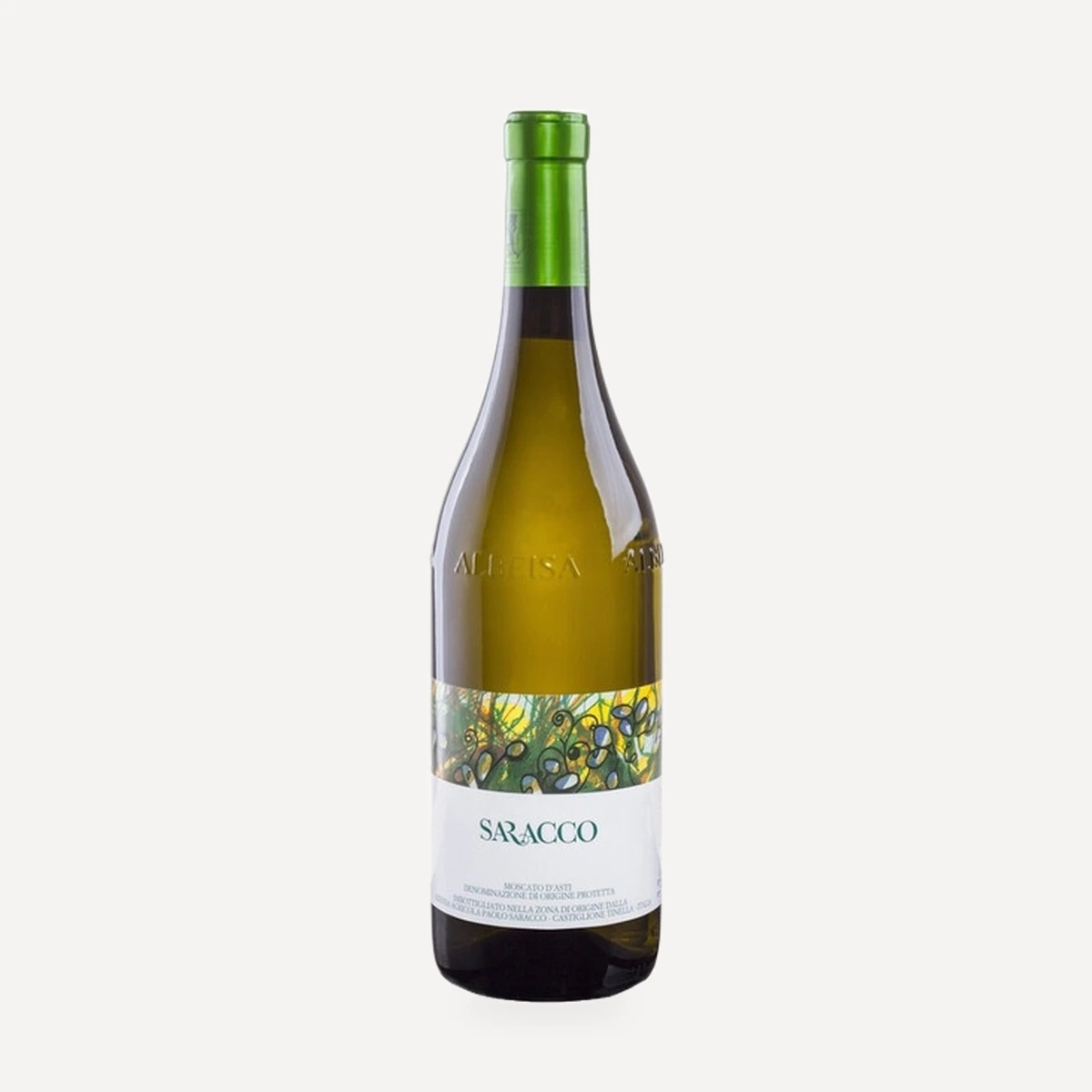
Moscato d'Asti DOCG
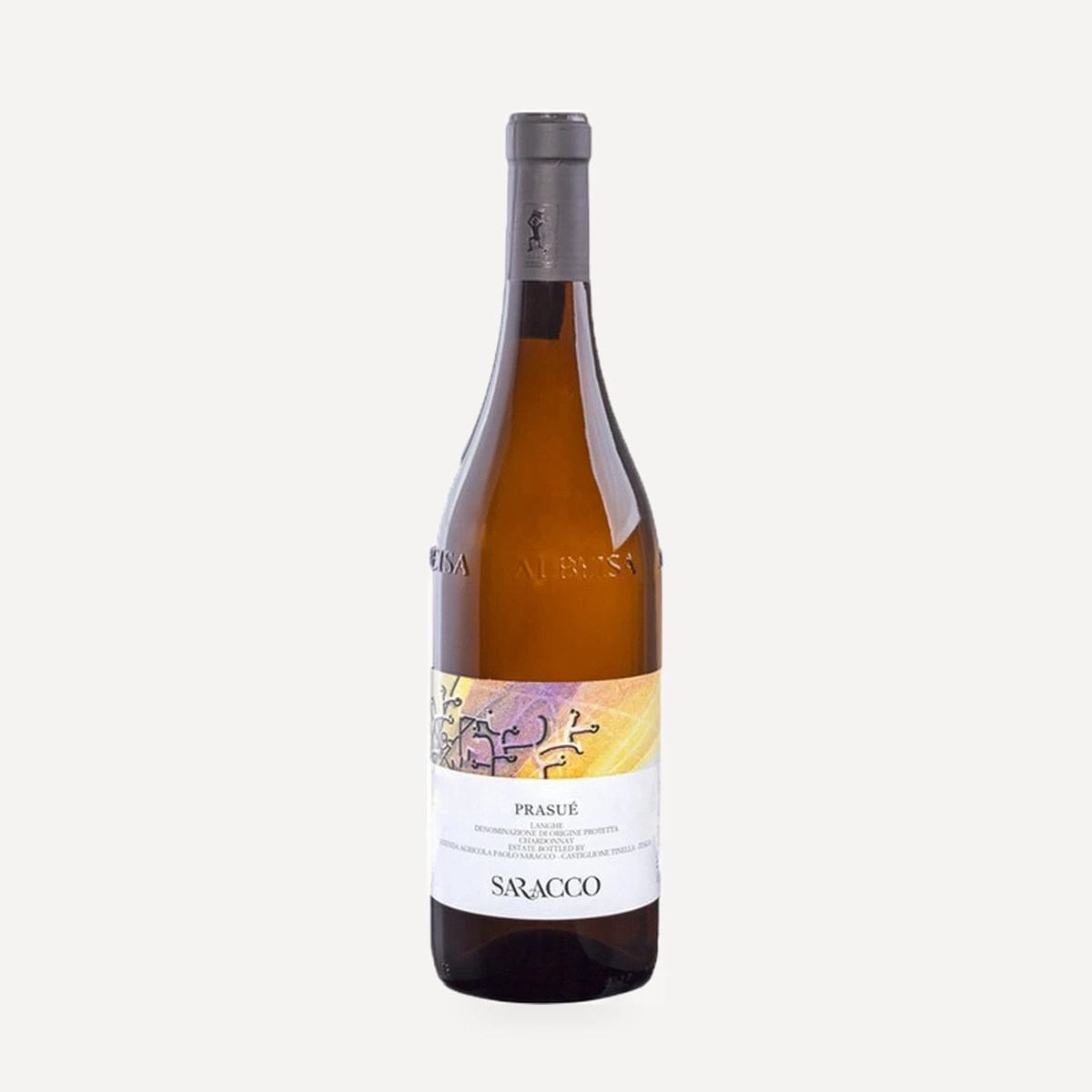
Langhe Chardonnay Prasuè DOC
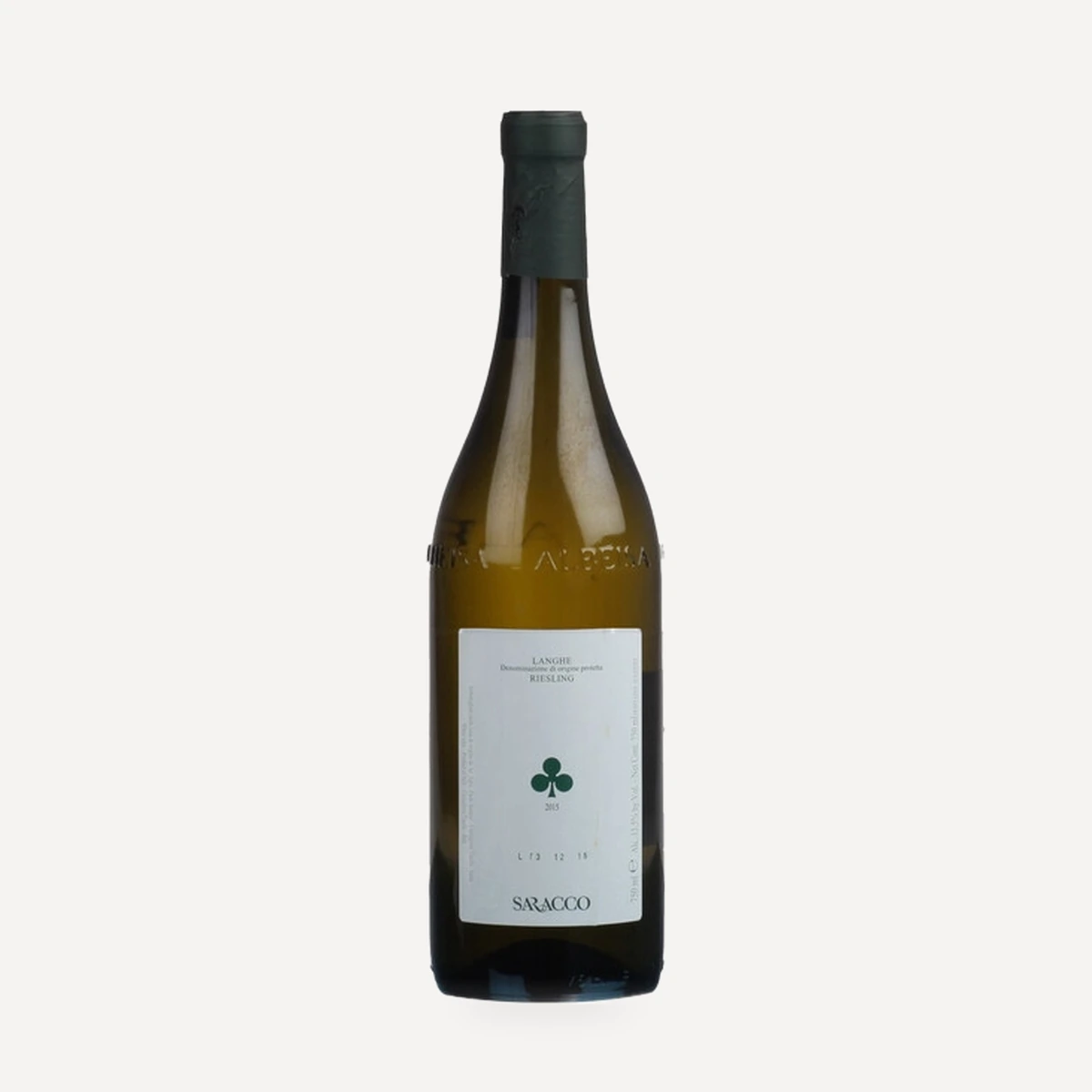
Langhe Riesling DOC
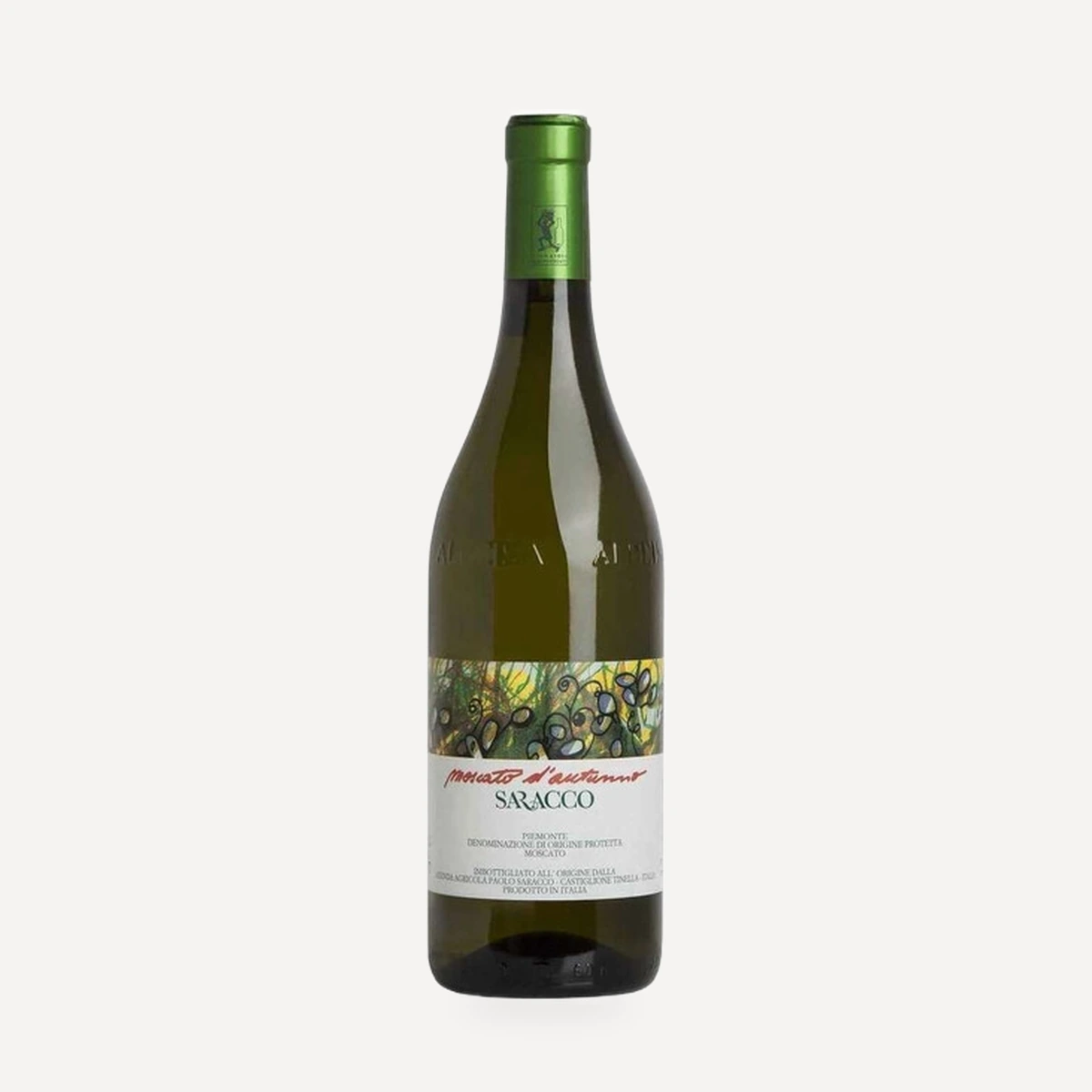
Moscato d'Autunno DOP