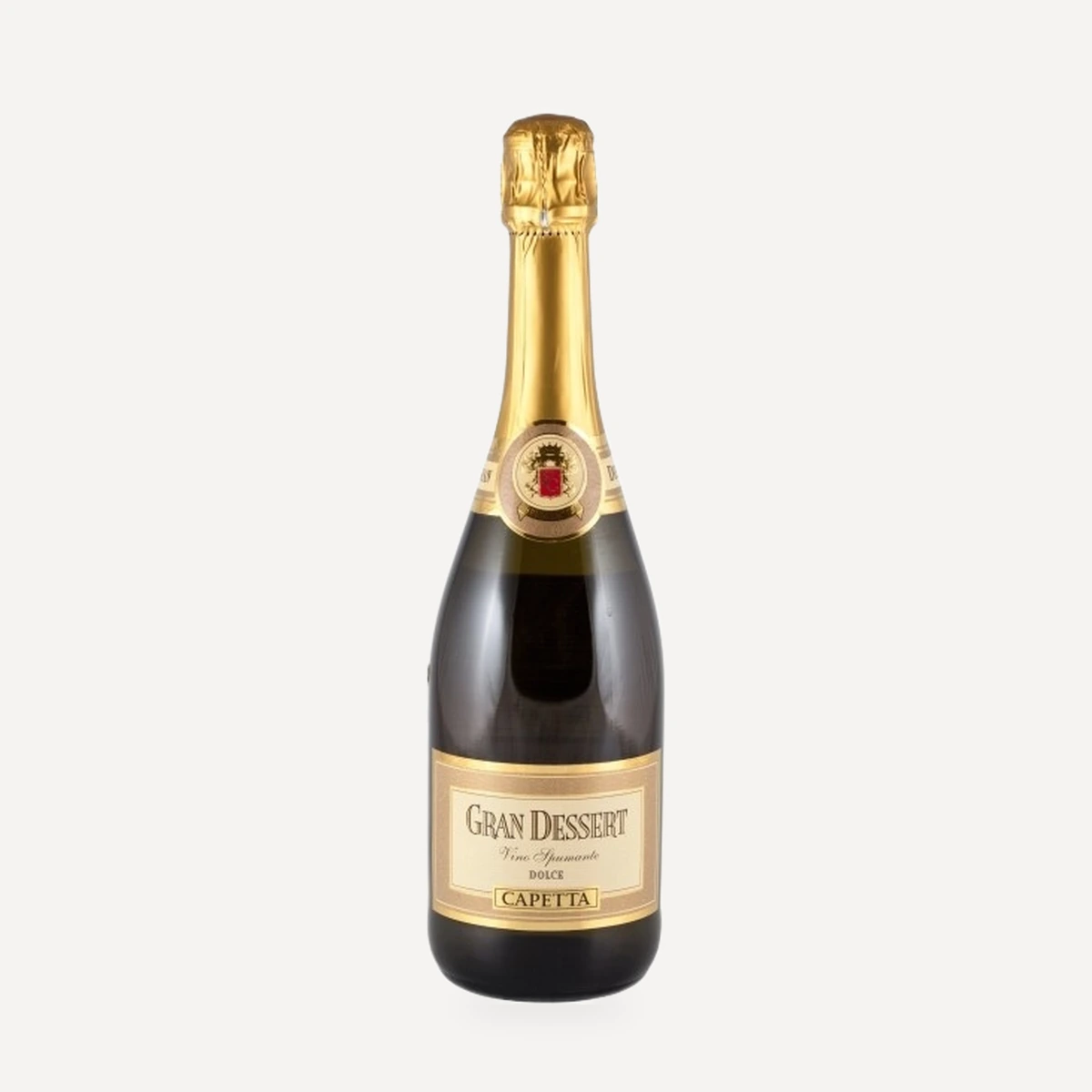
Storia
Origins and foundation: 1924–1960
Francesco Capetta was born in Castiglione Tinella in 1924, into a family of farmers whose work was rooted in the Langhe. His early understanding of the changes taking place in the local wine economy developed into an entrepreneurial project of his own.
In 1953 he purchased a small winery just outside Santo Stefano Belbo. This property became the nucleus of Capetta’s permanent headquarters and marked the formal foundation of the business. The company remains based at Corso Piave 140 in Santo Stefano Belbo.
In 1960 Francesco began marketing bulk wine, demijohns and two-litre bottles under the family name. The original Capetta logo, created by him during the 1950s, became the enduring identifier of the company’s Piedmont wines and sparkling wines.
Sparkling-wine technology and regional growth: 1970–1990
In 1970 Capetta installed its first modern sparkling-wine plant. At the time, secondary fermentation in temperature-controlled autoclaves represented a pioneering technological investment and established a continuing emphasis on controlled production and modernization.
During the 1980s Capetta built an extensive commercial network across Piedmont, Liguria and Lombardy. The range moved beyond large containers to include standard 750 ml bottles.
By 1990, rising sales and consumer confidence had allowed the company to enter modern distribution. This development began in the Milan area and subsequently expanded throughout Italy.
The 1994 flood and international expansion
The night of 4–5 November 1994 brought the most destructive event in Capetta’s history. Persistent rain swelled the Tanaro and its tributaries, and the Belbo burst its banks with exceptional violence. The flood struck the Santo Stefano Belbo plant, severely damaged its installations and destroyed much of the bottled stock prepared for the Christmas campaign. Francesco Capetta mobilized farmers and grape suppliers from the surrounding hills; production restarted within 20 days.
In 2000 Capetta expanded its international business, establishing positions in Northern Europe, Mexico, the United States, Australia, Japan, Taiwan and South Korea, as well as African markets including Kenya and Nigeria.
Environmental management and modernization: 1999–2013
A long programme of infrastructure improvements included the progressive replacement of incandescent lighting with LED systems from 1999. Capetta adopted an integrated environmental-management system in the early 2000s and in 2004 became the first winery in Piedmont—and one of the first in Italy—to obtain ISO 14001 environmental certification. IFS Food certification was subsequently added to its integrated system for food safety and process quality.
Between 2010 and 2013 the production site was enlarged and capacity strengthened in response to market demand. A temperature-controlled storage department with a capacity of 26,000 hl was constructed. In 2013 heat-recovery systems were connected to refrigeration units, while an insulated department was created for wine processing and storage; temperature and humidity control was extended through the still- and sparkling-wine areas.
Active sustainability: 2015–2020
In 2015 new detergents and bulk delivery formats replaced 25-litre containers, reducing both unused product and packaging. Capetta joined the Green Energy programme, sourcing its entire electricity requirement from renewable sources backed by a guarantee of origin. Crossflow filtration reduced reliance on fossil filtration media, LED lighting was expanded, and natural refrigerants replaced older CFC gases in cold rooms. Workplaces became plastic-free, with water dispensers replacing individual PET water bottles. A chemical-physical pretreatment plant for winery wastewater was installed in 2019.
Historic-brand status and Industry 4.0: 2021–2022
In 2021 the original Capetta logo received the Italian Ministry of Economic Development’s designation Marchio Storico di Interesse Nazionale, reserved for Italian brands with at least 50 years of continuous production history. Capetta consequently entered the national register of historic Italian trademarks.
Further investments in 2021–2022 turned the production operation into an Industry 4.0 facility. Bottling lines and the management of wine vessels were modernized with remotely operated systems connected to company information technology and capable of supplying real-time data. Optical inspection equipment was introduced to monitor closures, bottles and packaging. Sulphur-dioxide addition at bottling was changed from dosing individual bottles to in-line addition, improving both control of consumption and product safety.
Third-generation continuity and recent investment: 2023–2025
The company is now led by the founder’s children and grandchildren, maintaining family control into the third generation. In 2023 Capetta celebrated its 70th anniversary. The same year, the Santo Stefano Belbo site added guest accommodation and a department dedicated to Metodo Classico production. A decanter acquired in 2024 brought perlite consumption in filtration to zero by 2025. A new sparkling-wine line was installed in 2025 to improve production performance, energy efficiency and resource use.
The current operation continues the modernization of a production site comprehensively renewed over the past two decades, while retaining temperature control, analytical monitoring, traceability and environmental management as central operating principles.
Terroir
Capetta works across several established wine-growing landscapes of Piedmont rather than presenting a single contiguous estate. Its grape sources extend through the rolling Langhe, Monferrato—with woodland and sun-exposed vineyard rows—and the more secluded hills of the Acquese area. Moscato also comes from steep local Sorì, demanding hillside sites whose cultivation requires substantial manual effort.
These source areas include hills forming part of the UNESCO World Heritage landscape. Capetta’s model is built around relationships with hundreds of Piedmont growers, bringing together fruit and accumulated viticultural experience from multiple territories. The geographic scope supports wines from the Barbera d’Asti, Barbera del Monferrato, Piemonte, Dolcetto d’Acqui, Dolcetto d’Alba, Monferrato, Cortese dell’Alto Monferrato, Moscato d’Asti and Asti denominations.
Vinificazione
Capetta’s viticultural activity is organized through close collaboration with hundreds of grape suppliers rather than through a described estate-vineyard holding. Work with growers focuses on preserving the identity of each variety, pursuing grape quality and reaching full ripeness before harvest. Relationships are maintained through shared knowledge, trust and the accumulated experience of generations working the Piedmont hills.
Raw-material selection is treated as the starting point for wine quality. Grapes, must and wine are purchased through individual supplier agreements based on market conditions, with the possibility of a quality premium. Supplier relationships developed over time form part of a short, controlled chain supervised by the company laboratory.
Winery and process control
The Santo Stefano Belbo production site occupies two facilities separated by the SP592 road along the Belbo valley, with approximately 15,000 m² of total covered building area. The site includes dedicated areas for still and sparkling wine, a temperature-controlled storage department with 26,000 hl capacity, a laboratory, bottling lines and a Metodo Classico department fitted out in 2023.
Temperature management is central to fermentation control. Sparkling-wine production has used temperature-controlled autoclaves since Capetta installed its first modern system in 1970. Heating, refrigeration, humidity control, insulation and heat recovery are integrated into the still- and sparkling-wine departments. A new sparkling-wine line installed in 2025 was designed to improve production performance while reducing energy and resource consumption.
Laboratory, traceability and quality assurance
An in-house wine-analysis laboratory monitors production and the evolution of wines in real time, allowing intervention when necessary. Capetta also maintains continuing collaboration with universities and leading Italian oenological research institutes. Quality control extends across the supply chain.
Protocols developed within the Equalitas system define the type and quantity of oenological products permitted at each processing stage and associate each stage with an analytical control plan. Actual cellar operations are reconciled with internal traceability records. The monitored process stages include clarification, filtration, fermentation, stabilization, bottling and sulphur-dioxide use.
Bottling equipment and wine-vessel controls are remotely operable, interconnected with company information systems and capable of returning real-time data. Optical systems inspect closures, bottles and packaging. Sulphur dioxide is added in line during bottling rather than dosed separately into individual bottles, improving control and food safety.
Filtration, cleaning and water management
Crossflow filters reduced the use of fossil filtration media, while a decanter acquired in 2024 brought perlite use to zero in 2025. Tank and barrique washing uses semi-automatic equipment designed to limit water and chemical consumption. Bottling lines have clean-in-place circuits, wash water can be reused to continue cleaning another tank, and vessels are inspected visually after the initial wash before caustic soda is applied. Cleaning products are selected partly for biodegradability.
Process water comes from the public network and authorized private wells. In 2025, machine washing required 2.07 litres of water per bottle, compared with 2.00 litres in 2024. Total water withdrawal was 60,476 m³: 55,617 m³ from wells and 4,859 m³ from the public supply.
Industrial wastewater undergoes primary sedimentation and equalization in an internal treatment system before discharge to the public sewer under the applicable authorization. Wastewater is tested internally and by external laboratories; rainwater is directed to the Belbo.
Environmental performance and packaging
All purchased electricity is certified as originating from renewable sources. The winery uses LED lighting, natural refrigerants and heat-recovery systems connected to refrigeration equipment. Work areas are plastic-free, with water dispensers replacing individual PET bottles.
Bottles are recyclable glass, and most coloured bottles contain 88% recycled cullet. The operation met a target of using at least 50% recycled glass. Closure options include recyclable aluminium screw caps, fully recyclable technical closures incorporating sugar-cane biopolymers, and one-piece corks from FSC-certified supply chains. Carton dividers contain 100% recycled paper; selected labels and wooden pallets come from responsibly managed forests.
Filosofia
Capetta presents wine as a direct expression of Piedmont and as an accessible introduction to the region rather than an exclusive or elitist product. Its stated ambition is to make sincere, expressive wines that can be understood and shared with pleasure.
In the cellar, its guiding principles are respect, patience and gentleness. Each wine is treated as possessing a personality shaped by nature; production is intended to guide that personality without obscuring the characteristics of its native grape, place and inherited tradition.
The approach combines family continuity and tradition with selective technological intervention. Temperature control, analytical monitoring and digitally connected equipment are used to protect purity, typicity, consistency and safety. Environmental, economic and social sustainability are treated as connected responsibilities, expressed through certified management systems, renewable electricity, resource monitoring, worker protections and long-term relationships with growers and suppliers.
Vini
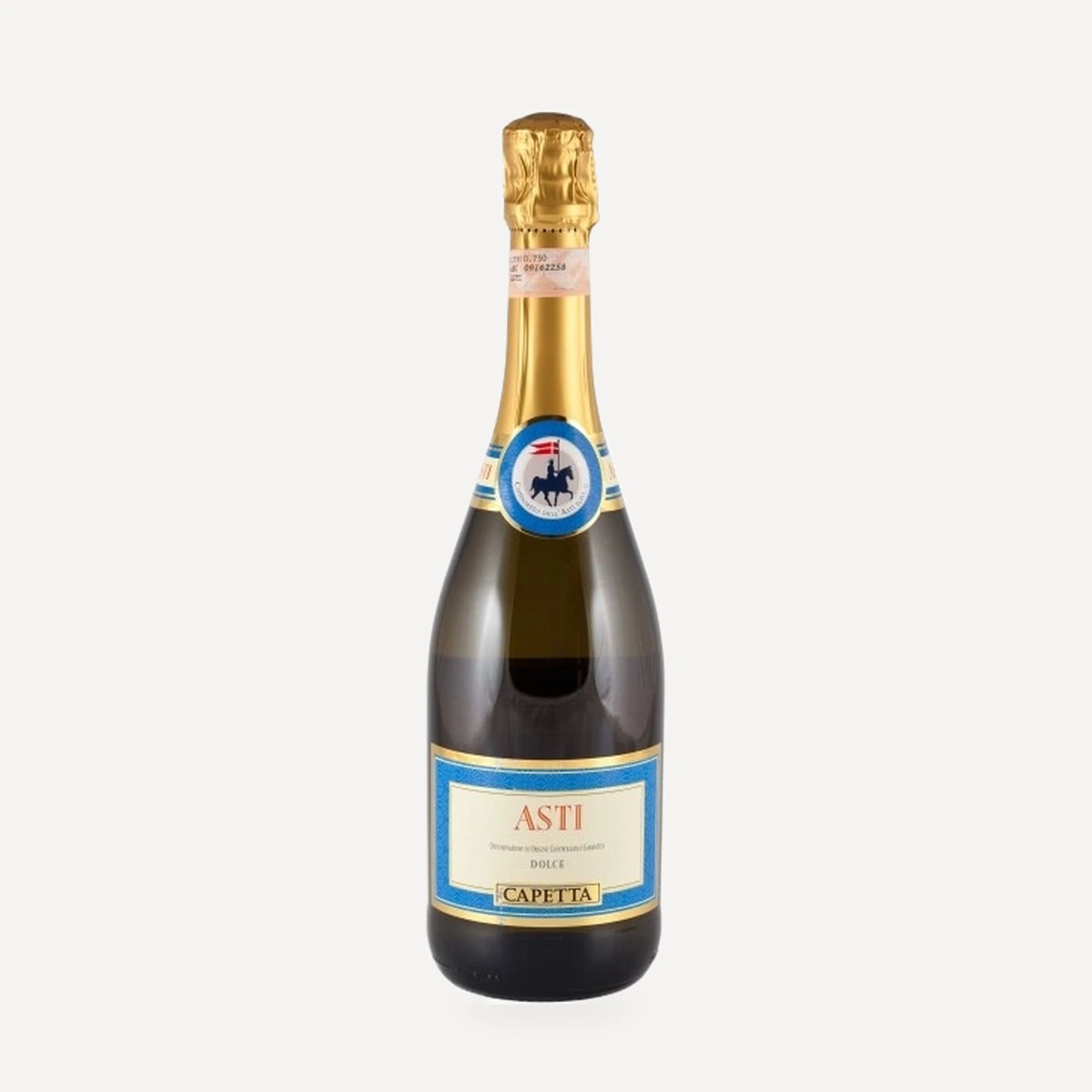
Capetta Asti DOCG
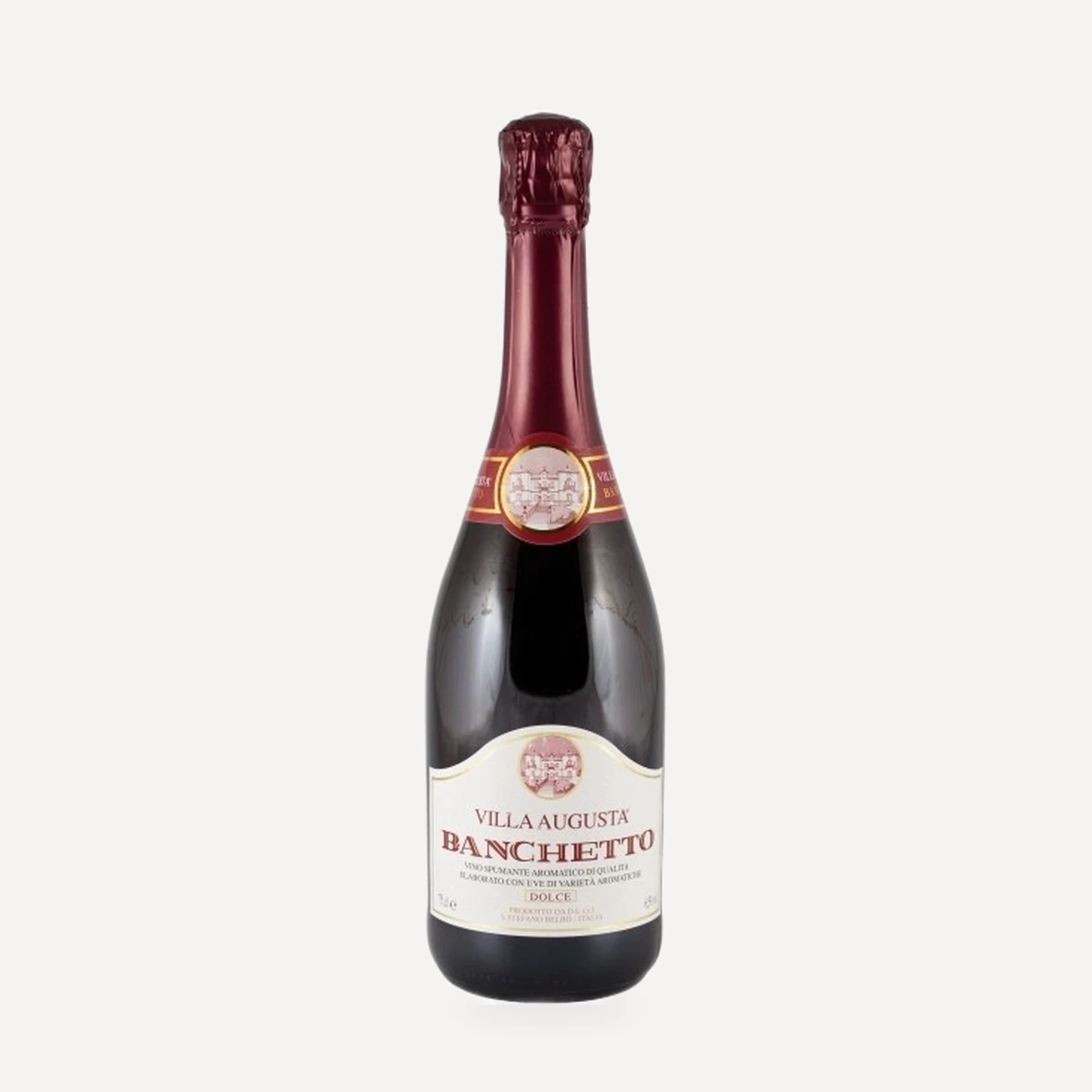
Banchetto Villa Augusta
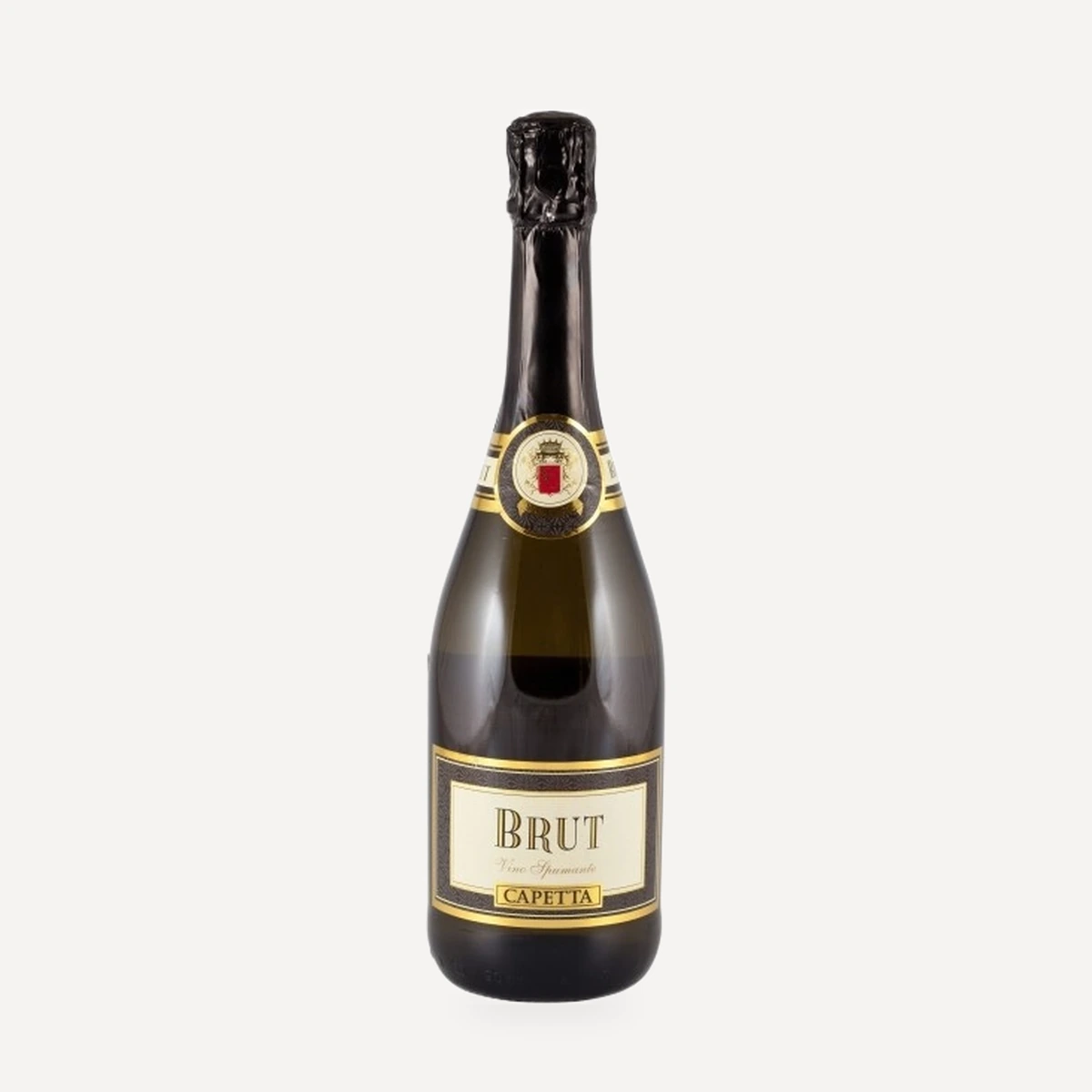
Capetta Brut
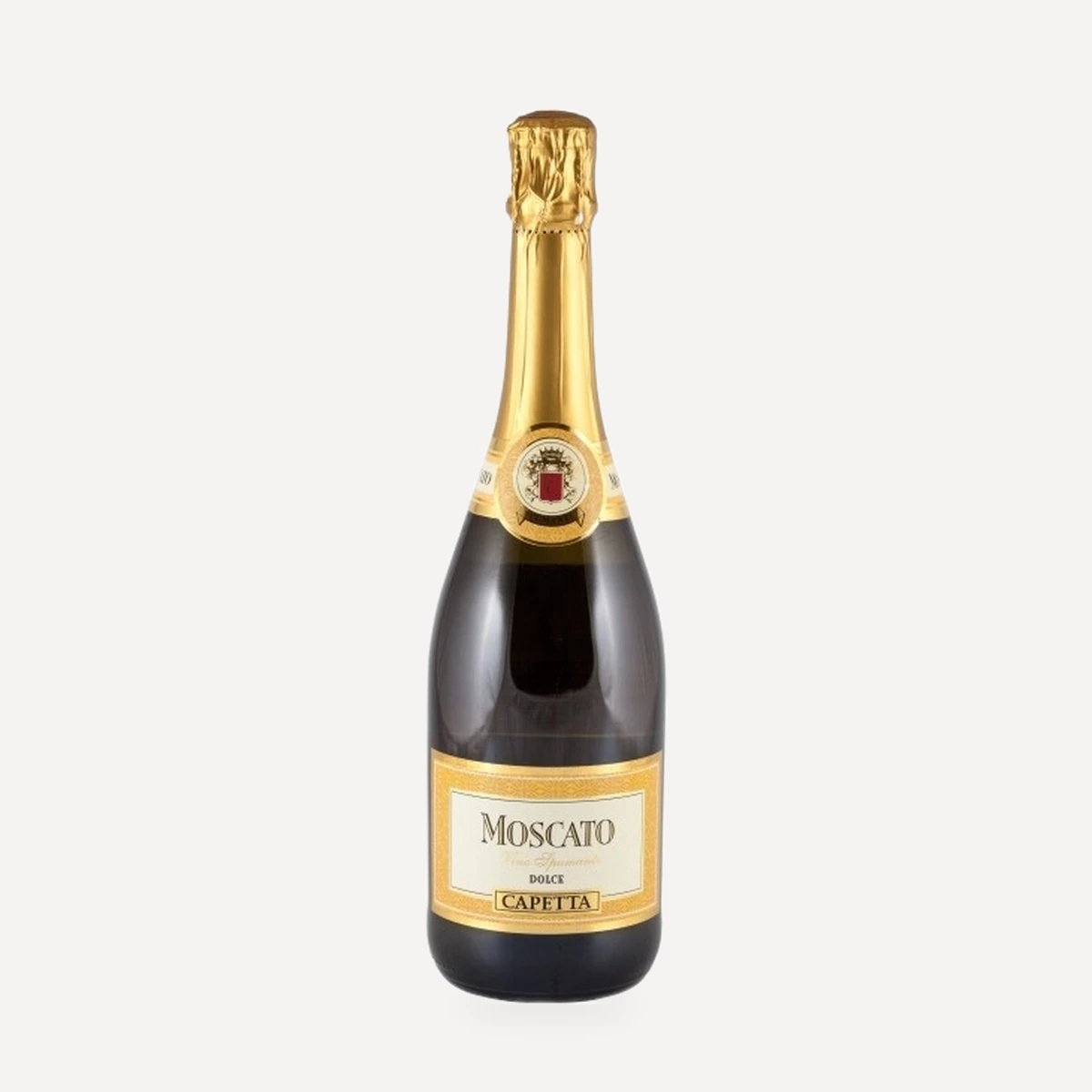
Capetta Moscato