Storia
The historic building
The winery occupies an old structure in Nardò dating to 1850. Its star-vaulted rooms, ancient masonry and former underground cisterns have been incorporated into the working cellar. The cisterns now accommodate the barrel rooms, while the complex also contains the vinification and bottling departments.
Since 1934
Schola Sarmenti dates its activity to 1934. The available historical narrative does not identify a founder or describe the circumstances in which the business began.
Recovery of the cellar
The historic complex subsequently underwent an architectural recovery that preserved the relationship between its nineteenth-century fabric and its modern winemaking role. The restored underground spaces remain central to maturation, with wood and stainless-steel vessels installed beneath the old star vaults.
The contemporary period
For more than twenty years, cultivation, manual harvesting, vinification and maturation have been presented as a continuous sequence of carefully performed rituals. The modern identity centres on Salento, the traditional Alberello Pugliese training system, mature vines reaching approximately 85 years of age and local varieties, particularly Negroamaro, Primitivo and Susumaniello. The range has expanded across red, rosé and white wines, limited editions, traditional-method sparkling wines and an Art Collection.
Terroir
Schola Sarmenti is based at Nardò in Lecce province, within Salento. The vineyards represented in the estate’s technical material lie at approximately 30 metres above sea level on predominantly level ground that gradually descends toward the sea.
The soils are described as compact, dry and fertile Pleistocene siliceous-clay-limestone formations. Red earth is a recurring element of the estate’s identity.
The climate is Mediterranean, hot and dry. Wind moves through the vines, while the broader setting is portrayed as land embraced by two seas and marked by saline air. Vine age is associated with different expressions of the fruit: younger plants provide freshness and lightness, whereas mature vines give greater intensity and complexity.
Vinificazione
Work begins during the colder months and follows the vines through ripening to harvest. The approach seeks different expressions from different vine ages: freshness and lightness from younger plants, and greater aromatic intensity and character from mature vines.
Traditional Alberello Pugliese bush vines coexist with espalier-trained, Guyot-pruned vineyards. The oldest bush vines reach approximately 85 years of age, and documented planting densities range from about 4,000 to 4,500 vines per hectare.
Harvesting is performed by hand. Bunches are placed gently into small ventilated crates to protect their integrity during transport to the cellar. Certain selections receive a further inspection on a modern sorting table. The production repertoire also includes early picking for sparkling-wine bases, selection during the first hours of daylight and late harvesting with partial drying of grapes on the vine.
The winery operates inside a restored structure dating to 1850. Vinification and bottling areas are complemented by underground barrel rooms created within former cisterns. Ancient walls and star vaults remain part of the working environment.
Grapes arrive after manual harvesting in small ventilated crates. Selected lots undergo an additional inspection on a modern sorting table. Stainless-steel fermenters with temperature control are used throughout the range. The broader production repertoire also encompasses pressing in the absence of oxygen, low-temperature fermentation, short skin contact, extended maceration with skins and seeds, and partial draining of must.
Maturation takes place in stainless steel and wooden vessels. The cellar employs French-oak barriques, tonneaux and larger barrels, including medium-toast oak, with some wines receiving further bottle ageing. Other approaches include late-harvest grapes dried on the vine and traditional-method sparkling production with secondary fermentation and extended ageing on the lees.
The underground maturation spaces form the final stage before bottling, joining contemporary equipment to the recovered fabric of the nineteenth-century building.
Filosofia
Land, people and time
Schola Sarmenti frames wine as the result of three inseparable elements: land, human work and time. Attention begins in the vineyard during the colder months and continues through hand harvesting, vinification and maturation. Genuineness and character are pursued by recognising the different contribution of each vine age rather than treating all fruit identically.
Native varieties and old vines
Negroamaro, Primitivo, Susumaniello and Fiano occupy a central place in the estate’s self-definition. Traditional Alberello Pugliese vines—some approximately 85 years old—are treated as living carriers of local agricultural history. Younger vineyards are valued for freshness and lightness; older vines are associated with intensity and depth.
Continuity through architecture
The recovery of the nineteenth-century cellar expresses a deliberate connection between past, present and future. Ancient masonry, star vaults and former cisterns have not been reduced to decoration: they continue to serve vinification and maturation alongside stainless steel, temperature control and modern sorting equipment.
Craft and technology
Manual work remains prominent in harvesting and bunch handling, while modern cellar tools are used for precision. The resulting approach combines traditional training systems and mature vines with controlled fermentation, stainless steel, French oak and specialised methods such as low-temperature fermentation, extended skin contact and bottle fermentation.
Vini
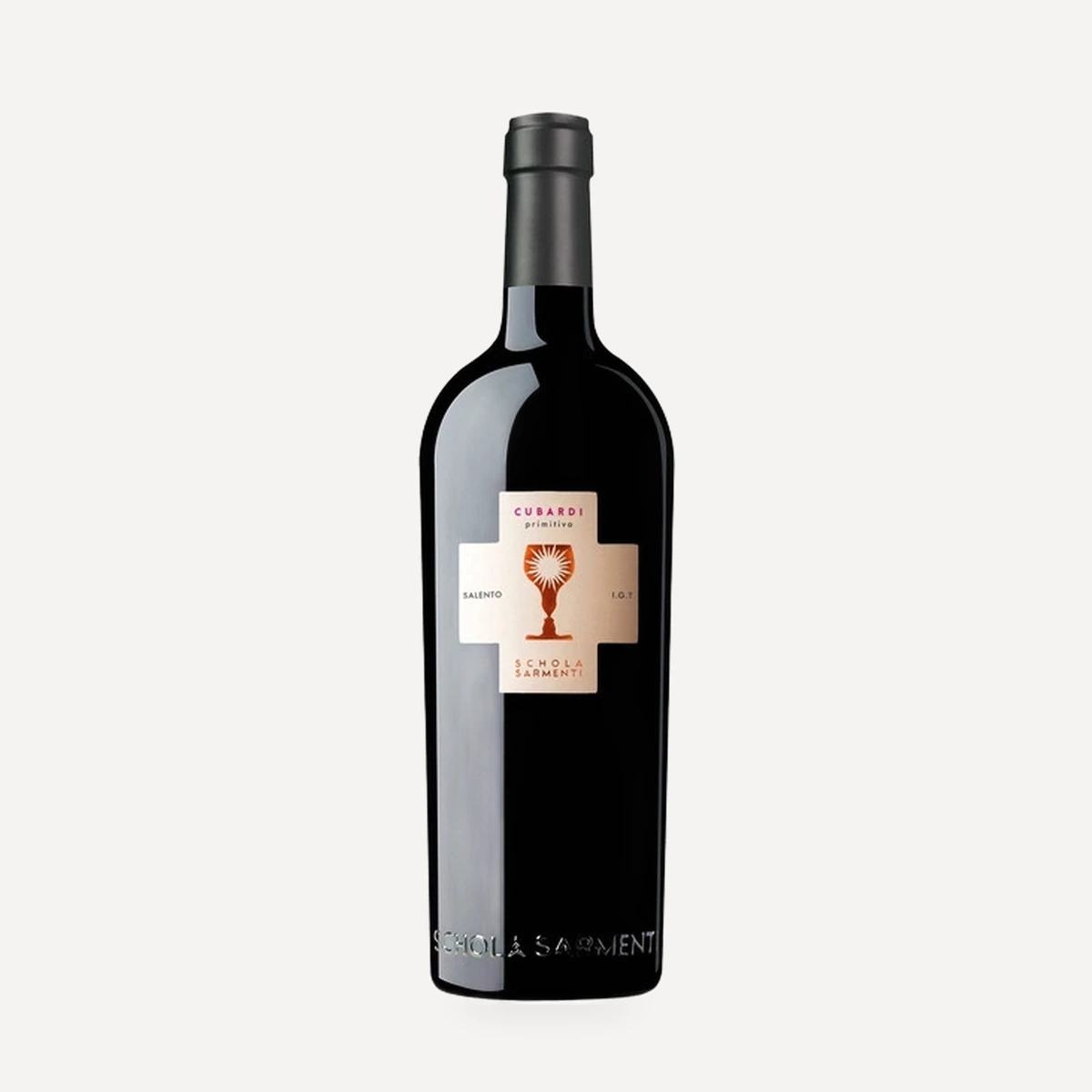
Cubardi
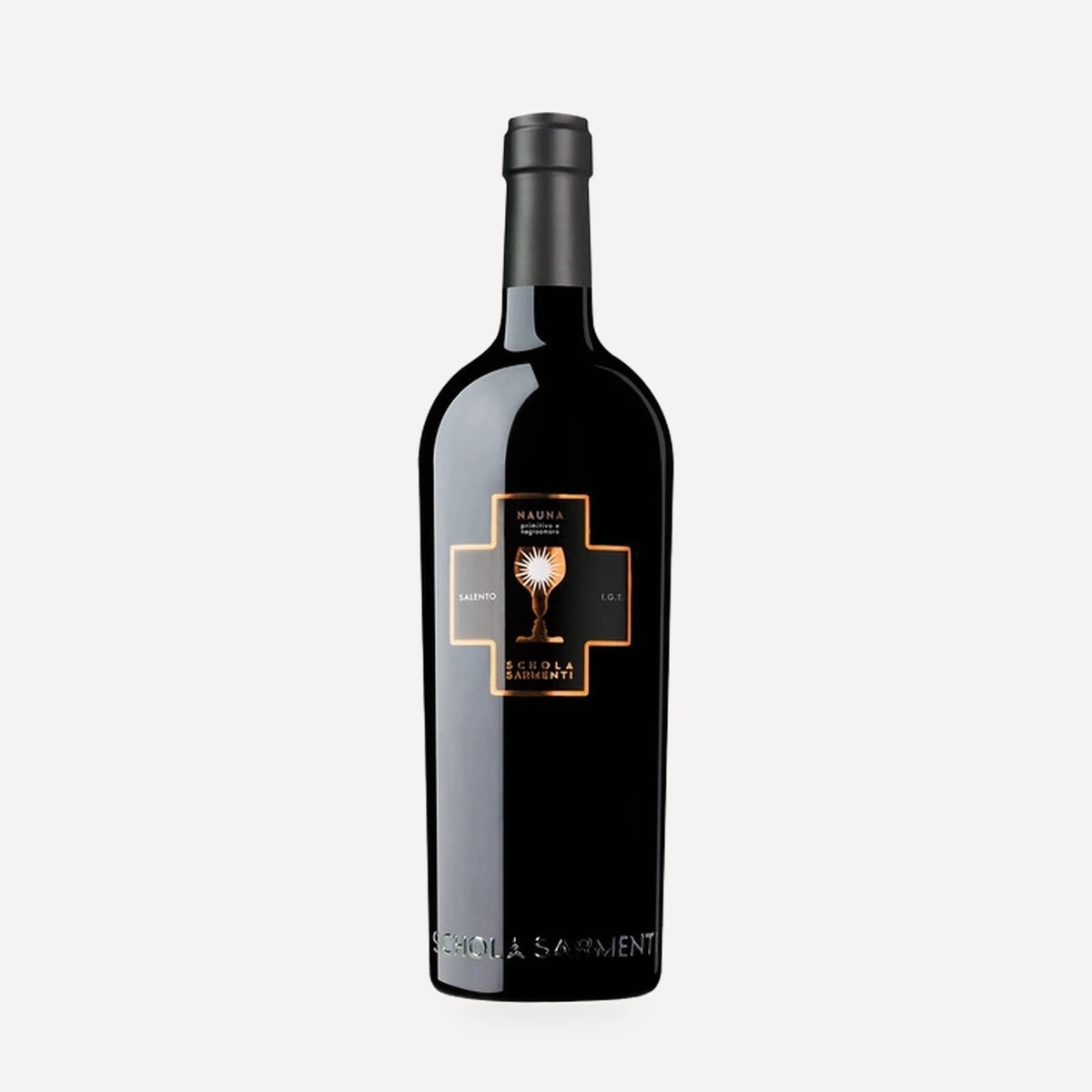
Nauna
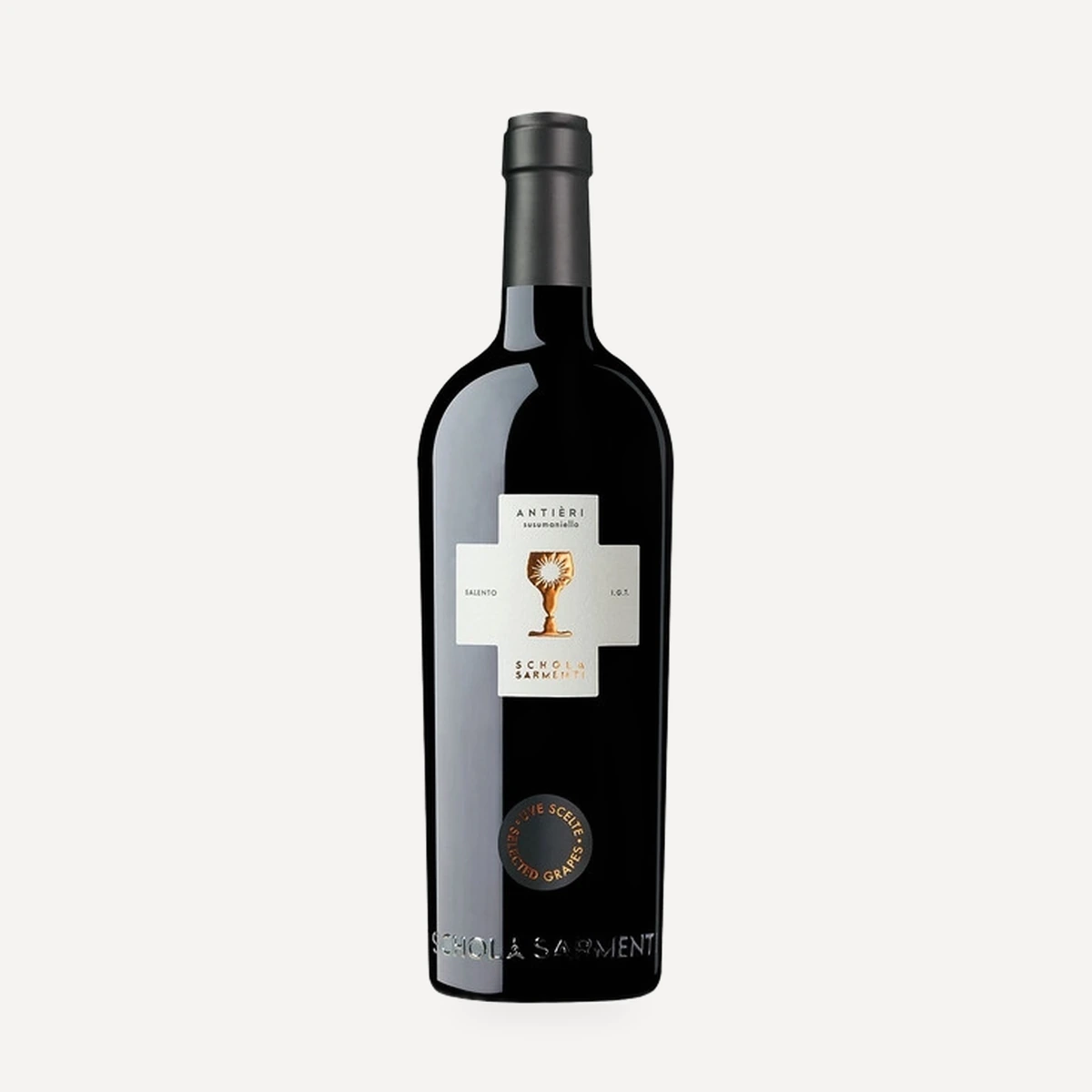
Antièri
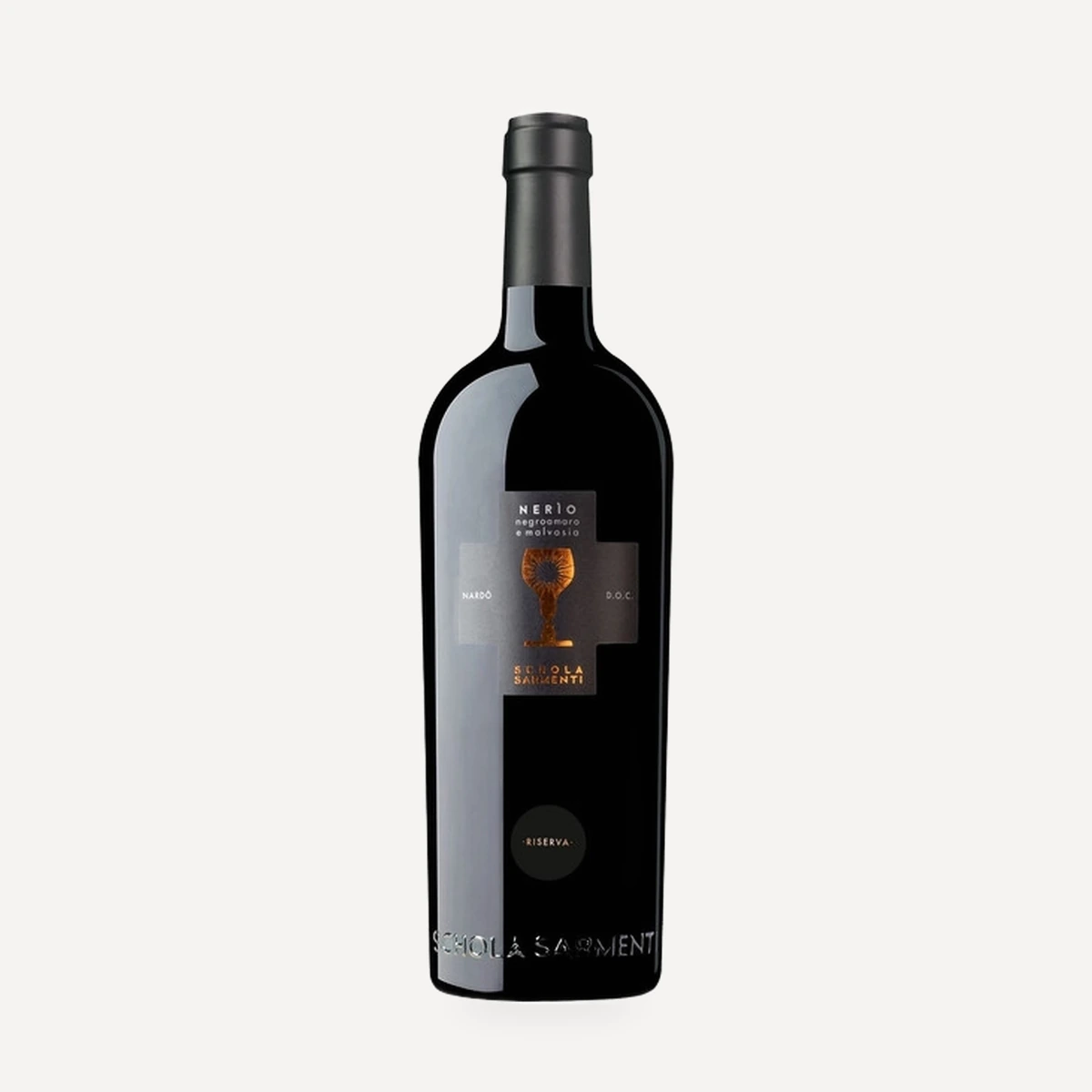
Nerìo
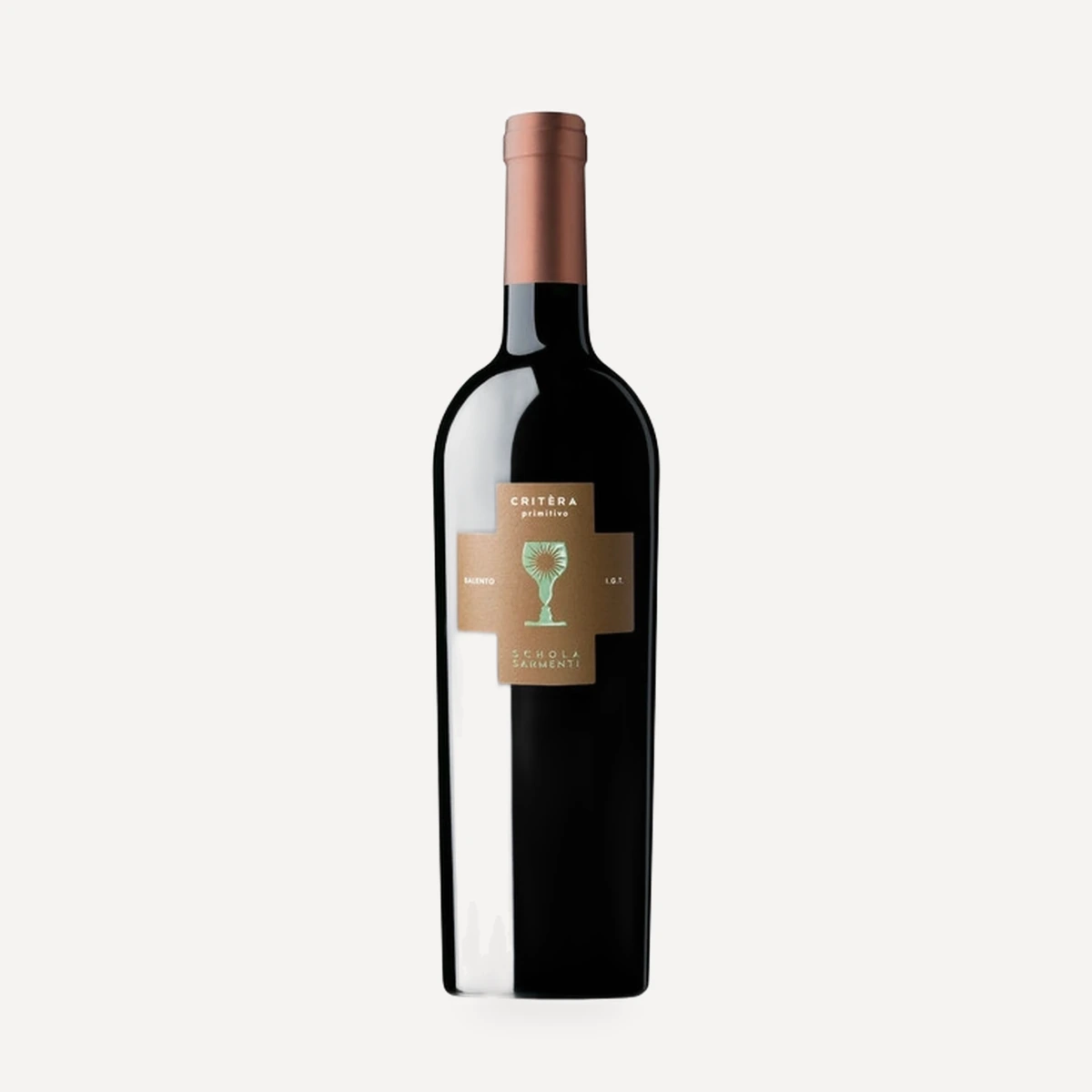
Critèra
Roccamora