Storia
1910–1923: from Trani to Seveso
In 1910, the young Domenico Losito left Trani in search of opportunity and settled in Seveso, north of Milan. The first documented traces of the Losito family’s activity in wine date from this year. In 1916, Domenico opened a tavern in the Brianza town. Wine was sold by the glass and served in the traditional scüdela, accompanied by dishes prepared by his wife.
By 1923 the family included four children, one of whom was Michele. Michele studied at the industrial-design institute Didattica di Seveso S. Pietro. His aptitude for design and his interest in wine led him to draw original bottle concepts, designs that would acquire renewed importance generations later.
1942–1950: a family business takes shape
In the 1940s Michele married Renata and moved to Lentate sul Seveso. The couple opened a trattoria, establishing the activity that would subsequently pass from one generation to the next. The establishment sold wine in the traditional rounded, straw-covered fiaschetta.
In 1950 Michele began home deliveries to enlarge the customer base. The results encouraged him to expand during the 1950s and relocate the business to the outskirts, where larger premises made it possible to test new working methods.
1968–1973: the Losito and Guarini families unite
The histories of the Lombard and Puglian families formally came together during the 1960s. In 1968 Michele’s daughter Luisa married Mr Guarini, a wine wholesaler in Como whose family was of Puglian origin. Michele died not long afterward from the consequences of wounds suffered during the Second World War and did not see his projects completed.
The Guarini couple settled in Lentate sul Seveso. In 1973 they installed the company’s first bottling equipment, replacing a process that had previously been carried out by hand.
1980–1996: distribution, a new winery and the fourth generation
In 1980, investment in technology and innovation accompanied the company’s first entry into large-scale retail distribution, extending recognition of its wines beyond regional boundaries. By 1990 it was fully established in the Italian mass-retail channel.
Davide and Renato Guarini entered management in the early 1990s and represent the family’s fourth generation. Although their parents initially imagined Davide in production and Renato in sales, the brothers found that their aptitudes were the reverse. Davide therefore assumed commercial responsibilities, while Renato worked in production and quality control. The 1996 chronology associates Renato’s responsibilities for purchasing and production with the opening of a new site in Oltrepò Pavese.
2010–2013: Michele’s designs return
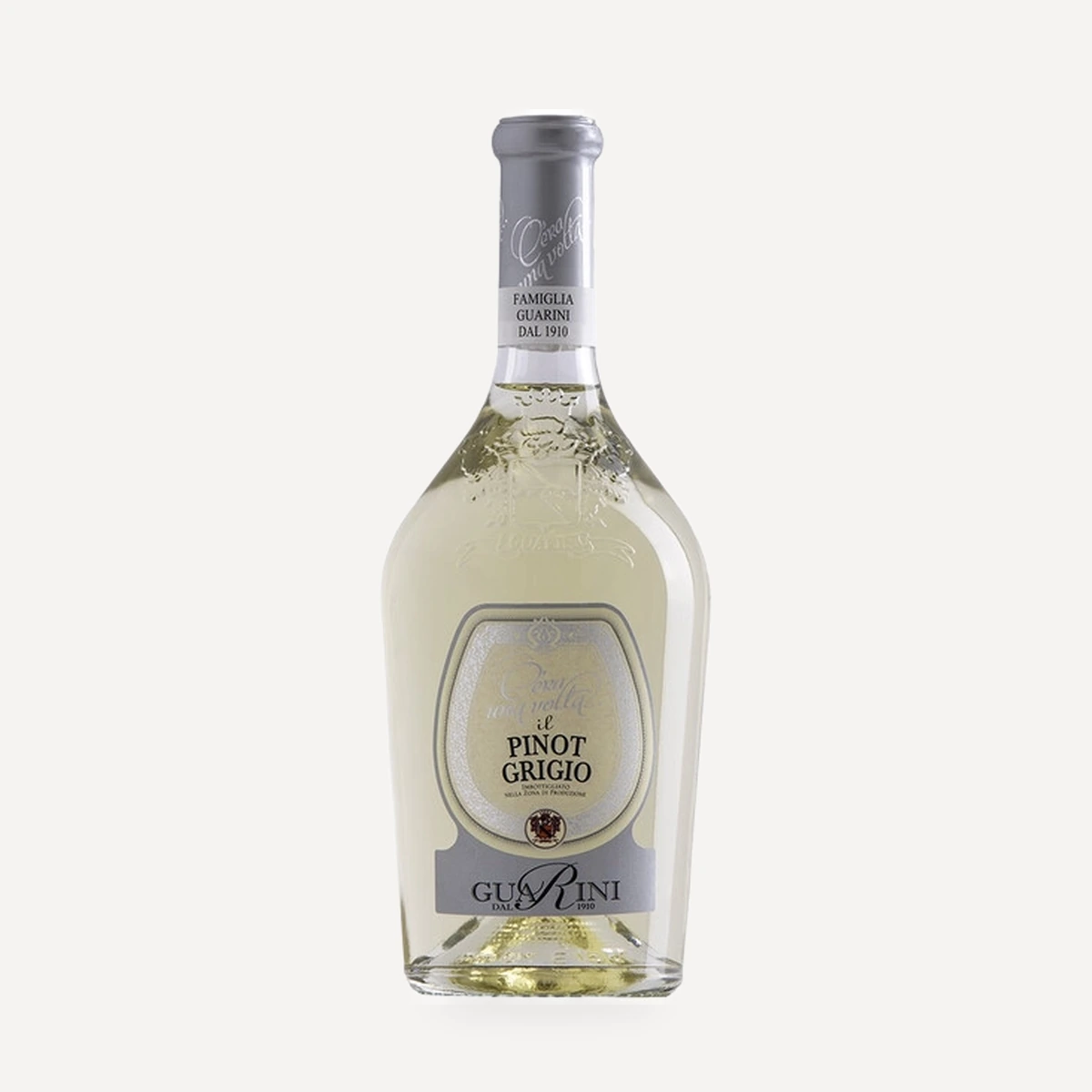
During a Christmas dinner in 2010, Davide and Renato rediscovered bottle sketches made by their grandfather Michele at the beginning of the twentieth century. The drawings included the family coat of arms. The brothers approached glassmakers to translate the sketches into glass; after several attempts, a mould suitable for larger-scale bottle production was created.
In 2013 they brought Michele’s unrealised concept to life through the bottles used for the present-day C’era una volta and Luigi Guarini lines. The Luigi Guarini project also fulfilled an idea championed by their father, Luigi Guarini. His proposal had originally received little support, but the brothers believed that it anticipated the direction later taken by the market.
2017–2020: renewed sparkling-wine investment and digital distribution
In 2017, after an interval of more than twenty years, Losito e Guarini resumed investment in sparkling wine. The initiative produced early commercial and competition results, and the sparkling category subsequently became a major part of production. In 2020 the wines entered multiple e-commerce platforms, widening digital availability.
2023–2026: Metodo Classico, no-alcohol production and sustainability
The Metodo Classico Blanc de Blancs Brut Millesimato reached the market in 2023. In 2024 the company introduced a premium Oltrepò Pavese Pinot Nero DOCG Metodo Classico to its sparkling collection. That wine received its first public presentation in Oltrepò Pavese on 26 October 2024 at Teatro Carbonetti during the opening performance of La Storia di Francesco.
A structured sustainability programme also began in 2024, including preparation of a Sustainability Report under the Equalitas standard. Nearly €1 million was invested that year in energy efficiency, reduction of environmental impact and stronger social responsibility.
LEBOLLÈ 0, the company’s first no-alcohol sparkling drink project, was launched in 2025 with a first Art Edition of 12 randomly assigned labels. During 2025, total output reached approximately 31.7 million bottles, an increase of 7% by volume; almost 10 million were sparkling wines made by Metodo Classico or the Charmat method.
In 2026 Losito e Guarini obtained Equalitas certification, covering the integrated environmental, social and economic dimensions of its operations. By then the business employed 61 people across its operating sites and maintained programmes for continuous training, internal engagement and more conscious use of resources.
Terroir
Oltrepò Pavese
The Oltrepò Pavese sourcing area occupies the right bank of the Po and extends between the provinces of Alessandria and Piacenza toward the Ligurian-Emilian Apennines. Its landscape is described as a natural triangle in southern Lombardy, bordering Piedmont, Liguria and Emilia. Vineyards cover rolling green hills as well as plains, with climate, solar exposure and soils considered suitable for viticulture.
The 730-ha Pavia network extends through Borgo Priolo-Broni, Canneto Pavese, Casteggio, Montalto Pavese, Montù Beccaria, Rovescala, San Damiano Al Colle, Santa Maria della Versa and Torricella Verzate-Zenevredo.
Puglia
The Puglian vineyards occupy both hills and plains. The Mediterranean climate, abundant sunshine, temperate conditions and beneficial maritime winds support ripening and aromatic concentration. The 980-ha network extends through Cerignola in Foggia, Corato in Bari, Latiano and San Pietro Vernotico in Brindisi, Salice Salentino and Veglie in Lecce, and Torricella in Taranto. The Salento area supplies Negroamaro, Primitivo and Susumaniello wines within the Puglia collection.
Vinificazione
Losito e Guarini works through long-term relationships with the agricultural supply chain and selects grape varieties and fruit from qualified suppliers. Its Bio&Vegan collection is associated with organic and sustainable agricultural practices, but those claims apply to the dedicated collection rather than to the entire 1,710-ha supply network.
Organic production is managed through dedicated equipment or processing separated in time or space. When shared facilities are separated spatially, they are cleaned before organic work begins. Inputs and finished products are recorded to preserve identification and traceability. Organic certification follows initial notification and assessment, a start-up inspection, issuance of compliance documentation, and annual surveillance through inspections and risk-based analysis.
The broader Equalitas programme monitors water and energy use, waste reduction, responsible waste management, packaging efficiency and supplier selection. Water consumption is measured and optimised, while the 2024 investment programme directed nearly €1 million toward energy efficiency, lower environmental impact and social responsibility.
Losito e Guarini operates its winery and storage facilities in Redavalle, while commercial and administrative functions are based in Lentate sul Seveso. Annual production exceeds 30 million bottles. In 2025, output reached approximately 31.7 million bottles, including almost 10 million bottles of sparkling wine produced by Metodo Classico and Charmat methods.
Raw-material control begins with rigorous selection of grape varieties and grapes from qualified suppliers. Laboratories use advanced technology and operate under HACCP hygiene requirements and quality controls intended to prevent contamination. Packaging is handled by automated, computerised production lines, with operators monitoring high bottle volumes and intervening when necessary. Production flexibility also supports bespoke projects for Italian and international retailers.
Organic processing is kept separate through dedicated equipment or separation by time or space, including cleaning before an organic run. Records track raw-material inputs and finished-product outputs. Sulfites are permitted within the organic programme, while substances derived from or produced using GMOs are excluded.
The allergen-management policy excludes eggs and egg products, including egg-derived lysozyme; fish and fish products; soy and soy products; and milk and dairy products. Vegan wines additionally exclude isinglass, albumin derived from egg or defibrinated ox blood, casein and caseinates, lysozyme, and gelatine derived from pork or cattle skins or bones. The objective is to retain the taste, appearance and organoleptic identity of traditional wine without animal-derived processing ingredients.
The Metodo Classico collection uses secondary fermentation in bottle. Sparkling production was renewed in 2017, the Blanc de Blancs Brut Millesimato entered the market in 2023, and a Pinot Nero Oltrepò Pavese DOCG Metodo Classico followed in 2024.
Filosofia
Losito e Guarini presents wine as a multigenerational family undertaking rooted in work, community and enduring agricultural relationships. Vineyard care is treated as a way of life, while quality rests on careful raw-material selection, dependable suppliers, laboratory control and investment in production technology.
The operating philosophy combines tradition with innovation. Historic family designs were revived through modern glass production; traditional wines were reinterpreted for vegan consumers; renewed investment in sparkling wine anticipated an expanding category; and the no-alcohol LEBOLLÈ 0 project responded to changing patterns of consumption. Production flexibility is also used to develop tailored projects for retail partners without abandoning formal quality standards.
Environmental, social and economic sustainability are treated as an integrated, measurable process across the supply chain. Priorities include monitoring energy and water, reducing waste, managing refuse responsibly, improving packaging efficiency, selecting qualified partners, training employees and maintaining an inclusive workplace. Davide Guarini describes Equalitas certification both as an achievement and as an ongoing commitment to resources, business partners and employee well-being.
The organic and vegan programme is framed around environmental responsibility, health, ingredient transparency and access for consumers with particular dietary requirements. Its aim is to preserve the sensory identity of established wine styles while removing animal-derived processing materials and limiting non-organic inputs.
Vini
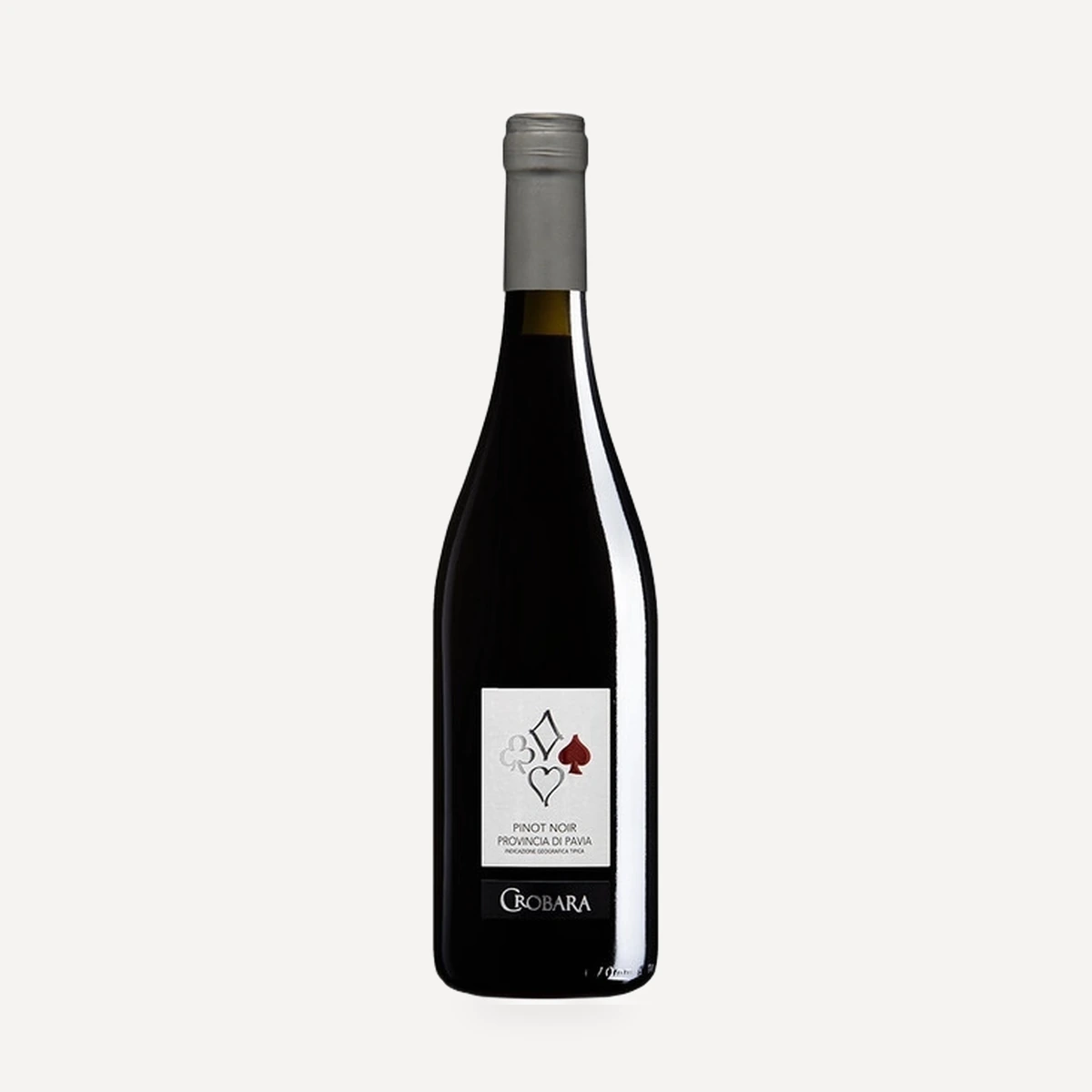
Crobara Pinot Noir Provincia di Pavia IGT
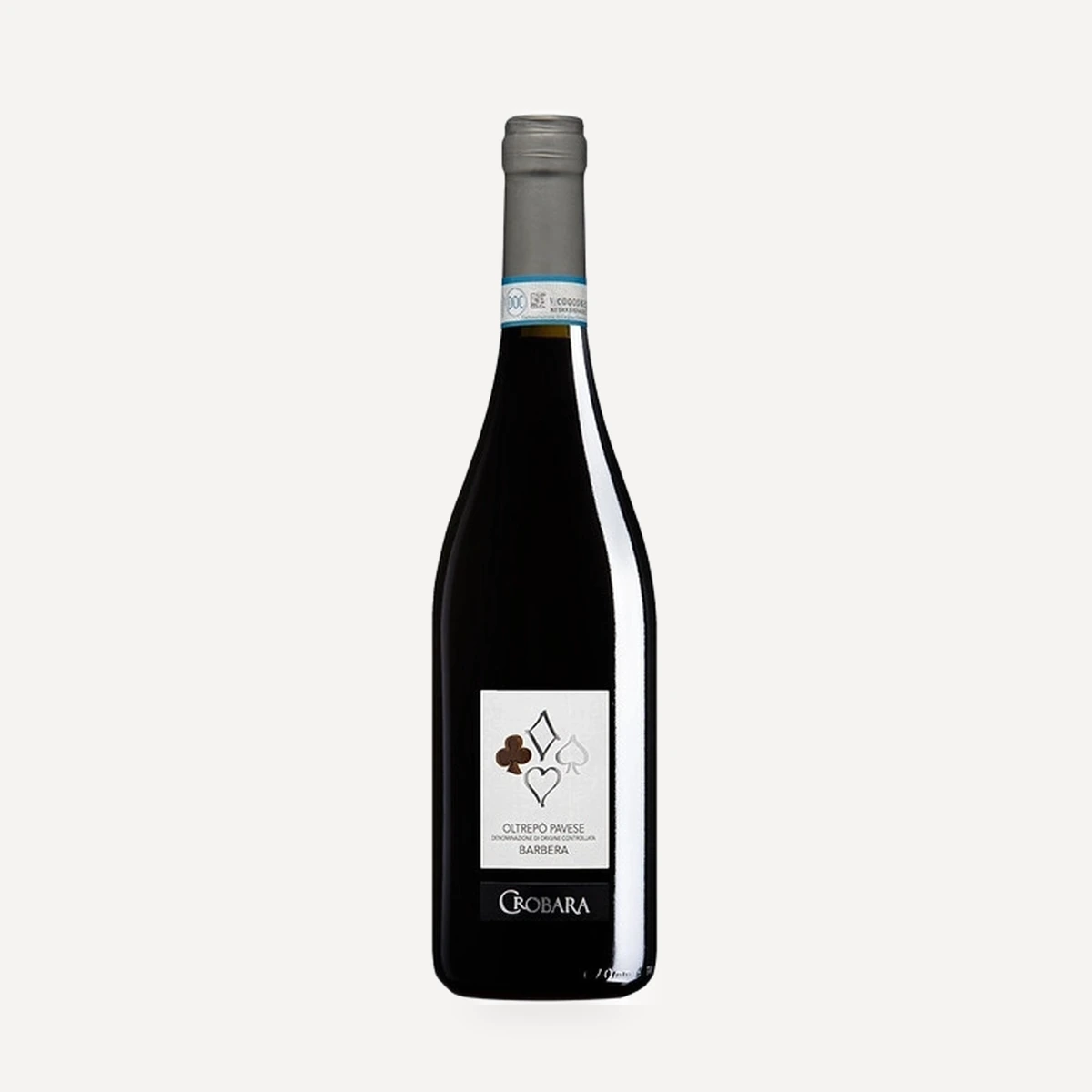
Crobara Barbera Provincia di Pavia IGT
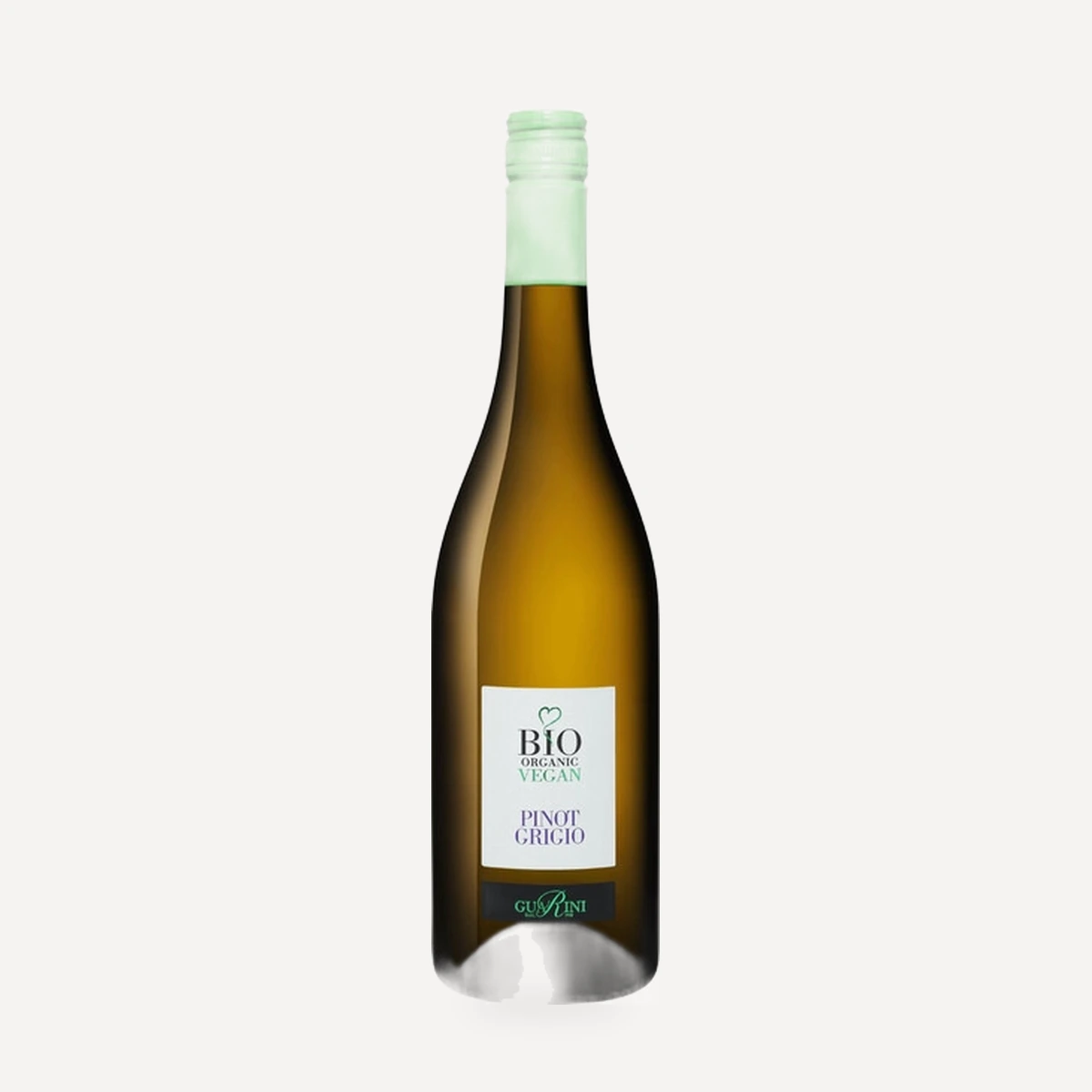
Bio Organic Vegan Pinot Grigio Provincia di Pavia IGT
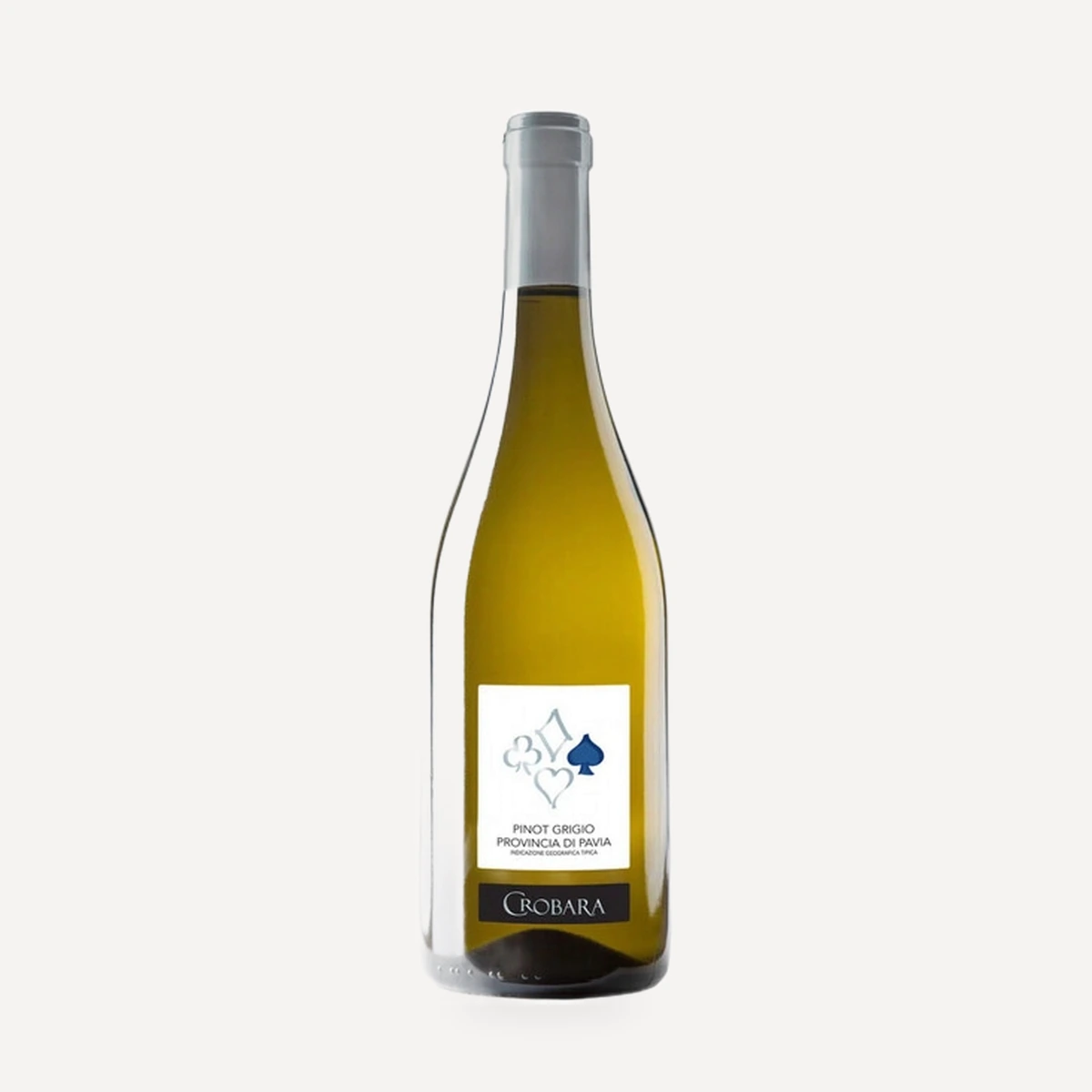
Crobara Pinot Grigio Provincia di Pavia IGT
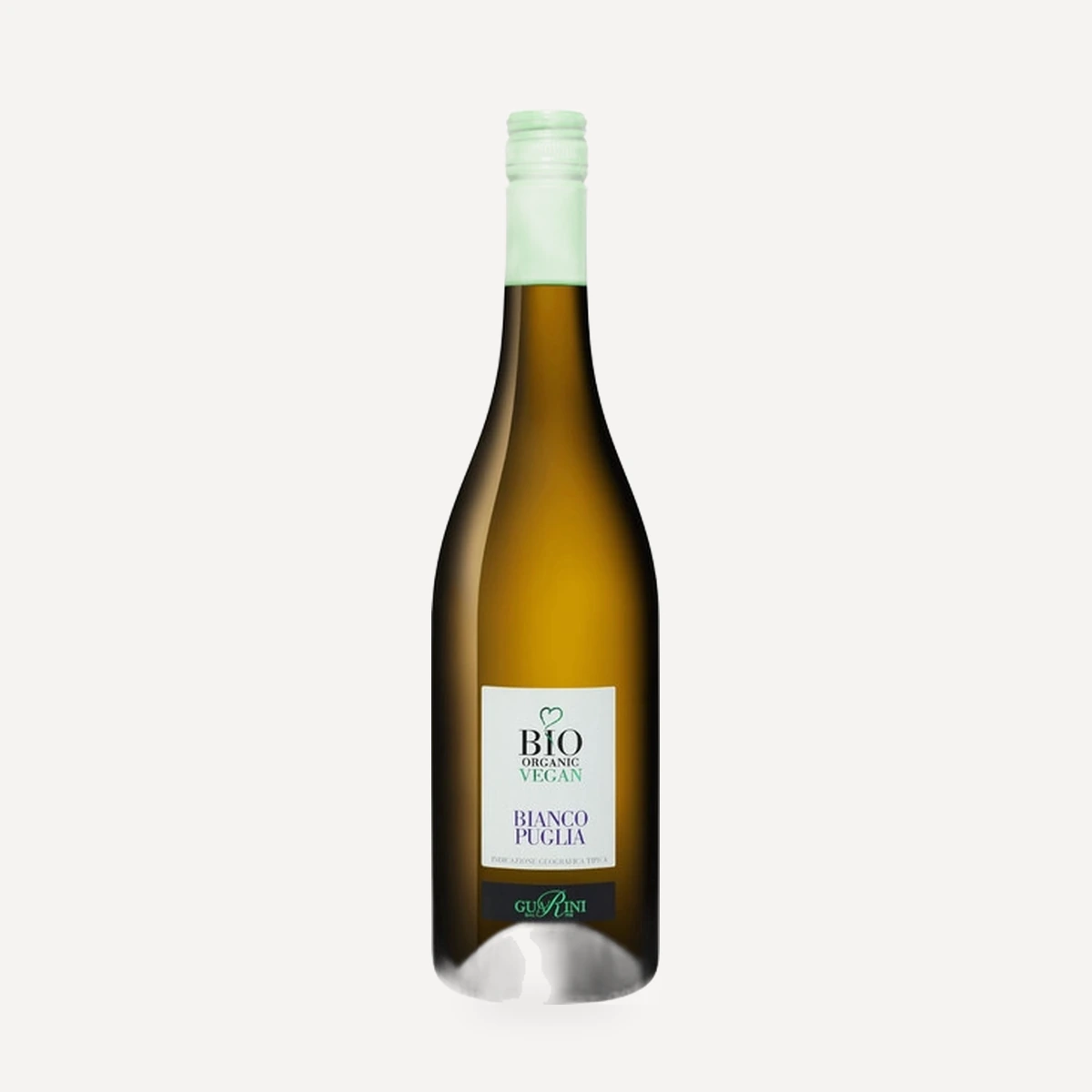
Bio Organic Vegan Bianco Puglia IGT
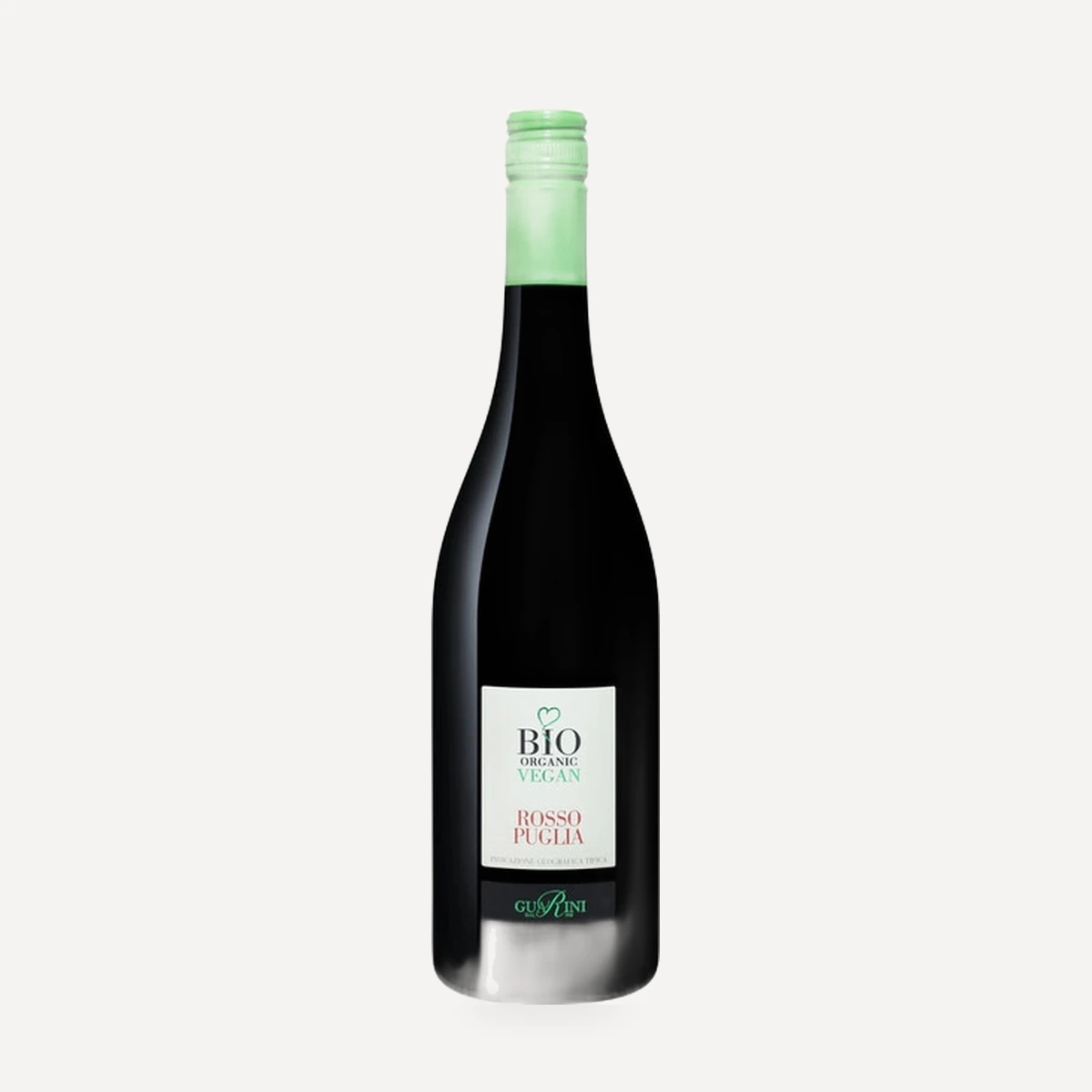
Bio Organic Vegan Rosso Puglia IGT
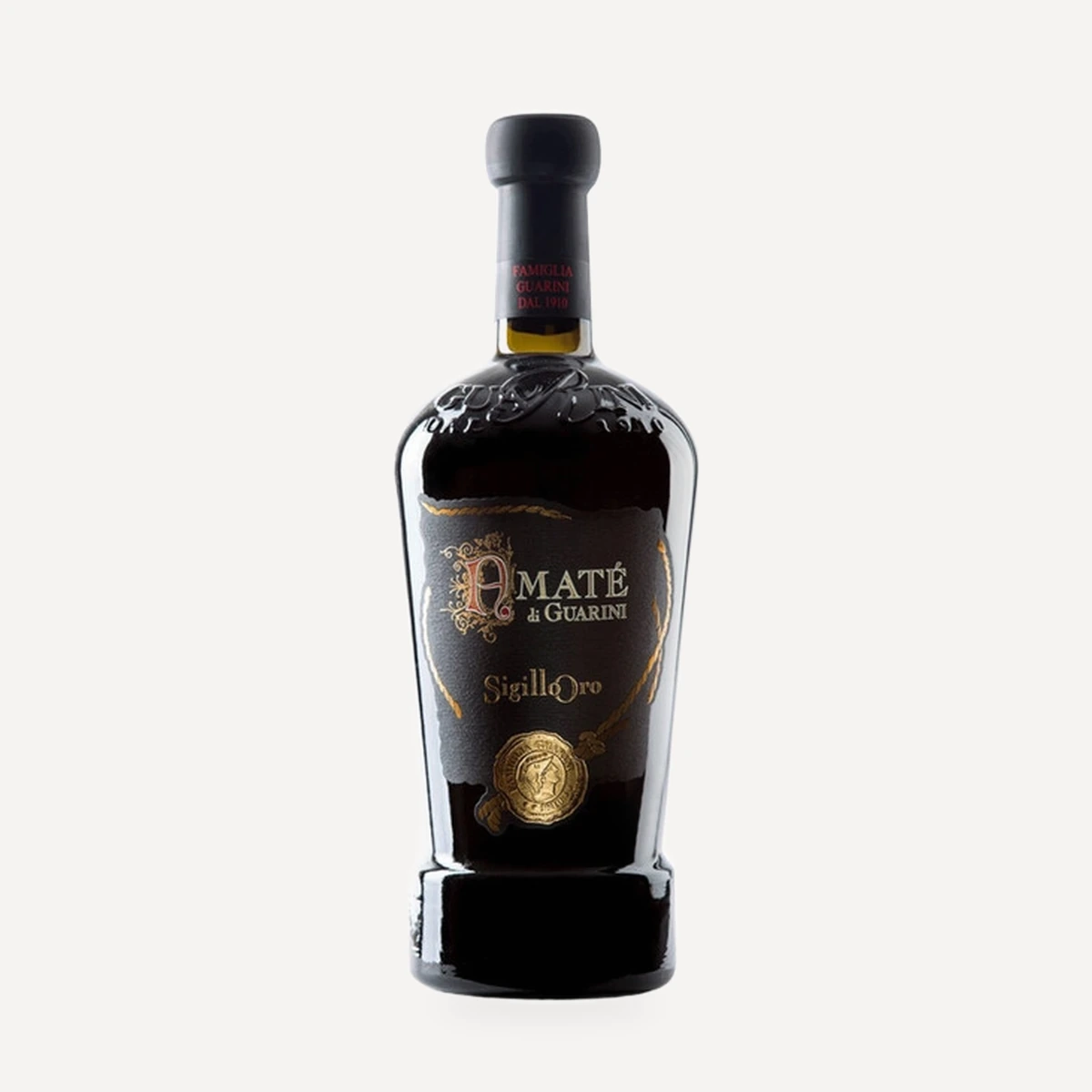
Amate di Guarini Negroamaro-Primitivo Puglia IGT
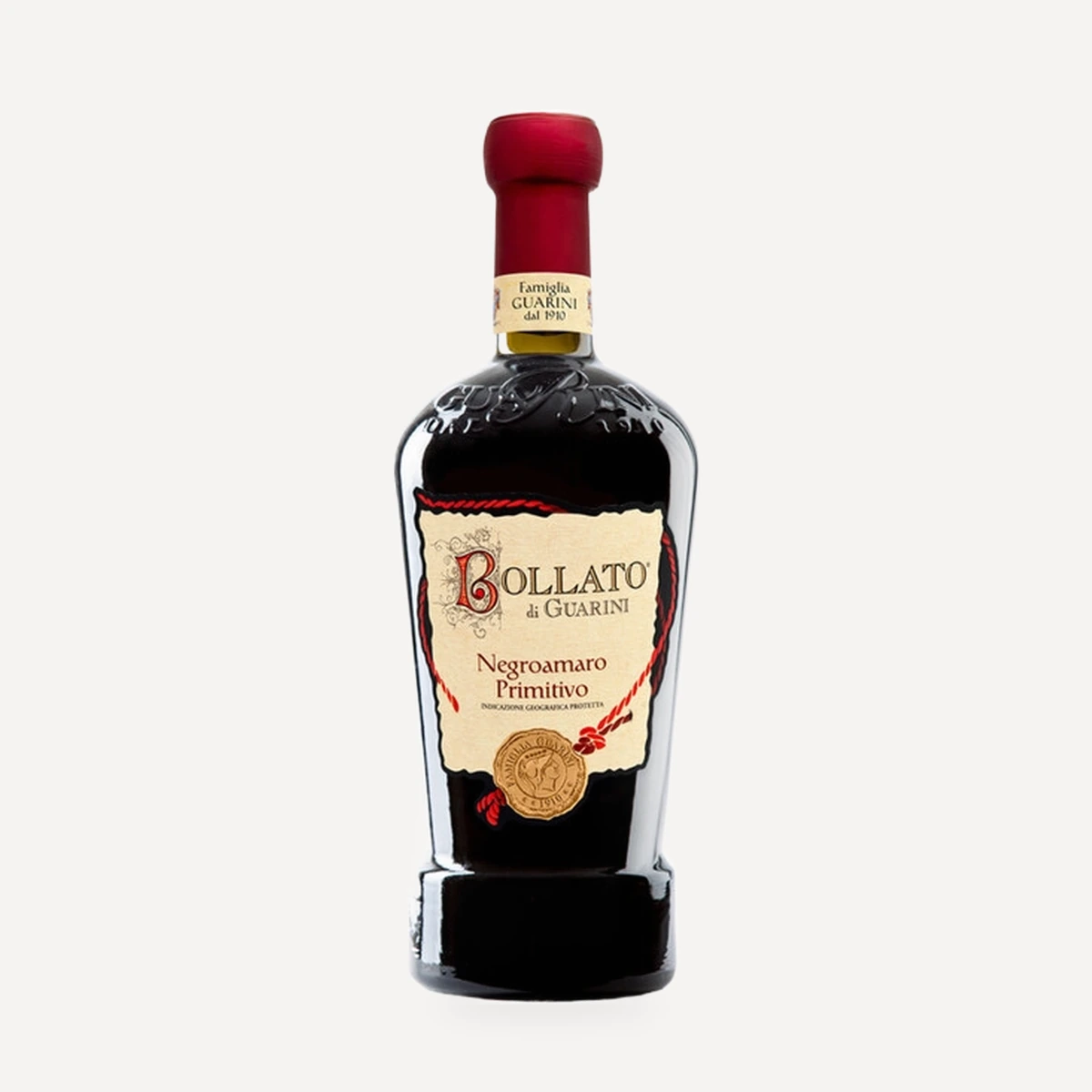
Bollato di Guarini Negroamaro-Primitivo Puglia IGT
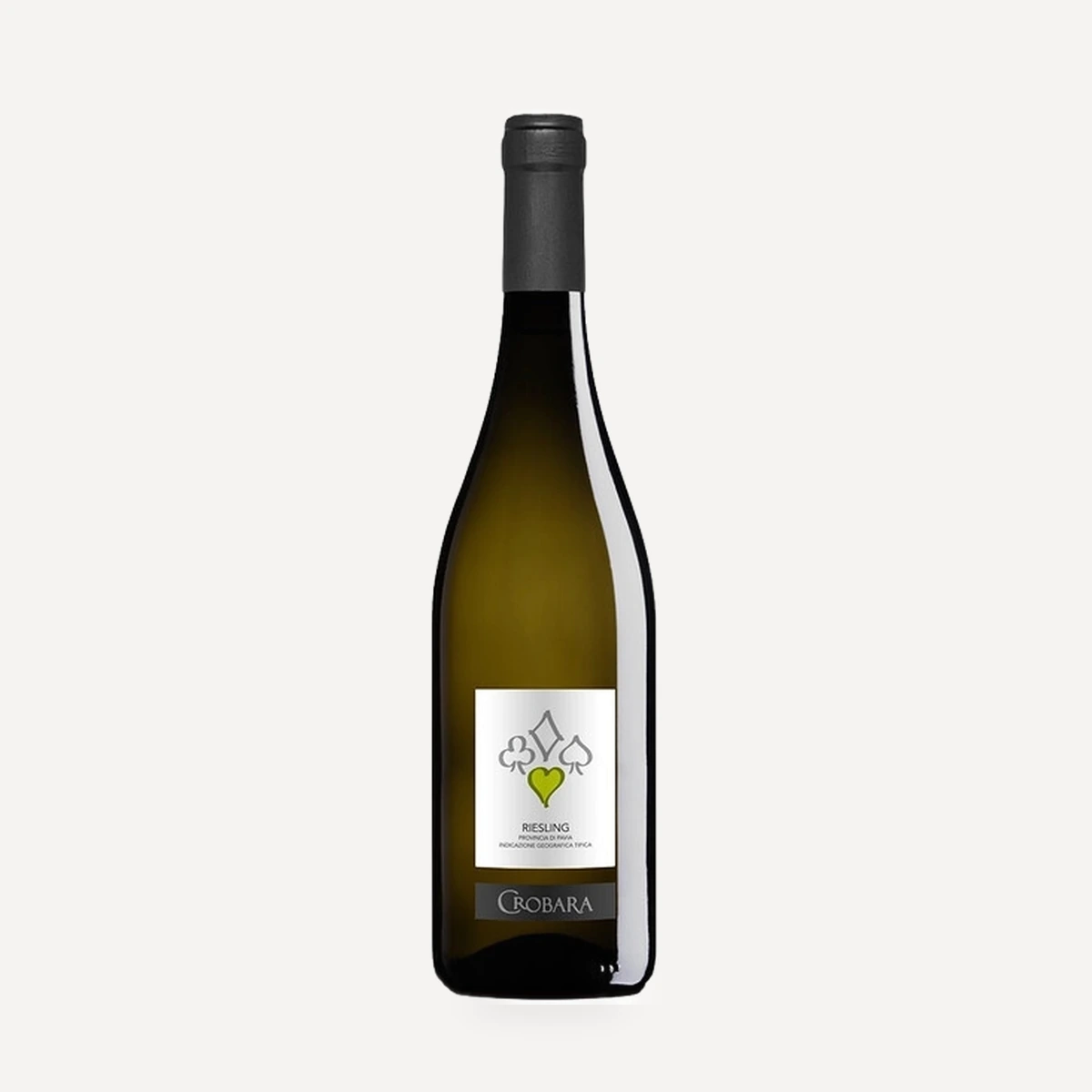
Crobara Riesling Provincia di Pavia IGT
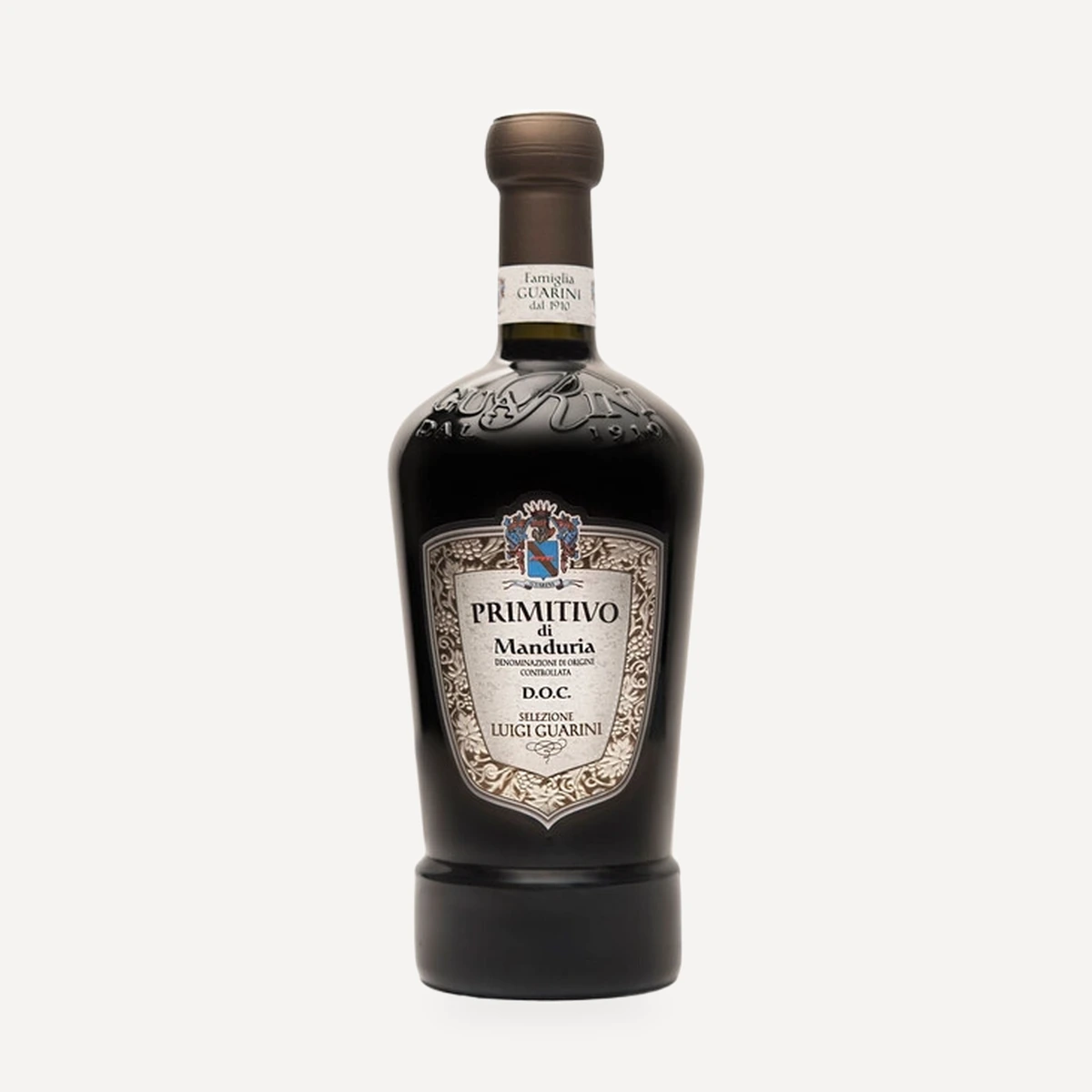
Selezione Luigi Guarini Primitivo di Manduria DOC
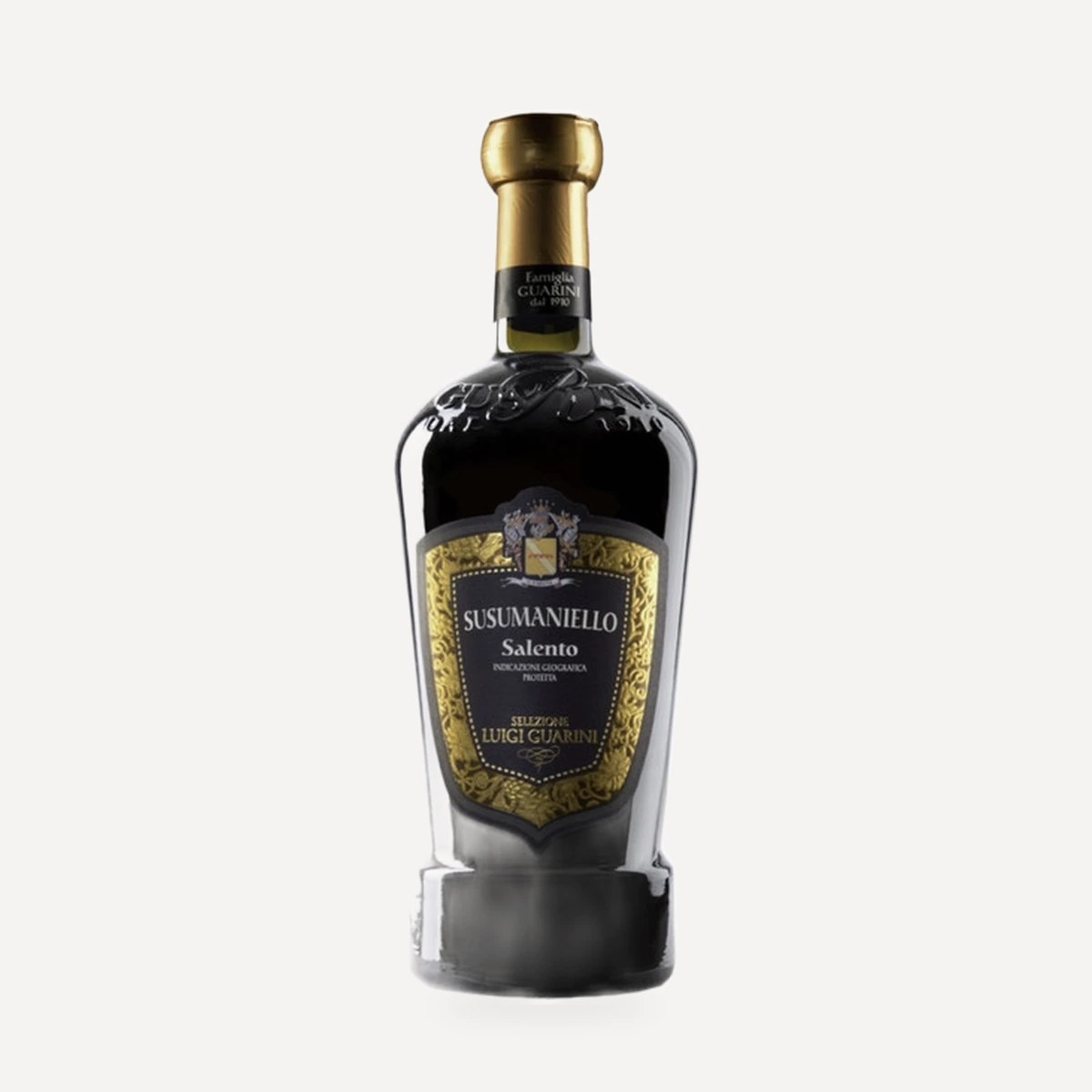
Selezione Luigi Guarini Susumaniello Salento IGP
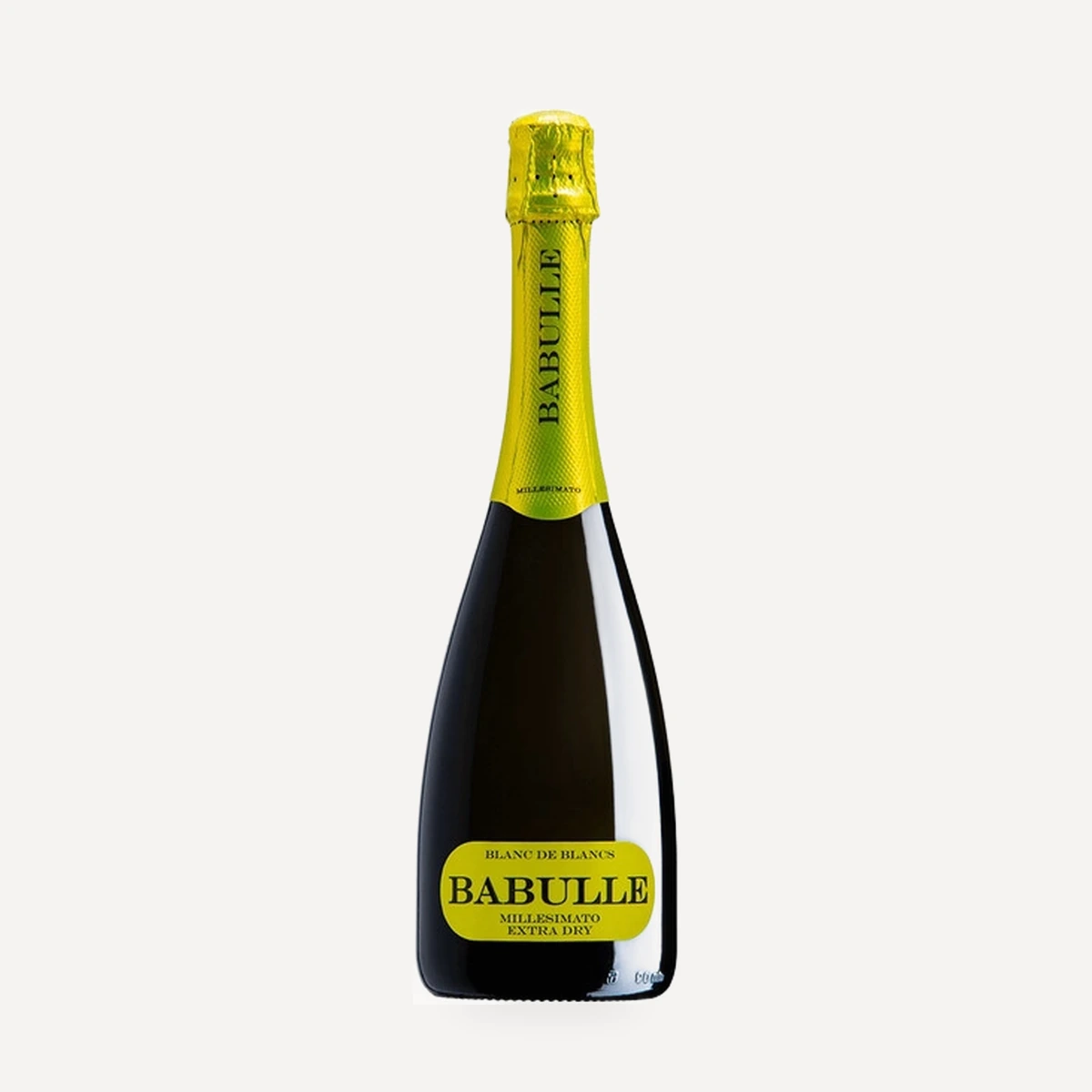
Babulle Blanc de Blancs Millesimato Extra Dry
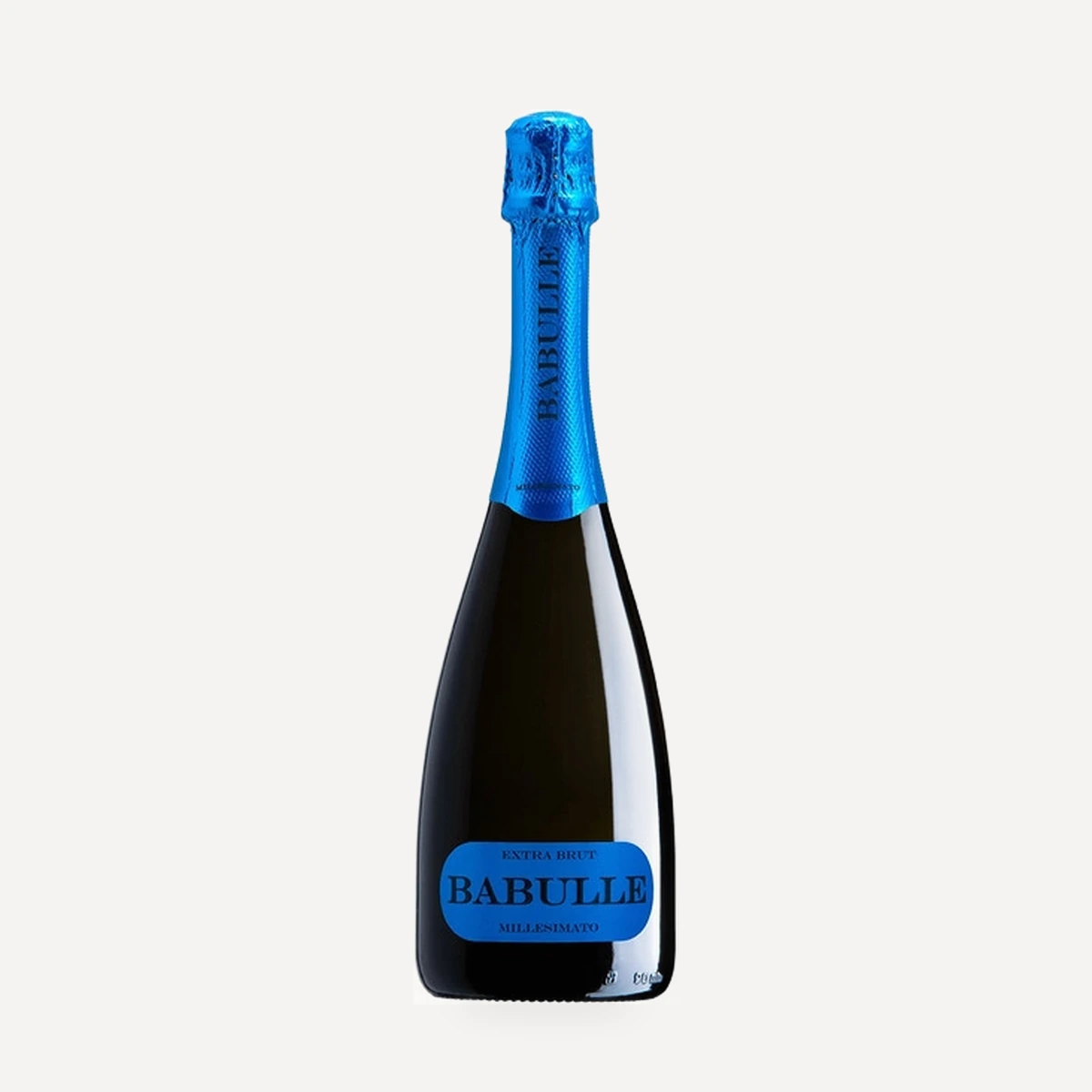
Babulle Millesimato Extra Brut
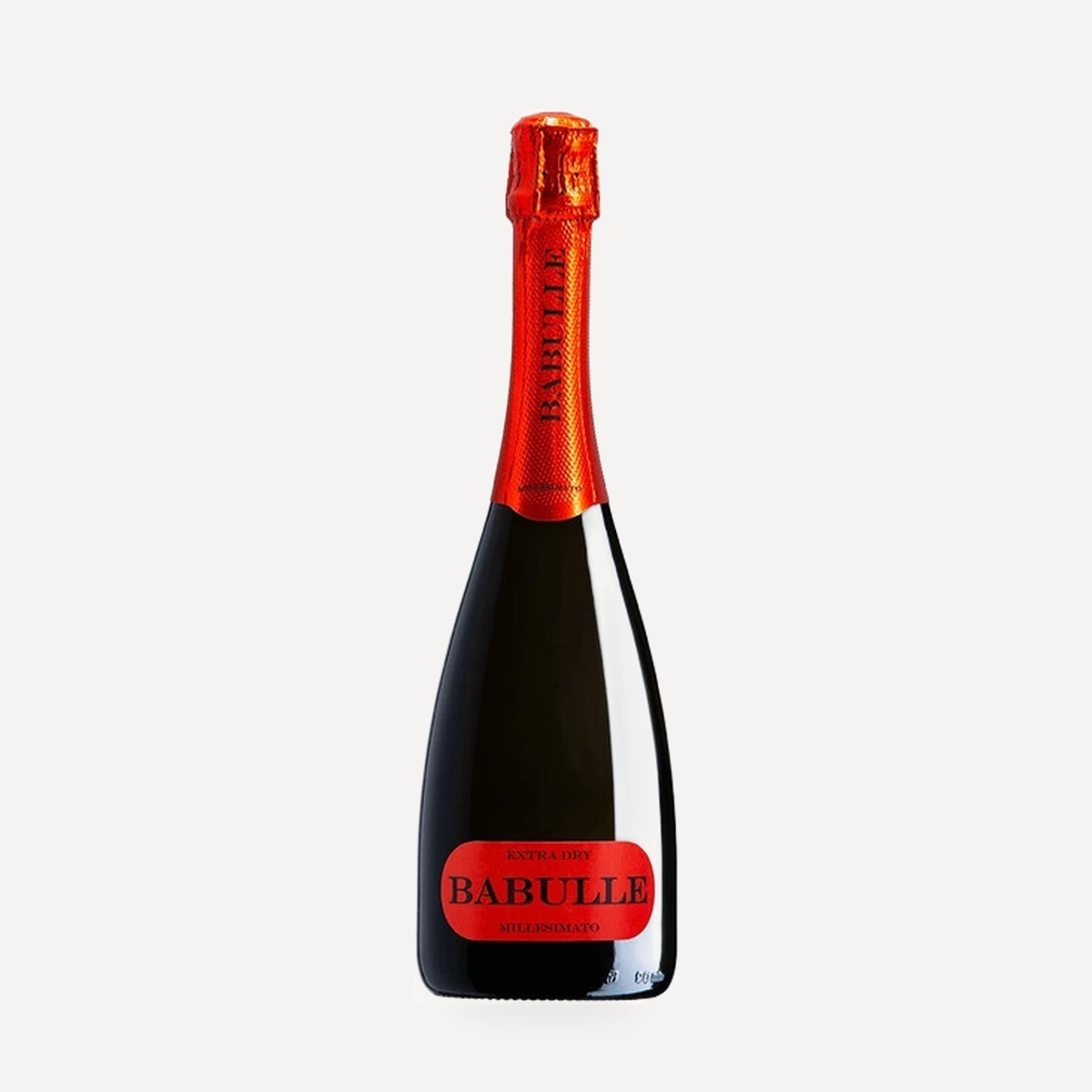
Babulle Millesimato Extra Dry
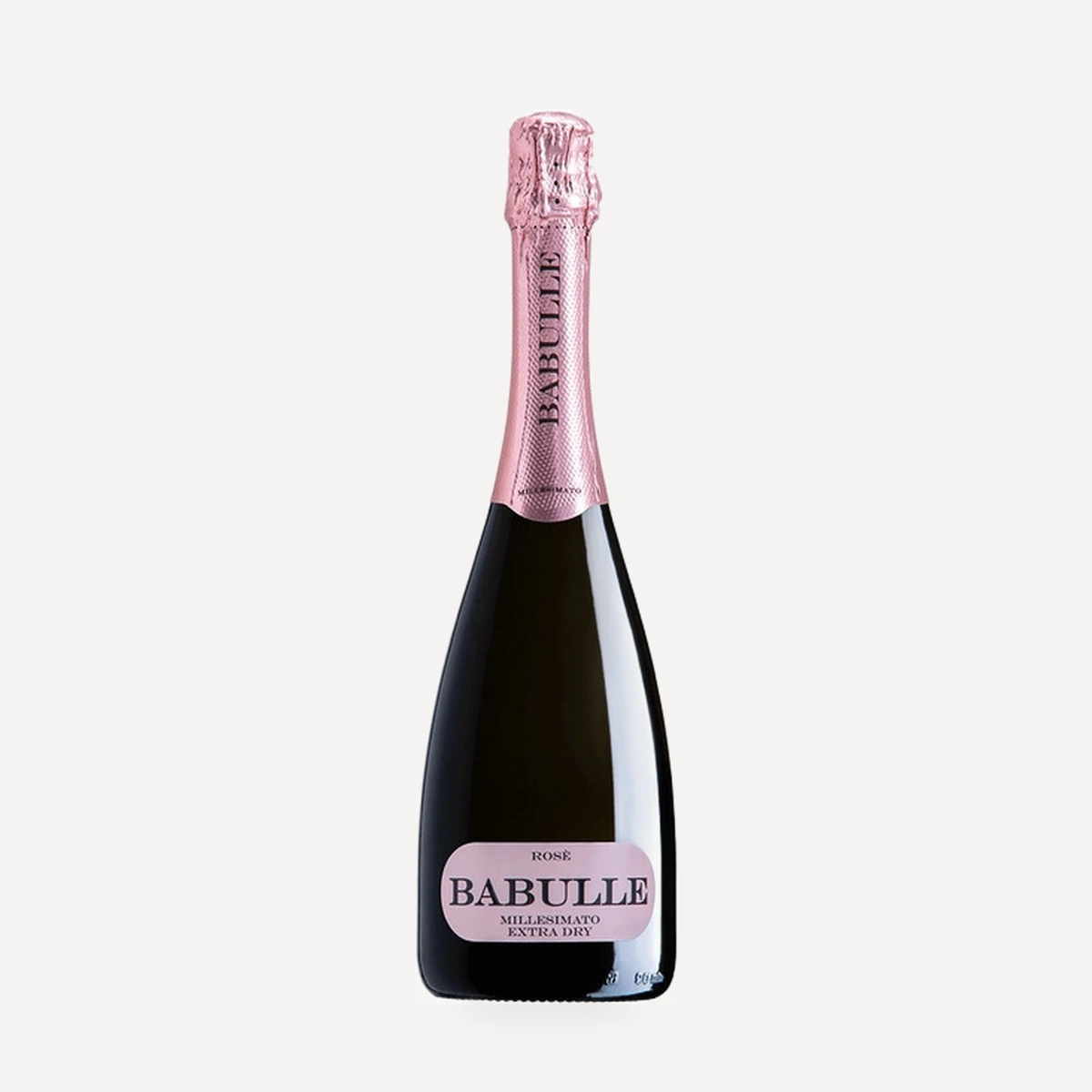
Babulle Millesimato Rose Extra Dry
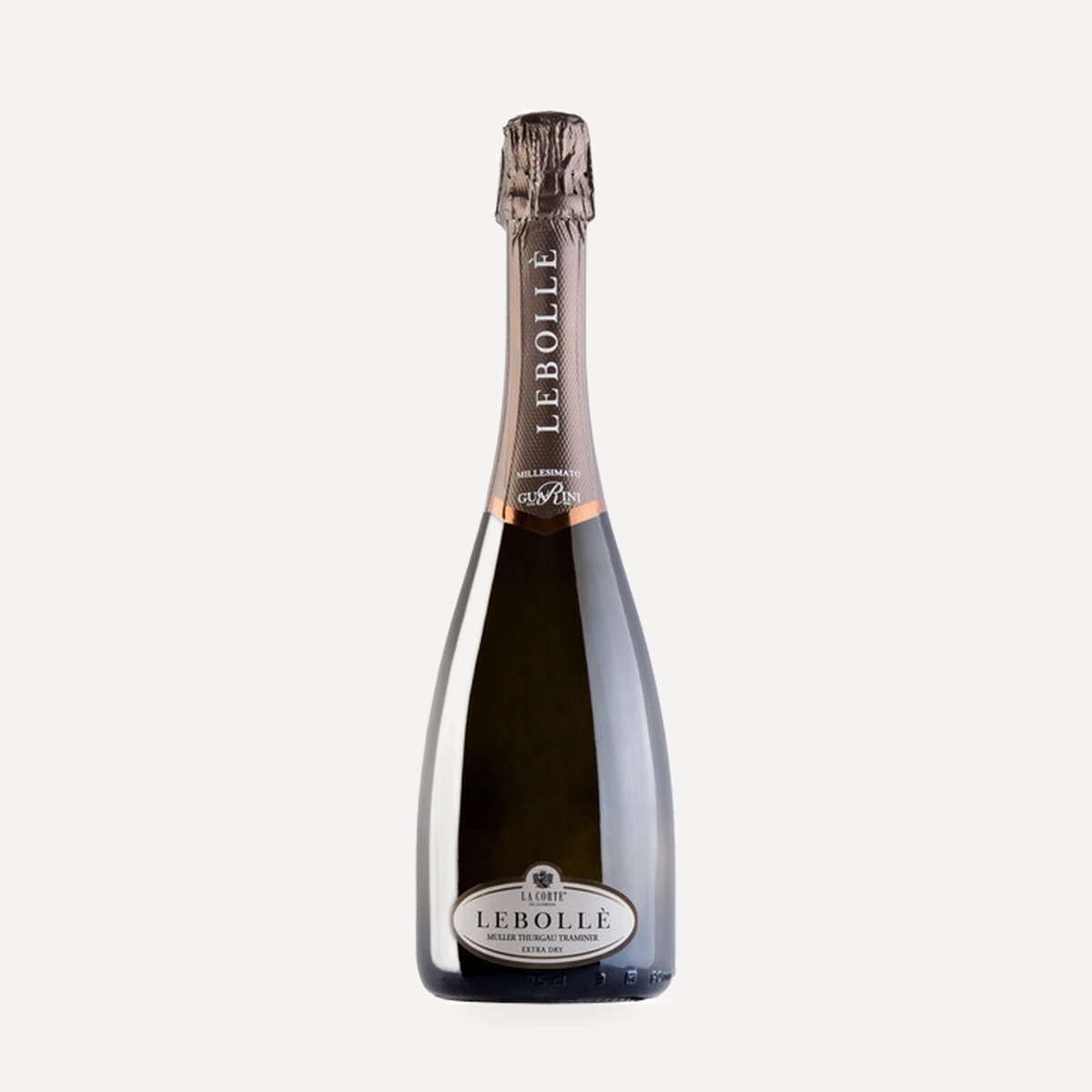
Lebolle Muller Thurgau Traminer Extra Dry
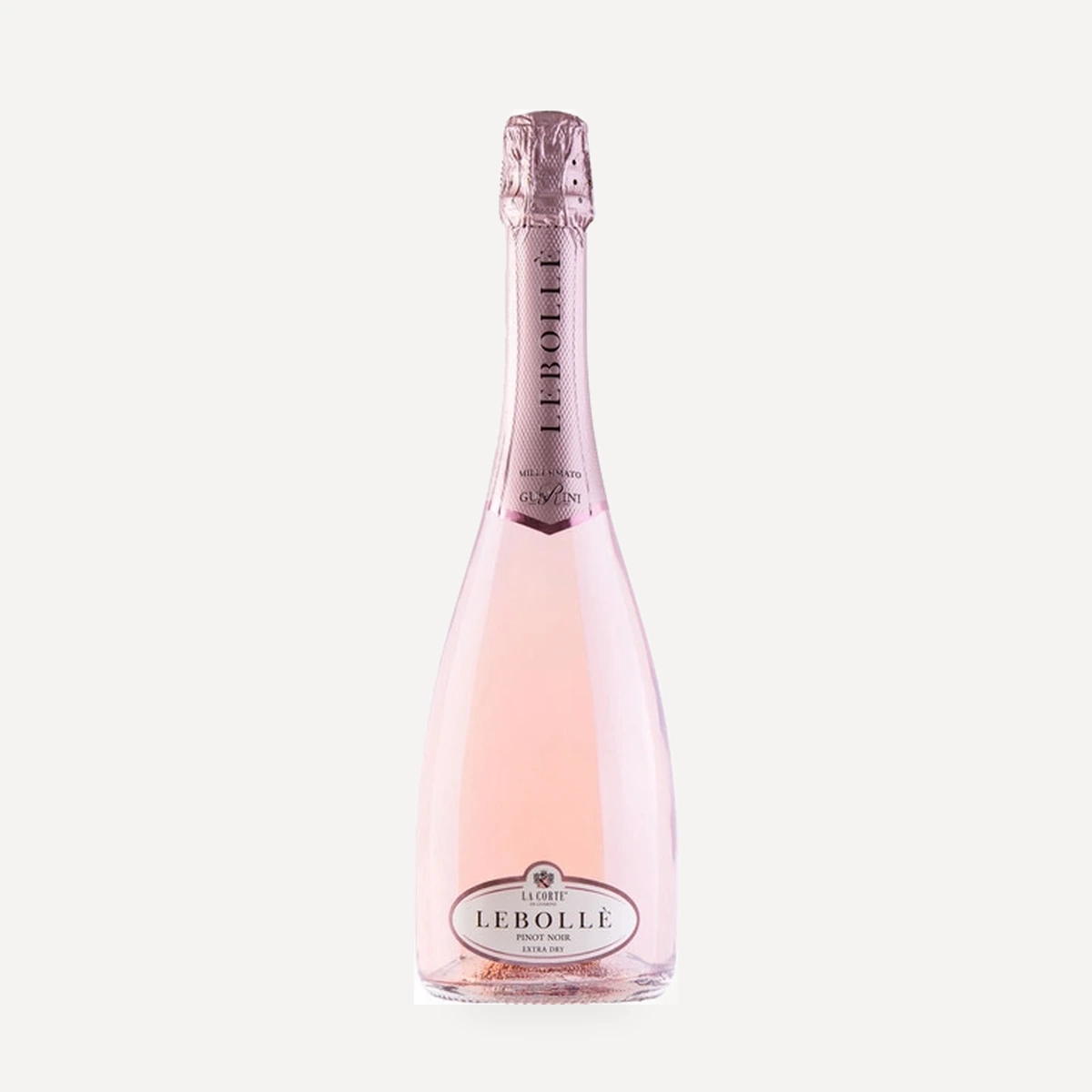
Lebolle Pinot Noir Rose Extra Dry