Storia
The origins: 2013
Sieman began in 2013 with a shared desire for a change of life. During a dinner, the future founders discovered that they each wanted to pursue a different path and decided to undertake it together. After several months of searching, they found a partly abandoned hill in Villaga, on the Colli Berici, and created the Sieman project there.
The first vineyards and wines: 2014
In 2014, work began to renovate an existing building as the winery and restore the old, abandoned vineyards. New vineyards were also planted, at that stage exclusively with native varieties. The same year brought the first harvest of the estate's own grapes and the first wines, already produced through spontaneous fermentation.
The hilltop cru: 2016
In 2016, the highest part of the hill was reclaimed and established as the estate's cru. Pinot Nero was planted there as a deliberate viticultural challenge.
A resistant variety and the brewery: 2017
In 2017, Sieman restored a small, particularly steep and rugged parcel and planted it with a resistant white-berried variety, linking the decision to its environmental and sustainability priorities.
The same year marked the beginning of the brewery alongside the winery. The new activity grew from the founders' interest in experimentation and their wish to give the local environment a broader role in production. From the outset, the brewery concentrated exclusively on mixed- and spontaneous-fermentation beers, employing the indigenous microbial flora associated with the vineyards and grapes. Grapes from the farm also became ingredients in most of its beers.
Hospitality project: 2021–2023
In 2021, Sieman decided to restore the old house beside the winery. The project was conceived as an accommodation and hospitality space where visitors could stay on the property, meet the producers, and learn about the farm's natural cultivation and production methods.
The restoration was supported through Measure 6.4.1 2A of Veneto's 2014–2020 Rural Development Programme. The declared financed amount was €444,921.41, and F.LLI FILIPPINI - SOCIETA' SEMPLICE AGRICOLA was identified as the organization responsible for the project.
Renovation of the house was completed in 2023, while the team continued refining its ideas for the wines and beers and the future use of the restored space.
Terroir
Sieman's farm and vineyards occupy a hill in Villaga on the Colli Berici. The terrain is surrounded by woodland, making the vineyard microclimate and its surrounding biodiversity central to the estate's approach.
The property includes old vineyards that had been abandoned before their restoration began in 2014, newly planted sites, a particularly steep and rugged parcel established in 2017, and a cru at the highest point of the hill. Garganega is also grown on soils of calcareous origin with basalt present.
Vinificazione
The vineyards are farmed with organic methods and with explicit attention to the local microclimate and biodiversity, from the soil to the vines. The objective is to bring sound grapes into the cellar so that they can be transformed with minimal external inputs.
The planting history combines the restoration of abandoned old vineyards with new plantings. The first new vineyards, established in 2014, were planted exclusively with native varieties. Pinot Nero was planted in the highest cru in 2016, while a resistant white-berried variety was chosen for a very steep parcel restored in 2017 in connection with the farm's environmental objectives.
For the Garganega destined for Sentiero del Tasso, the cane is cut on selected vines at the end of August. The interruption causes the grapes to begin dehydrating on the vine; harvesting follows at the end of October. Garganega used to restart fermentation in Camaleonte is instead dried naturally in crates and pressed in February.
Sieman's wines are based on spontaneous fermentation. Sound fruit from the organically farmed vineyards allows the cellar to work without conventional preservatives or processing aids. The wines are normally taken from grape to bottle without external additions; only in particularly difficult vintages, and only when strictly necessary, are very small quantities of sulfur dioxide added.
The cellar works with stainless steel, concrete, oak barrels, acacia vessels, exhausted oak barriques, glass demijohns, and terracotta amphorae. Depending on the wine, grapes may be destemmed and crushed, pressed directly, fermented without skin contact, or macerated on the skins. Recorded maceration regimes range from four hours for rosé to approximately one week or 10–15 days for red and macerated white wines. Delicate punch-downs are used for selected cuvées. One red-wine method divides the lot between whole-stem, semi-carbonic fermentation and traditional destemmed red-wine fermentation before maturation in oak.
Maturation may take place on fine lees in steel, concrete, oak, or acacia. Individual lots can also move from steel to terracotta amphora, mature partly in glass demijohns, or remain in an exhausted oak barrique. Blending is part of the approach: the composition of some cuvées changes with the season and tasting of the grapes, while other blends unite separately fermented or matured components.
For bottle-refermented sparkling wine, the base wine rests on its fine lees in steel and concrete. In the following spring, naturally dried Garganega is pressed; once its yeasts begin fermenting spontaneously, the must is added before bottling to trigger refermentation. The wine remains sur lie, retaining its natural sediment.
The wines are bottled without treatment or filtration, and sediment may consequently remain in the bottle. The cellar's indigenous yeast population also supports very slow spontaneous fermentations, including directly pressed, late-harvested Garganega.
Filosofia
Sieman understands wine as food produced by—and inseparable from—the place where its grapes grew. Its stated objective is to enhance the territory by transforming its fruit into genuine products closely connected to their origin.
The approach joins human work with natural processes and places particular emphasis on care, respect, research, and experimentation. Organic farming is intended to deliver healthy grapes capable of fermenting without routine additives or processing aids. In the cellar, spontaneous fermentation, minimal additions, the avoidance of filtration and treatments, and acceptance of natural sediment are practical expressions of this position.
Vintage conditions are treated as part of the wine rather than something to be erased. The varieties included in certain blends may change from year to year according to the growing season and tasting of the fruit. At the same time, the project combines restored old vineyards, native grapes, a resistant white variety, and a challenging hilltop planting of Pinot Nero rather than defining local identity through a single variety or technique.
Vini
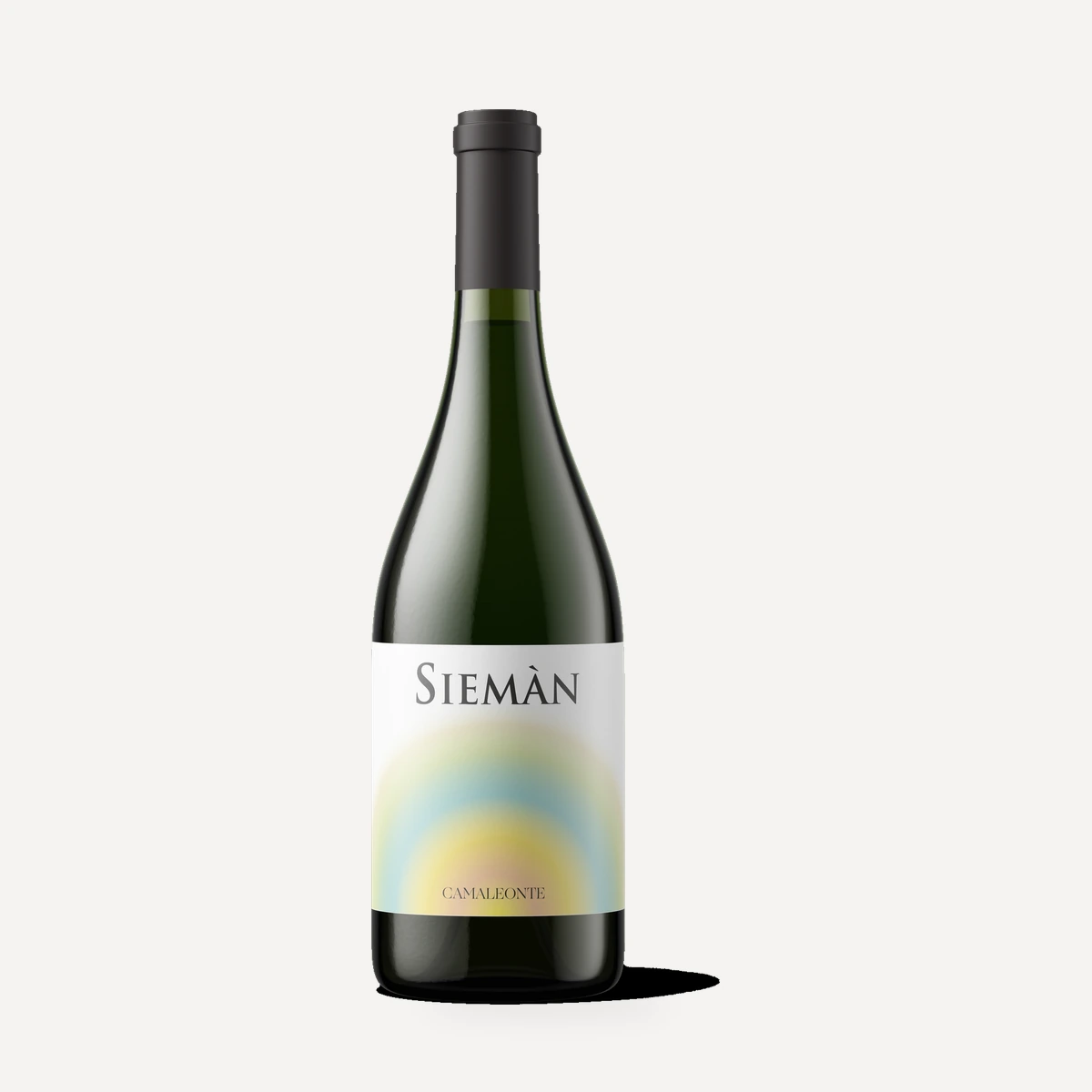
Camaleonte
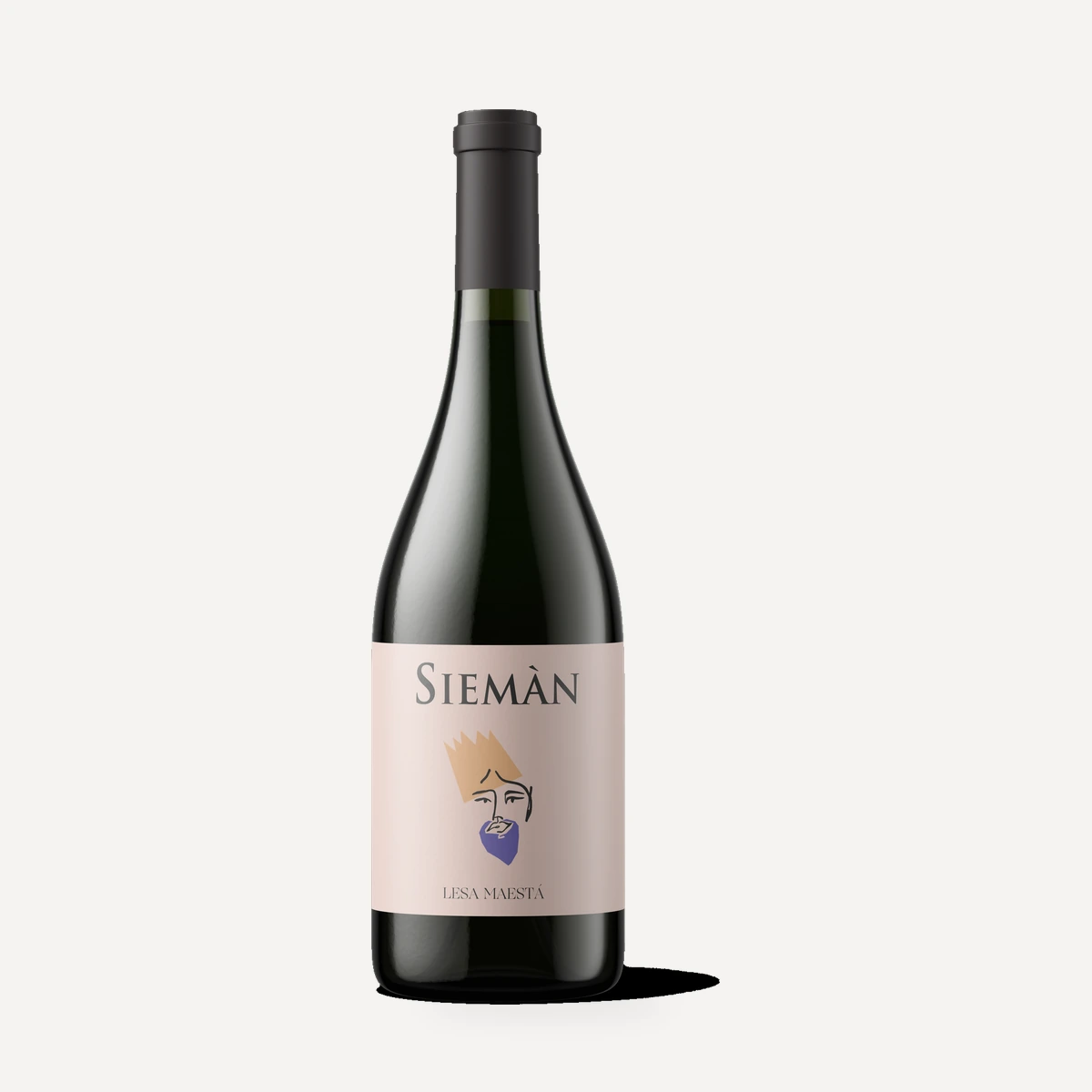
Lesa Maestà
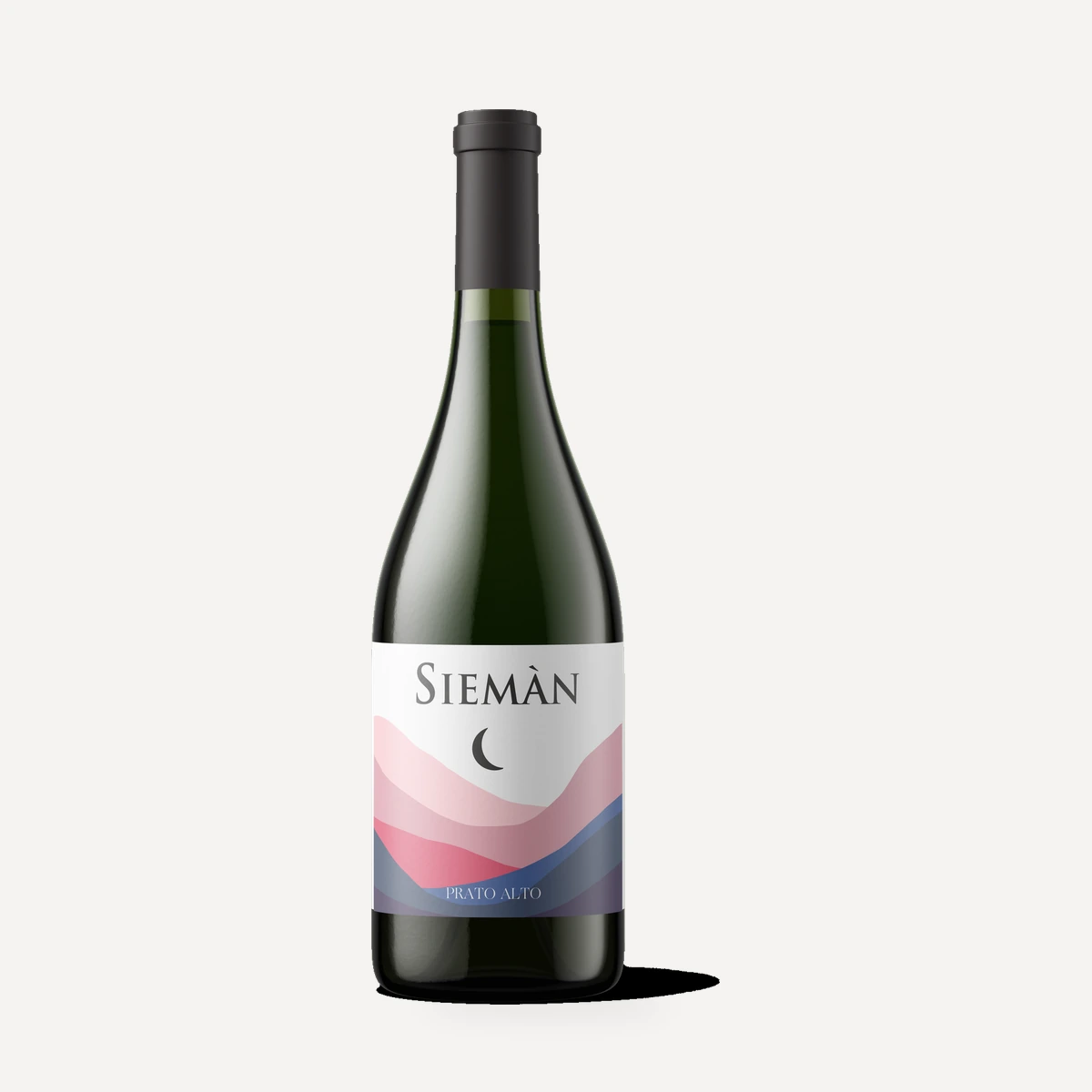
Prato Alto
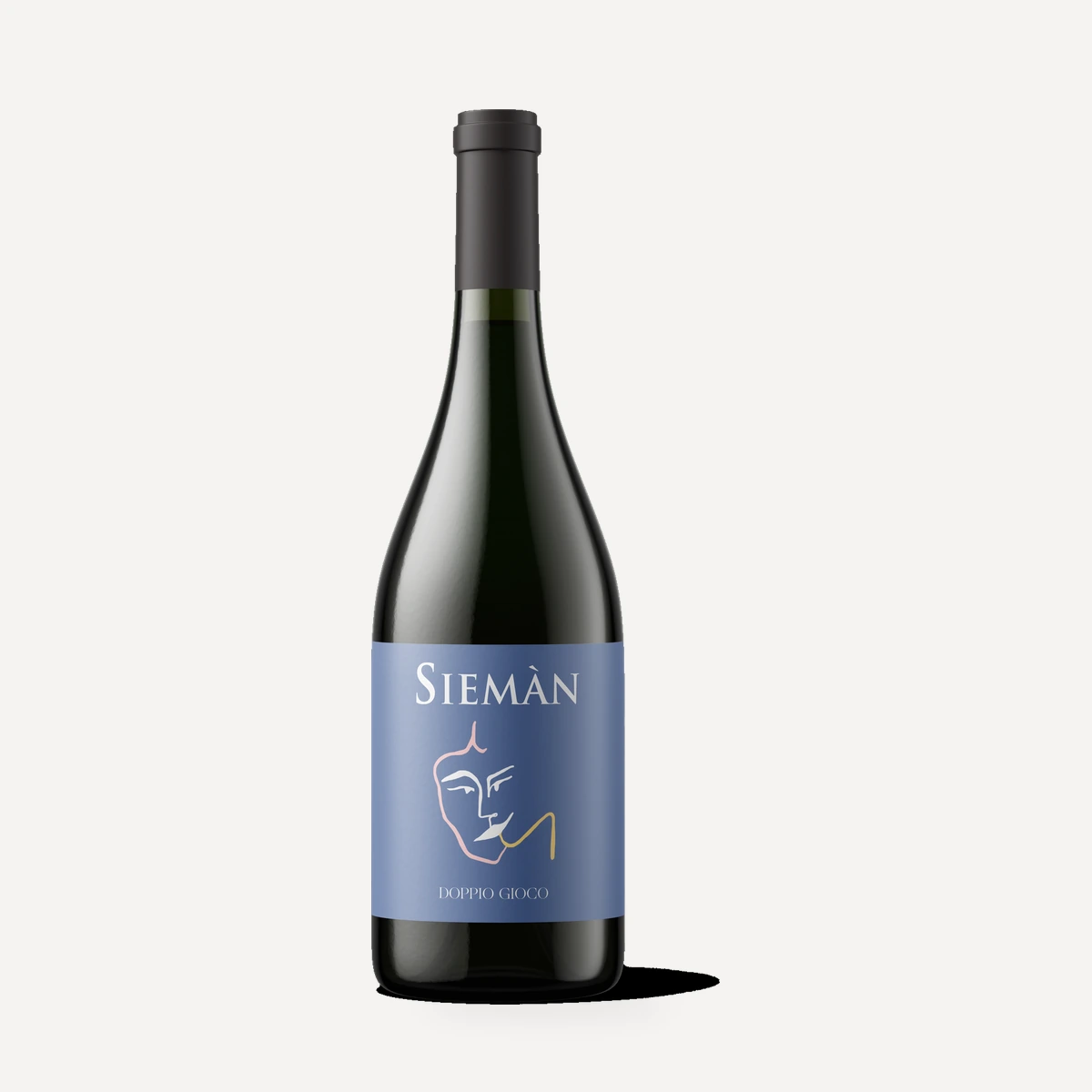
Doppio gioco
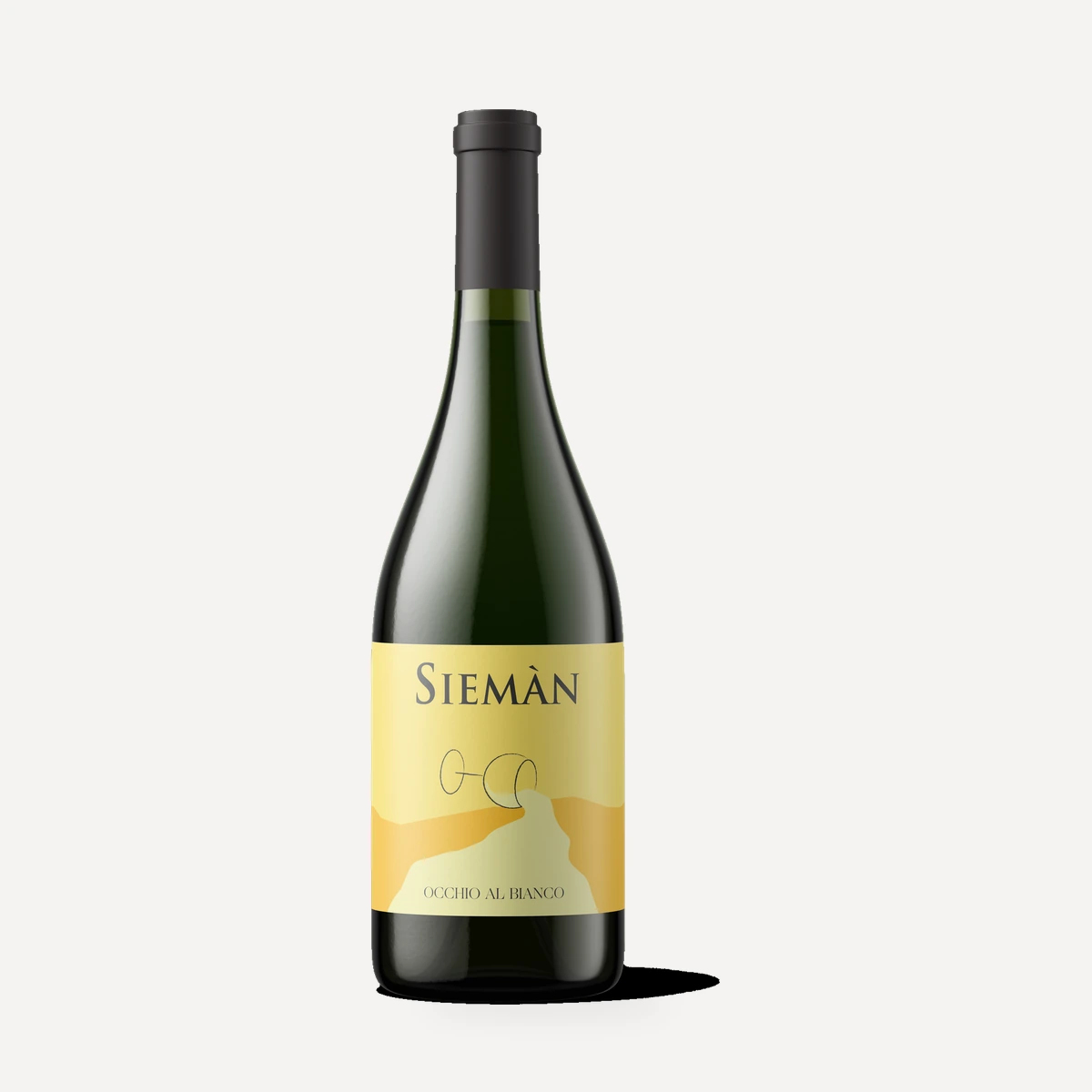
Occhio al bianco
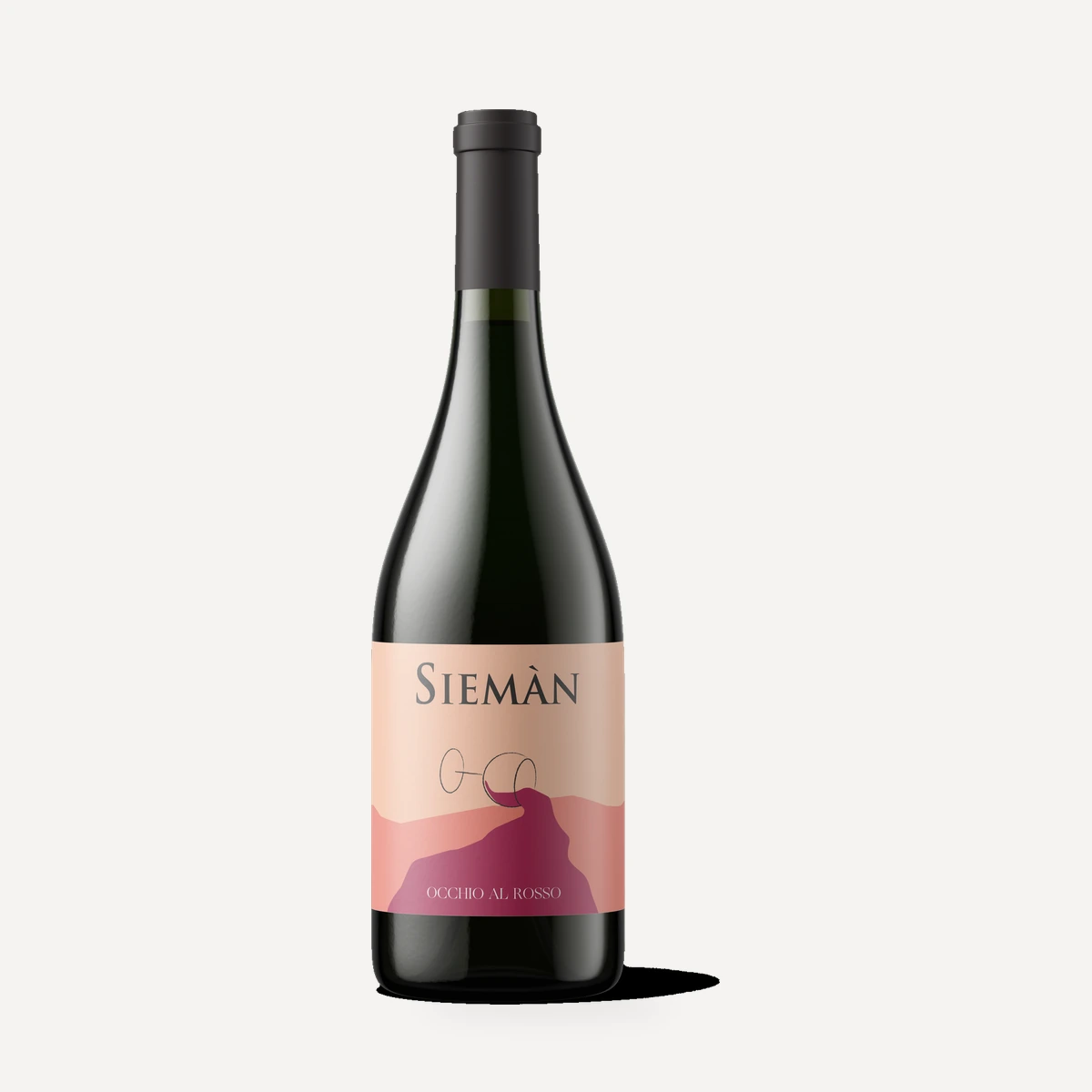
Occhio al rosso
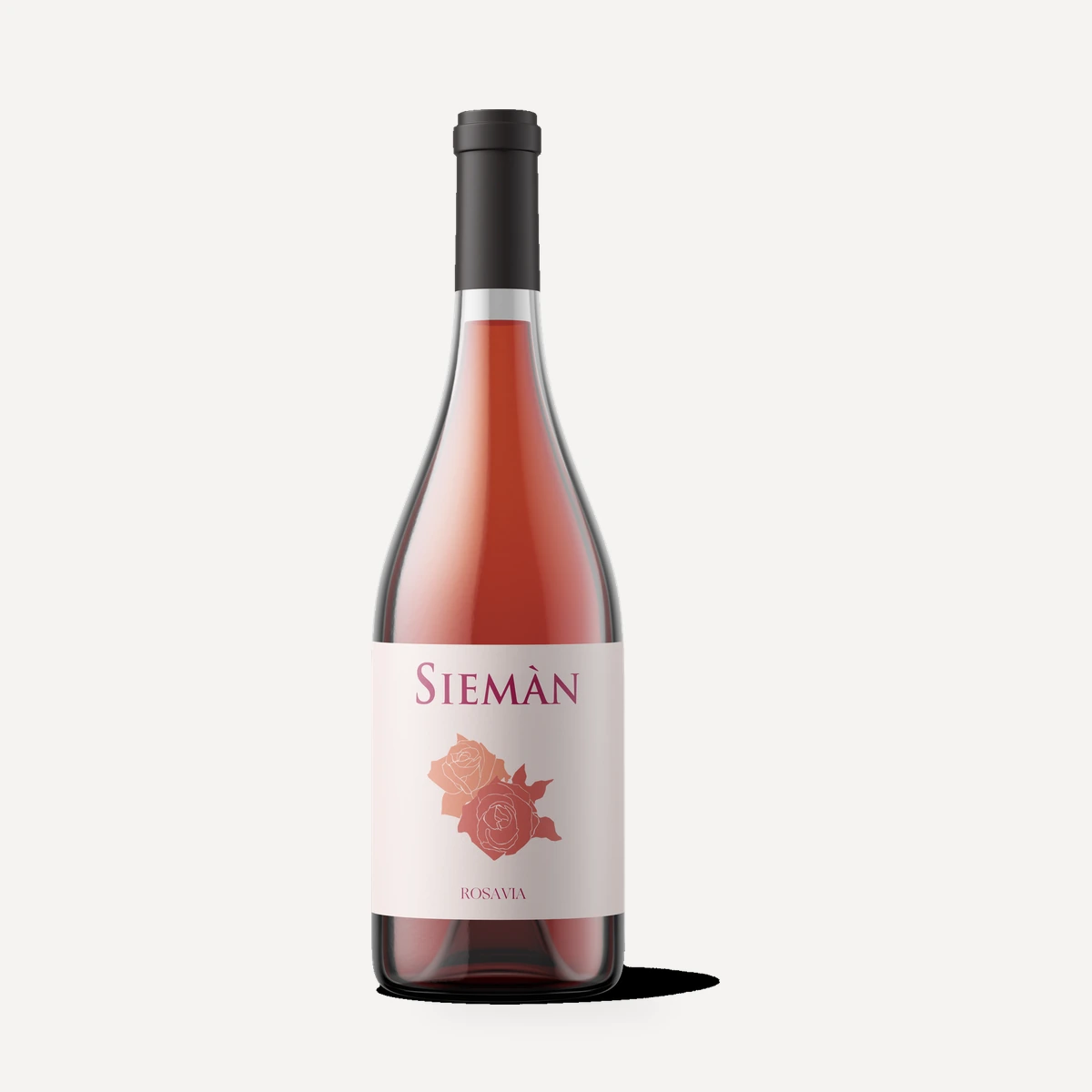
Rosavìa