Storia
Family origins
Vincenzo Sulprizio’s relationship with wine began in childhood. He learned to harvest grapes and make wine by watching his grandfather and father, who taught him to respect nature and its cycles and to accompany grapes gently through their transformation into wine, without forcing the process or relying on chemical products. That practical knowledge remained part of his experience even while his professional life took a different direction.
A return to wine
Sulprizio subsequently worked in business communication, completing several professional experiences in Italy and abroad. He eventually left that career to devote himself fully to Signora Luna, conceived as both an exploration of authentic wine and a return to his origins.
The project took shape in Tocco da Casauria, in the Abruzzo hinterland of the province of Pescara. Its name recalls a farming tradition transmitted from father to son: following lunar cycles when deciding how and when to work in the vineyard and cellar.
The Signora Luna approach
The project developed around directly cultivated vineyards, limited vineyard treatments and non-interventionist cellar work. Copper, sulfur and preparations made from plants are used in the vineyard, while their use is progressively reduced in favor of herbal teas and infusions. Fermentations begin spontaneously. The wines settle naturally in the winter cold and are bottled without clarification or filtration.
Terroir
Signora Luna’s vineyards and cellar are in Tocco da Casauria, in the inland part of Abruzzo within the province of Pescara. The vineyard soils associated with the current range are consistently described as calcareous clay.
The vineyards include plantings from 22 to 93 years old. All of the vineyard lots identified through the range are trained to Pergola Abruzzese, connecting the project’s viticulture with a traditional local training system.
Vinificazione
The vineyards are cultivated directly by Signora Luna. Systemic chemical products are excluded. Vineyard treatments are based on copper, sulfur and plant-derived extracts or infusions, accompanied by an effort to reduce copper and sulfur use by replacing them where possible with herbal teas and infusions.
Respect for natural cycles is central to the work. The project’s name refers to the inherited farming custom of following lunar cycles during vineyard and cellar operations. Across the current vineyard material, Pergola Abruzzese is the stated training system, vine ages range from 22 to 93 years and yields range from 35 to 95 quintals per hectare.
Signora Luna follows a non-interventionist cellar approach intended to preserve the character of the grapes. Fermentation starts spontaneously, without added selected yeasts or other oenological processing aids. Corrective interventions are avoided, with sulfur used only in what Vincenzo Sulprizio describes as a homeopathic quantity and only when strictly necessary.
The current range demonstrates several forms of grape preparation: direct pressing, short skin contact of approximately one and a half to two days, longer macerations of seven or eight days, separate vinification of varieties followed by blending at the first racking in March, and co-fermentation of different white varieties. One whole-berry red treatment includes manual destemming, eight days of spontaneous fermentation on the skins and pressing before fermentation continues.
Stainless-steel and fiberglass tanks are used for élevage. Depending on the cuvée, the stated maturation period is approximately seven to ten months. During rest, the wines settle naturally through the cold of winter. They are bottled without fining or filtration. Total sulfur values across the current range are very low, spanning approximately 10–14 mg/L.
Filosofia
Honesty
Signora Luna defines honesty as an uncompromising approach from vineyard to cellar: respecting nature and the raw material while avoiding unnecessary intervention. The intended result is wine whose aromas and flavors arise from the grapes rather than corrective cellar inputs.
Respect for nature
Vincenzo Sulprizio regards wine as the outcome of respecting nature and its cycles and gently accompanying grapes through fermentation. Although this approach is now commonly described as natural winemaking, he presents it simply as the way wine was taught to him by his grandfather and father.
Sustainability also means removing elements considered superfluous. Signora Luna does not place a capsule around the bottle neck because Sulprizio considers it unnecessary plastic used primarily for appearance. His stated objective is to create something without burdening future generations and to leave his children a world that is not exploited and may even be regenerated.
Passion and inherited knowledge
The project is rooted in childhood experience rather than solely in a professional occupation. The knowledge acquired by watching earlier generations harvest and make wine remained with Sulprizio for years before becoming active again in every stage of Signora Luna.
Sensory openness
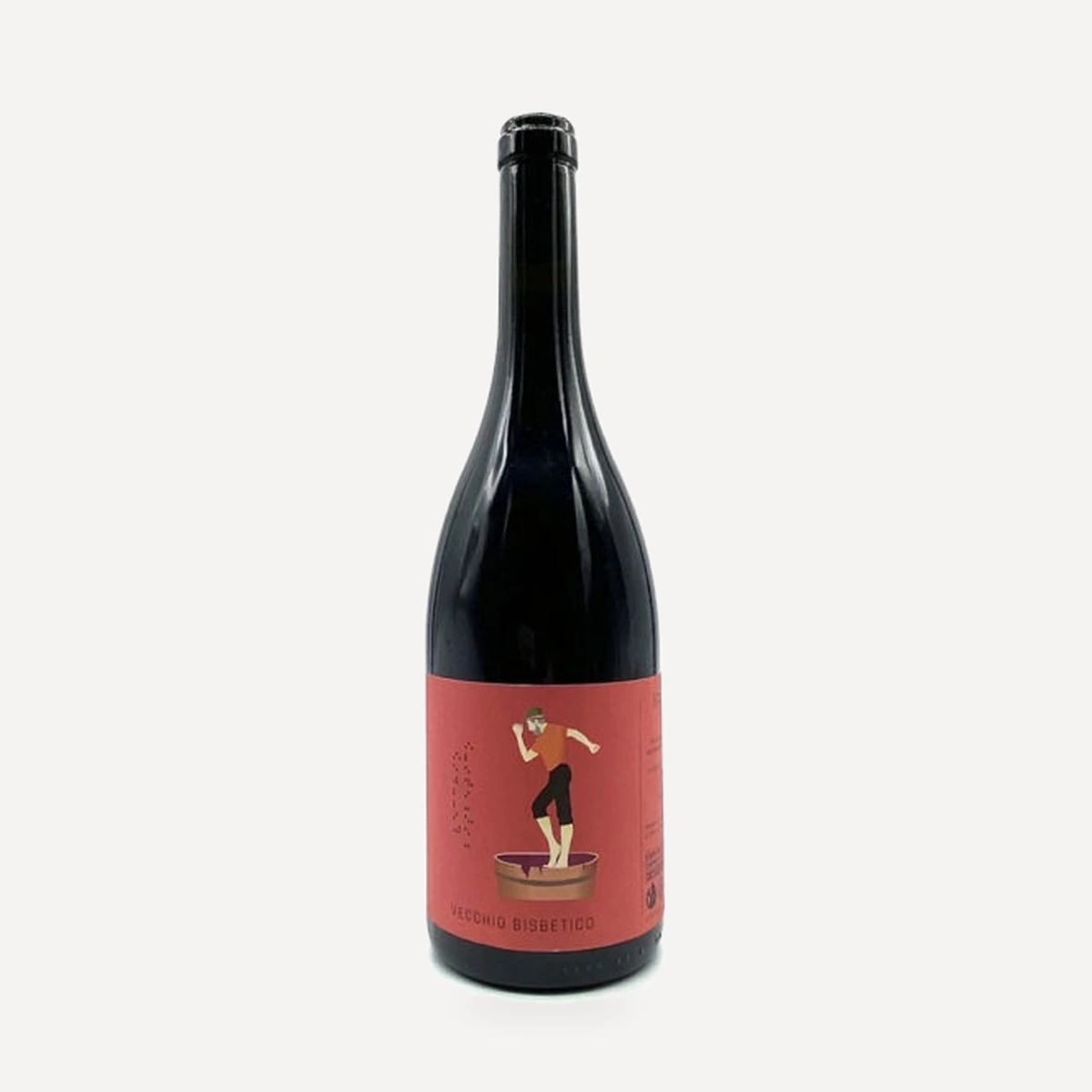
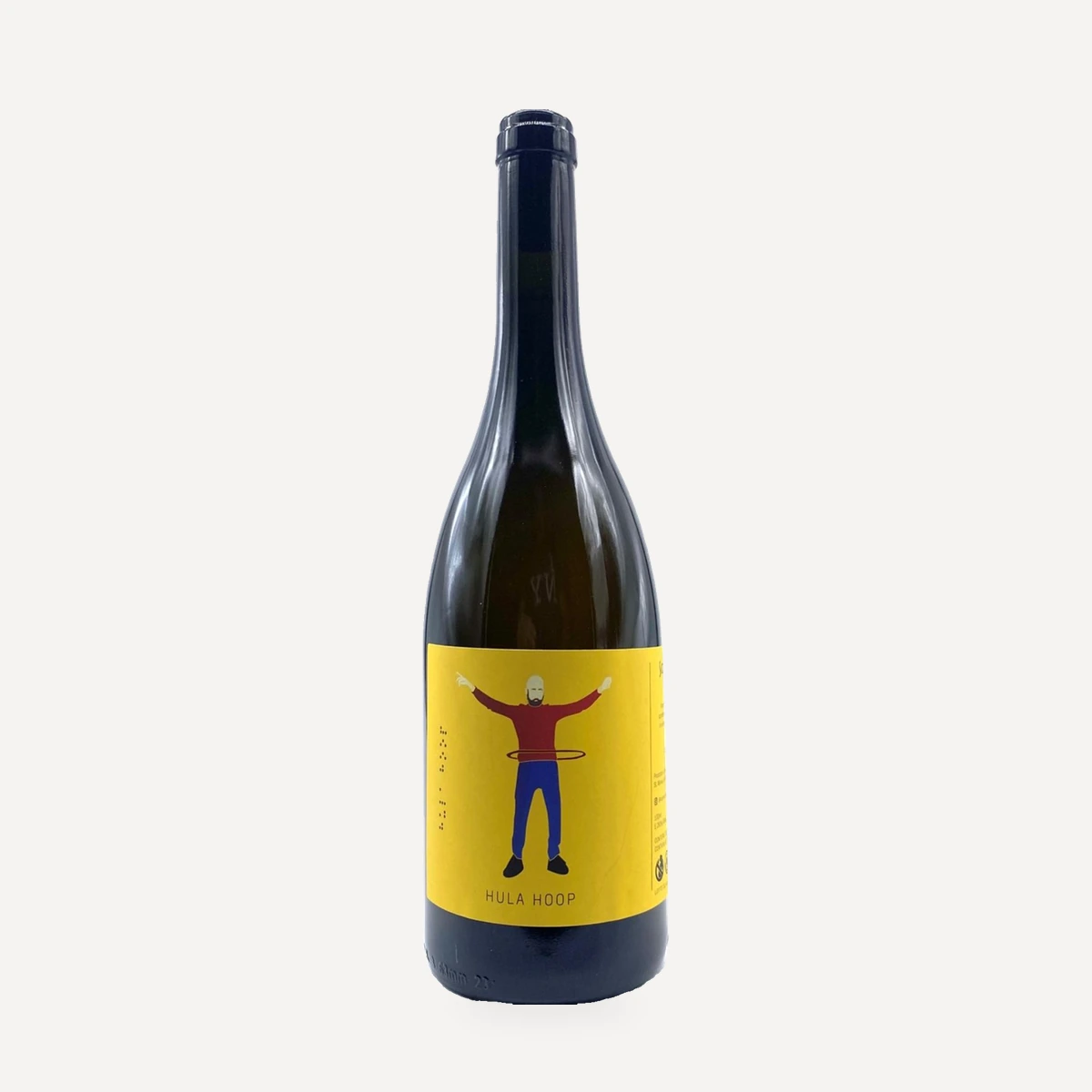
The collaboration with Alessandro D'Aquila extends this philosophy to the labels. Simplified images and Braille express the idea that wine cannot be understood and appreciated by sight alone; it calls on all the senses. This idea is condensed in the project’s phrase, “wines to drink with your eyes closed.”
Vini
Hula Hoop