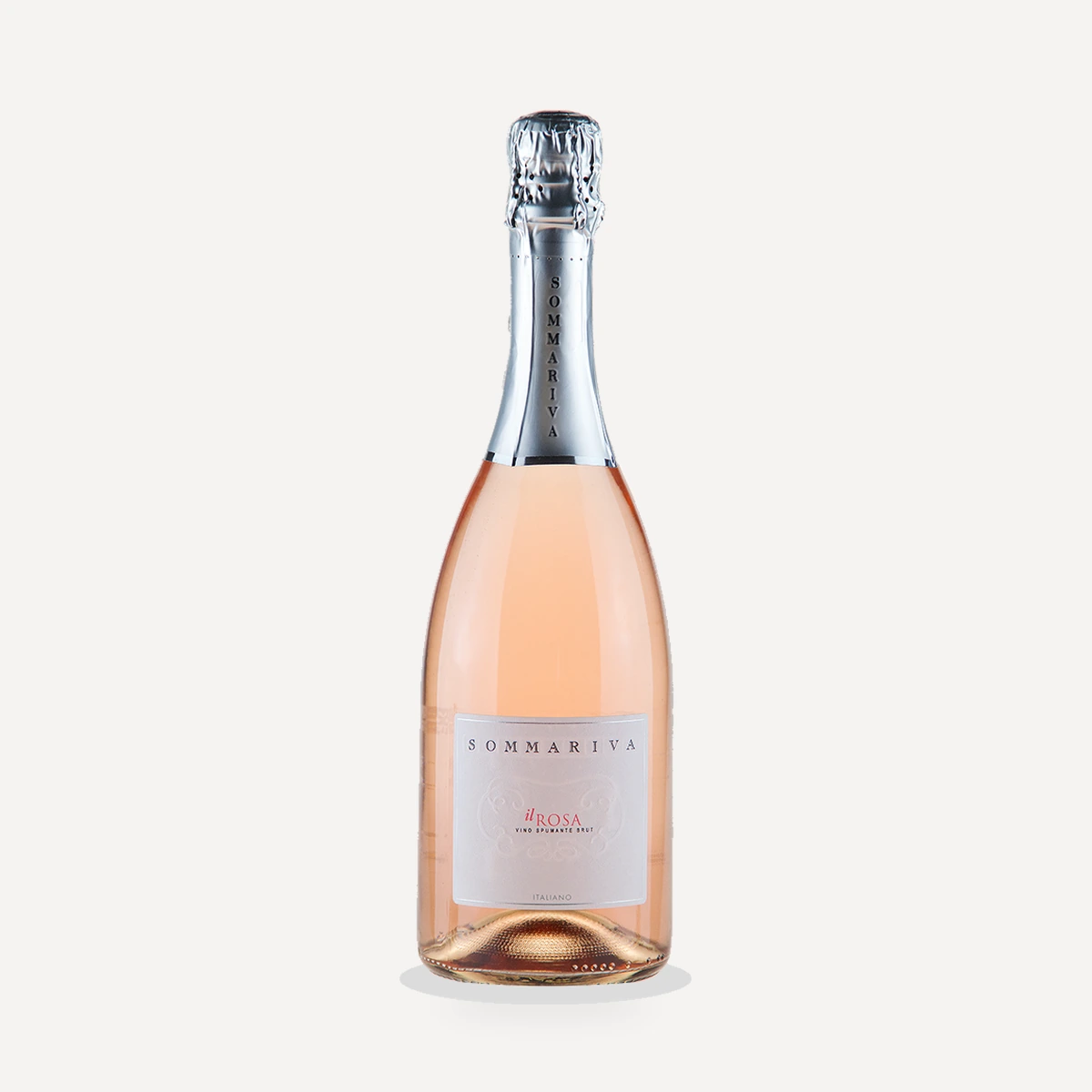
Storia
The beginnings in the 1970s
Sommariva began during the 1970s, when confidence was growing that sparkling wine made from grapes grown on the Conegliano hills could reach an international audience. Caterino and Urbana purchased a few hectares of vineyard in the hills of San Pietro di Feletto, at the heart of the Conegliano Valdobbiadene Prosecco Superiore denomination. The estate became established at Palazzo Rosso.
Expansion of the vineyards
The original holding grew progressively from a few hectares to 50 hectares of directly managed vineyards. This expansion placed Sommariva among the denomination's larger estates operating its own vineyards rather than relying entirely on purchased grapes.
Cinzia Sommariva and the new winery
Management passed to Caterino and Urbana's daughter, Cinzia. Trained and employed as a chartered accountant, she left that profession to become an agricultural entrepreneur and lead the family estate.
During the 1990s, Cinzia commissioned a modern, functional winery designed to receive and process the fruit grown in the family's vineyards. Its guiding objective was the production of Conegliano Valdobbiadene Prosecco Superiore with a clearly recognizable territorial identity.
The present estate
Cinzia continues to direct the business through a combination of vineyard ownership, direct cultivation and estate vinification. The current approach emphasizes respect for natural cycles, preservation of the individual character of the vineyards and the production of sparkling wines intended to express the geological and climatic differences within the estate. Sustainable integrated production, manual harvesting and modern cellar technology now operate alongside the family's accumulated experience.
Terroir
The Conegliano hills
The vineyards lie in the Feletti area on the Conegliano side of the Conegliano Valdobbiadene hills, rising toward San Pietro di Feletto. The broader landscape changes markedly from west to east: the Valdobbiadene sector is steeper and more fragile, while the Conegliano hills are softer and more rounded. Geological and climatic variation across these landforms has produced numerous distinct growing environments for Glera.
Within the estate's surroundings, valleys and sinkholes alternate with vertical rock faces and natural caves. Sunlit plateaus interrupt the succession of slopes, while woods and hedges divide the cultivated land. In San Pietro di Feletto, these morphological differences create localized pockets of microclimate.
The denomination's hills run broadly east to west. South-facing slopes receive prolonged sunlight and the mountains to the north provide protection. Sloping ground also promotes drainage. Across the denomination, vineyards occupy elevations of approximately 100–500 m, although the estate's published technical information places vineyards around Santa Maria di Feletto and the surrounding Felettano hills at approximately 200 m.
Palazzo Rosso
The winery stands on the gently shaped Palazzo Rosso hill, which gives the estate its extended name. Its ferrettizzato soil has a distinctive red colour and contains abundant iron minerals. The estate associates these soils with structure and a mineral character in its sparkling wines.
Marls, clays and conglomerates
Riva di San Michele has shallow marl-and-clay soils and a southern exposure. Riva di Collalbrigo Costa occupies a steep, wooded slope in the Conegliano hills, with grey and yellow clays.
Elsewhere around San Pietro di Feletto, the Landri are ancient fluvial deposits compressed over time into conglomerate blocks. They alternate with deep soils and emerge as stratified vertical ridges or are hollowed by watercourses into passages and natural caves.
Estate technical information also identifies marl-and-clay soils at approximately 200 m in Santa Maria di Feletto and the surrounding Felettano hills, with southeast- or southwest-facing slopes depending on the vineyard.
Vinificazione
Glera is treated as the emblematic variety of the estate's territory. Cultivation combines modern vineyard techniques with management adapted to the natural aptitude, limits and microclimate of each site. The fruit is harvested by hand so that the individual character of the vintage and vineyard can be retained.
Sommariva follows SQNPI, the Italian National Quality System for Integrated Production. This voluntary integrated-production framework imposes protocols for agronomic and plant-health practices, limits synthetic products and treatments, and requires traceability. Interventions are planned vineyard by vineyard, taking account of their likely environmental consequences and their effect on grape quality.
Biodiversity measures include green manure and cover crops such as grasses and legumes between the rows. These practices are intended to improve fertility, limit erosion and broaden biological diversity. Native vegetation is encouraged around the vineyards to provide habitat, while woods, hedges and other natural areas are retained within the surrounding mosaic landscape. Beneficial insects and pheromone traps are used as alternatives that can reduce reliance on pesticides.
Canopy work is used to control the vines' vegetative vigour. Summer topping removes the terminal portions of shoots and lateral growth, generally by hand on the hills and mechanically where slopes permit. Reducing excess foliage improves sunlight on the bunches, promotes phenolic ripening and increases air circulation, thereby lowering fungal-disease pressure. During flowering, foliage may also be thinned to improve light and ventilation. Growers monitor pathogens closely because successful flowering directly affects both yield and the quality potential of the crop.
Flowering normally lasts little more than a week. Conditions considered favourable include temperatures of roughly 20–25°C, or at least within 15–30°C, balanced humidity, suitable exposure to sunlight and careful disease prevention.
Harvest timing varies among vineyards according to their geology, microclimate and grape maturity. On the steep hills, teams cut the clusters manually, selecting healthy, ripe bunches and placing them in baskets. The fruit is moved promptly to the winery to prevent excessive warming and the onset of uncontrolled fermentation.
From harvest to base wine
The winemaking sequence begins with manually picked grapes delivered quickly from the hills. The fruit undergoes gentle pressing, followed by low- or temperature-controlled fermentation. Cold settling is used, and the resulting base wines are stored in stainless steel. Estate technical information also records maturation on fine lees for selected bases.
The base wines are assembled according to the intended expression. A cuvée such as the estate's principal Brut may combine bases from several vineyards, whereas the Rive wines retain the base from their individual cru.
Charmat-Martinotti second fermentation
Before transfer to a pressure tank, the base wine receives another filtration lasting approximately two to three days. During this period, selected yeasts are activated in a mixture of wine and sugar. The prepared base then moves into an autoclave for the second fermentation.
Yeast converts the measured sugar addition into carbon dioxide, gradually raising the pressure. Sparkling wines normally reach approximately 5 bar, while frizzante styles require about 2.5 bar. The active second fermentation lasts no more than about ten days. Once the target pressure and residual sugar have been reached, fermentation is stopped by reducing the temperature progressively to below 0°C. The gradual cooling is intended to encourage a fine, delicate perlage.
Some individual production specifications describe a longer overall Charmat residence, including approximately 35 days in autoclave and a roughly 30-day prise de mousse, reflecting the requirements of the particular cuvée.
Stabilization, filtration and bottling
Following fermentation, the sparkling wine remains in autoclave for at least two to three weeks. Its development is monitored through chemical analysis and sensory assessment until its aromatic expression reaches the intended point.
A further filtration then takes place isobarically and without oxygen. An autoclave is filled with inert argon, excluding oxygen, and the wine is transferred from one pressure tank to another during filtration to limit oxidation.
Before bottling, the wine undergoes the denomination's analytical and sensory controls and, when approved, receives certification and the official government seals. It is then cooled gradually to approximately −2°C and bottled under isobaric conditions. Bottles remain upright in the temperature-controlled cellar for at least one month before labelling and release.
Filosofia
Sommariva presents its identity through family continuity, direct cultivation and a close attachment to the Conegliano hills. Its declared style is based on simplicity and refinement rather than excess, with integrity and transparency treated as essential family values.
The estate aims to make sparkling wines that retain the distinctions among individual vineyards and vintages. Experience and inherited practices guide the work, while modern technology is used as a discreet support for human judgement rather than as an end in itself. Manual harvesting, separate handling of the Rive and site-specific agronomy serve this objective.
Sustainability is understood as a social, economic and environmental commitment grounded in legality, solidarity, care for valued places, respect for the environment and ethical use of limited natural resources. The production model is intended to improve over time without erasing the family's history, culture or territorial identity.
The broader quality objective is to respect the rhythms of the vines, preserve the distinctiveness of the UNESCO-recognized landscape and make characterful sparkling wines whose differences reflect site and season.
Vini
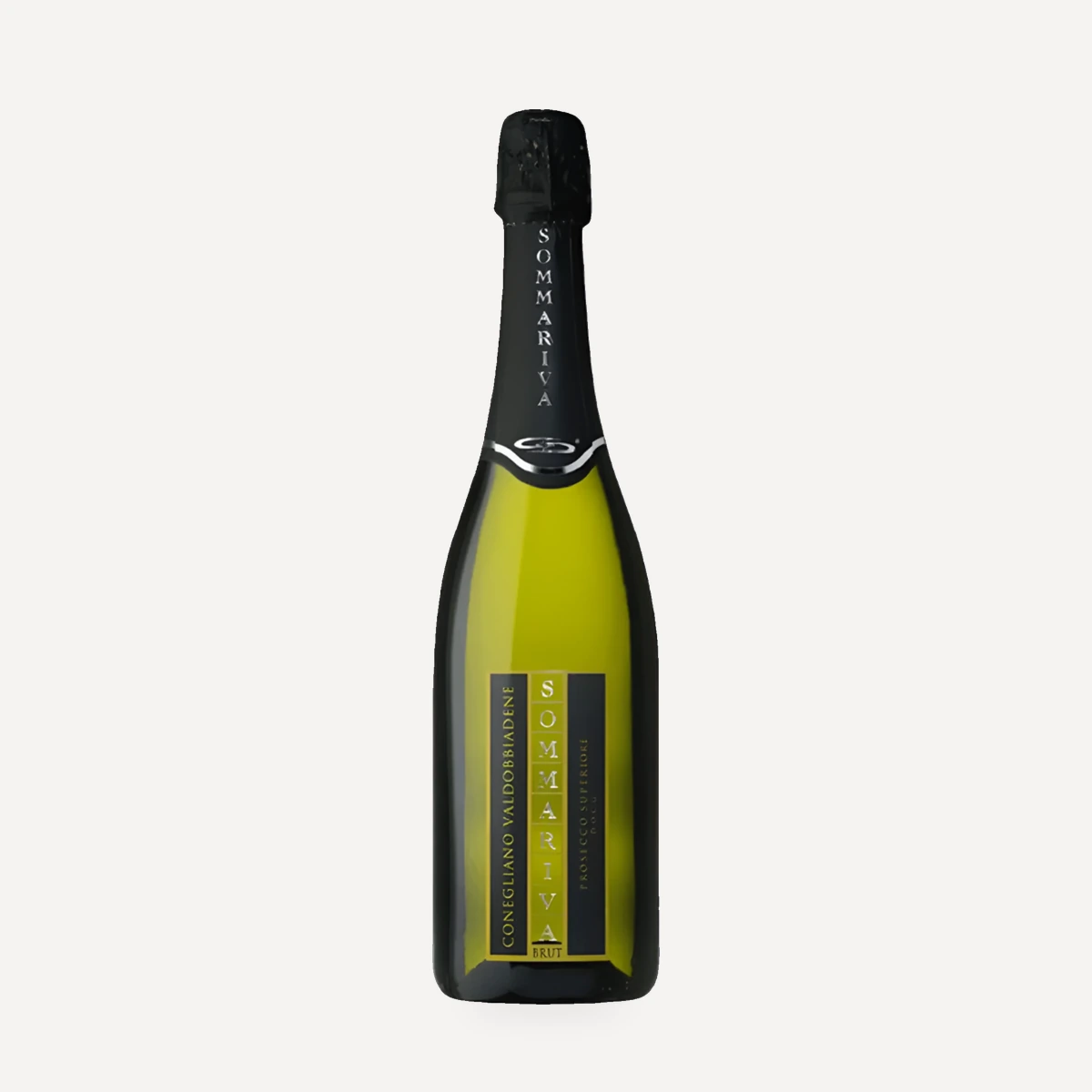
Conegliano Valdobbiadene Prosecco Superiore DOCG Brut
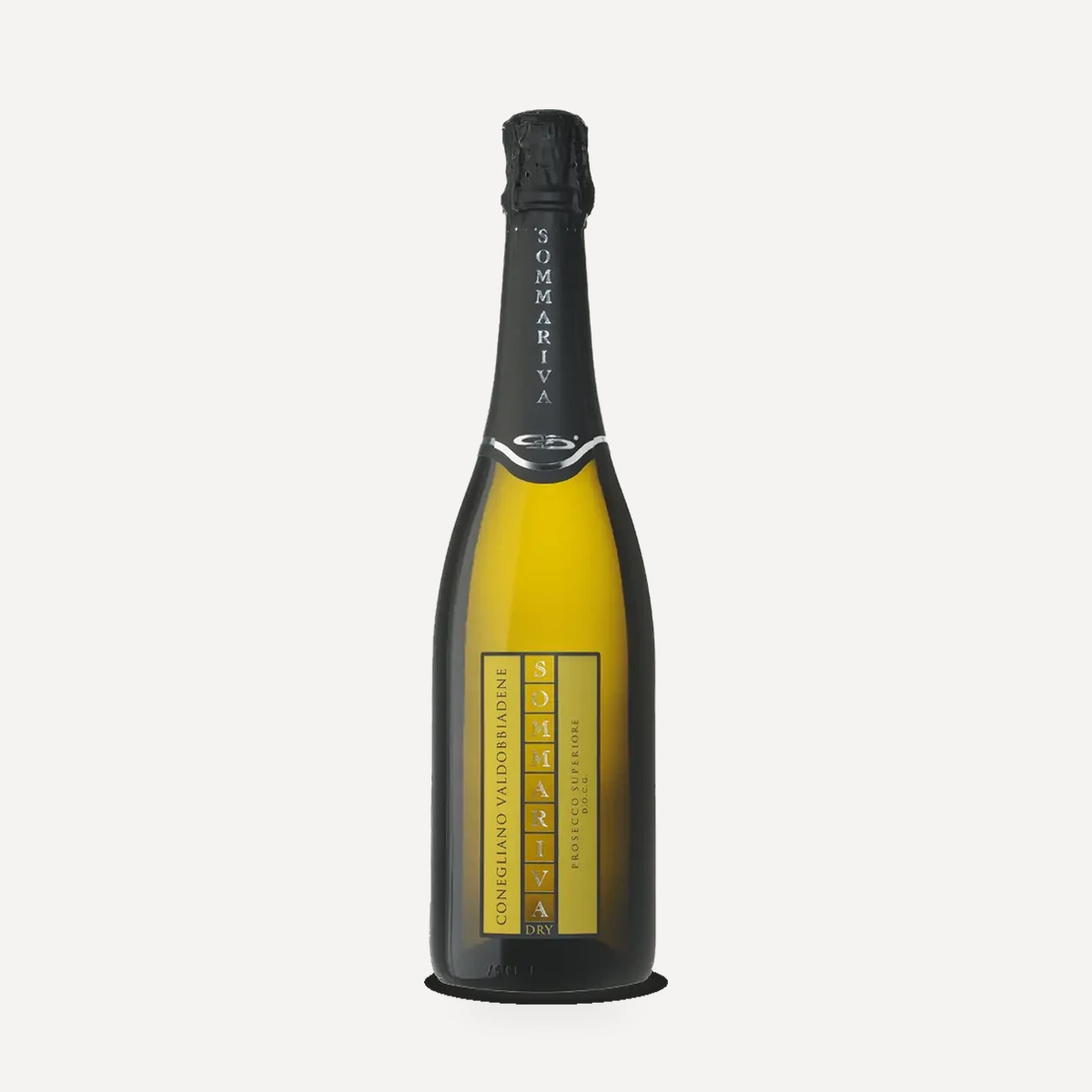
Conegliano Valdobbiadene Prosecco Superiore DOCG Dry
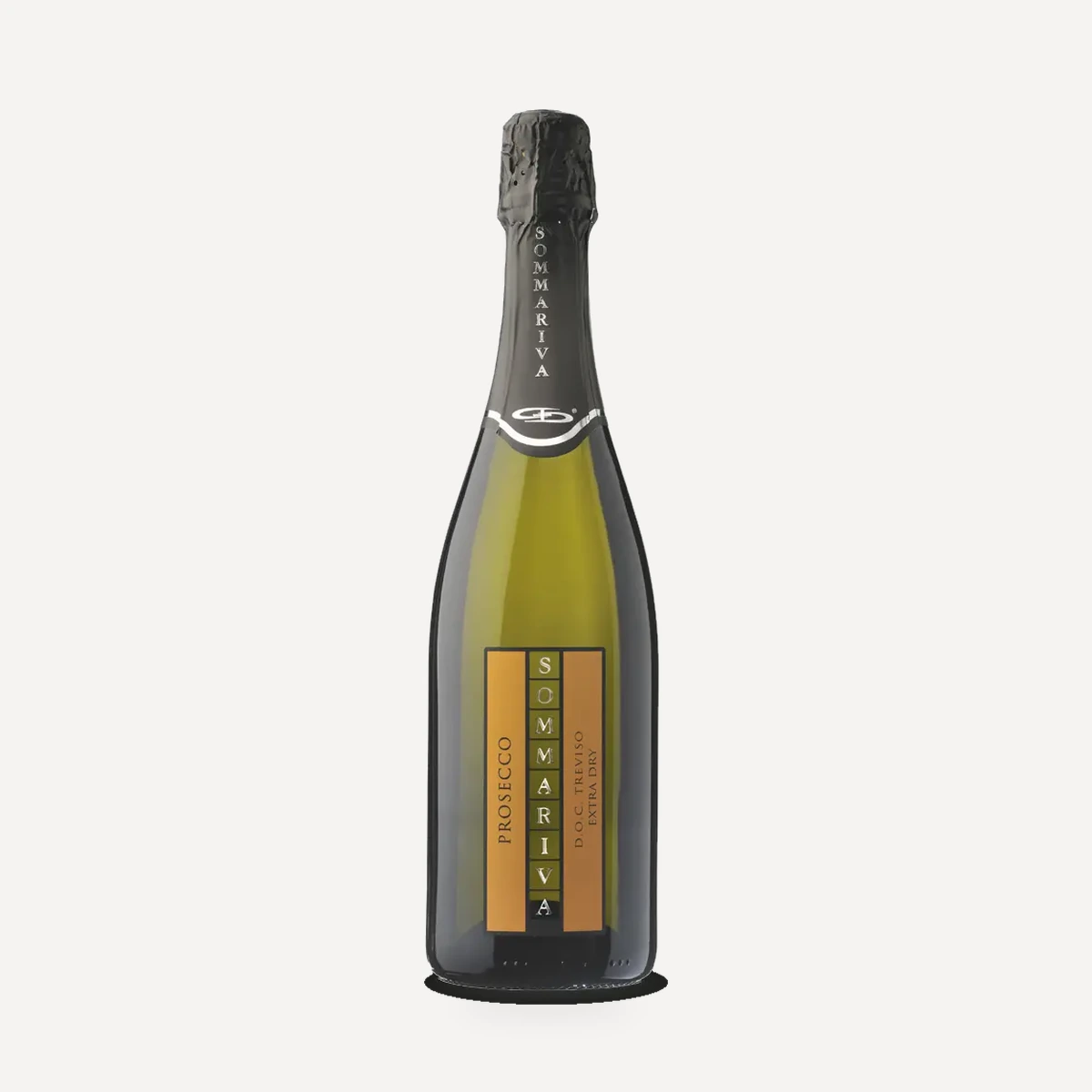
Prosecco DOC Treviso Extra Dry