Storia
The beginnings
Tenuta l'Armonia grew from Andrea Pendin’s idea of creating a wine project devoted to the fullest possible expression of grapes from the Vicentino terroir. Pendin studied Gastronomic Sciences before turning his attention to viticulture and wine, with particular emphasis on Durella and Garganega and the preservation of historic vineyards, including vines more than 40 years old.
Education through travel
Pendin describes himself as a self-taught winemaker. His practical education included travel and courses in France and Italy, where encounters with established vignerons reshaped his original project. These experiences led him to regard cuvées and blends as particularly effective means of giving wines a distinct personality. He consequently adopted the description “Wine Chef,” treating each grape and each cellar operation as an ingredient to be combined with creativity and vision.
A territorial project since 2010
Since 2010, agricultural sustainability and vineyard zoning have guided the project’s search for a new identity for Veneto and Vicentino wine. The estate works with parcels of historic vineyards distributed across three volcanic areas. These are presented as three crus distinguished by altitude and by the mineral characteristics of their soils.
The vineyard approach developed around organic and regenerative agriculture and the goal of maintaining living soil. Old Durella and Garganega vineyards became central to the project, while the cellar increasingly concentrated on Classic Method sparkling wines and vertically structured macerated wines.
Development of the cellar approach
The project rejected standardization in favour of wines that change, mature and evolve over time. Production expanded through experimentation with Tuscan amphorae, large wooden casks and concrete vessels, sometimes resulting in limited editions. Ethical cellar rules exclude selected yeasts, clarifying agents and stabilizers; sulfites are kept to a minimum and used only when considered strictly necessary.
Pendin’s ideas have also been developed with a team of young collaborators who have worked alongside him for years. The estate continues to offer internships and apprenticeships centred on organic and regenerative agriculture.
Terroir
Tenuta l'Armonia works in the Vicentino area of Veneto, with its operating address in località Bernuffi at Montecchio Maggiore, in the province of Vicenza. Its vineyards occupy three separate volcanic areas, described as three crus. Differences in altitude and in the mineral composition of the soils distinguish these areas from one another.
Three recurring soil identities structure the range. POP is associated with volcanic soils containing basalt, linked to savoury character and freshness. A+ is associated with tuffaceous volcanic soil. Vecchie Vigne is associated with volcanic formations containing calcareous and chalky marls and with old vines, very ripe fruit and long maturation.
The vineyards include Durella and Garganega, as well as other local white and red grapes. Many vines are more than 40 years old, while individual old-vine selections draw on vineyards at least 60 years old; one red-wine parcel is described as having vines between 60 and 70 years old.
Vinificazione
Organic and regenerative agriculture form the basis of the vineyard approach. Regenerative agriculture is understood as an ongoing process for developing and sustaining living soil rather than as a single intervention. Agricultural sustainability and vineyard zoning have guided the work since 2010, allowing parcels in the three volcanic areas to be interpreted according to differences in altitude and soil mineral composition.
The estate preserves historic vineyards and gives particular attention to Durella and Garganega. Many vines exceed 40 years of age, and some production comes from vines at least 60 years old or between 60 and 70 years old. The continuing internship and apprenticeship programme is explicitly oriented toward practical experience in organic and regenerative agriculture.
Production is centred primarily on Classic Method sparkling wines and vertically structured macerated wines. The cellar approach is deliberately non-standardized: wines are expected to change, develop and mature rather than conform to a fixed formula, and some experiments are released only in limited editions.
Andrea Pendin approaches blending as a creative discipline. His training and encounters with vignerons in France and Italy led him to regard cuvées and blends as a principal route to wines with strong personality. Grapes and individual cellar operations are treated as components that can be combined according to the character and balance of each production.
The estate experiments with different maturation and fermentation vessels, notably Tuscan amphorae, large wooden casks and concrete tanks. Across its production, the ethical cellar protocol excludes selected yeasts, clarifying agents and stabilizers. Sulfites are minimized and used only when considered strictly necessary.
The range demonstrates several broader production paths: direct pressing and bottle refermentation for pét-nat; partial amphora maceration followed by bottle refermentation for macerated sparkling wine; long lees ageing and disgorgement for Classic Method wine; extended skin contact in amphora or large oak for still whites and reds; and maturation in concrete, steel, large wood or acacia vessels. Unfiltered bottling recurs throughout the range, while individual sparkling wines may either remain undisgorged or be disgorged after extended lees ageing.
Filosofia
Tenuta l'Armonia places human craftsmanship between vineyard and finished wine. Its guiding idea is that wine results from human work, but acquires individuality through an artisan’s freedom of thought. Vintage variation, evolution and maturation are welcomed; consistency is not pursued through standardization.
Regenerative agriculture is framed as a process for creating and maintaining living soil. Sustainability and zoning are intended to connect each wine more closely to historic vineyard parcels, differences in altitude and the mineral character of the three volcanic areas. The desired outcome is an authentic expression of place with structure and character.
Andrea Pendin’s “Wine Chef” concept extends this philosophy into the cellar. Each grape and each operation becomes an ingredient, while cuvées and blends provide a means of composing balance and personality. Experimentation is unrestricted in principle, even when the result can be produced only as a limited edition.
The social dimension emphasizes simple living, harmony and continuous improvement. Environmental, culinary and cultural change are treated as connected goals, supported by a collaborative young team and by year-round opportunities for interns and apprentices. Ethical production excludes selected yeasts, clarifying agents and stabilizers and limits sulfites to cases considered strictly necessary.
Vini
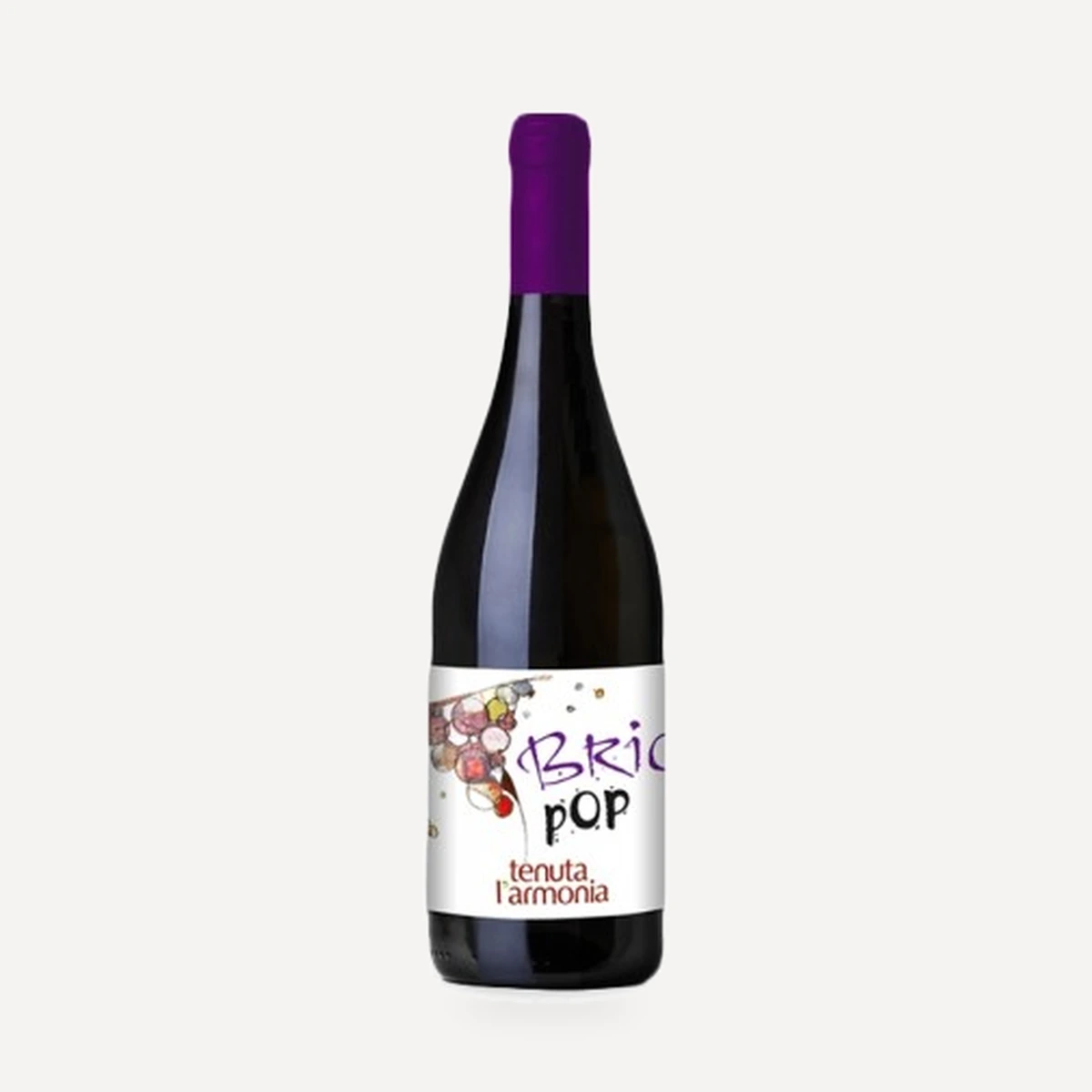
Brio
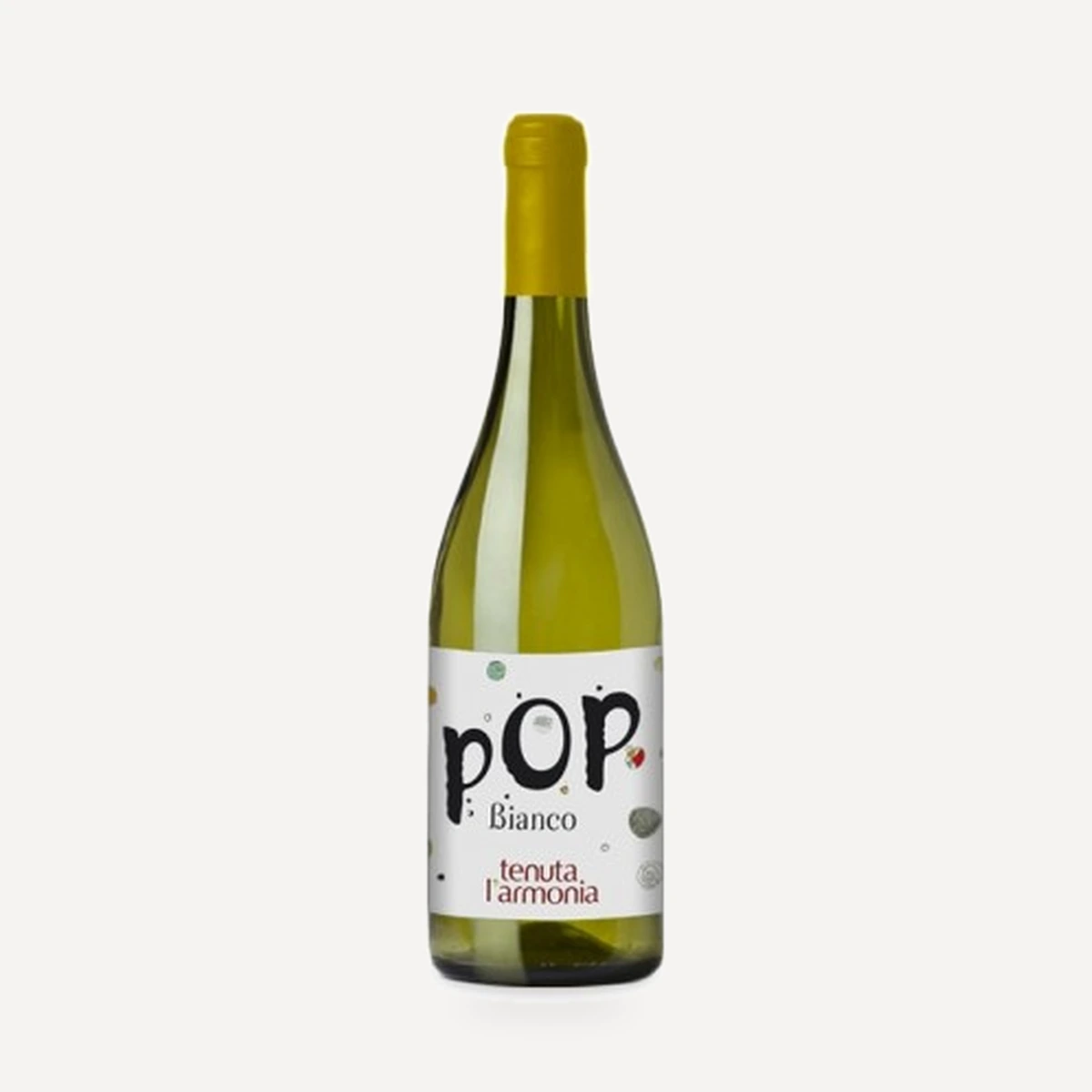
Bianco