Storia
Origins: 1931
Terre Grosse began in 1931, when Piero Toninato left his native Meolo and settled with his wife and their seven young children in a farmhouse overlooking a broad expanse of countryside at Zenson di Piave. Piero already knew these clay-rich lands, locally called terre grosse. During his military service in the First World War, he had seen the area and its village devastated by fighting. His move represented a new beginning on land that the family hoped to restore to productive agriculture.
Five more children were born after the family settled there. Piero involved all twelve children in the farm’s many activities. Viticulture was already prominent: vines were trained using the Bellussi system, and the family made wine destined principally for local osterie.
Alessandro, Odilia and the second family phase
Piero’s son Alessandro—also called Sandro in the family narratives—developed a particular passion for vineyard and cellar work and made it his profession. His wife Odilia and their children Nadia and Diego worked alongside him.
Following Alessandro’s death, Diego assumed responsibility for the business. He introduced continuing improvements in both viticulture and winemaking and planted regional varieties including Raboso Piave, Raboso Veronese and the old Grapariol variety, also known as Rabosina bianca. His work and enthusiasm became closely associated with the Terre Grosse name.
Loss and renewal: 2012–2016
Diego died prematurely in 2012. Nadia returned to the vineyards determined to continue her brother’s work, bringing her children Nicola and Denise and her daughter-in-law Linda into the project. Denise returned to the cellar in 2012, combining her scientific training with work on agricultural technology, visual identity, events, and practical vineyard and cellar tasks.
Nicola took responsibility for managing the family vineyard in 2013. Seeking better field data, he designed technological tools himself and began applying an engineering and scientific approach to vineyard decisions. Linda joined the Terre Grosse family in 2014 and subsequently earned an AIS sommelier diploma. Loretta joined the team in 2016.
Sustainability was made a central objective of the renewed business. Conversion to organic farming began in 2015, and the estate achieved organic certification with the 2018 harvest.
The new Terre Grosse: 2017–2019
The family met the young oenologist Daniele in 2017. He guided Linda and Denise through the first vinification of a new Grapariol Colfondo. Following field selection, they restarted the press previously used by Diego; it had stood idle for five years while the family reconsidered the future of the business. The wine underwent careful transfers and pump-overs, remained on fine lees for approximately eight months with periodic resuspension, and was bottled in mid-May. The horizontally stored bottles were mixed periodically for about four months. Released in August 2018, Grapariol Colfondo became the emblem of the estate’s restart.
During the 2018 harvest, Nicola and Daniele conducted an experimental microvinification of approximately 20 litres of Raboso free-run must. The must had received no skin maceration and was bottled before alcoholic fermentation ended, allowing residual sugar to ferment in bottle and produce alcohol and carbon dioxide. Although the trial retained imperfections and pronounced acidity, its aromas and character encouraged further work.
For the 2019 harvest, the team refined the procedure and bottled approximately 700 litres. The bottles matured for several months in bulk containers and were periodically mixed while the wine’s development was monitored. This became Raboso Ancestrale.
In 2019, ISMEA named Terre Grosse among the winners of its national Nuovi Fattori di Successo competition. The award recognised ten areas of work encompassing reduced treatments, technological innovation, water conservation, biodiversity, biological pest control, resistant varieties, research, conservation of Grapariol, low-intervention winemaking and collaboration with other local producers.
Research and the continuing project
Terre Grosse has continued to combine family traditions with scientific research and experimentation. Its vineyards hosted organic trials for the ROVITIS 4.0 project, investigating robotic vineyard management, and PV-Sensing, developing sensors and predictive models for controlling downy mildew. The business has also worked with the University of Milan on grapevine fungal diseases and with the Institute for Sustainable Plant Protection in Turin to propagate virus-free Grapariol material.
The family’s stated direction is to preserve its roots and recover traditional practices while drawing on knowledge from fields beyond agriculture. In the cellar this has meant minimal intervention, renewed use of traditional methods, spontaneous fermentations, ancestral and colfondo techniques, amphora maturation and continuing trials with less conventional approaches. Future work is framed around sustainable production, vineyard and cellar research, and wines with a clear individual identity.
Terroir
Terre Grosse lies at Zenson di Piave in the province of Treviso, on the right bank of the Piave River. Its name comes from the local expression terre grosse, referring to the area’s substantial clay-rich soils.
The vineyards encompass both clay soils rich in organic matter and silty-clay soils. The land is naturally fertile enough for fertilisation to remain minimal. Maintaining vegetation and returning organic material to the soil are intended to build stable humus and preserve biological fertility.
The Piave location is central to the estate’s focus on historic local grapes, particularly Raboso and Grapariol. These are cultivated alongside international varieties and modern disease-resistant cultivars.
Vinificazione
Terre Grosse began organic conversion in 2015 and obtained organic certification with the 2018 harvest. Vineyard operations are intended to be natural, minimal and based on close observation, with work performed only when necessary for vine health, grape quality and the vineyard ecosystem.
Grass is left high for extended periods, with mowing and shredding carried out infrequently. This is intended to preserve habitat and biodiversity while increasing soil organic matter: slowly decomposing dry vegetation contributes to stable humus, whereas frequently shredded grass mineralises more rapidly. Cover crops and diverse sown plant species are also used to promote natural soil fertility.
Plant protection is limited to copper and sulphur, applied in small quantities against fungal disease. Field observation, climatic sensors and software are used to identify critical treatment windows and reduce applications to the minimum considered necessary. Terre Grosse has maintained untreated test plots and recorded disease incidence to help calibrate and validate predictive infection models.
Fertilisation is minimal, normally once and occasionally twice per year, using compost made from the estate’s grape pomace or organic digestate. Stems, pomace and lees from grape processing are also spread in the vineyard to return organic matter. Experimental use has been made of mycorrhizal fungi.
Beneficial insects are introduced as biological antagonists to harmful vineyard pests. The resulting vineyard environment supports bees, butterflies, pollinators and a varied flora. Denise also records edible wild herbs growing among the vines.
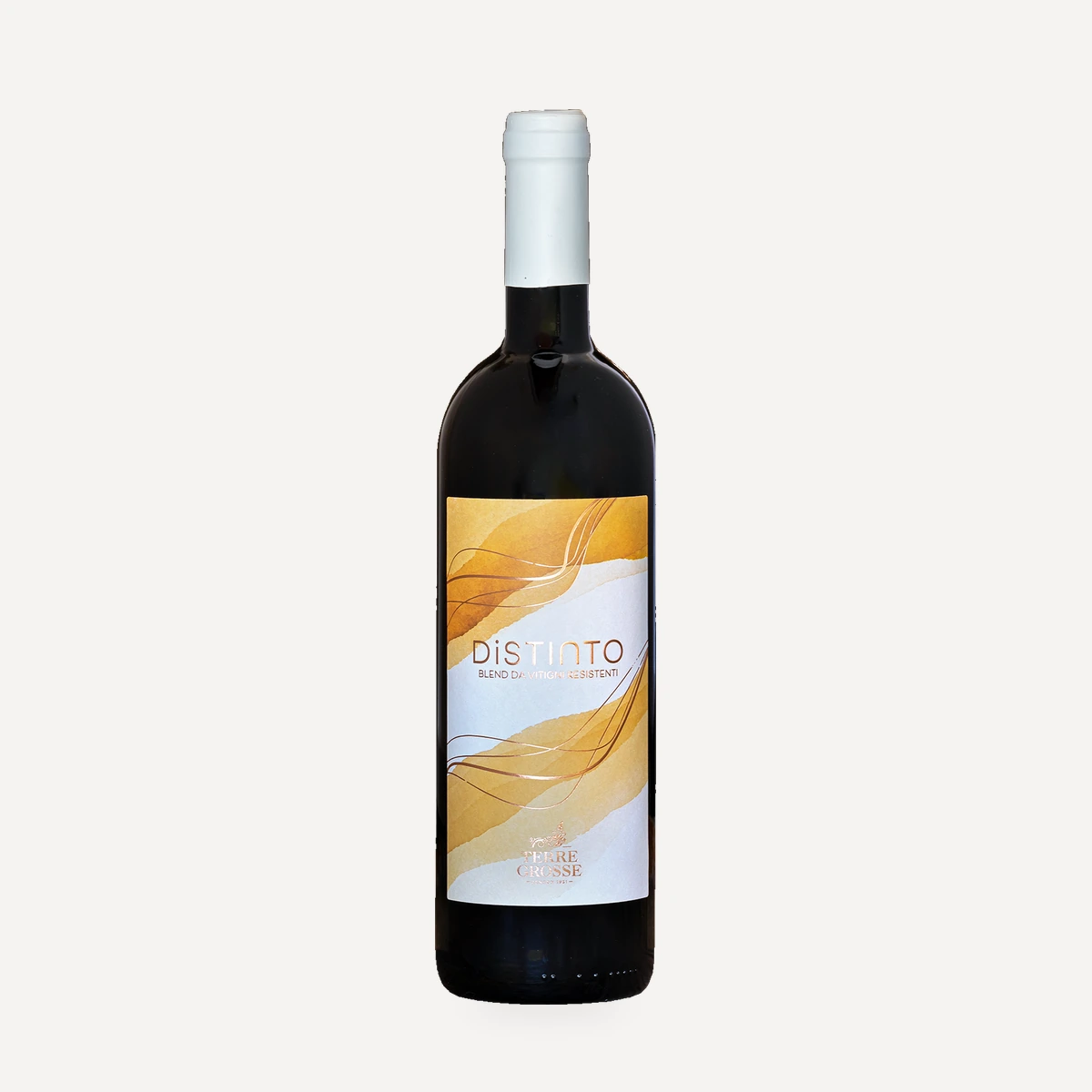
An old, low-yielding Merlot planting was replaced with resistant cultivars. Those varieties—identified in the current range as Johanniter, Muscaris, Aromera and Sauvignon Kretos—were planted in 2017 and require more than 50% fewer copper and sulphur treatments.
The estate is progressively converting its vineyards to subsurface irrigation and has collaborated on precision-irrigation research based on artificial vision. Manual harvesting is part of estate practice, with Nadia coordinating the work.
Research forms part of vineyard management. Terre Grosse hosted organic trials for ROVITIS 4.0, linking an autonomous vineyard robot, onboard and field sensors, and decision-support software. The robot was designed to recognise vegetative development and direct treatments precisely, reducing dispersion. The estate also hosted PV-Sensing trials using vineyard sensors, a weather station and a predictive model to simulate the life cycle and infection risk of Plasmopara viticola. It collaborated with the University of Milan on the development of major fungal diseases and with the Turin Institute for Sustainable Plant Protection on virus-free Grapariol propagation.
Cellar work follows the same minimal-intervention principle applied in the vineyards. The aim is to interfere as little as possible with natural processes while producing elegant wines with an individual identity. Traditional methods are revisited alongside spontaneous fermentation and experimental harvest or processing techniques intended to explore the potential of each grape.
The range demonstrates several cellar approaches rather than one standardised protocol. These include spontaneous fermentations with indigenous yeasts, short skin macerations for white grapes, maturation on fine lees, ancestral fermentation completed in bottle, colfondo production with retained yeast sediment, drying grapes for passito, terracotta-amphora maturation, stainless steel, and measured use of oak barriques and 500-litre tonneaux. Amphora is used to give local grapes a different expression, while oak is used selectively—including for white wine—to add body, longevity and complexity. Some wines are bottled without fining or filtration.
The first renewed Grapariol Colfondo began in 2017 with careful field selection, pressing, transfers and pump-overs. After fermentation it remained on fine lees for approximately eight months, with periodic resuspension. It was bottled in mid-May, stored horizontally and mixed for about four months before its August 2018 release. Natural fermentation in bottle creates a yeast deposit, maintains the wine’s evolving character and gives it a cloudy appearance. This part of the range is made with very low sulphite levels and no residual sugar.
Raboso Ancestrale originated with a 20-litre trial in the 2018 harvest. Free-run Raboso must received no maceration and was bottled before fermentation finished, allowing indigenous yeast activity to transform residual sugars into alcohol and carbon dioxide in bottle. In 2019 the method was adjusted and expanded to approximately 700 litres, matured for several months with periodic bottle mixing.
Other documented techniques include four days of skin maceration followed by six months on fine lees in stainless steel for a Pinot Grigio, and brief skin contact followed by six months on fine lees in steel for a blend of resistant white grapes; both ferment spontaneously and are neither fined nor filtered. Manzoni Bianco is also used for an amphora-macerated project matured for ten months in terracotta. Grapariol is dried and blended with Verduzzo Friulano and Sauvignon for passito production.
Filosofia
Terre Grosse defines its approach as natural, minimal and highly attentive. In the vineyard, this means acting only when necessary to protect the vines, fruit and wider ecosystem. Biodiversity, living soils, reduced treatments and scientific measurement are treated as complementary rather than opposing goals.
The family describes its direction as deliberately independent and sometimes countercurrent. Tradition provides the foundation, particularly the cultivation of Raboso and Grapariol and the recovery of older cellar practices. At the same time, engineering, physics, sensor technology, predictive software and experimental vinification are used to address practical and environmental problems.
Organic farming is understood as more than certification: it encompasses the ability to walk safely among the vines, the presence of bees, butterflies and other beneficial insects, the cultivation and retention of plant cover, respect for natural soil fertility, and wine that preserves the distinguishing qualities of its grape variety.
In the cellar, the objective is to limit intervention in natural processes while seeking elegance, quality and a recognisable personal character. Spontaneous fermentation, ancestral and colfondo methods, amphora, carefully measured oak and unconventional treatments of familiar grapes all serve an exploratory purpose rather than a fixed stylistic formula.
The family’s mission is to keep its roots intact, recover traditions and incorporate knowledge from disciplines beyond agriculture. Its longer-term aim is sustainable production of sound wine without harmful residues, supported by continuing research into new methods and technologies.
Vini
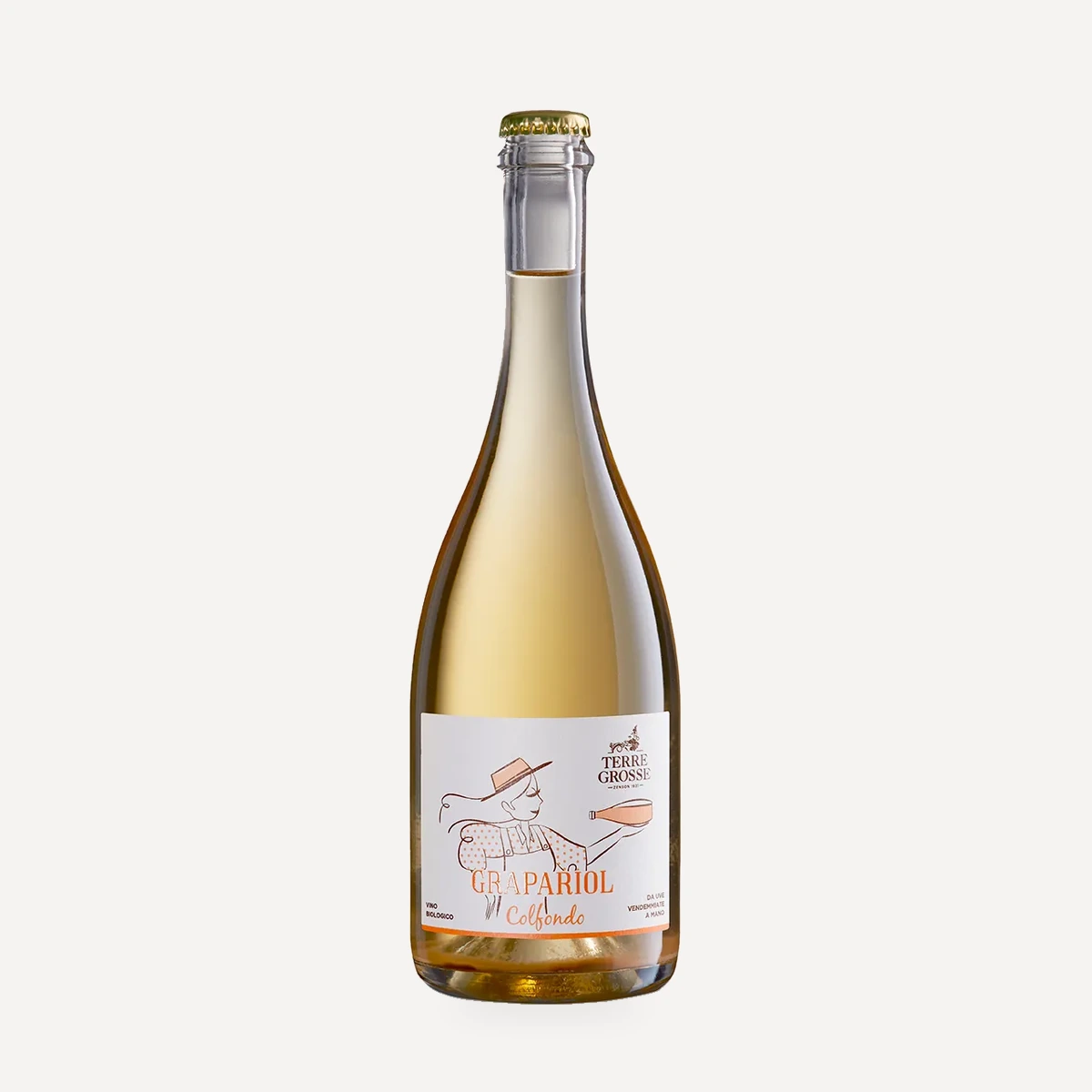
Grapariol Colfondo Veneto IGT Biologico
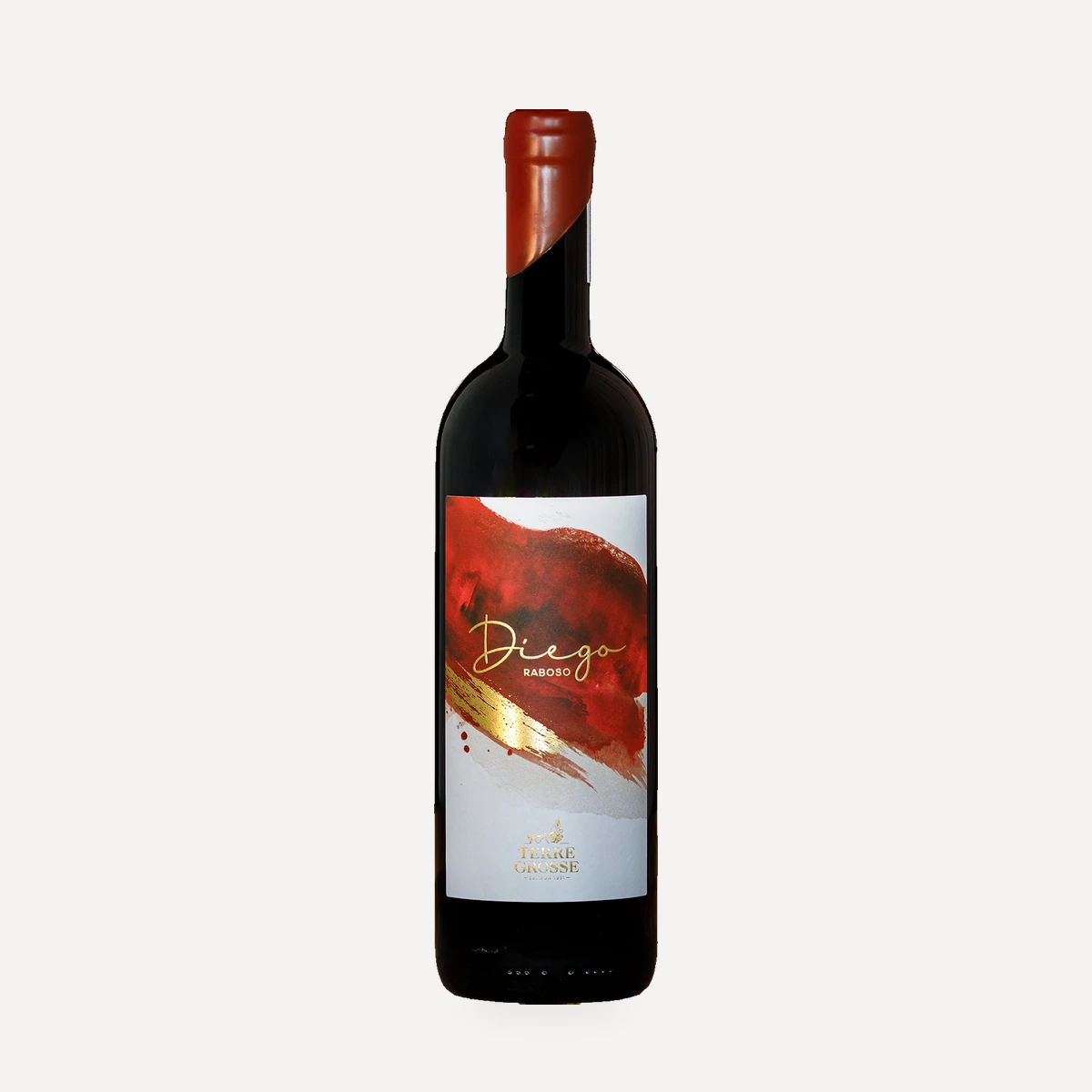
Raboso Diego (Barrique Veneto IGT)
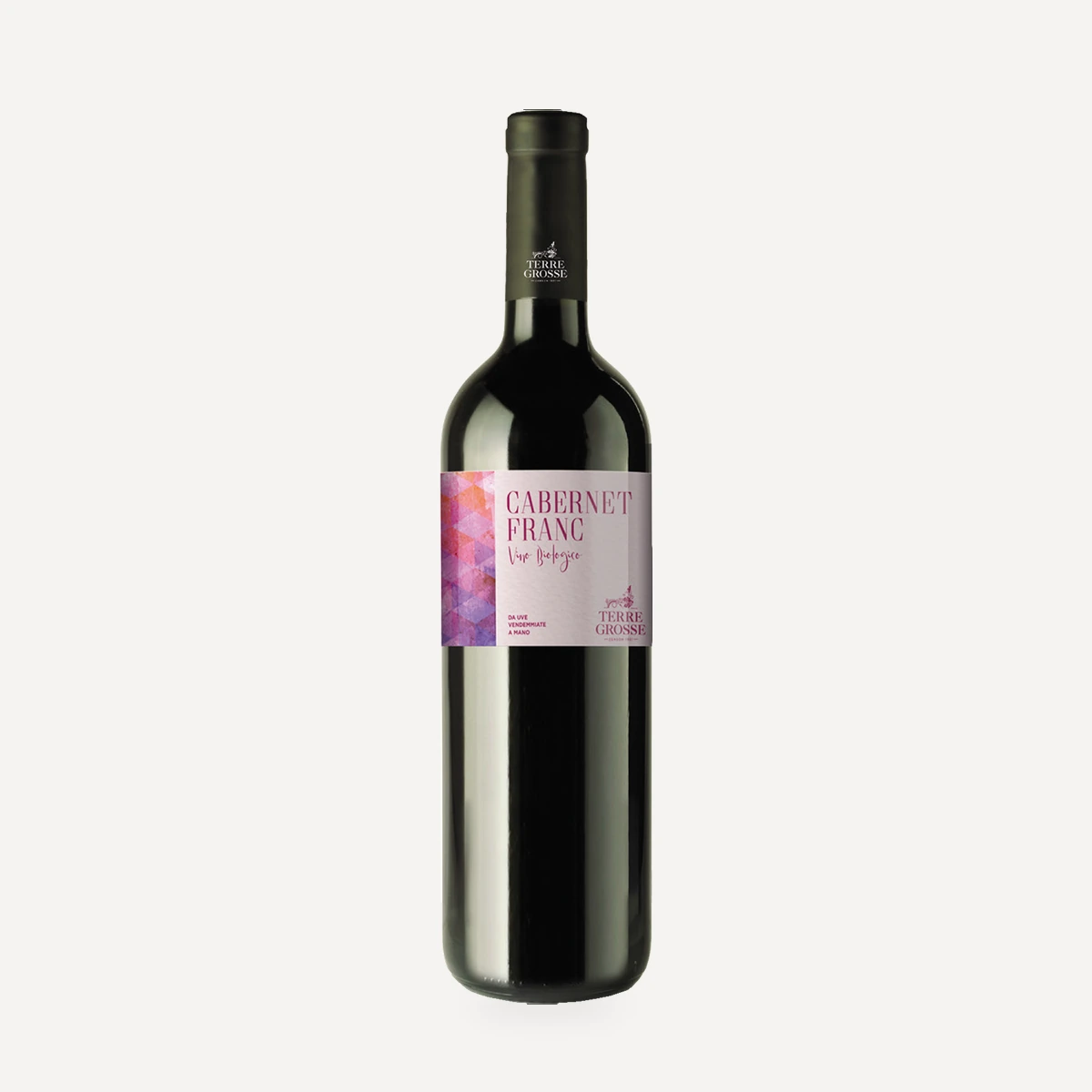
Cabernet Franc Veneto IGT Biologico
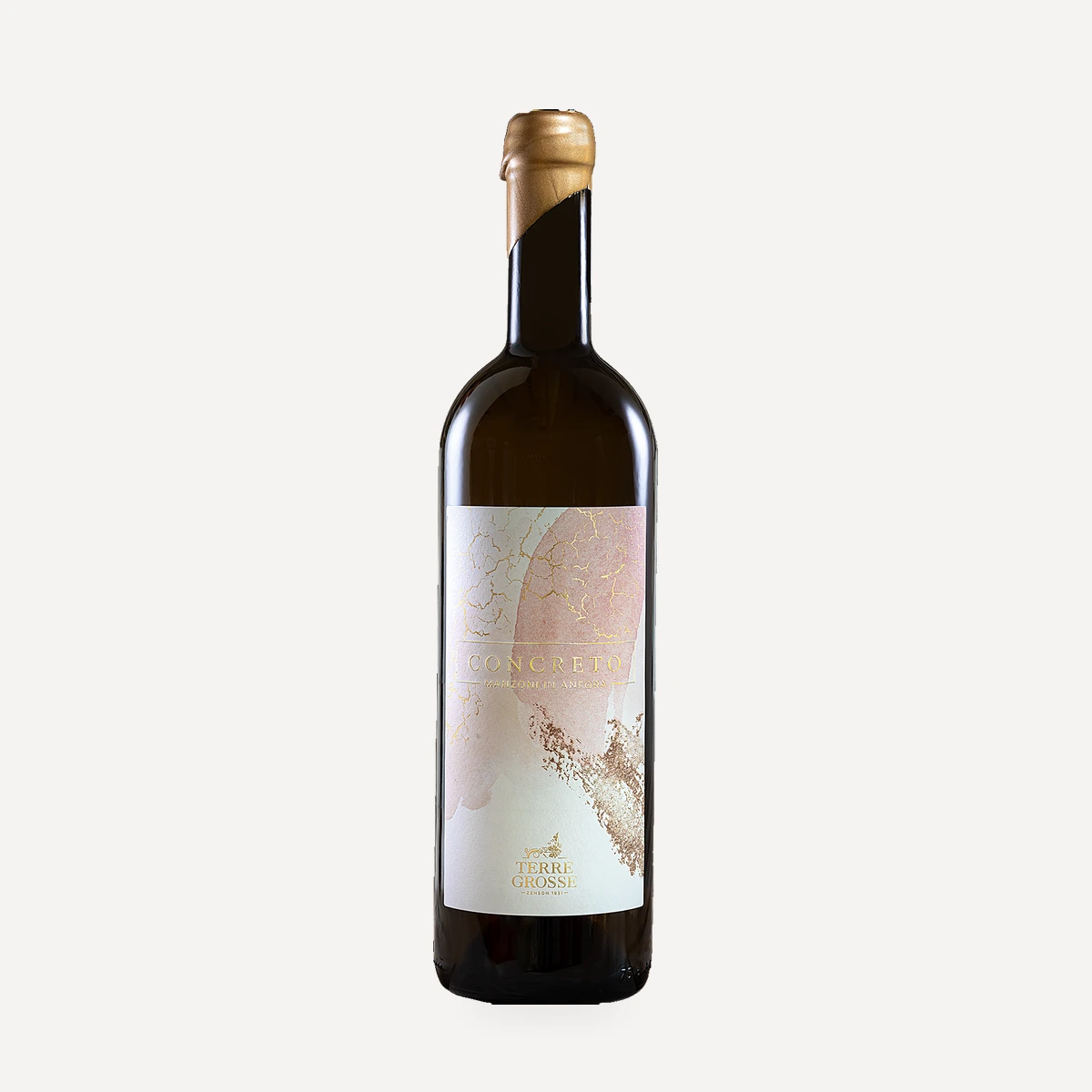
Concreto Manzoni Bianco in Anfora Veneto IGT Biologico
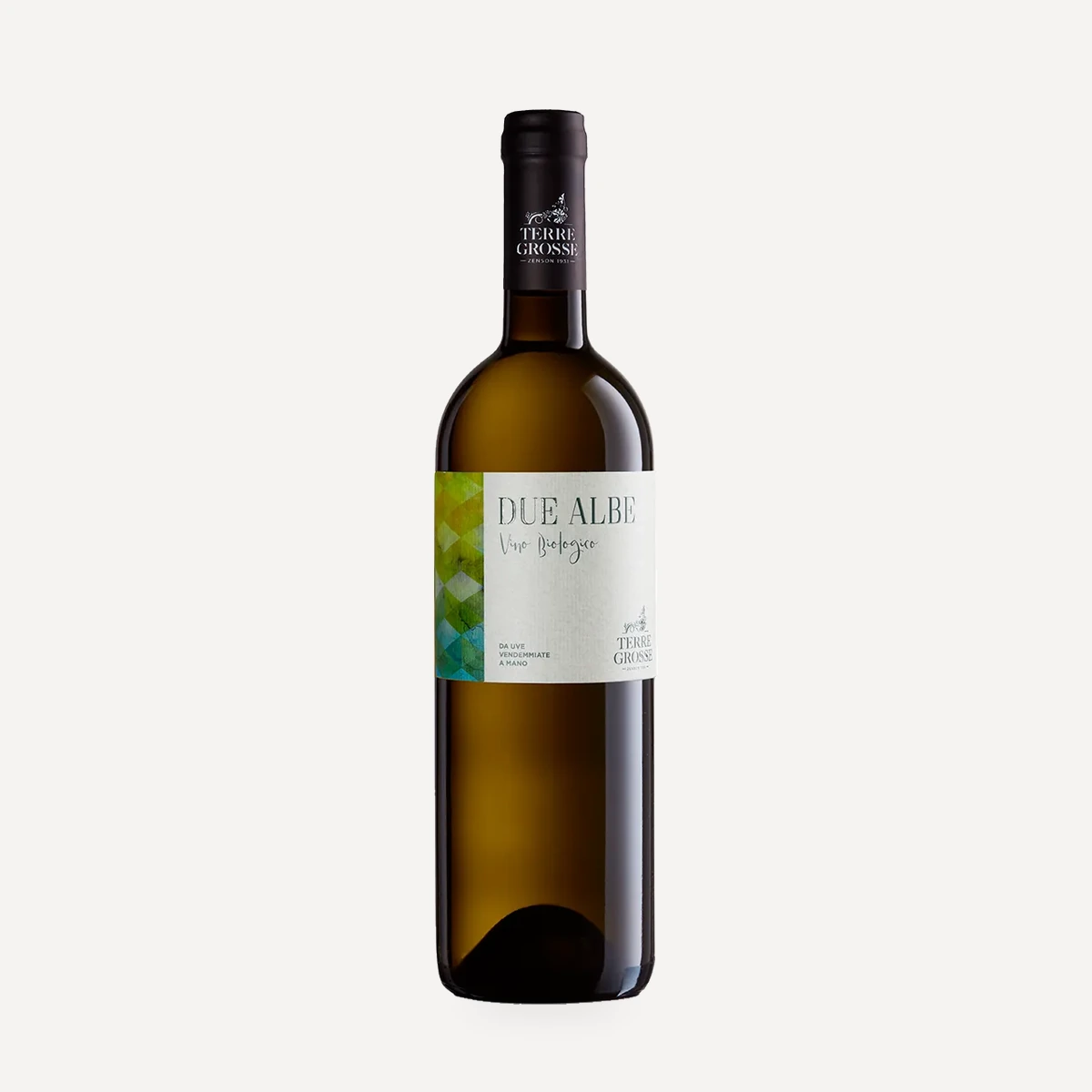
Due Albe Bianco Veneto IGT Biologico
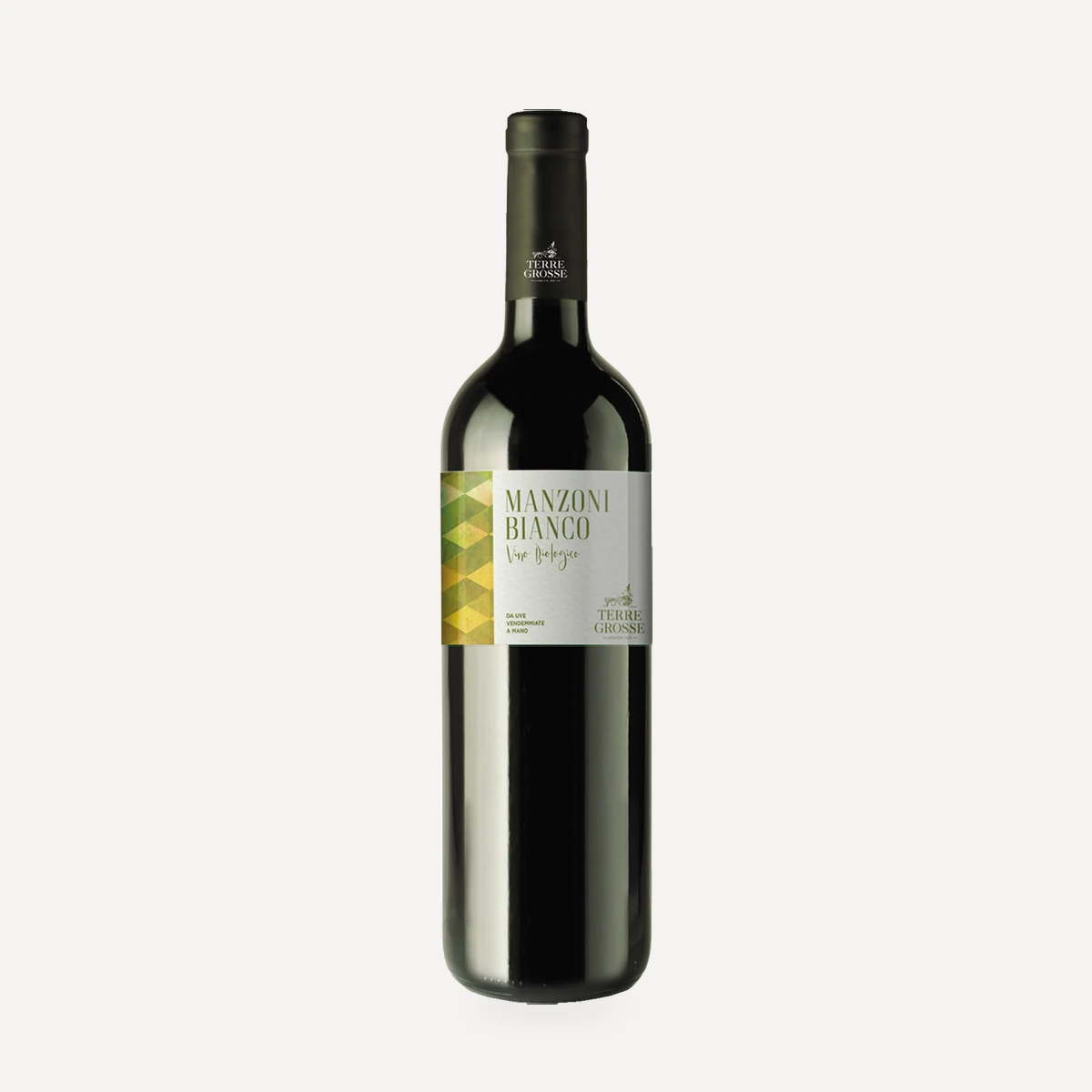
Manzoni Bianco Veneto IGT Biologico
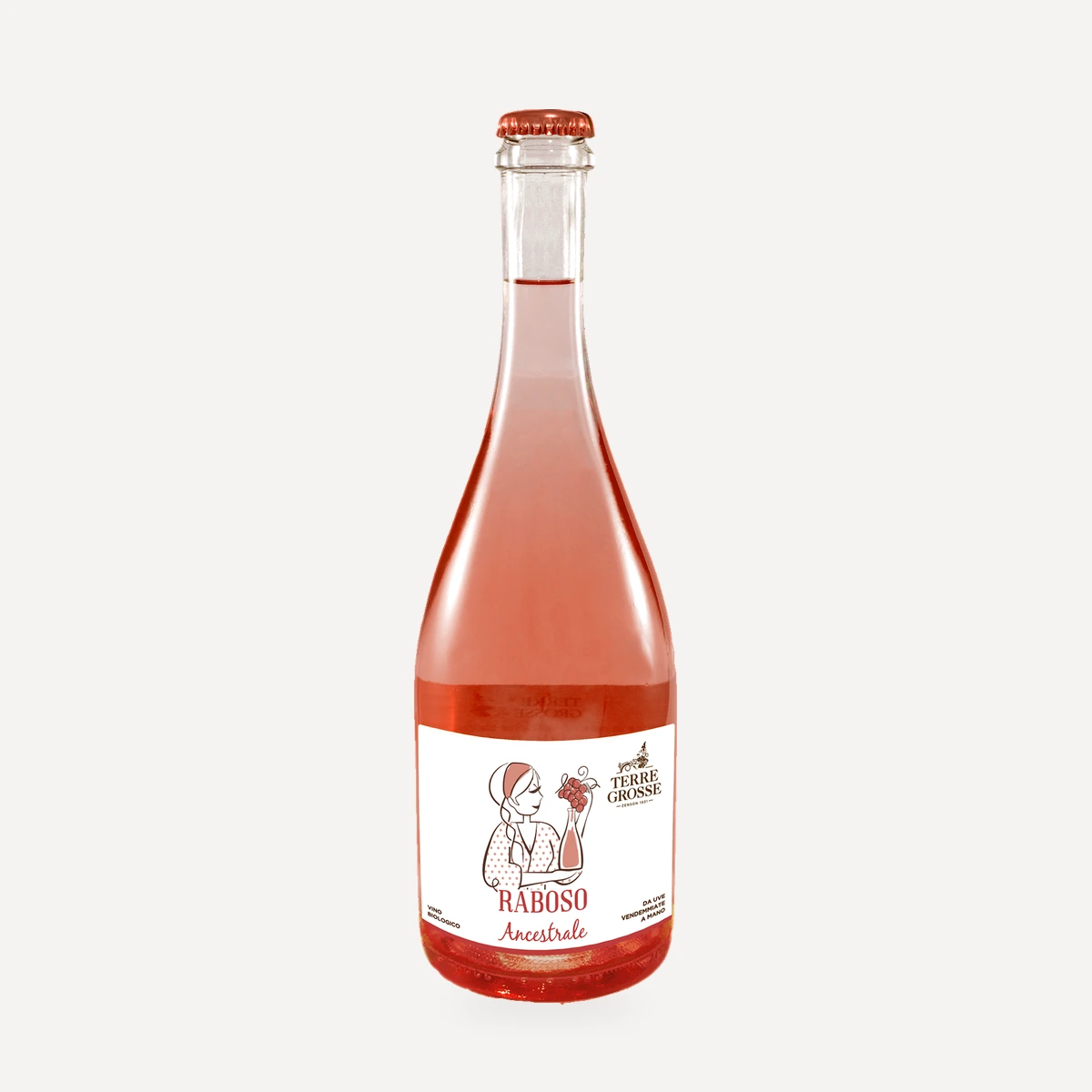
Raboso Ancestrale Veneto IGT Biologico
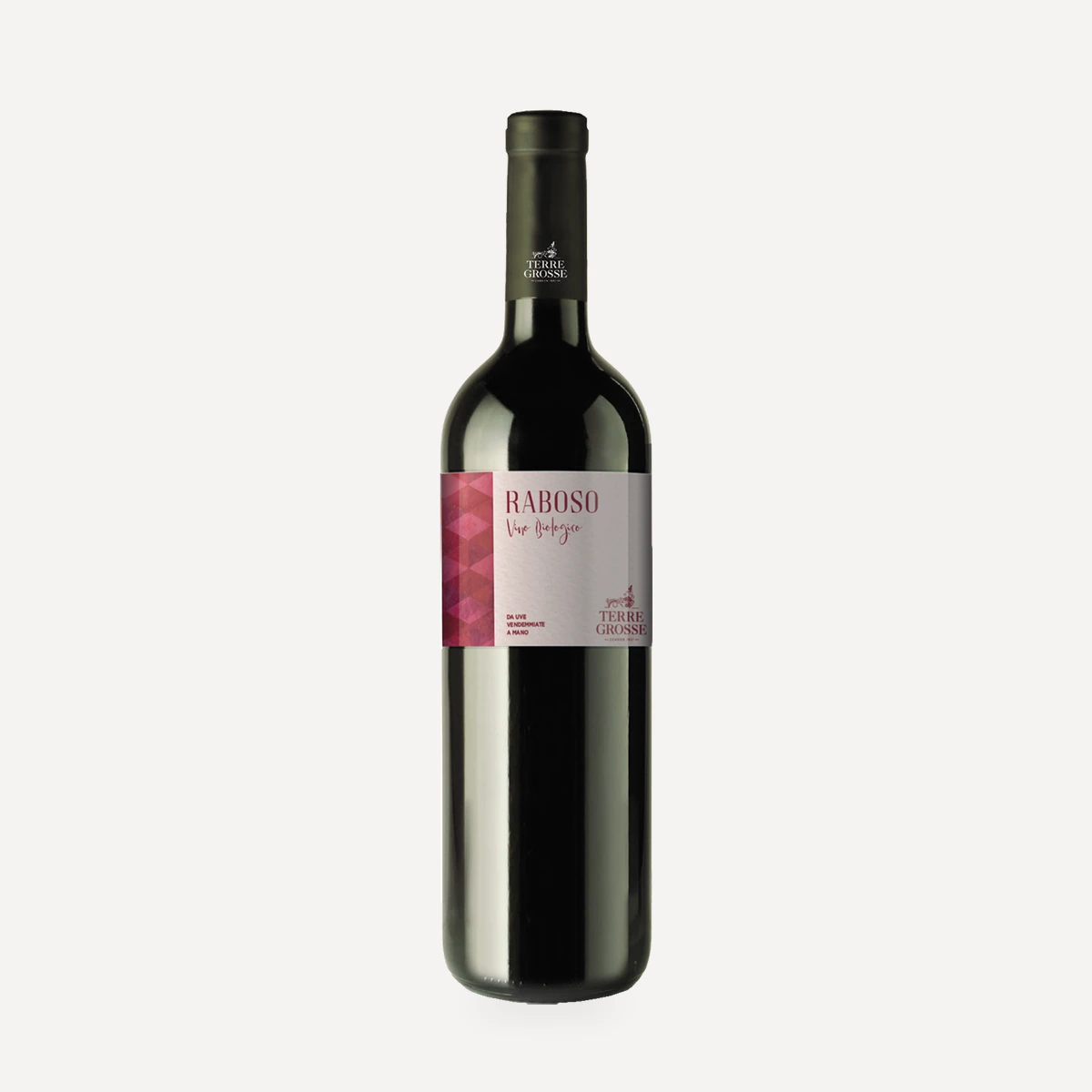
Raboso Piave Veneto IGT Biologico
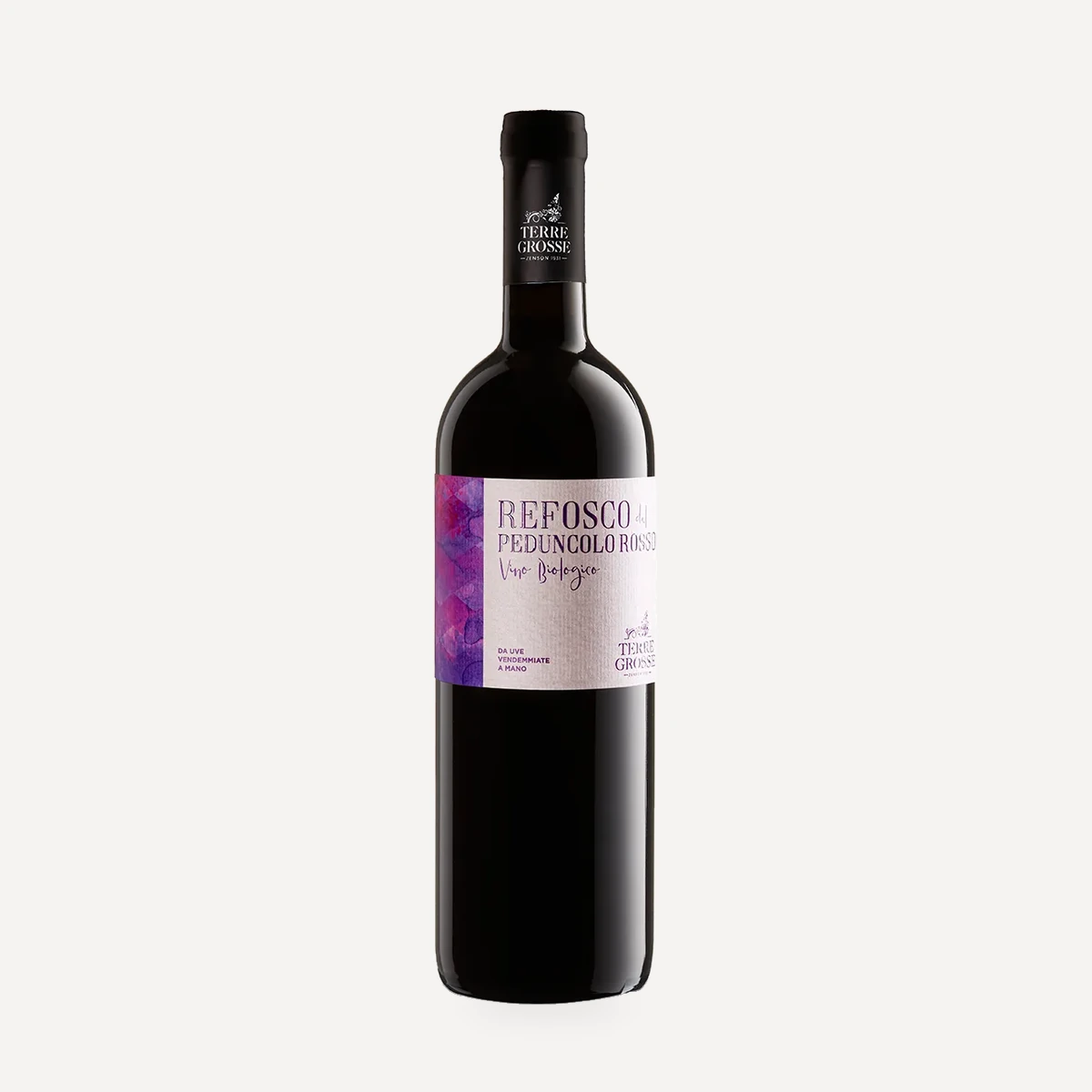
Refosco dal Peduncolo Rosso Veneto IGT Biologico
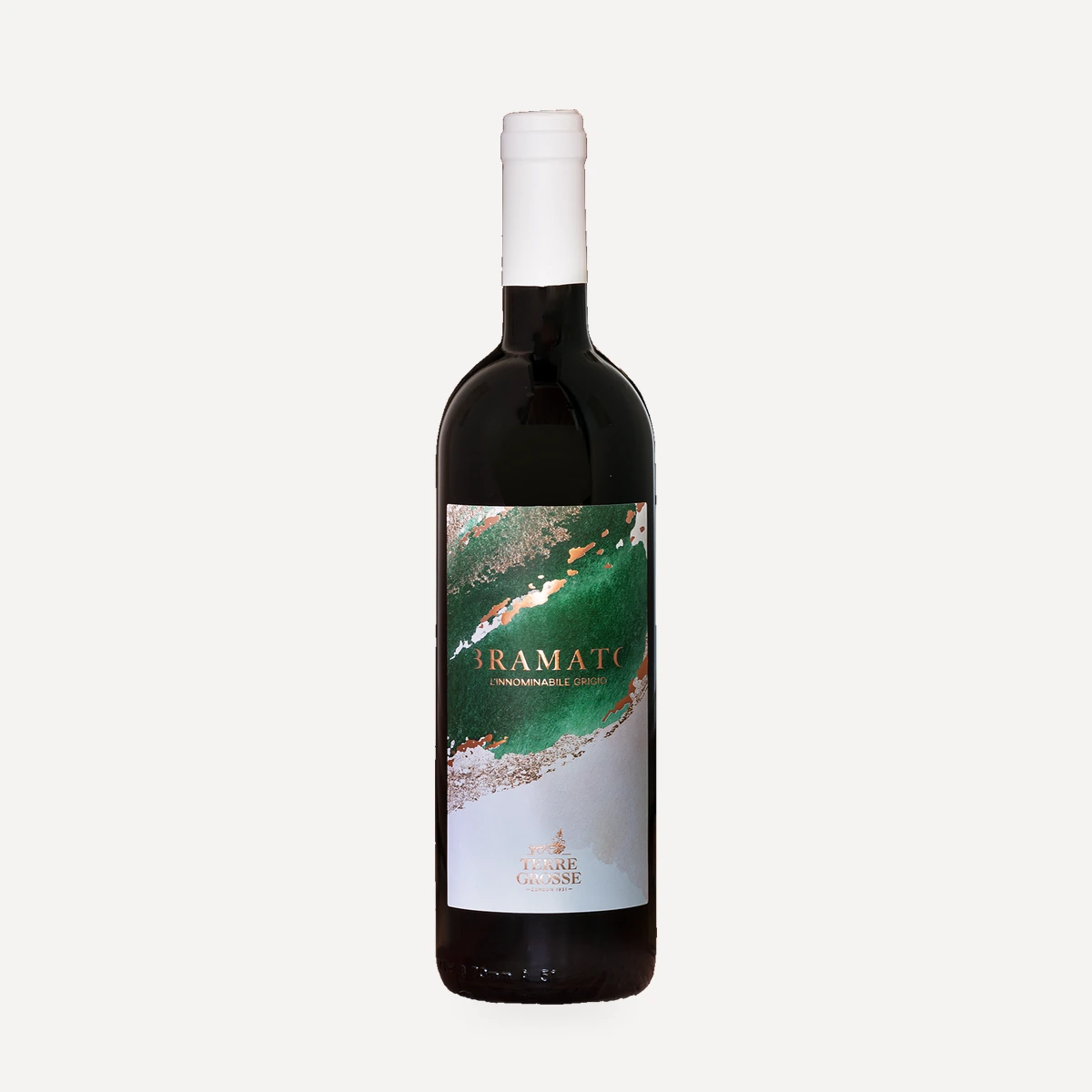
Bramato