Storia
Beginnings in 1865
The Tornatore family's agricultural activity on Etna began in 1865, when Francesco Tornatore’s great-grandfather founded the estate. Viticulture and knowledge of the northern slope were subsequently passed from one family generation to the next.
The palmento and territorial expansion
In 1910, Francesco’s grandfather Giuseppe consolidated the family enterprise by building a traditional palmento in contrada Piano Fiera. This became the starting point for an expansion into further sites on Etna’s northern slope.
During the 1930s, Nunzio Giuseppe and his uncle Giovanni took part in cadastral fieldwork alongside a topographer, identifying parcels, establishing boundaries and recording the names of the contrade. This work gave the family detailed knowledge of the territory around Castiglione di Sicilia.
Francesco Tornatore and the modern winery
Francesco Tornatore, a native of Castiglione di Sicilia, built his earlier business career producing digital components for telephone and communications infrastructure. He later returned to his family’s agricultural and winemaking roots. During the 2000s he developed a new, technologically advanced winery and constructed extensive stone terraces for new vineyard plantings. The modern winery stands in Piano dei Daini.
The estate today
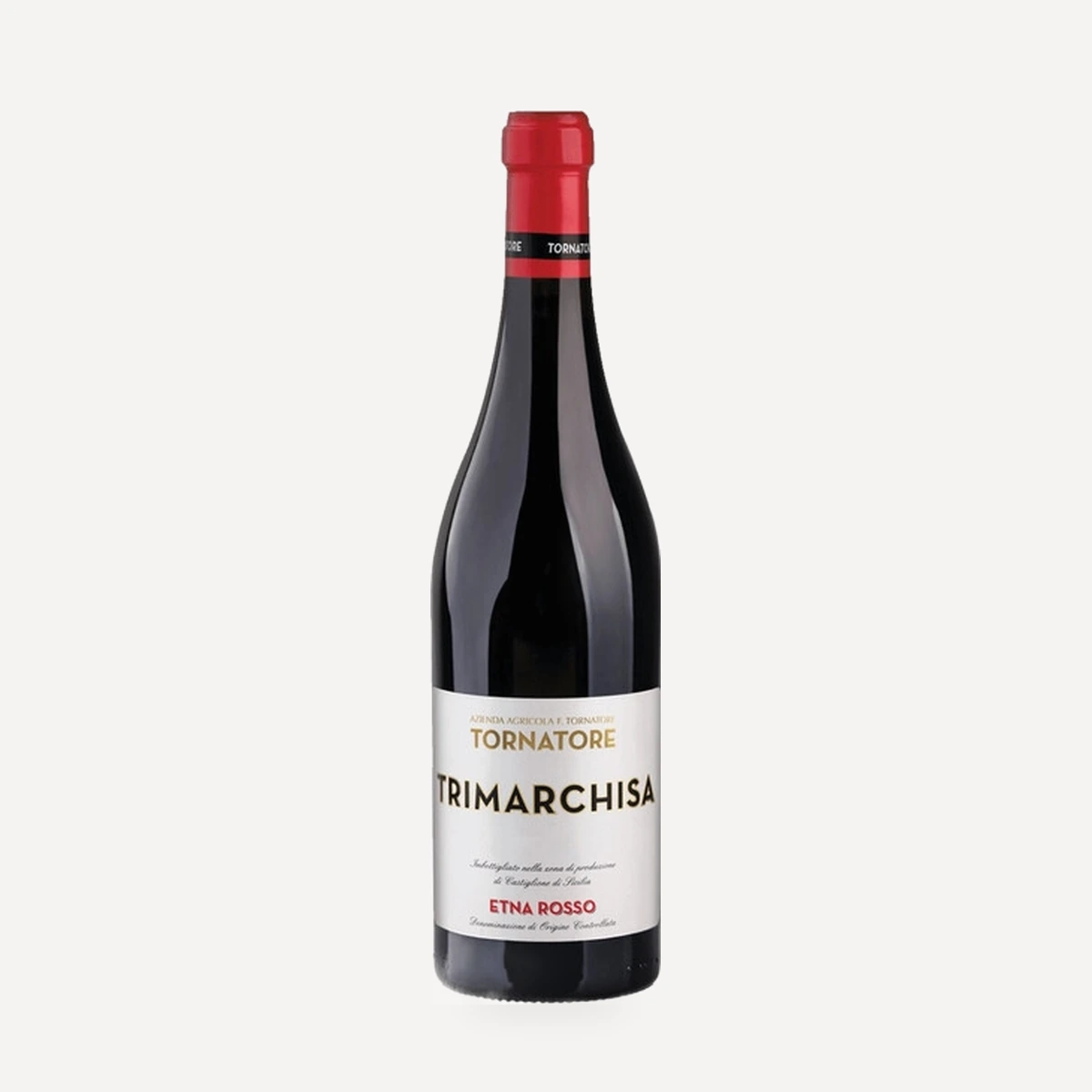
The estate now encompasses 100 hectares on Etna’s northern slope. Approximately 46 hectares are under vine, alongside 8 hectares of olive groves and 5 hectares of hazelnut orchards; the remaining land was described as undergoing reconversion. The vineyards extend across ten named contrade, from Trimarchisa near the Alcantara River at about 400 metres to Santo Spirito at about 800 metres. The holdings include young terraced vineyards as well as old and pre-phylloxera vines.
Tornatore combines inherited knowledge of the contrade and traditional vineyard forms with modern winery technology. The estate has also adopted renewable energy in the winery and obtained VIVA and SOStain sustainability certifications.
Terroir
Etna’s northern slope
The estate lies on the northern slope of Mount Etna, principally within the territory of Castiglione di Sicilia, with Calderara in Randazzo. Its vineyards occupy individual contrade shaped by different lava flows, volcanic ash, basalt, magmatic rock and, in the lower sites, sandstone. Their elevations range from approximately 400 metres at Trimarchisa to 800 metres at Santo Spirito.
The nearby Nebrodi Mountains contribute to pronounced day–night temperature variation. In Zottorinotto, temperature swings can reach 18–20°C; the growing season is also marked by low rainfall and strong ventilation. The wider northern-slope climate is described as mild.
Geological variation
Calderara has an exceptionally rocky surface of volcanoclastic deposits alternating with basalt. Its geological foundation derives from lava flows dated between 60,000 and 15,000 years ago. The black volcanic stones absorb heat during the day and return it to the soil during cold nights.
Santo Spirito has a sandy surface over a basaltic framework associated with the 1879 lava flow. Volcanic ash and effusive rocks supply a soil rich in trace elements. Zottorinotto is also sandy and volcanic but notably free-draining.
Pietrarizzo is built on volcanic and magmatic rock produced by the breakdown of the 1908 lava flow. Pietramarina and Trimarchisa combine volcanic material with sandstone, while the latter’s lower position approaches the Alcantara River.
Across the estate, dark volcanic soils are described as fertile. The marked geological, altitudinal and climatic differences among the contrade provide the basis for separate site expressions of Carricante, Nerello Mascalese and the other local cultivars.
Vinificazione
The estate cultivates approximately 46 hectares of vineyards within a 100-hectare agricultural property. The planted varieties are Nerello Mascalese, Nerello Cappuccio, Carricante and Catarratto. The vineyards are almost entirely arranged on espalier, generally with a single cordon carrying three or four spurs. Traditional alberello training is retained in some sites; Santo Spirito specifically uses alberello etneo on lava-stone terraces, while Zottorinotto combines espalier and bush-vine systems.
Terracing is central to the estate’s work on Etna’s slopes. Extensive stone terraces were constructed for younger vineyards, while historic dry lava-stone walls support the old, pre-phylloxera vines of Santo Spirito. Vineyard ages range from about 12 years in Bragaseggi to more than 50 years in Trimarchisa and approximately 100 years in Santo Spirito.
Viticulture is described as low-impact and based on agronomic practices intended to respect the land. VIVA certification covers environmental sustainability, biodiversity, preservation and enhancement of the territory, and socioeconomic impact. SOStain certification likewise recognizes environmental and territorial commitments. Certification dates and detailed permitted treatments are not specified.
The estate’s production is based in a modern, technologically advanced winery developed by Francesco Tornatore during the 2000s. It stands within the Piano dei Daini vineyard at approximately 650 metres. This modern facility follows the earlier family palmento built by Giuseppe in Piano Fiera in 1910.
The production approach combines traditional methods with modern technology, with the objective of preserving the identities of Etna’s native grapes and individual contrade. The winery operates exclusively with renewable energy. Detailed estate-wide protocols for fermentation vessels, maceration, extraction, maturation, clarification, filtration and bottling are not defined as a single general method.
Filosofia
Tornatore presents winegrowing as a continuation of the family’s attachment to Etna, its traditions and its individual contrade. Knowledge accumulated over generations is treated as the foundation for future development, while innovation and modern technology are used alongside established practices rather than as substitutes for them.
The estate’s quality objective is to express the distinguishing features of native Sicilian cultivars and the contrasting volcanic sites of Etna’s northern slope. Its contrada-based organization reflects the principle that each district transfers its particular geology, elevation and microclimate to the resulting wine.
Sustainability is framed as a long-term responsibility to pass the land intact to future generations. This commitment encompasses respectful agronomy, biodiversity, preservation and enhancement of the territory, socioeconomic responsibility and exclusive reliance on renewable energy in the winery. VIVA and SOStain certifications formalize this environmental program.
Hospitality follows the same family-centered outlook: visitors are welcomed into the vineyards, winery and tasting room through experiences intended to connect family history, production, local food and the Etna landscape.
Vini
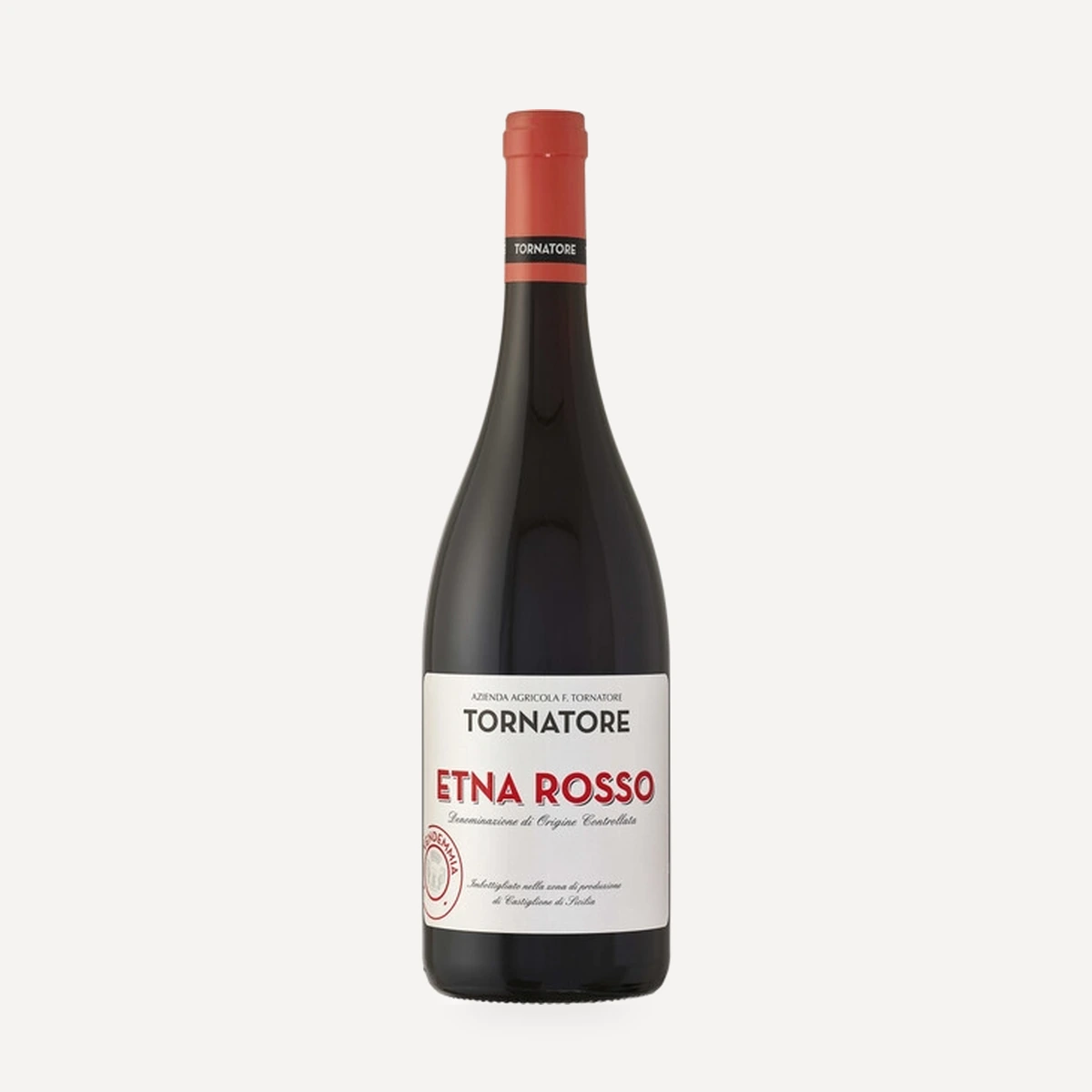
Etna Rosso DOC
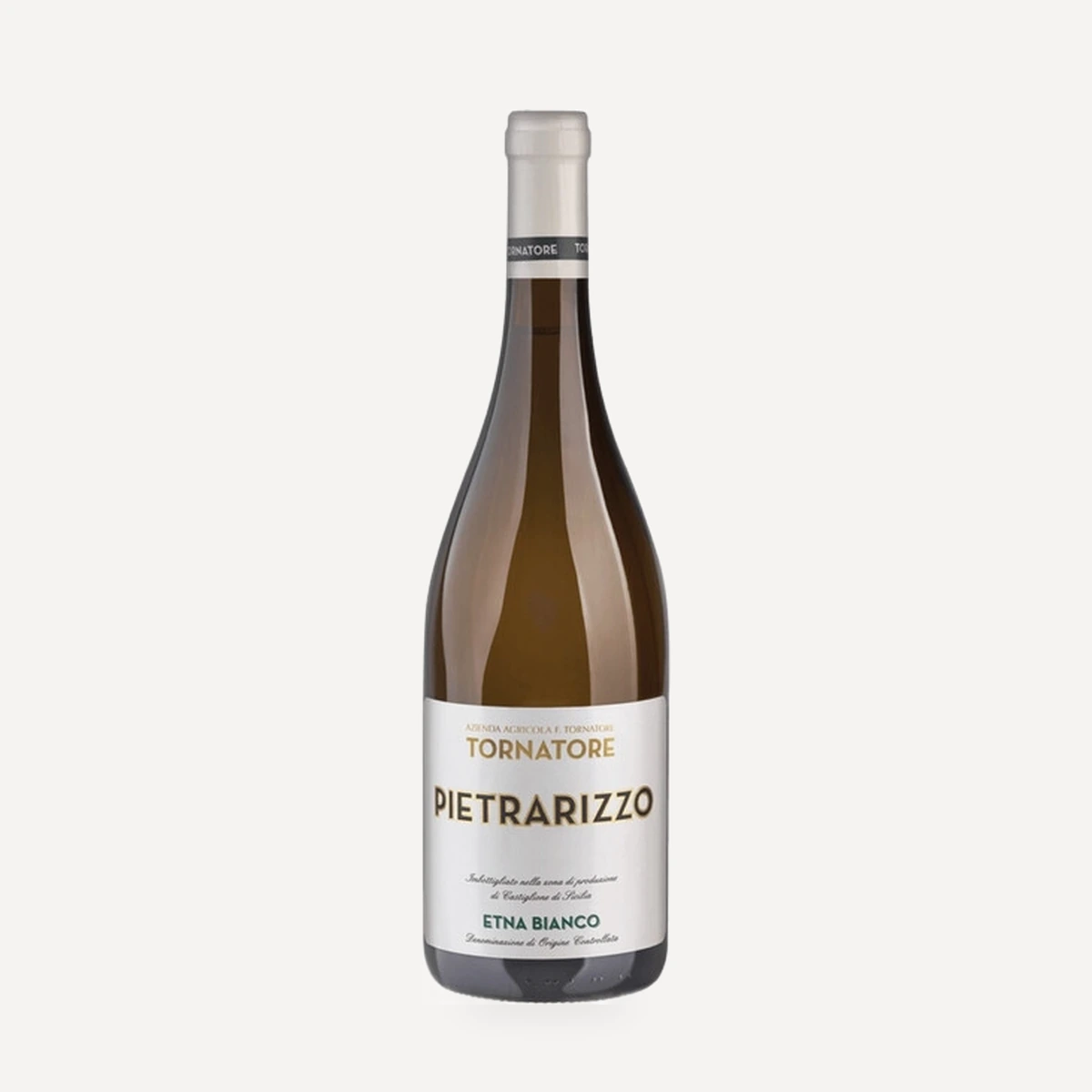
Etna Bianco Pietrarizzo DOC
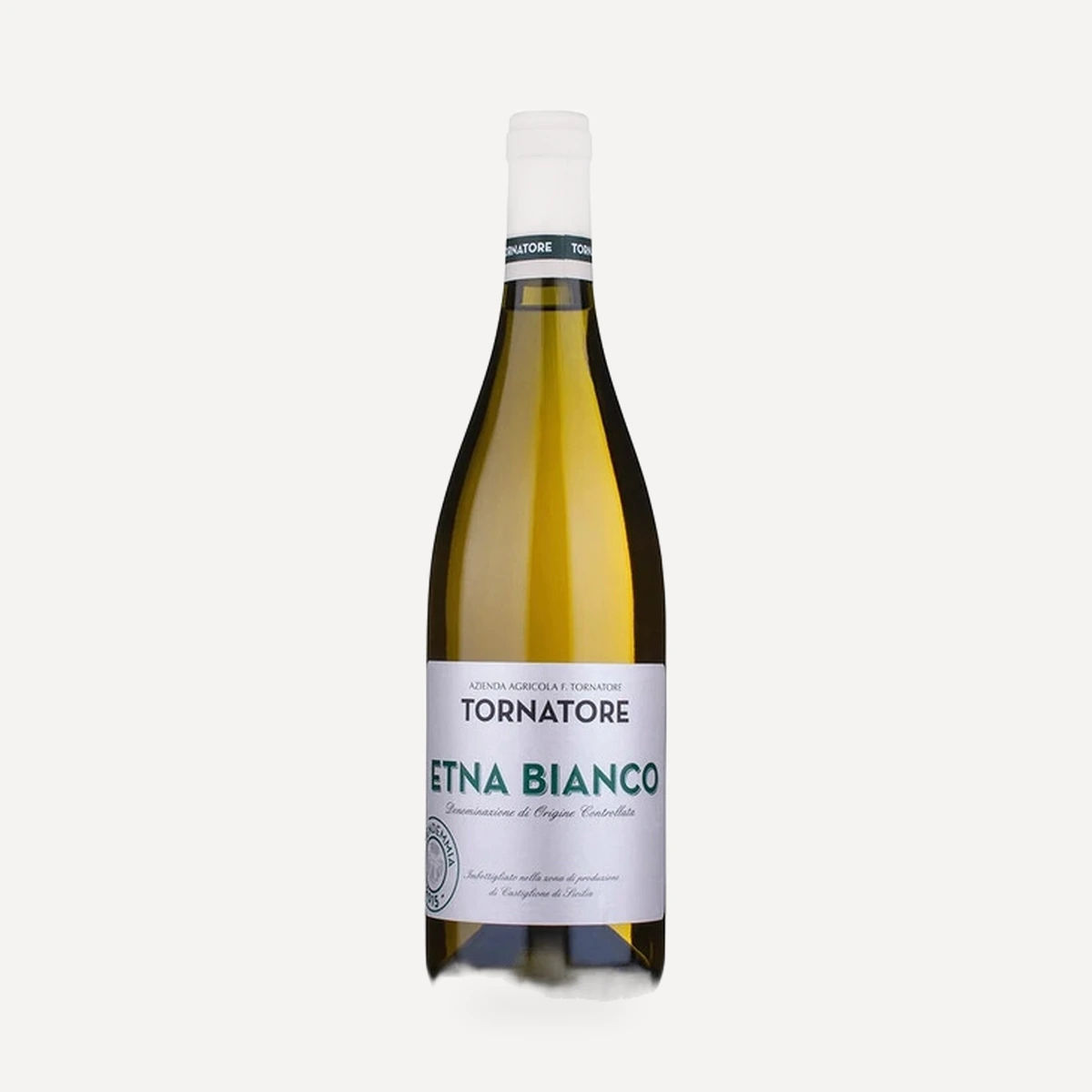
Etna Bianco DOC
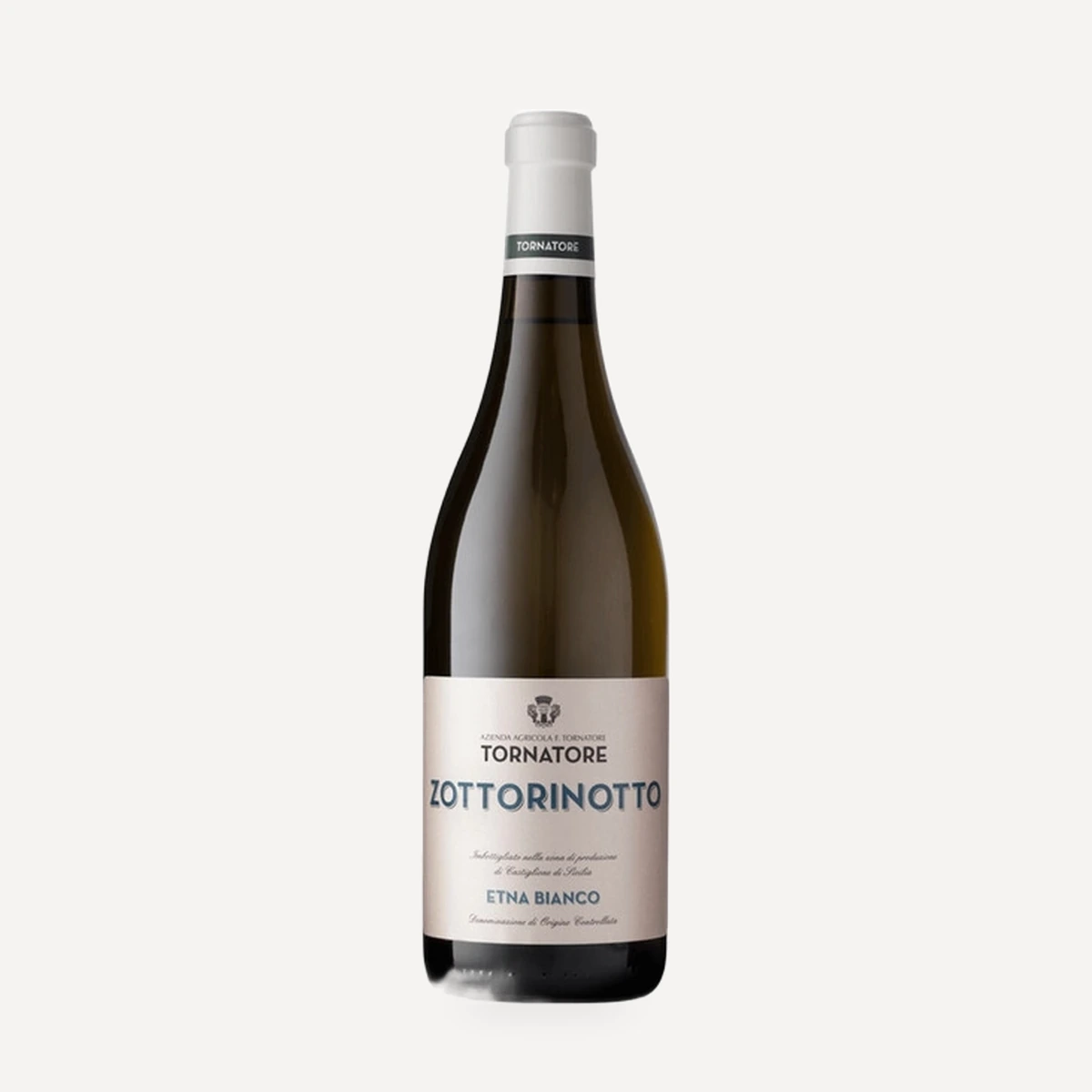
Etna Bianco Zottorinotto DOC
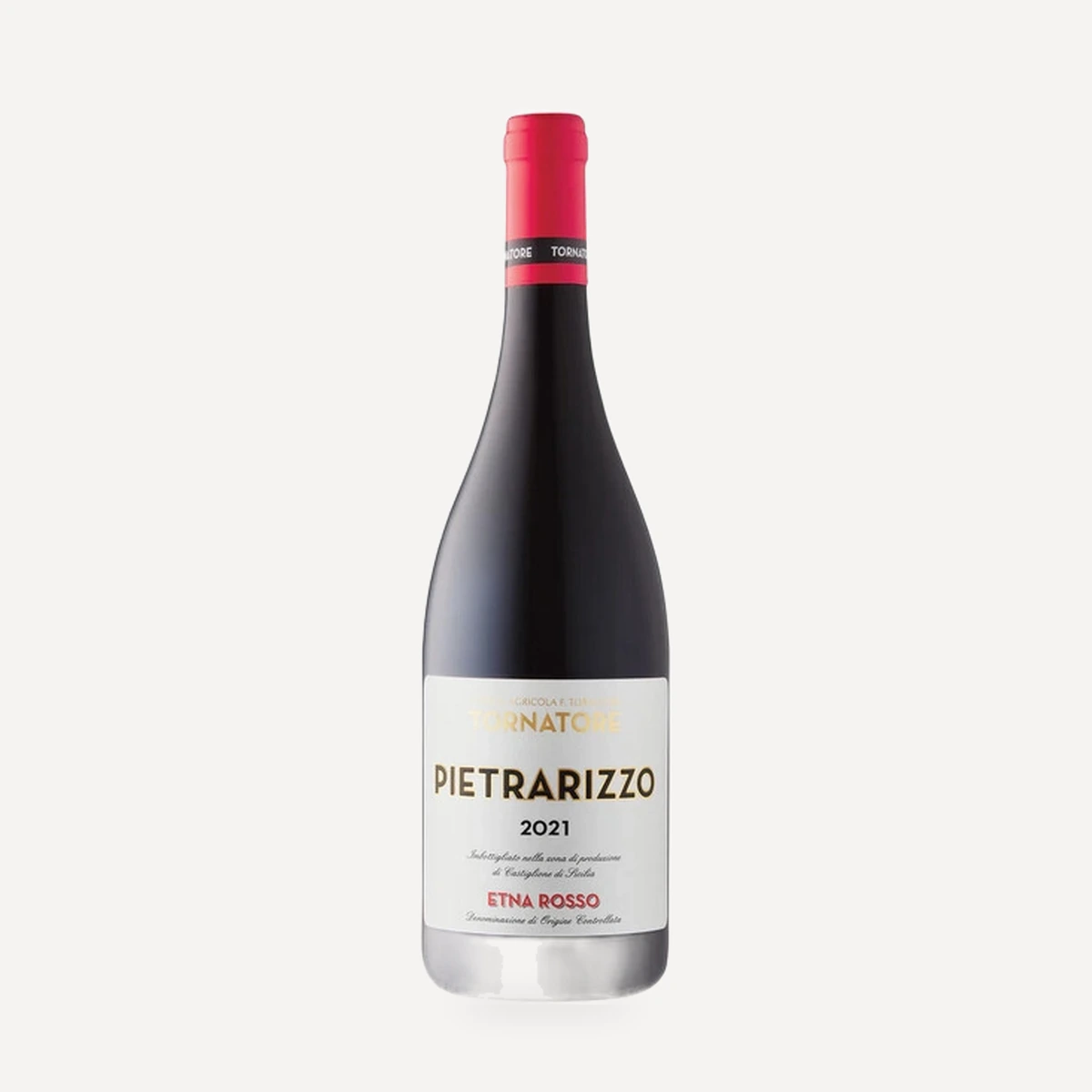
Etna Rosso Pietrarizzo DOC