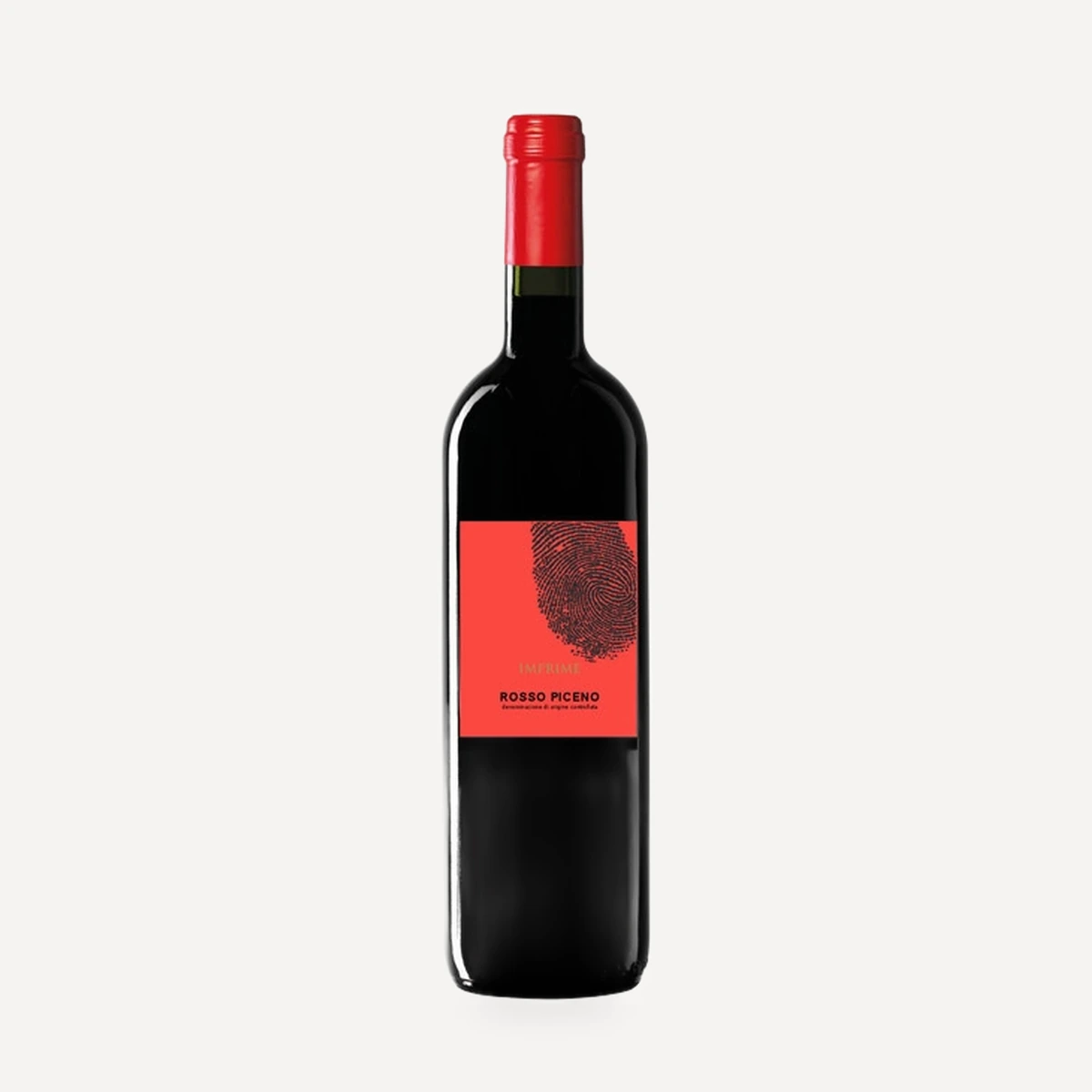
Storia
1984: the beginning
Velenosi Vini was founded in Ascoli Piceno in 1984 by the young entrepreneurs Angela and Ercole Velenosi. The venture began without an inherited historic estate narrative: its identity was built around the founders’ initiative, the wines of Piceno and a combination of artisanal practice and modern equipment. Falerio was among the wines bottled in the founding year.
1990s: expansion of the range
The first harvest for the house’s Chardonnay-based sparkling-wine project took place in 1991. Its first disgorgement followed in 1994. The same decade brought several wines that became enduring parts of the portfolio: the first harvest of Roggio del Filare was bottled in 1993, the first Velenosi Rosso Piceno in 1994, and the wine later known as Ludi first appeared as Marche IGT Rosso in 1998.
2005: incorporation and a new partner
Paolo Garbini brought his experience to the business in 2005, when Velenosi Srl was formed. That year also marked the first Offida DOC Rosso version of Ludi and the first bottled vintage of the company’s Montepulciano d’Abruzzo. The company’s activity consequently extended beyond its Piceno base into Abruzzo.
2007–2011: new territories and denominations
The first bottled vintage of Querciantica, produced from Lacrima in the San Marcello area of Ancona, dates to 2007. Rêve changed from Chardonnay to Pecorino with the 2009 vintage. Cesare Ferrari began advising the company’s two traditional-method sparkling wines in 2010. In 2011, Ludi entered the Offida DOCG Rosso denomination, while Villa Angela Offida DOCG Pecorino was bottled for the first time.
2016–2019: organic wines and broader production
The certified-organic Rosso Piceno line began with the 2016 vintage, as did the company’s Moscato sparkling wine. Prope Trebbiano d’Abruzzo followed with the 2017 vintage. Ninfa, a red blend from Offida and Castel di Lama, was first bottled from the 2019 harvest.
2020 onward: second generation, social inclusion and digital development
In 2020 the Velenosi family helped launch L’Orto di Paolo, a day centre for people with autism. Special-edition wines support the centre: participants have taken part in the hand harvest and in creating labels, while proceeds are directed to the project.
The founders’ children, Marianna and Matteo Velenosi, subsequently became fully involved in the company. Marianna, born in 1993, returned to Ascoli Piceno after an economics-oriented degree at Bocconi University and three years in Switzerland managing shops for the Cave Nicolas chain. She developed the company’s digital operations and became strategic marketing manager. Matteo works as a winemaker and is also responsible for the point of sale. Together with Angela, both serve as company directors. The business was recognised among the more highly digitalised agricultural companies in the Marche through an index developed by the Università Politecnica delle Marche and the regional digital observatory.
Velenosi now works across the Marche and Abruzzo, produces approximately 2.5 million bottles annually, collaborates with 85 agencies in Italy and reaches 52 countries.
Terroir
Piceno and the Tronto valley
The company’s centre is Ascoli Piceno in the Marche, about 20 km from the Adriatic Sea. Ascoli Piceno stands at approximately 150–200 m above sea level, while individual production vineyards are generally identified between 200 and 300 m. The holdings occupy hills around the Tronto river valley, where the soils are described as clay-rich and fertile.
Soil conditions vary among the Piceno sites. Vineyards around Ascoli Piceno used for white varieties can have medium-textured soils tending toward sand. North-facing plots at about 200 m are used for Pecorino. Sites in Castorano, Offida, Castel di Lama and neighboring communes commonly have clay and limestone or predominantly clay soils tending toward limestone. The company also works cooler slopes for Pinot Nero intended for sparkling wine.
San Marcello and the Castelli di Jesi area
The San Marcello vineyard lies in the province of Ancona, between the Castelli di Jesi. The Lacrima site is placed at approximately 100–150 m above sea level on predominantly clay soil.
Abruzzo and Controguerra
The Abruzzo vineyards are in Controguerra, close to Ascoli Piceno but across the regional border. The estate sits at 264 m above sea level and is formed by sinuous slopes with south-to-southeast exposures, giving the vines prolonged sunlight during growth and ripening.
Its sedimentary soils combine Pliocene and Miocene material. Clay is prominent but moderated by stony material and sufficient sand and silt; remnants associated with an ancient ocean floor are linked to the mineral character sought in the wines. The nearby mountains and Adriatic Sea channel morning air through the rows, drying nocturnal humidity and helping to restrain pathogen development. Winters are relatively severe, springs cool and humid, summers hot, and autumns long and temperate, with abundant rain after harvest.
Vinificazione
Velenosi combines conventional farming with certified-organic cultivation. Its organic Piceno vineyards are situated in Ripatransone, Offida and Acquaviva Picena, while the organic range also includes Pecorino, Passerina and extra-virgin olive oil. The wider company holds Equalitas sustainability and IFS Food certifications.
Guyot and spurred cordon are the principal training systems identified across the holdings. A planting density of 5,000 vines per hectare recurs throughout the Marche and Abruzzo sites. Reported yields vary with site and selection, from approximately 65 quintals per hectare and 1.2 kg per vine for Roggio del Filare to about 120 quintals per hectare and 2.5 kg per vine for several younger-drinking wines.
Harvest dates are adapted to variety and place. Early varieties such as Merlot and Syrah may be picked in the first ten days of September; Lacrima and Sangiovese can follow during September; Cabernet Sauvignon is harvested around early October; and Montepulciano may remain until mid-October. Several selections are harvested manually in small cases during the cool early-morning or late-afternoon hours. The cases can be placed in temperature-controlled or refrigerated rooms before the grapes enter the cellar. At San Marcello, hand harvesting includes selection before crushing.
The organic Rosso Piceno vineyards combine Guyot and spurred-cordon training. Sangiovese is generally harvested at the end of September and Montepulciano around mid-October. In the Controguerra estate, south-to-southeast exposures promote ripening, while morning ventilation dries overnight humidity and helps limit conditions favorable to pathogens.
Production combines artisanal practice, specialised personnel, continuous research and modern equipment. The cellar team includes Matteo Velenosi, Filippo Carli and Luca Fioravanti, supported by external oenologist Attilio Pagli. Cesare Ferrari has advised the two traditional-method sparkling wines since 2010.
Temperature-controlled stainless steel is central to both white- and red-wine production. White musts may undergo gentle pressing, short cryomaceration and controlled-temperature fermentation. Some whites remain in steel, while selected Pecorino is divided after fermentation begins: one portion continues in new barriques and the other in steel before the components are reunited. Another Pecorino begins fermentation with indigenous yeasts, finishes with selected yeasts and matures on fine lees. At Controguerra, Trebbiano is cryomacerated for about 15 hours, fermented in temperature-controlled concrete and held on fine lees for two to three months.
Red grapes are destemmed before entering steel fermenters. The equipment includes 100- and 200-hL vessels fitted or shaped to irrigate, break and move the cap, providing uniform contact between must and skins and supporting polyphenol extraction. Maceration varies by grape and intended style: approximately 7 days for Lacrima in one blend, 10–12 days for Sangiovese, 15 days for Montepulciano in that blend, 15–20 days for Rosso Piceno, around 20 days for varietal Montepulciano and Lacrima, and as long as 28 days or more than four weeks for structured selections.
Maturation can take place in steel, large wooden casks, barriques or new 300-litre barrels. Selected reds mature in new barriques or barrels for approximately 12 to 24 months. Components are often vinified and matured separately, with final blending after maturation, followed by about three months in bottle.
Traditional-method sparkling wine begins with destemming and gentle pressing. The base wine ferments in steel at controlled temperature for about 10 days. Liqueur de tirage is added before bottling for a slow second fermentation; the wine then rests sur lie in bottle for at least 60 months. Riddling on pupitres, disgorgement and addition of liqueur d’expédition complete the process. Charmat wines undergo secondary or direct must fermentation in small stainless-steel autoclaves; Moscato ferments at 15–17°C and remains in tank for more than 30 days.
Filosofia
“Wine is an art capable of making you dream” expresses the central idea of Velenosi’s company philosophy. Its approach begins with tradition and older teachings, interpreted with imagination and dynamism rather than treated as fixed formulas.
The company identifies clarity, sincerity and genuine passion as values learned from wine and applied to its management. Timing is understood as neither deliberately long nor short: each task should receive the natural time required for sound work. This artisanal conception operates alongside advanced technology and continuous research.
The stated production goal is balance—between flavour and colour, and between bouquet and finish. Harvest is approached as a moment that must be awaited rather than imposed, after which the development of the wine is followed progressively. Transparency, naturalness, care and purity frame this approach, with the fruit and the character of the territory remaining central.
Environmental and social responsibility have become increasingly visible with the second generation. Certified-organic production, Equalitas certification and attention to vineyard conditions accompany the social-inclusion work connected with L’Orto di Paolo.
Vini
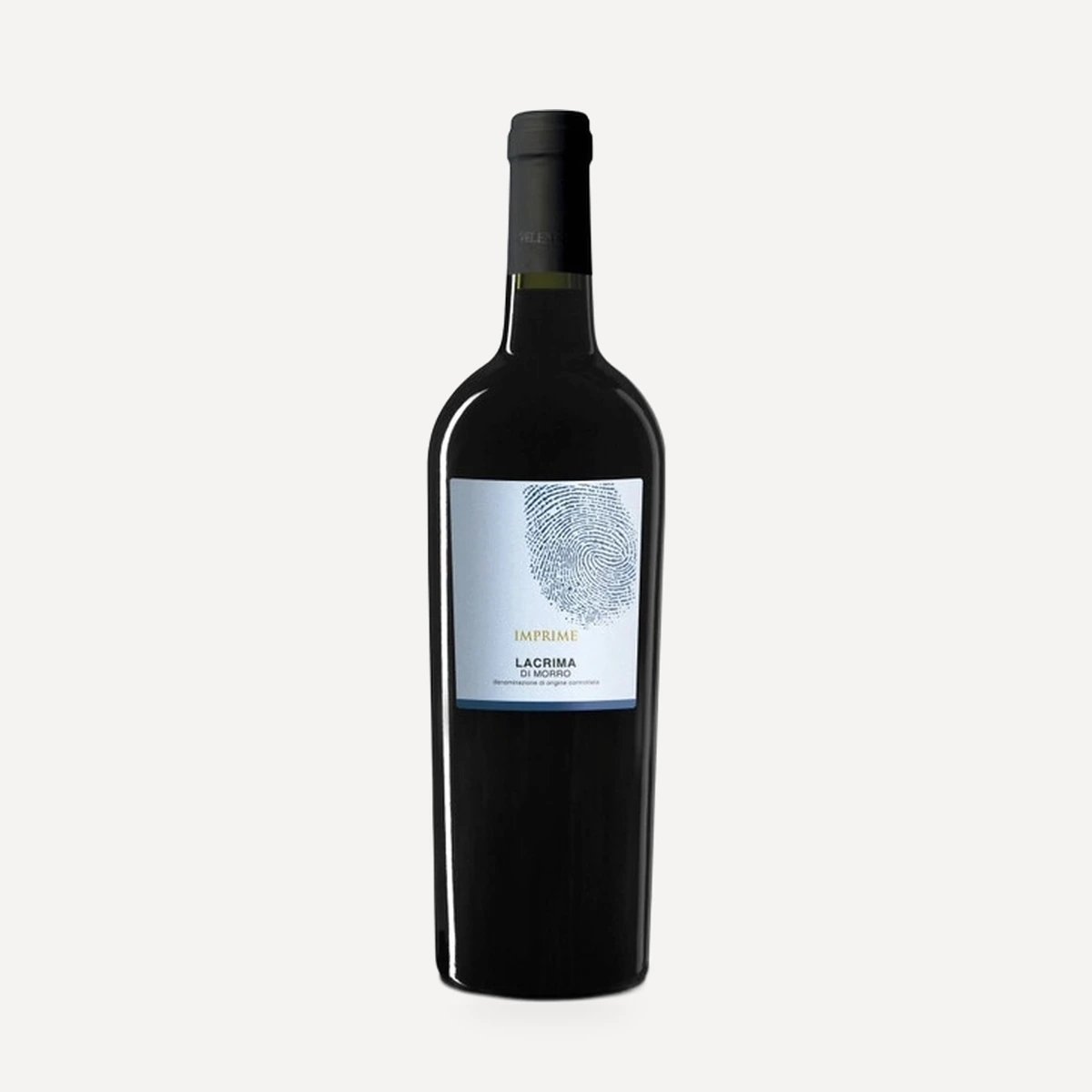
Imprime Lacrima di Morro d'Alba DOC
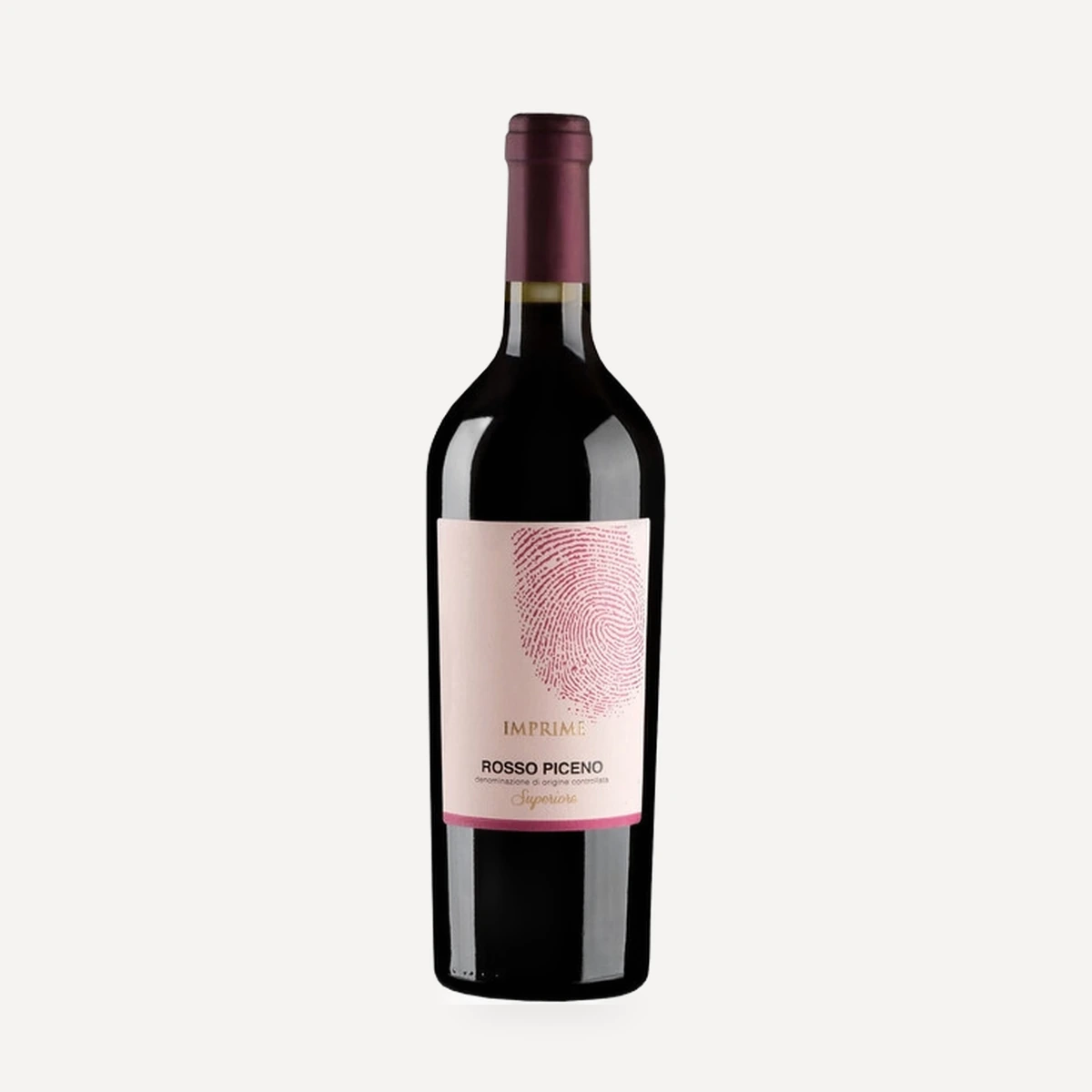
Imprime Rosso Piceno Superiore DOC
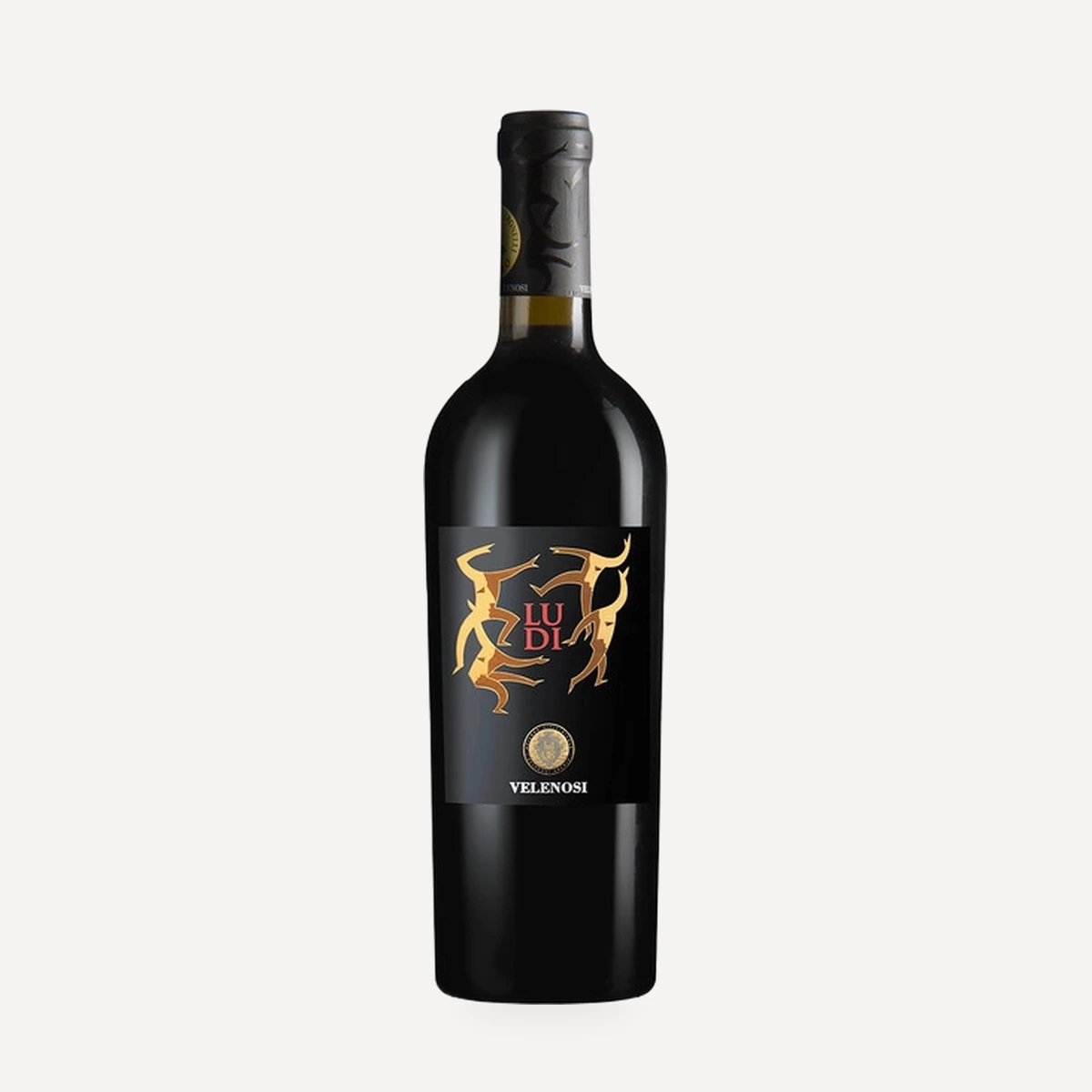
Ludi Offida DOCG
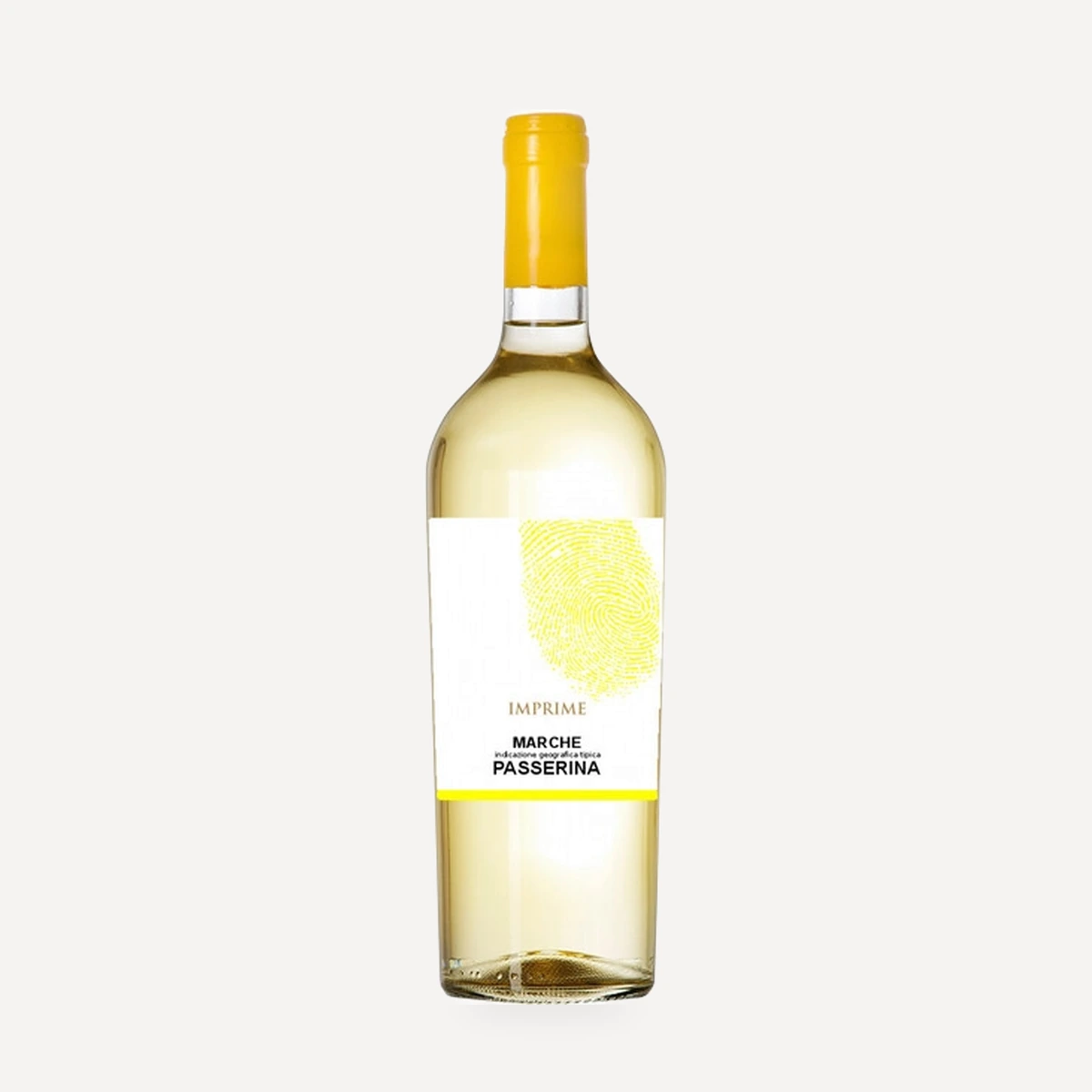
Imprime Passerina Marche IGT
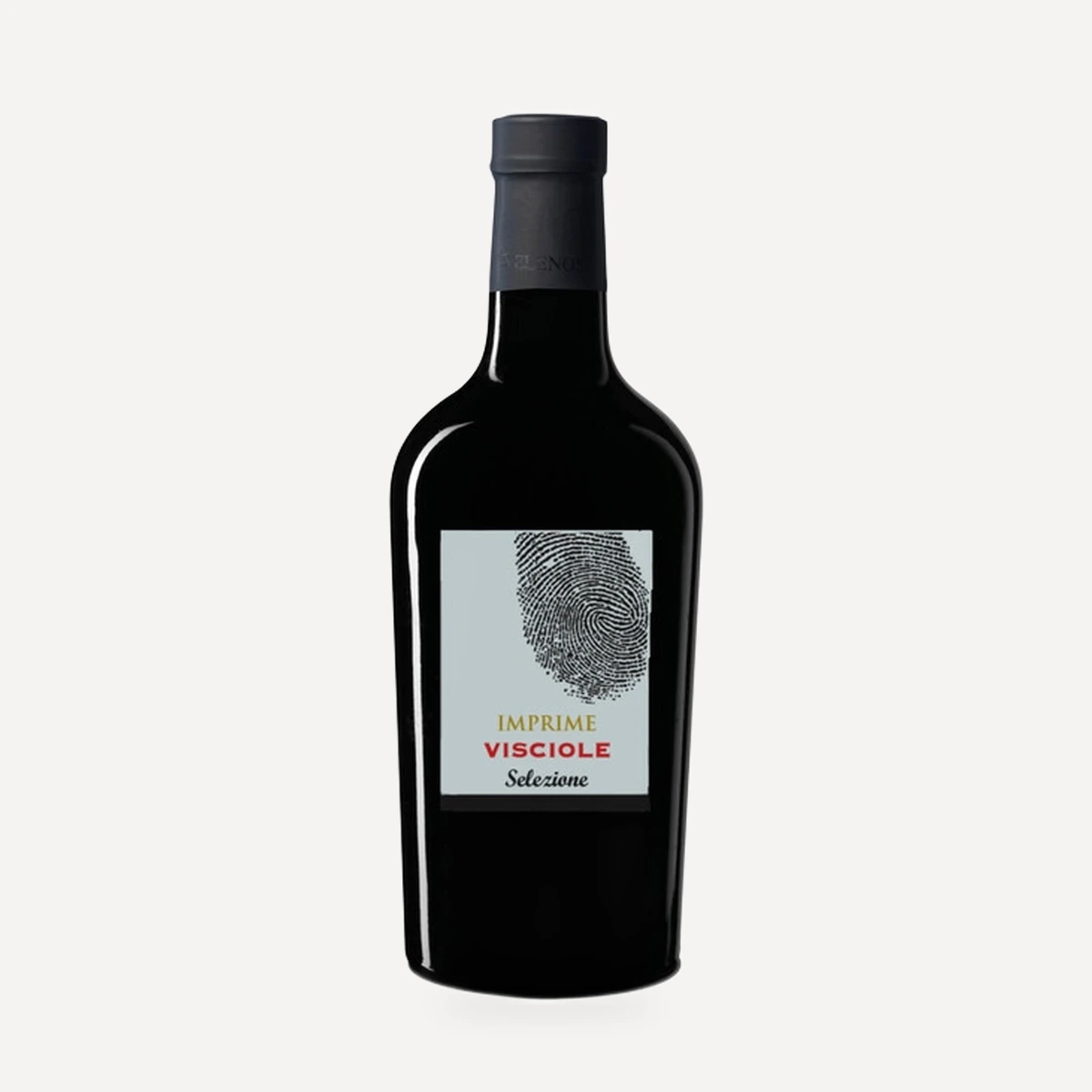
Imprime Visciole Selezione
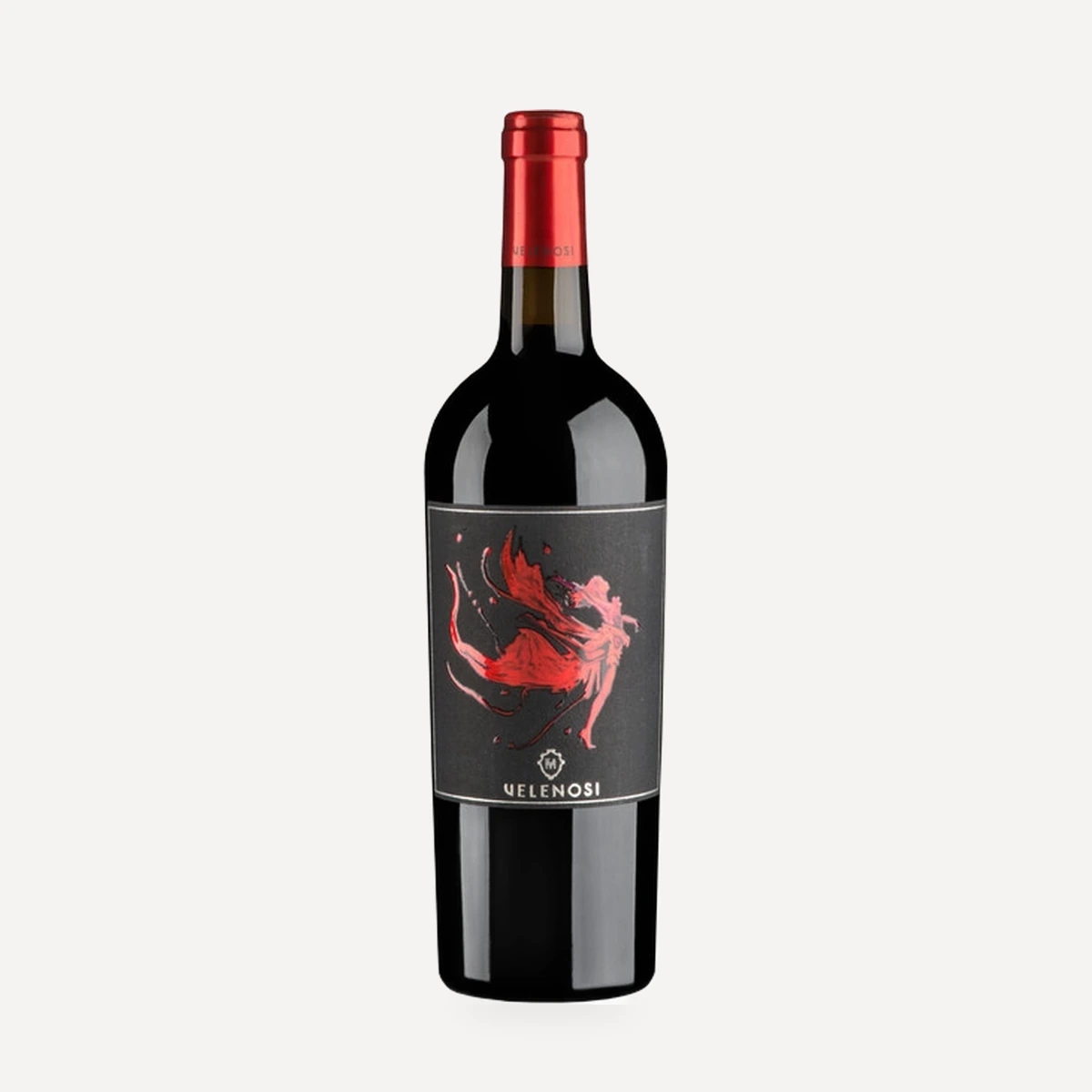
Ninfa Marche IGT
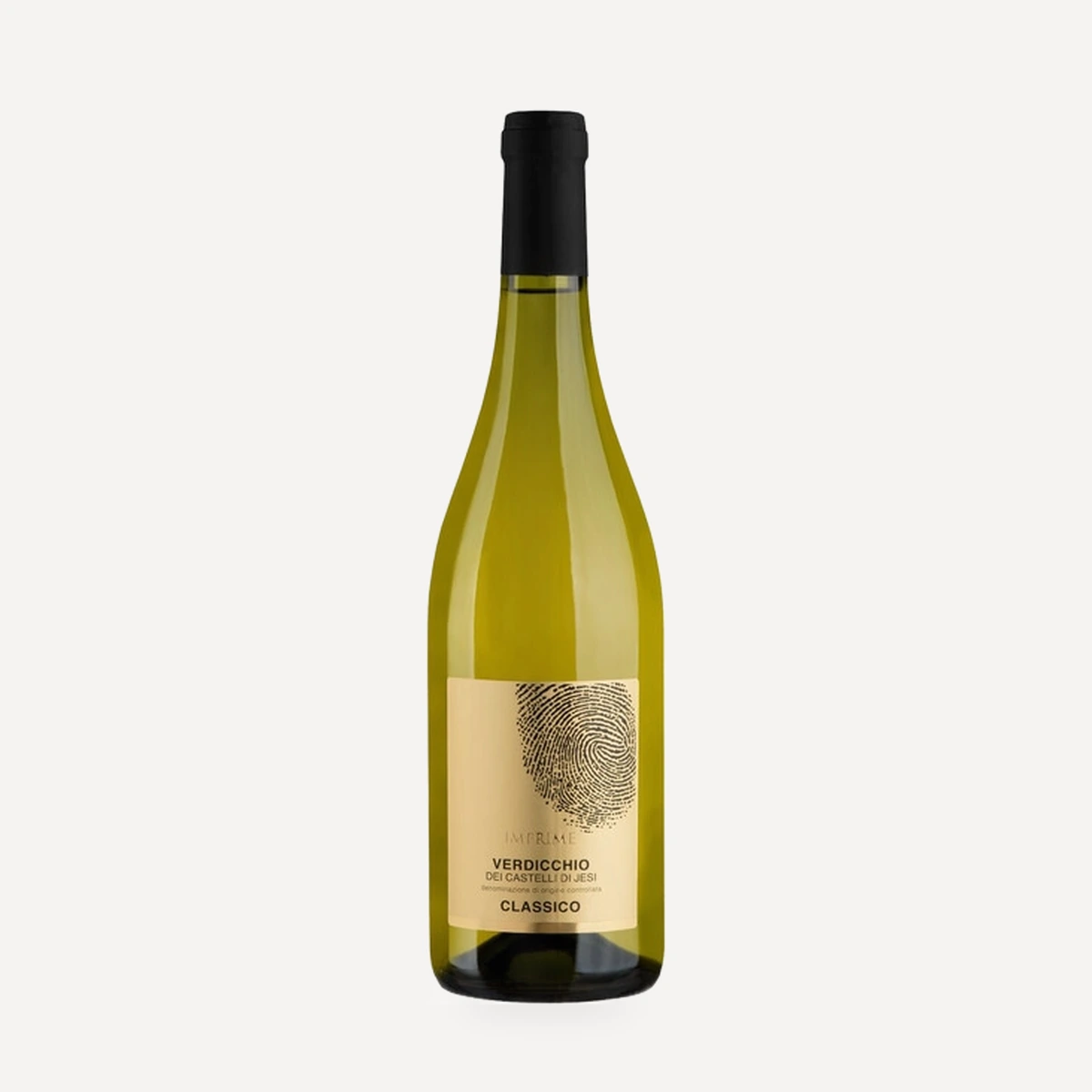
Imprime Verdicchio dei Castelli di Jesi Classico DOC
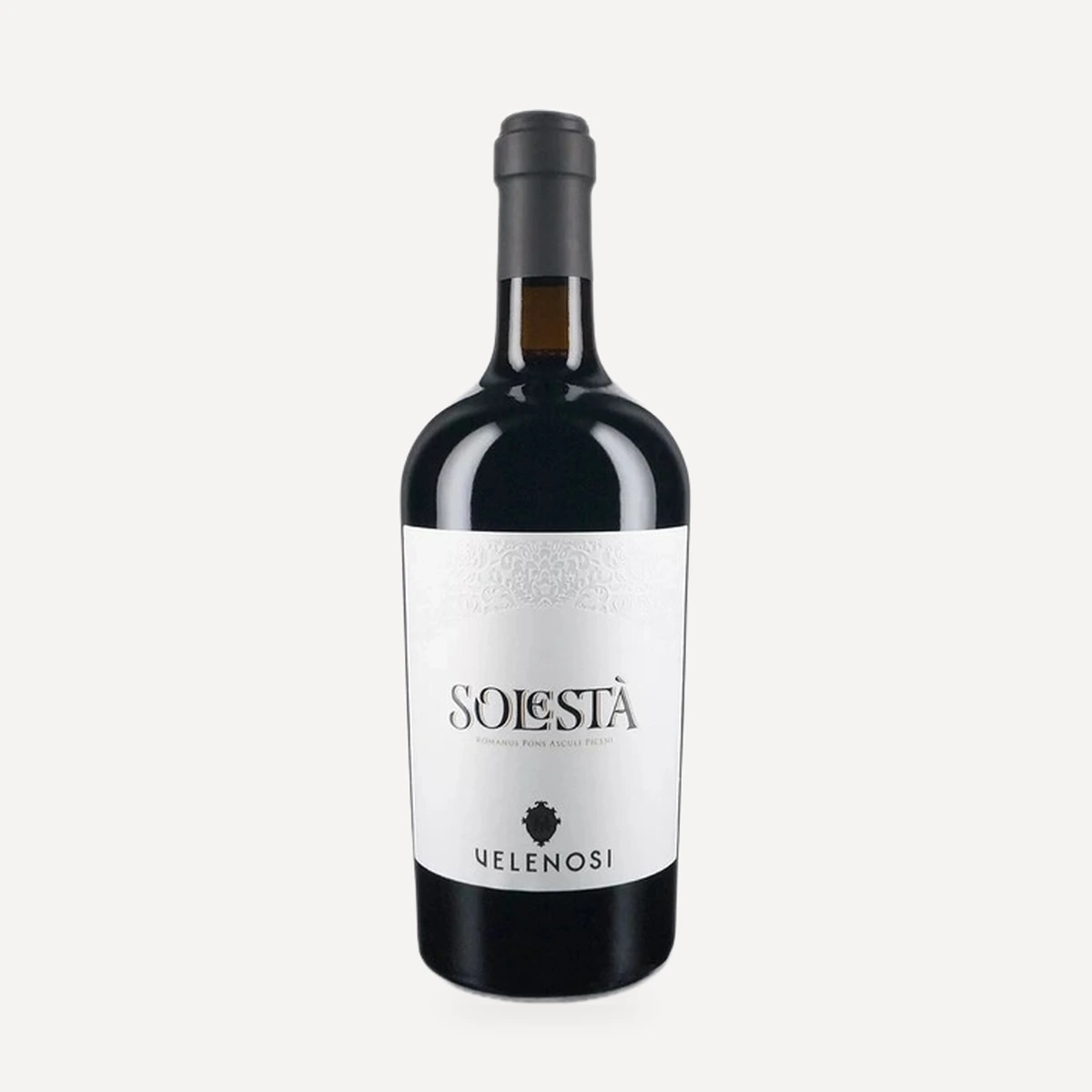
Solesta Rosso Piceno Superiore DOC
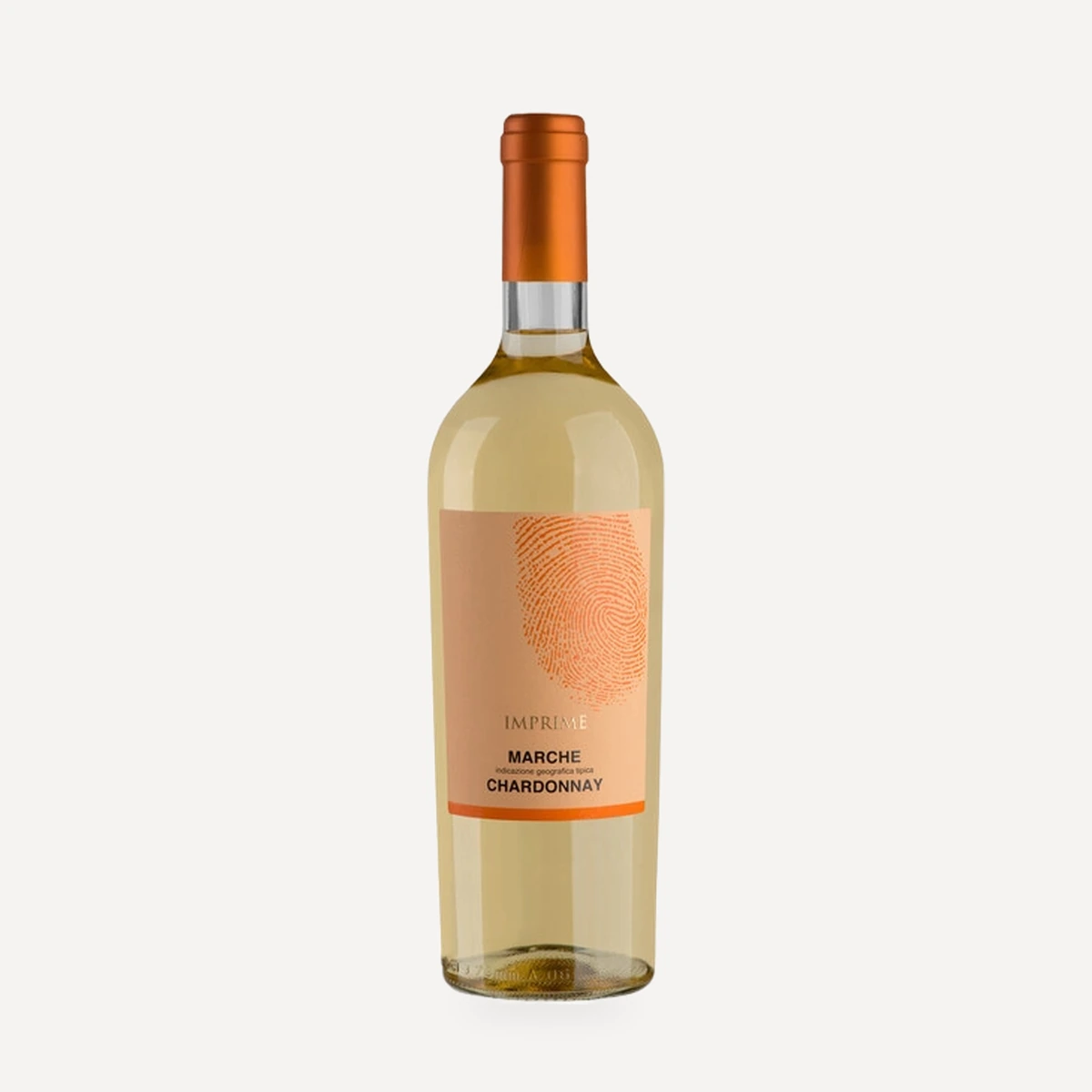
Imprime Chardonnay Marche IGT