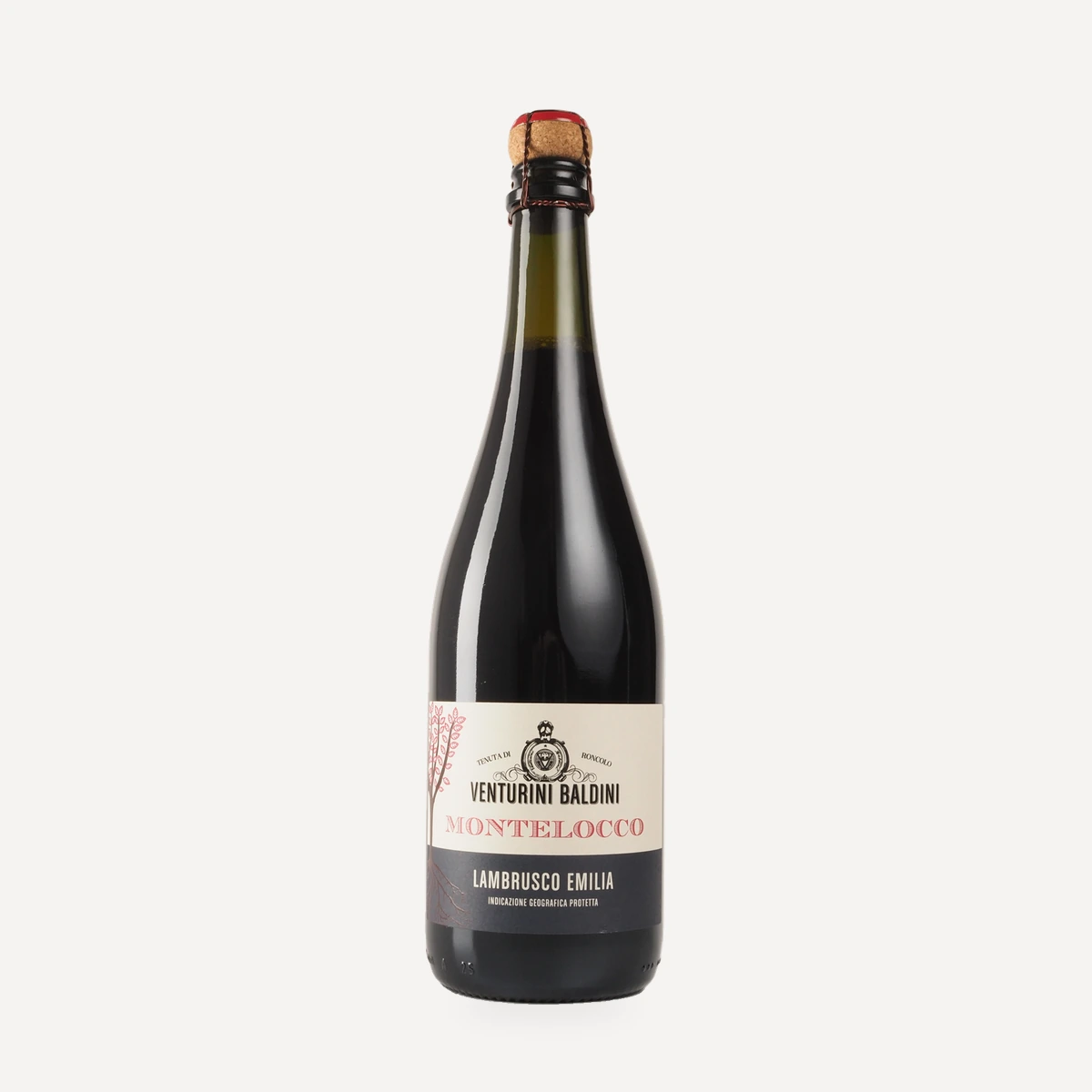
Storia
The historic estate
The estate occupies historic land in the Matildic hills, on the Apennine foothills between Parma and Reggio Emilia. Its origins are traced to the 16th century, while the present Villa Manodori was built in the early 16th century on foundations associated with the Matildic period.
A succession of noble families lived at the estate: the Marquises Fontanelli, the Counts Galliani and the Counts Ancini, followed in the 19th century by Marquis Manodori, whose name survives in Villa Manodori and in one of the wine ranges.
A vinegar cellar was established in the upper part of the property during the 17th century. Created for the private use of the counts and marquises who owned the estate, it accumulated a collection of small wooden barrels, some of which date to that century.
1976: the wine estate begins
Venturini Baldini was founded as an agricultural and wine estate in 1976, when the Venturini Baldini family began producing wine at Roncolo. From its early years, the project combined Emilian wine traditions with experimentation and a close alignment between production and the natural environment. Organic cultivation was adopted at an early stage, and the property became one of the first organically certified estates in Emilia-Romagna.
The winery subsequently developed sparkling wines alongside Lambrusco and other local expressions. Metodo Classico production is presented as part of the estate's identity from 1996.
2015: the Prestia family
The Prestia family acquired the estate in 2015 and relaunched the historic Reggio Emilia brand with the assistance of oenologist Carlo Ferrini. The new ownership retained the organic direction while placing renewed emphasis on estate-grown fruit, control of the production chain, native varieties and a combination of regional tradition and contemporary vinification.
Commercial balsamic-vinegar production also began after the 2015 acquisition. The historic family acetaia, formerly reserved for the estate's aristocratic owners, became Acetaia di Canossa and was later incorporated into the Relais Roncolo 1888 as a museum open by appointment.
The contemporary project
Venturini is now managed by the Prestia family as part of Tenuta di Roncolo Società Agricola Srl Società Benefit. Its wine project encompasses Lambrusco, Metodo Classico and revived local grapes such as Malbo Gentile, Spergola and Lambrusco Montericco. Wine, balsamic vinegar, hospitality, gastronomy, tastings and events are integrated within the historic estate.
Terroir
Venturini lies at Roncolo di Quattro Castella in the province of Reggio Emilia, on the Apennine foothills and the historic Matildic hills between Parma and Reggio Emilia. The property rises to approximately 370 metres above sea level. Most vineyard rows occupy hilly ground between 300 and 400 metres, with southeast and southwest exposures.
The soils are described as clay and sand. The elevated foothill position gives the vines favourable exposure: sunlight breaks through winter fog, while the estate's vegetation moderates summer heat. Woods, pastures, meadows and lakes surround the approximately 30 hectares under vine, creating a much larger, biodiverse agricultural landscape rather than a continuous vineyard monoculture.
Vinificazione
Venturini was among the first estates in Emilia-Romagna to obtain organic certification. Organic production is treated as a long-term commitment to the land and its ecosystem rather than as an isolated cellar or marketing measure.
All vineyard operations and harvesting are manual. Grapes are selected by the estate's team of oenologists and consultants, while yields are deliberately limited to protect the vines and concentrate grape quality. General vineyard information gives an average target of about 8 tonnes per hectare, while the Italian identity text defines a ceiling of 100 quintals, or 10 tonnes, per hectare.
Only estate fruit is used, and an internal team follows the chain from vineyard cultivation through grape processing and winemaking. The limited vineyard footprint within a much larger property preserves woods, meadows, pastures and lakes, supporting biodiversity and an established natural balance.
Organic farming is also presented as a means of improving resilience under increasingly extreme weather associated with climate change. The sustainability program extends beyond cultivation to eliminating plastic and considering environmental criteria when choosing business partners.
Winemaking begins with manually harvested estate grapes. An internal team manages the chain from vineyard work and grape processing through vinification, secondary fermentation and bottling, while oenologists and consultants select the fruit.
The production philosophy combines established Emilian methods with experimentation. Lambrusco and other sparkling wines form the core of the project, with both Charmat and bottle-fermented Metodo Classico represented in the range. Metodo Classico has been part of the estate's identity since 1996. The T.E.R.S. project broadens the approach through different traditional and innovative methods applied to historic native varieties, including Malbo Gentile, Spergola and Lambrusco Montericco.
The emphasis is on a short, estate-controlled supply chain, organic fruit, the recovery of local grapes and techniques selected to express the diversity of Emilia rather than imposing a single production method across the portfolio.
Filosofia
Venturini's philosophy rests on three connected principles: respect for nature and its ecosystem, a strong attachment to Emilian territory and tradition, and a willingness to innovate. Wine is treated as both an agricultural product and an expression of the people making it.
The estate gives particular importance to short supply chains, historical continuity and experimentation. Its native-variety project seeks to recover Malbo Gentile, Spergola and Lambrusco Montericco, preserve their regional tradition and reveal their qualities through methods that may be innovative in the local context.
Organic farming expresses an ethical responsibility toward both the land and people. That commitment extends from vineyard cultivation to biodiversity, adaptation to more extreme weather, reduction of plastic and the selection of commercial partners. The intended result is a range capable of representing the diversity of Emilia while maintaining control from the vineyard to the finished bottle.
Vini
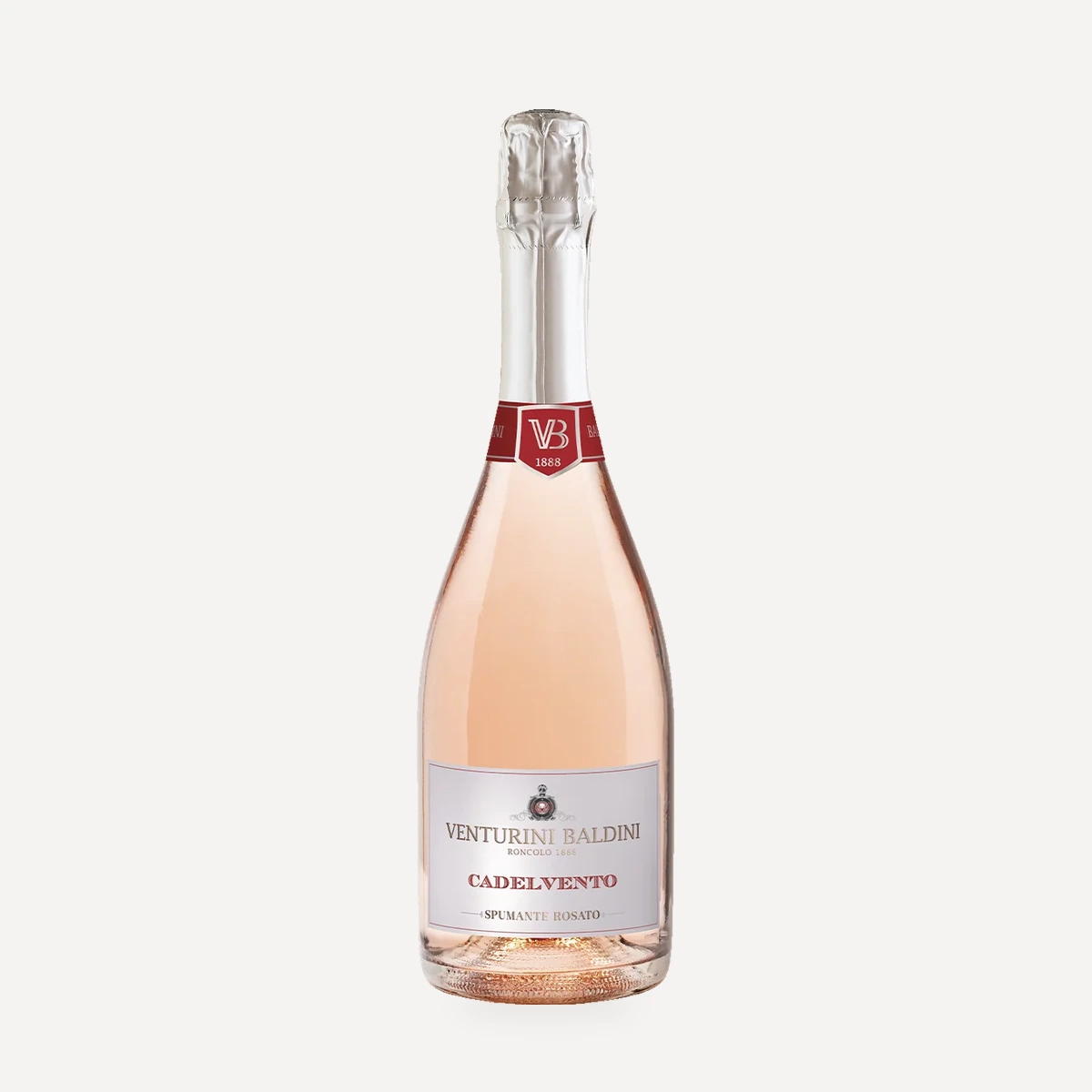
Cadelvento Rosé
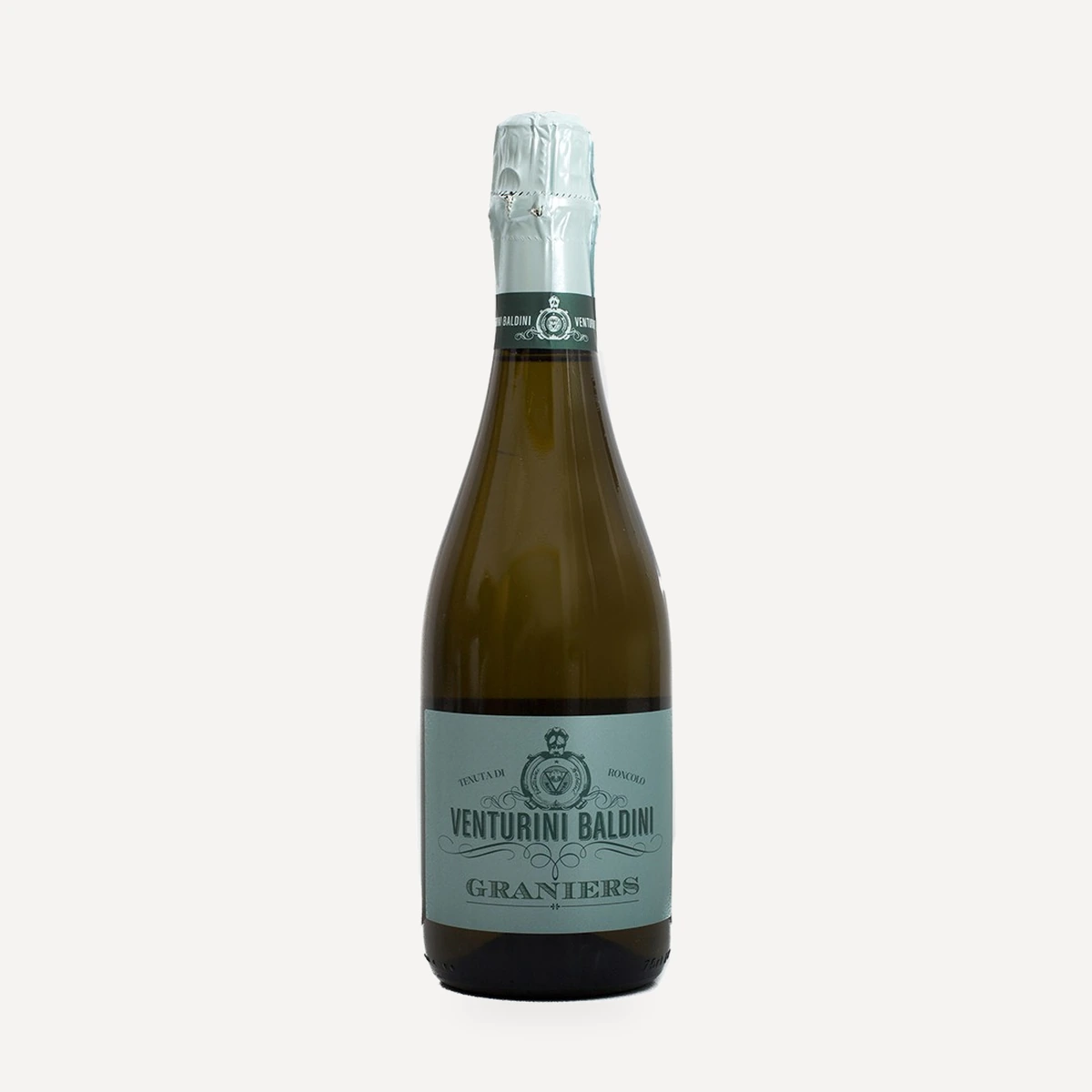
Granieris
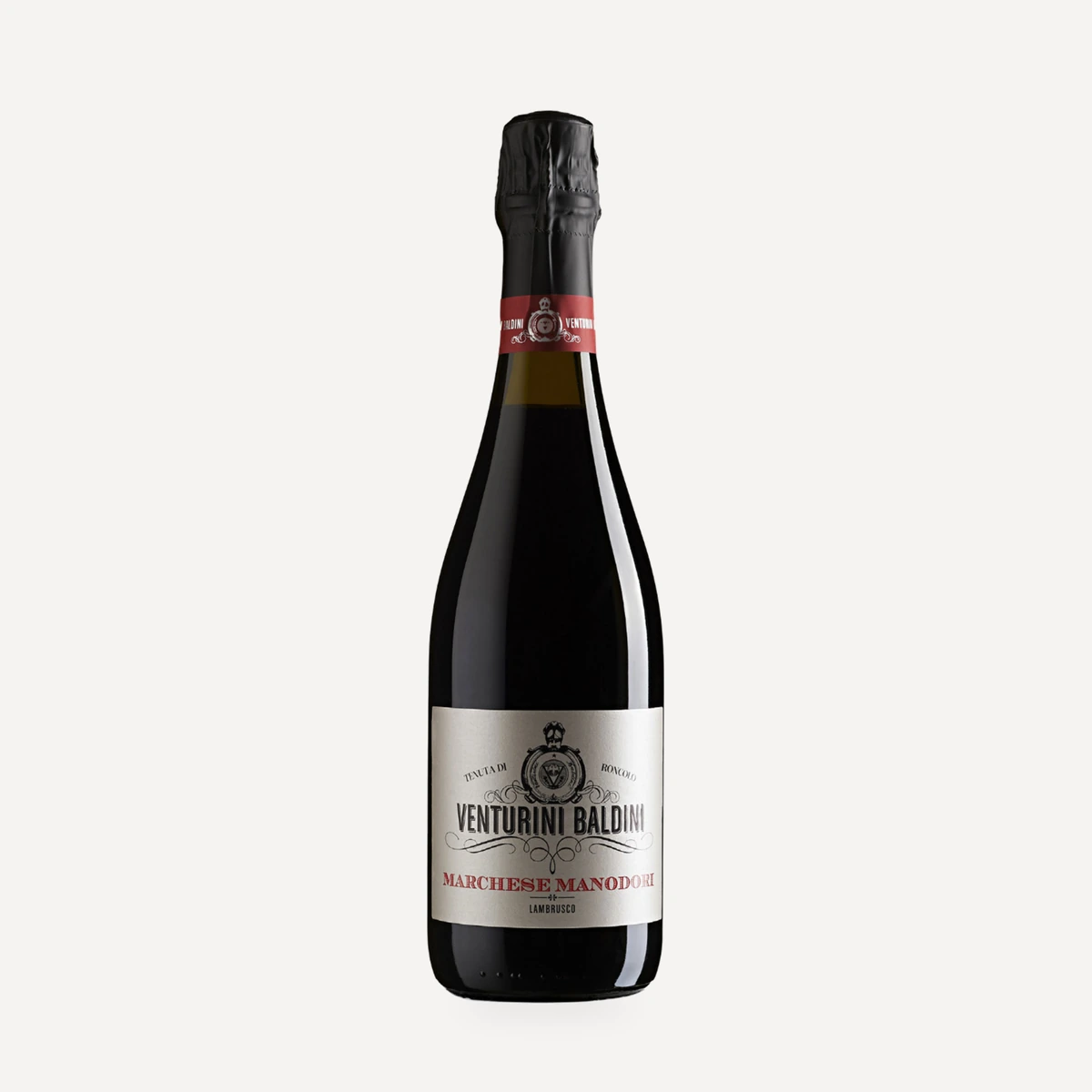
Marchese Manodori
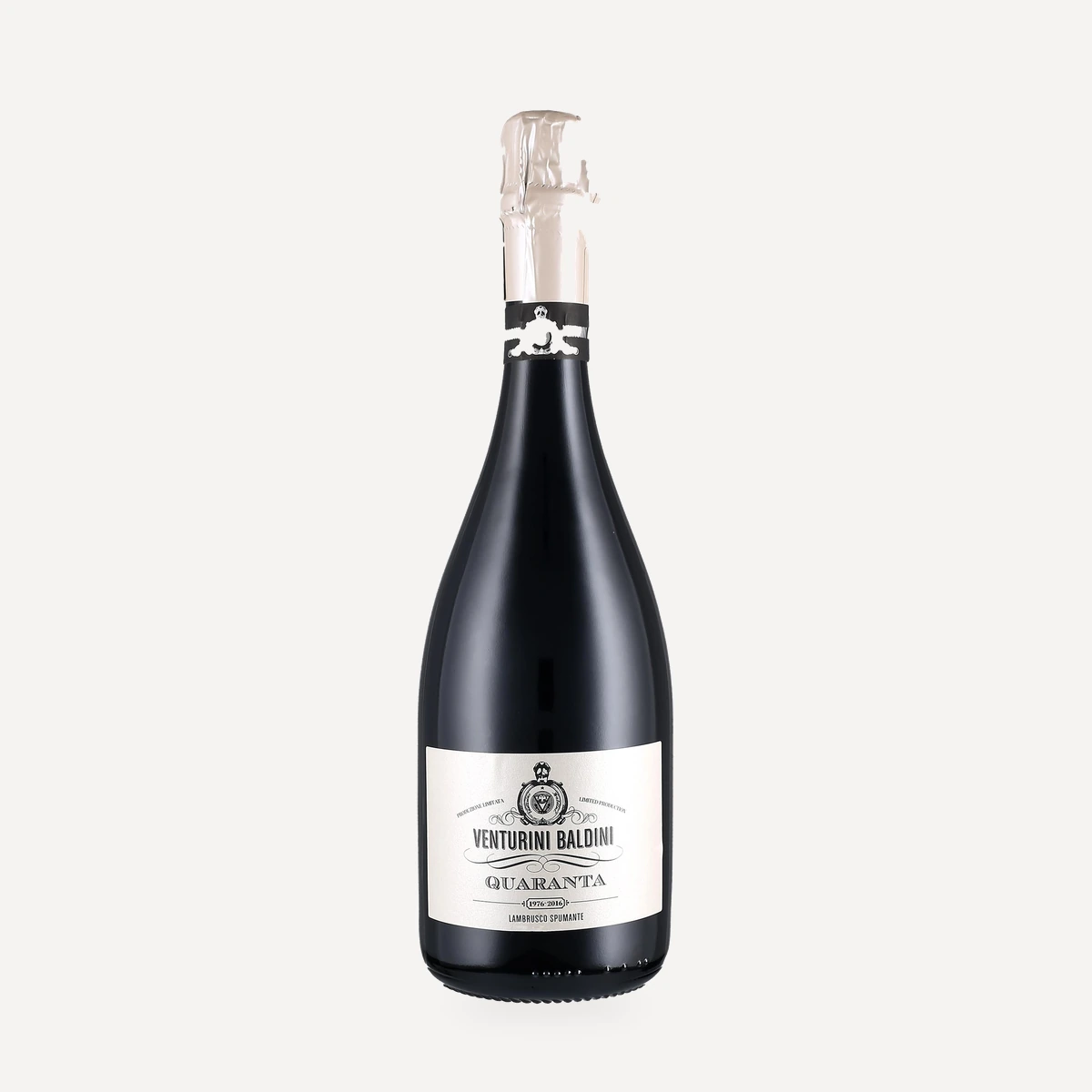
Quaranta
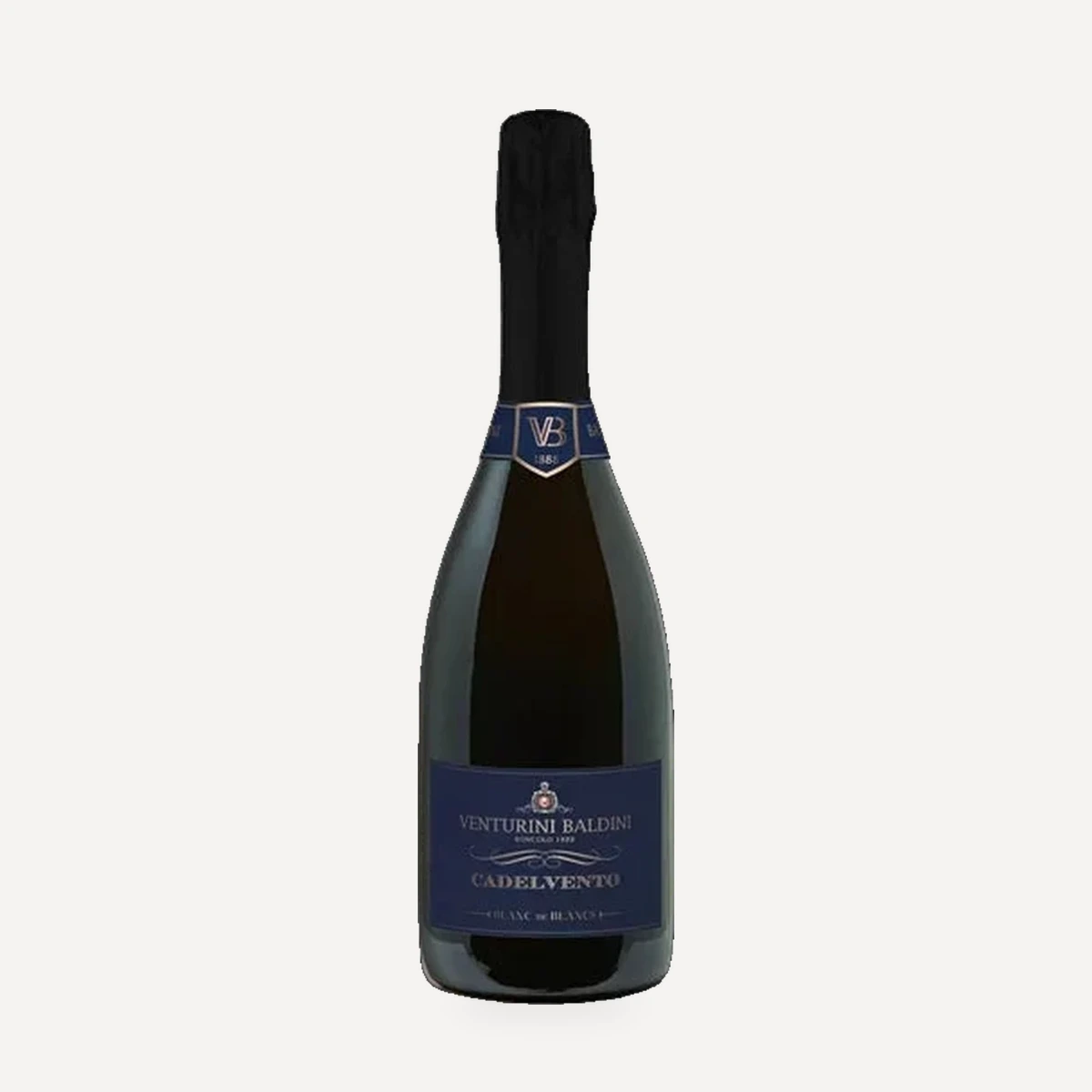
Cadelvento Blanc de Blancs
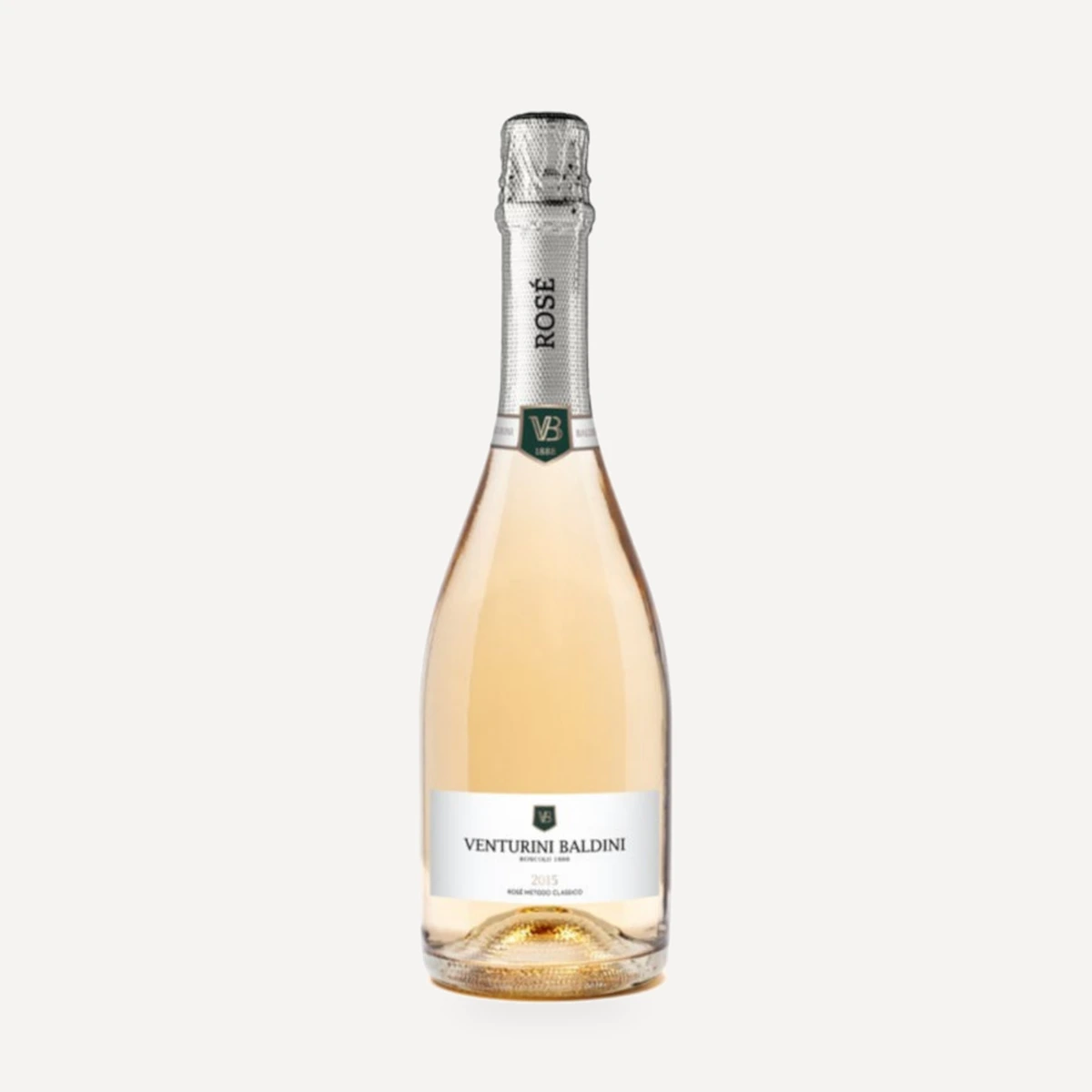
Metodo Classico Extra Brut Rosé 30 Mesi