Storia
Foundation and the first landmark wines
Lucio Gomiero founded Vignalta in 1980. From its beginnings, the estate pursued quality through high-density plantings on the higher slopes of the Colli Euganei and through unusually meticulous, ambitious vinification for the area at that time. Its vineyard holdings were progressively assembled across different terroirs from the southern to the northern parts of the hills.
The first major releases followed in close succession. In 1987 Vignalta produced Alpianæ, a passito made from Moscato Fior d’Arancio. Gemola followed in 1988: a Colli Euganei Rosso matured in small oak barrels. In 1990 the estate introduced Sirio, described as the first dry Moscato of the Colli Euganei. Cabernet Riserva 1990 subsequently became the first wine from the Colli Euganei to receive Gambero Rosso’s Tre Bicchieri distinction.
The Arquà Petrarca winery
Since 1994, fruit from the estate vineyards has been vinified in Vignalta’s modern winery at Arquà Petrarca. The building is completely excavated into rock. Its nearly constant temperature and humidity create stable conditions for maturation in wooden barrels.
At an unspecified later date, the company’s shareholder base expanded with the arrival of the Guzzo and Salvagnin families. Both are agricultural-entrepreneur families from the Padua area and became actively involved in wine and in the Colli Euganei production zone.
Recognition and hospitality development
By 2017 the estate had accumulated distinctions for both individual wines and the winery as a whole. The latter included the Tastevin AIS for Veneto, the Slow Wine Bottiglia award for the consistently high average quality of the range, the Ecofriendly 2017 award for environmental stewardship, and the GourmArte titles Maestro del Gusto and Testimone d’Eccellenza 2017.
In January 2018, Vignalta announced the transfer of its Wine Store from Villa Vescovi to the Arquà Petrarca winery. The new tasting room was integrated into the production site and offered views over the vineyards, access to the rock-cut barrel cellar and the full product range. Further expansion work was under way at the winery in May 2018. An online wineshop opened in December 2020.
Sustainability and visitor infrastructure
Vignalta was among the early Italian wineries to install a photovoltaic system and now produces a substantial share of the electricity it uses. A PNRR-supported project announced in January 2026 added visitor, digital and environmental equipment: a 75-inch presentation monitor for the tasting room, a computer for visitor presentations, technical wine brochures, a low-consumption packaging printer, heat-pump heating and cooling for visitor areas and offices, and an electric van for wine transport.
Terroir
Colli Euganei setting
Vignalta’s vineyards extend through the Colli Euganei, from southern to northern sectors of the hills. The landscape rises abruptly from the flat Po Valley and is fragmented into hundreds of small hill formations, each with its own soils, flora and viticultural identity. The area is now protected as a Regional Park.
The climate is mild and Mediterranean in character on south- and southeast-facing slopes. Good differences between daytime and nighttime temperatures accompany the generally temperate conditions.
Geological origins and soils
The hills emerged approximately 30 million years ago through magmatic activity beneath the sea that then covered the Po Valley. This produced two principal geological forms.
Volcanic cones originated from lava rising through the seabed. They have steep profiles, reach elevations of up to 600 metres and carry loose soils formed by the breakdown of lava rock, generally supporting lush vegetation. Monte Gemola is a principal expression of this volcanic terrain.
The limestone hills were created when magma raised the seabed without producing the same conical form. They have gentler profiles and lower elevations, with dry, lean ground covered by calcareous marl and limestone flakes. Arquà Petrarca is a key sedimentary, limestone-flake terroir.
This geological contrast is central to Vignalta’s site selection. The estate compares the volcanic Monte Gemola vineyards with the limestone terrain of Arquà Petrarca through wines of similar composition and production but markedly different structure and sensory expression.
Vinificazione
Vignalta’s original quality strategy included high-density plantings on elevated hillsides. Site selection is treated as an evolving process: initial empirical observation is supported by geological maps, leaf analysis and analysis of wines from the different sites. The objective is to match each grape variety with the conditions in which it can express its character most clearly.
Vineyard management follows integrated pest-management principles. Monitoring stations are used to identify conditions favourable to fungal-disease incubation, and antiparasitic treatments are applied only when those conditions occur. The treatments are described as low-impact. The intended result is healthy, balanced fruit suitable for minimally interventionist vinification.
Across the individually described vineyard sources, vines range from approximately 6 to 30 years old. Planting densities run from 4,000 to 6,000 vines/ha and stated yields from 3 to 8 t/ha. Both Guyot and spur-pruned cordon systems are used according to site and variety. Selected Pinot Bianco, Moscato Fior d’Arancio, Incrocio Manzoni and Chardonnay bottlings are identified as organic-certified, while Carmenère is identified as organic wine; a certifying organization and certification dates are not given.
Cellar
Since 1994, estate-grown fruit has been vinified at the Arquà Petrarca winery. The cellar is completely excavated into rock. Its nearly constant temperature and humidity provide naturally stable conditions for maturation in wooden barrels.
Production approach
Vinification is deliberately minimalist. Every stage is directed toward retaining the aromas and flavours present in the harvested grapes and preserving the identity of the vineyard source. Modern oenological techniques are combined with the estate’s established viticultural heritage rather than treated as a replacement for it.
The broader range demonstrates the cellar’s ability to work with stainless steel, wooden tonneaux and bottle fermentation. White wines may be fermented in stainless steel or oak tonneaux, while the red-wine programme makes extensive use of oak maturation. Traditional-method sparkling wine undergoes prolonged secondary fermentation in bottle; one cuvée is described with 60 months on the lees. The historic Gemola was already being matured in small oak barrels in 1988.
Filosofia
Vignalta defines wine as an expression of terroir. Its aim is to carry the harmony of each bunch’s aromas and flavours into the finished wine while revealing the different identities found across the Colli Euganei.
The approach begins with fruit quality in the vineyard. The estate seeks out contrasting cultivation zones and matches them with different varieties through continuing observation, sampling and scientific analysis. Monte Gemola and Arquà Petrarca embody this philosophy: similar blends and cellar work produce contrasting results because one source is volcanic and the other limestone-based.
In the cellar, technology is used with restraint and with the specific purpose of maintaining fruit integrity and site expression. Environmental responsibility forms another part of the operating philosophy, expressed through integrated pest management, low-impact treatments, photovoltaic electricity generation, heat-pump climate control and electric transport.
Vini
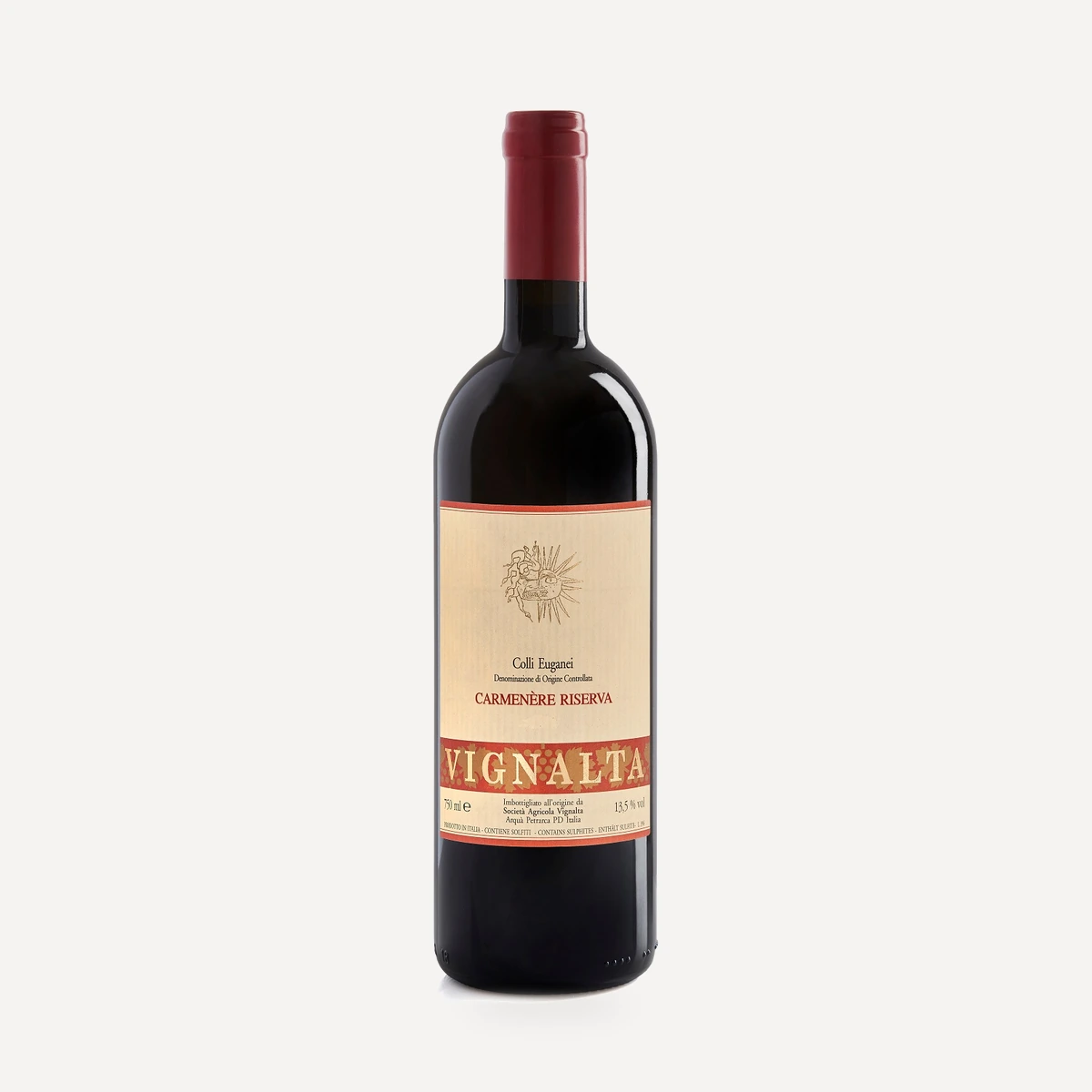
Carmenère Riserva Colli Euganei DOC
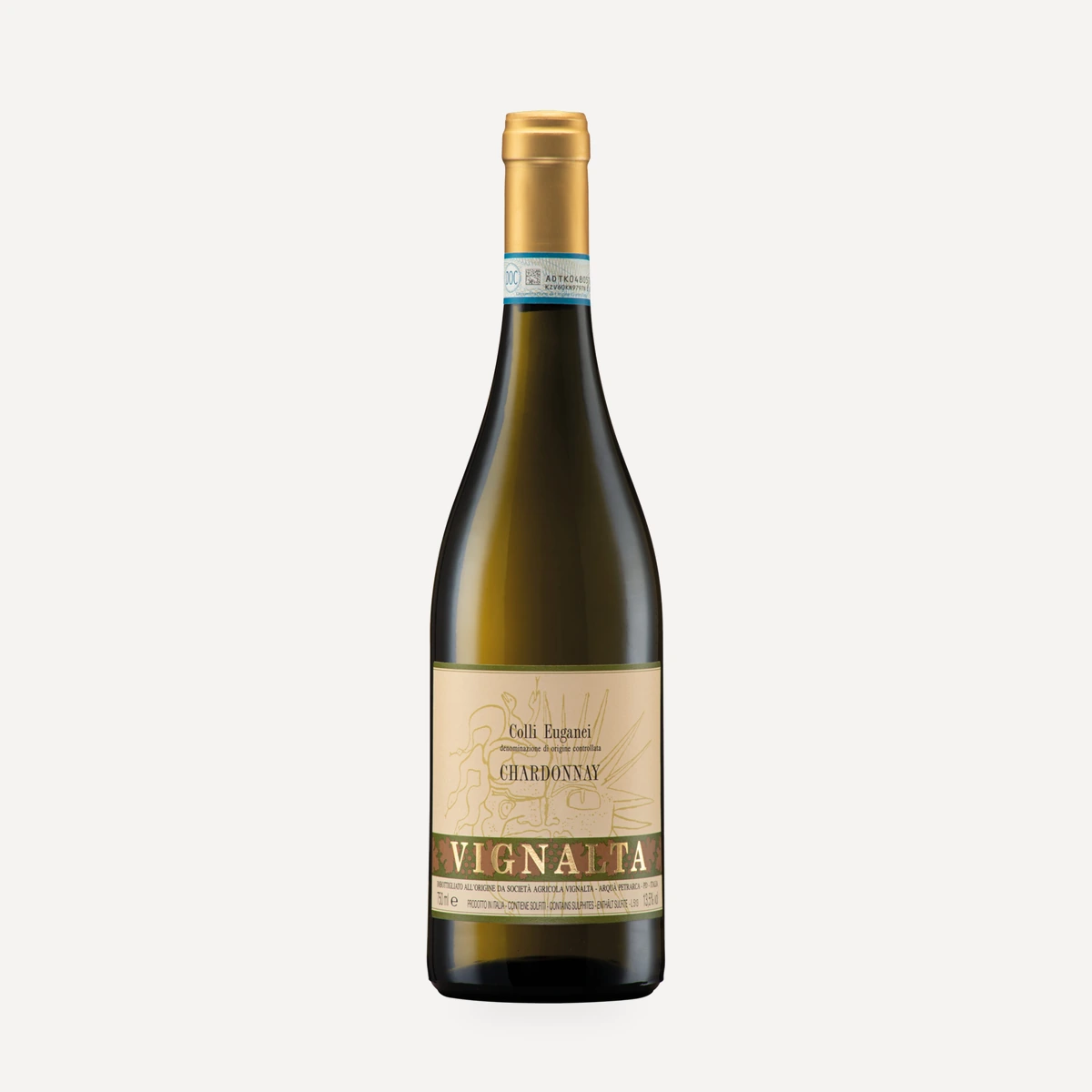
CHARDONNAY Colli Euganei DOC
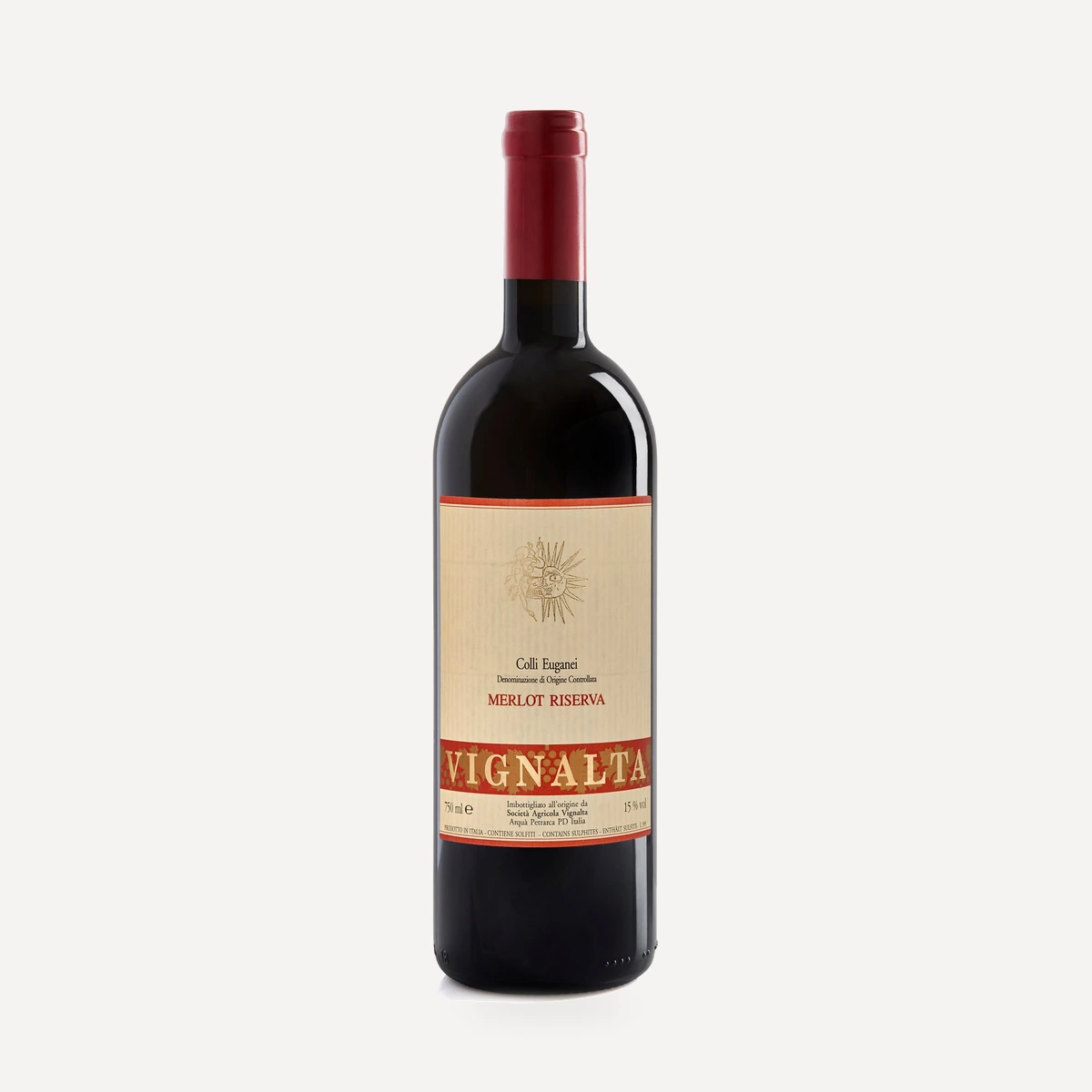
Merlot Riserva Colli Euganei DOC
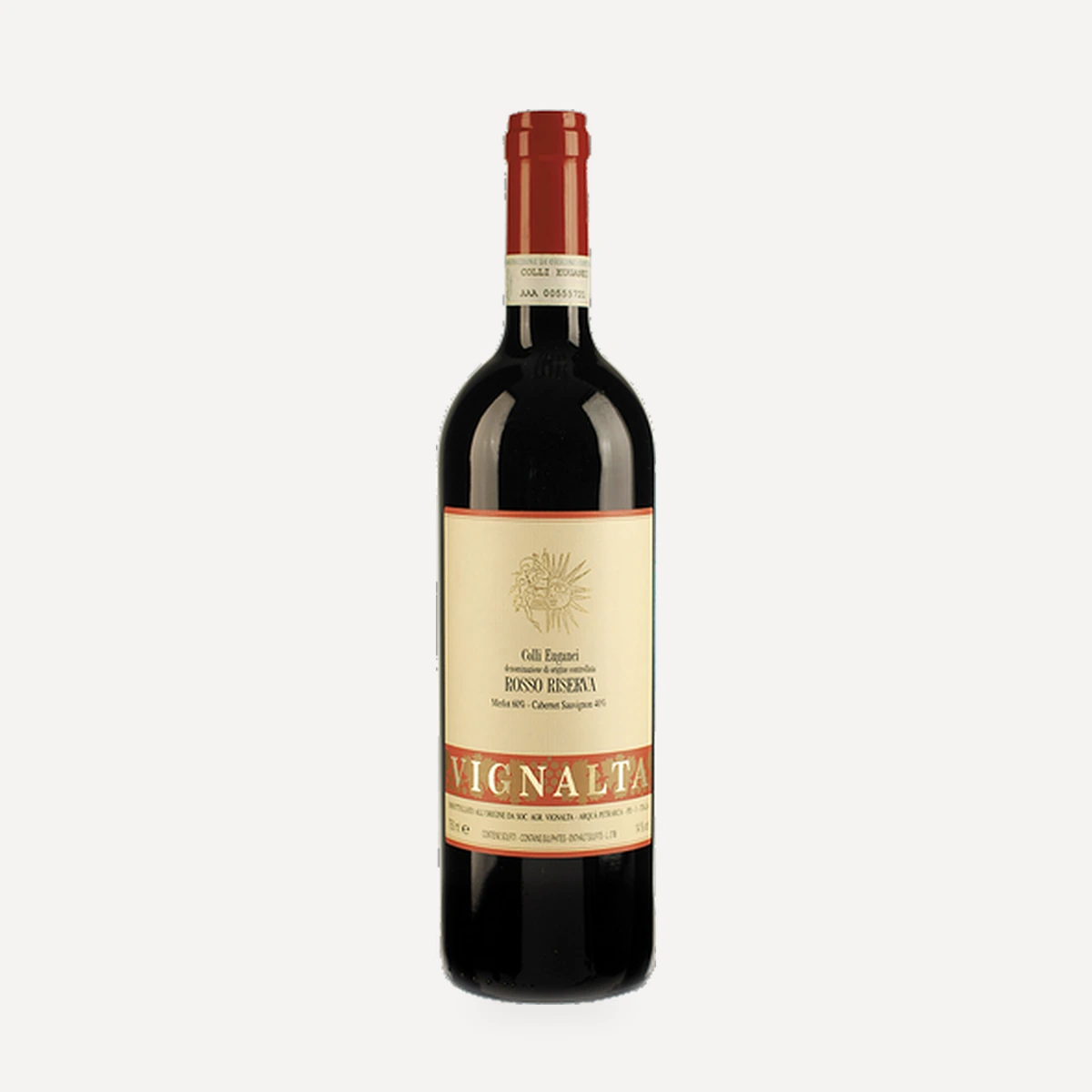
Rosso Riserva Colli Euganei DOC
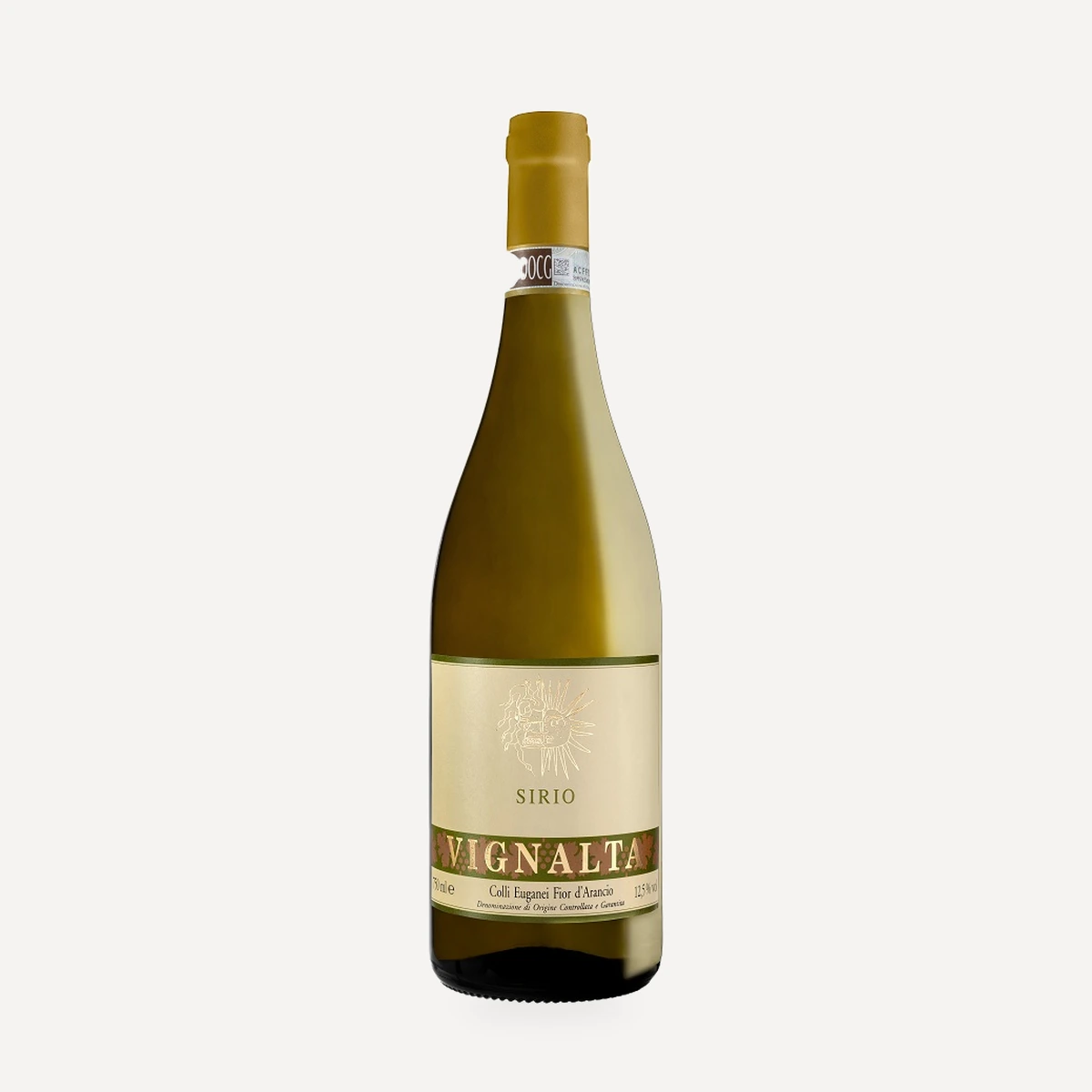
SIRIO Colli Euganei Fior D’Arancio DOCG
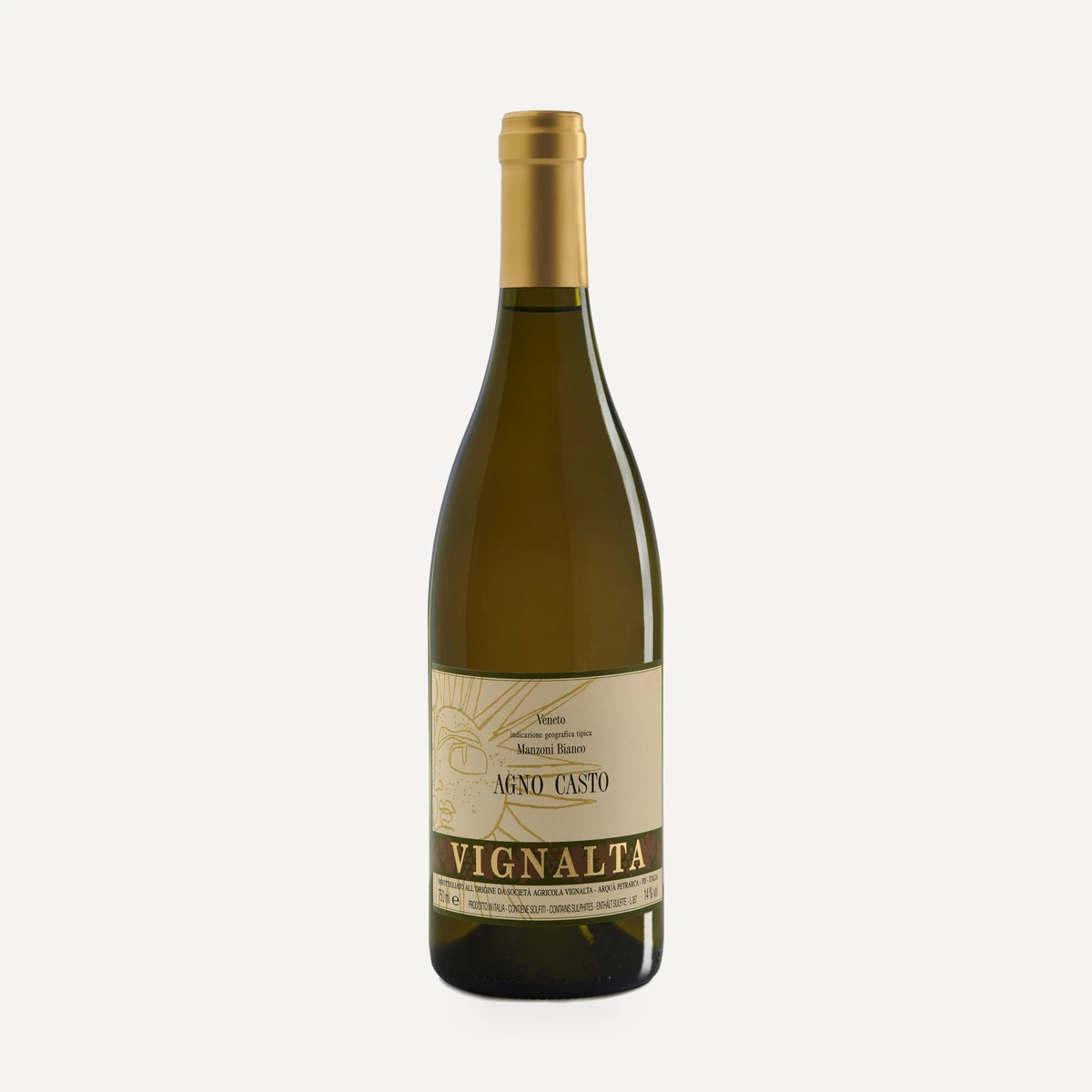
AGNO CASTO Colli Euganei Manzoni Bianco DOC
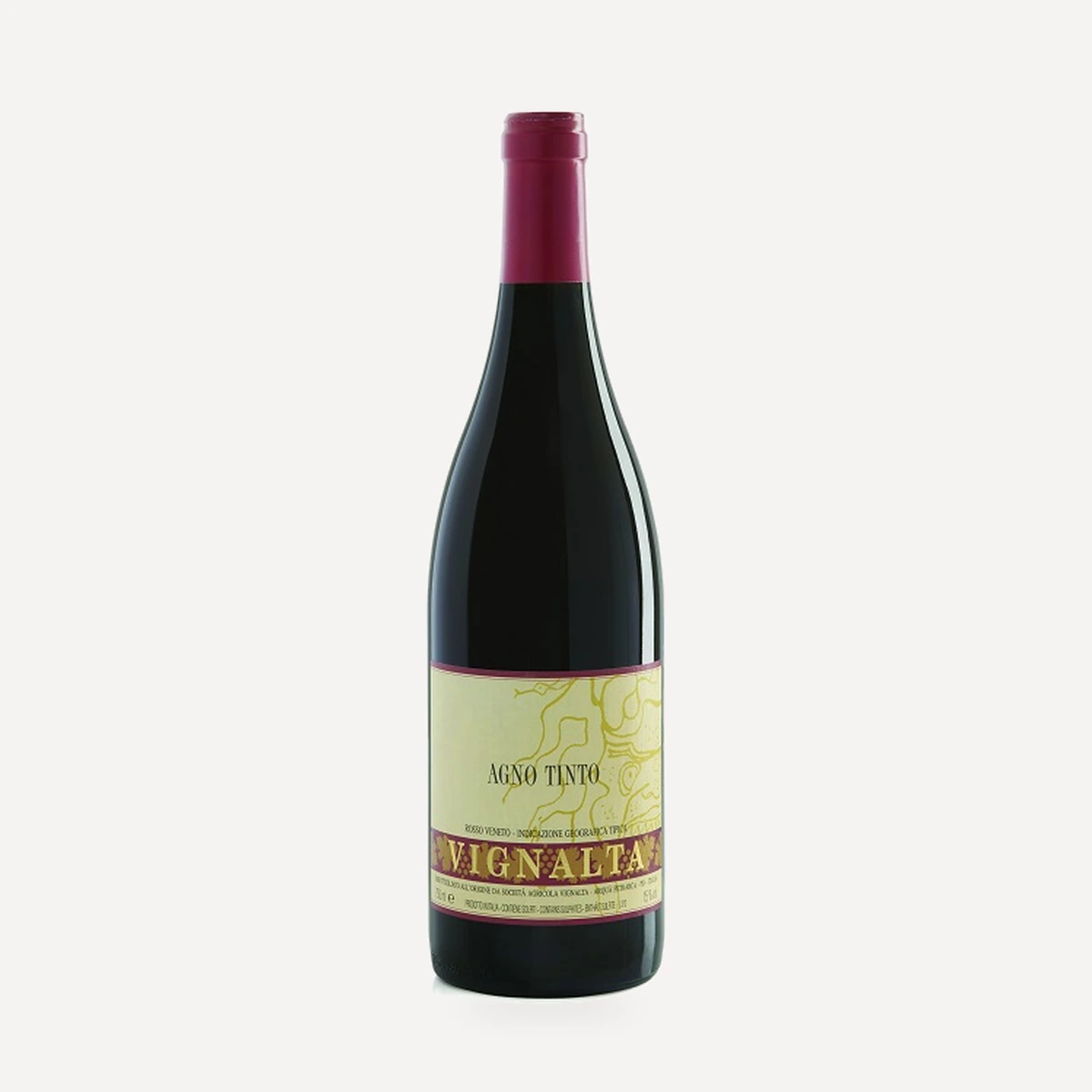
Agno Tinto Syrah Veneto IGT
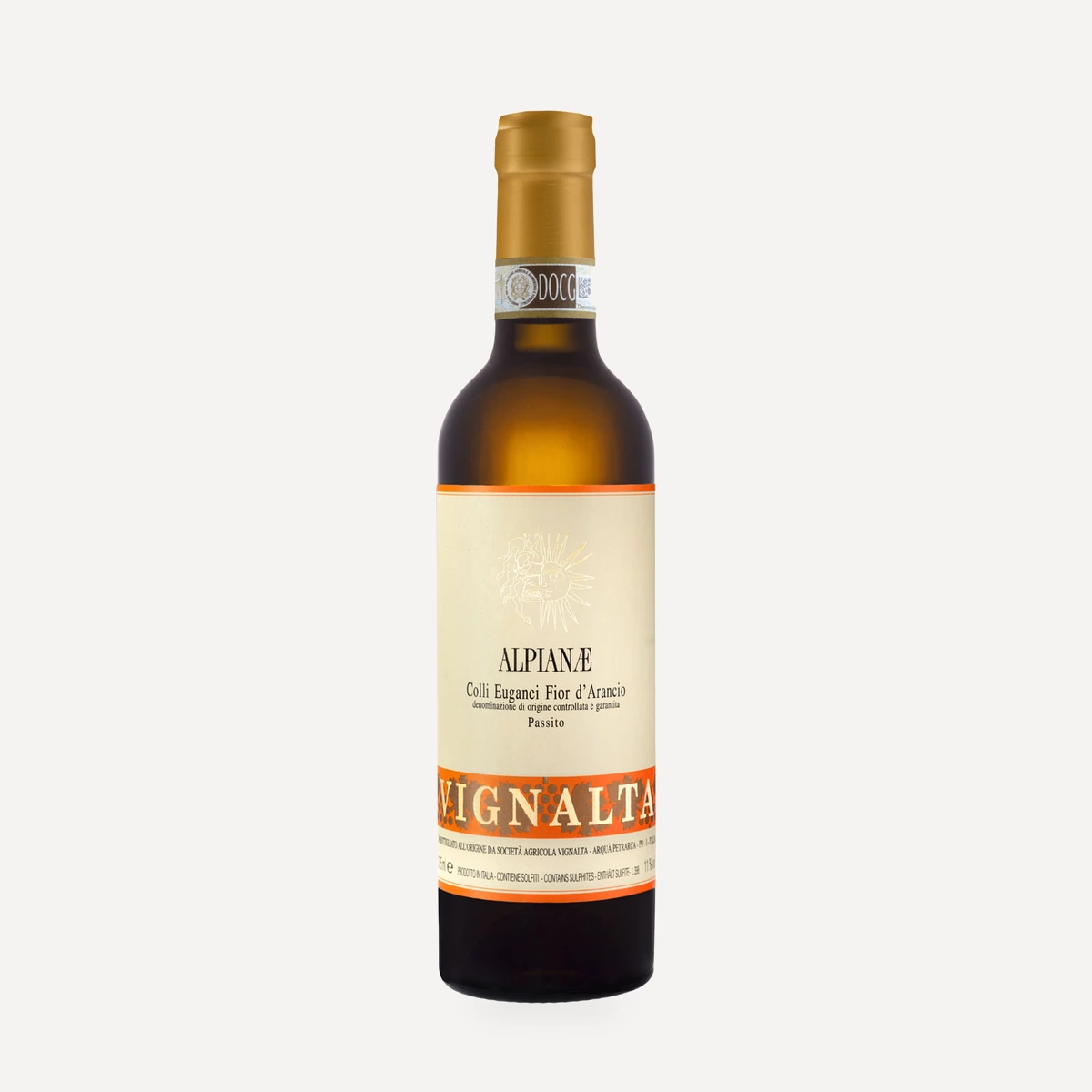
ALPIANÆ Colli Euganei Fior d’Arancio DOCG Passito
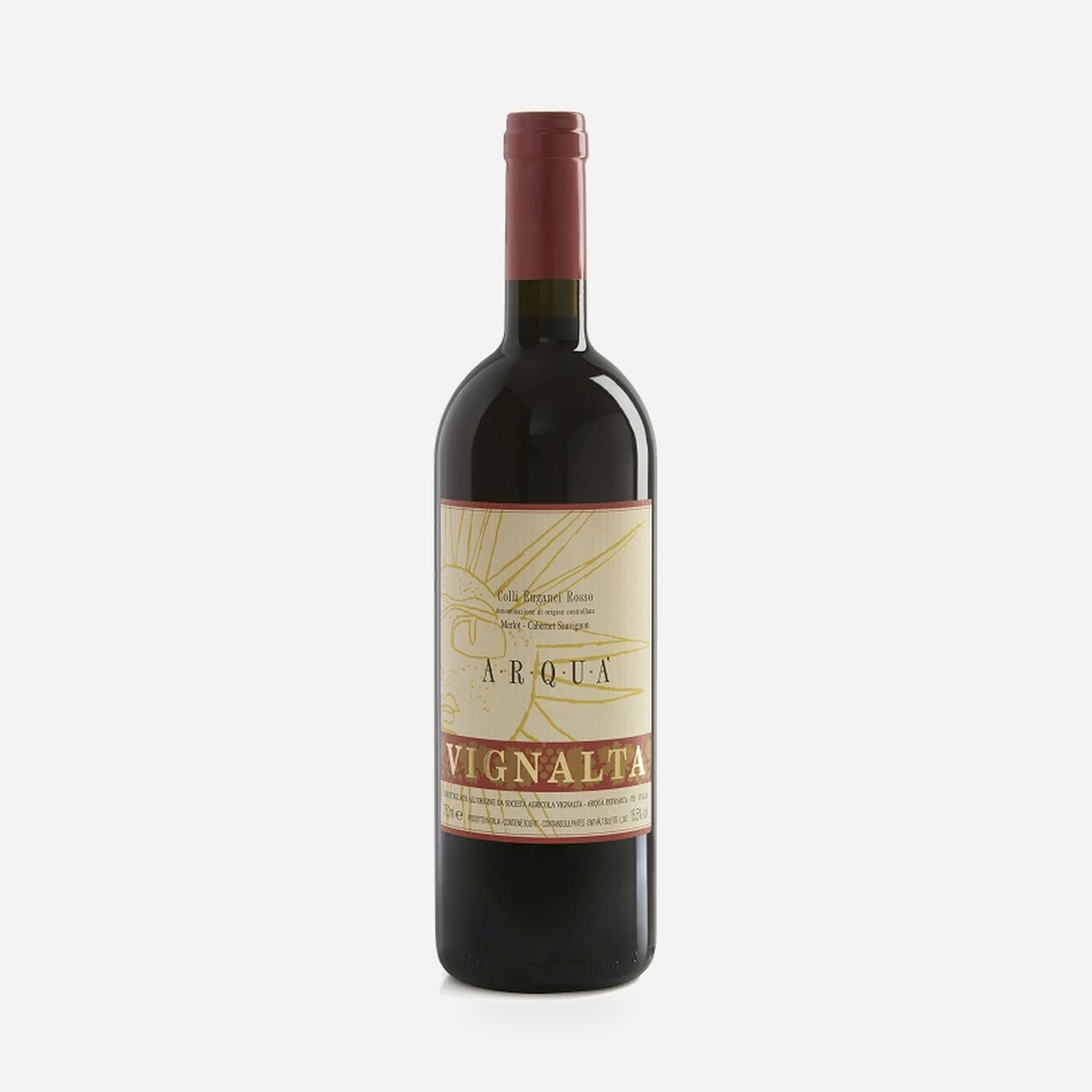
ARQUÀ Colli Euganei Rosso DOC
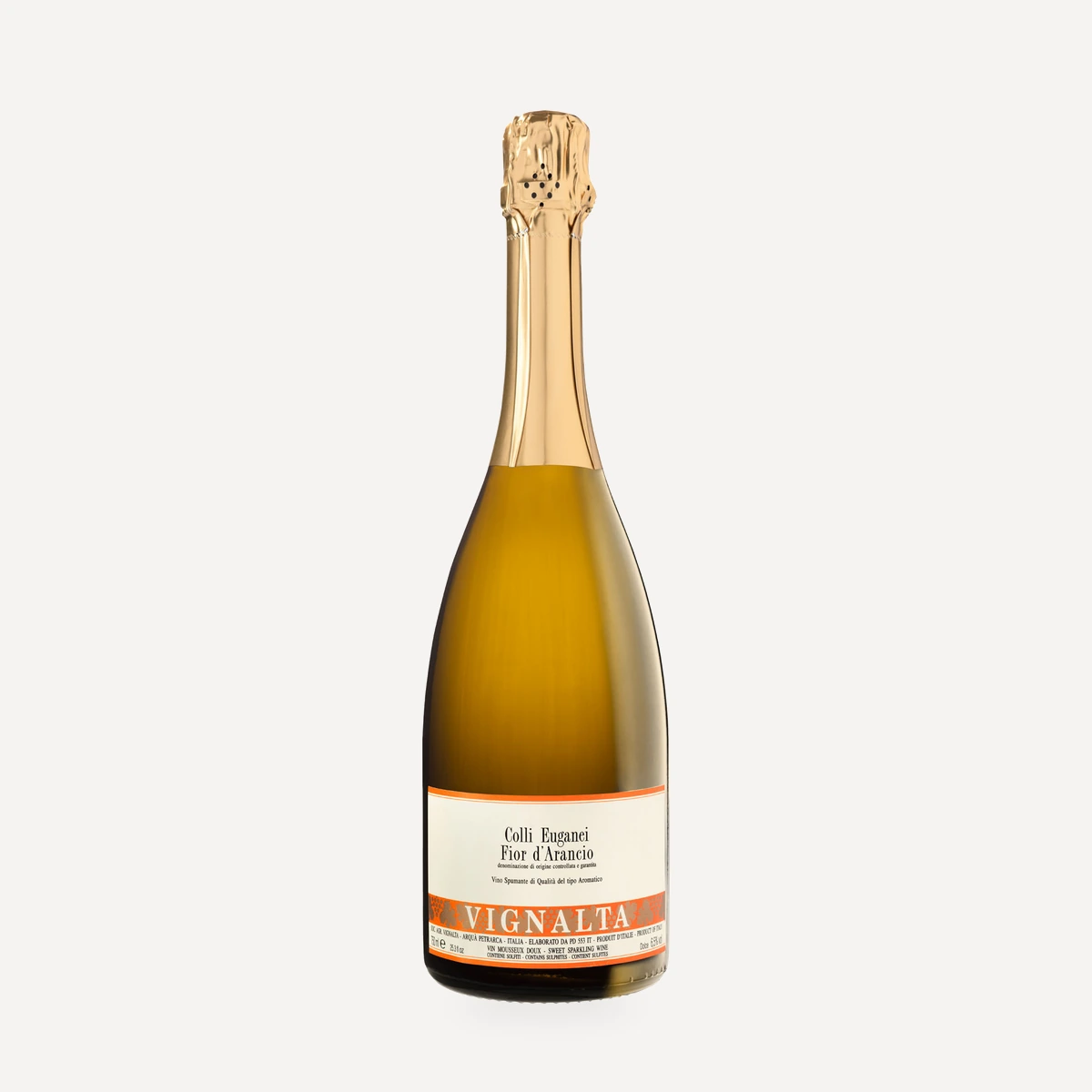
Colli Euganei Fior d’Arancio DOCG VSQA
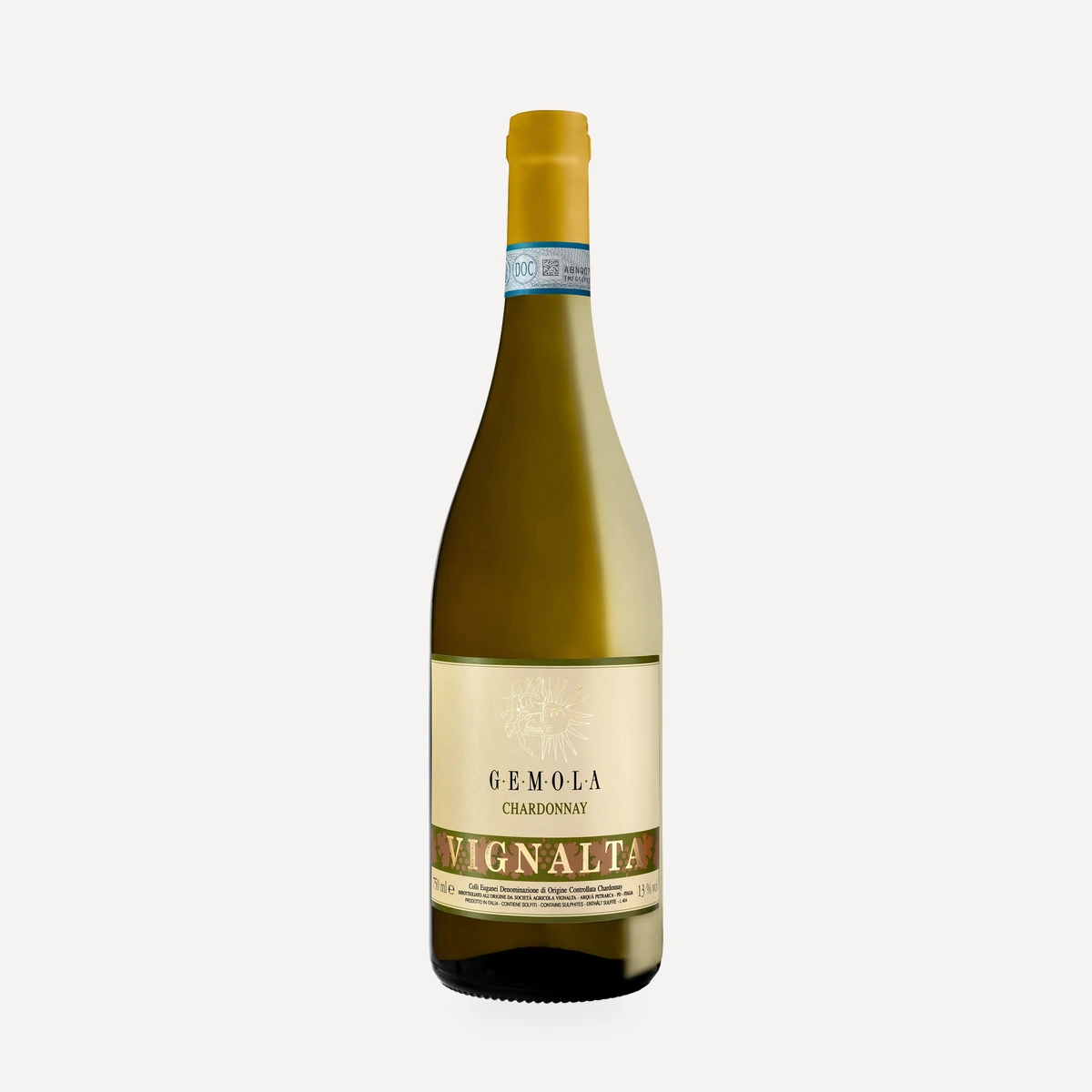
Gemola Chardonnay Colli Euganei DOC
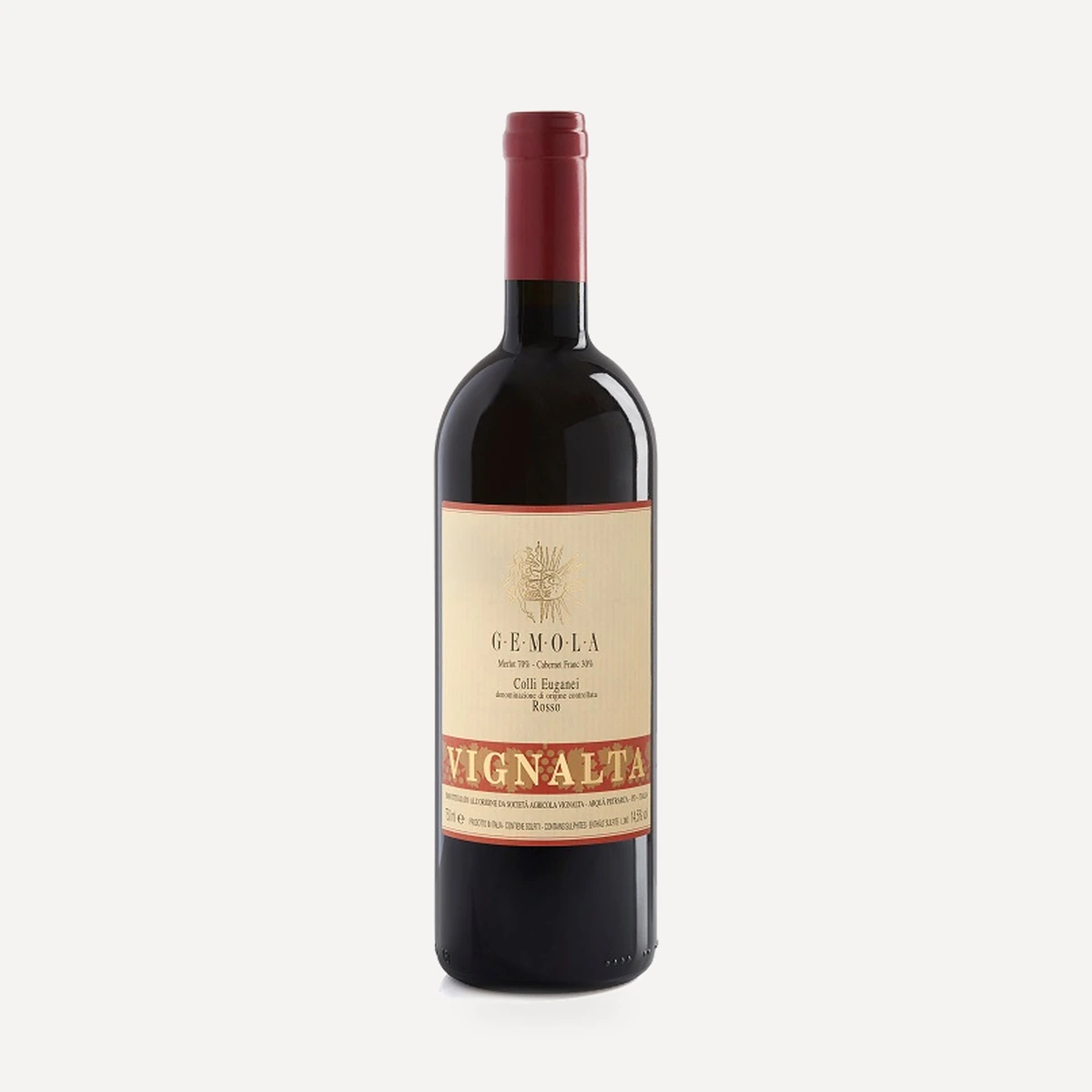
GEMOLA Colli Euganei Rosso DOC
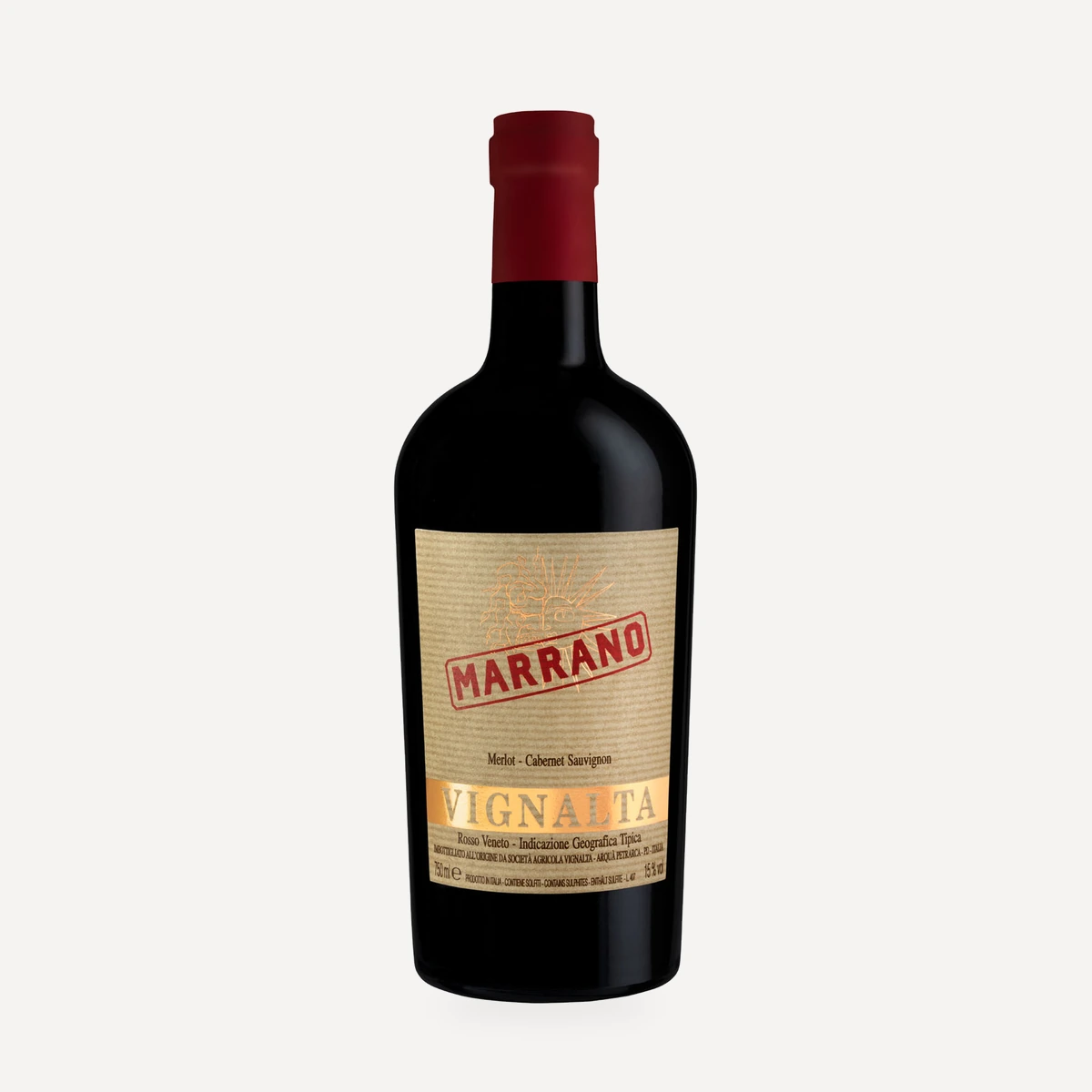
MARRANO Rosso Veneto IGT
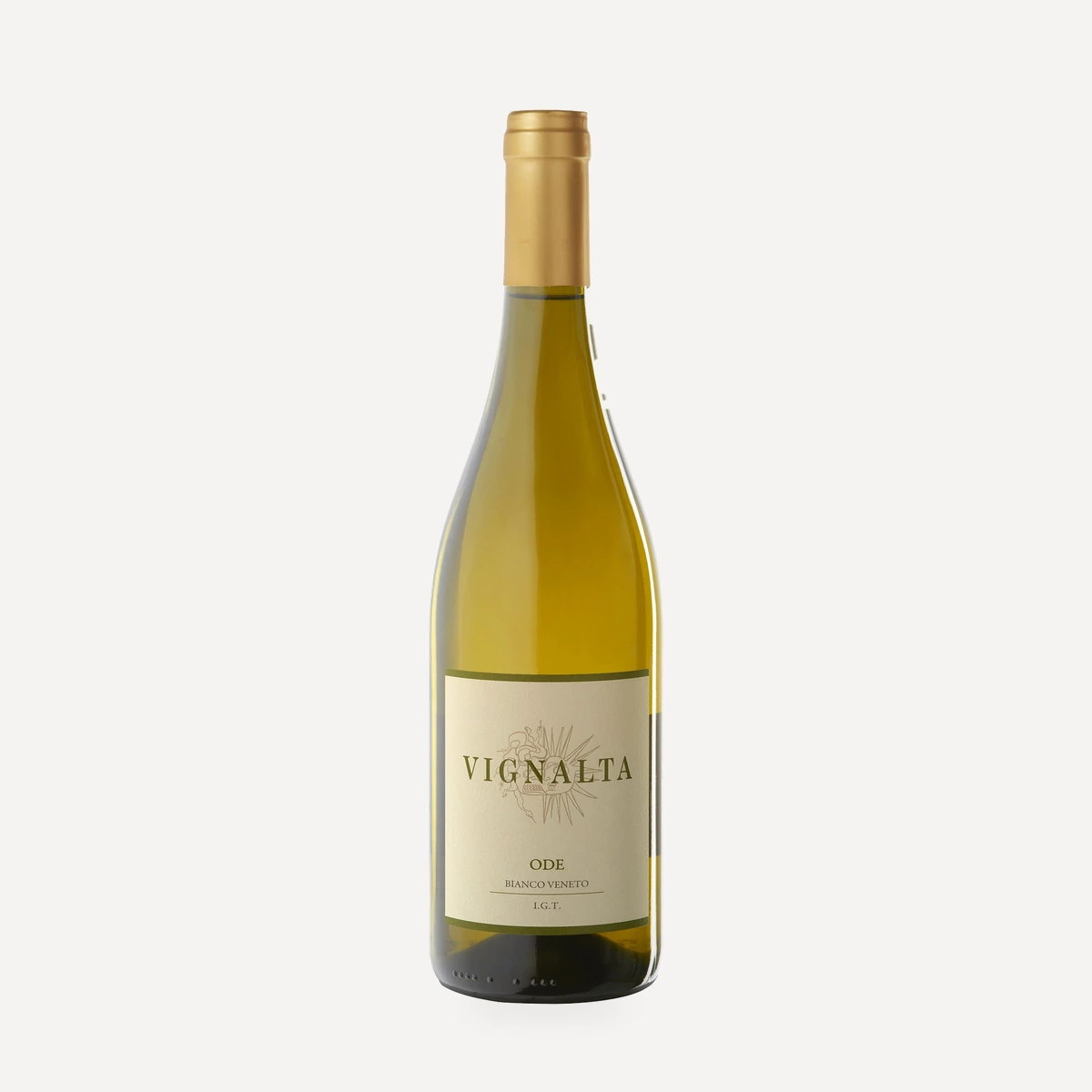
ODE BIANCO Veneto IGT
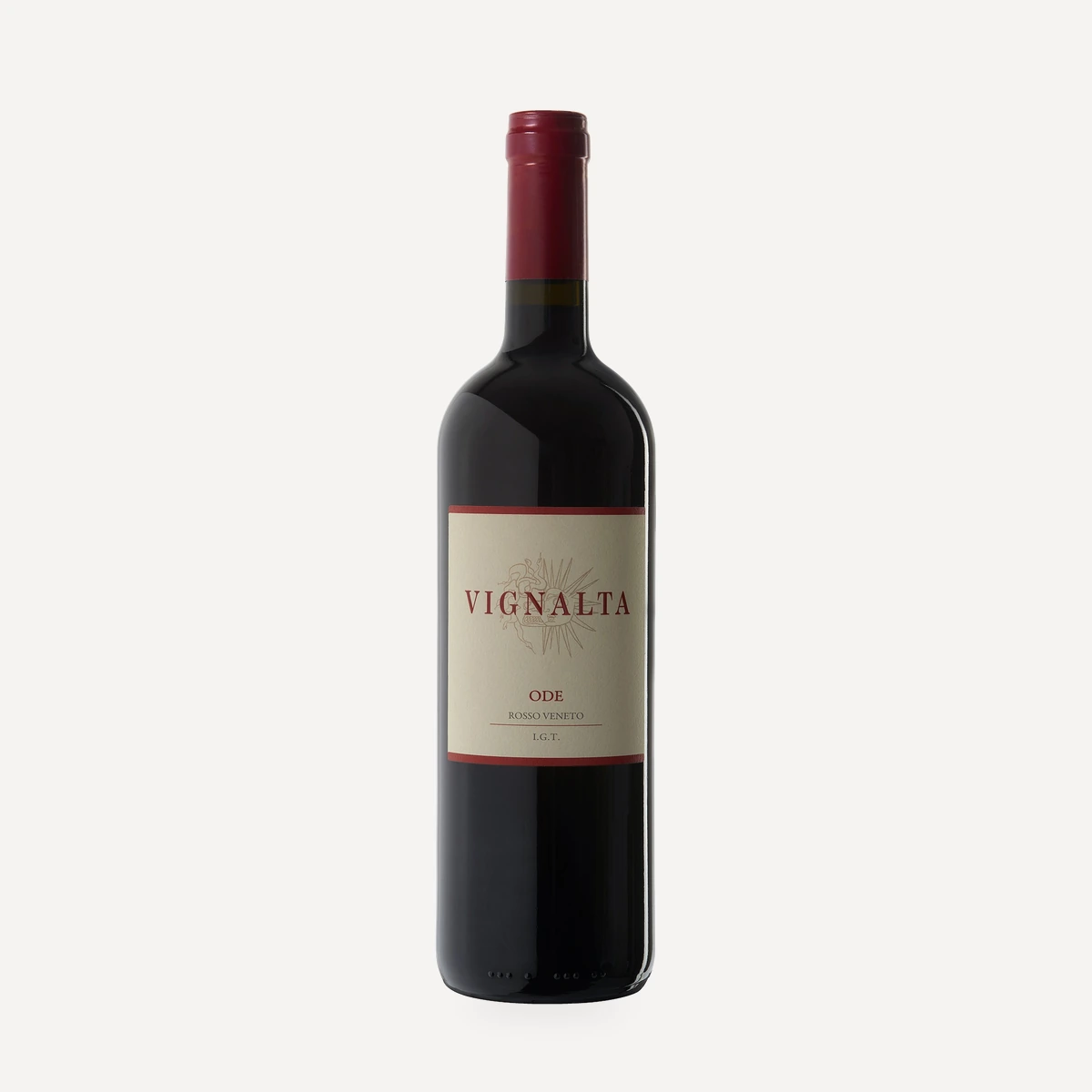
ODE Rosso Veneto IGT
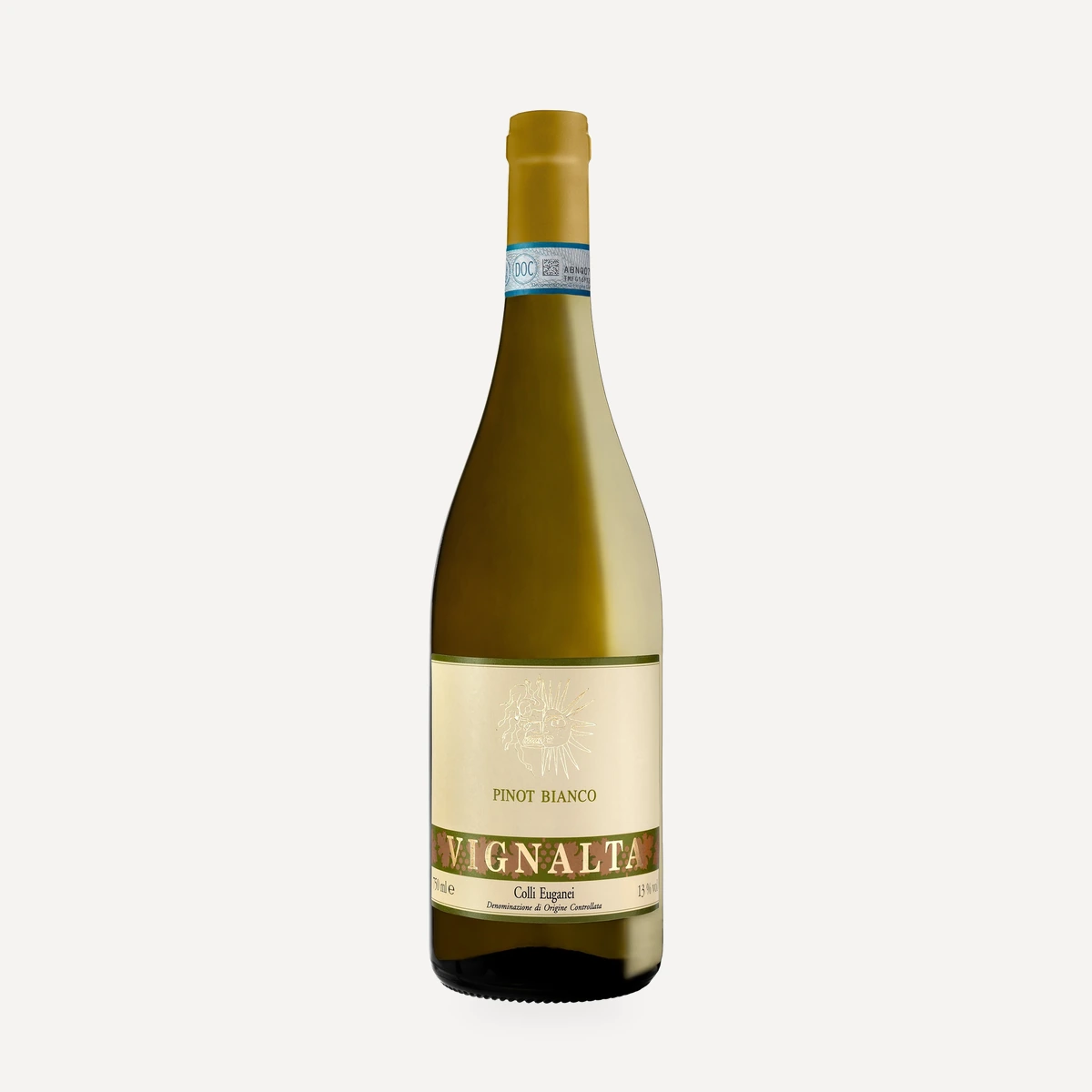
Pinot Bianco Colli Euganei DOC
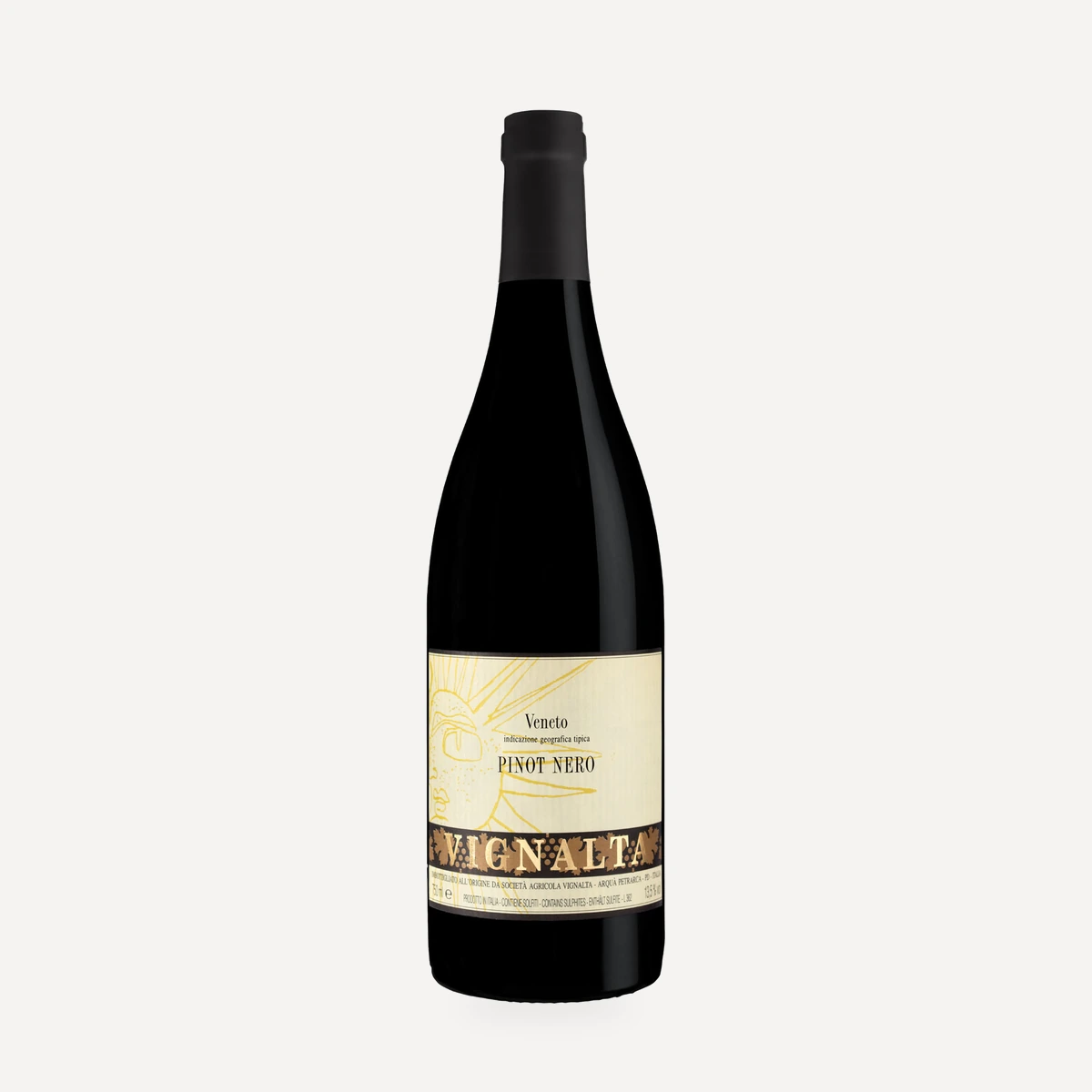
Pinot Nero Veneto IGT
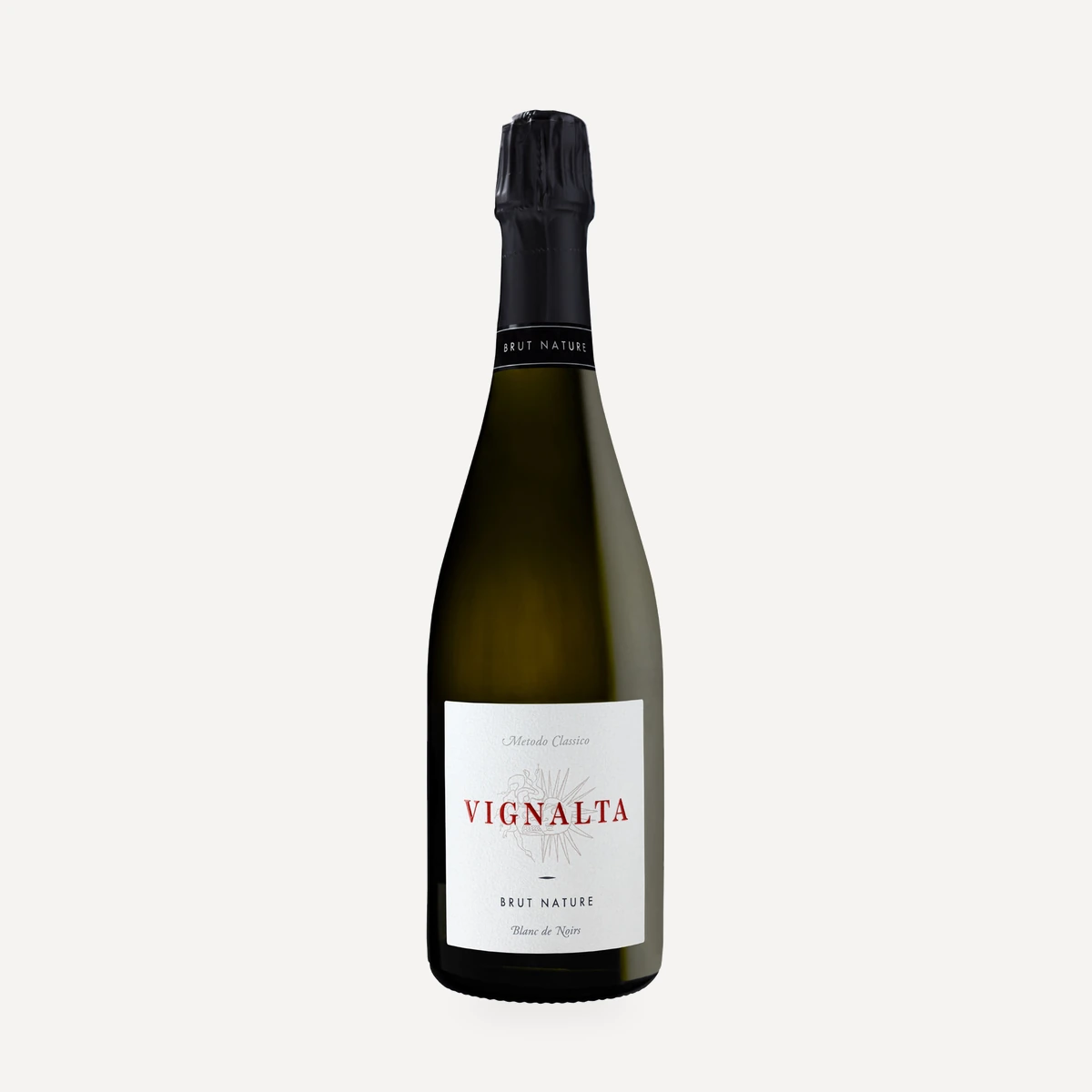
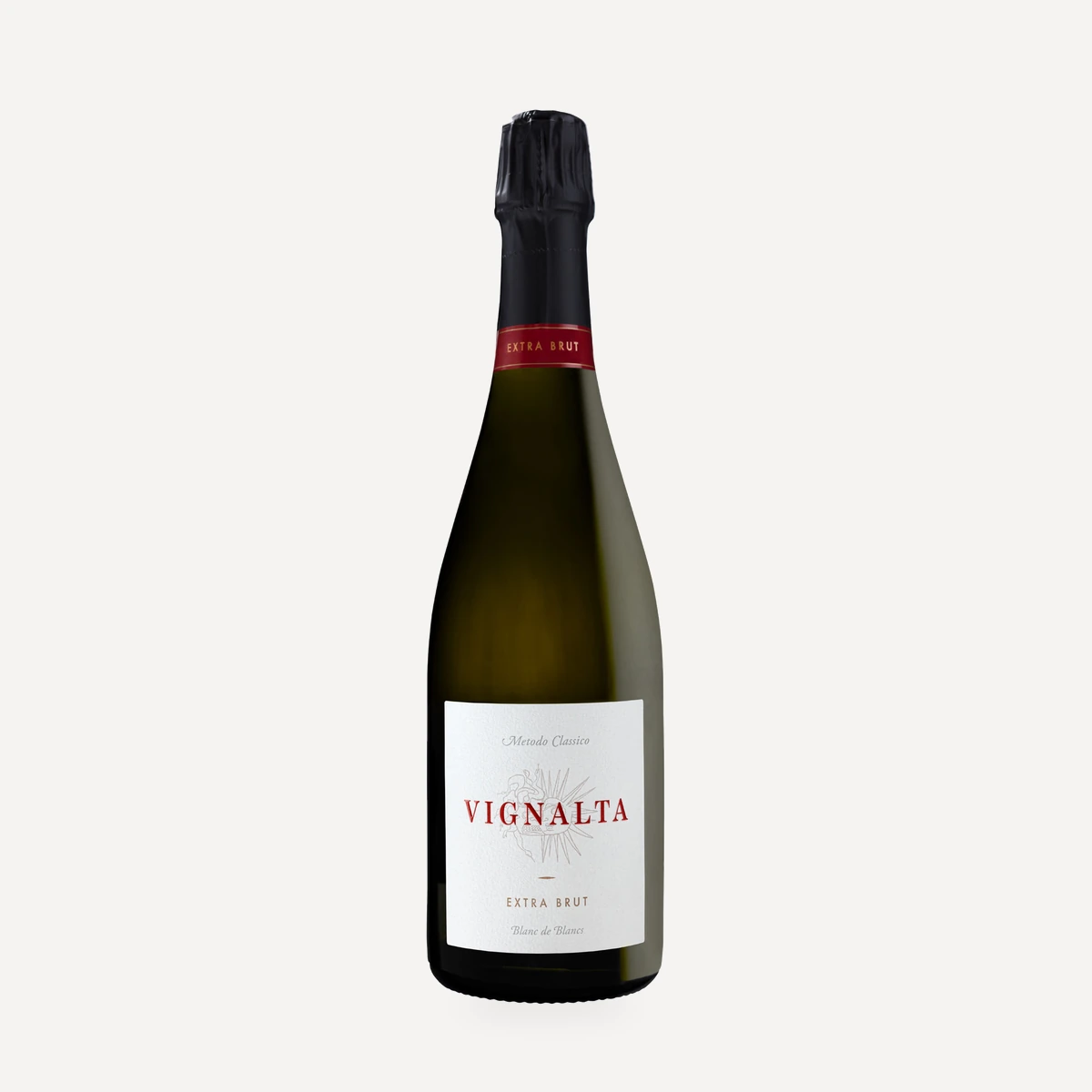
Brut Nature Champenoise Method