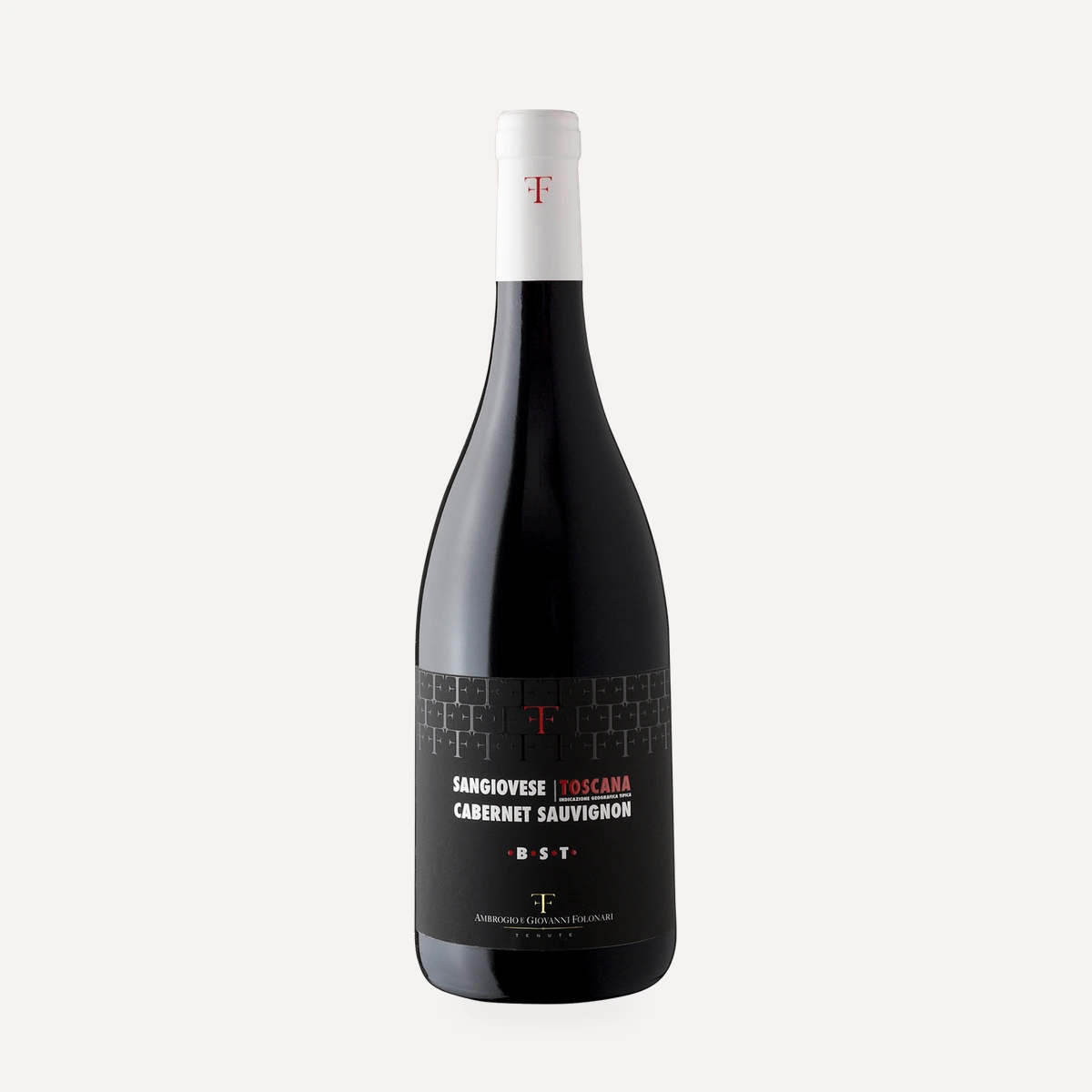
Questo vino
Vineyard and terroir
The grapes come from the Vigne a Porrona estate at approximately 350 m a.s.l. The medium-textured clay soil is rich in stones. Vines are trained to a low spur-pruned cordon at a density of 5,000 plants/ha.
Grapes
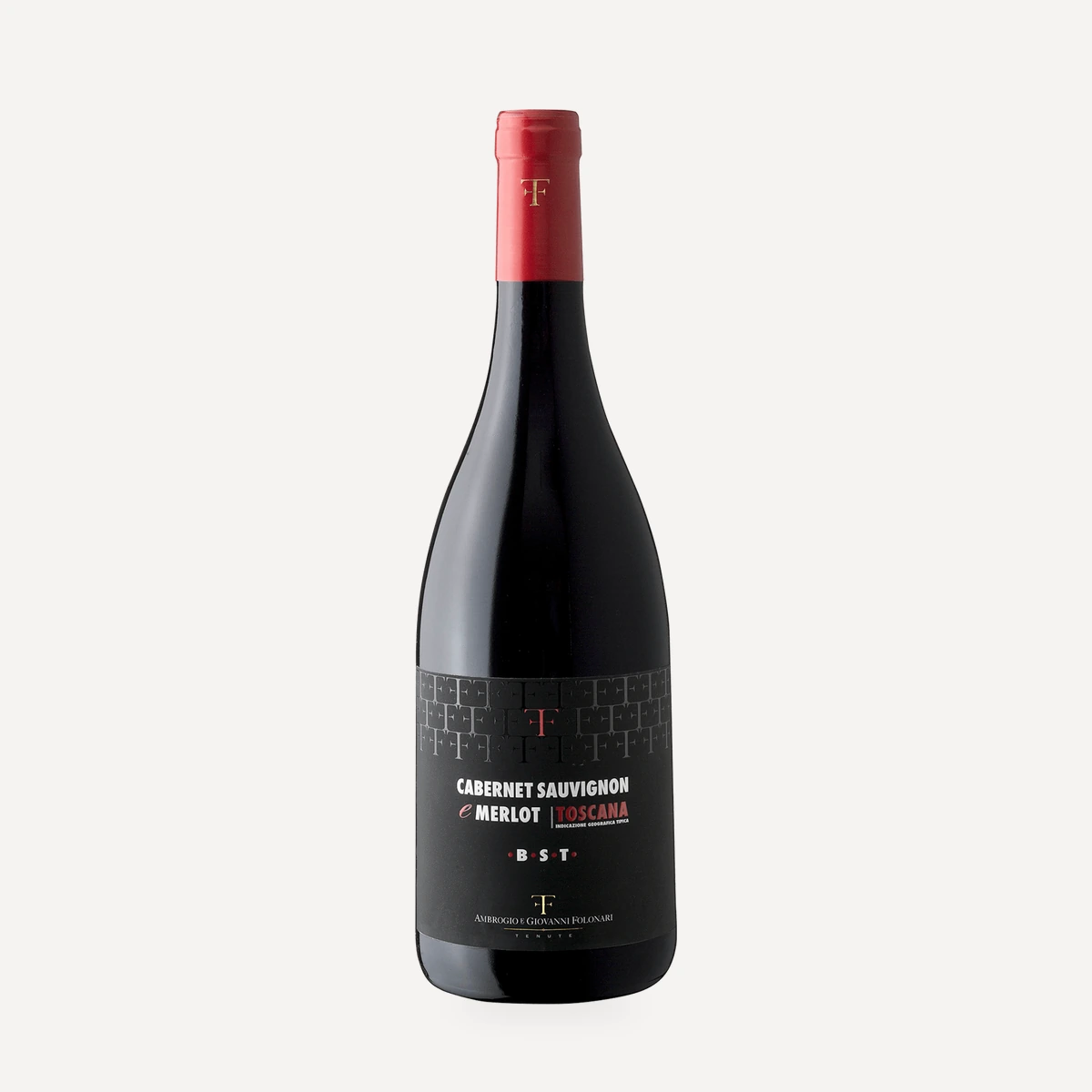
Sangiovese and Cabernet Sauvignon; percentages are not specified. The blend combines Sangiovese’s fresh fruit and floral character with the strength and structure of Cabernet Sauvignon.
Vinification
Fermentation takes place in stainless steel, with approximately four weeks of maceration.
Ageing
Maturation takes place entirely in stainless steel, supporting a fresh, youthful and readily approachable style.
Technical data
Blend proportions vary by vintage. Latest published composition: Sangiovese and Cabernet Sauvignon; percentages not specified.
Tasting profile
The 2024 is bright ruby red shading toward purple. Delicate cherry, orange peel and candied-fruit aromas lead to a pleasantly fresh palate with substantial but unobtrusive structure and a soft, persistent finish.
Serving and pairing
Serve at 15–18 °C. Conceived for convivial occasions and everyday dining.
Vintage notes
The 2022 season began with a dry, warmer-than-average winter, followed by a spring with little rain and rising temperatures from early May. Mid-August rain lowered temperatures slightly and rehydrated the berries, supporting balanced sugar and acidity. Subsequent mild, dry and fresh conditions allowed the grapes to finish ripening with strong aromatic potential.