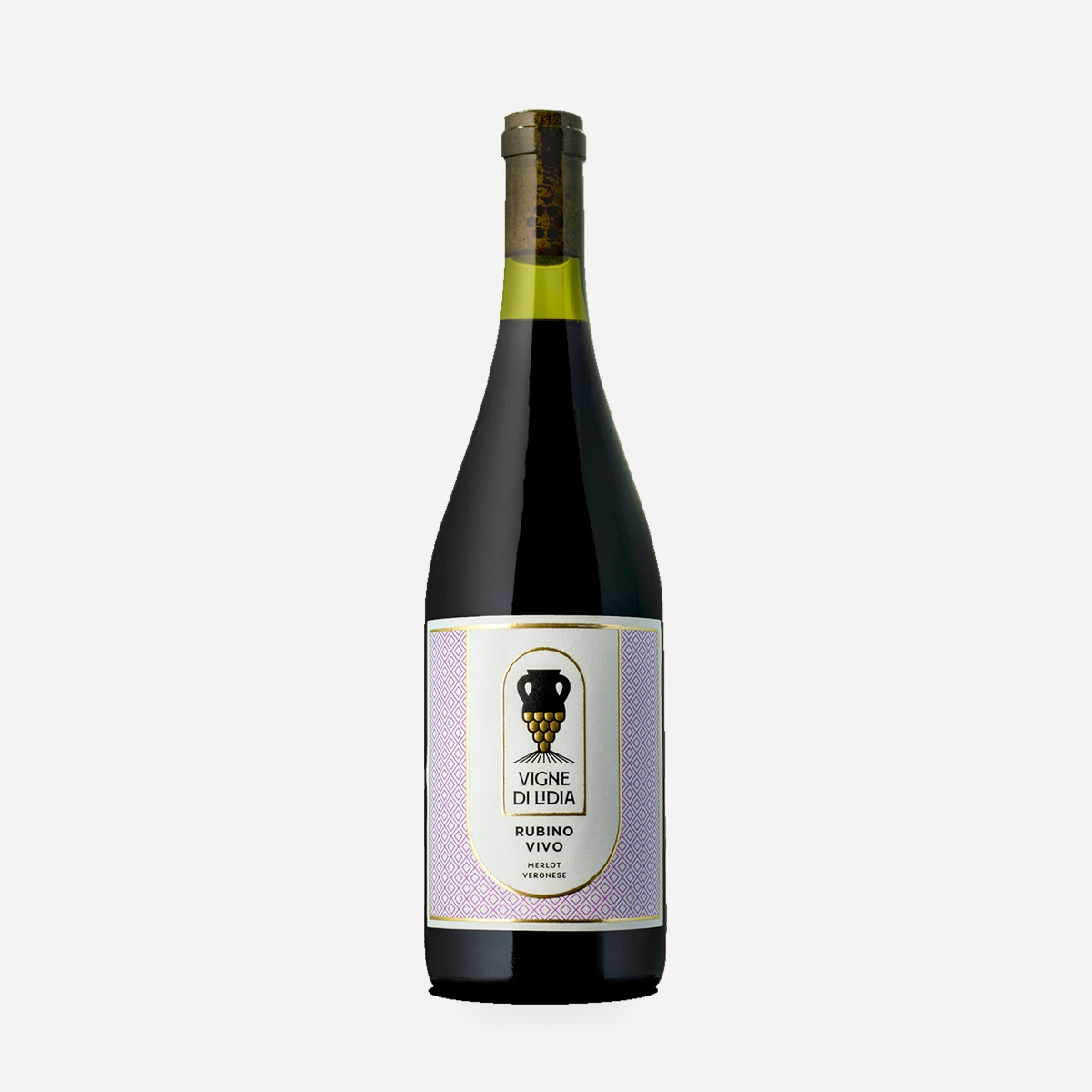
Storia
A family tradition
Vigne di Lidia grew out of a family’s long relationship with farming and the vineyards of Colognola ai Colli. The project leader credits his father, Amadio, whose experience and commitment to organic viticulture provided both practical guidance and an understanding of natural rhythms. These principles became the foundation of the family’s work.
Biodynamic preparations have been used for more than 20 years. Over that period, the family observed improvements in soil fertility and vineyard vitality, reinforcing an approach based on compost, green manure, animals, insects and the cycles of nature.
The Vigne di Lidia project
The project was created to carry the family tradition forward while connecting past and present through authenticity, sustainability and respect for nature. Its name honours Lidia, the project leader’s mother. Although she was not directly involved in viticulture, her love of nature and commitment to a sustainable way of life strongly influenced the family’s outlook.
The move into natural and biodynamic wine was conceived as a demanding but worthwhile step. The objective was to produce pure, authentic and balanced wines through careful work and minimal intervention rather than to treat roughness or instability as necessary features of natural wine. Work was progressively refined from vineyard to cellar, with lunar cycles, biodynamic preparations, indigenous yeasts and time forming central elements of the approach.
The family today
The project’s present vision is shared by the unnamed family leader and his wife, Marzia. Their daughters, Cecilia and Camilla, are also involved in the family journey so that they can develop a direct relationship with nature and become active participants in its future. The legal identity associated with the brand is Fasoli Giordano, based in Colognola ai Colli.
Terroir
The vineyards are in the municipality of Colognola ai Colli, in the Verona area, between the Valpolicella DOC and Soave denominations. The soils are medium-textured and predominantly clayey.
The old Garganega vines average approximately 50 years of age. Trebbiano comes from an old form of Trebbiano Toscano. These white varieties are trained to the Veronese pergola, while Merlot is Guyot-trained.
Vinificazione
Vigne di Lidia combines organic farming with natural and biodynamic viticulture. Organic status is identified by the control code IT-BIO-004, and the Demeter mark accompanies the estate identity.
The farming programme follows lunar cycles and uses biodynamic preparations. These preparations are made with a long-established group of biodynamic farmers from Verona and have been employed for more than 20 years. They are mixed and activated in a dynamizer before application, with increased soil fertility and vineyard vitality reported over the period of use.
The compost heap is treated as the heart of the vineyard. Organic material is combined and fermented with biodynamic preparations to create enriched compost. Green-manure crops are sown and subsequently incorporated into the ground, returning nutrients and maintaining living, fertile soil.
Animals and insects among the rows are regarded as integral parts of the agricultural system because they contribute naturally to fertility and biodiversity. The overall intention is to guide rather than force biological processes, respecting natural rhythms and encouraging the land’s inherent vitality.
All three varieties are harvested by hand. Picking dates and selection intensity vary according to the desired balance: some fruit is collected earlier to retain acidity, while other parcels or passes are left until optimal ripeness. Old-vine Garganega may be thinned and harvested in two stages, and the lowest-yielding Merlot selection is chosen cluster by cluster.
Cellar work is based on minimal but attentive intervention, allowing time and the natural process to shape the wines without forcing them. Indigenous yeasts are used for fermentation, and concrete is the principal fermentation vessel across the range.
The cellar’s vessels include concrete tanks, stainless steel, amphorae and tonneaux. Fresh white and red expressions undergo spontaneous or indigenous-yeast fermentation in concrete and can mature there for approximately seven months; steel may also be used during red-wine maturation. One unfiltered white may retain a slight natural haze.
For the macerated white style, fermentation proceeds on the skins for the entire alcoholic fermentation in concrete tanks and amphorae. Maturation continues for one year in the same vessel types, followed by further evolution in bottle. In particular vintages, part of the early-picked Garganega may be lightly dried before fermentation.
The naturally sparkling style begins with indigenous fermentation in concrete. Secondary fermentation is carried out in bottle using must from dried grapes, and the wine remains with its sediment.
The most structured Merlot selection is lightly dried in crates for 15–25 days, fermented with indigenous yeasts in concrete, and matured in amphorae and tonneaux for 15 months.
Packaging follows a reduced-material approach. Closures are made from an agglomerate of cork, linseed oil and beeswax. Bottles have no plastic or aluminium capsules. Shipping cartons are recyclable, printed with water-based inks and closed without adhesive tape; the empty bottle weight is 420 g.
Filosofia
Natural wine with precision
The project’s conception of natural wine is founded on love of the land and respect for what it can produce. Biodynamics is understood as more than the avoidance of synthetic chemistry or additives: it means working in harmony with natural rhythms and building a healthy, vital ecosystem.
The goal is to make wines that are pure, authentic, balanced and pleasurable. The family rejects the idea that natural wine must necessarily be rough or excessively wild. Instead, it seeks to preserve the integrity of origin and respect natural processes while applying careful attention at every stage from vineyard to cellar.
Minimal intervention and living soil
Intervention is kept as limited as possible but is never inattentive. Lunar cycles, biodynamic preparations, compost, green manure, animals and insects form a connected agricultural system. Time is allowed to do its work without coercion, and the farmer’s task is understood as accompanying natural processes and awakening the latent vitality of the soil.
Family, authenticity and time
The project connects inherited experience with a forward-looking approach. Its declared values are hospitality, authenticity, rooted innovation, slowness and awareness. Hospitality means opening the family’s world with empathy and warmth. Authenticity means following the rhythms of land and seasons instead of fashion. Innovation should arise from difficulty without severing ties to identity and family history. Time is treated as a form of luxury: time to farm, make wine, build relationships and experience each moment deliberately.
The longer-term ambition is to make agriculture an art capable of conveying the land, its cycles and its silences. Wine is intended not only to provide sensory pleasure but also to encourage reflection, awareness, connection and sensitivity.
Vini
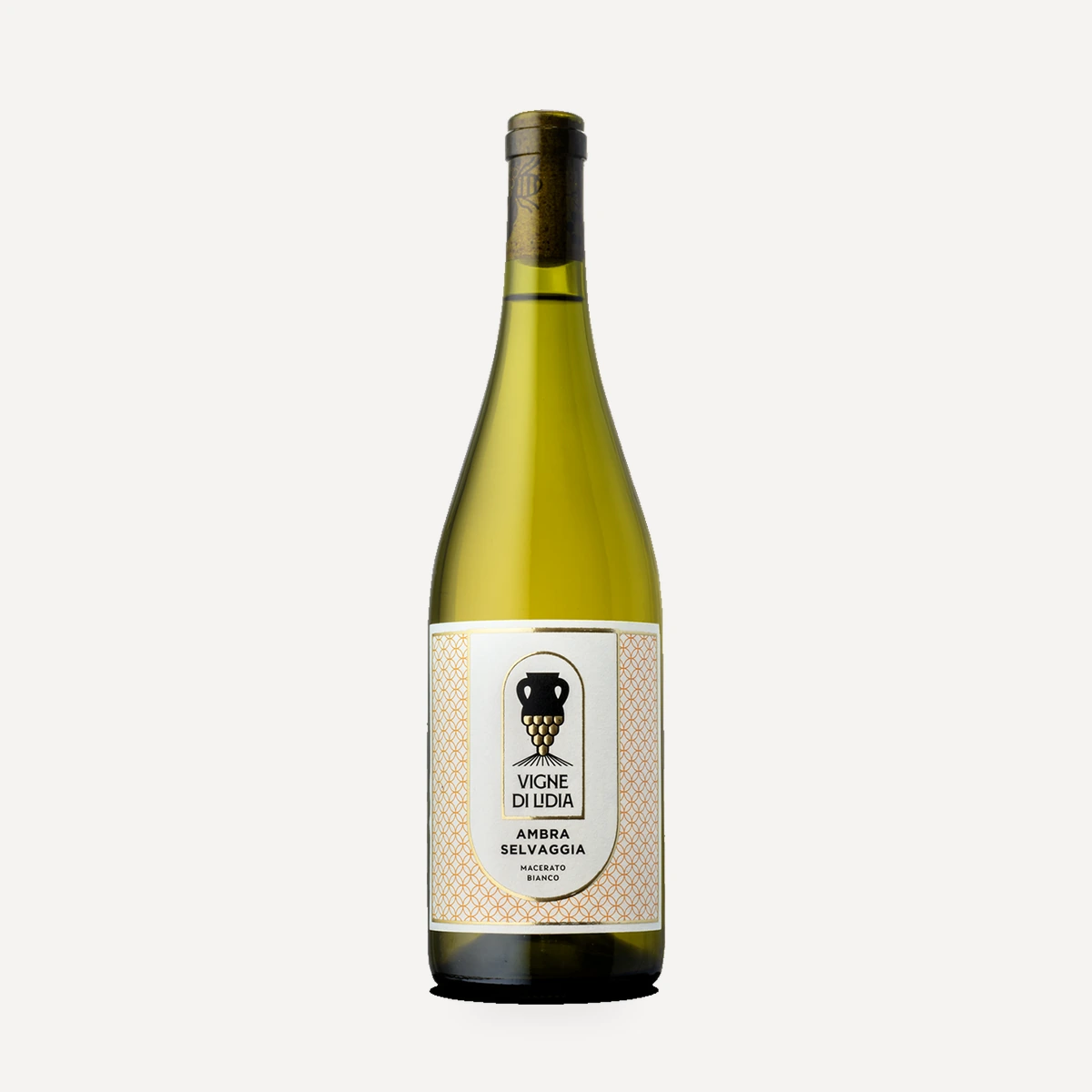
Ambra Selvaggia
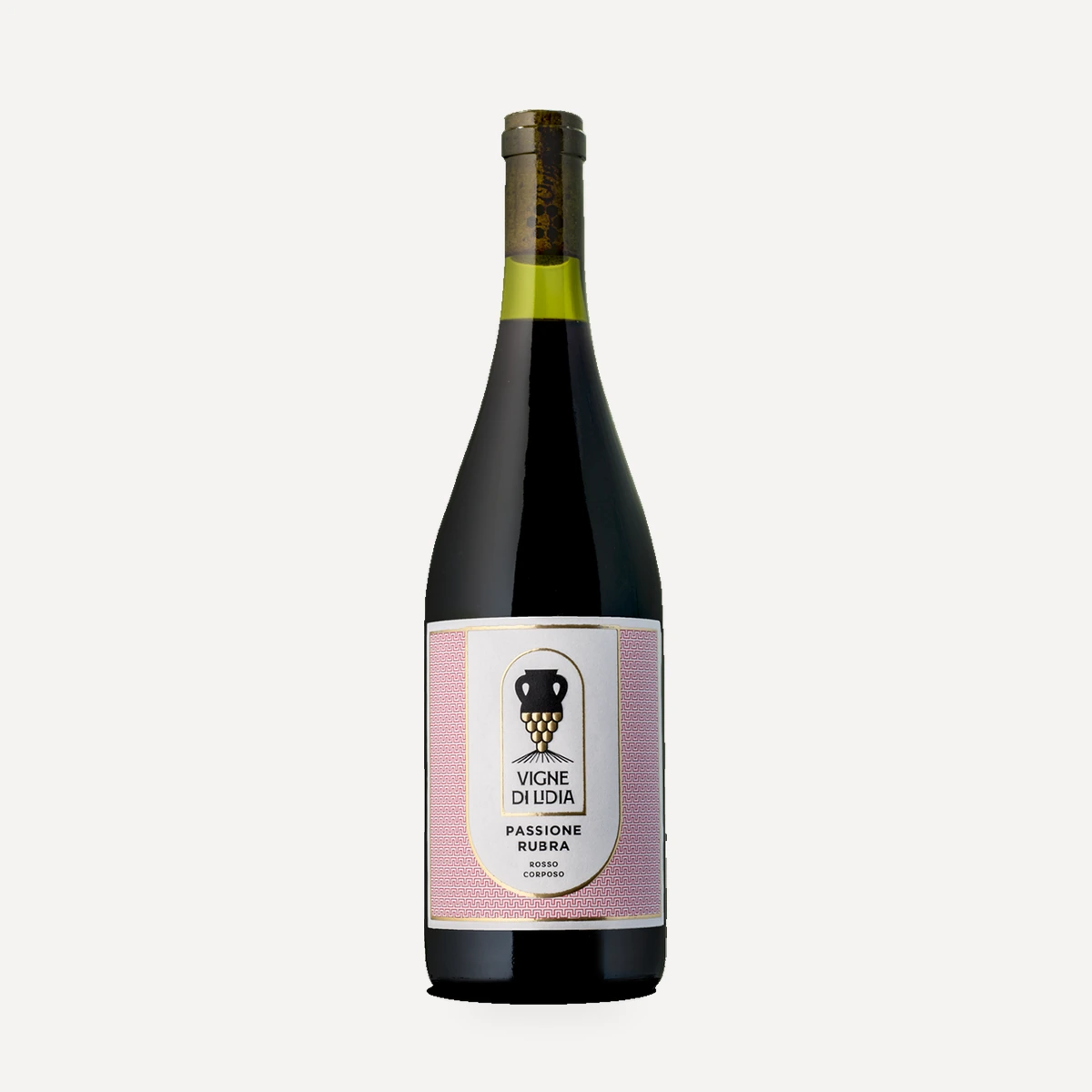
Passione Rubra
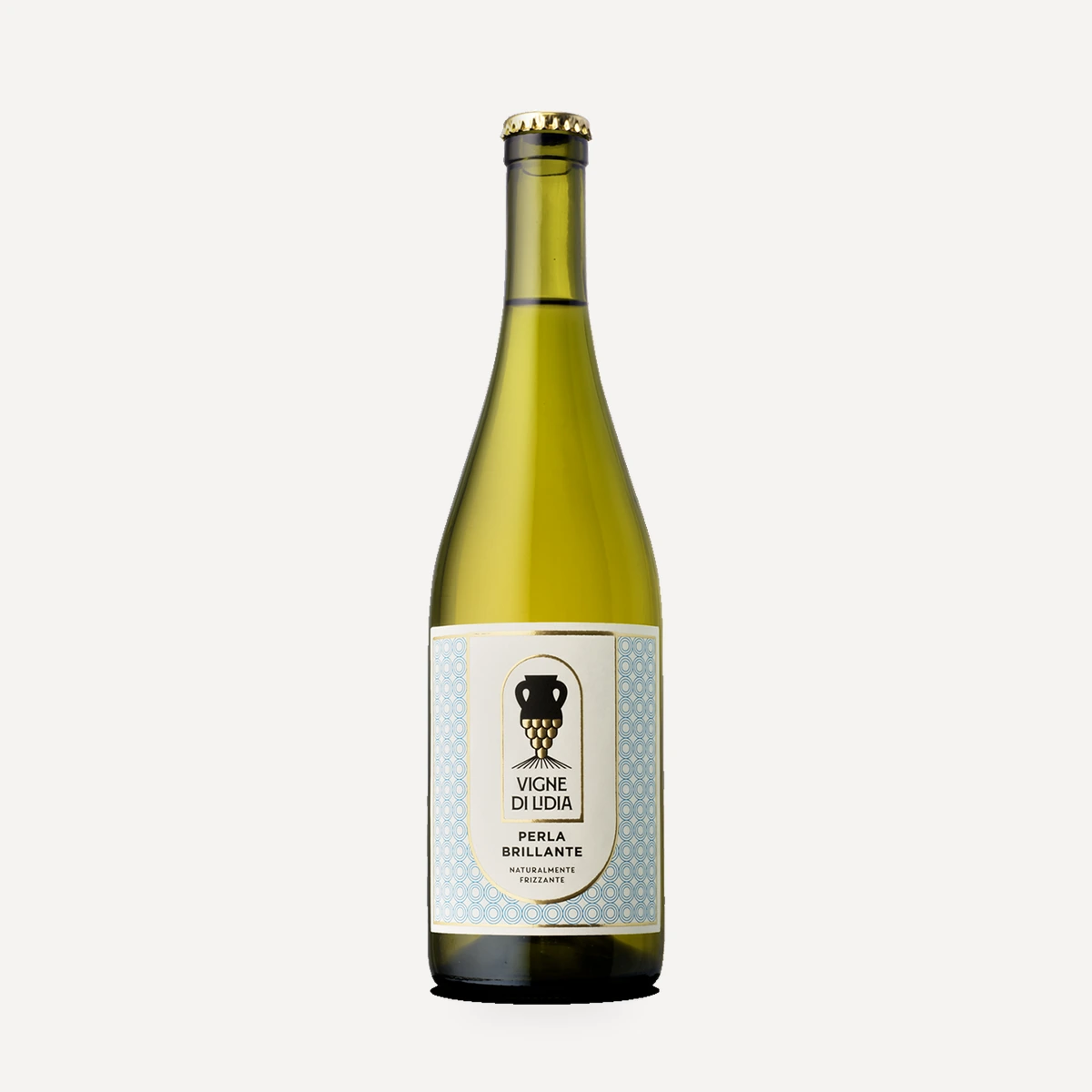
Perla Brillante
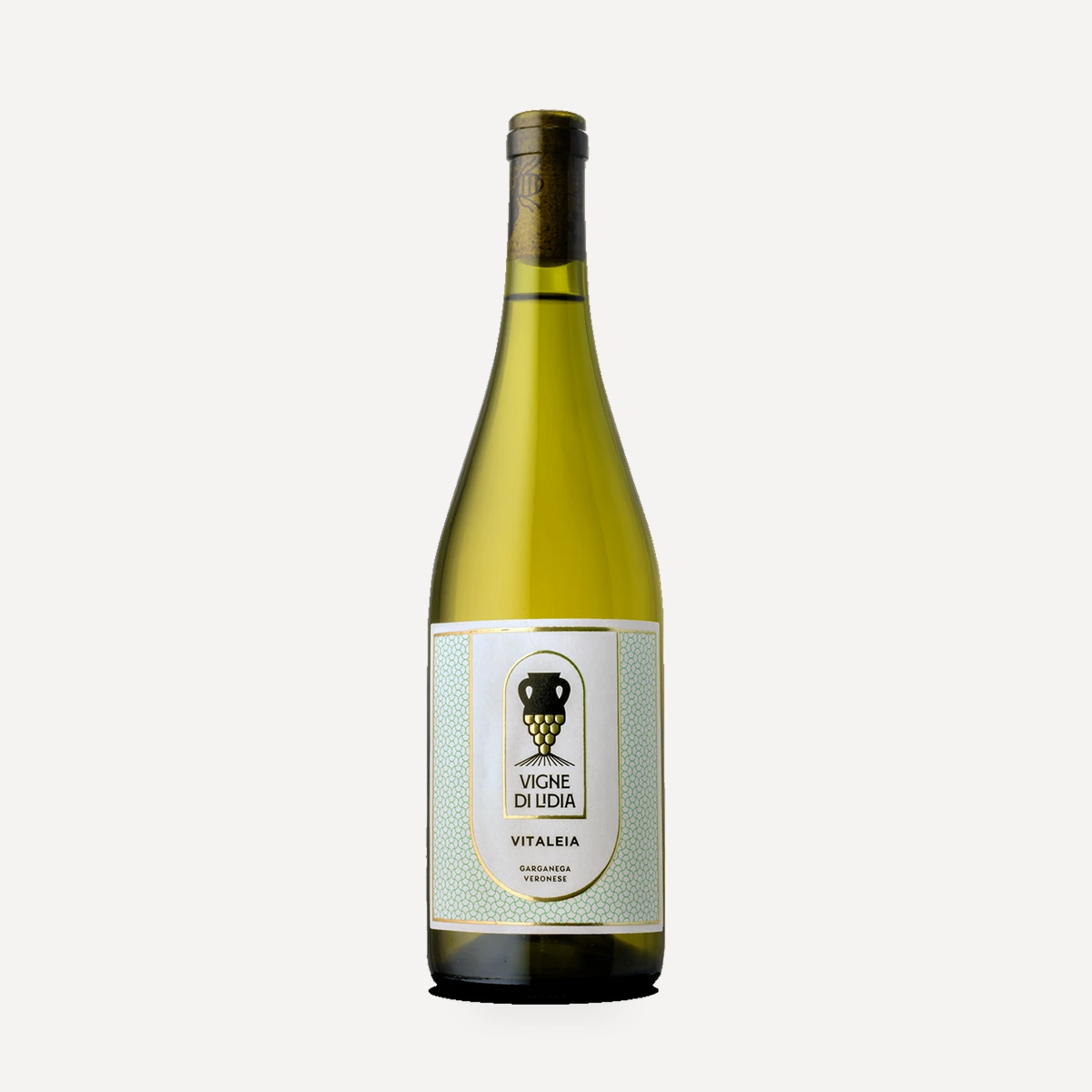
Vitaleia