Storia
The Della Loggia property
In 1966, Luigi Della Loggia, Federica Morricone's grandfather, acquired property at Medoro, a small settlement near Atri. A builder by profession, he owned vineyards on the Teramo hills and supplied grapes for many years to the Casal Thaulero cooperative.
Federica Morricone establishes Villa Medoro
Federica Morricone decided while still in her early twenties—and while studying for a legal career—to become a wine producer. Her grandfather supported the project and entrusted her with the vineyards. Villa Medoro was established in 1996, when Morricone was 22, although accounts place the initial development of the project between 1995 and 1997.
The earliest production took place in the former farmhouse where Morricone had spent part of her childhood. Oenologist Romeo Taraborrelli assisted her. During the first harvest, she vinified only part of the crop, producing approximately 10,000 bottles, while the remaining grapes were sold to private buyers. Her objective was to redirect the family property from grape supply toward estate-bottled, quality-focused production based on lower vineyard yields and Abruzzo's local varieties.
Training and new collaborators
Around 2002, after completing a sommelier course, Morricone enrolled in a Gambero Rosso master's programme in wine marketing. She regarded learning how to present and sell the wines as an essential counterpart to understanding production and the territory. A 2003 Gambero Rosso feature devoted to women in wine gave the young estate wider visibility.
Two important professional relationships also began in 2003. Oenologist Riccardo Cotarella started a long collaboration encompassing both the cellar and vineyards, including numerous trials. Agronomist Marco Simonit oversaw the planting of Villa Medoro's vineyards. Distributor records date a broad replanting programme to 2003–2005.
The rebuilt winery
Villa Medoro was comprehensively reconstructed in 2012. The resulting 3,000 m² building joined the old cellar—subsequently reserved for bottling—to the offices by means of a long central corridor also designed to host events. The working complex incorporated a laboratory for initial analyses, stainless-steel vinification areas, a barrel cellar and hospitality facilities. By 2021, Villa Medoro produced eight labels and exported to 32 countries.
Ownership clarification
Federica Morricone joined Moncaro's board and executive committee in June 2023 as an investing member. In March 2024 she publicly rejected reports that Moncaro had acquired Villa Medoro, stating that no transfer of the estate had taken place. A 2024–2025 distributor profile continued to identify Morricone as owner of Villa Medoro.
Terroir
Villa Medoro lies at Medoro, a very small rural settlement near the boundary between Atri and Cellino Attanasio in the province of Teramo. The vineyards occupy the Teramo hills a few kilometres from the Adriatic Sea. The estate also has a direct view toward Corno Grande in the Gran Sasso massif, placing the vineyards between maritime and mountain landmarks.
The soils are described as clay and limestone. The estate connects this geological profile directly with the character and clarity sought in its wines.
Vinificazione
Villa Medoro's transformation under Federica Morricone began in the vineyard. The estate shifted away from a model centred on selling grapes and pursued lower yields as the basis of quality. Agronomist Marco Simonit directed the planting of the vineyards, while Riccardo Cotarella's collaboration from 2003 extended to both vineyard and cellar work. A substantial replanting campaign followed between 2003 and 2005.
A 2024–2025 profile characterises current cultivation as innovative and guided by sustainability and respect for the environment. No certifying organisation, certification status or conversion date is identified.
The 3,000 m² winery was fully reconstructed in 2012. A long internal corridor connects the former cellar, now used exclusively for bottling, with the office wing and can also accommodate events. From this corridor, the working areas open into an on-site laboratory for preliminary analyses and the main production spaces.
Fermentation and vinification take place in stainless steel and wood, with a separate, minimalist barrel cellar. Presses are the principal technology singled out in the production process. Micro-oxygenation is used during fermentation and again afterward. Federica Morricone describes oxygen management as a technique requiring precision: excessive exposure can oxidise the wine, while controlled application serves the estate's aim of producing clean, direct and approachable wines.
The available material does not specify harvest method, sorting, fermentation temperatures, yeast policy, maceration duration, malolactic practice, barrel sizes or origins, filtration, fining, sulphur regime or bottle-ageing periods.
Filosofia
Villa Medoro was conceived as a quality-focused departure from the family's earlier role as a grape supplier. Federica Morricone placed the emphasis on local varieties, lower yields and estate production, aiming to make wines that express Abruzzo while joining agricultural experience with contemporary cellar practice.
Morricone has described the absence of an inherited winemaking formula as both freedom and responsibility. It allowed her to define the estate's direction independently, but required sustained study of vinification and the territory. Experimentation with specialist collaborators became part of that learning process.
Her stylistic objective is clarity and immediacy. Controlled oxygen management, stainless steel and wood are treated as practical tools rather than ends in themselves, while the clay-limestone site remains central. At the broader estate level, contemporary cultivation is framed around sustainability and environmental respect.
Vini
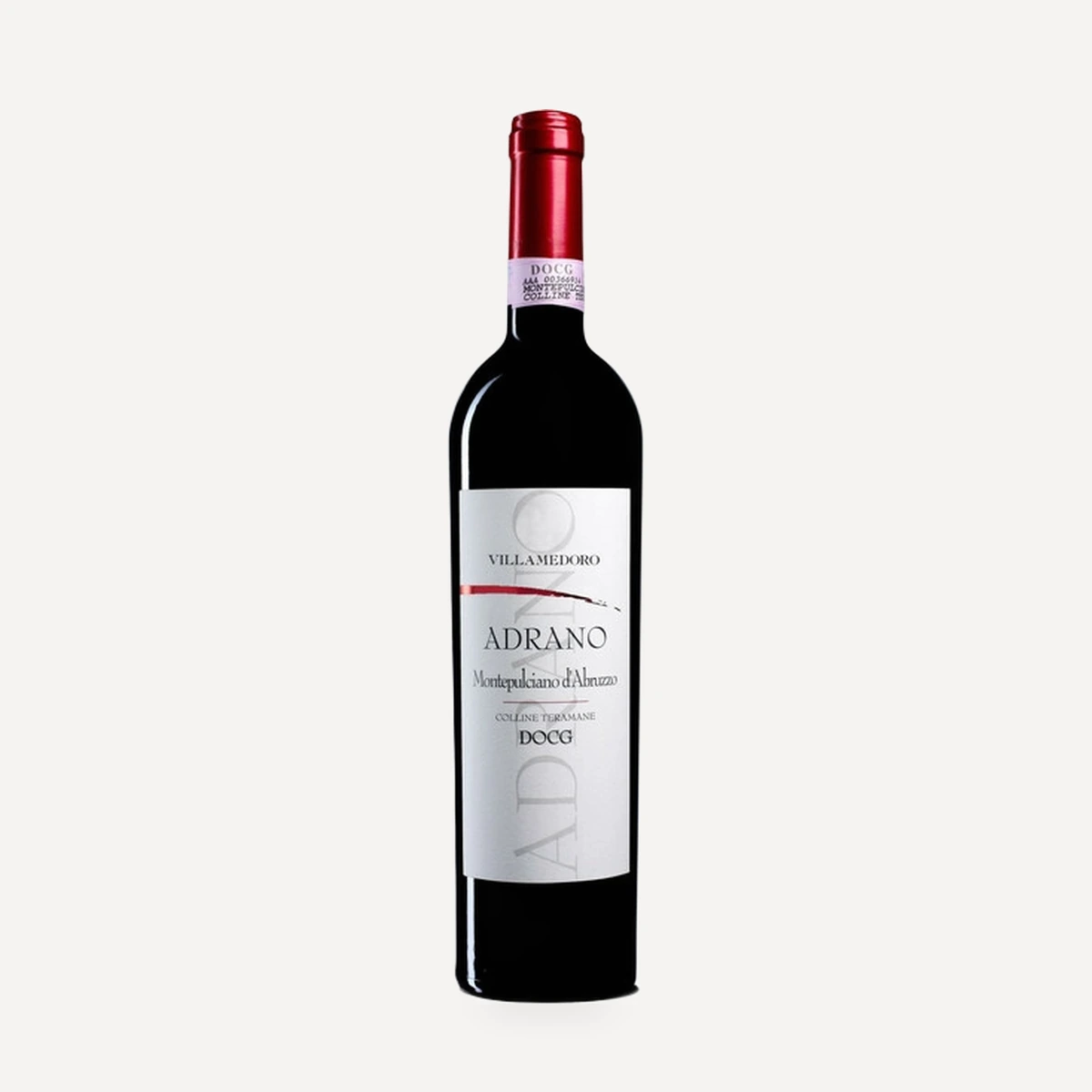
Adrano Montepulciano d'Abruzzo DOCG
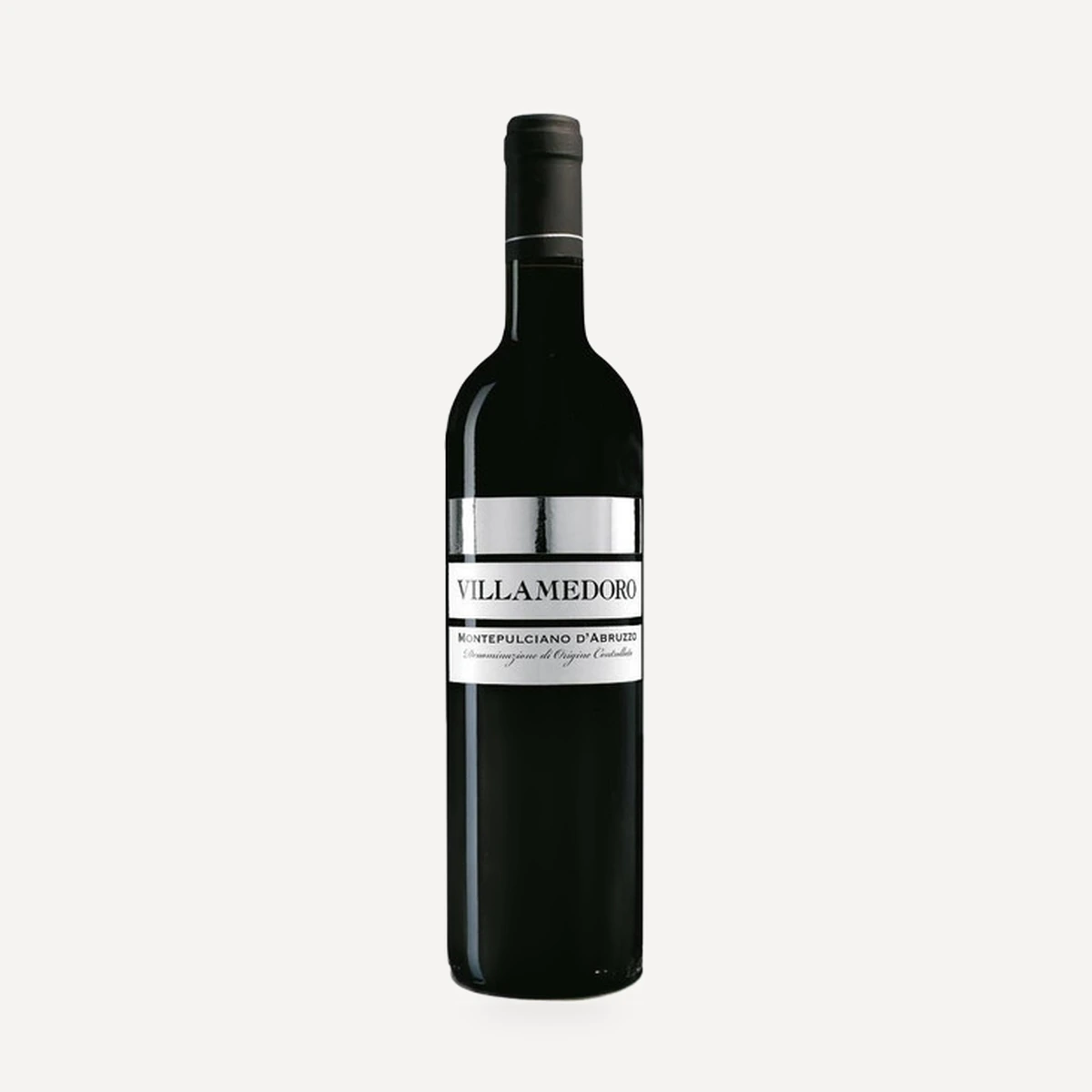
Montepulciano d'Abruzzo DOC
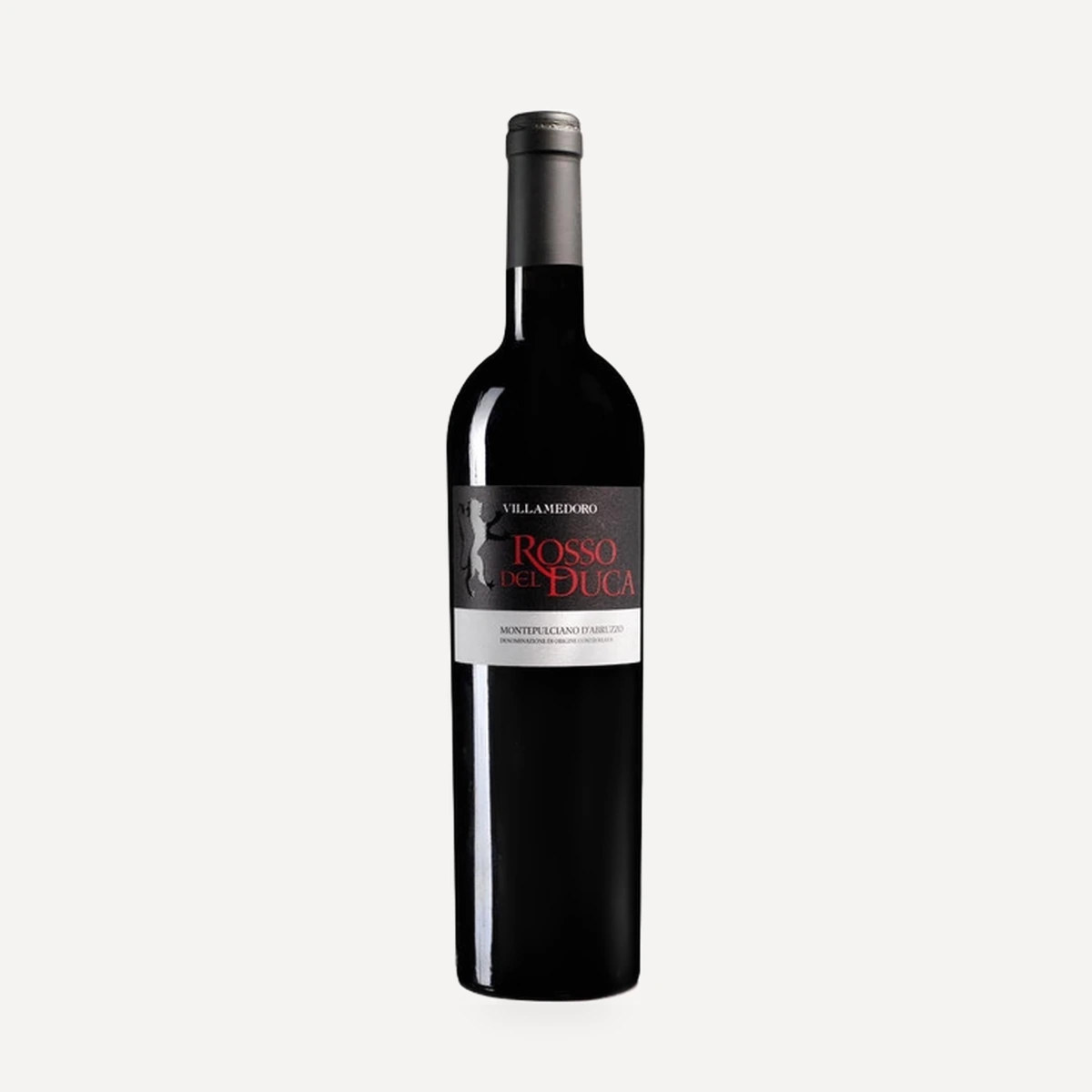
Rosso del Duca Montepulciano d'Abruzzo DOC
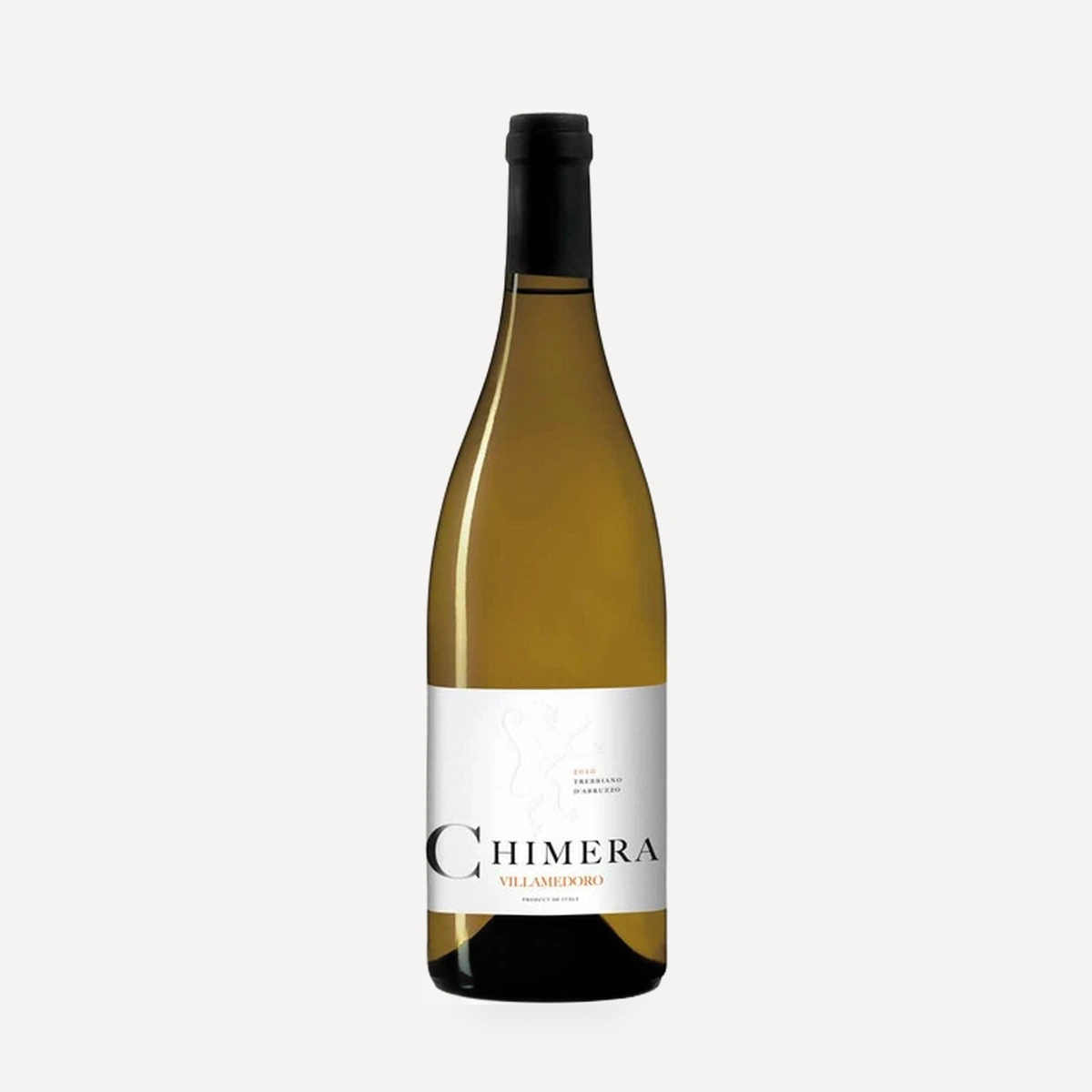
Chimera Trebbiano d'Abruzzo DOC