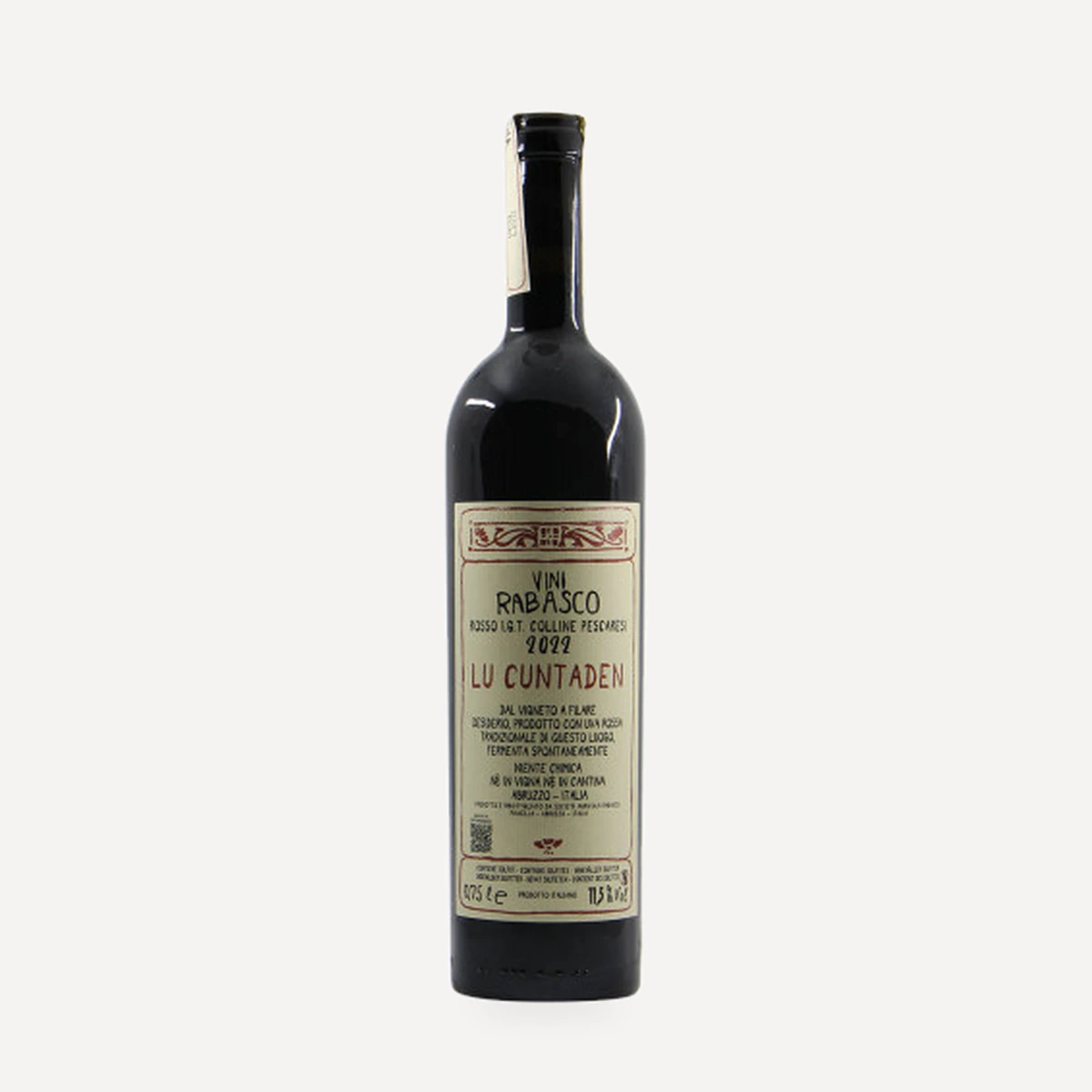
Storia
The vineyard before Iole
The story begins with a vineyard in the Abruzzo hills, framed by the Majella and Gran Sasso mountains and, in the distance, the Adriatic Sea. The estate presents the vineyard itself as a central protagonist rather than merely the setting for the family story.
Iole's arrival
Iole entered the story when the vineyard was 40 years old. Although she studied to become a lawyer, she chose a path intended to contribute to a healthier world for future generations. She assumed responsibility for cultivating 11 hectares, first through organic techniques and subsequently through biodynamic farming.
A continuing partnership
The relationship between Iole and the vineyard is described as an agreement: the land must produce sound fruit, while her responsibility is to turn it into wine capable of carrying the history, strength and unembellished identity of the grapes. The story remains deliberately open-ended, continuing through the people who taste the wines and follow their evolution.
Terroir
The vineyards occupy hills in Abruzzo between two defining mountain landscapes: the Majella, described as the “Mother Mountain,” and the Gran Sasso, whose local profile evokes a sleeping figure. The Adriatic Sea is visible in the distance.
The four vineyards are treated as distinct sites. Their differing exposures and slopes create separate microclimates, and these variations are retained by processing fruit in small, vineyard-specific lots. The estate regards these site differences as the basis for wines with individual characters rather than a standardized house profile.
Vinificazione
The 11 hectares were initially cultivated with organic techniques and are now farmed biodynamically. The estate connects this approach to its dependence on the surrounding environment and describes its agriculture as both organic and sustainable. It also characterizes its carbon balance over recent decades as positive.
Vineyard work is directed toward selecting sound bunches at their optimum point of ripeness. Harvesting is entirely manual. The timing of harvest is not standardized: each growing season is read on its own terms, and the fruit is selected according to what that vintage offers.
Harvesting is performed by hand. Selected grapes are carried in boxes to protect the skins and discourage unwanted fermentation, then processed within one hour of picking.
Fruit is vinified in small quantities according to its vineyard of origin. This separation preserves the influence of the individual microclimates created by different exposures and slopes. Fermentation begins spontaneously with indigenous yeasts. Temperature is not controlled, the wines receive no additions and they are not filtered.
Every stage of vinification and ageing is handled with close attention, relying on experience accumulated from one harvest to the next rather than on what the estate calls oenological shortcuts. The objective is not to impose a standardized profile but to interpret each vintage and vineyard individually, carrying their distinguishing character into bottle.
Filosofia
Rabasco's central aim is to make place-specific wines with strong personalities, avoiding standardized or homogenized results. Terroir is treated as the defining source of character, expressed through separate handling of vineyards with different exposures, slopes and microclimates.
The estate rejects formulaic harvests and cellar shortcuts. Its artisanal ideal is to understand what each growing season offers, preserve that distinction through careful work and share it in the bottle. Iole's environmental outlook extends beyond the wine itself: organic and biodynamic cultivation is framed as a responsibility toward the surrounding ecosystem and future generations.
The desired result is a sincere expression of the grapes and their history rather than a profile imposed through additions, temperature control or filtration.
Vini
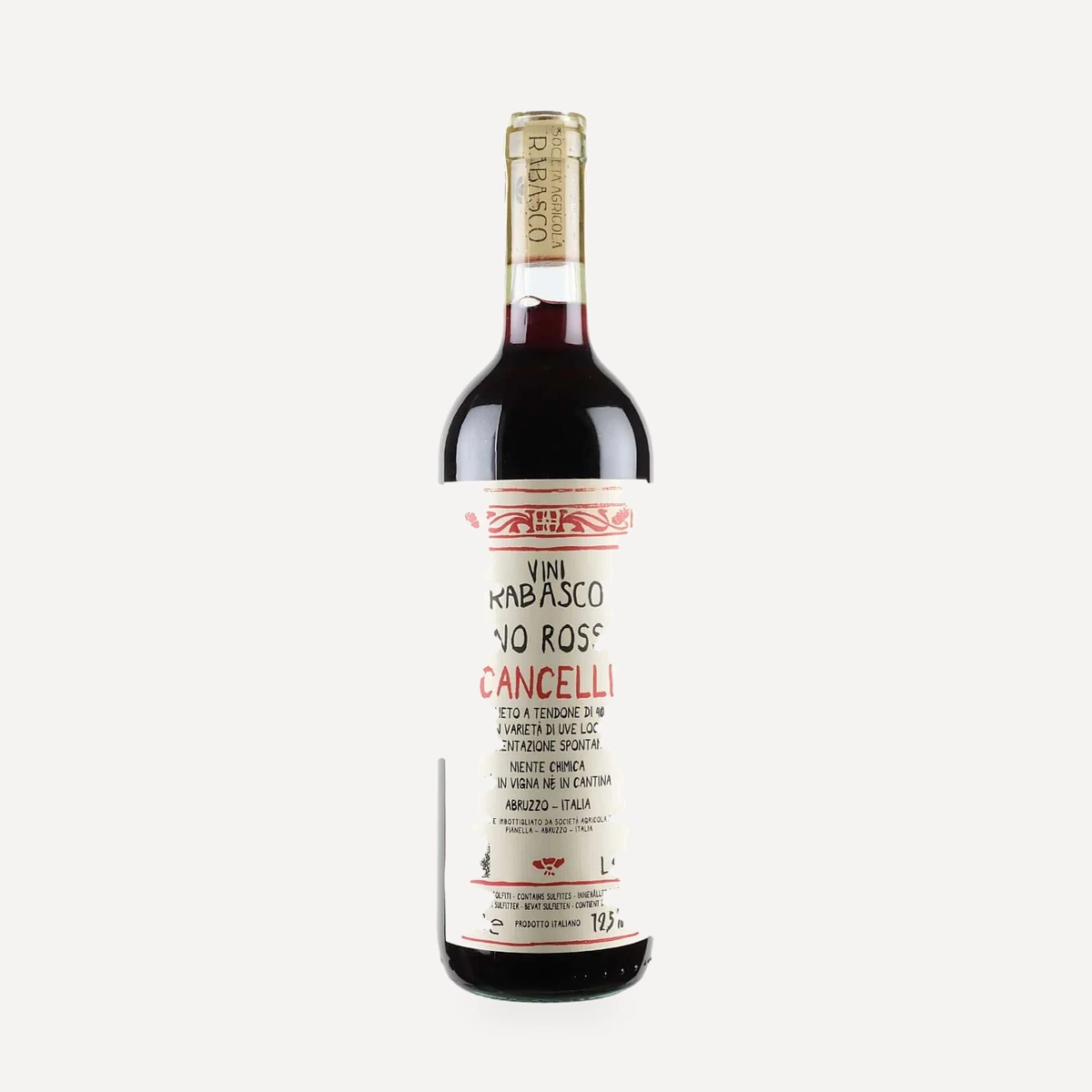
Rosso Cancelli
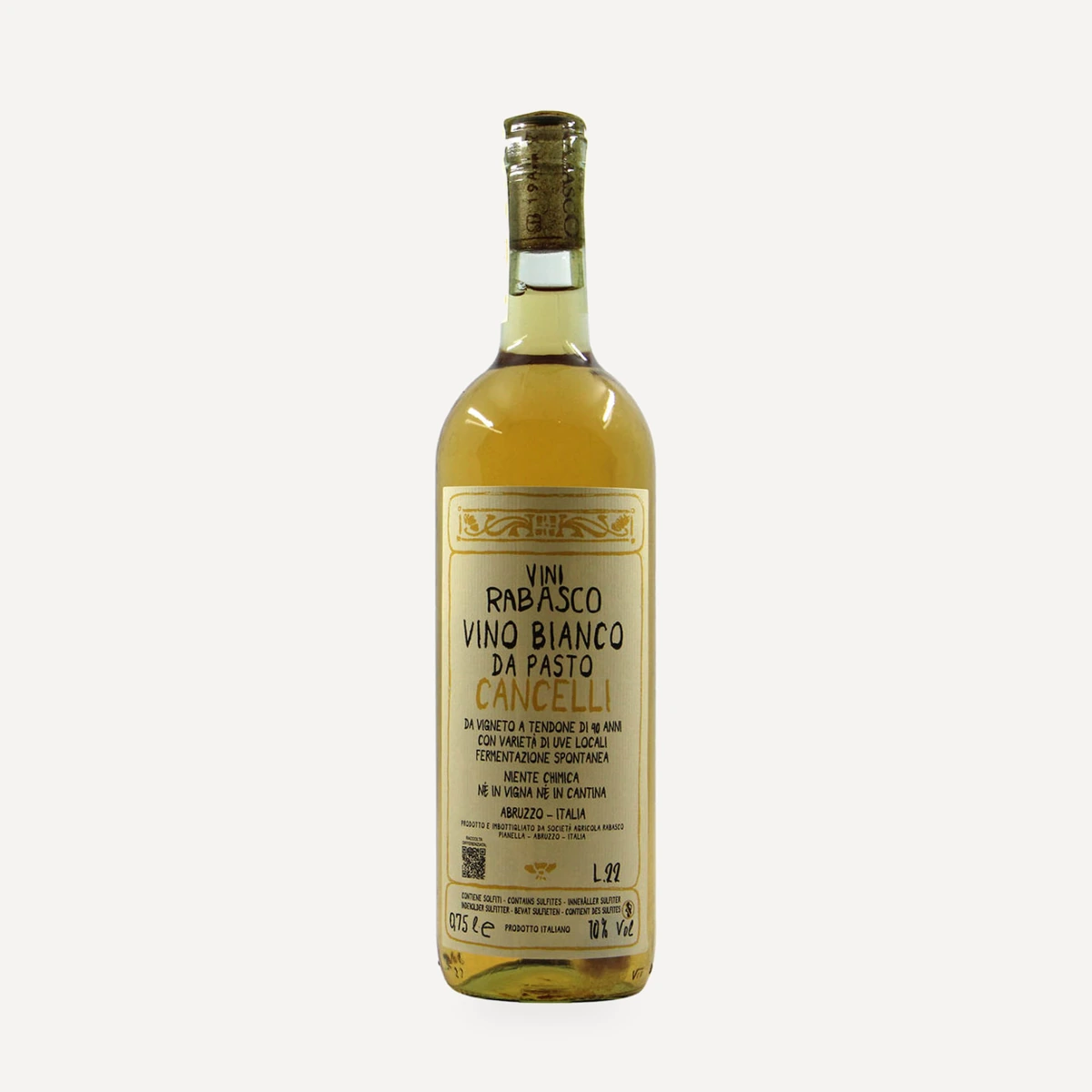
Bianco Cancelli
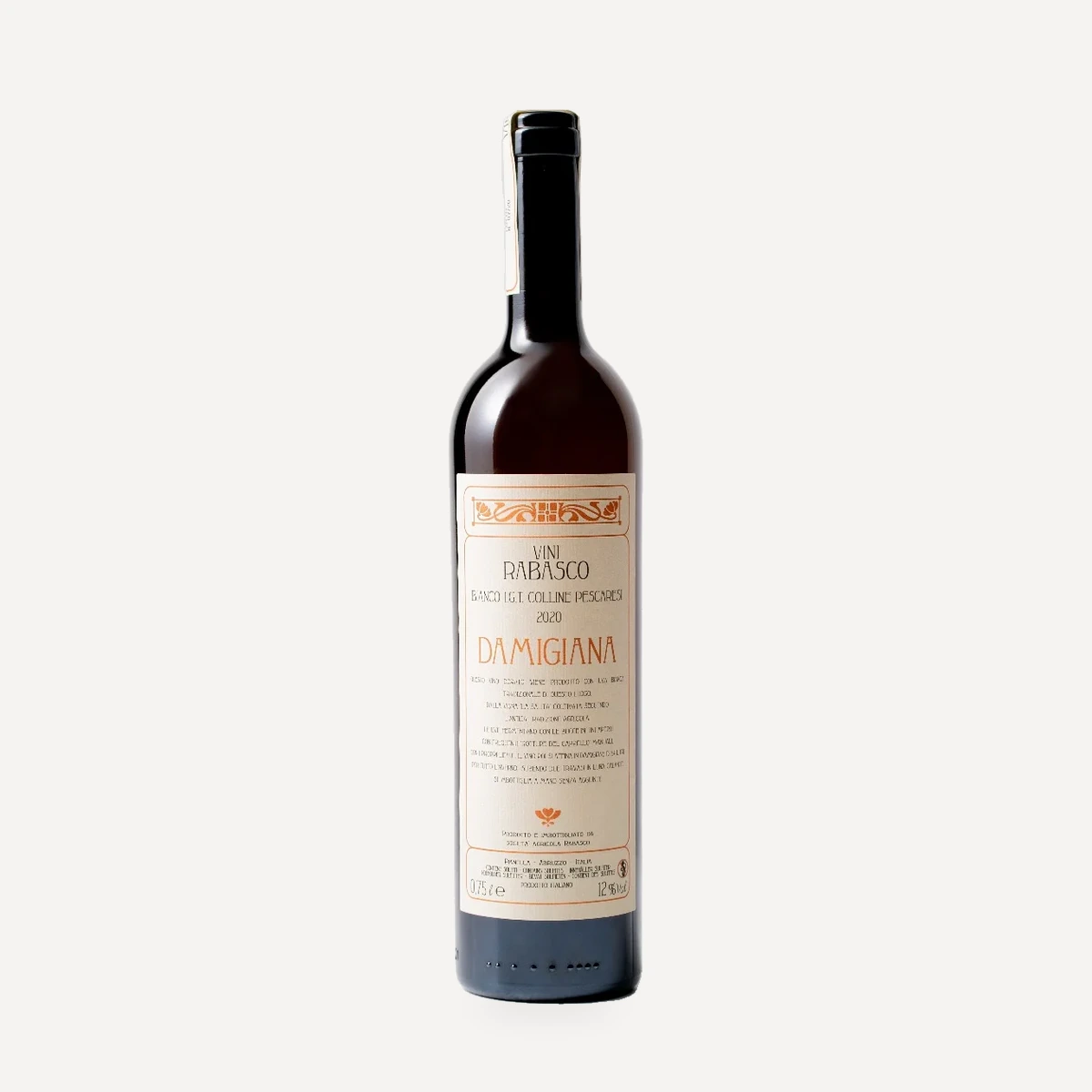
Bianco Damigiana
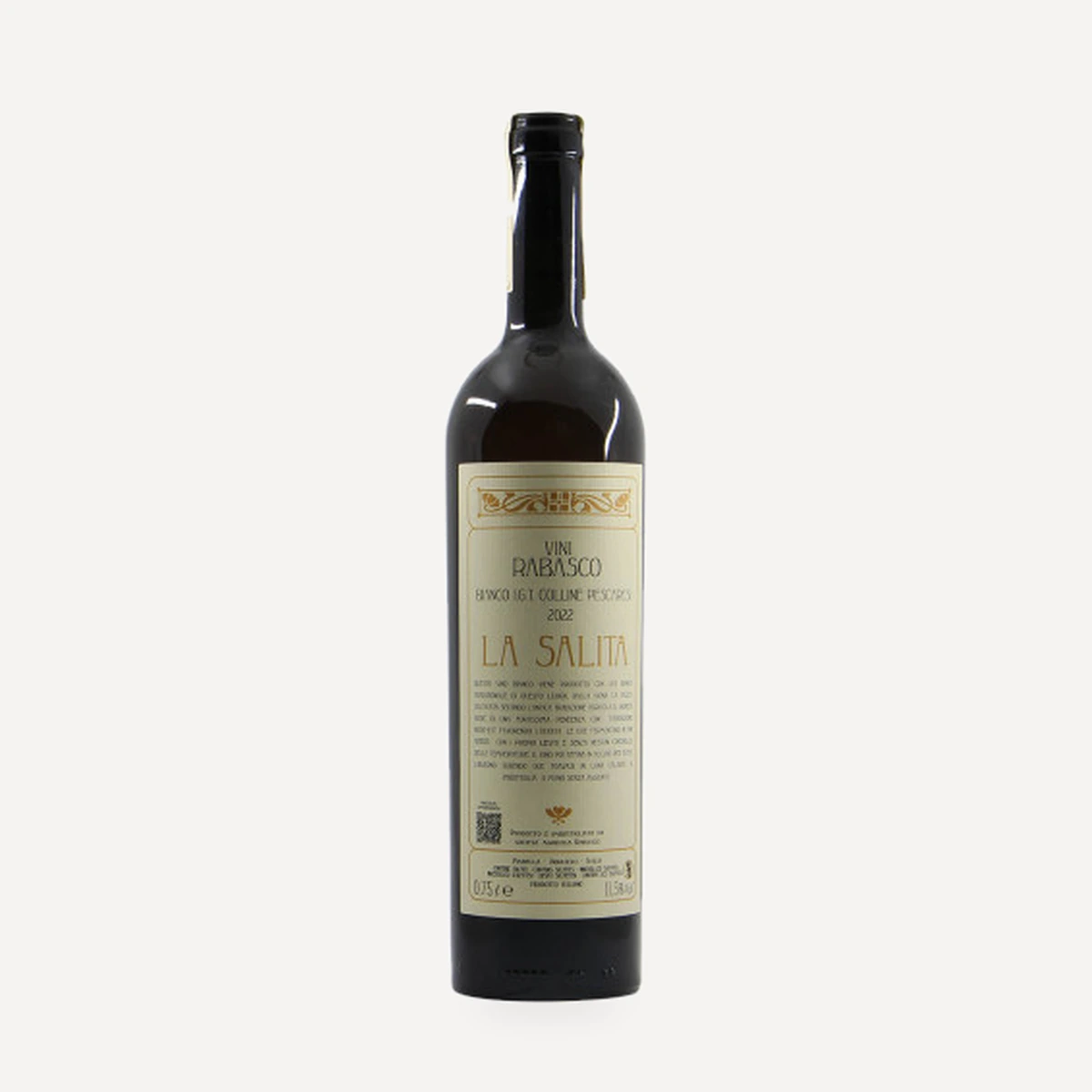
Bianco La Salita
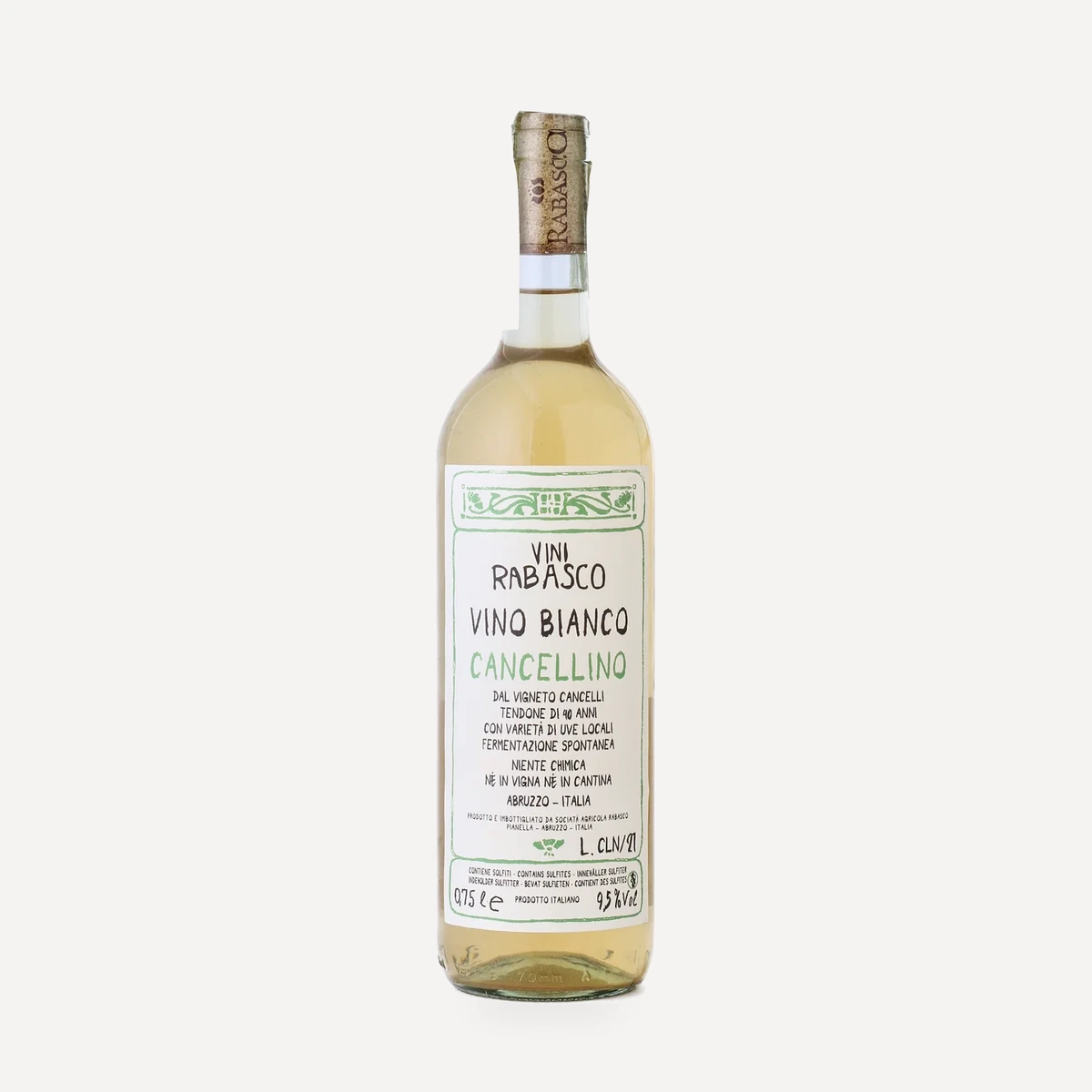
Cancellino
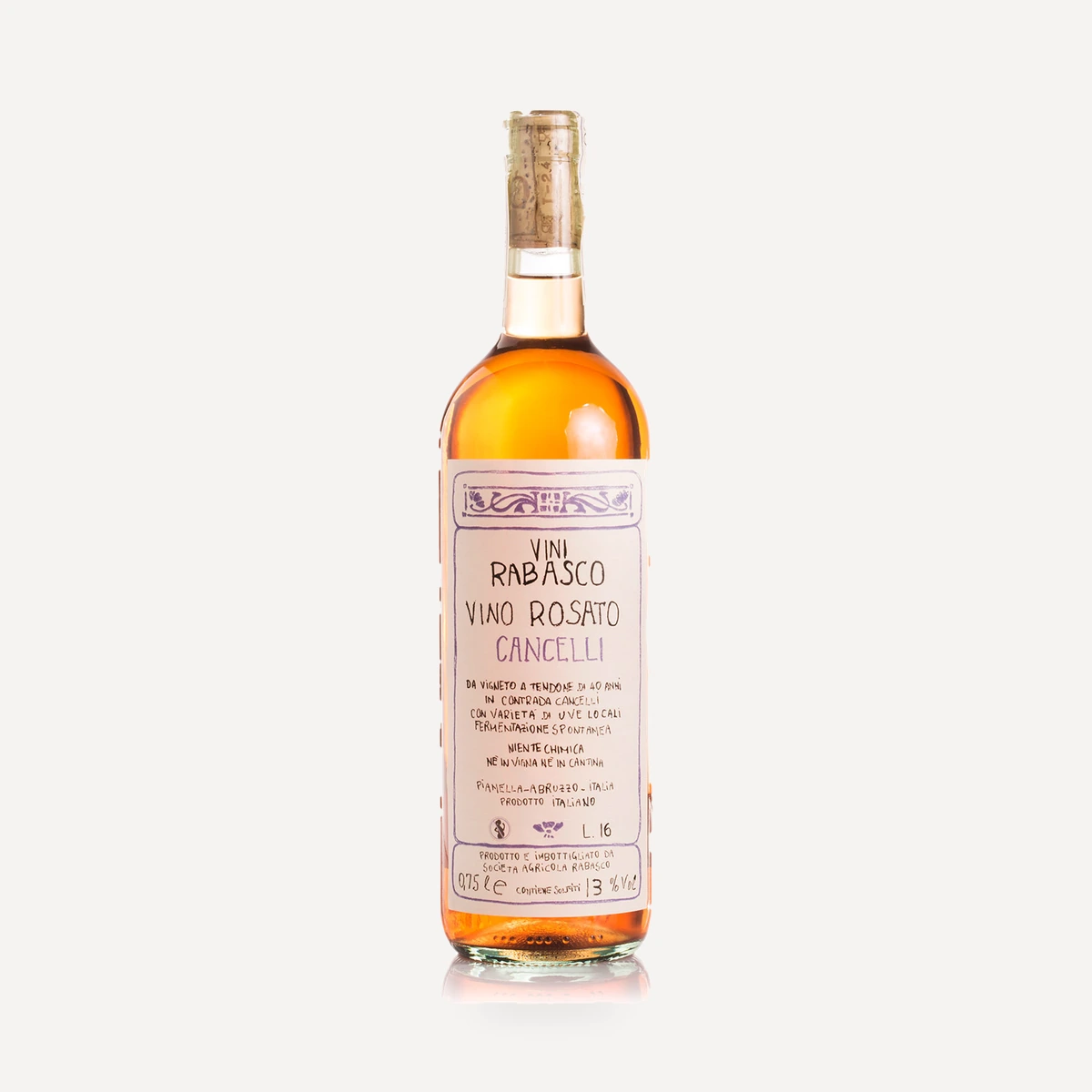
Rosato Cancelli
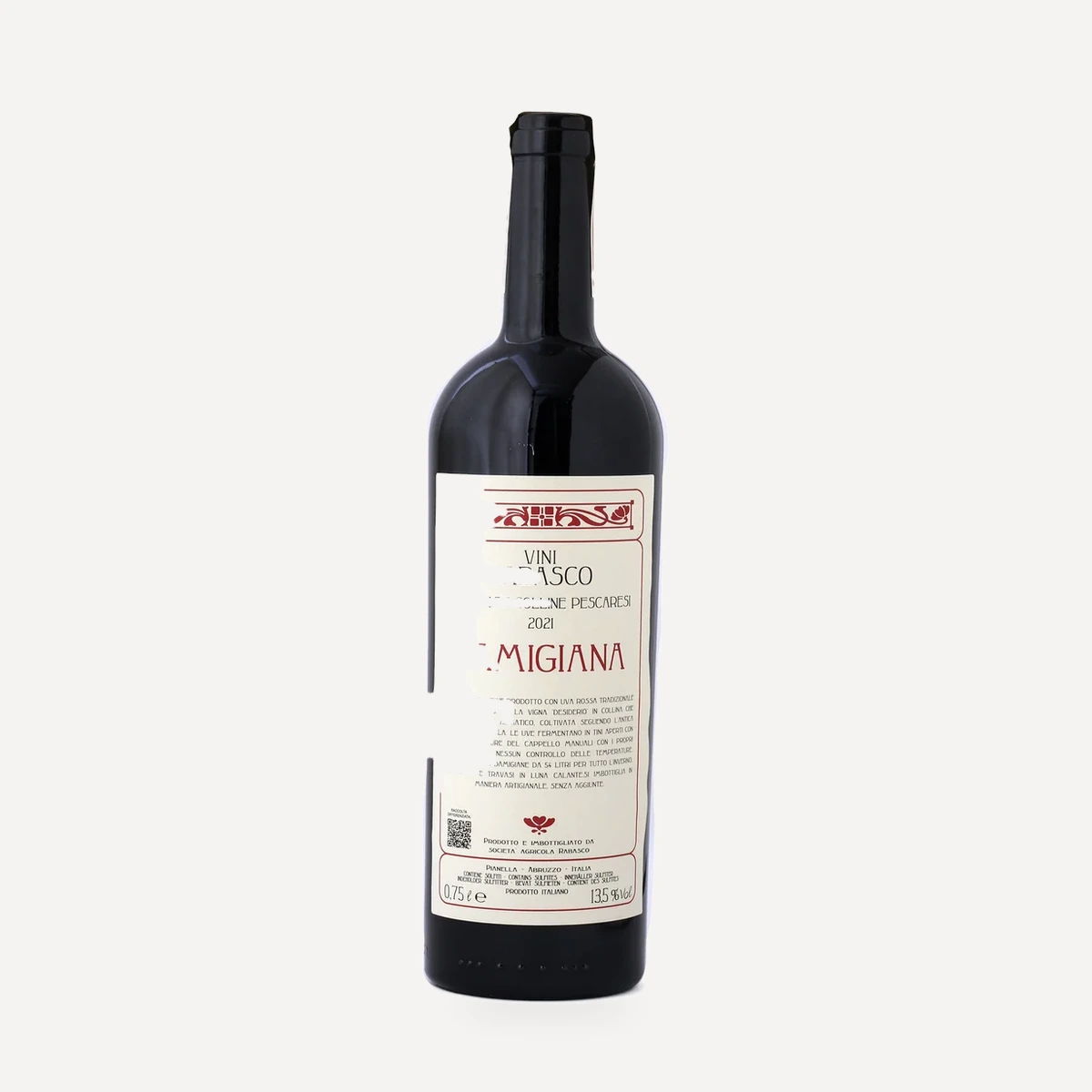
Rosso Damigiana
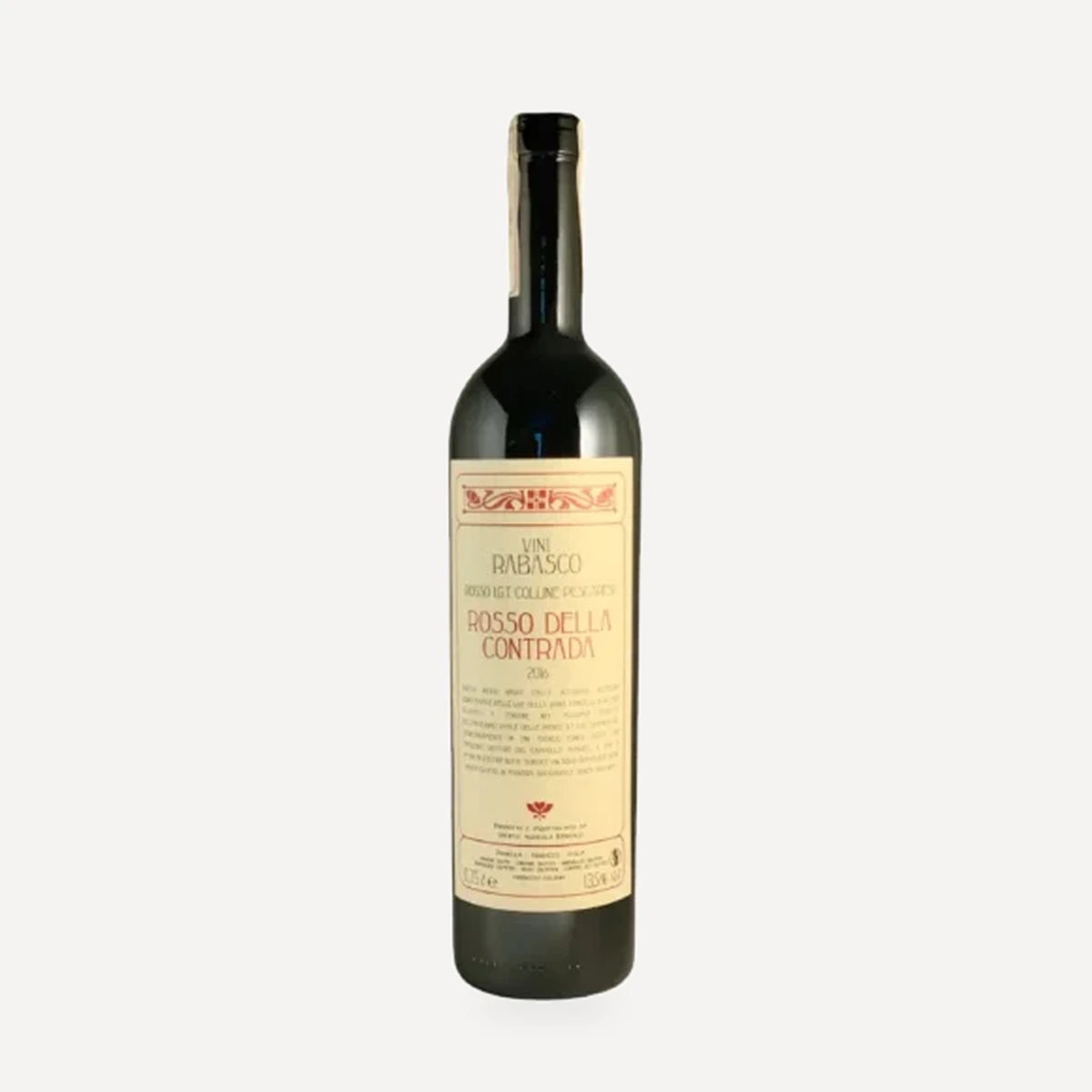
Rosso della Contrada
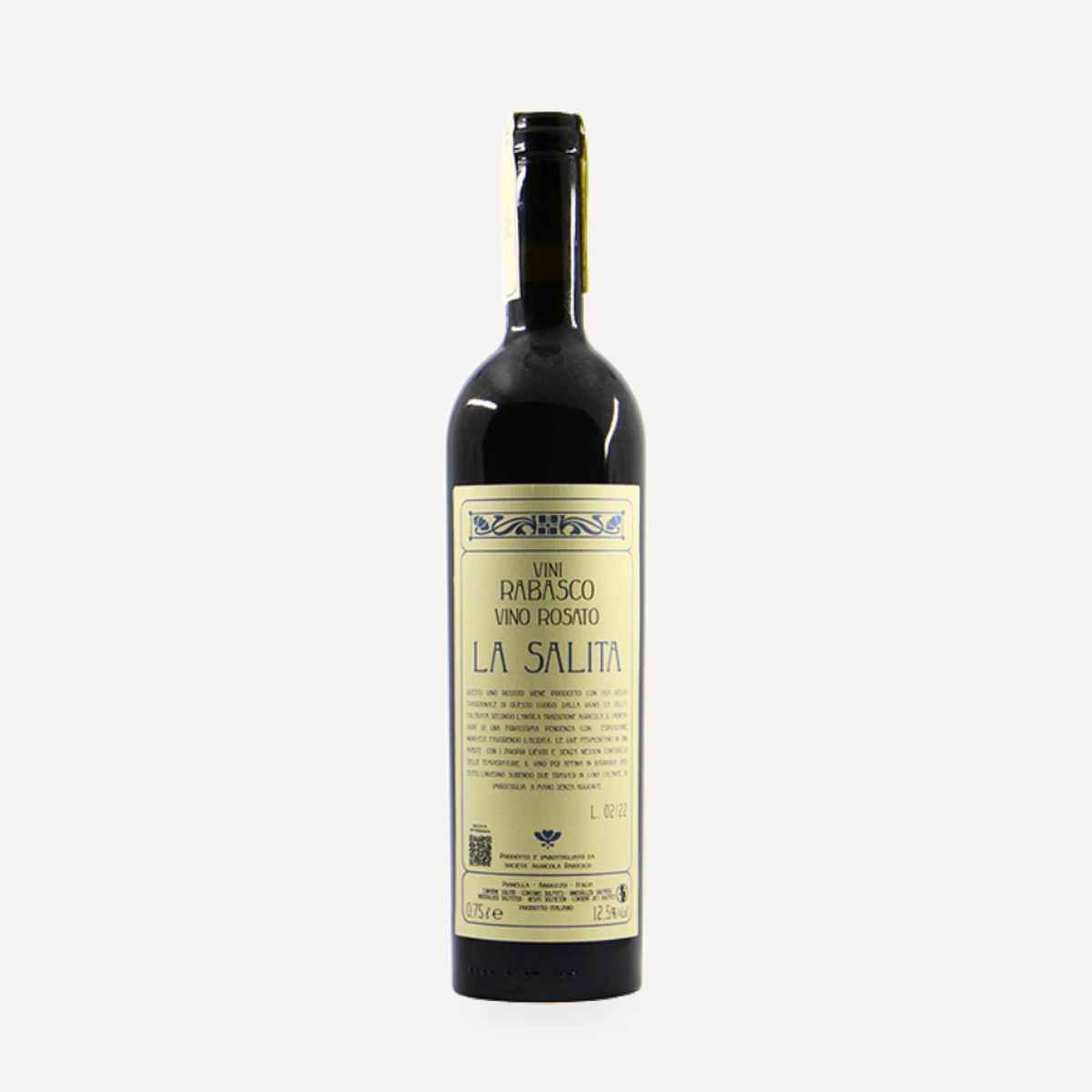
Rosato La Salita