Questo vino
Vineyard and terroir
The vineyards lie at 400–550 metres above sea level on sandy soils with a high limestone content. The high-altitude sites give grapes for light, fresh and balanced wines. Viticulture and cellar work are organic, with minimal intervention in natural processes; careful biological management helps soil, climate and vines work in harmony.
Grapes
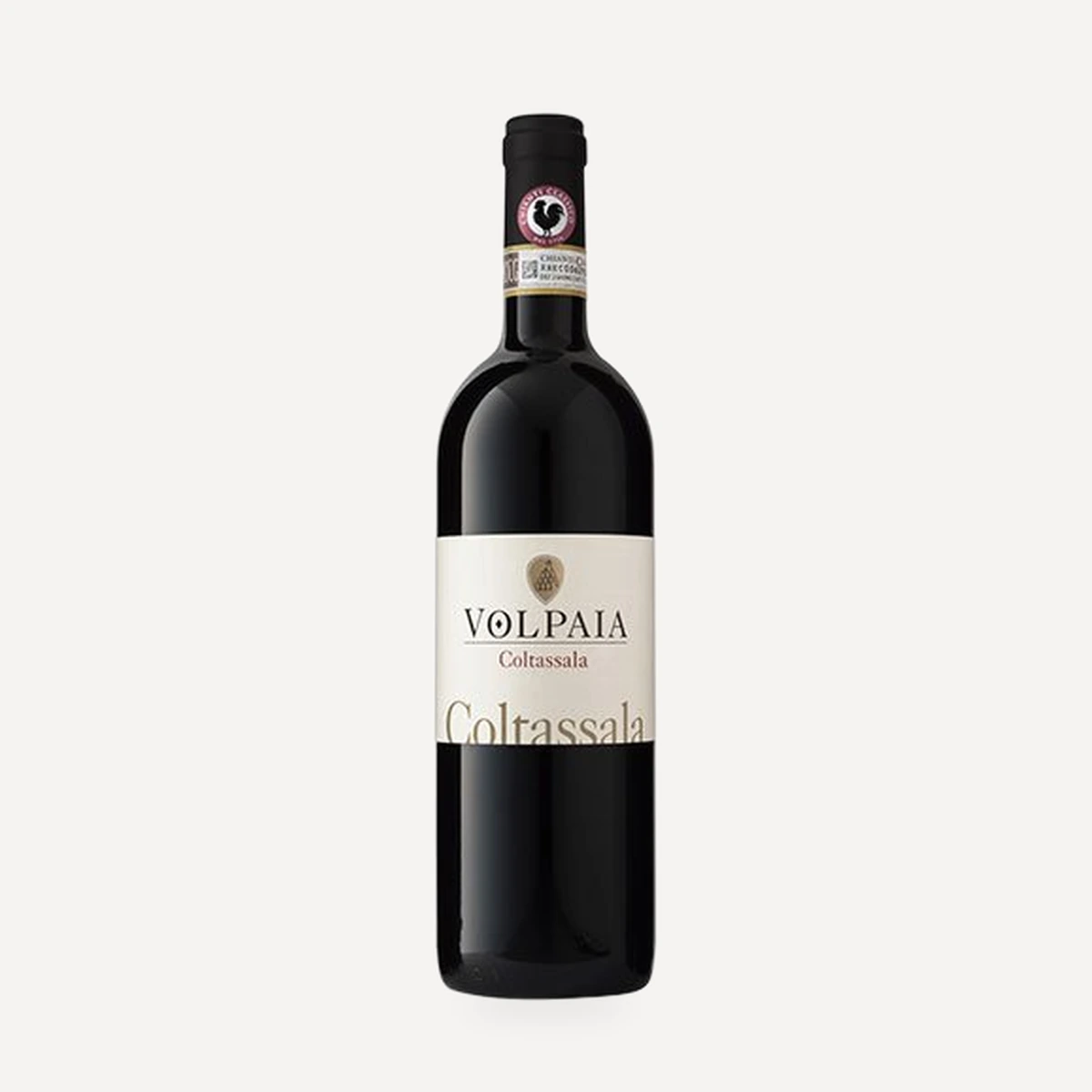
Depending on the vintage, the wine is made either entirely from Sangiovese or as a blend in which other red varieties make up no more than 20%.
Vinification
The 2023 grapes were harvested by hand from early September to mid-October into small 15 and 20 kg crates. They were destemmed and gently pressed to preserve the anthocyanins that give the wine its depth of colour. Fermentation took place in stainless steel tanks at a controlled 26–30 °C for 14 days, with the must pumped over at least twice a day to extract colour and tannins fully. After a 10-day maceration, the wine underwent malolactic fermentation, which softened the flavour and reduced the acidity.
Ageing
In late January or early February the wine was moved into large 30 hL Slavonian oak casks and aged for 12 months, developing balance and a woody aroma. Castello di Volpaia uses the church cellars to age its Chianti Classico wines.
Serving and pairing
Suited to sophisticated meat dishes.
Vintage notes
The 2023 season began with a dry, warm winter, followed by cold weather and heavy rain in May and June. Ripening slowed and there was a risk of mildew, but the vines came through unharmed. The rest of the season was hot and mostly dry, giving a rich and aromatic harvest.
Label / history
Chianti Classico comes from Italy's oldest appellation; the earliest references to the wine appear in documents from 1398, before Chianti was officially established as a wine region.
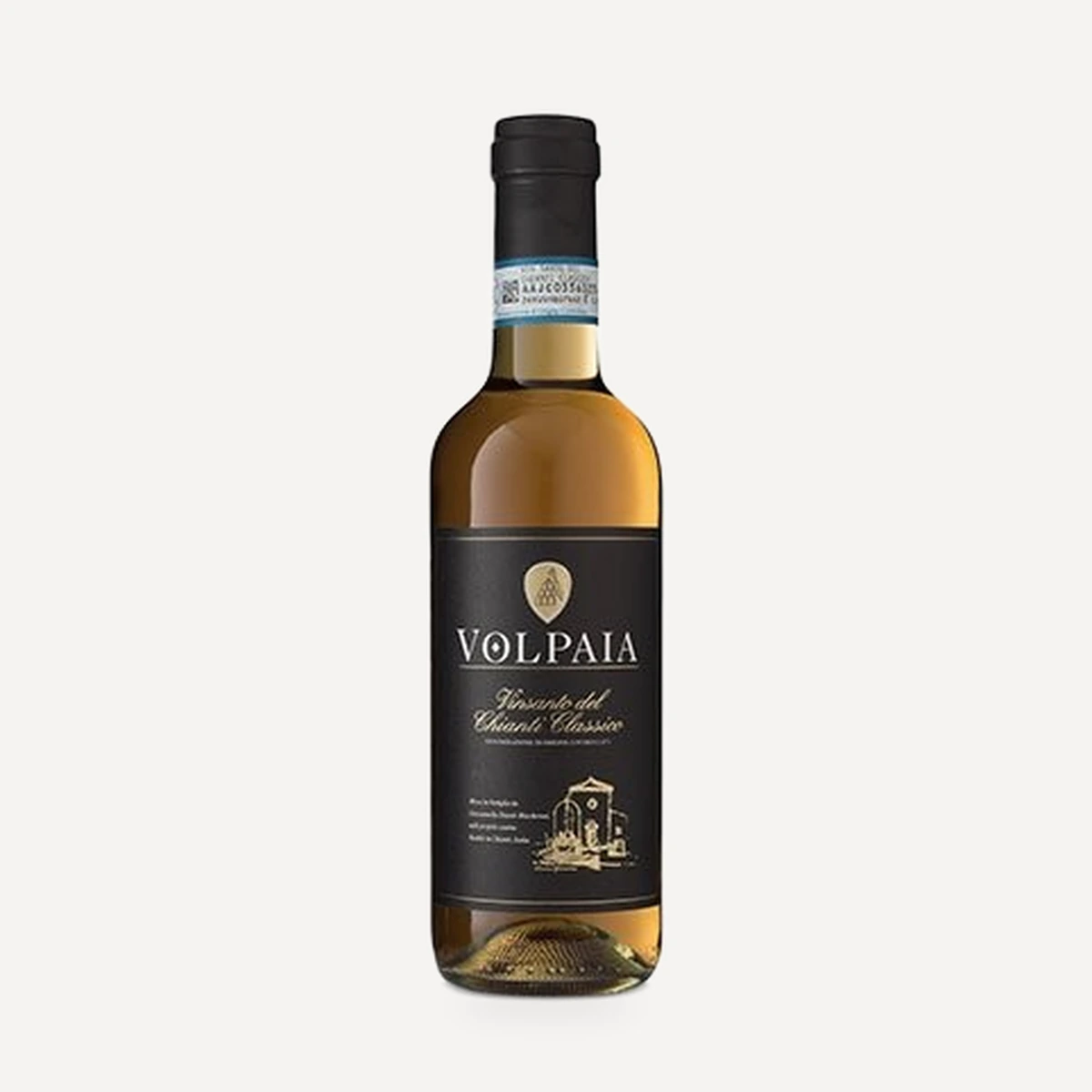
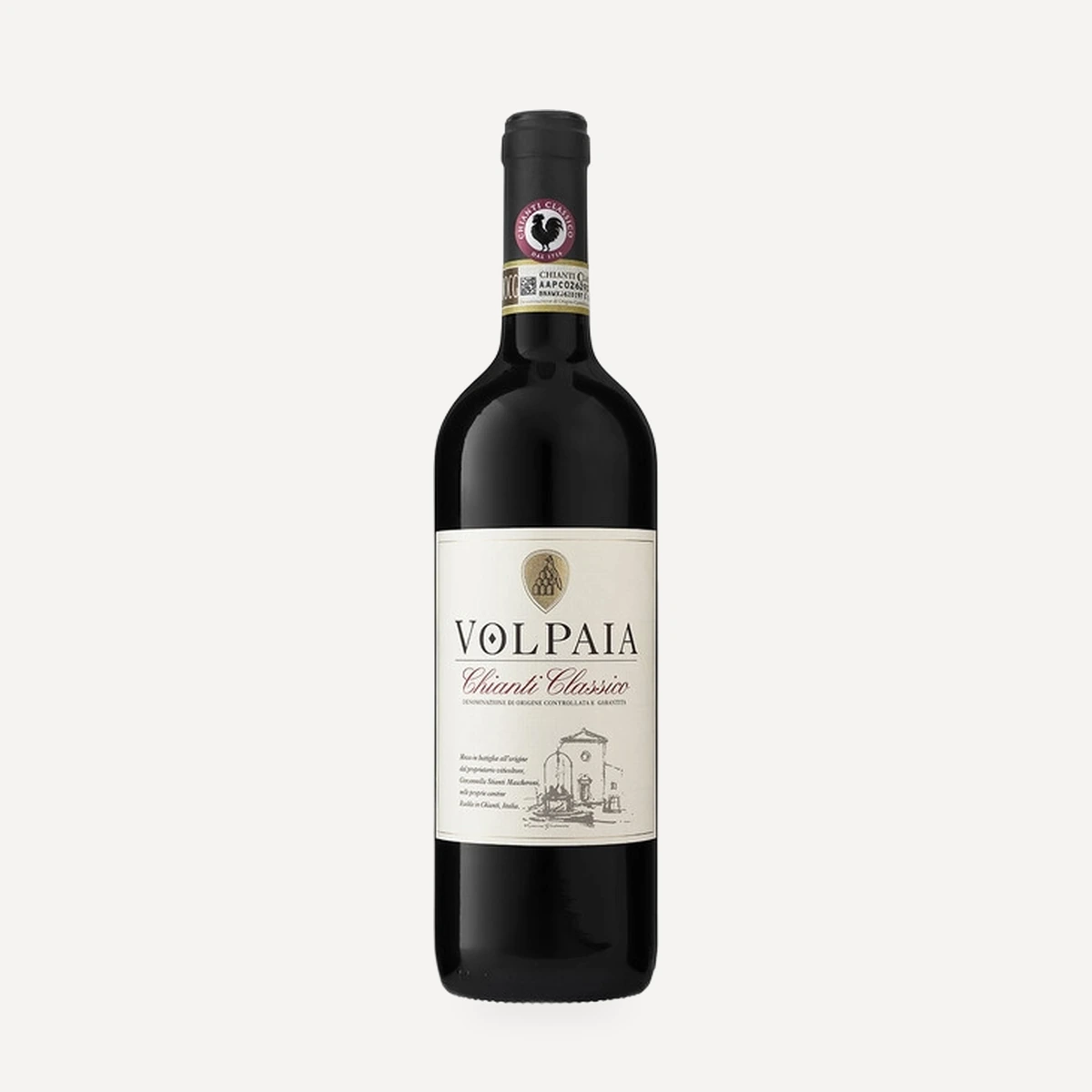
The label shows the church at the centre of the fortified village of Volpaia. The Church of Saint Euphrosynus, designed by the Renaissance architect Michelozzo di Bartolomeo, was declared a national monument in 1981. Its cellars are used for ageing, and the main space hosts wine dinners and tastings.
Castello di Volpaia was built in the eleventh century as a fortified stronghold on the border between Florence and Siena. Only 2 of its 6 original towers and part of the defensive walls remain, while the layout and walls of the village buildings survive close to their original form. Volpaia is also the name of a family: Lorenzo and Benvenuto della Volpaia were Renaissance inventors of mechanical devices, and one of them was a friend of Leonardo da Vinci. Their inventions are in science museums in Florence, Chicago and Greenwich. The estate also produces olive oil, honey and wine vinegar.