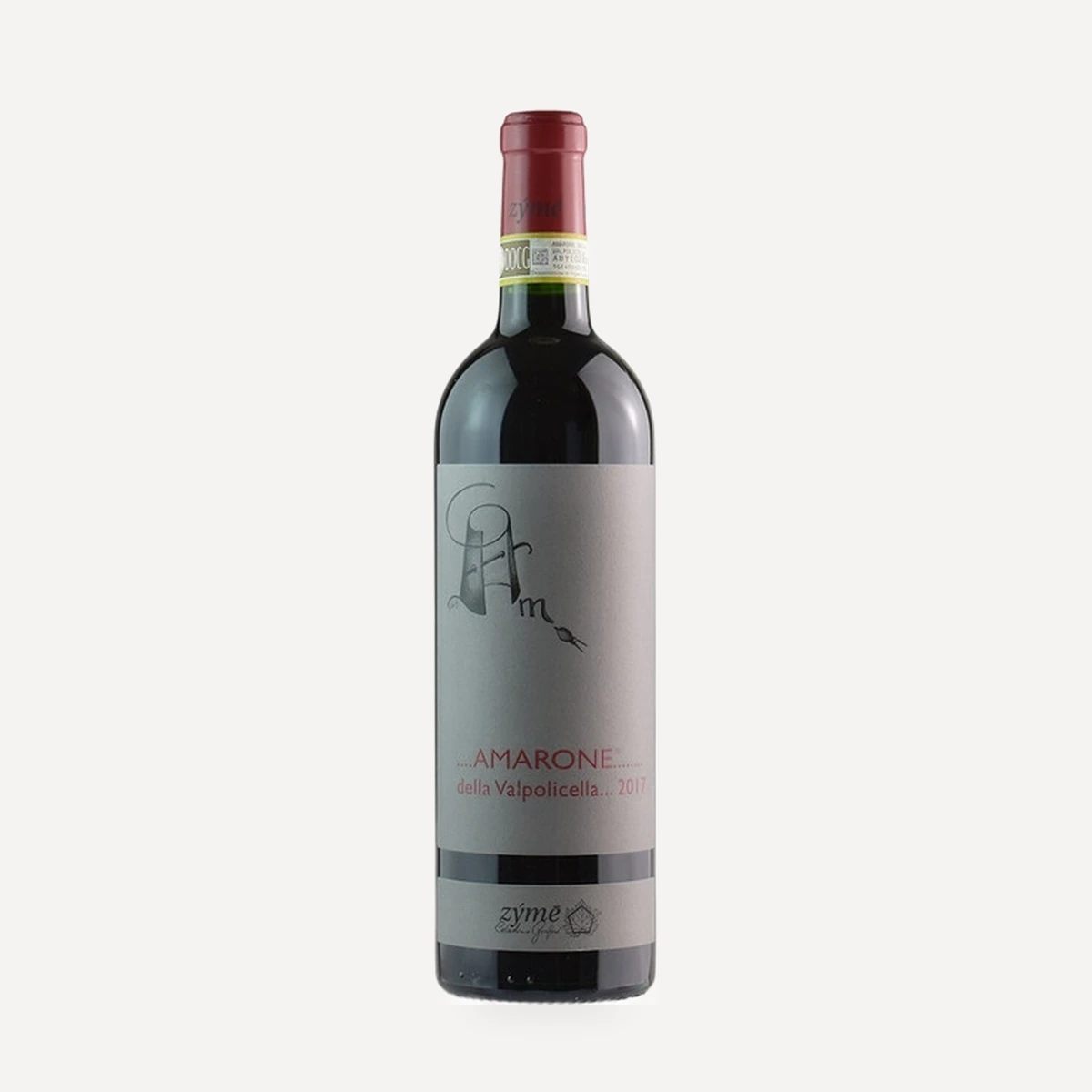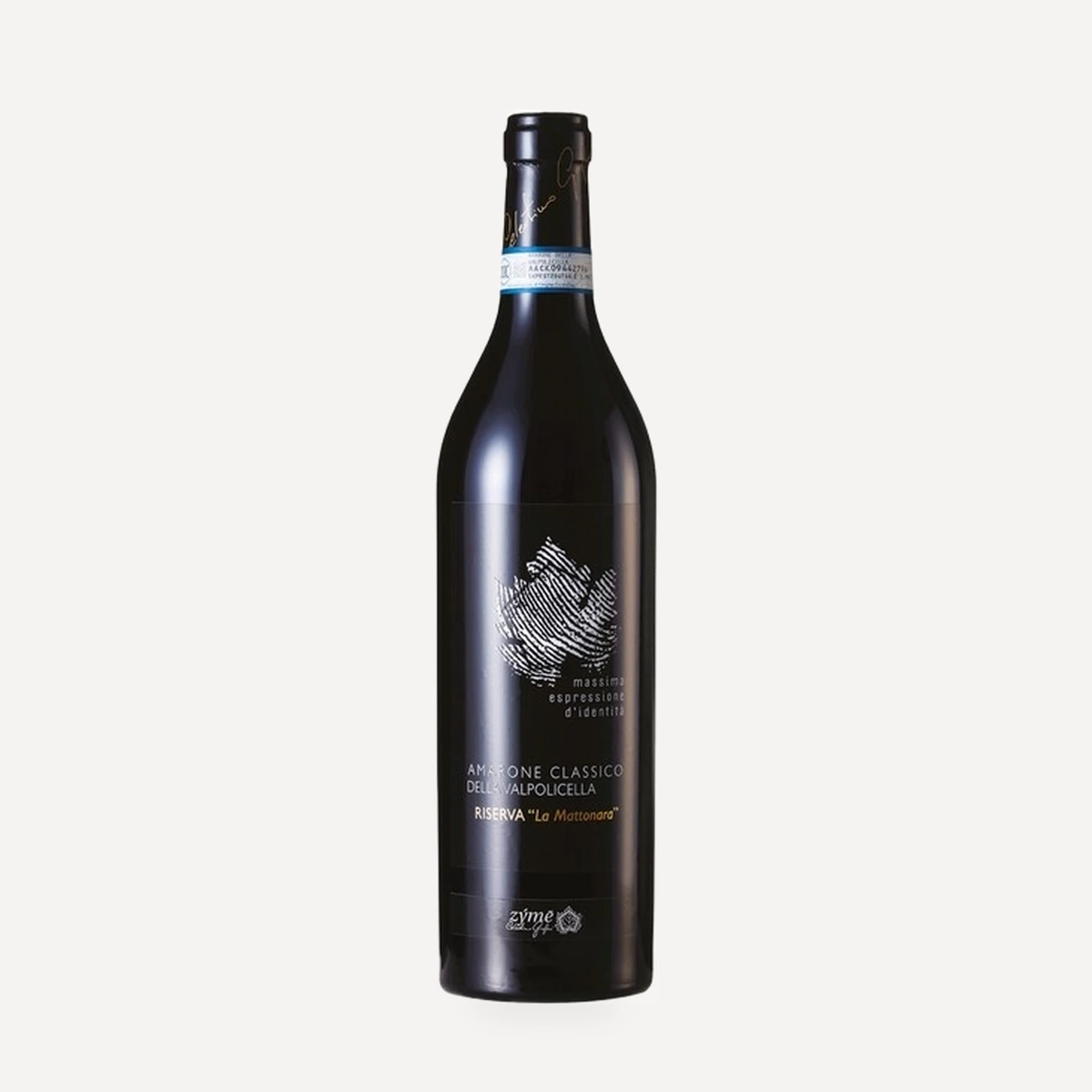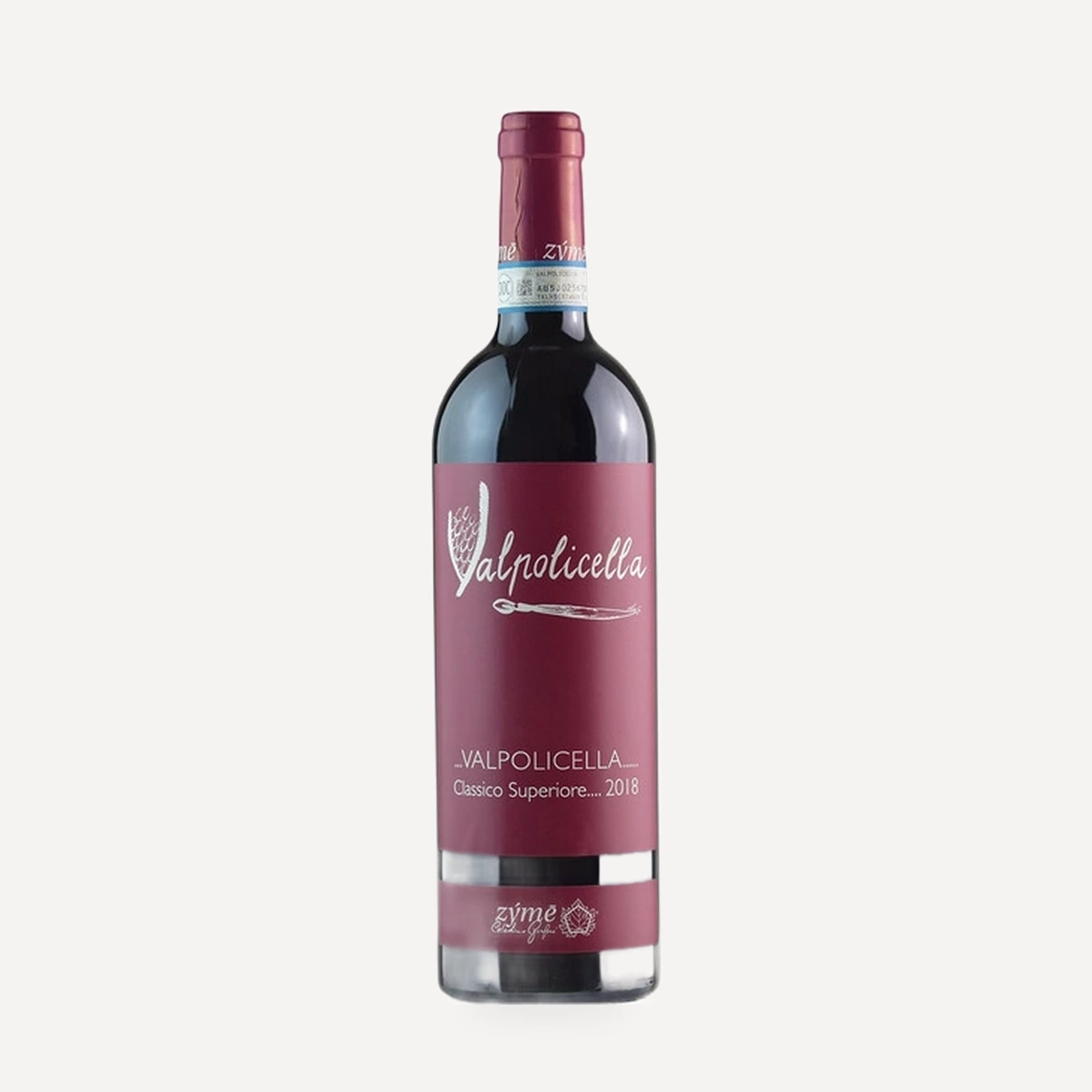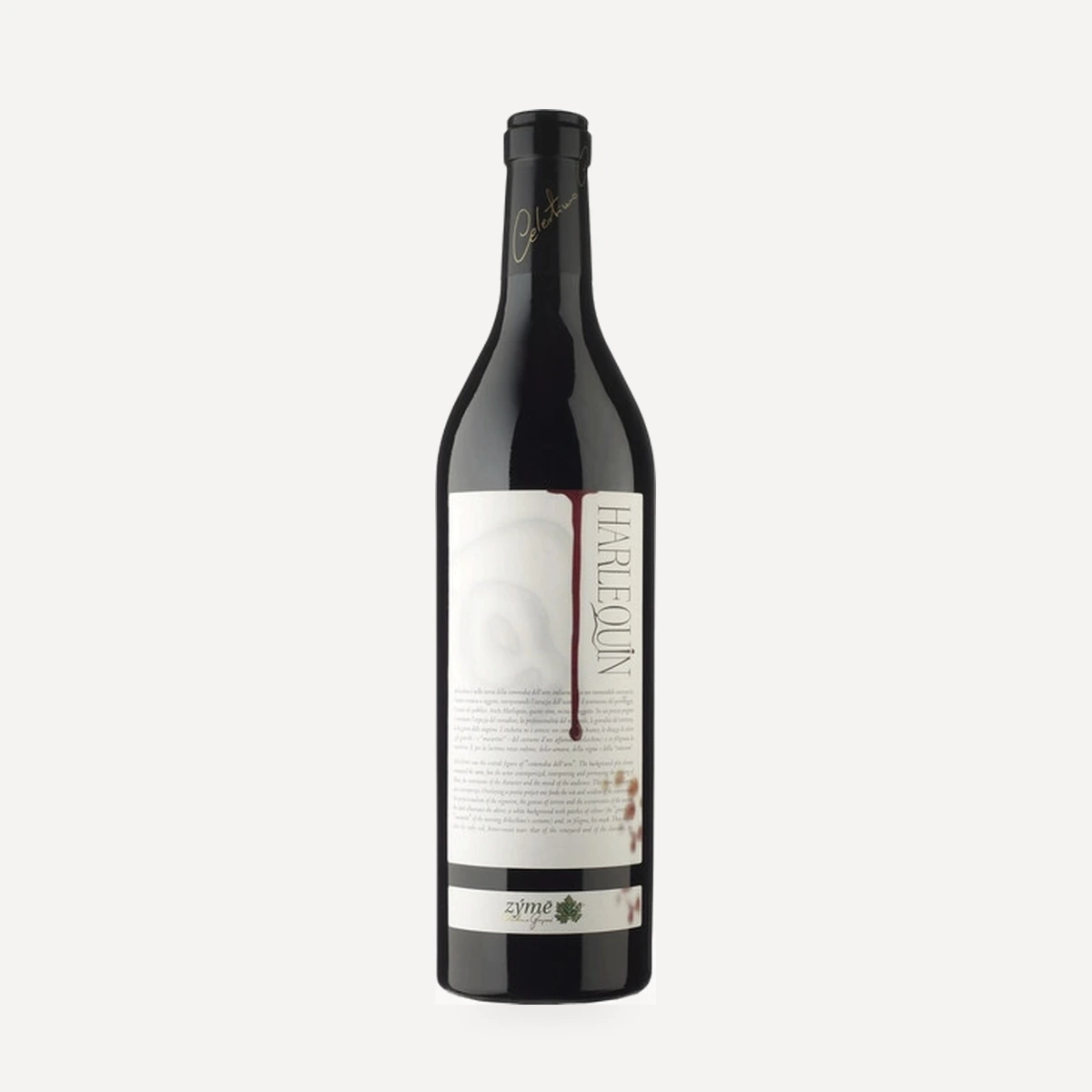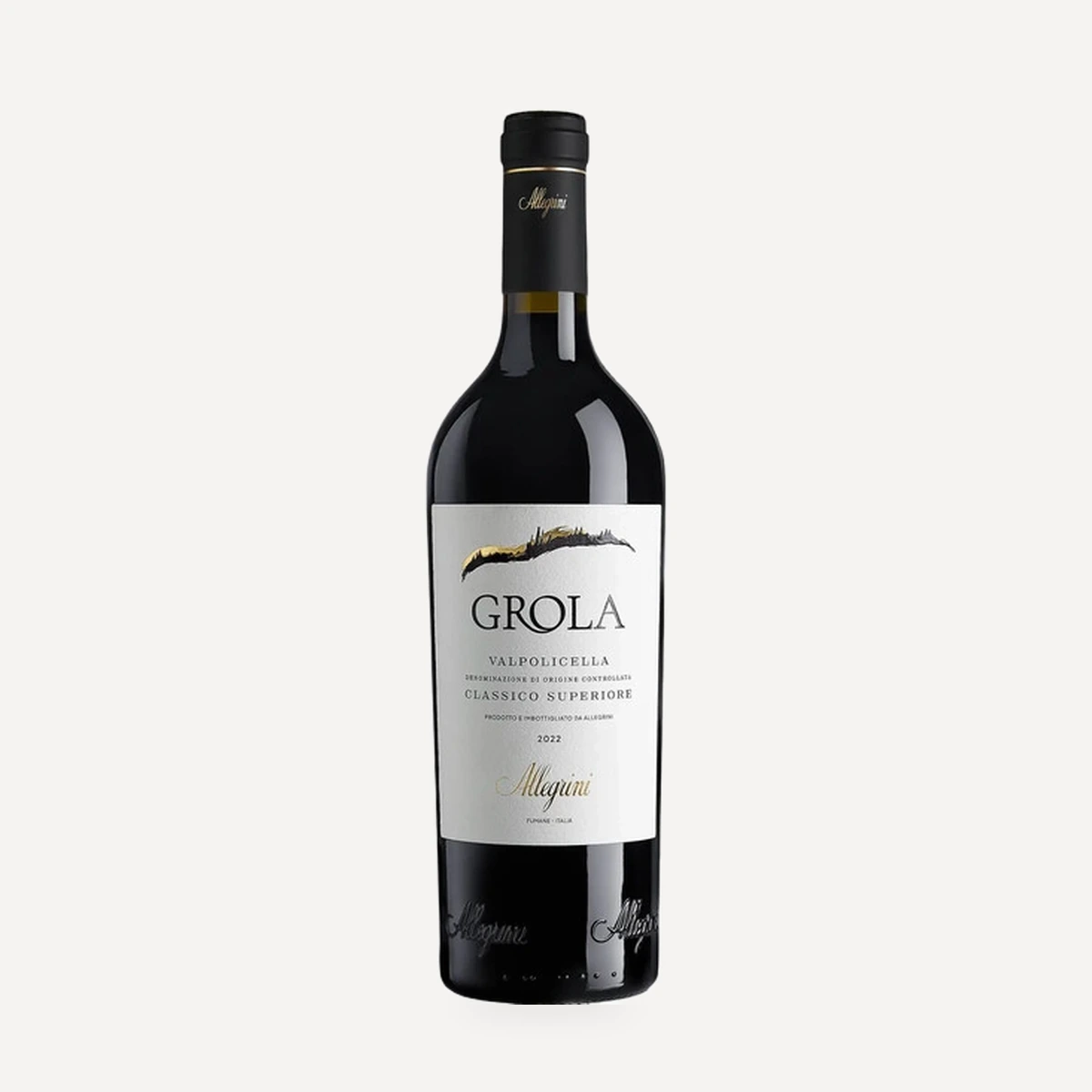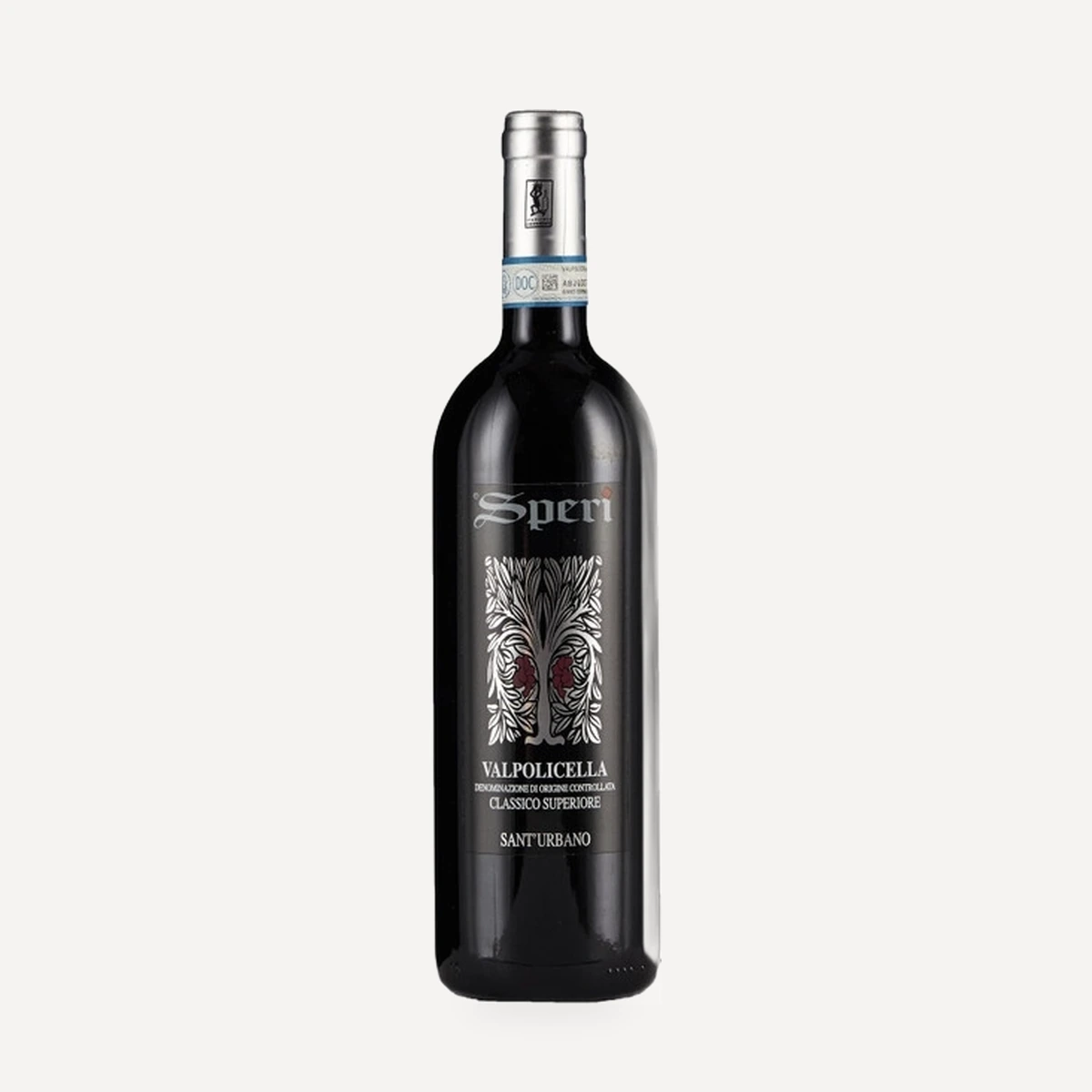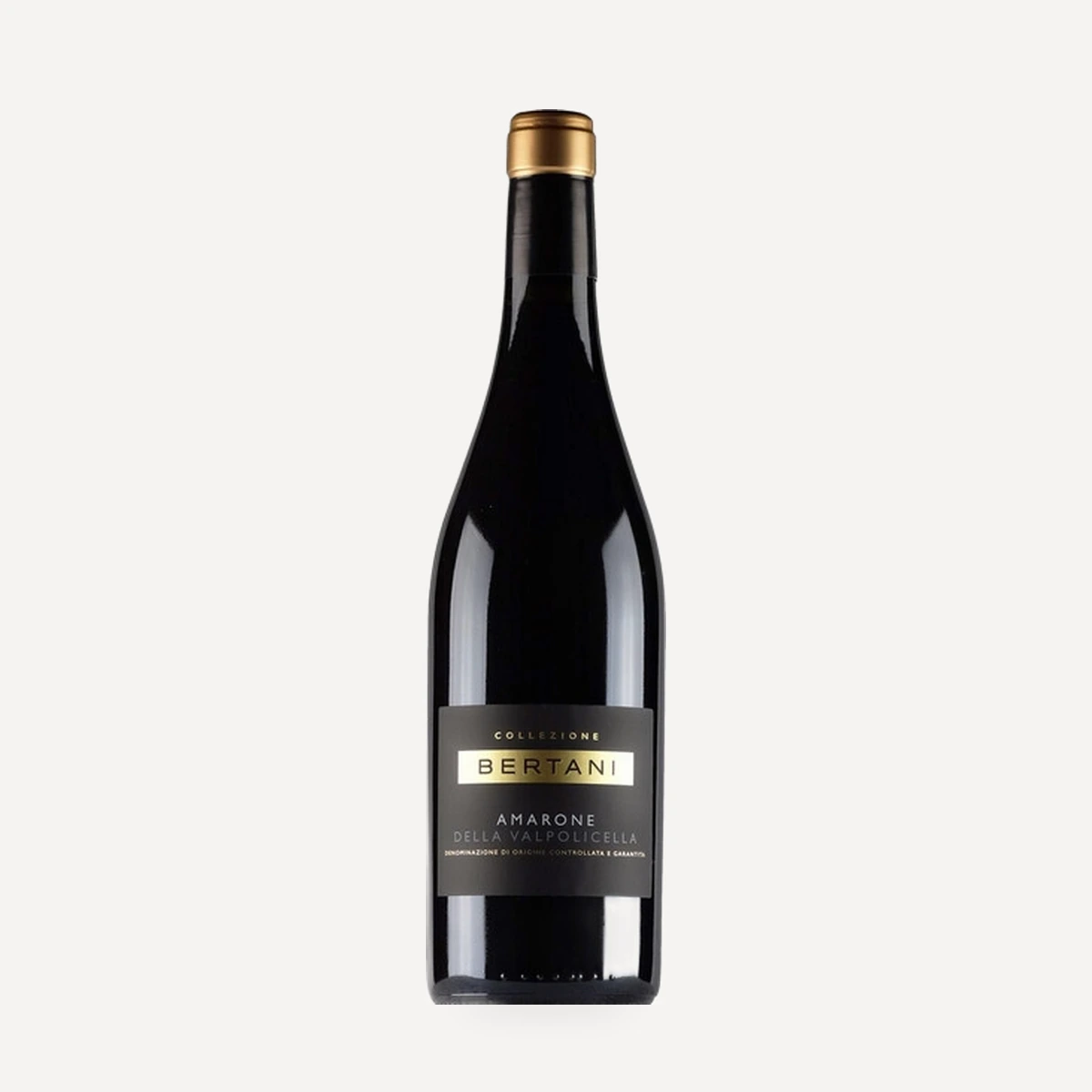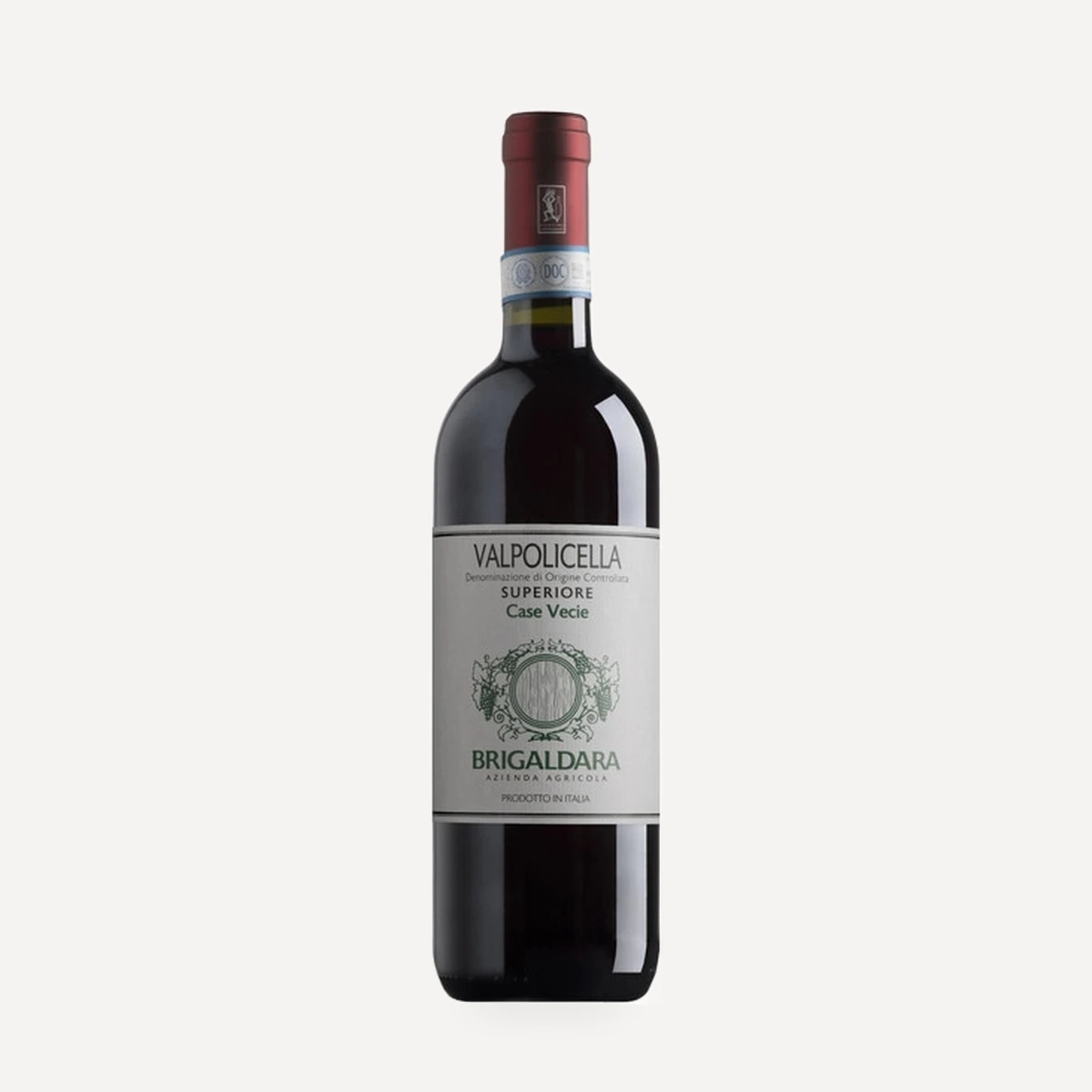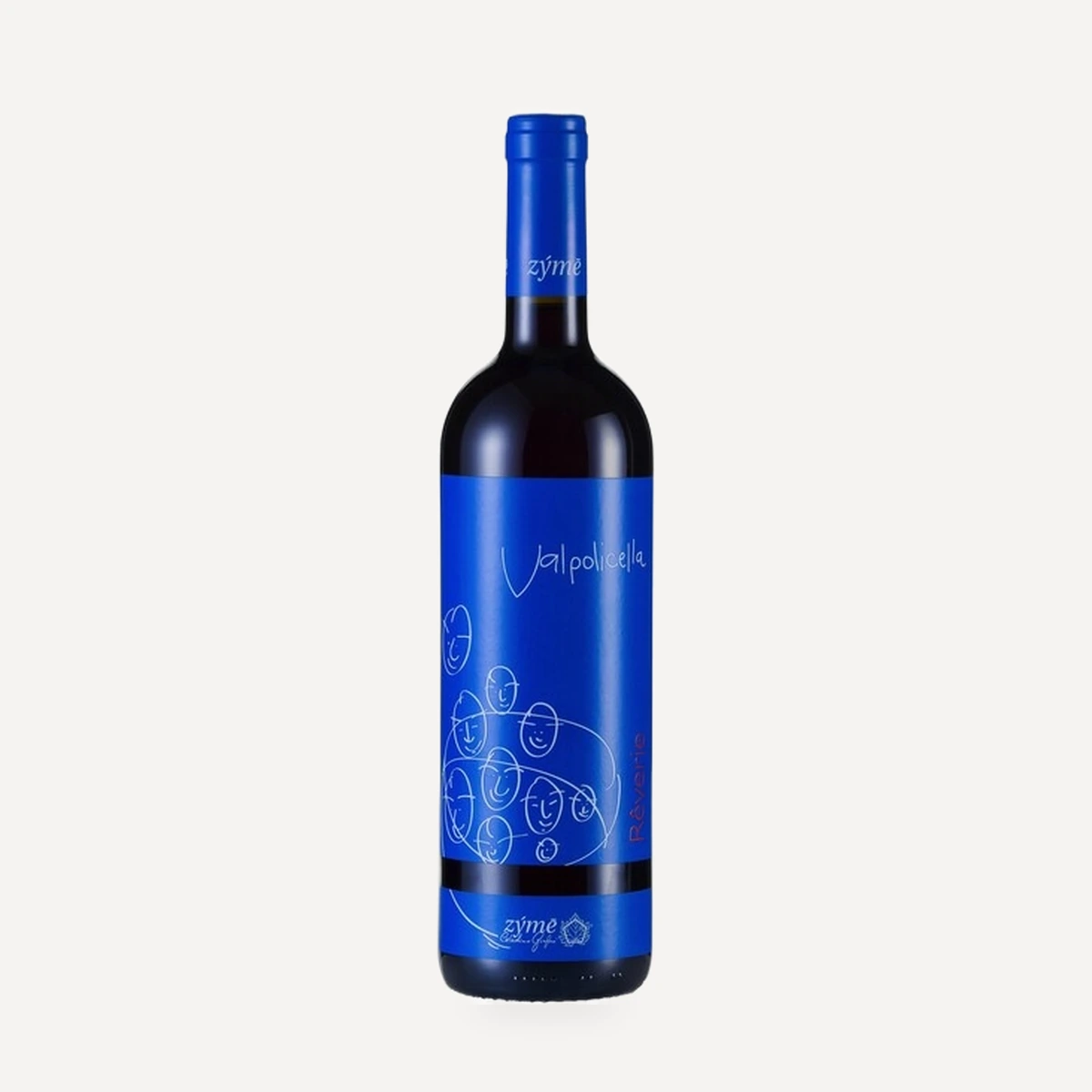
Questo vino
Vineyard and terroir
The grapes grow in soils rich in limestone and clay.
Vinification
The grapes are harvested by hand from late September to early October. The selected bunches are destemmed, pressed and cold-macerated, then fermented under controlled conditions in stainless-steel tanks.
Ageing
The wine ages for 6 months in 200 hl steel tanks.
Tasting profile
A fresh, easy-drinking young wine.
Vintage notes
2020, Veneto: the growing season began slightly earlier than usual, with no problems during flowering or fruit set. From March to July, moderate temperatures and optimal rainfall created favourable conditions. Temperatures rose in July and early August, followed by intense summer storms across the plains of Valpolicella. Heavy rain and light hail caused occasional problems but no lasting damage. The grapes were healthy and of good quality, with normal sugar levels similar to those of previous years.
Label / history
Celestino Gaspari created Reverie in 2003. He wanted to show the distinctive character of the Valpolicella terroir while making a wine for a younger generation. The many emojis on the label reflect this idea and are inspired by the way young people communicate online.
Zyme takes its name from the ancient Greek word for "yeast". Its pentagonal logo represents five essential parts of winemaking: people, vines, soil, sun and water. Gaspari officially began producing wine in 2003, although his interest in winemaking began in early childhood. He met his future father-in-law, the winemaker Giuseppe Quintarelli, and gained knowledge and experience at the Quintarelli winery before establishing his own winery in the heart of the Valpolicella Classico region. The estate has two parts: a modern building where vinification takes place and a cellar carved into a sandstone wall.