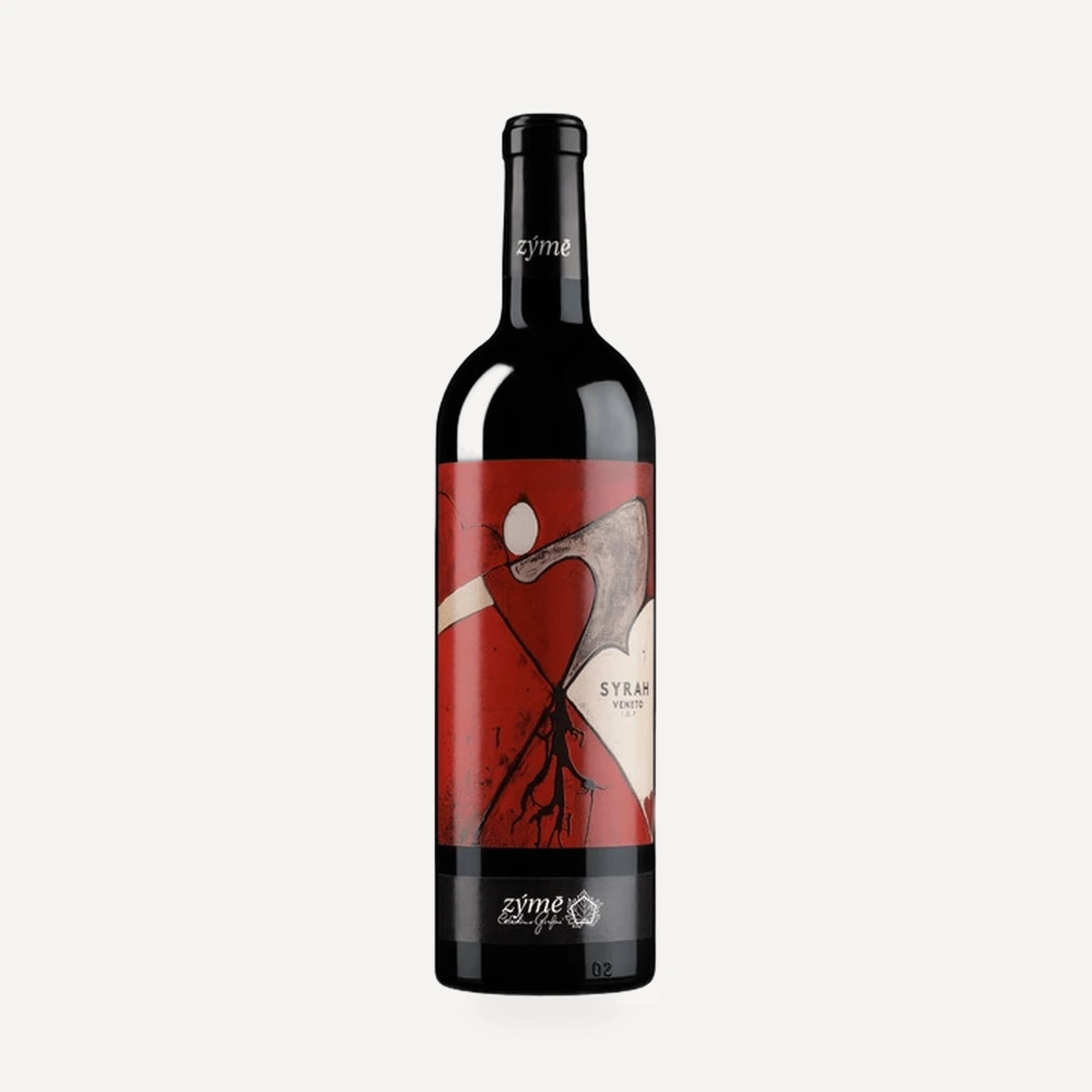
Storia
Family vineyards and professional formation
Celestino Gaspari spent his childhood among his family’s vineyards. Curiosity, resilience and a desire to experiment shaped his subsequent career. Before creating Zýmē, he accumulated approximately twenty years of experience as a winemaker at established Valpolicella estates, contributing to a number of important wines from the area. This period deepened his knowledge of native grapes, traditional grape drying and the close selection required to distinguish individual bunches and vineyard origins.
1999: Harlequin and the birth of Zýmē
In 1999 Gaspari created Harlequin. The wine marked the beginning of the Zýmē project and embodied its founding ambition: to make something new without severing the connection to Valpolicella, its culture, its genetic diversity and its traditional methods. The business subsequently developed from Gaspari’s work as founder, grape grower and winemaker.
A distributed vineyard project
Zýmē grew as a dispersed mosaic rather than a single compact estate. By 2016, approximately 30 ha were distributed across selected areas of Veneto. The vineyards and fields now extend for more than 70 km, from Valpolicella Classica through the territories of Soave and Durello to the Colli Berici. This structure gave Gaspari access to different soils, microclimates and genetic material for both traditional Valpolicella wines and experimental IGP projects.
Gaspari’s research focused particularly on indigenous and neglected vines. He preserved Oseleta genetic material, restored forgotten varieties by returning old vines to production and selected Rondinella Bianca, a spontaneous albino mutation of the normally dark-skinned Rondinella grape.
The winery at Mattonara
Zýmē established its home in a historic sandstone quarry at Località Mattonara, San Pietro in Cariano. Quarries of this kind had served the valley from the 15th century onward as sources of building stone, winter livestock shelters, stores and wartime refuges. Gaspari’s project adapted the abandoned underground chambers to wine maturation while retaining their rock walls and natural conditions.
Architect Moreno Zurlo designed the modern intervention as a dialogue between the quarry and contemporary materials. Steel, glass, honey-coloured stone and perforated Corten steel meet the underground galleries. During excavation, a collapse revealed an underground spring. The opening was retained behind a parapet, allowing the sound of flowing water and its natural humidity to remain part of the barrel cellar.
The above-ground reception and shop occupy a five-sided structure. Its geometry refers to the five elements at the centre of Zýmē’s identity: mankind, vines, soil, water and sun. A helical stair recalling a wine press or corkscrew leads into the subterranean maturation areas. Galleries branching at different levels through the former quarry now accommodate barrels and stored vintages.
Selection-led growth
By 2016, annual output was approximately 80,000–90,000 bottles despite the potential production of the vineyard holdings. Only selected fruit was retained for Zýmē labels; the remainder was sold in bulk. This policy supported gradual growth while directing resources toward the quality of the bottled wines.
Terroir
Zýmē is structured as a dispersed mosaic of vineyards and fields extending for more than 70 km across Veneto. Its reach begins in Valpolicella Classica, passes through the territories of Soave and Durello and continues to the gentle slopes of the Colli Berici. The resulting range of vineyard environments includes multiple soils, microclimates and grape populations rather than one uniform estate terroir.
Across these sites, soils include alluvial, volcanic and glacial formations, depending on vineyard position. The Valpolicella component is associated with a mild climate and freely draining, stony soils. This geographic diversity supports both the traditional dried-grape culture of Valpolicella and the project’s exploration of local genetic variation.
The winery itself occupies a historic sandstone quarry in the heart of Valpolicella. Rock walls shelter the maturation spaces, while an underground spring contributes natural humidity. The quarry’s stable subterranean environment functions as a natural regulator for wine ageing.
Vinificazione
Zýmē treats vineyard work as an exercise in environmental responsibility and respect for biological timing. Variety choice, soil management and other production decisions are intended to reduce environmental impact and preserve local biodiversity. The approach avoids invasive intervention and gives vines time and space to pass naturally from flowering through ripening.
The estate operates a layered selection system. At its highest level, Celestino Gaspari personally chooses the best vintages, vineyard origins and healthiest, ripest bunches. Other grapes undergo progressively broader selections: exacting selection for the next tier; individual bunch selection from the oldest vines; fruit from younger vines; and a general selection meeting the Zýmē standard. A vintage or area that does not satisfy the requirements of one tier is reassigned to the preceding level.
Documented vineyard operations include organic fertilisation, hand pruning, shoot thinning, leaf removal and cluster thinning. Harvesting is manual and follows the ripeness of each variety, with bunches selected individually. The wider viticultural project also includes restoring neglected old vines, safeguarding Oseleta genetic material and selecting the spontaneous Rondinella Bianca mutation. Protection of microflora, microfauna and the territory’s genetic diversity is treated as part of the obligation to return care to the land.
Zýmē’s production spaces combine contemporary equipment with a subterranean maturation cellar formed from a historic quarry. Fermentation and ageing take place in an environment protected by rock and wood. The old quarry walls remain exposed, and an underground spring supplies natural humidity to the barrel cellar. Galleries at several levels provide additional maturation and reserve-storage areas.
The cellar has used stainless-steel vessels, 550-litre tonneaux, French barriques from multiple coopers and large wooden casks. For the French barriques, specified blends of woods are used to seek consistency in quality and effect.
Celestino Gaspari developed and patented the Zymetank for the experimental IGP wines. It can operate automatically while providing homogeneous, gentle extraction from the cap, temperature control and management of both micro- and macro-oxygenation. Its purpose is controlled extraction with precision and definition rather than force.
Traditional Amarone production follows a different path: fermentation in concrete with indigenous yeasts, followed by long or very long maturation in large casks. More broadly, each stage—from harvest through bottle ageing—is allowed the time required by the grapes rather than being accelerated.
Production is governed by selection. The best years, vineyards and bunches are reserved for the highest tier, with fruit reassigned to another level when a vintage or origin does not meet the intended standard. In 2016, only part of the potential production from approximately 30 ha was bottled under Zýmē labels; the rest was sold in bulk. Annual bottled output at that time was around 80,000–90,000 bottles.
Filosofia
Agri-culture and the five elements
Zýmē’s philosophy brings together mankind, vines, soil, water and sun. The five veins of a vine leaf, the five fingers of a hand and the five points of the pentagonal logo express the relationship between natural energy and human skill. Wine is understood as the product of that symbiosis: it begins with sap rising from the earth and takes form through knowledge and manual work.
The name Zýmē means “yeast” in ancient Greek. Beyond its literal role in oenology, it represents naturalness, fermentation and a continual willingness to transform. The logo inscribes a pentagon within a vine leaf, joining the name to the five elements.
Stewardship rather than exploitation
The project presents people as participants in the land they inhabit. Their duty is to protect it, while their knowledge also allows them to reinterpret and renew it. The central ethic is reciprocal: care for the earth should answer what the earth provides. Technology is considered worthwhile when it benefits the land, rather than existing merely for commercial advantage.
Environmental goals include reducing the impact of farming and production, managing soils responsibly and preserving local biodiversity. The recovery of old vines, forgotten varieties, Oseleta genetic material and Rondinella Bianca translates that principle into practical conservation.
Metabolism, time and non-intervention
“Metabolism” is the estate’s metaphor for the biological rhythms governing vines and wine. Flowering, ripening, harvest, vinification, maturation and bottle ageing each require their own time. Zýmē seeks to understand those stages, avoid invasive intervention and let the vine form an individual identity.
Tradition and experimentation
Tradition and innovation are treated as complementary. Traditional knowledge governs cultivation and Valpolicella methods, while experimentation supplies new wines, techniques and equipment capable of adding value to the territory. This duality appears in the contrast between concrete, indigenous yeasts and large casks for Amarone, and the patented Zymetank used for more experimental IGP wines.
Readability, identity and balance
Zýmē defines a successful wine as “readable”: complex but balanced, with each aroma and flavour performing a coherent role. Its stated aims are identity—genetics, territorial expression and character; pleasure—appeal, drinkability and charm; and balance—harmony, constancy, prudence and wisdom. Continuous research is intended to remove unnecessary embellishment and reveal authenticity, purity and local character.
Vini
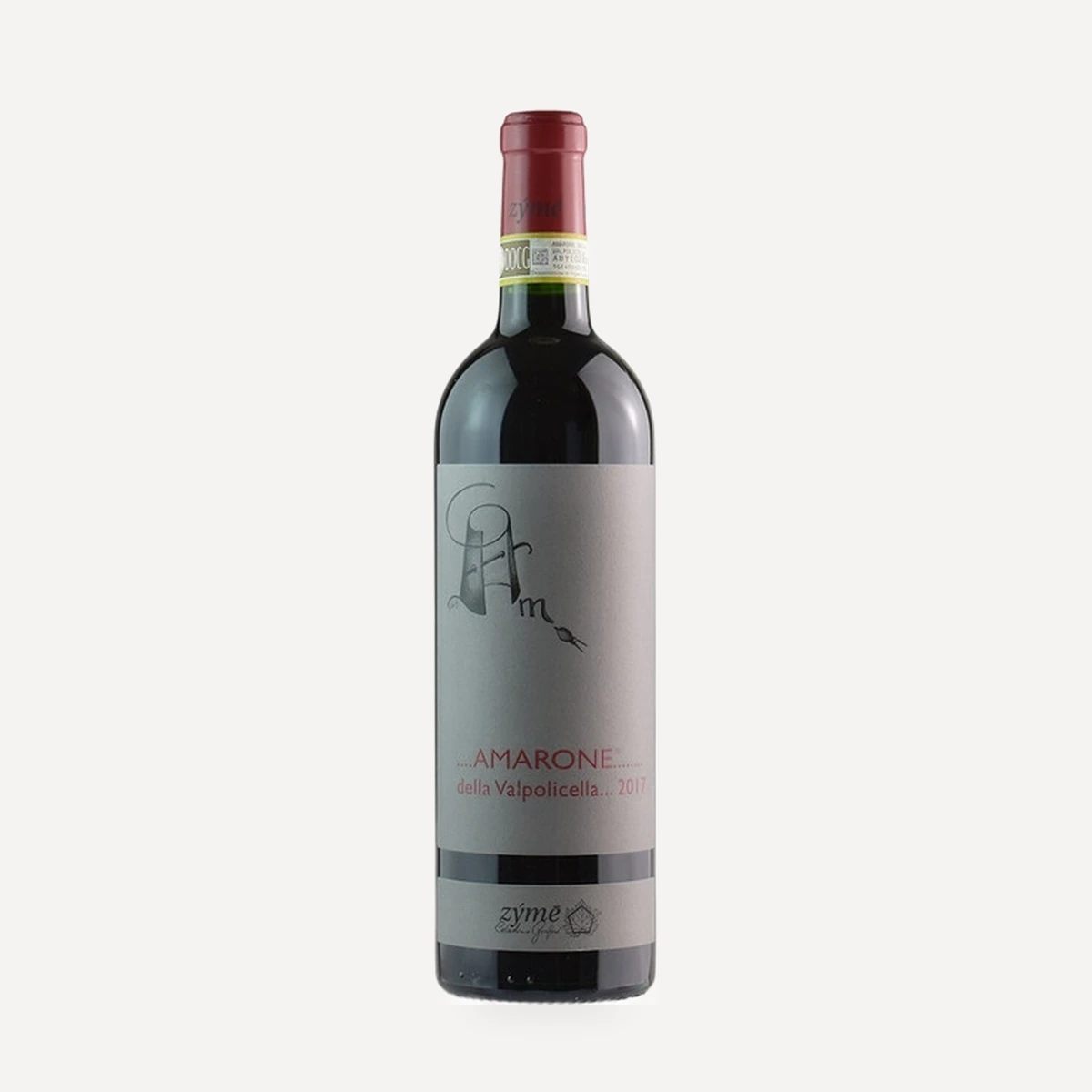
Amarone Classico della Valpolicella
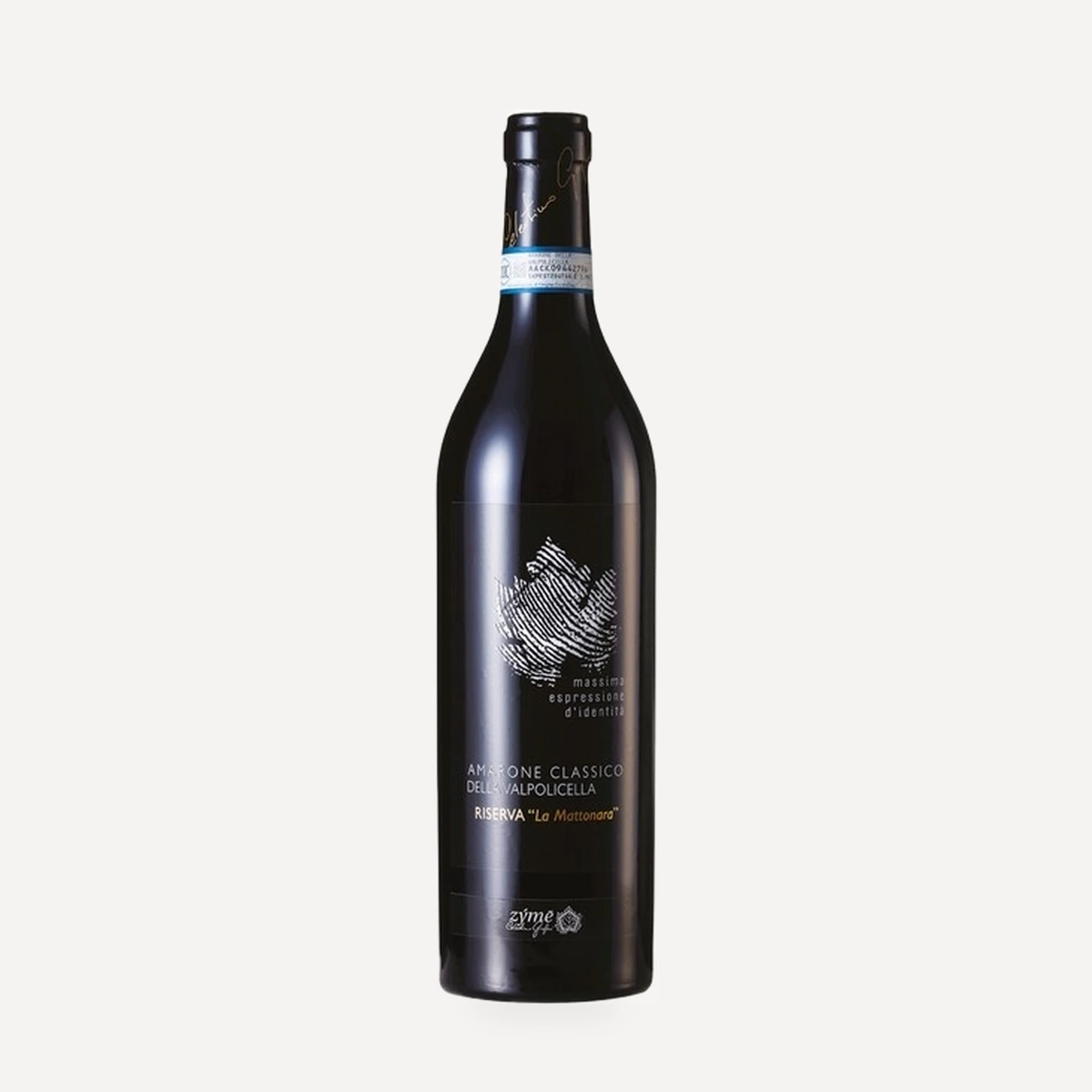
Amarone della Valpolicella Classico Riserva La Mattonara
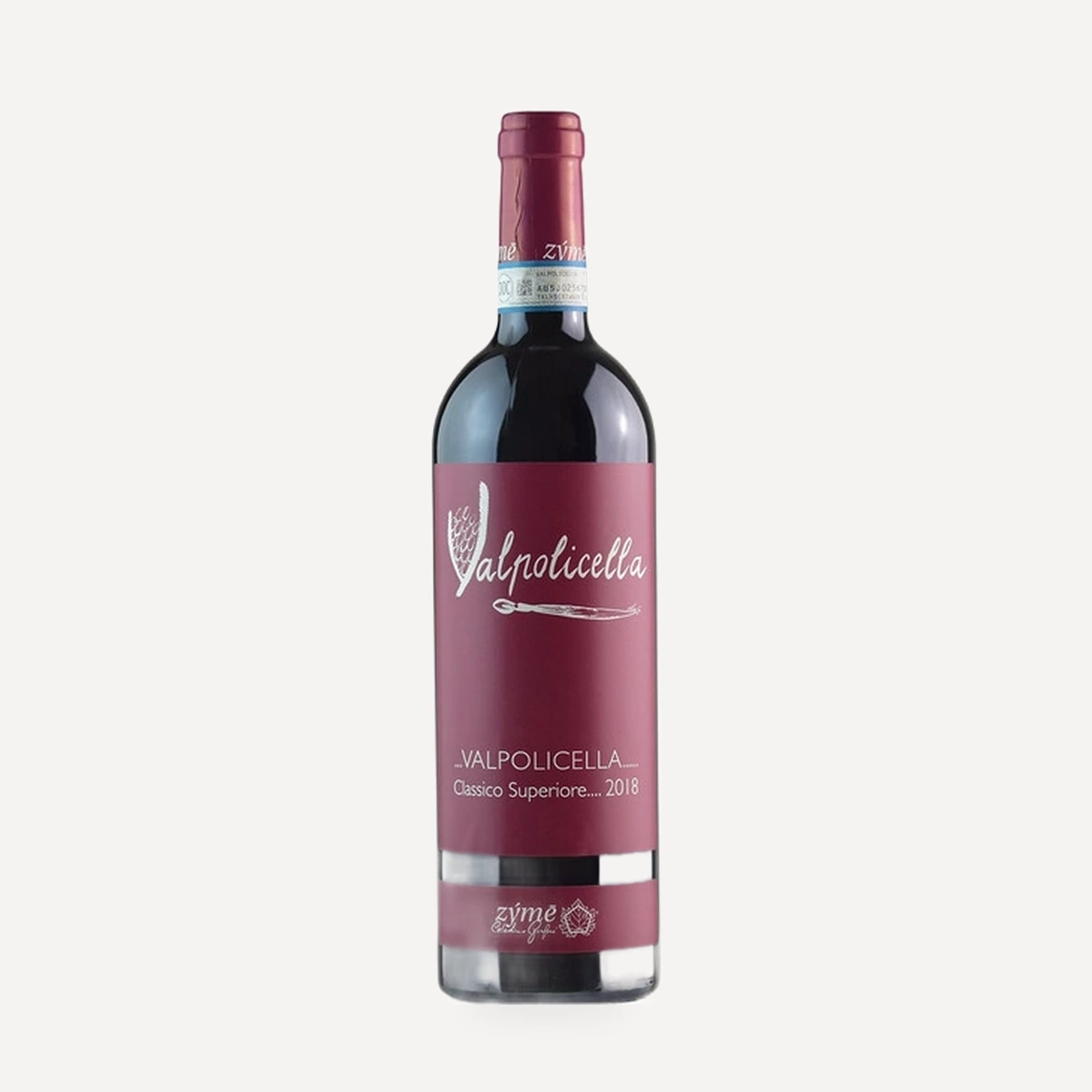
Valpolicella Classico Superiore
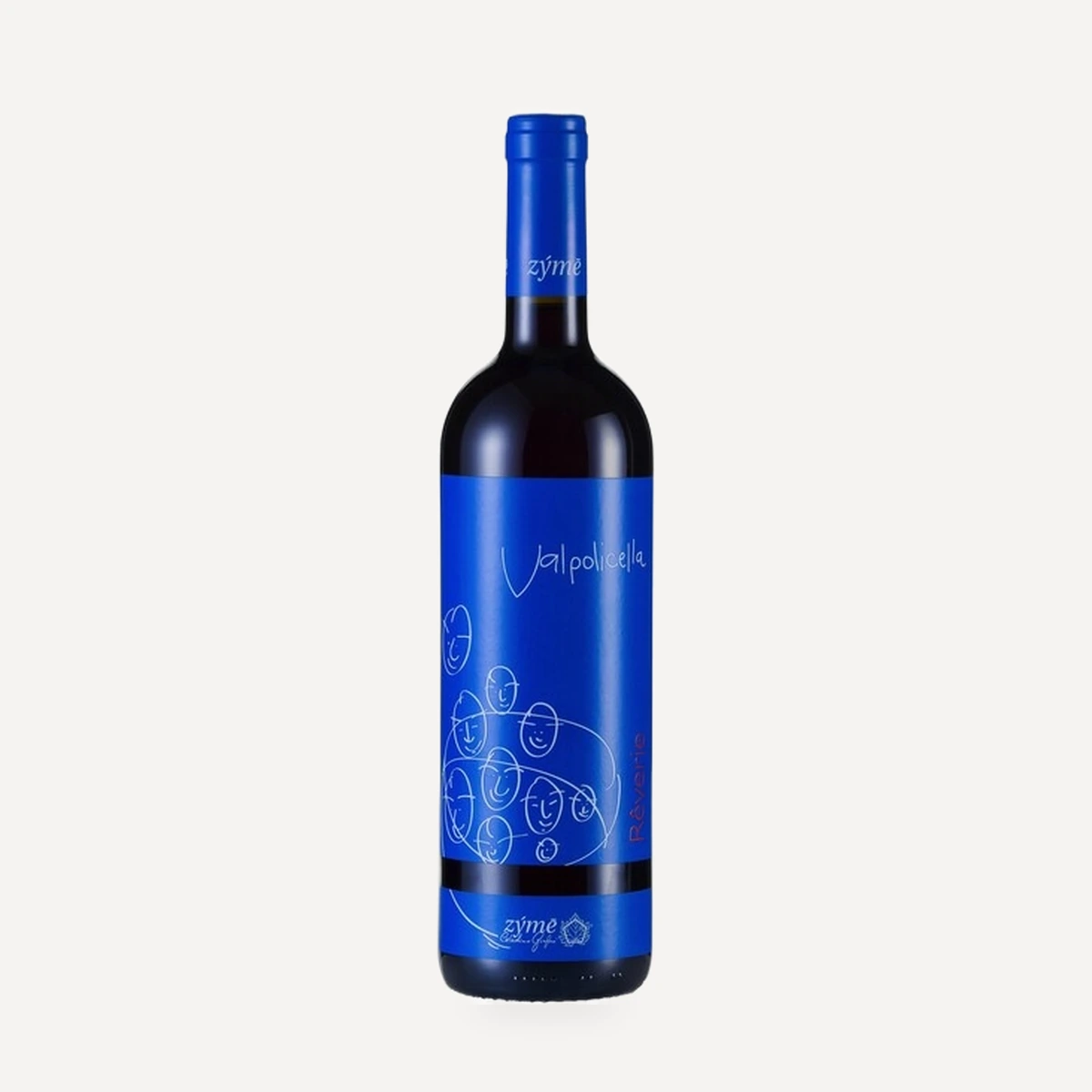
Valpolicella Rêverie
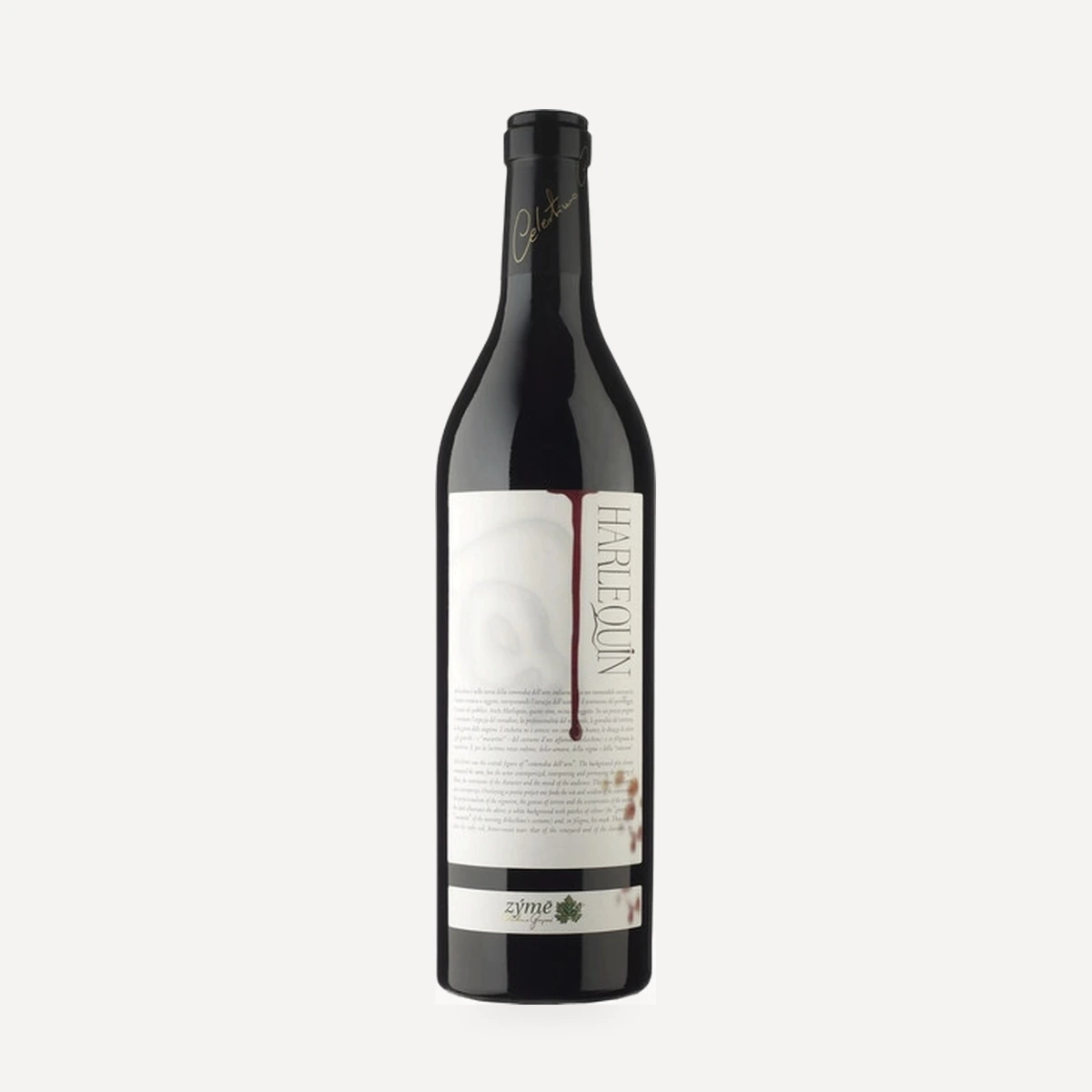
Harlequin
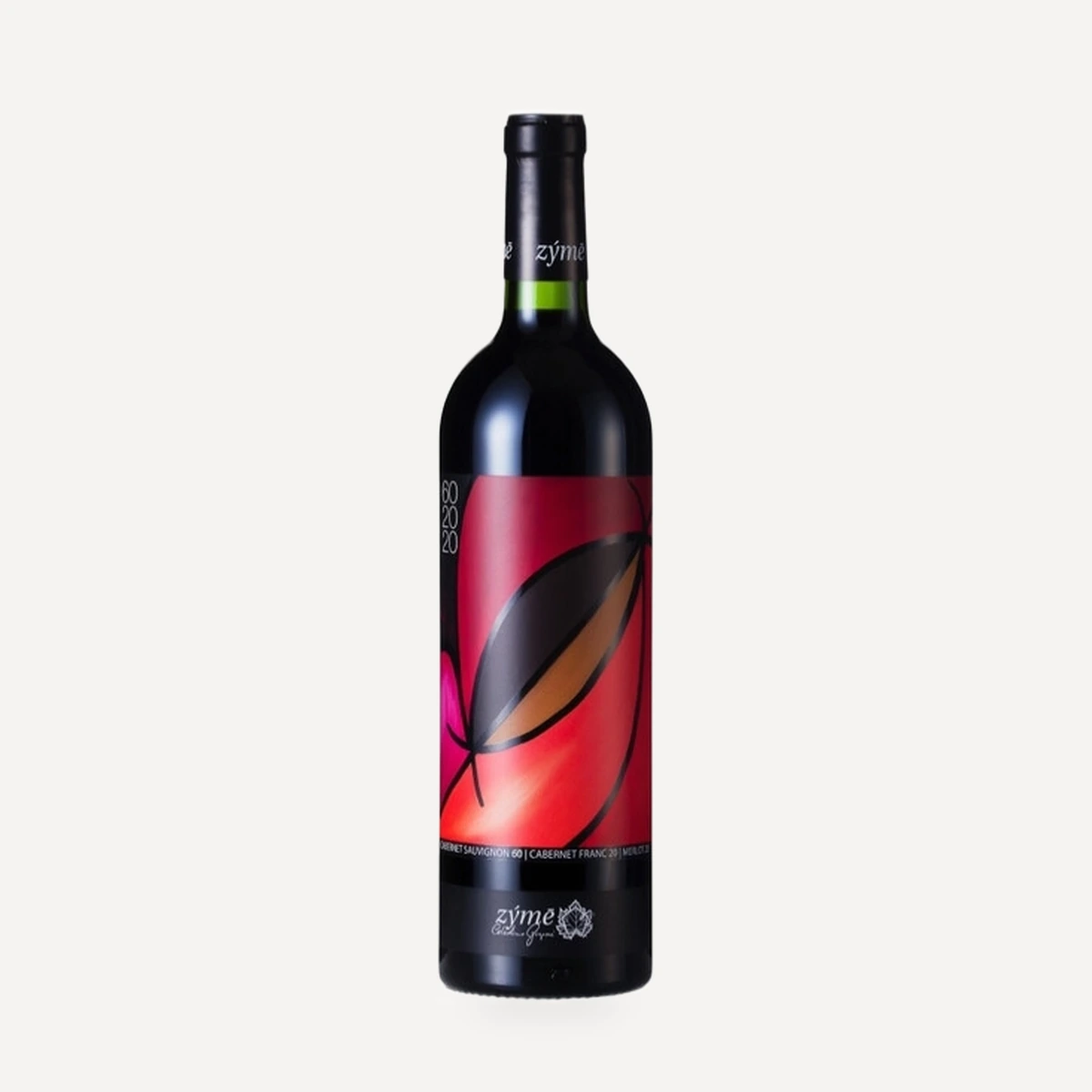
602020 Cabernet
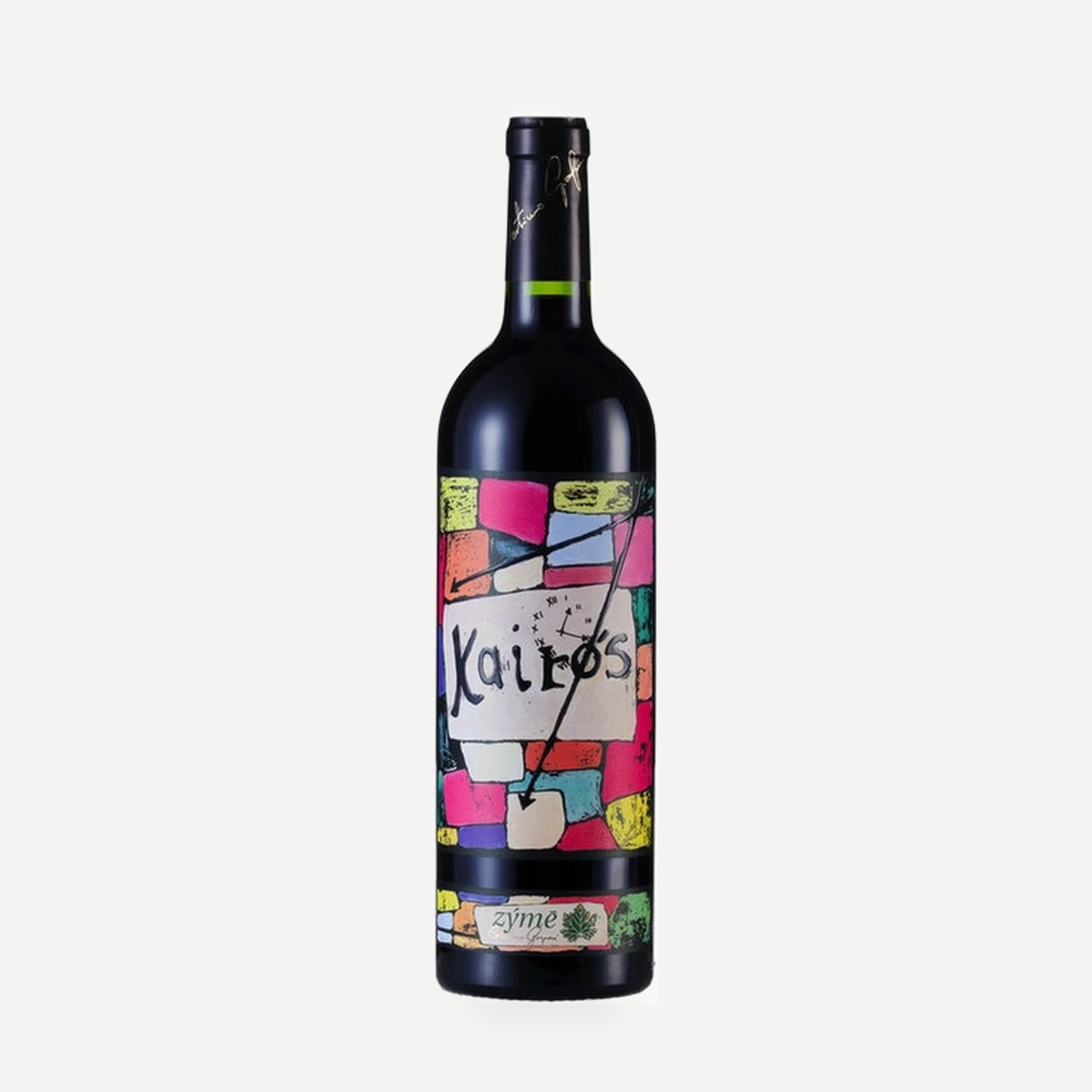
Kairos
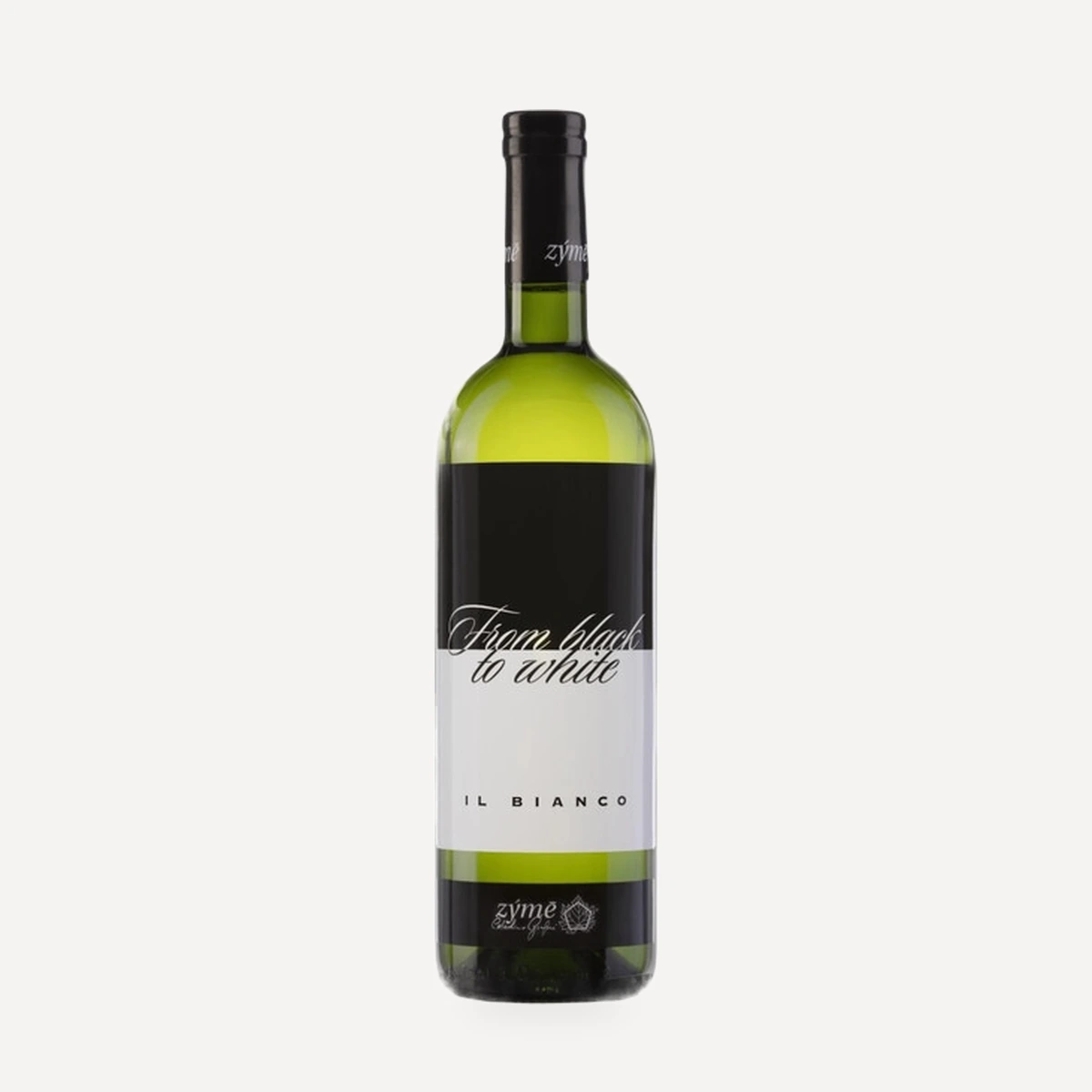
From Black to White