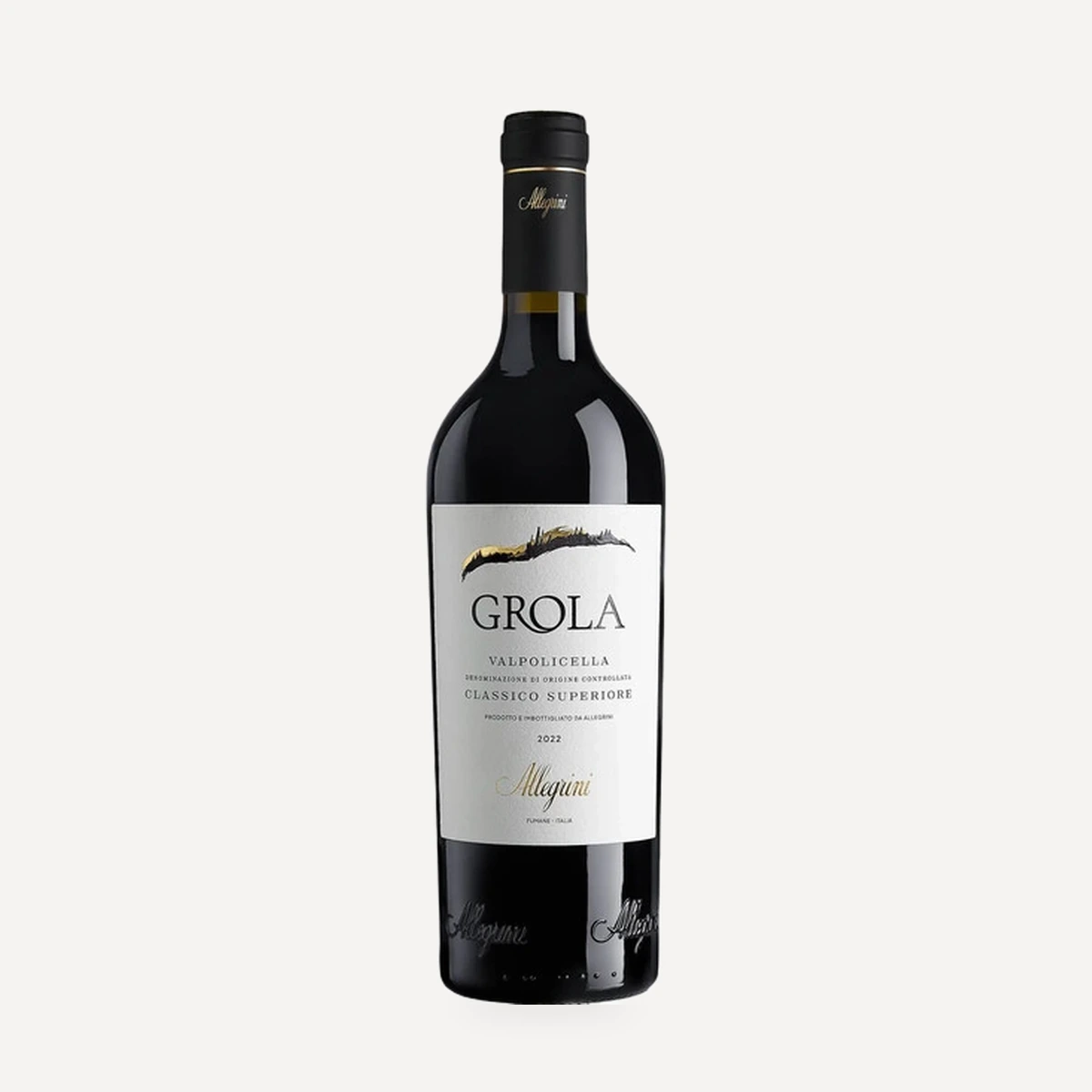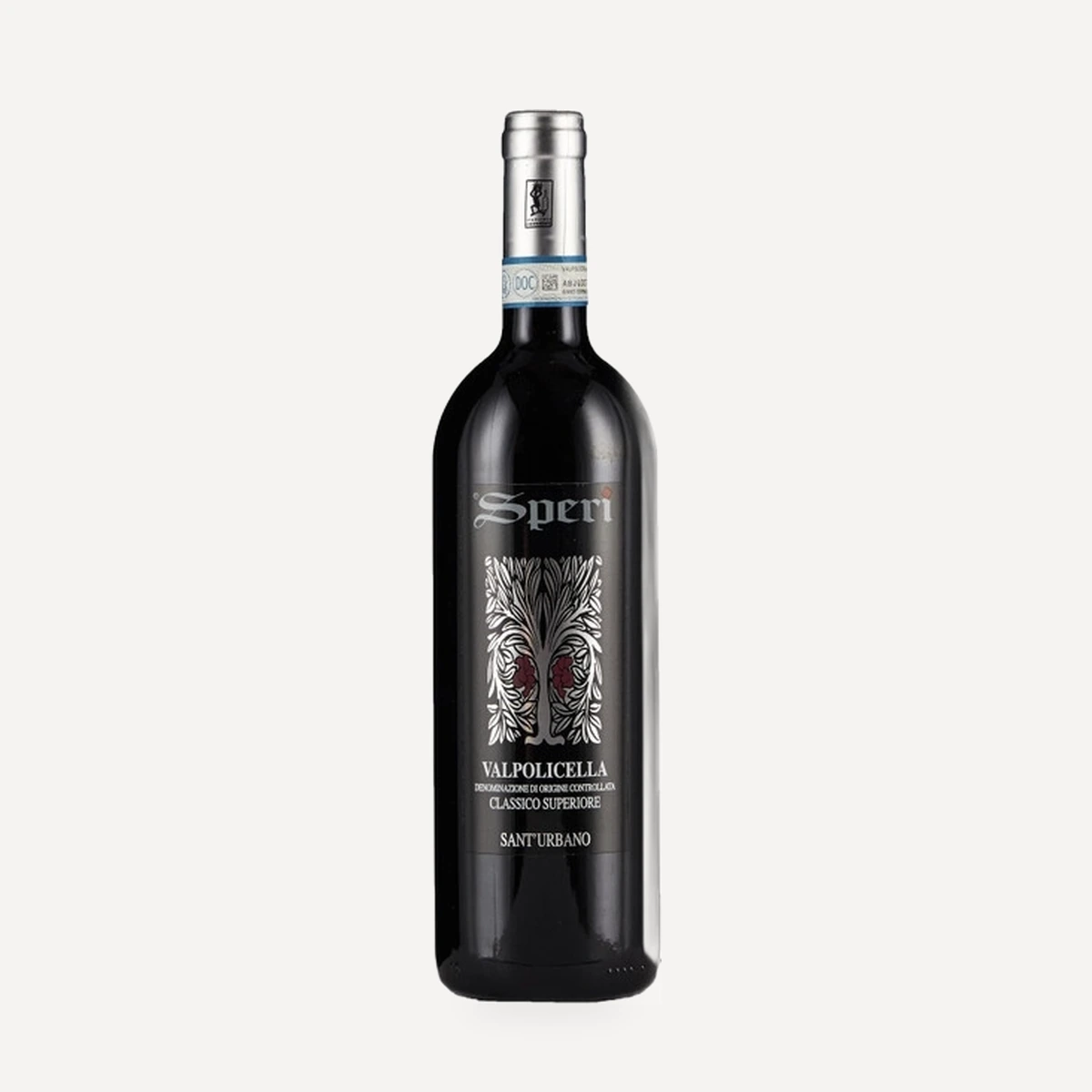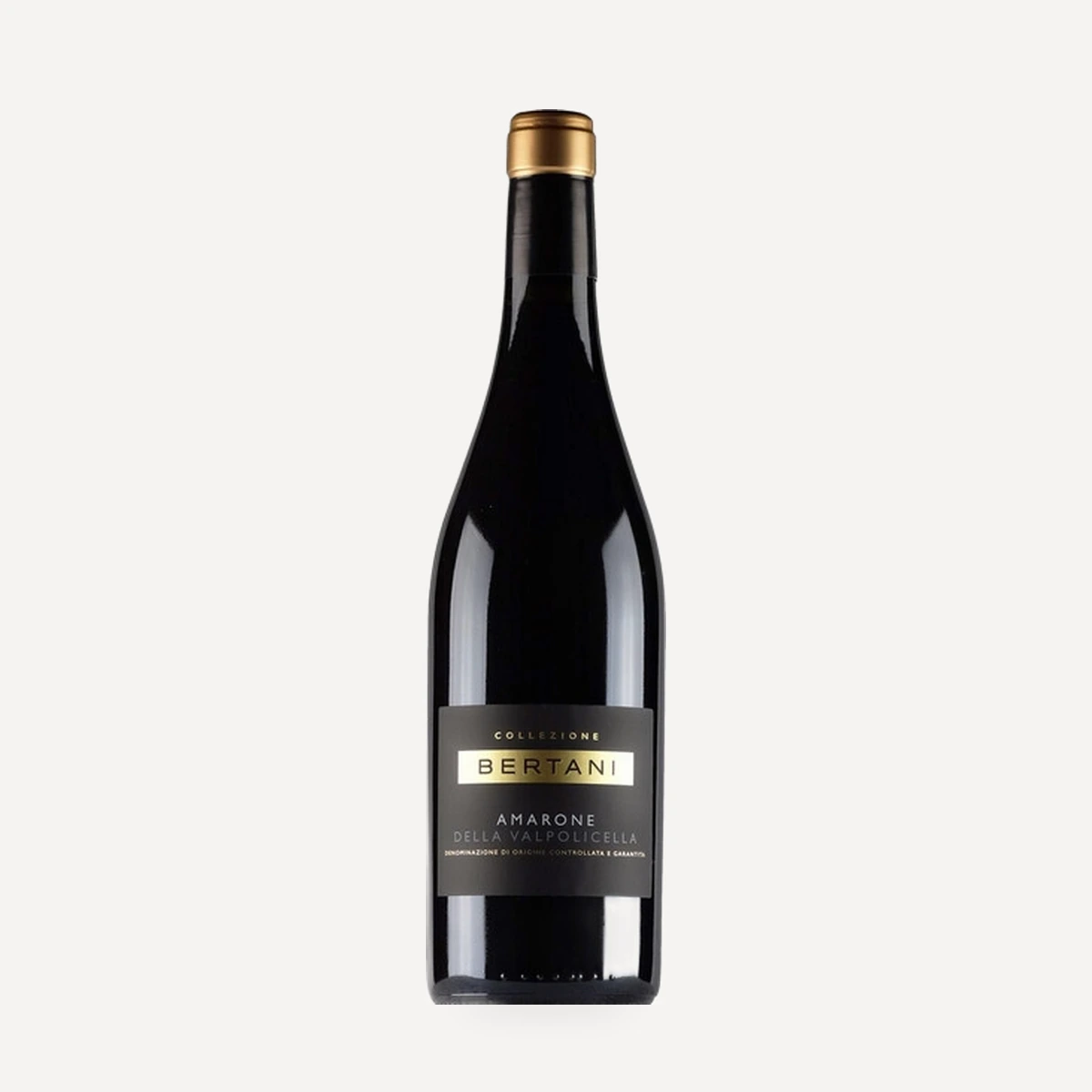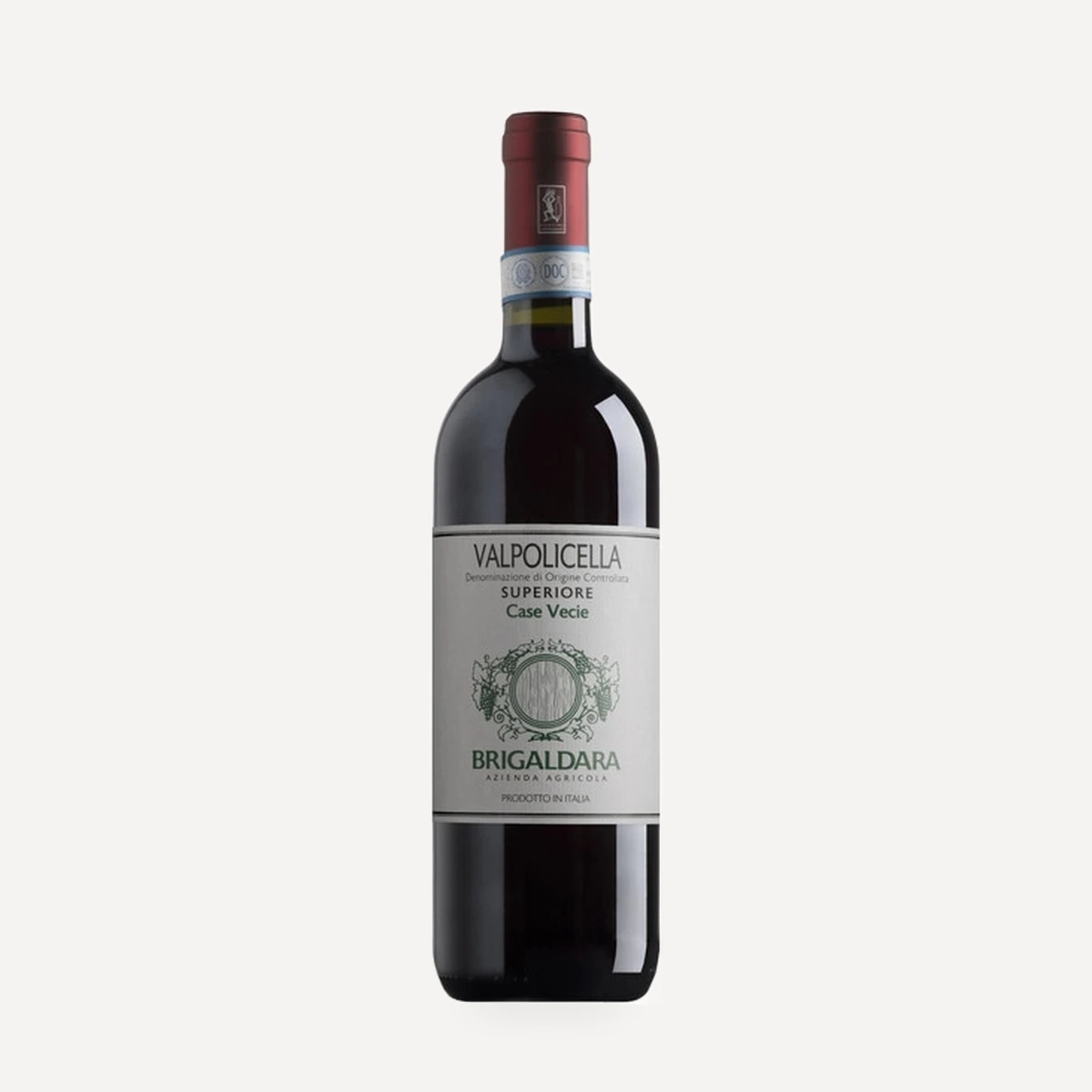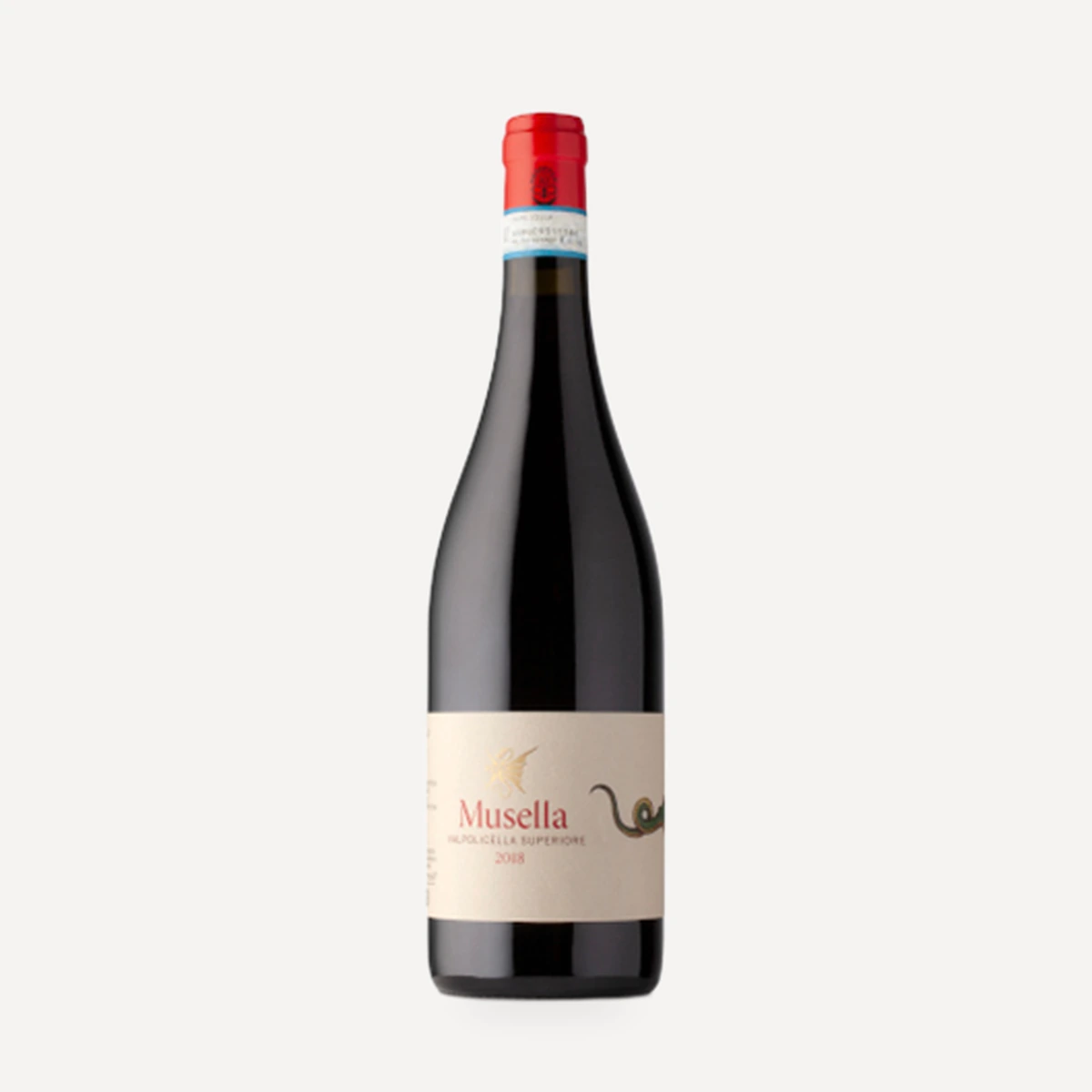
Questo vino
Vineyard and terroir
The vineyards occupy the hill separating Montorio from Valle d’Illasi, northeast of Verona in Veneto. The estate comprises 20 hectares trained to Guyot and 5 hectares under the traditional Pergola Veronese system. Plantings date from 1995 to 2022. The calcareous soils contain red clay and tuff. Planting density is 6,000 vines per hectare for Guyot and 4,500 vines per hectare for Pergola Veronese, with a yield of 2 kg per vine.
Grapes
Corvina and Corvinone 85%, Rondinella 10%, Barbera 5%.
Vinification
The 2022 harvest ran from 3 August to 10 October. Fermentation and maceration on the skins lasted 12–15 days at a moderate temperature. The wine was carefully racked, underwent malolactic fermentation and was transferred to large concrete tanks.
Ageing
Maturation lasted 12 months.
Technical data
Alcohol: 13.29% vol. Total acidity: 6.00 g/L. pH: 3.39. Residual sugar: 1.60 g/L. Dry extract: 29.30 g/L.
Tasting profile
Ruby red. Fresh, intact fruit defines this pleasant, medium-bodied wine, followed by an elegant dried-flower finish.
Vintage notes
The 2022 growing season was marked by severe drought, including a rainless winter and early spring. Some rain arrived in May, but precipitation was almost entirely absent from late June onward. The harvest remained dry, producing high-quality fruit in particularly small quantities because of water scarcity and lingering hail damage from previous years. October and November were also exceptionally dry; rain returned only at the end of December and beginning of January, insufficient to restore the annual average.