History
Medieval origins
The abbey was founded at the behest of Count Roger—Ruggero d’Altavilla—around 1100. The estate’s historical accounts associate its long religious life with Basilian, Theatine and Benedictine communities. The monks established early forms of local viticulture and winemaking; a former stone winepress and the barrel cellar survive as material evidence of that activity.
The name follows the medieval custom of naming an abbey after its locality or a saint. Here it refers to Saint Anastasia, a martyr of the first Christian century; the name is interpreted etymologically as “Resurrection.”
For centuries the abbey was a centre of culture and work for the Madonie area. After the foundation of Castelbuono, the monks abandoned the complex and it entered a prolonged decline.
Agricultural revival after Italian unification
Following the unification of Italy, the estate recovered prominence under the family of Baron Turrisi-Colonna and became an emblem of the local agricultural industry. The Santa Anastasia vineyards again produced quality wine, reviving a monastic tradition whose wines had once been appreciated at important baronial and episcopal tables in Sicily.
The halted project of the 1970s
The property was acquired in the 1970s with the intention of creating a major tourism and hotel centre. That initiative stalled for more than a decade.
Francesco Lena and the rebirth of the estate
The modern wine project was revived in 1980 through the investment and vision of engineer Francesco Lena. He acquired surrounding land and properties, restored viticulture and olive growing, and began a substantial programme to improve the vineyards for higher-quality production. Within a few years, a modern cellar was constructed to vinify estate-grown grapes. Restoration of the wider architectural complex proceeded alongside the agricultural work.
By the end of the 1980s, the redevelopment of the vineyards and the progressive restoration of the abbey had returned the property to active production. Each successive season brought a stronger focus on wine quality.
Giacomo Tachis: 1994
Giacomo Tachis visited the property in 1994 and decided to take responsibility for its wines. The first harvest made under his guidance drew attention from the Italian and international wine sectors. During the 1990s, he also contributed to restoring the health and productivity of vineyards whose history was linked to the work of the monastic communities.
Riccardo Cotarella: 1998 and eleven harvests
In 1998, Riccardo Cotarella succeeded Tachis. He worked on eleven harvests and helped establish the estate’s labels internationally. The teachings associated with both Tachis and Cotarella placed environmental respect and sustainability at the centre of the developing wine project.
The resort and the expanded cellar
Architect Paola Moriconi, Francesco Lena’s wife, directed the conservative restoration that transformed the monastic complex into the present resort. It was inaugurated in 2000. The project combined wine production, olive growing, hospitality and environmental stewardship rather than treating them as separate activities.
The modern winery was enlarged during the 2000s. Its thermally conditioned production and ageing rooms were equipped with contemporary winemaking technology while retaining natural construction materials and a close architectural relationship with the medieval complex.
Environmental infrastructure and the present team
In 2007, a 750 m² photovoltaic installation made with silicon panels was introduced. It supplies approximately 80% of the energy required by the property. Cellar-process water is recovered for crop irrigation, while reduced plastic use and electric-vehicle charging further extend the sustainability programme.
The agricultural and wine operation subsequently integrated organic cultivation with biodynamic methods and obtained Demeter International certification across the estate, including its wine and olive-oil production systems.
Today, the wines are shaped through the collaboration of winemaker Gianfranco Cordero, an advocate of natural production, and agronomist Stefania Lena, daughter of Francesco Lena. Distribution is managed by Gianfranco Lena, Francesco Lena’s son.
Terroir
The vineyards occupy hilly ground in Contrada Santa Anastasia, within the Madonie Park near Castelbuono. They range from approximately 200 to 500 metres above sea level. The wider estate overlooks the Tyrrhenian Sea, with the Aeolian Islands visible on the horizon, and its vineyards are exposed to gentle Mediterranean sea breezes.
Clay is the predominant vineyard soil. Individual plots have distinct chemical compositions, producing differing characteristics and organoleptic nuances in their grapes. The estate defines its terroir through the interaction of these soils, the local microclimate, grape variety, human intervention and its organic-biodynamic farming philosophy.
Named vineyard positions include Frassino Hill at 450 metres, Bennarda Hill at 350 metres, Montenero Hill at 500 metres and Passo di Maggio at 400 metres. Other vineyard references extend into the lower Madonie area and elevations of 450–500 metres.
Winemaking
Organic cultivation is integrated with biodynamic practice throughout the farm and is governed by the Demeter standard. The certification extends across the whole agricultural surface and covers production methods for both wine and olive oil.
The biodynamic programme follows Rudolf Steiner’s agricultural principles. Preparations of plant and animal origin include green manure, manure horn and silica horn. They are applied at selected periods of the year with attention to lunar, planetary and broader astral cycles. Natural materials are used to fertilise the soils, while synthetic chemical substances, additives and processing aids are excluded or tightly limited under the stated approach. Machinery and conventional chemistry are deliberately given a restricted role.
Work in the vineyards is adapted to the needs of each variety and plot. Natural fertilisers and variety-appropriate growth techniques are used to support grape quality. Harvesting is manual; several vineyard specifications describe picking into crates and beginning at dawn or around 06:00 to benefit from lower morning temperatures.
Biodiversity is reinforced by oak and ash woods, wooded pasture, Mediterranean scrub and hives of the Sicilian Black Bee. Several hives are positioned especially around the vineyards through the estate’s partnership with Carlo Amodeo. The bees form part of a wider effort to protect a native population once threatened with extinction.
Water used in cellar operations is recycled for irrigation. The estate also uses solar energy, reduces plastic consumption and maintains electric-vehicle charging facilities as part of its integrated sustainability system.
The winery stands beside the medieval abbey and combines historic fabric with a modern production facility. Created during the estate’s late-20th-century revival and enlarged in the 2000s, it contains thermally conditioned rooms with strategically controlled temperatures and sophisticated winemaking equipment.
Its range of vessels includes steel tanks, vitrified-concrete vats, barriques and large French-oak casks. The different materials allow cellar work to be adapted to the characteristics of each grape variety. Individual production programmes also employ conical oak vats, 100 hl concrete tanks, oak vessels of 20–30 hl and 5 hl tonneaux.
Harvesting is manual and frequently scheduled for dawn. Depending on the intended wine, cellar techniques include soft pressing of whole bunches for white or sparkling production; short cold skin contact; fermentation in temperature-controlled steel or concrete; spontaneous fermentation with indigenous yeasts; pumping-over, punch-downs and délestage; extended skin maceration; natural or partial malolactic fermentation; and maturation in steel, concrete, large oak, French Allier barriques or tonneaux.
Certain natural-production protocols avoid selected yeast, enzymes and fining agents, use little sulphur and leave wines unfiltered. Lees ageing and bâtonnage are used where appropriate. Classic-method production includes bottle refermentation, extended lees contact, placement on pupitres, manual riddling and disgorgement.
The building itself follows the estate’s environmental principles. Materials in the wine-resting areas are described as natural. The roof incorporates absorbent insulation panels made from mineralised wood combined with magnesite at high temperature. Thermal insulation and controlled conditions are intended to limit energy consumption while protecting the wines. Process water from the winery is recovered and reused to irrigate crops.
Philosophy
Respect for nature is the central principle connecting farming, wine production, architecture and hospitality. The estate presents wine as a human interpretation of grapes and regards terroir as a dialogue among soil, microclimate, grape variety and human action.
Its stated objective is to express the original qualities of each grape rather than impose a uniform style. Organic cultivation, biodynamic preparations, natural fertilisation and observation of lunar and planetary rhythms are intended to harmonise the stages of production with the cycles of the farm. The approach limits synthetic chemistry, additives, processing aids and unnecessary machinery.
Tradition and modern technology are treated as complementary. The monastic legacy, medieval cellar and surviving stone winepress provide the historical framework, while thermally conditioned rooms and contemporary equipment allow greater production control. Natural construction materials, renewable energy and water recovery extend the same philosophy beyond the wine itself.
The family project joins wine and olive growing with conservation and hospitality. Its long-term ambition is an environmentally sustainable private reserve in which agriculture, woods, Mediterranean scrub, native bees, historic buildings and guest activities form a single managed ecosystem.
Wines
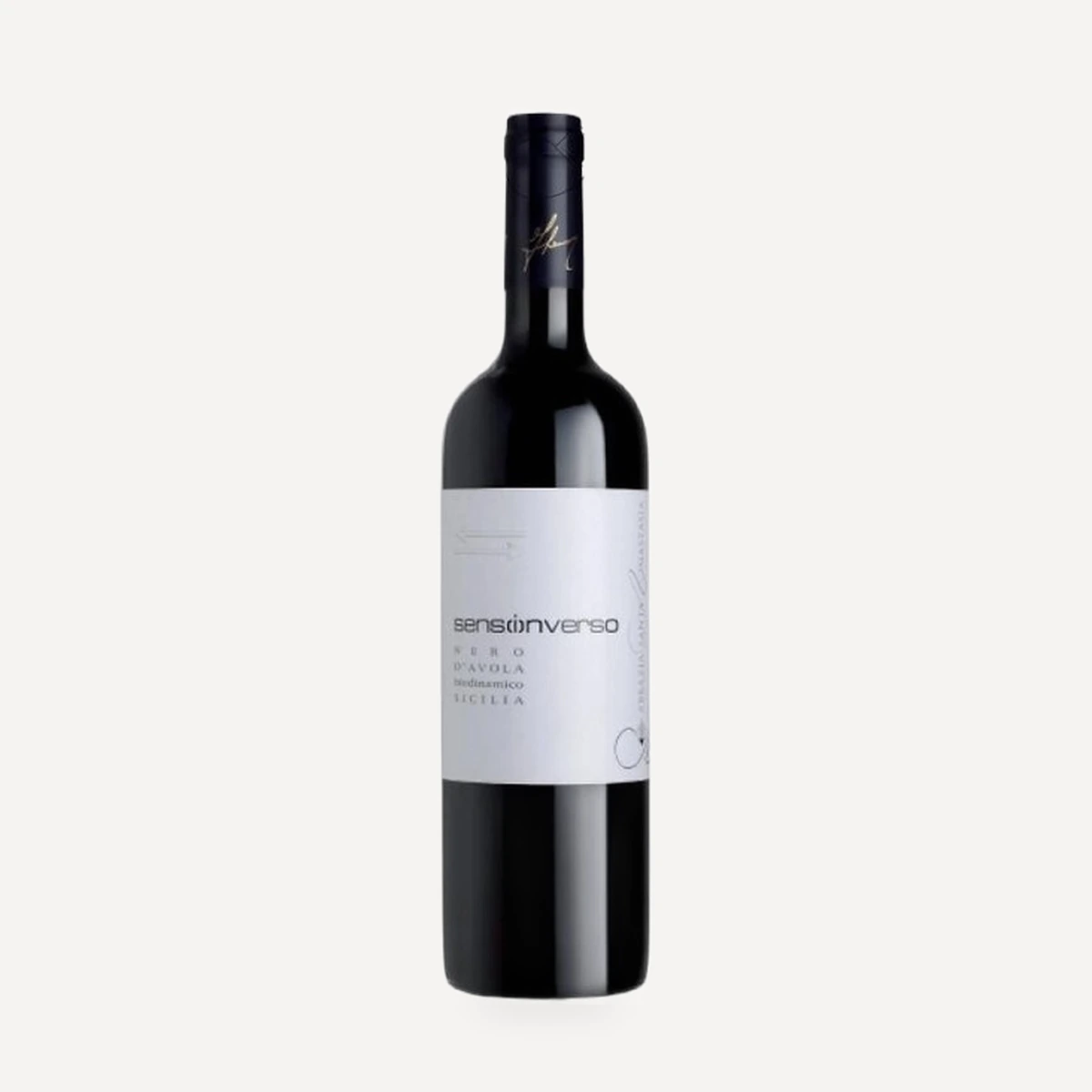
Sens(i)nverso Nero D'Avola Biodinamico Demeter
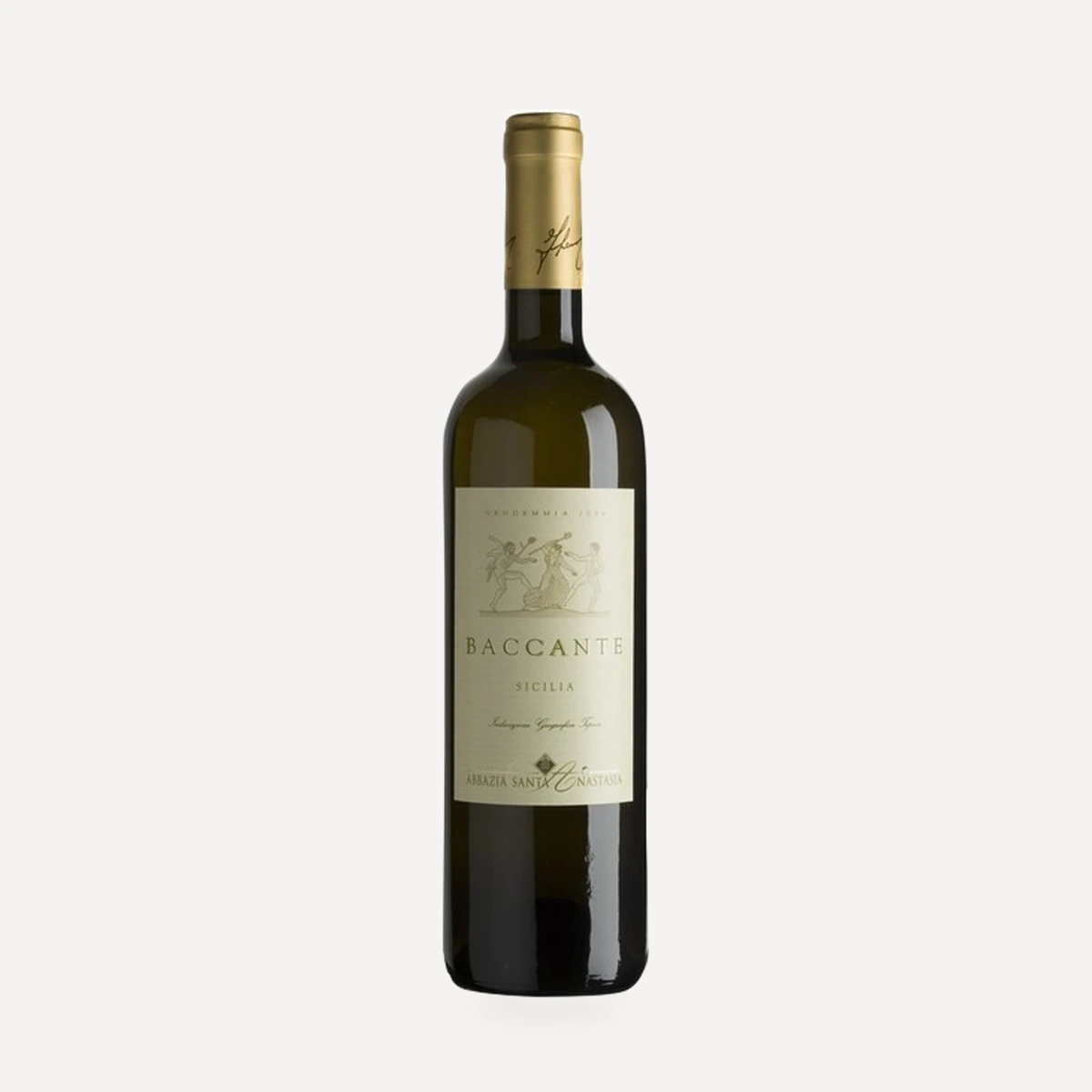
Baccante Biodinamico Demeter
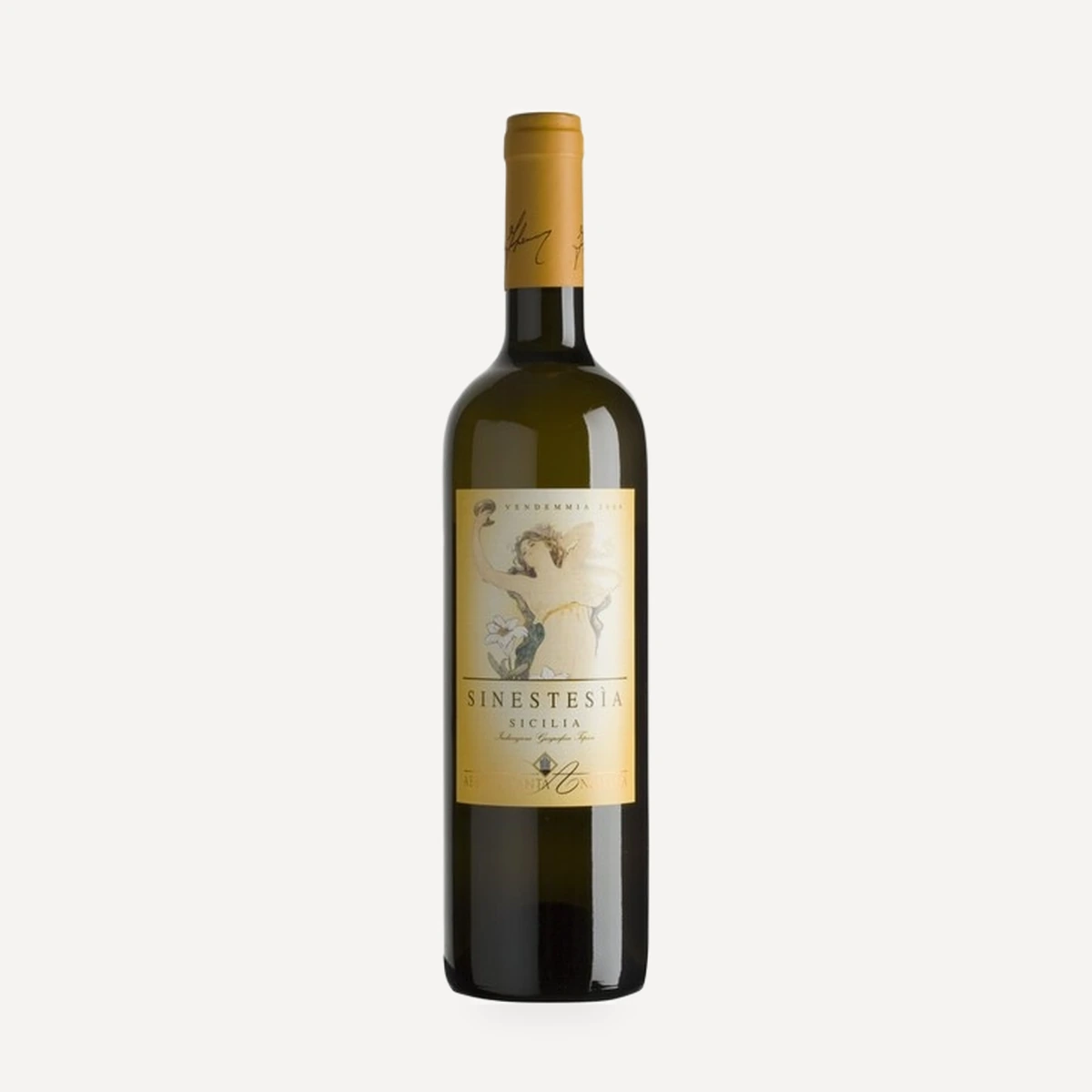
Sinestesia
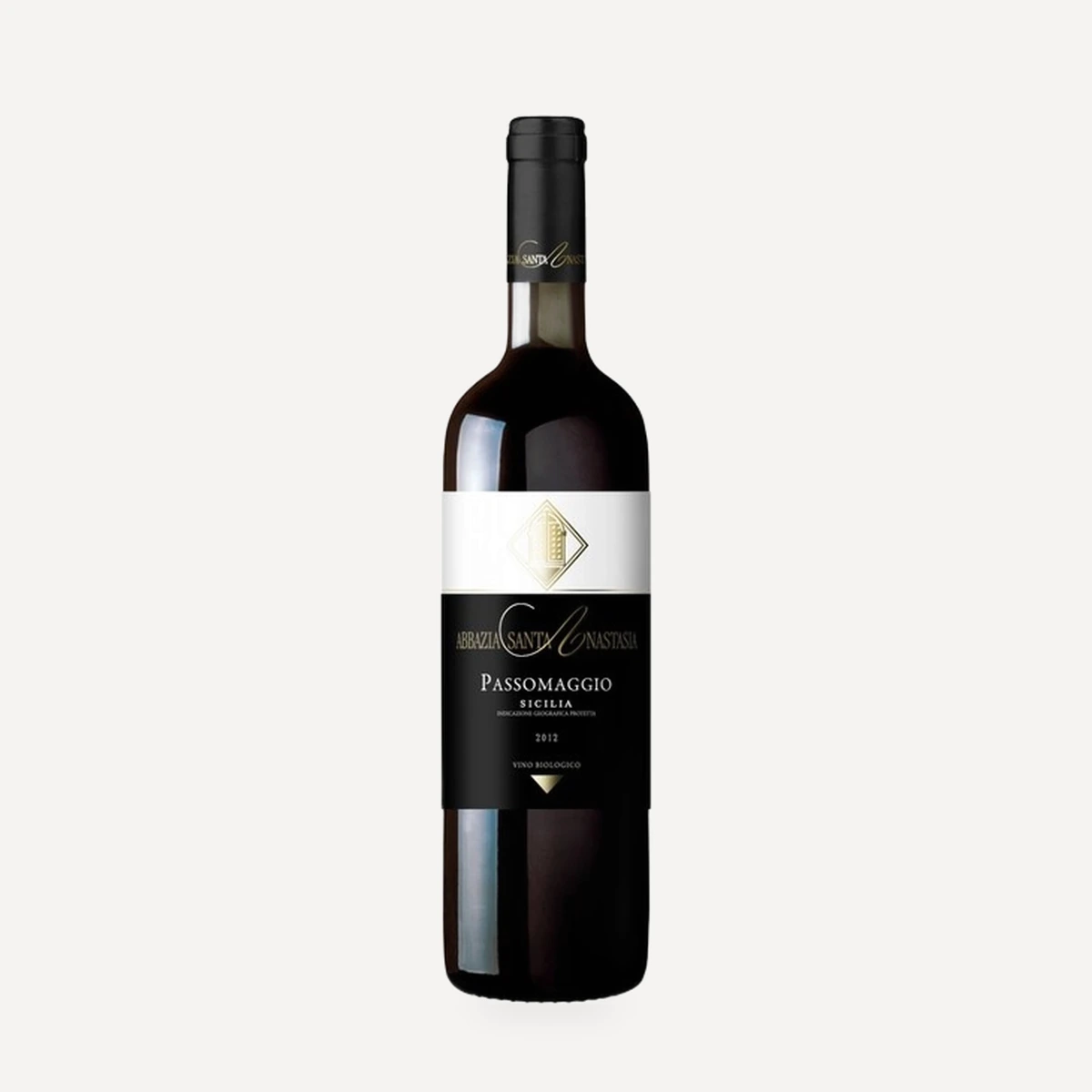
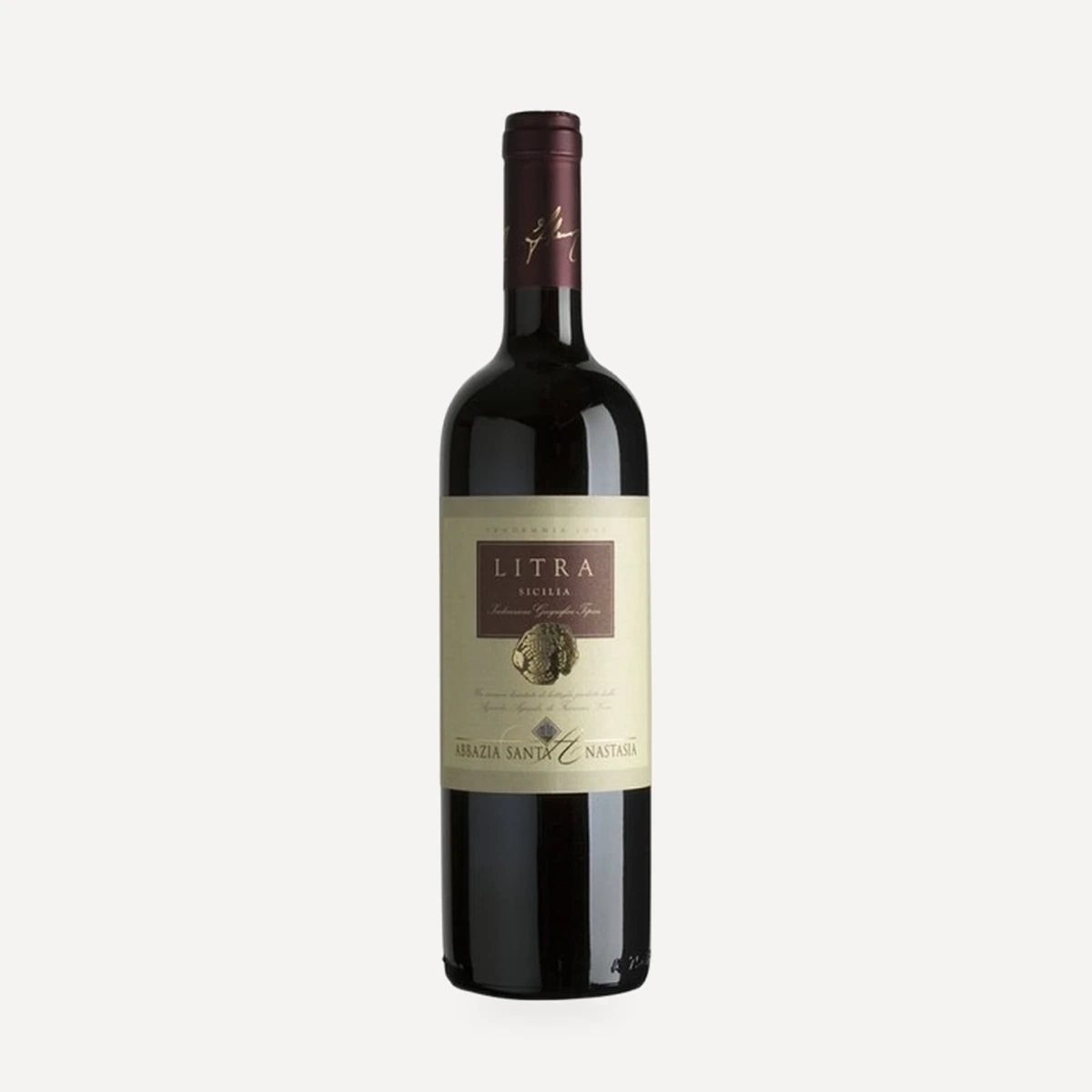
Passomaggio
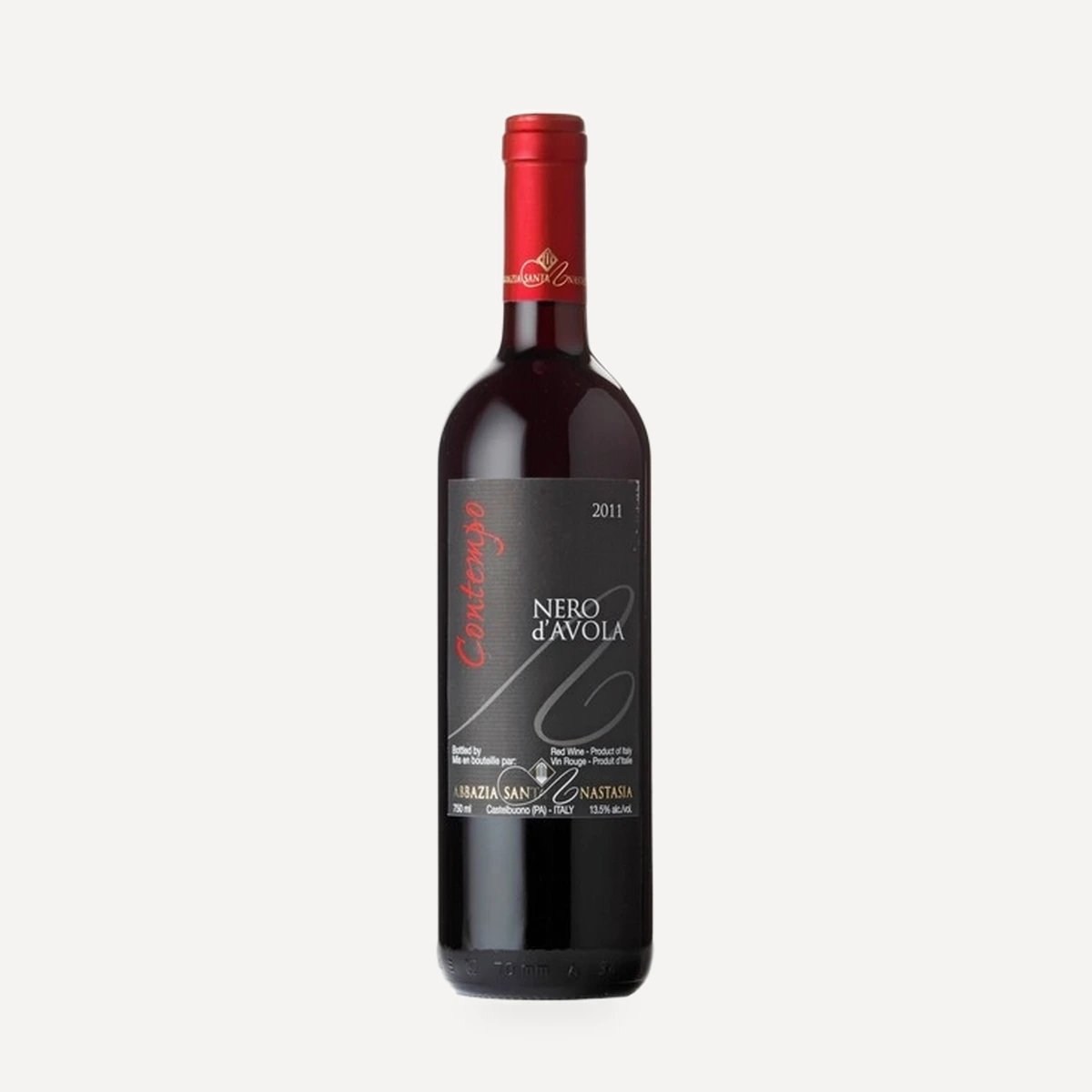
Contempo Nero d'Avola Sicilia IGP
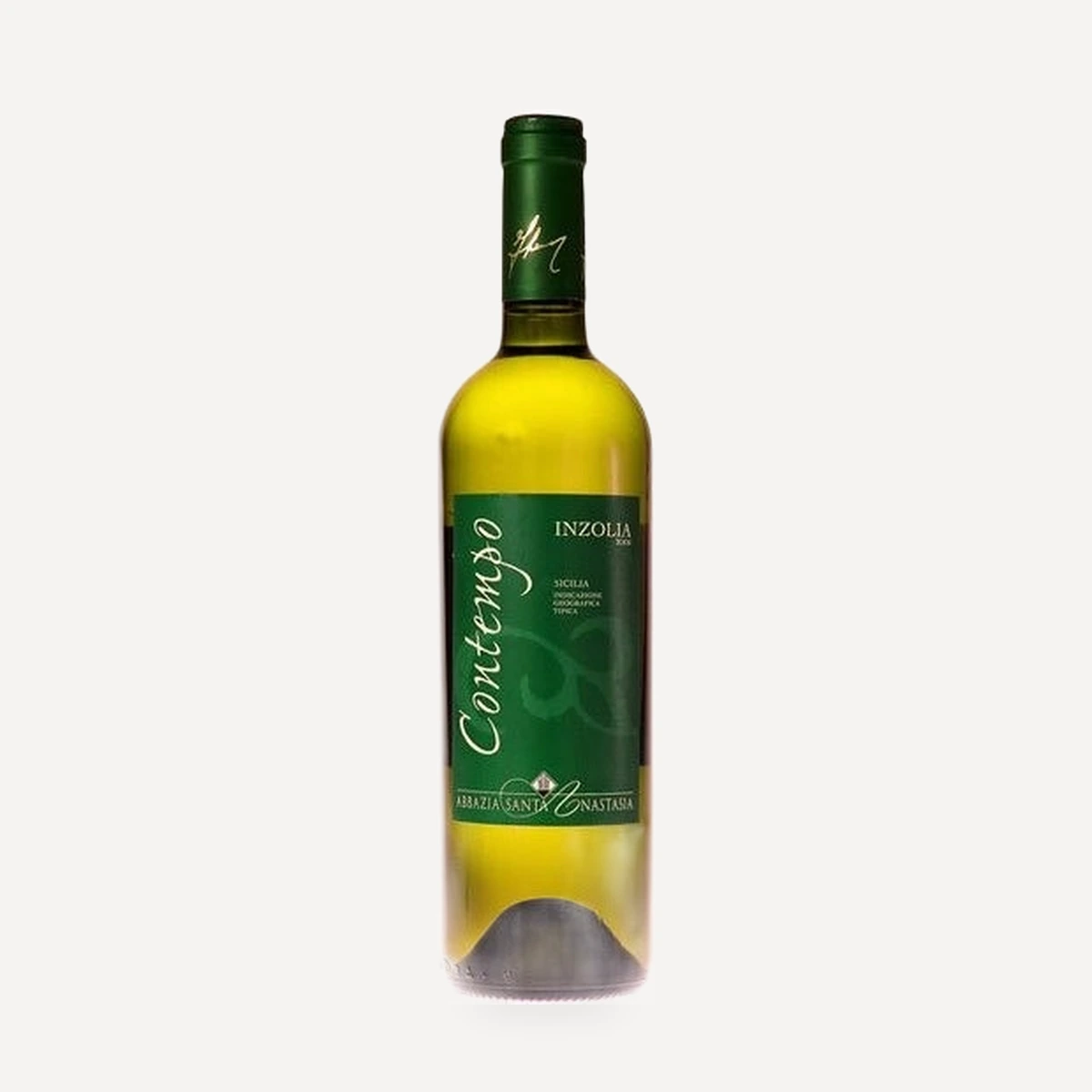
Insolia Sicilia IGT