History
Discovery and first harvest — 2004
While studying and carrying out a survey of Frappato di Vittoria vineyards for the University of Milan, Arianna Occhipinti moved from vineyard to vineyard and encountered Vittoria’s contrade at close range. A decisive moment came in an old vineyard at Pettineo, where the variety’s thick skins, tannic potential and affinity with its Mediterranean setting suggested a path distinct from the European viticulture she was studying.
The agricultural project began in 2004 with one hectare beside the old palmento at Fossa di Lupo. This was Arianna’s first planted vineyard and became the backbone of her work. It was established through massal selection, preserving diversity within the Frappato population. Her first harvest was the 2004 vintage.
Arianna began at the age of twenty with a deliberately small project, allowing the estate and her own experience to develop together. Her early outlook drew on the stories of her uncle Giusto Occhipinti and encounters or exchanges with Marco De Bartoli, Beppe Rinaldi, Giovanna Morganti, Luca Gargano, Frank Cornelissen, Elena Pantaleoni, Elisabetta Foradori, Stanko Radikon, Dario Princic, Josko Gravner, the Planeta and Tasca families, and Nino Barraco.
First official release — September 2005
The 2004 harvest received its first official presentation in September 2005. Arianna defended Frappato as a serious, autonomous expression of Vittoria at a time when the variety was commonly blended with Nero d’Avola for Cerasuolo di Vittoria or assigned to inexpensive entry-level wines. This commitment to the variety became a defining thread of the estate’s development.
Expansion through the contrade
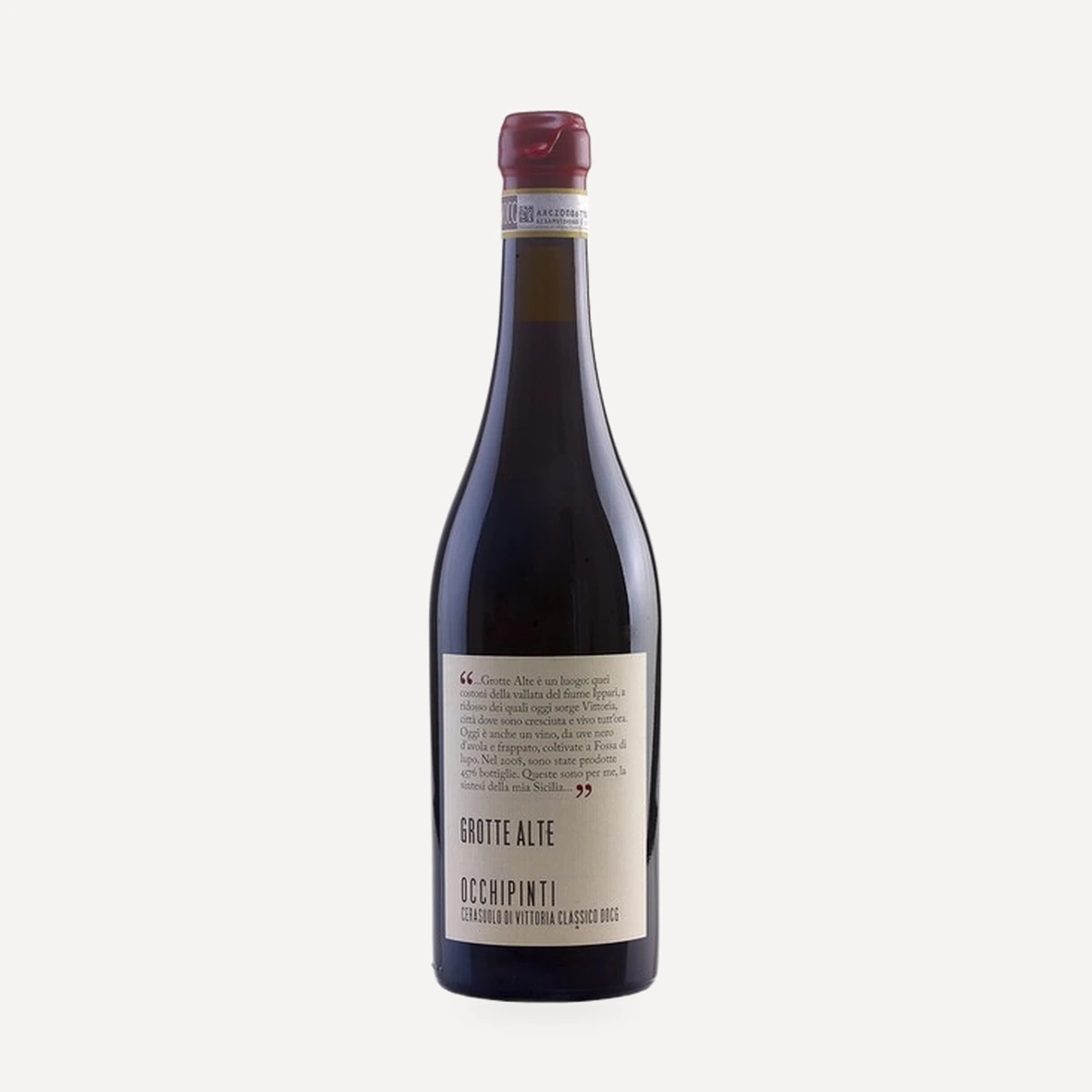
Additional land followed the original hectare. Some parcels were initially leased out of necessity and later purchased. The holdings expanded through Fossa di Lupo, Bombolieri, Pettineo, Bastonaca, Santa Teresa, Serra d’Elia and Santa Margherita, with Spedalotto and Fondo Monaci also forming part of the estate’s vineyard geography. Most of the Vittoria parcels lie within an area approximately 5 km square, among historic contrade marked by old palmenti.
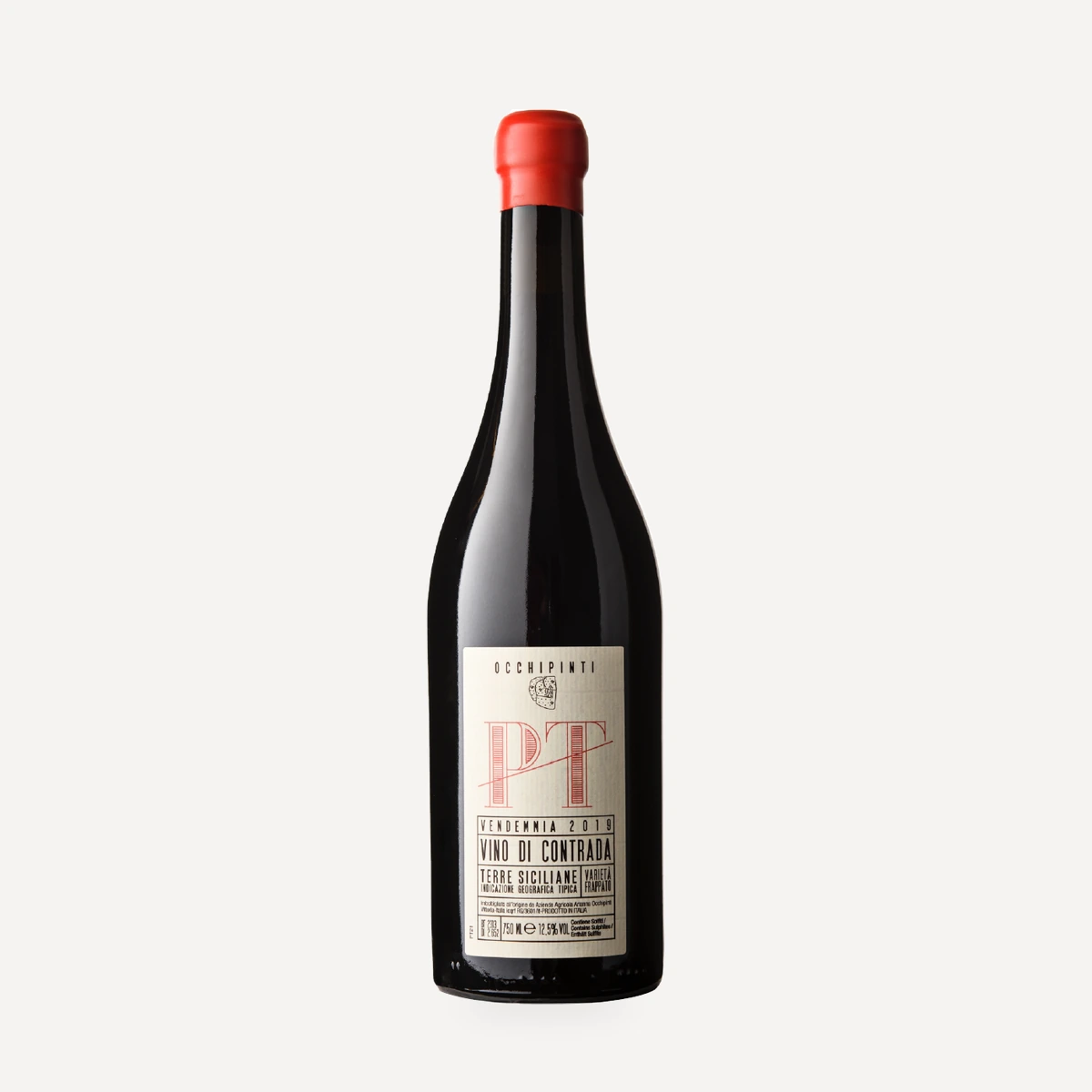
As the holdings grew, Arianna’s attention moved from Vittoria’s conspicuous red sand to the geology below it: limestone, calcarenite, tuff, gypsum, Trubi and marl. An internal zoning process examined how sand depth, limestone formations, altitude and the character of individual contrade affected the vineyards. The research eventually differentiated Pettineo, Fossa di Lupo and Bombolieri as three Frappato Vini di Contrada, while also refining the roles of Bastonaca and Fossa di Lupo in Il Frappato and of Bombolieri and Fossa di Lupo in Siccagno.
The Bombolieri cellar — 2013
The 2013 vintage was the estate’s tenth harvest and the first processed in the new cellar at Bombolieri. Wines from the 2012 harvest were transferred into the building before the new grapes arrived. The move provided more space and a cellar equipped entirely with concrete tanks. The first fermentations in the new premises confirmed Arianna’s conviction that the decisive work occurred in the vineyard.
Vini di Contrada — 2016
The Vini di Contrada project began in Vittoria in 2016, translating the estate’s soil and parcel research into individual expressions of Pettineo, Fossa di Lupo and Bombolieri. During the same period, the search extended into the Monti Iblei and the higher territory of Chiaramonte Gulfi, where Grillo was planted or cultivated in Santa Margherita on calcareous-sandy marl, calcarenite, gypsum-bearing and fossil-rich soils. The project subsequently comprised four contrada wines: PT, FL, BB and SM.
The 2016 season also brought the most severe drought experienced in Vittoria for more than thirty years, with only 90 mm of rain recorded by harvest. The red grapes remained on the vines into October to attain phenolic maturity. Low production and marked differences among soils reinforced the estate’s parcel-based approach.
Twenty harvests — 2023
The harvest beginning on 26 August 2023 was the estate’s twentieth. Strong May winds, substantial June rain, morning humidity and rapidly developing downy mildew reduced production by 40%. A cool spring and contrasting rainfall nevertheless supported vigorous vegetative growth. Moscato di Alessandria and Albanello were harvested first, followed by Grillo from Santa Margherita, with Frappato and Nero d’Avola completing the season. Concentrated fruit arriving at the sorting table permitted shorter macerations and low extraction.
Twenty vintages of Frappato and Solco — 2025
On 20 February 2025, Arianna Occhipinti convened Giusto Occhipinti, Guglielmo Manenti, Nikolas Resin, Waiata Kalma and Salvo Foti at the estate to discuss Frappato, Vittoria, climate, identity, new generations and the variety’s future. The meeting anticipated the April release of Arianna’s twentieth vintage of Frappato.
The anniversary also prompted Solco, a cultural project conceived by Arianna to examine two decades of change in viticulture and natural wine. Alongside reflections on Frappato, it presented work on the Pettineo heritage vineyard, rural architecture, Sicilian cork, creativity, farming culture and the responsibilities of agricultural businesses within their territories.
Terroir
Position and landscape
The cellar stands on the SP68 Vittoria–Pedalino at kilometre 3.3 in Vittoria. The principal vineyard area lies approximately 8 km from the sea and 8 km from the Monti Iblei, between maritime influence and the mountains. The landscape combines vineyards, red sand, limestone, dry-stone walls, carob and olive trees, Mediterranean scrub and surviving rural buildings. The SP68 follows an ancient route that connected Gela and Kamarina and continued through Caltagirone toward Catania and Lentini.
The Monti Iblei landscape includes limestone plateaus, quarries, canyons, caves, oak and laurel woods and slopes descending toward the sea. Saharan sand can arrive on sirocco days. The estate describes Vittoria as positioned between the sirocco and air arriving from Provence.
Climate
Vittoria is hot, windy, dry and at times arid. Solar radiation is exceptionally intense; surface sand can reach 70–80 °C. The sand nevertheless acts as a protective mantle, while underlying limestone absorbs water and releases humidity and coolness gradually through the growing season. This relationship helps explain why vines can retain vigour and freshness under severe heat and drought.
The 2017 season illustrated the local microclimate: sirocco affected Sicily, but air reaching Vittoria from the north-west remained cooler and limited dehydration. Temperature variation associated with the Monti Iblei and the proximity of the sea are recurring elements of the estate’s environment.
Geology and soils
Sand and limestone form the central geological relationship. Red, brown or white sands of varying depth overlie tuff, compact limestone, calcarenite, gypsum-rich formations, Trubi and marl. Arianna’s zoning work moved from observing the red surface sand to studying these deeper formations and the manner in which roots interact with them.
The geology changes over short distances. Fossa di Lupo combines dark sand with compact white limestone. Bastonaca has silty sand and tuff. Pettineo carries 60 cm of red sand over tuff. Bombolieri has a much thinner sandy layer over solid limestone and includes pale clay-limestone sectors. At higher elevation in Santa Margherita, calcareous-sandy marl alternates with sand, calcarenite, gypsum, fossils and stony clay-limestone soils. Serra San Bartolo marks the transition between Vittoria’s red-sand-and-tuff contrade and compact limestone, with old marine marl beneath its Grillo vineyard.
Winemaking
The vineyards are worked biodynamically and carry organic certification. Vineyard and wine descriptions consistently specify the absence of chemical intervention. The estate avoids pesticides, fungicides, herbicides and chemical or synthetic fertilisers, while the 2022 harvest account records minimal customary applications of sulphur and copper.
Manual work is preferred. Pruning is intended to create clean, well-branched structures, and canopy decisions respond to each season: bunch zones were opened for ventilation against powdery mildew in 2018, while earlier defoliation helped recover delayed véraison in 2014. In the wet 2018 season, crews returned two or three times in some vineyards to remove compromised material.
Spontaneous plants are retained for their contribution to soil aeration and nutrition. Cover-crop mixtures include legumes, grasses and crucifers; they are incorporated in spring to build organic matter and support soil organisms. Hedgerows, shrubs, Mediterranean scrub, woodland, olive trees, fruit trees, vegetables and Tumminia wheat broaden the farm ecosystem.
Old local clones are conserved through continuing massal selection and field grafting. New vineyards have generally been created by planting rootstock and grafting it in the field. Layering—burying a cane so that it forms a replacement vine while remaining connected to the mother plant—has been revived and is widely used to replace missing vines.
Progetto Pettineo preserves the genetic diversity of the estate’s oldest vineyard. Selection began by observing vigorous vines apparently free of viral disease. Buds were collected to produce young plants for replacing losses, with propagation entrusted to the specialist nursery Vitis Rauscedo. Pettineo material will also establish a new vineyard. The project intends to test own-rooted plants, without American rootstock, in pursuit of greater vigour, intact varietal character and a more direct soil–vine relationship. Initial results are expected only after at least five years; success would create a vineyard conceived as perpetual.
Harvesting is manual. Fruit is selected first in the vineyard and again in the cellar so that only healthy, mature bunches proceed to fermentation. This strict selection was especially important in 2018 and 2022. The estate treats seasonal variation as instructive: harvest dates, crop allocation, canopy work and even whether to produce a particular wine are adjusted to what the vines express.
The Bombolieri cellar received its first harvest in 2013. It replaced the previous working space with a larger facility whose tanks were entirely concrete. Grapes are selected both in the vineyard and at the cellar sorting table. Healthy fruit and preservation of its microbiological life are intended to make cellar work simpler and reduce intervention.
Fermentations begin spontaneously with indigenous yeasts. Concrete is the principal fermentation and maturation material, joined in particular wines by oval Austrian oak vessels, large Austrian or French oak casks, tonneaux and stainless steel. The estate seeks containers that preserve the wine’s vitality rather than imposing a standard profile.
Maceration and extraction are adjusted to the fruit and season. In 2014 the two SP68 wines received approximately 15 days on skins with light pump-overs and punch-downs, while Frappato and the Nero d’Avola for Siccagno remained on skins for about 25 days. In 2015 the two SP68 wines again macerated for 15 days, with Frappato and Siccagno receiving slightly more than three weeks; malolactic fermentation was completed. The concentrated 2023 grapes permitted shorter maceration and low extraction.
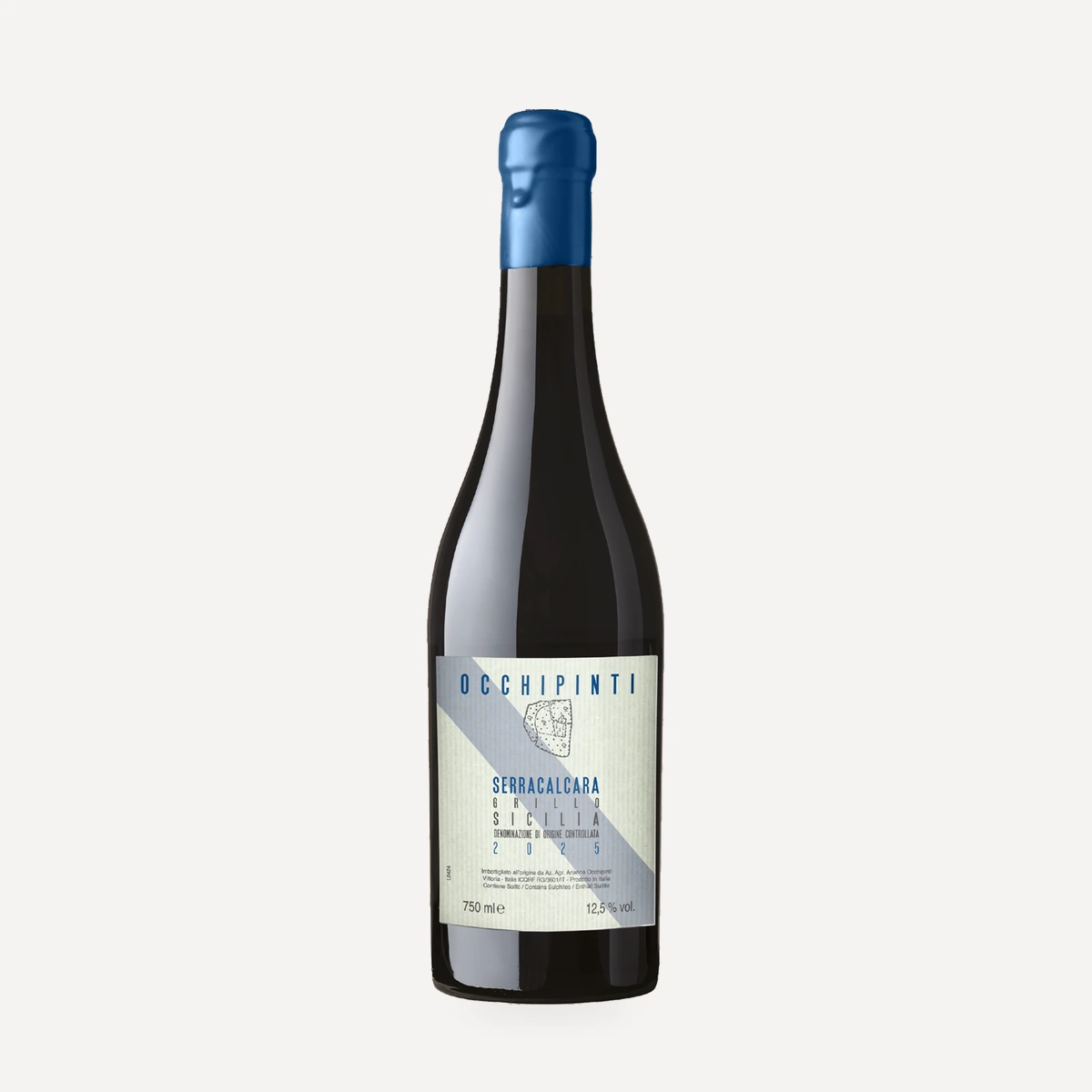
The broader range demonstrates the cellar’s working vocabulary without defining a single universal recipe: indigenous-yeast fermentations in concrete; skin contact ranging from a few hours before pressing to approximately 15, 20, 25 or 30 days; maturation in concrete; 20–25 hl oval concrete or Austrian-oak vessels; 30 hl Austrian-oak casks; 50 hl French-oak casks; 750 l tonneaux; stainless steel; and subsequent bottle ageing. Serracalcara is briefly macerated, pressed and fermented in concrete at 22–23 °C before eight to nine months in concrete.
The production philosophy calls for very low sulphur. Current digital labels identify grapes and sulphites as ingredients. Several estate bottlings explicitly receive no filtration. Regular tasting in and outside the cellar is used to understand each vintage, follow development and inform the following season.
Natural one-piece corks are developed with Sicilian cork artisan Massimo Vitale. Their selection includes individual sensory inspection and is intended to provide controlled oxygen permeability for wines capable of ageing.
Philosophy
Arianna Occhipinti’s philosophy begins with acceptance: differences among soils, slopes, altitudes, vineyards and vintages should be understood and respected rather than erased. Respect extends from the equilibrium of the soil and the vine to indigenous fermentations and the developing wine.
She describes her goal as neither merely organic nor reducible to a named method. Biodynamic work in the vineyard and natural accompaniment in the cellar are intended to produce coherent, healthy and sincere wines that retain harmony as well as asperity. In her conception, natural wine is also human: it carries a place, a history and the character of those who made it.
Good wine begins with good grapes. Direct contact with the land creates knowledge, while careful farming makes intervention in the cellar less necessary. Diversity and depth are preferred to uniformity; each vineyard is allowed to reveal the relationship between sand, limestone, altitude and variety.
The grape variety is treated as an instrument of terroir rather than the final objective. This principle underlies both the Frappato contrade and the extension into Grillo on the Monti Iblei. The same approach informs vintage decisions: harvest timing, maceration and the composition of the year’s range respond to the vines rather than to a fixed formula.
The agricultural project has grown beyond an individual experience. Arianna sees it as ethical, social, agricultural and territorial work: sustaining small parcels that might otherwise be abandoned, training other people, protecting biodiversity and demonstrating that viable agriculture can be built in difficult places. Farms can become centres of culture and identity, creating connections among growers, craftspeople, photographers, architects, agronomists, historians and local associations.
Custodianship applies equally to soil, genetic material, dry-stone walls, old palmenti, cork forests and human knowledge. The aim is to connect agricultural memory with the future while continuing to question established practice and refine the work harvest after harvest.
Wines
SerraCalcara
Passonero
Pettineo, Vino di Contrada PT
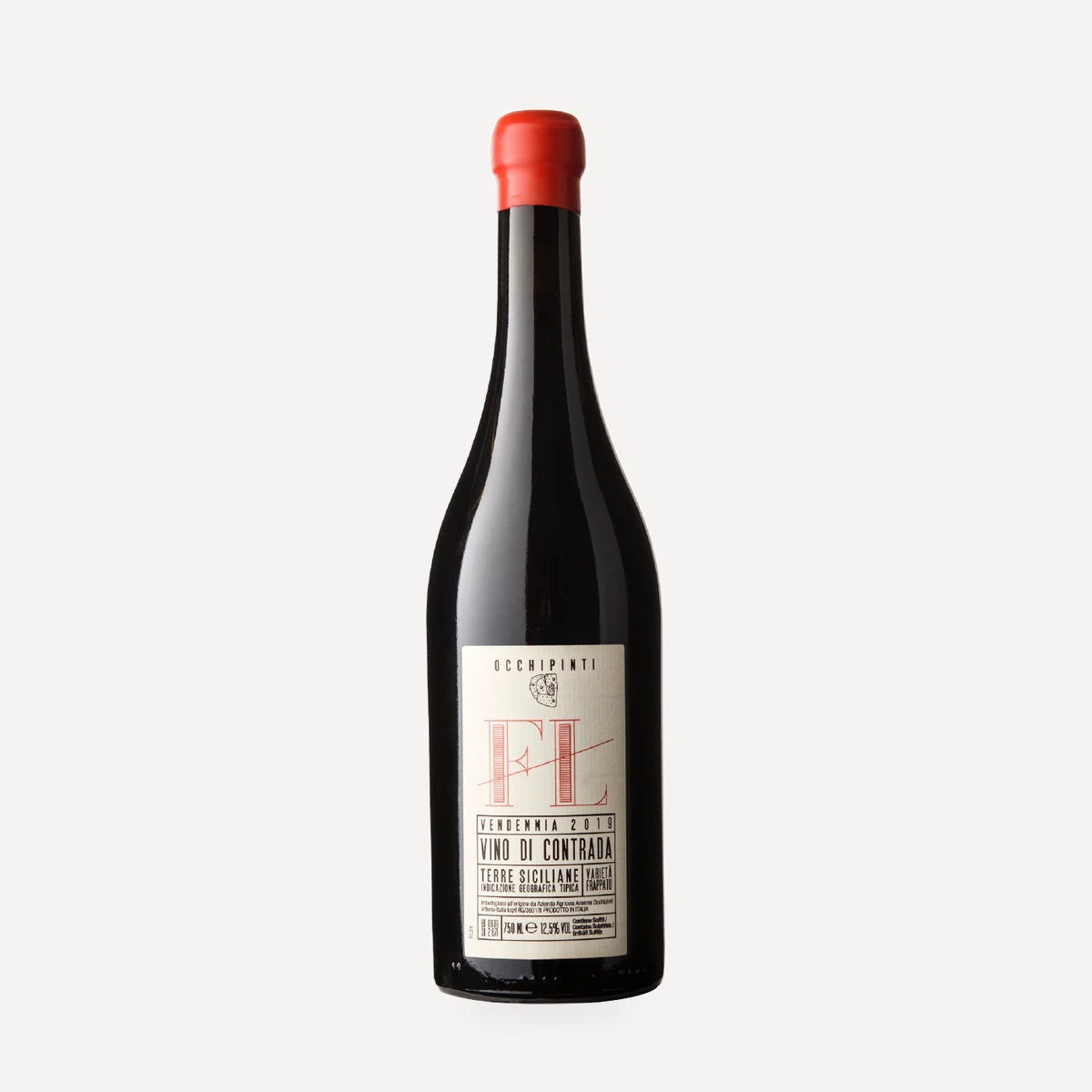
Fossa di Lupo, Vino di Contrada FL
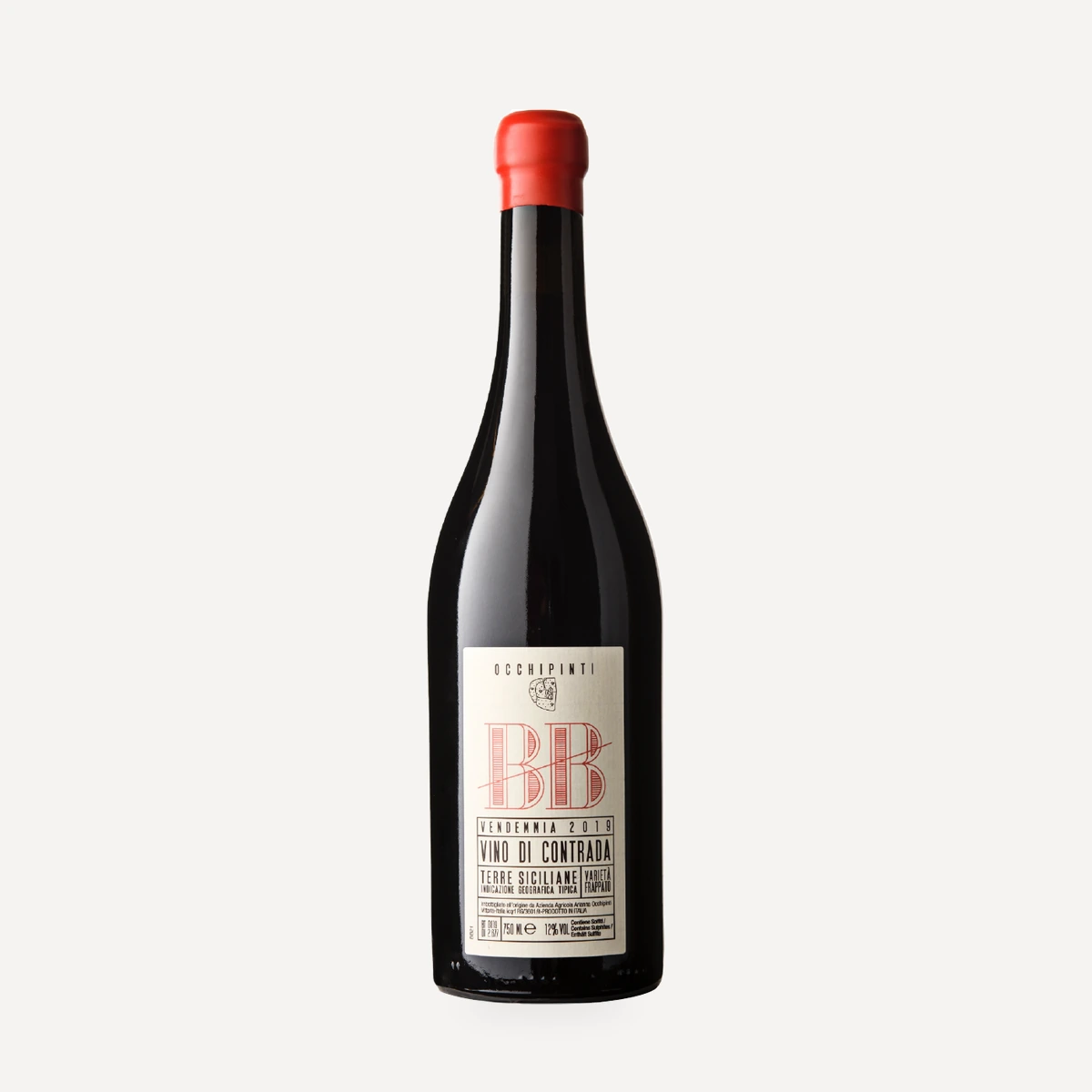
Bombolieri, Vino di Contrada BB
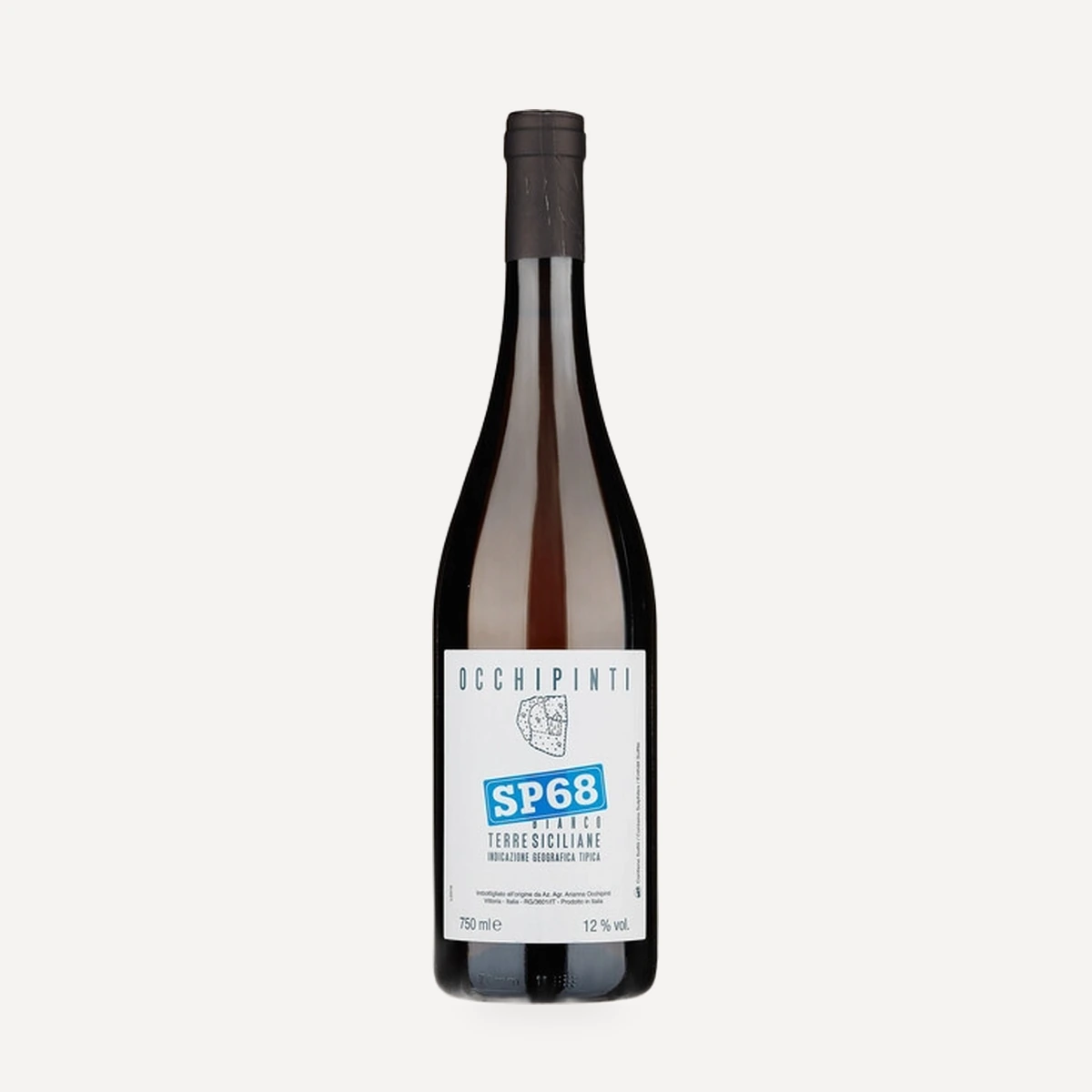
SP68 Bianco
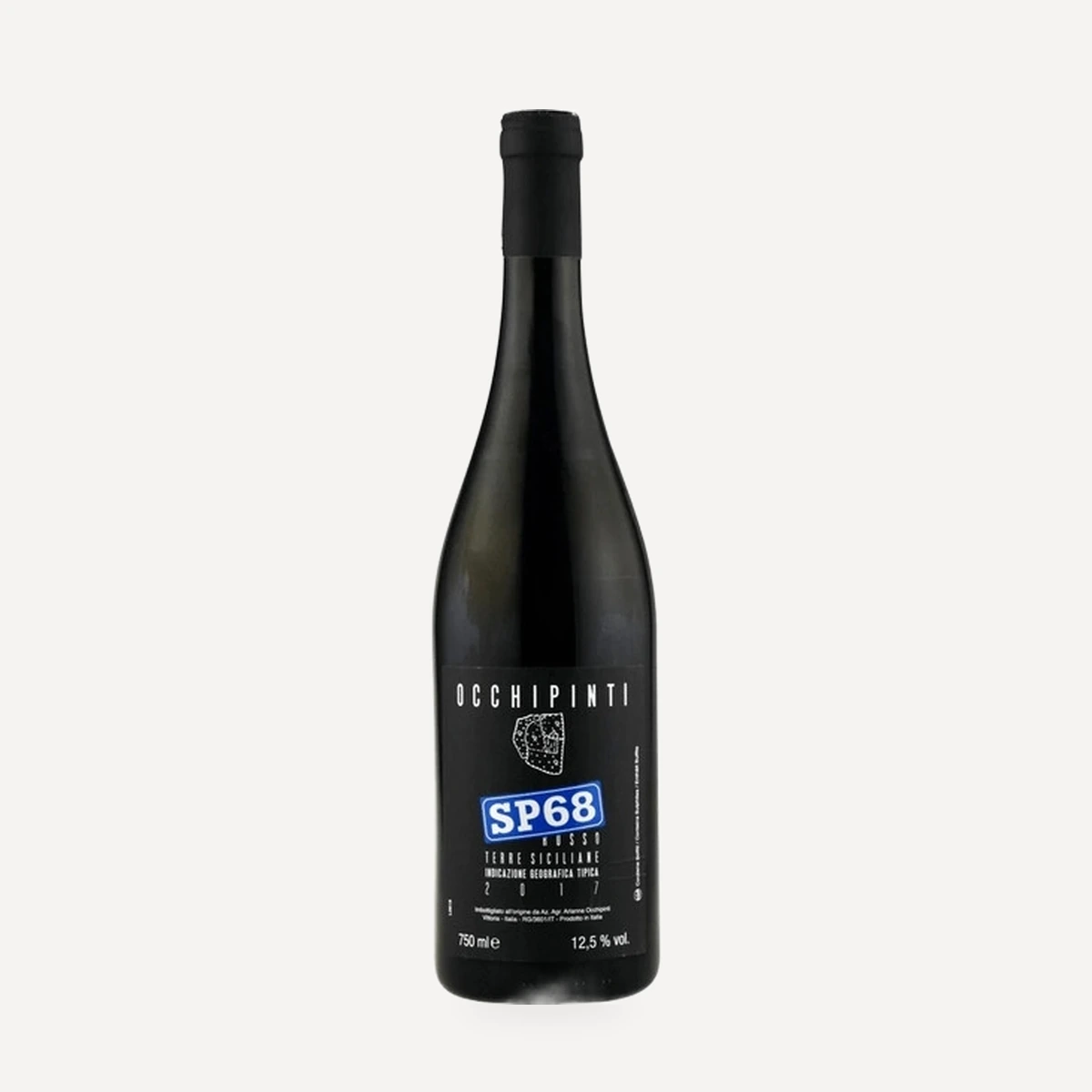
SP68 Rosso
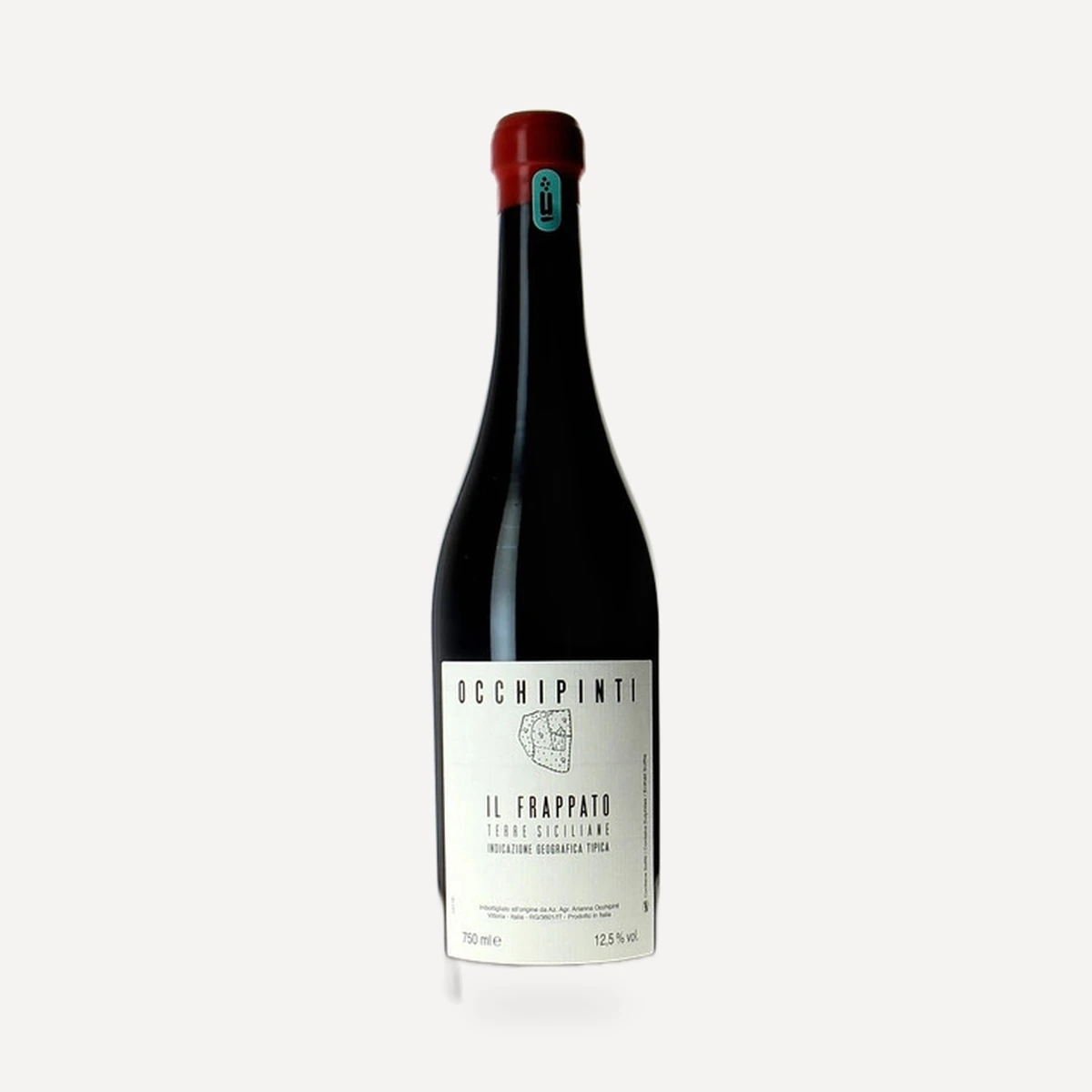
Il Frappato
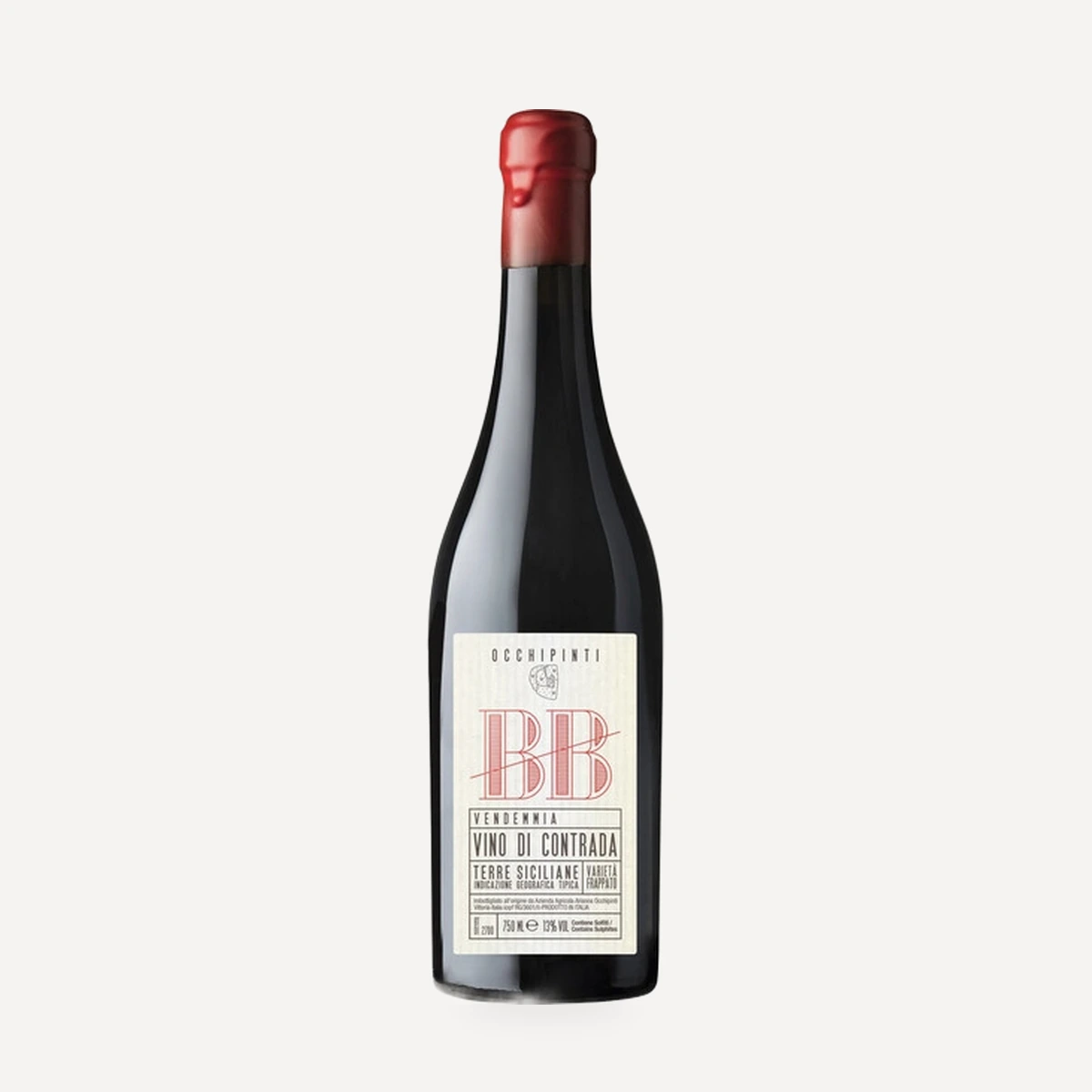
BB Terre Siciliane IGT
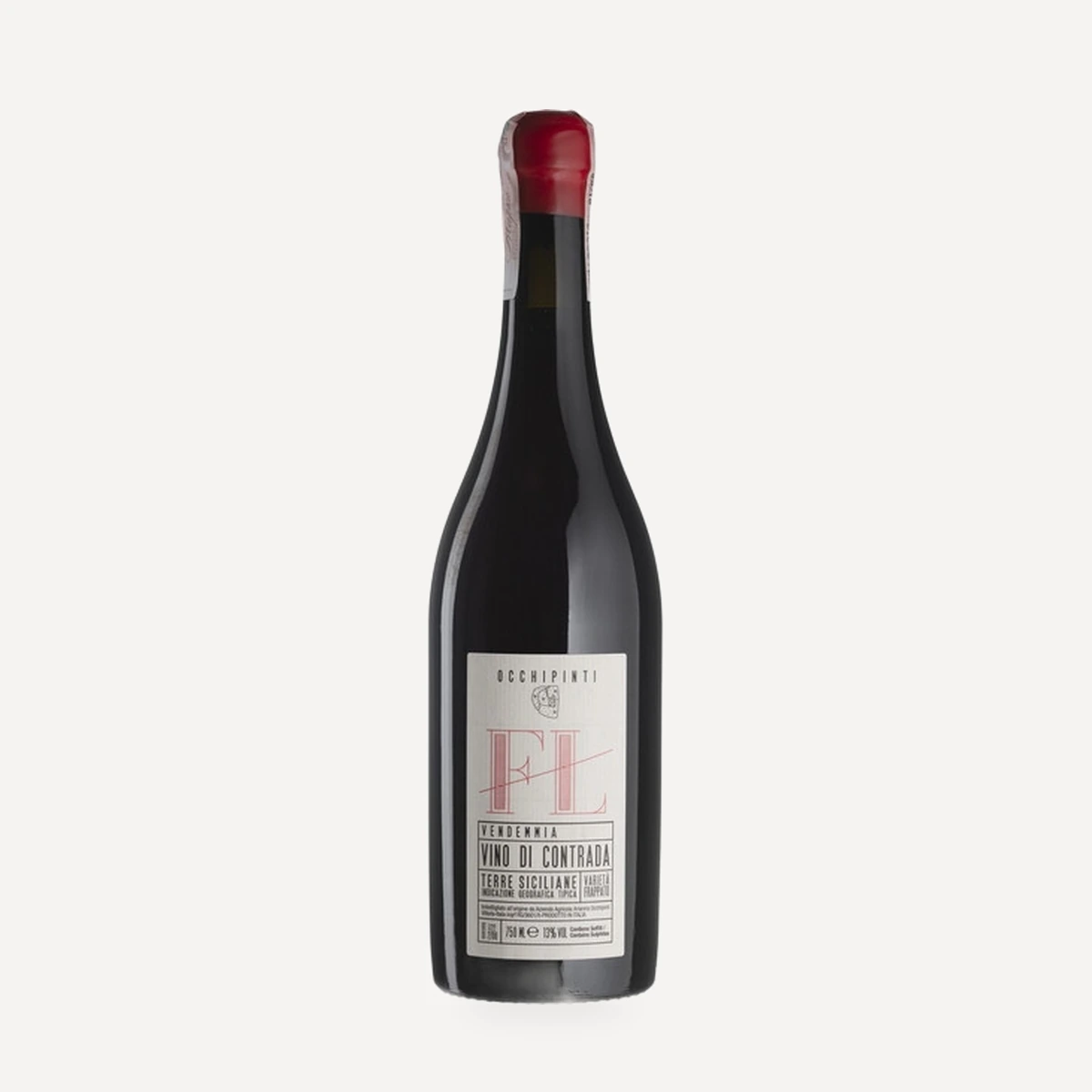
FL Terre Siciliane IGT
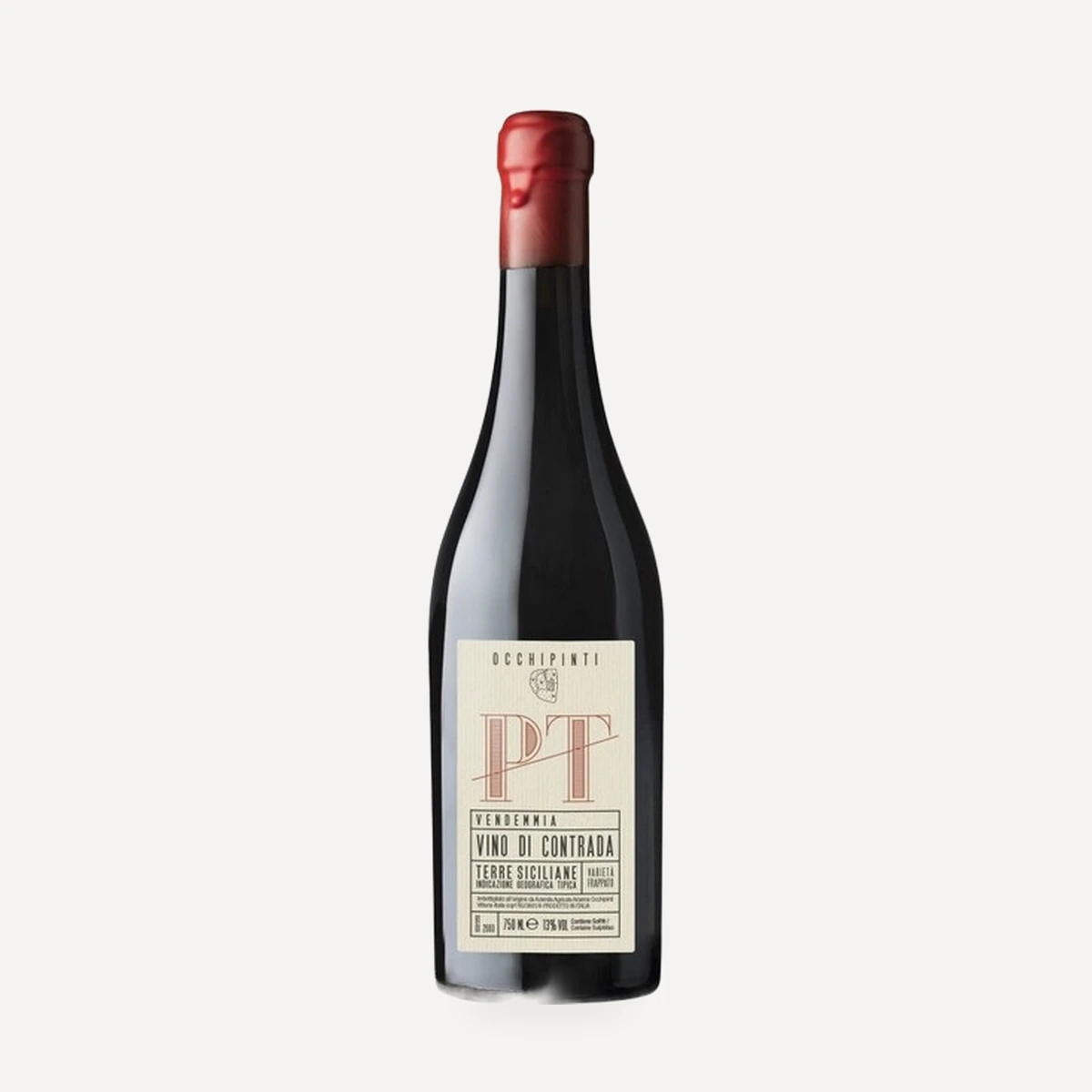
PT Terre Siciliane IGT
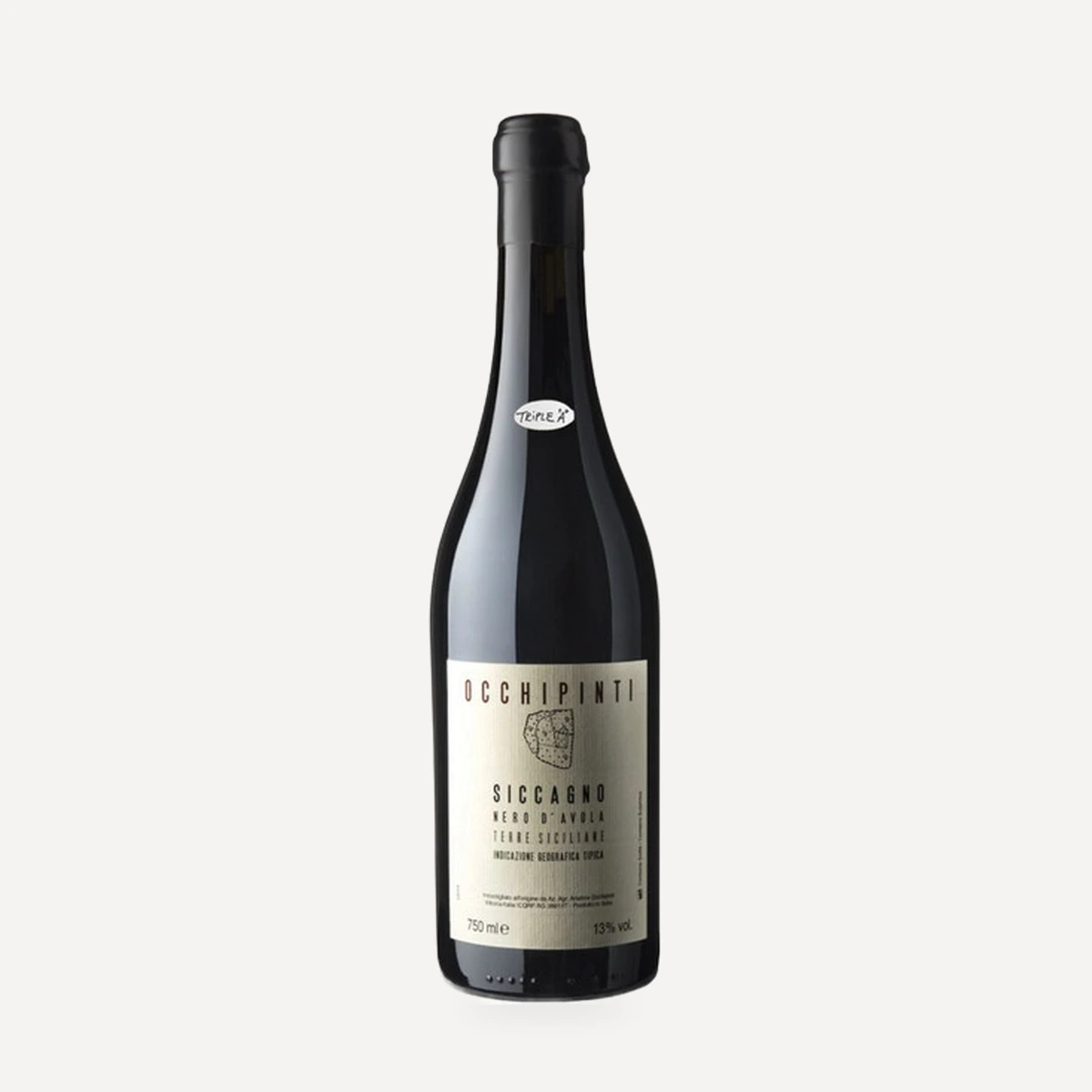
Siccagno