History
Origins in 1960
Cottanera was established on the slopes of Mount Etna in 1960. Its identity developed around the cultivation of volcanic land described as both demanding and generous, with vineyard knowledge transmitted within the Sicilian families employed by the estate. Women have a particularly prominent role in the vineyard team and in the intergenerational transfer of local working practices.
The estate’s historic fabric includes a nineteenth-century courtyard and a country house among the vineyards. The house became associated with family summer holidays, while the surrounding agricultural buildings included former hazelnut warehouses.
A contrada-focused project
Cottanera subsequently developed a project dedicated to expressing the distinctions among Mount Etna’s contrade. Cottanera, Calderara Diciassettesalme and Feudo di Mezzo became central names within this approach, with vineyards treated as distinct expressions of land shaped by separate lava flows. Zottorinoto is another individually identified contrada and the source of the estate’s reserve cru.
Hospitality and restoration
In August 2023, the restored family country house began operating as Dimora Cottanera. The hospitality project combined the former villa and old hazelnut-storage buildings with contemporary design and local craftsmanship. The completed property contains 13 rooms distributed among the villa, courtyard and garden, surrounded by the vineyards of Feudo di Mezzo.
Portfolio renewal in 2024
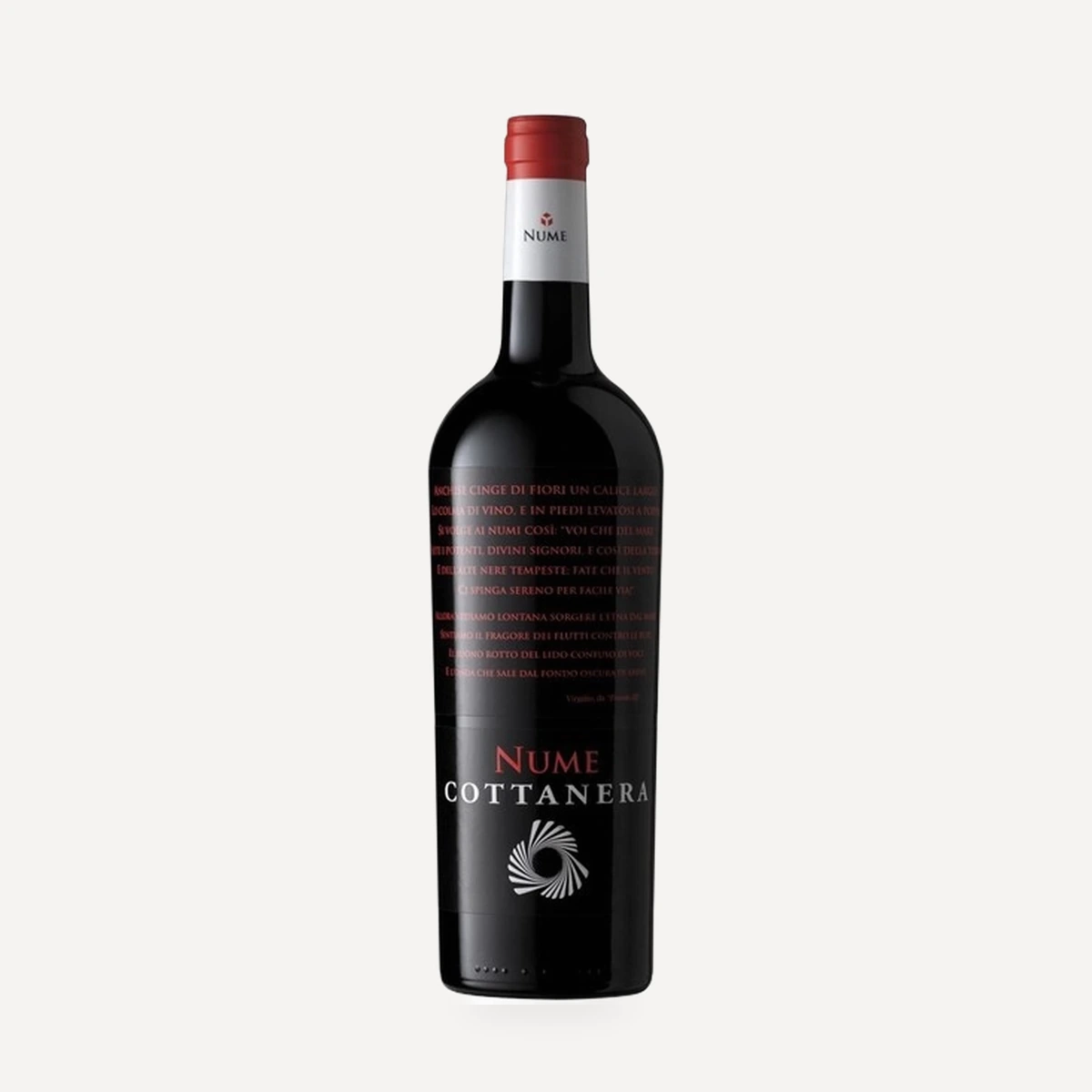
At Vinitaly in April 2024, Cottanera presented the first 2022 vintage of Etna DOC Rosso Cottanera. The new bottling replaced Barbazzale and marked a renewal of the range. At that time, the winery was producing ten labels—five reds, two whites, one rosé and two sparkling wines—while continuing to consolidate Dimora Cottanera as its vineyard-hospitality project.
Terroir
Cottanera lies on the slopes of Mount Etna at Contrada Iannazzo in Castiglione di Sicilia. The vineyards occupy a mountainous, exposed environment overlooking the Alcantara Valley. Elevations documented for individual blocks extend from approximately 670 to 800 metres above sea level; the estate’s visitor route emphasizes the contrast between the warmth of the Sicilian sun and the freshness experienced around 700 metres.
Mount Etna is understood here as a mosaic of contrade separated and defined by lava flows laid down over millennia. These flows create meaningful differences among Cottanera, Diciassettesalme, Calderara, Feudo di Mezzo and Zottorinoto. The soils recorded across the vineyards include lava, lava-alluvial mixtures and lava-clay formations. Calderara is distinguished by a combination of black pumice and basalt, while Zottorinoto is identified with lava soil. Cottanera and Diciassettesalme include both lava-alluvial and lava-clay ground; Feudo di Mezzo encompasses lava soils as well as broader lava, alluvial and clay components in different blocks.
The volcano is treated as the principal source of the vineyards’ identity. Cottanera’s contrada project is built around preserving and communicating the differences that each volcanic district imparts to its grapes rather than standardizing those distinctions.
Winemaking
Almost every vineyard operation is performed by hand, including harvest. Grapes are selected bunch by bunch on the vine and collected manually in small crates. Women form a particularly important part of the vineyard team and carry out the patient cluster selection described throughout the estate’s harvest material.
This manual approach is connected to respect for the volcanic land and its natural rhythms. The objective is to develop quality-oriented, innovative viticulture without erasing the differences among individual contrade. Vineyard knowledge is maintained within Sicilian families and passed from generation to generation.
The cellar programme includes controlled work in stainless steel, cement and French oak, together with barrel maturation and subsequent bottle refinement. The barrel room contains different barrel types and is used to demonstrate roumiage, the cellar practice of rotating or moving barrels during maturation.
The estate’s broader range demonstrates the use of cold maceration, temperature-controlled fermentation, maturation on the lees, French-oak fermentation and ageing, cement vessels and extended bottle refinement. These methods are applied selectively according to the vineyard material rather than presented as one uniform protocol for every wine. The sparkling-wine programme uses the traditional method, with extended ageing on the lees followed by bottle ageing.
Philosophy
Cottanera defines its work through territoriality: respect for the land, its rhythms and the expressive potential of each contrada. Its aim is to translate the character of volcanic ground into wine while preserving tradition and avoiding changes that would obscure the land’s identity.
The estate presents innovation and tradition as complementary. Its declared mission is to develop quality-oriented viticulture on Mount Etna while enhancing the differences each district gives to the grapes. Manual work, intergenerational vineyard knowledge and the prominent role of local women are treated as part of that continuity.
Hospitality follows the same family-centred outlook. The estate seeks to share vineyard life, local food and memories of the country house in surroundings where contemporary design and local craftsmanship do not overwhelm the agricultural setting.
Wines
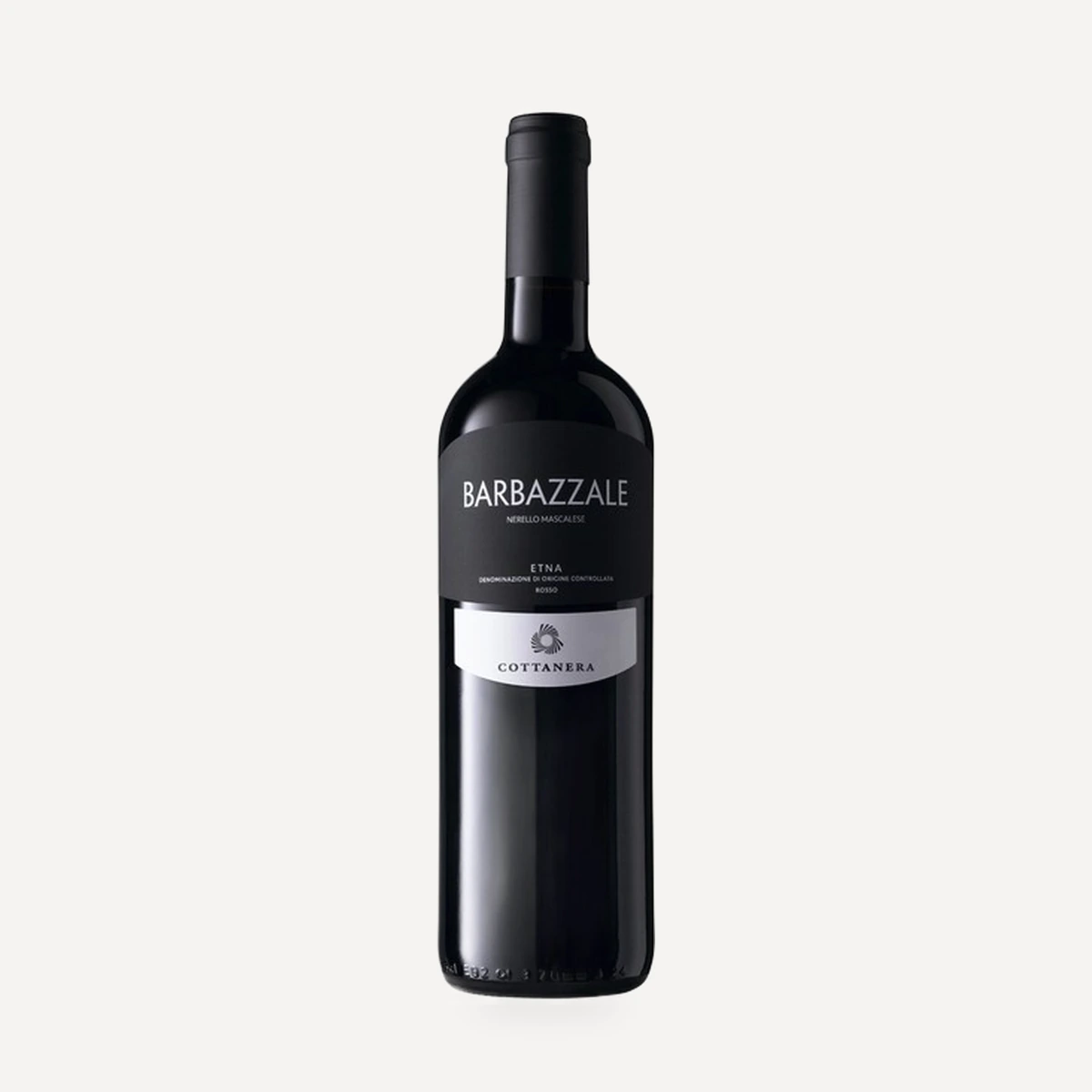
Etna Rosso DOC
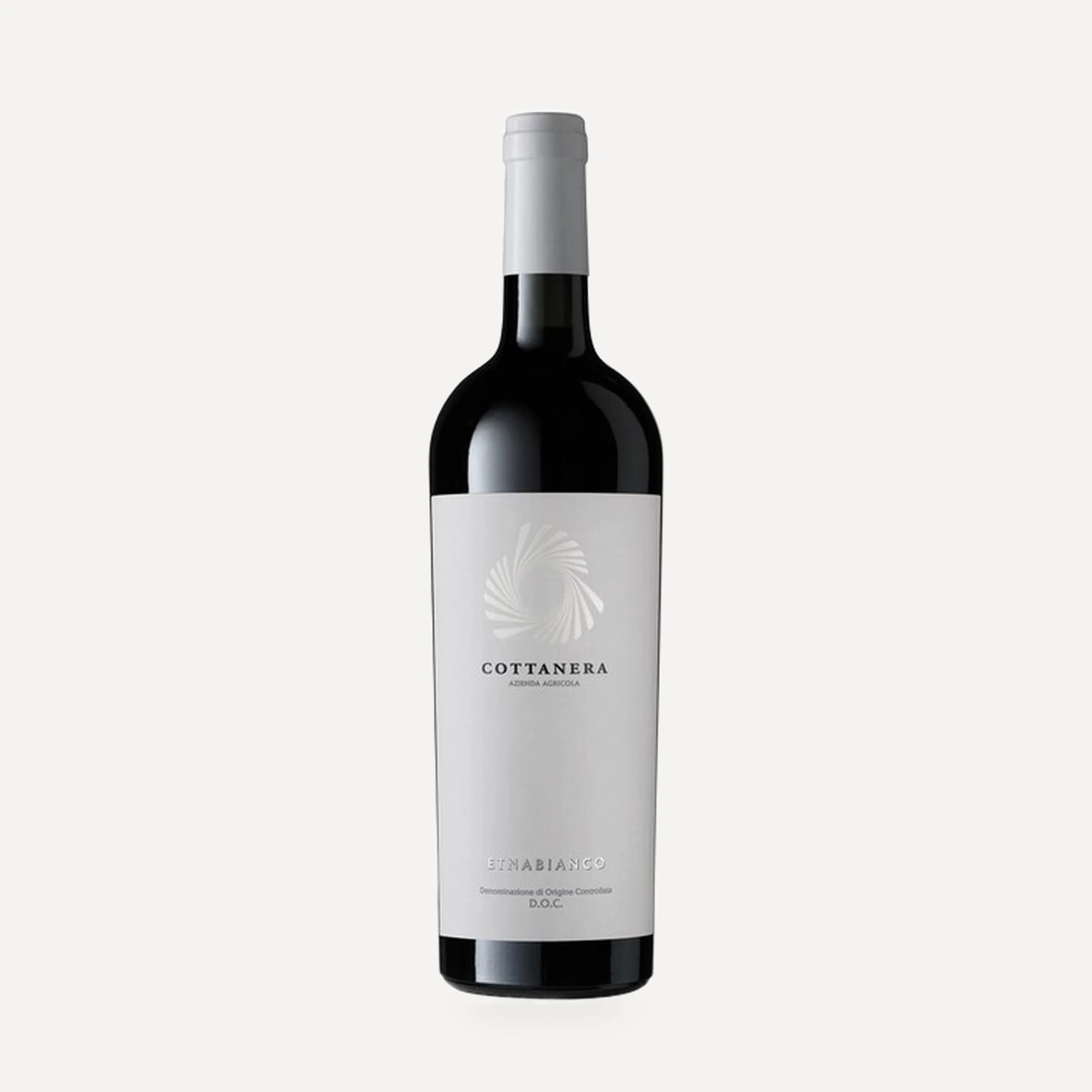
Etna Bianco DOC
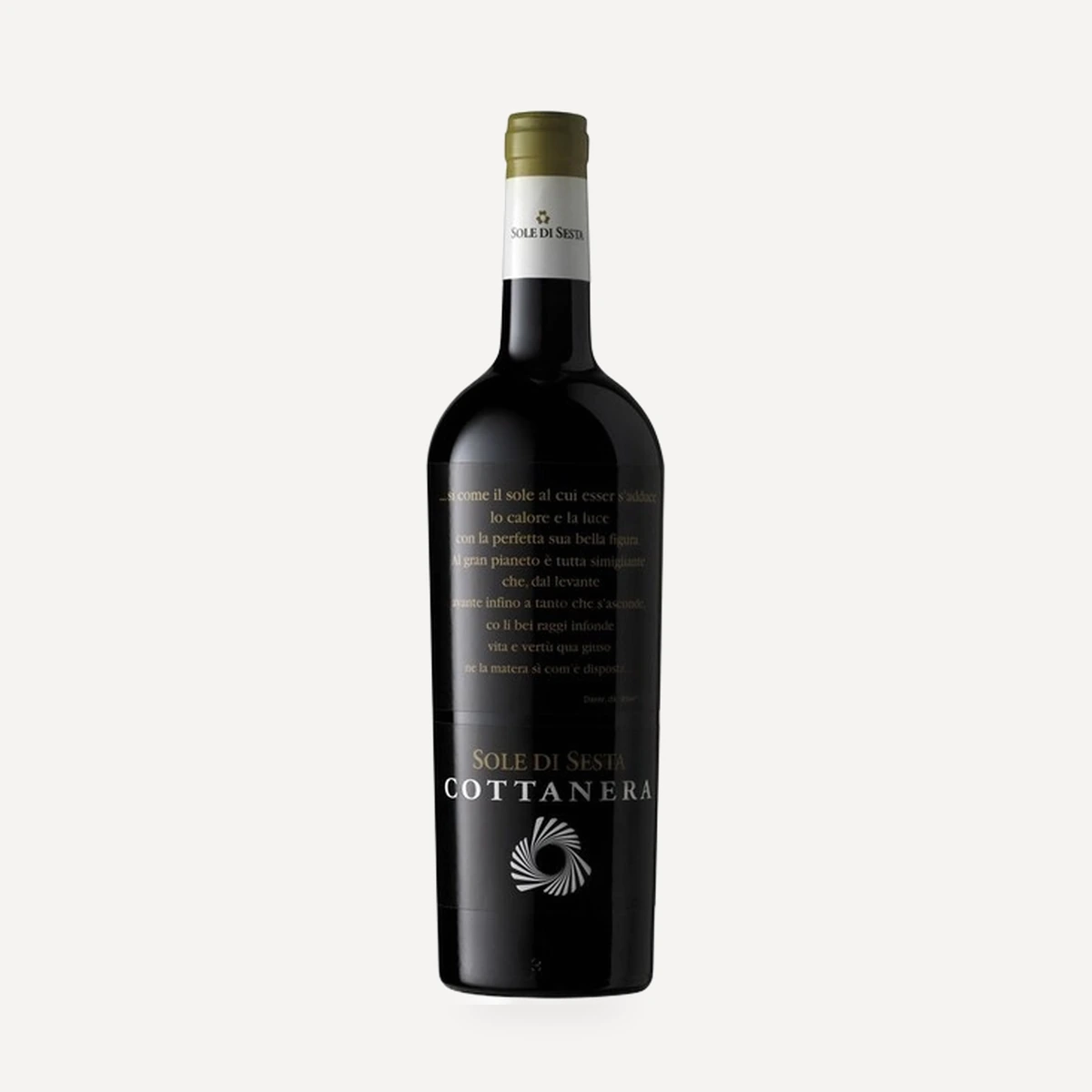
Sole di Sesta
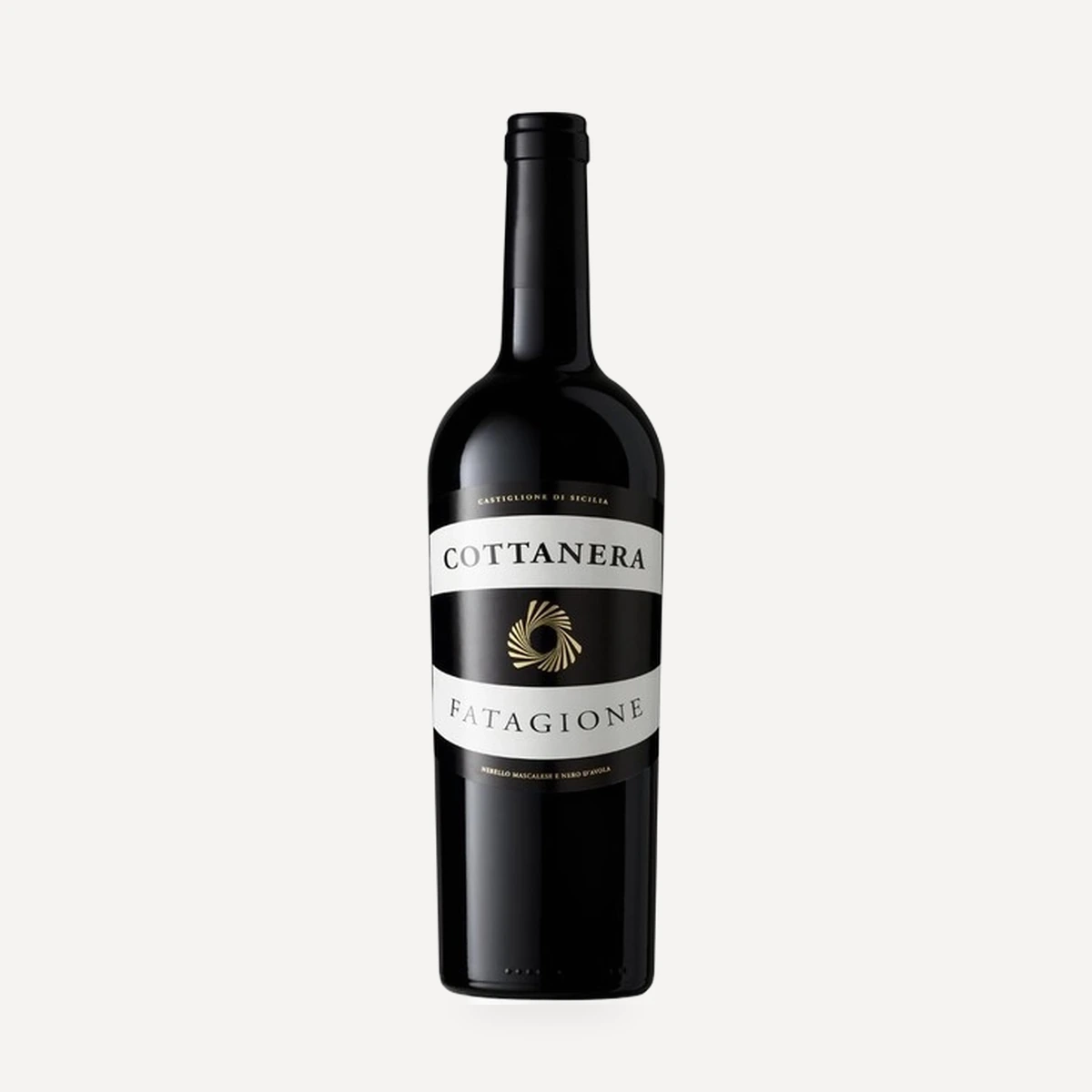
Fatagione Sicilia IGT
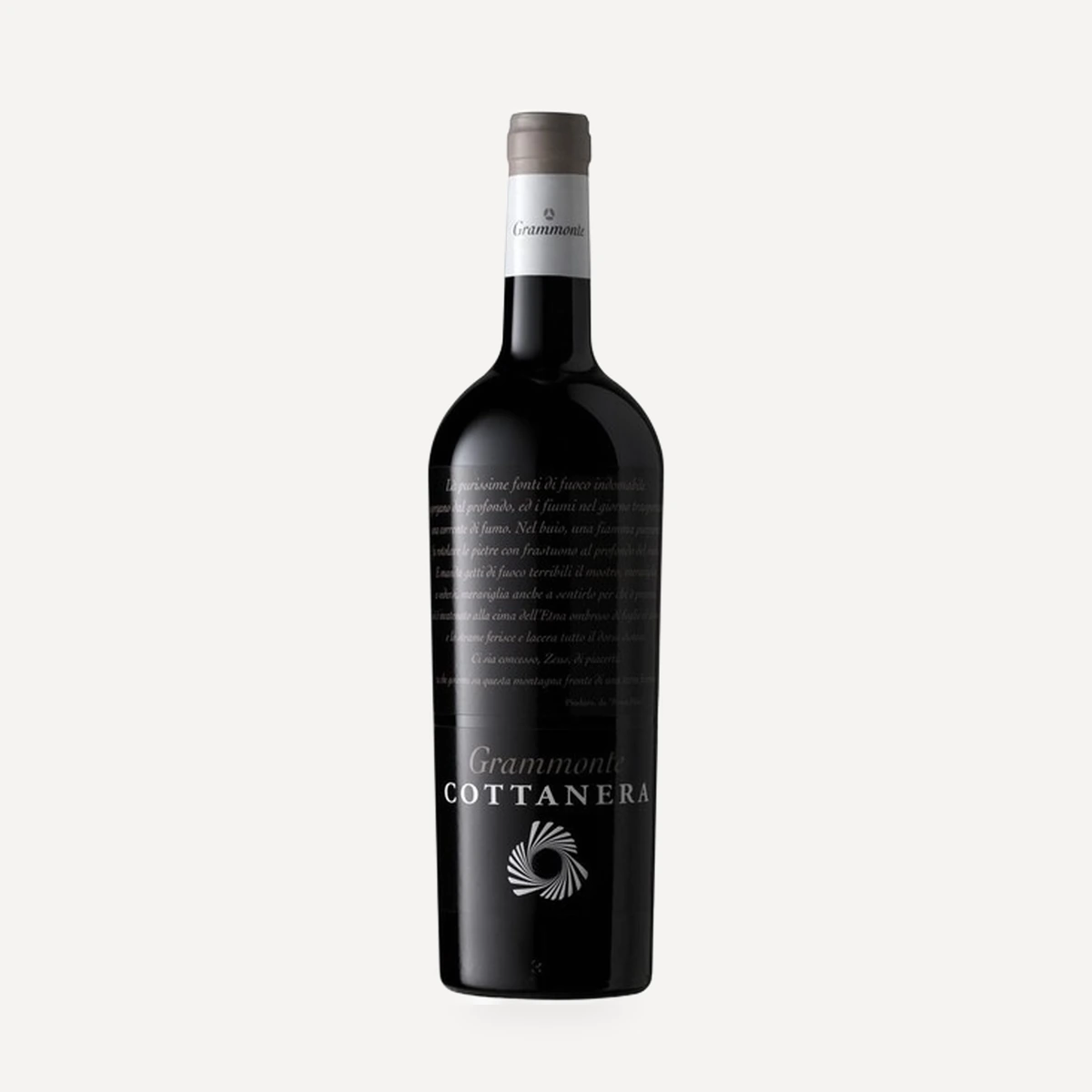
Grammonte Sicilia IGT