About this wine
Vineyard and terroir
The grapes grow in south-facing vineyards in the hills of Valdobbiadene, at 180–300 m above sea level. The soils combine clay and limestone with sandstone and marl. The temperate climate brings cold winters and hot but not stifling summers. Yields do not exceed 135 quintals per hectare.
Vinification
Harvest generally takes place between 15 September and 10 October. The grapes are gently pressed in pneumatic presses, followed by static settling of the must. Fermentation uses natural yeasts at a controlled 17–19 °C.
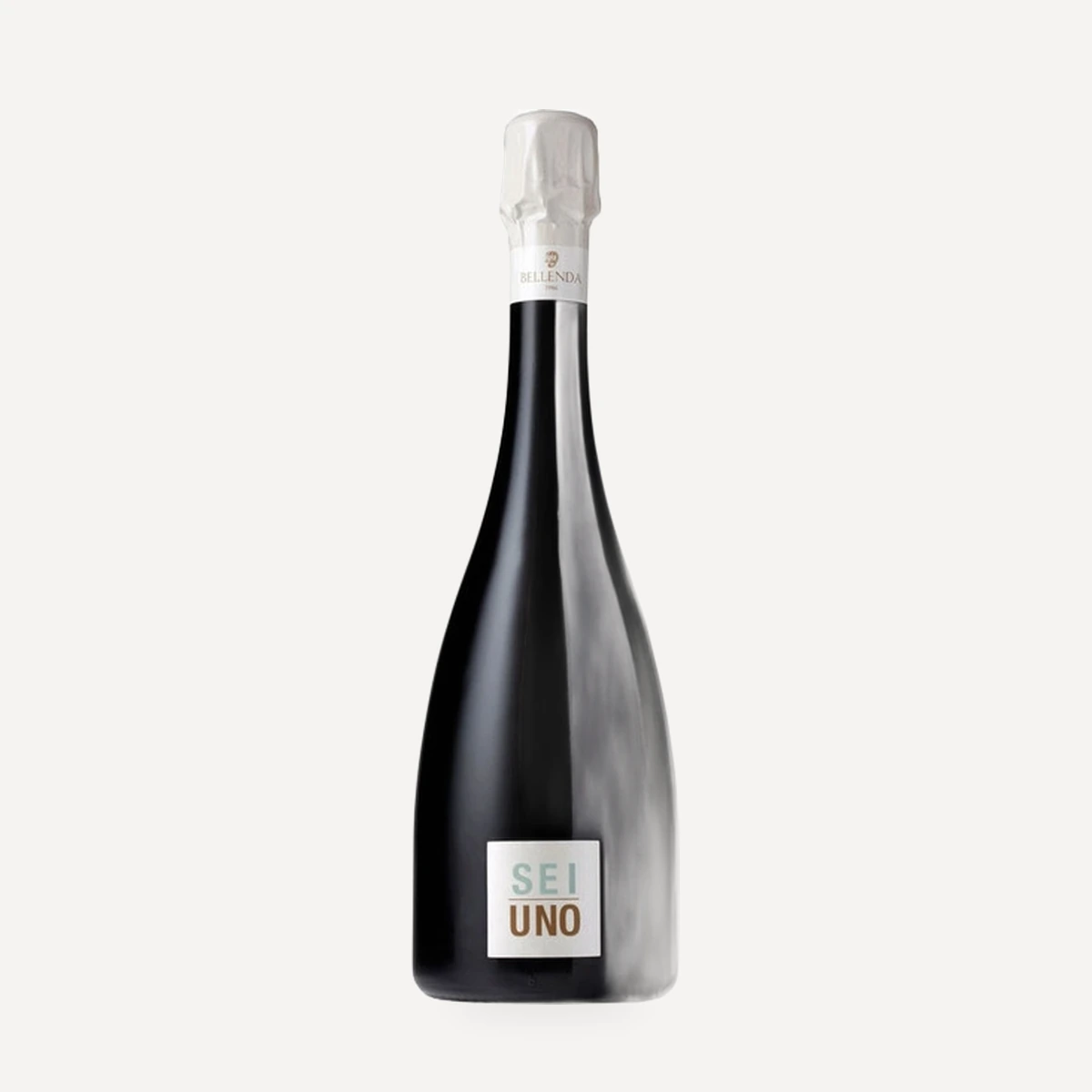
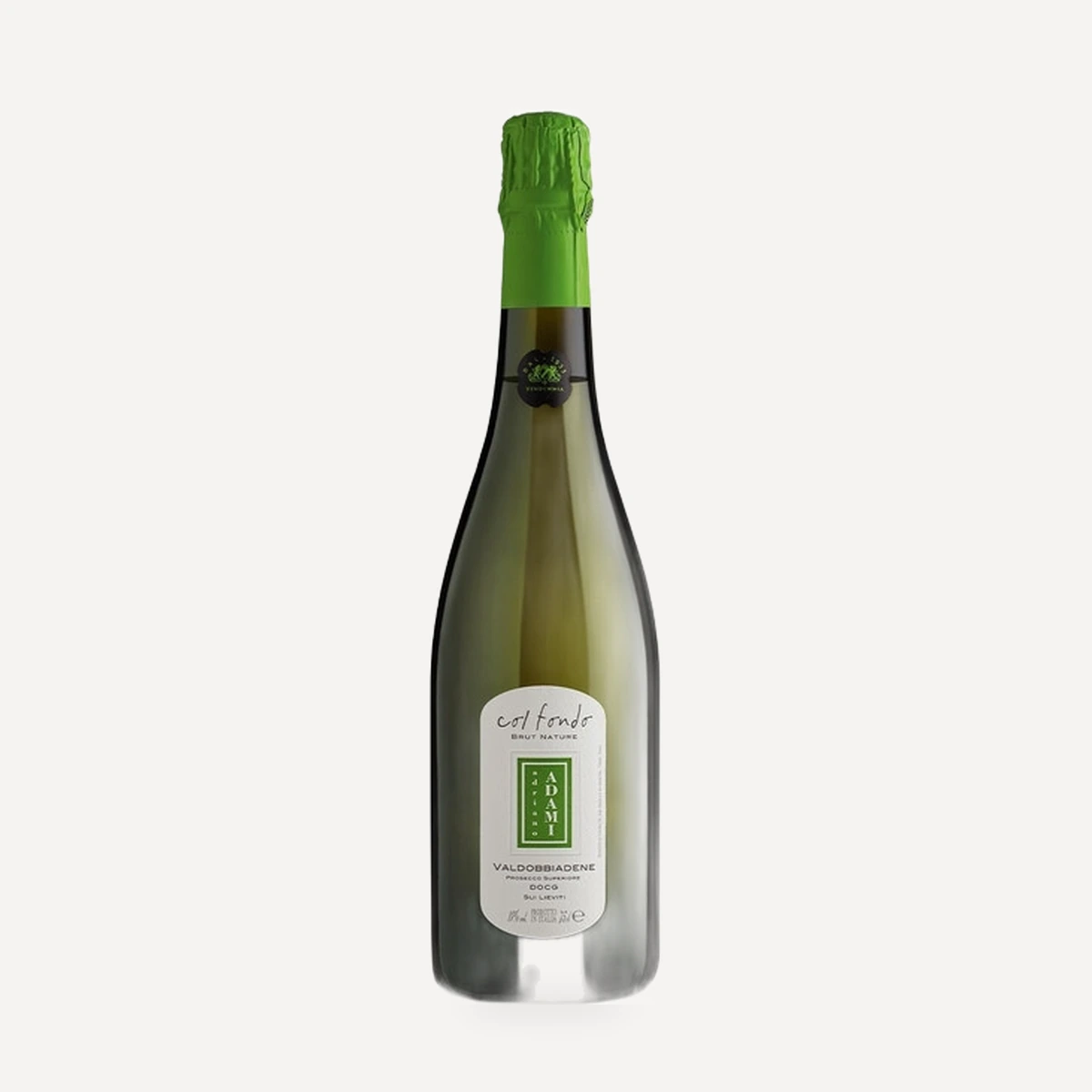
In spring, the wine is bottled in a dark room at 16–17 °C and undergoes secondary fermentation in the bottle. Traditionally, it was bottled without tirage liqueur, with spontaneous secondary fermentation beginning as the weather warmed in May or June. It is not disgorged, leaving it cloudy with visible sediment.
Ageing
The wine rests on its fine lees in steel tanks for at least six months before bottling. The yeast sediment retained in the bottle allows it to continue evolving over time.
Label / history
The Adami family has made this style since the early 1900s: first Abele and later Adriano bottled it in spring without tirage liqueur. It was traditionally called “vin col fondo”; the name refers to the yeast that settles at the bottom of the bottle. Secondary fermentation can be vigorous enough to burst a bottle.