History
The family’s earlier vineyards, 1920–1945
Roberto Anselmi’s grandfather was an accomplished winegrower between 1920 and 1945. The economic crisis associated with the world war eventually forced him to sell all the family vineyards.
Foundation as a wine-trading business, 1948
Almerino Anselmi founded the company in 1948. It began as a large cellar devoted to bottling and selling selected purchased wines, with neither land nor vineyards of its own.
Roberto Anselmi’s return, 1975
Almerino’s son Roberto returned to the family business in 1975 after completing his university studies. Determined to recover the vineyards once owned by his grandfather and establish a high-quality viticultural property, he began transforming the company’s model.
Over the following years Roberto closed his father’s négociant operation. He first leased and subsequently purchased elevated hillside land long associated with white-wine growing. Within a few years, the original trading and bottling company had become an estate based on its own vineyards.
The family today
Roberto remains active alongside his children. Tommaso works in the cellar, while Lisa connects the estate with its markets.
Terroir
The estate vineyards occupy the elevated Foscarino and Zoppega hills surrounding Soave and Monteforte d’Alpone. Their 70 hectares comprise calcareous terrain and volcanic tuff, and the vines face south.
Foscarino hill
Foscarino rises northwest of Monteforte. The Capitel Foscarino vineyard lies at its summit at 350 metres above sea level. In clear morning conditions, the outlook extends across the Po Valley to the Apennines.
The vineyard’s microclimate combines abundant sunlight, continual ventilation and pronounced nighttime temperature variation. Volcanic tuff is covered by clay produced through the surface weathering of volcanic rocks, while vine roots reach the underlying basalt. The site produces grapes marked by full fruit, minerality and pronounced acidity.
Zoppega hill
Zoppega contains both summit and lower-slope sites. Capitel Croce occupies calcareous ground at the top of the hill, while Realda lies beneath it on volcanic tuff. The broader Foscarino and Zoppega holdings combine volcanic parcels with calcareous ones.
Winemaking
Vines are planted at a minimum density of 6,000 plants per hectare and trained predominantly to Guyot and alberello; Cabernet Sauvignon at Realda is trained to spurred cordon. South-facing exposure characterizes the estate’s hillside plantings.
A strict green-harvest regime—described as vendange verte—reduces the number of bunches carried by each vine. Meticulous grape selection is intended to increase aromatic expression, fruit character, complexity, body and longevity. Harvest selection may include the use of small boxes, as at Capitel Croce and Realda.
More than 40,000 disease-resistant PIWI vines have been planted at Capitel Foscarino in recent years and trained as bush vines. These plantings require no fungicides and are intended to combine healthier grapes with lower environmental impact while retaining aromatic and flavour characteristics comparable to the estate’s classic varieties.
The cellar stands in Monteforte d’Alpone, at the foot of the hills near Verona. It is a modern, technologically advanced facility described as being in continual evolution.
Maturation capacity totals 8,000 hectolitres, and the cellar contains more than 500 barriques. The central maturation practices are ageing on the lees, bâtonnage, protection under an inert atmosphere and closely controlled temperatures.
Across the cellar’s white-wine work, oxygen-limiting handling includes soft pneumatic pressing in an inert atmosphere, followed by settling of the must. Temperature-controlled fermentation and low-temperature maturation in steel are employed, with regular bâtonnage. The cellar also works with Allier barriques for fermentation and maturation. Red-wine capabilities include crushing, destemming, warm fermentation, skin maceration, malolactic fermentation and extended barrique ageing. Late-harvest fruit may be dried in ventilated rooms before pressing, with noble rot developing by December.
Philosophy
Anselmi’s modern identity grew from Roberto Anselmi’s decision to replace a business based on purchased wine with an estate rooted in high-quality hillside vineyards. The approach links elevated, densely planted sites with low bunch numbers, close harvest selection, detailed vinification and modern cellar technology.
Garganega remains central to the estate, but Roberto has progressively introduced grape varieties less common in the area. Recent PIWI plantings extend this experimental approach into sustainability: disease resistance is used to eliminate fungicides from those vines, promote healthy fruit and reduce pressure on the land without abandoning the aromatic and flavour profile sought from traditional varieties.
The cellar’s continuing technical evolution coexists with site-specific farming, lees maturation and close control of oxygen and temperature. The family presents these practices as means of increasing aromatic definition, fruit expression, complexity, body and longevity.
Wines
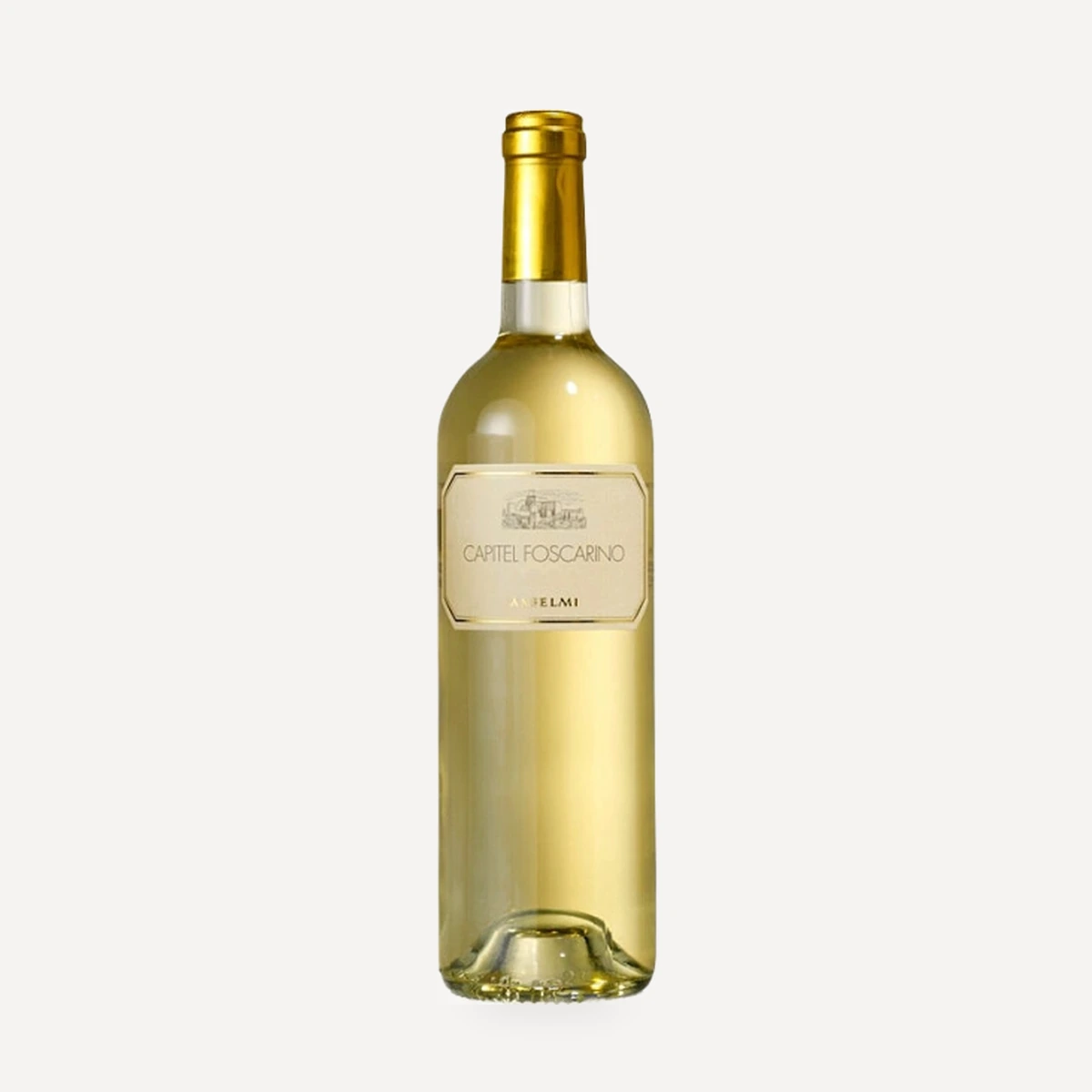
Capitel Foscarino
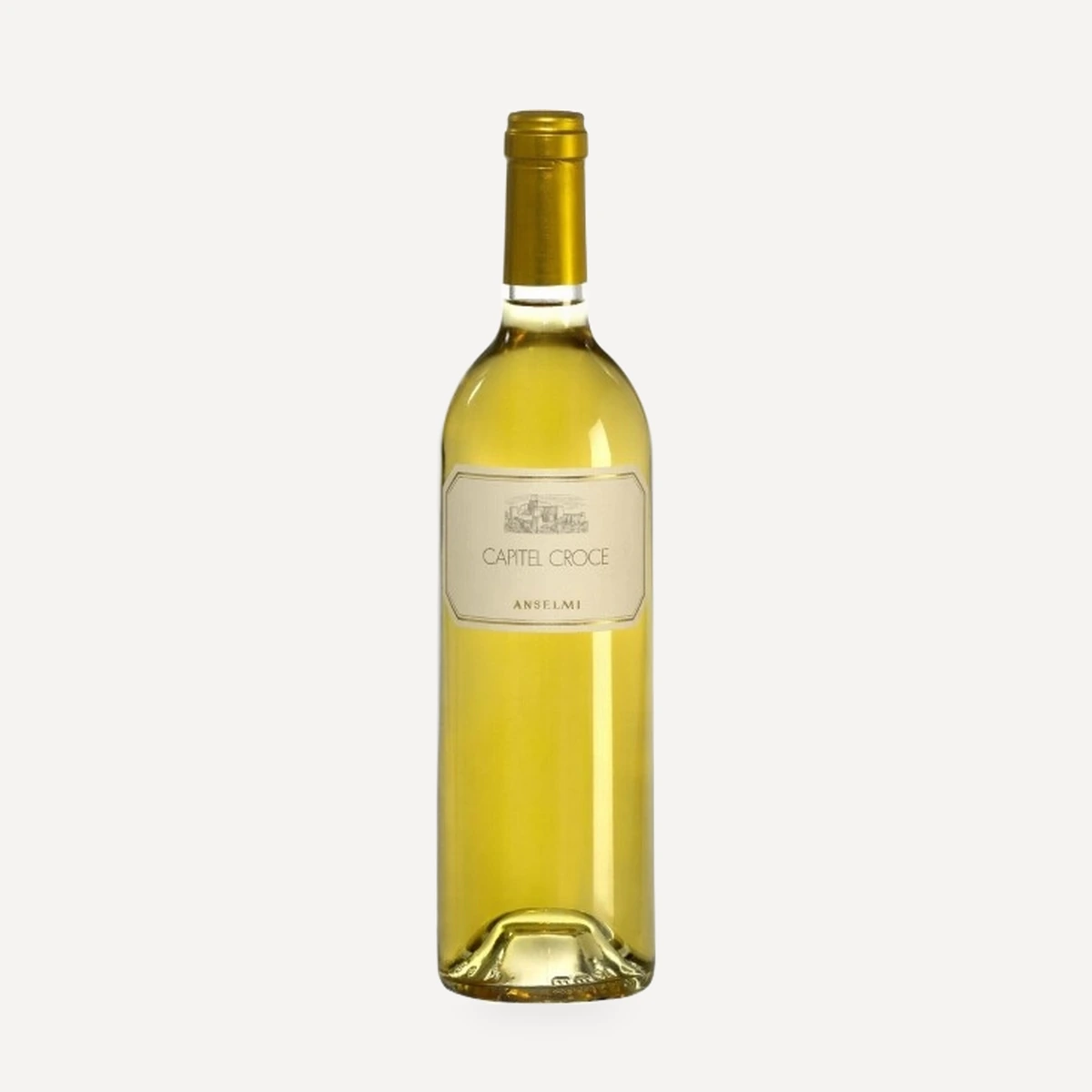
Capitel Croce
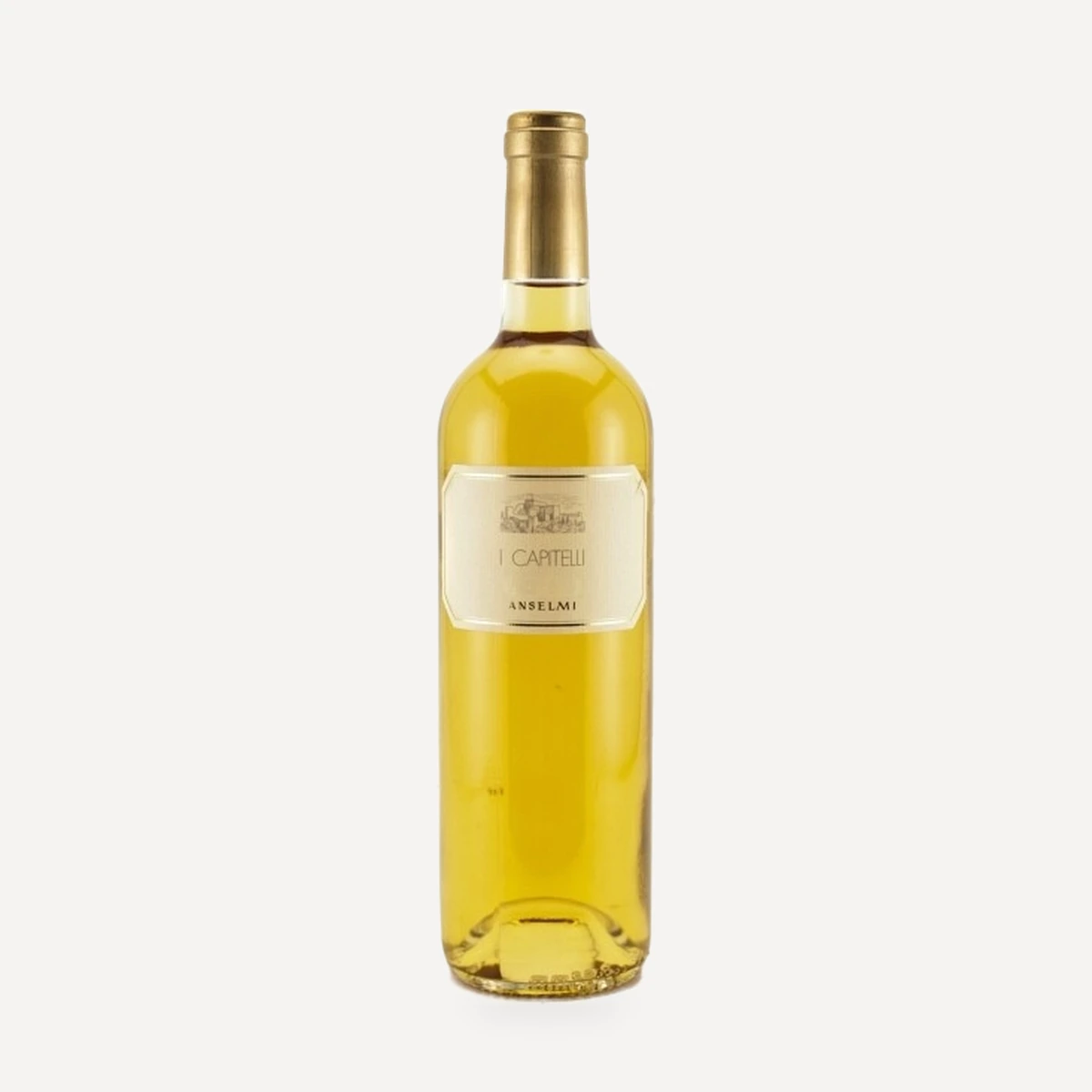
I Capitelli