History
Nazzareno Pola and the foundation
Nazzareno Pola was born into a farming family and wanted to work the land from childhood. His early adult life followed a less direct route: he spent ten years as a competitive cyclist, left the sport at 25, and then worked as a bartender for approximately a decade while continuing a small grape-growing activity in the family vineyards.
At 35, he turned that connection to farming into a business. He founded Andreola in 1984 in the heart of the Valdobbiadene production area, initially working from a small building adjoining his home, less than one kilometre from the present winery. The young business faced limited finances and restricted production space, but began acquiring vineyards and pursued Nazzareno’s objective of making sound, authentic wine rooted in Valdobbiadene tradition. Although he had no formal oenological training, he combined practical farming experience with an early interest in modern cellar equipment.
1987–2000: bringing production in-house
Andreola installed its first bottling line in 1987. Shortly afterwards, both sparkling-wine production and bottling were carried out entirely in-house. By 1990, the acquisition of prestigious vineyards had increased production enough to require plans for an enlarged facility.
From the 1980s onward, vineyard development followed a continuing search for sites with particular productive characteristics. In 2000, the winery began a further phase of investment in technology intended to define and reproduce its sparkling-wine style.
Stefano Pola and the new winery
Leadership subsequently passed from Nazzareno to his son Stefano Pola. Stefano had worked alongside his father from childhood and took part in his first harvest at the age of 11. After the transition, the existing production department was improved and all available space was put to use. Stefano simultaneously developed the positioning of the Andreola brand and added further vineyards.
In 2007, growth made another expansion necessary, and the foundation stone was laid at the present site. The new winery was conceived to accommodate the complete vineyard patrimony without compromising grape handling or production quality. The same year marked the beginning of Stefano’s decision to remove the word “Prosecco” from Andreola labels in order to place greater emphasis on Valdobbiadene; the change was fully established by 2018.
The first harvest in the current winery took place in 2010, beginning the relocation of production to a purpose-built facility equipped with modern technology and designed as a tribute to the surrounding hills. On the company’s 26th anniversary—coinciding with the establishment of the Conegliano-Valdobbiadene DOCG framework—the generational handover was commemorated by 26° I°. It was subsequently claimed as Rive di Col San Martino once the Rive category became available.
The bottling line was transferred completely in 2013 and was renewed and enlarged to improve both scheduling and quality control.
Identity, packaging and the Rive programme
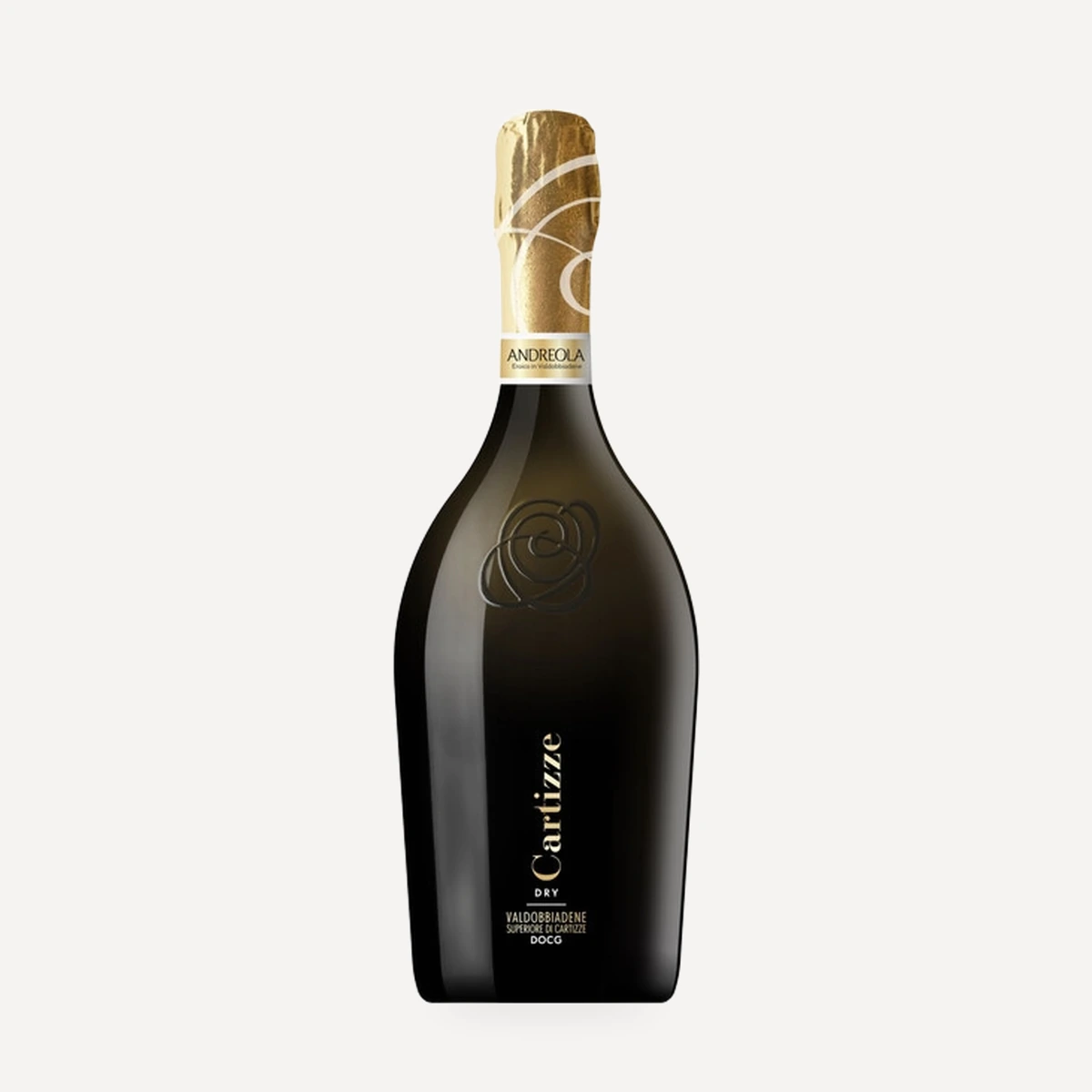
In 2009, Andreola introduced a redesigned company mark and a DOCG range in a custom-shaped, custom-moulded bottle. Further visual development followed through the contemporary Bollé identity and the restrained packaging of the Rive Line, designed to emphasize individual-vineyard identity and traceability.
Andreola embraced the Rive designation from its introduction, using years of vineyard study, separate vinification and comparison to identify sites that consistently delivered both high quality and a distinctive character. From 2009 to 2010, the company completed a broad renewal of its image and packaging. Between 2012 and 2016, work began on and was completed for the new modern winery. From 2014 to 2016, a partnership with the Autodromo Nazionale di Monza led to the limited Monza Collection honouring the Formula 1 Italian Grand Prix.
The Rive Selection was launched in 2016, formally placing the single-vineyard concept at the centre of the range. Col del Forno also entered the estate in 2016 and was vinified separately from that year. In 2017, the Stefano Pola Selection Valdobbiadene DOCG received a new identity.
Expansion from 2017
As directly managed vineyards exceeded 100 hectares, Andreola added a new fermentation and storage wing in 2017. It incorporated modern, fully insulated tanks. Bottle storage was expanded at the same time and moved into an underground area with controlled temperature and humidity.
In July 2019, the Conegliano and Valdobbiadene hills were inscribed as a UNESCO World Heritage Site. The manual cultivation of the steep slopes, grassed ciglioni, close-set hogback ridges and the mosaic of vines and woodland were integral to the landscape recognized by UNESCO.
Akelum, Andreola’s first Asolo Prosecco Superiore DOCG, was launched in 2020. New and larger offices adjoining the winery were completed in 2021 to support expanding Italian and international activity. The hospitality wing, wine shop and tasting room were renovated in 2022.
2023 onward
Nazzareno Pola – Etichetta del Fondatore – Dirupo was launched in 2023 to express the founder’s annual selection of the highest qualitative level attainable from Dirupo. Beginning with the 2023 harvest, the selection was tied to Rive di Santo Stefano, whose vineyard best met its quality criteria for that vintage. Aldaina al Mas also became a finished product with the 2023 harvest after a decade of work and several years of focused study on the Guia vineyard.
The Wine Garden, conceived as a winter garden for events, tastings and meetings, opened in 2024. The 40th anniversary was marked by the RIVE LINE COLLECTION, a presentation case bringing together six Valdobbiadene DOCG Rive bottlings. Marna del Bacio debuted with the 2024 harvest following the acquisition of its two-hectare vineyard near San Pietro di Barbozza.
Andreola now directly manages approximately 110 hectares divided into around 250 parcels. Depending on the year, these generate approximately 100–150 separate parcel vinifications. The business exports about 35% of its turnover, with established markets in the United States, United Kingdom, Switzerland and Belgium and developing activity in Poland, Mexico and Singapore.
Terroir
Position and landscape
Andreola’s principal vineyards lie in the steep hills of the Valdobbiadene DOCG area between the Adriatic influence and the Prealps. Venice is approximately 50 km away and the Dolomites about 100 km away. Parallel hill chains extend east to west, with vineyards commonly exposed towards the south. Elevations represented in the single-vineyard programme range from approximately 200 to 500 metres above sea level.
The landscape originated through the uplift of marine and lacustrine beds, followed by reshaping and sediment deposition by ancient Dolomitic glaciers. The resulting succession of close, steep ridges is described as a hogback system. Grass-covered ciglioni rather than dry-stone walls support many vines. Woodland accounts for approximately 60% of the wider mosaic landscape, alternating with cultivated vineyards.
Geology and soils
The territory combines calcareous marl, sandstone, conglomerate rock, clay and deeper mature soils. The steepness of the slopes generally promotes drainage, while differences in erosion, altitude, soil depth and parent rock alter the water and nutrients available to roots from one micro-area to the next.
Col San Martino and Soligo occupy related portions of the southern hogback chain between Vidor and Vittorio Veneto, where calcareous conglomerates create straight, steep slopes. Valleys cutting through the ridges may contain deeper, fine-textured soils with little skeletal material and a greater proportion of calcareous marl. Guia combines old marl in the lower hill with sandstone above; its unusually deep, fertile soil originated in an ancient landslide. Refrontolo has deep marl and clayey conglomerates associated with karst processes predating the last ice age. Rolle is dominated by deep, finely textured marl and clay with weak drainage and mineral movement through successive soil horizons. Near San Pietro di Barbozza, fine-grained Biancone limestone emerges where the active soil layer becomes shallower with elevation.
Climate and mesoclimates
The general climate is temperate, ventilated and marked by summer rainfall and substantial day–night temperature changes. Altitude and steep slopes generate airflow, while strong solar interception helps grapes and bunches dry rapidly after rain. In thin, excessively drained soils, even short dry periods can stress vines; in deeper clay- and marl-rich sites, stored water sustains the plants through warm periods.
Microclimates vary significantly. Guia and San Pietro di Barbozza are among the rainier sectors close to the Prealps, but steep slopes and airflow counter humidity. Refrontolo is slightly warmer and somewhat less rainy than the denomination average, producing earlier ripening. Rolle combines relatively dry conditions, deep water-retentive soil and protection from the Treviso Prealps. These contrasts underpin Andreola’s parcel-by-parcel vinification and Rive programme.
Winemaking
Andreola describes its hill farming as heroic viticulture: the steepness of the sites makes daily vineyard work laborious and predominantly manual. Operations from pruning through harvest can exceed 800 working hours per hectare annually in some parcels; the steepest vineyards are described as requiring approximately 1,000 hours/ha because mechanized equipment cannot be used.
Andreola became the first Valdobbiadene DOCG producer registered with CERVIM in 2010. CERVIM identifies heroic conditions through criteria including slopes above 30% and vineyards arranged on terraces or steps. Its European collective “Viticoltura Eroica” mark identifies wines belonging to this category. Several Andreola sites substantially exceed the slope threshold, including Marna del Bacio at gradients of up to 80%.
The traditional landscape is cultivated on grassed ciglioni without dry-stone retaining walls, set among close, steep hogback ridges. Vineyard and woodland form a mosaic in which forest represents approximately 60% of the broader landscape. This combination of manual viticulture and landscape structure contributed to the UNESCO recognition of the Conegliano and Valdobbiadene hills in July 2019.
Rive grapes come from the steepest, most highly regarded sites and are harvested exclusively by hand. The Rive production limit applied by Andreola is 13,000 kg/ha. Standard single-vineyard plantings are generally trained to modified double-arched cane, sometimes alongside modified cappuccina, at around 3,500 vines/ha. The harvest is handled with close attention to bunch health and transported to the winery in small containers. A future objective is to conduct the entire harvest in bins to preserve fruit integrity further.
Fruit reception and pressing
The production system is designed around the integrity of the fruit: healthy bunches, careful manual picking, transport in small containers and processing that preserves the vineyard’s identity. Grapes are softly and fractionally pressed, using only the noblest portion of the berry. This non-invasive approach is intended to avoid the need for oenological additives.
Parcel vinification and primary fermentation
Approximately 250 vineyard parcels can produce 100–150 separate micro-vinifications in a given year. Must is clarified by flotation and fermented at controlled temperature. The cellar’s internal analytical laboratory allows the production team to monitor processes directly. Base wines for the principal Valdobbiadene and Rive bottlings mature in stainless steel for at least six months.
Second fermentation and finishing
Sparkling production uses the Martinotti or Charmat method, with the second fermentation taking place in large pressure vessels. Prise de mousse generally lasts 30–40 days. The wines then receive approximately one to three months of bottle ageing. From the 2025 harvest, Valdobbiadene DOCG bottles use a mushroom closure made with three natural-cork discs. The third disc increases the separation between wine and the agglomerated part of the closure, while greater natural-cork content improves elasticity and adaptation to the bottle neck.
Winery infrastructure
The current winery received its first harvest in 2010. Its bottling line was fully transferred, renewed and enlarged in 2013. A 2017 fermentation and storage wing added modern, fully insulated tanks, while an underground bottle warehouse provides controlled temperature and humidity. The Via Cavre facility integrates bottling, wine and finished-product storage, refrigeration, a company store, educational spaces, an event room and administrative offices.
Philosophy
Andreola’s production philosophy joins inherited vineyard and cellar knowledge with modern technology. The central principle is the integrity of the fruit: grapes should reach the winery healthy, be picked and transported with meticulous care, and be transformed without obscuring the character of their vineyard.
The cellar follows a non-invasive approach based on soft, fractional pressing and use of the noblest juice portion, allowing production without oenological additives. Every stage—from grape reception and pressing through primary fermentation, second fermentation and bottling—is directed towards expressing the differences among individual vineyards.
Stefano Pola defines wine production as transforming the fruit without altering its essence. His approach emphasizes the organoleptic character of the grapes, the quality and typicity of individual sites, and a distinction between Valdobbiadene’s hill-grown identity and mass production. This thinking also informed the gradual removal of “Prosecco” from company labels between 2007 and 2018.
Attention to detail is intended to create stylistic continuity across vintages: creamy texture, intense yet elegant aromas and limited susceptibility to oxidation. At the same time, the Rive programme deliberately preserves differences in soil, elevation, exposure and microclimate rather than subsuming every parcel into a single expression.
Environmental measures at the winery include a rooftop photovoltaic installation financed through the PNRR Agrisolare programme. It is expected to supply approximately 57% of the Via Cavre facility’s energy requirement, including energy-intensive bottling, refrigeration and wine storage.
Wines
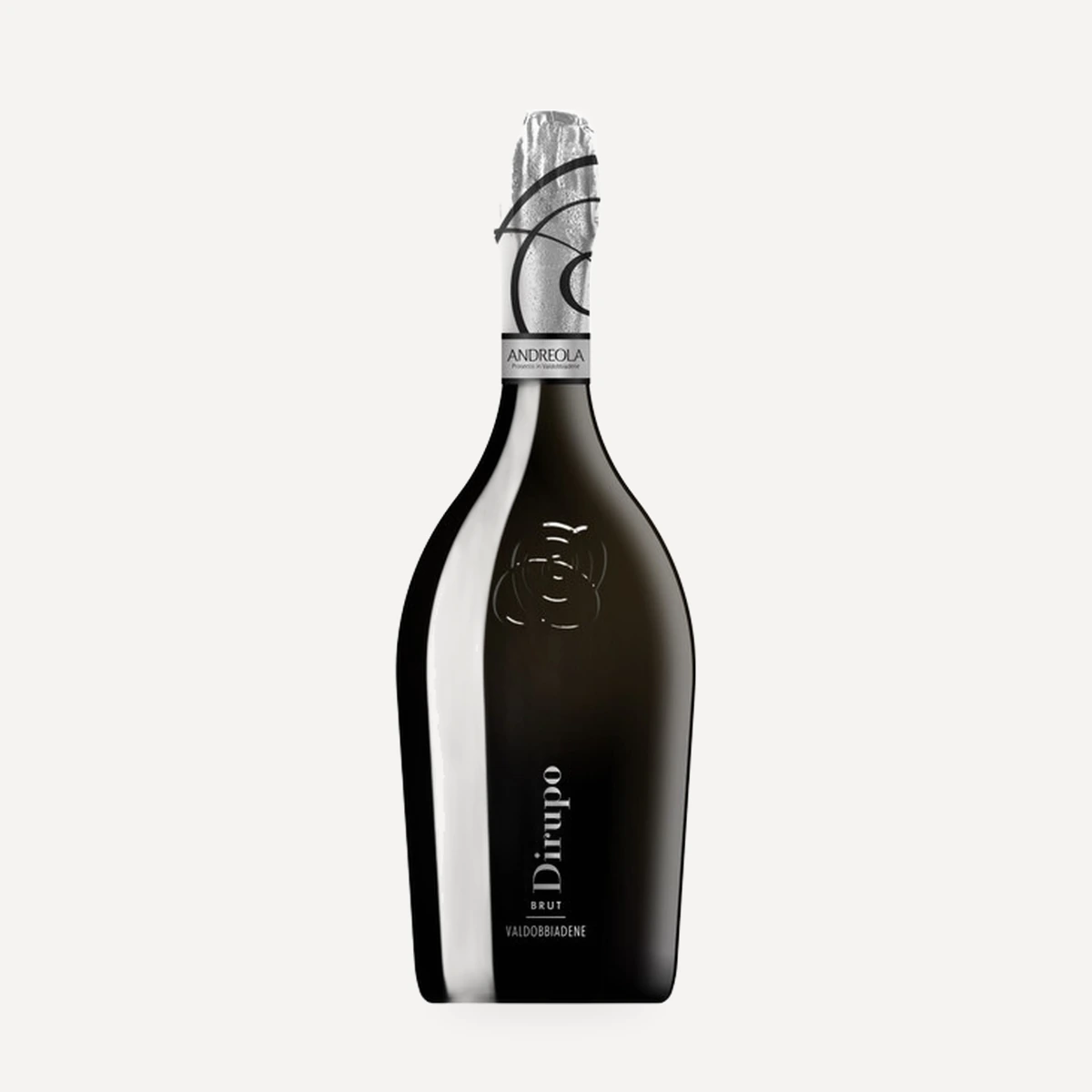
Dirupo Valdobbiadene Brut DOCG
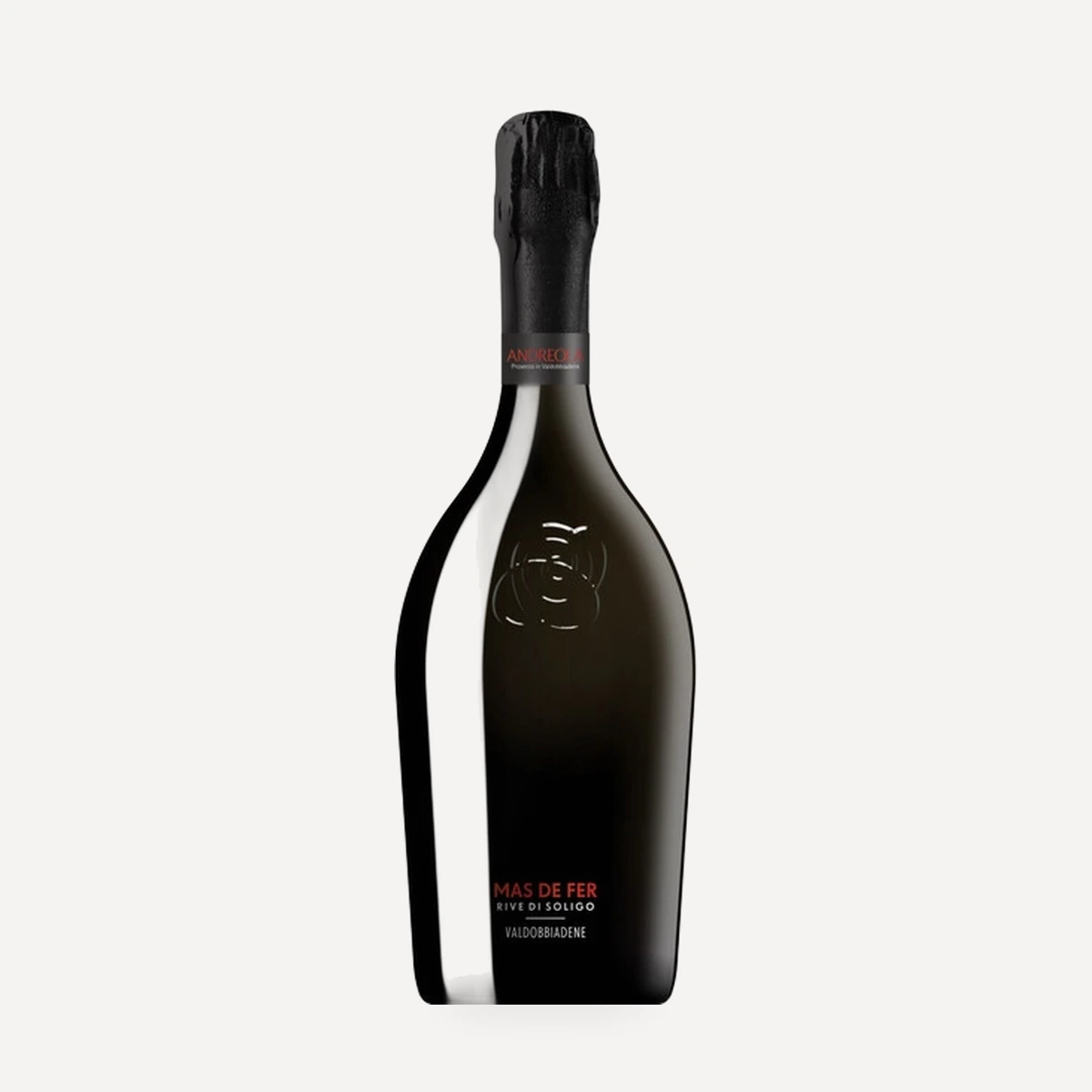
Mas de Fer Rive di Soligo Valdobbiadene Extra Dry DOCG
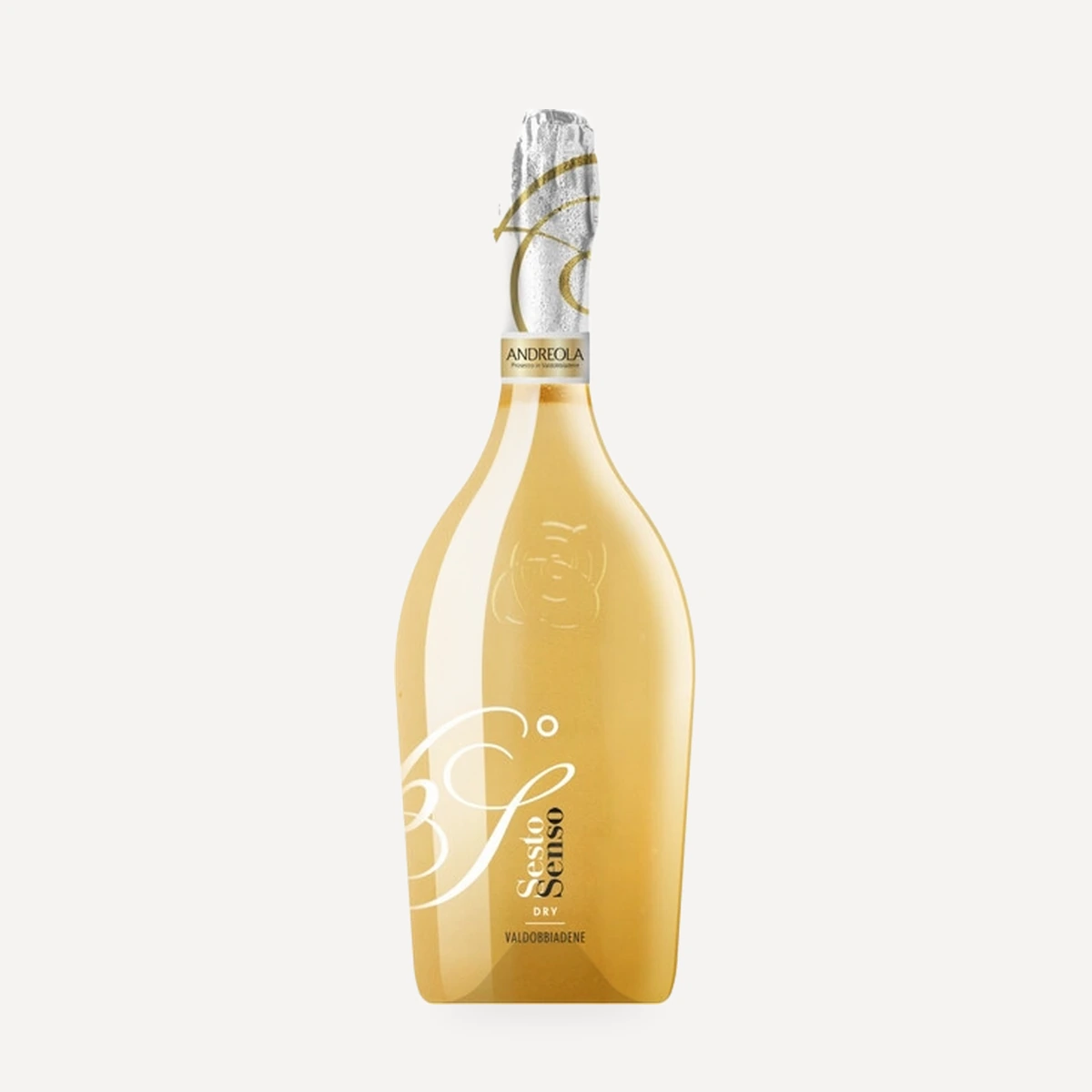
Sesto Senso Valdobbiadene Dry DOCG
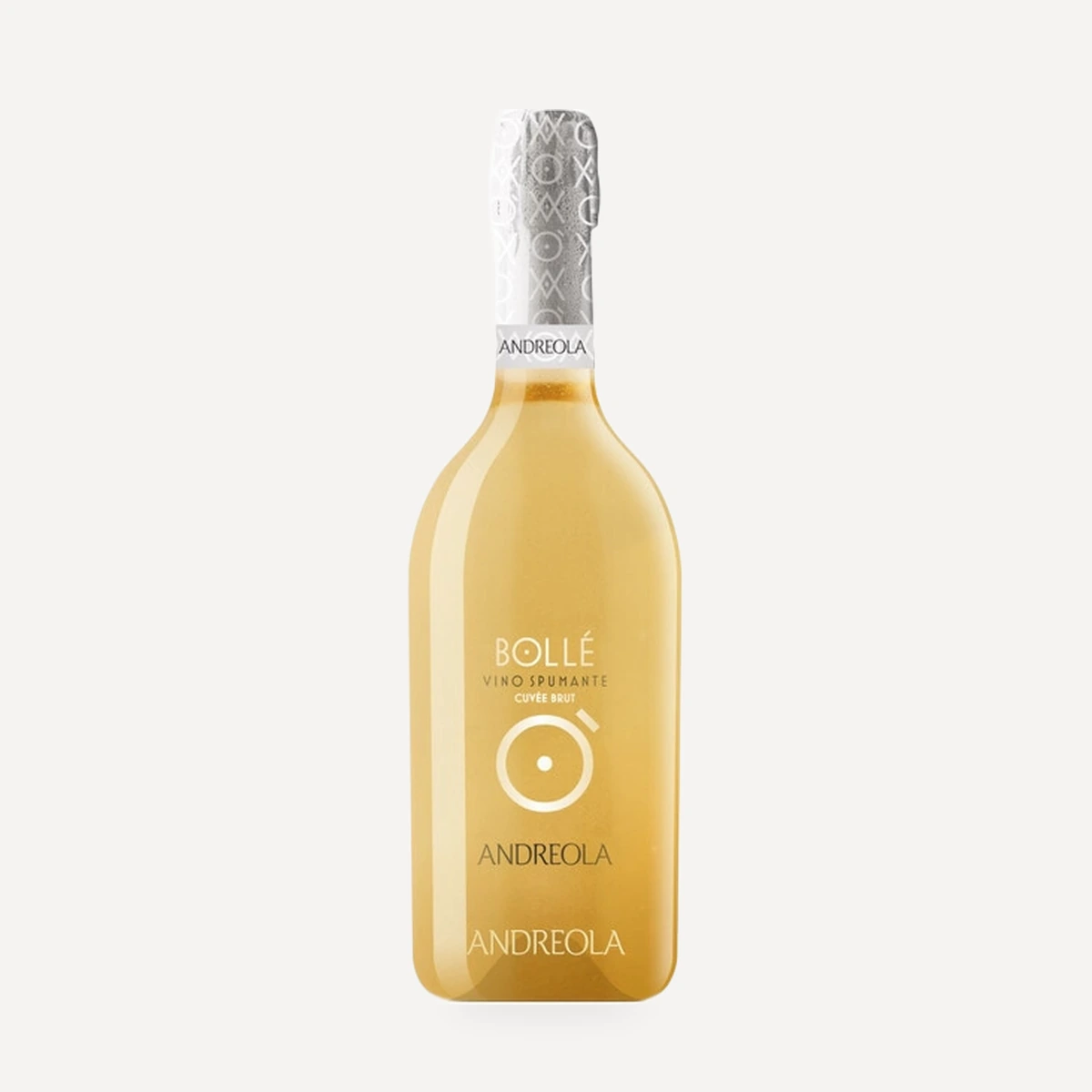
Bollé Vino Spumante Brut
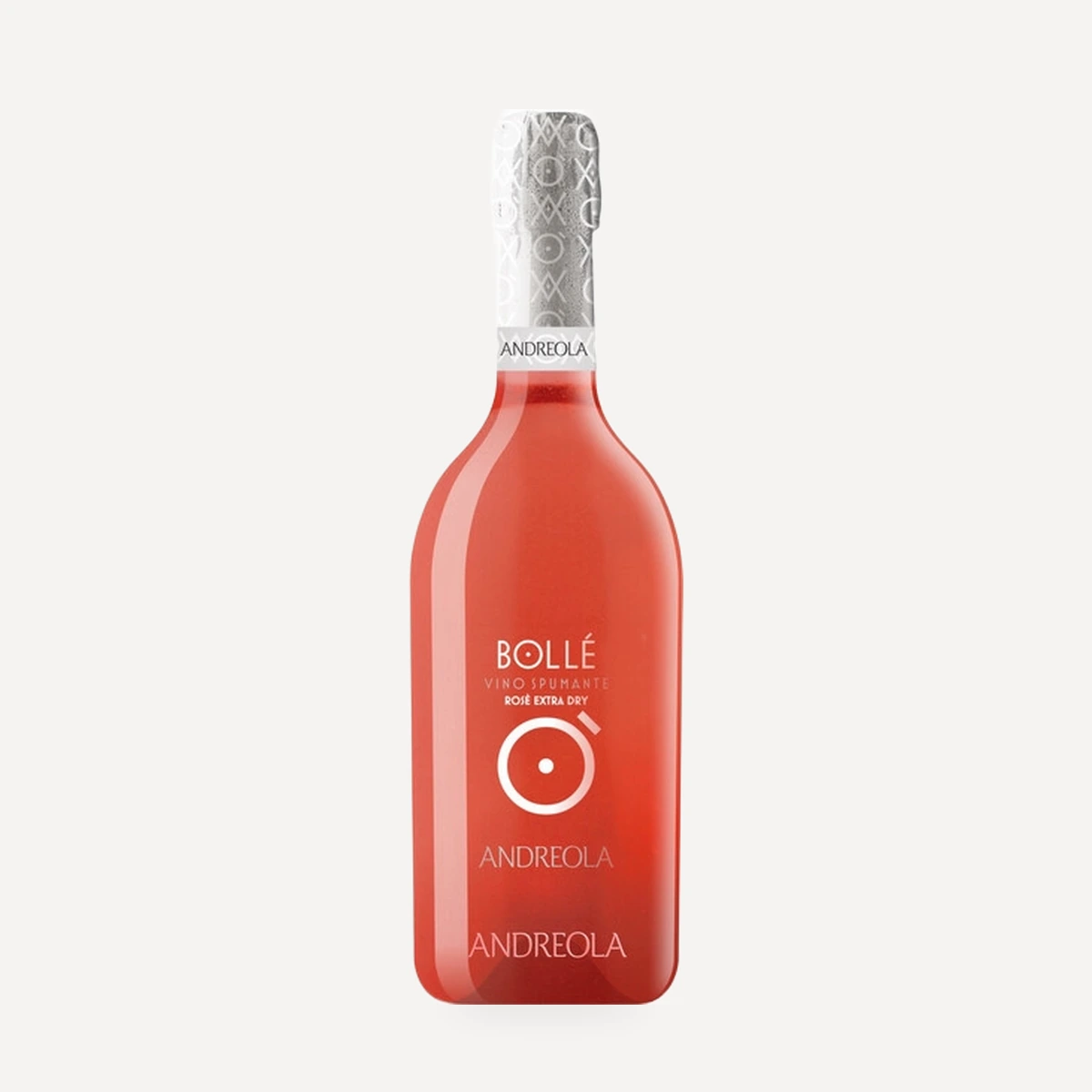
Bollé Vino Spumante Extra Dry