History
Family roots and the transformation of Valpolicella
The Allegrini family has been part of the history of Fumane and Valpolicella Classica since the 16th century, passing down a culture centred on vines and wine. The modern company emerged through the work of Giovanni Allegrini, who began working at a very young age and developed a reputation as an exacting, energetic winemaker. He was nicknamed the “barrel spider” because he moved rapidly among the barrels while offering his wines for tasting and listening closely to reactions.
A first single-vineyard Fieramonte wine was produced in 1960. During the 1960s Giovanni led a profound transformation of the family concern. He imposed greater rigour on grape selection, refined vinification and introduced important changes in both viticulture and cellar work, becoming closely associated with the qualitative rebirth of Valpolicella.
La Grola and La Poja
In 1979 Giovanni acquired La Grola after years of neglect. The purchase fulfilled a personal ambition while contributing to the viticultural and cultural recovery of Valpolicella. He became the first grower in the area to introduce Guyot training, increasing planting density to as much as 6,500 vines per hectare.
That same year, Giovanni planted the flat limestone plateau above La Grola exclusively with Corvina Veronese. This approximately 3-hectare parcel became La Poja. Its first released vintage was 1983, establishing an early premium Valpolicella wine made without appassimento and devoted to the expression of a single native variety.
Succession in 1983 and a period of experimentation
Giovanni died in 1983. His children Franco, Walter and Marilisa assumed responsibility for the company. Franco took direct charge of winemaking and began a far-reaching revision of Valpolicella practice. He introduced barriques alongside traditional Slavonian oak casks, investigated better ways to manage appassimento and, with Walter, experimented extensively with Corvina and with denser alternatives to the traditional Trentino pergola.
Walter directed viticulture and maintained an especially close relationship with the vineyards and natural environment. Franco and Walter progressively replaced pergola-trained parcels with systems that permitted greater planting density and more precise vine management.
Beginning in 1990, Giovanni’s children dedicated the family’s Recioto to their father, who had regarded the wine as a measure of a winemaker’s skill.
Terre di Fumane
In 1996 Franco Allegrini and University of Verona professor Roberto Ferrarini founded the Terre di Fumane agricultural consortium. Ferrarini had studied appassimento since the 1980s. Their work transformed grape drying from a vulnerable traditional operation into a controlled process supported by technical and scientific study.
Two drying facilities were established: the site in via Ponte Vaio was later dedicated to Roberto Ferrarini, while the facility in via Flaminio Pellegrini was dedicated to Franco Allegrini. The centres receive and dry grapes destined for Amarone and Recioto. Large fans maintain constant air circulation, while grapes are monitored through autumn and winter. This work made Terre di Fumane a technical reference point for appassimento in Valpolicella.
Vineyard renewal and expansion
A second La Grola planting was established in 1998 at 6,500 vines per hectare. Fieramonte was replanted and trained to Guyot in the early 2000s; from 2011 its best bunches were again reserved exclusively for the single-vineyard Amarone Riserva, following a complete overhaul and a waiting period that allowed the new vines to mature.
Walter Allegrini died unexpectedly in the summer of 2003. His daughter Silvia subsequently continued his interest in nature and assumed an active role in the company’s sustainability projects.
Monte Dei Galli was planted in 2005. Between 2007 and 2011, Corvina Veronese, Corvinone, Rondinella and Oseleta were replanted at Villa Cavarena, land which the family had reclaimed from abandonment in the early 2000s. Marezzane followed in 2016–2017 as part of the rehabilitation of a former industrial mining area inside the Parco Naturalistico della Valpolicella.
Sustainability and generational change
Since 2017 Allegrini has renewed its Biodiversity Friend® certification. Equalitas certification followed in 2019, extending environmental, social and economic sustainability requirements across the supplier network. Continuous monitoring of vineyard water use and a carbon-footprint programme began in 2021. The latter measures CO₂ emissions to guide optimisation and possible compensation through further agronomic practices.
Franco Allegrini died in 2022. His winemaking legacy passed to his sons Francesco, Giovanni and Matteo. In September of that year, La Poja and Fieramonte became the company’s first wines distributed through La Place de Bordeaux.
In 2023 Allegrini added Biodiversity Friend® Beekeeping certification. Terre di Fumane and the University of Verona also announced a partnership to continue viticultural and oenological research in memory of Franco Allegrini and Roberto Ferrarini. The relationship is overseen by the Allegrini–Ferrarini technical-scientific group, with Matteo Allegrini, Elisa Ferrarini and oenologists Enrico Nicolis and Gian Maria Ciman among its members.
A family agreement announced on 14 December 2023 began the division of key assets. Franco’s sons Francesco, Giovanni and Matteo were to acquire the majority holding in the Valpolicella-based Allegrini and Corte Giara companies and manage them with Silvia, Walter’s daughter. Marilisa Allegrini and her daughters retained the Tuscan estates and Villa Della Torre.
The present structure
In April 2024 the new generation presented Allegrini Wines, a structure encompassing the historic Allegrini winery, Allegrini Wine Distribution and the planned Tenuta Merigo production facility. The reorganisation was accompanied by a new logo and a management programme focused on wine, clearer internal responsibilities and wine-tourism development. Tenuta Merigo, named in memory of the cousins’ paternal grandmother and planned beside the existing Fumane headquarters, is intended to become a centre for production, hospitality and the promotion of Valpolicella.
In 2025 La Grola was renamed Grola and returned to the Valpolicella Classico Superiore DOC designation with a revised native-variety blend. Francesco Allegrini described the project as a tribute to a change first envisioned by Franco and as a renewed statement of the family’s Valpolicella identity.
Terroir
Valpolicella Classica
Allegrini is based in western Veneto between Verona and Lake Garda, with the Lessini Mountains forming the northern boundary. Valpolicella Classica comprises Sant’Ambrogio di Valpolicella, San Pietro in Cariano, Fumane, Marano and Negrar. Its landscape is predominantly hilly, with mainly calcareous soils attributed to the Jurassic and Cretaceous periods. The climate is mild and temperate, and annual rainfall generally ranges from 900 to 1,100 mm.
The estate’s named sites span elevations from approximately 100 m at Oasi Mantellina to 550 m at Marezzane. Lake Garda moderates La Grola, while air moving from Monte Baldo and the Adige Valley keeps the site ventilated. Monte Pastello protects it from the north. Monte Dei Galli receives cool night currents from the north through the Fumane valley, creating marked thermal variation. The high sites at Villa Cavarena and Marezzane combine ventilation, sunlight and drainage with slower, more gradual ripening.
Soils vary substantially. La Grola and La Poja are dominated by limestone, clay and abundant gravel. Fieramonte combines stony, magnesium- and iron-rich material with deep clay-calcareous layers. Monte Dei Galli is clayey-silty, calcareous and poor in organic matter. Villa Cavarena includes clayey and calcareous soils of volcanic origin, while Marezzane is a varied mixture of clay, limestone and stones.
Lugana
Oasi Mantellina lies at Pozzolengo, south of Lake Garda. Its Guyot-trained vineyards descend from the medieval village toward the small lake that gives the reserve its name. Clay soils become sandier near the lake and include appreciable gravel, supporting Turbiana with pronounced acidity. The oasis sustains more than 60 animal species, principally migratory birds, including rare species.
Winemaking
Allegrini’s vineyards are managed through a sustainability programme combining certification, denser training systems, environmental monitoring and landscape conservation. Guyot progressively replaced the traditional Trentino pergola in key vineyards, increasing plant density and permitting more precise canopy and crop management. Planting densities among the named vineyards range from 3,000 to 6,500 vines per hectare.
Biodiversity Friend® certification has been renewed since 2017. Equalitas certification, obtained in 2019, addresses environmental, social and economic sustainability across the business and its suppliers. Biodiversity Friend® Beekeeping certification followed in 2023, recognising work to protect bees and their role in environmental biodiversity.
Continuous monitoring of vineyard water consumption began in 2021, together with carbon-footprint measurement. Weather stations and humidity and temperature sensors support precisely timed disease-control interventions, infection-risk reduction and more efficient irrigation. Vineyard-floor and canopy management are adjusted to limit disease pressure and water stress.
Dry-stone walls, locally called marogne, are conserved as both working infrastructure and ecological habitat. Constructed without mortar, they retain soil, slow runoff, filter sediment, preserve moisture and create biological corridors. Allegrini sponsored the fifth Fumane dry-stone-wall restoration course in 2024 with Associazione Habitat, the San Zeno Salesian Institute and the International Terraced Landscapes Alliance Foundation. Villa Cavarena provides a working example of their agricultural and environmental function.
Harvesting is manual in the estate’s principal vineyards. Bunches are selected in the vineyard, and fruit destined for appassimento is placed in crates. At Marezzane much of the crop is selected in this way. During the difficult 2024 season, harvest timing was adjusted by site and variety: Turbiana in Lugana was picked from 23 September for approximately two weeks; Villa Cavarena and Marezzane from 16 September to 1 October; and Monte Dei Galli, La Grola and La Poja from 30 September to 15 October.
Vineyard and cellar innovation
The production approach developed by Franco and Walter Allegrini joined traditional Valpolicella knowledge to technical experimentation. In the cellar, Franco introduced barriques alongside large Slavonian oak casks. In the vineyards, the brothers studied Corvina in depth and replaced traditional pergola training in selected parcels with denser systems better suited to precise vine management.
Appassimento at Terre di Fumane
Appassimento is treated as a carefully controlled phase in the production of Amarone and Recioto. Selected bunches rest from harvest until late December or early January and lose approximately 40–50% of their original weight. Water loss is accompanied by metabolic and chemical changes that reshape the berries’ organoleptic properties. Genes involved in the formation of characteristic Amarone aromas become active during this period.
Terre di Fumane, created in 1996 through the work of Franco Allegrini and Professor Roberto Ferrarini, comprises two drying facilities. Grapes are continuously monitored through autumn and winter. Large fans maintain constant air movement rather than leaving ventilation to chance. The first four days are especially important: the stems gradually dry and seal the berries, sharply reducing the risk of mould. The facilities handle grapes destined for Amarone and Recioto and continue to support research with the University of Verona.
Fermentation and maturation principles
Fresh and partially dried grapes may be vinified separately where the intended style requires it, followed by blending and maturation. The estate’s production vocabulary includes temperature-controlled stainless-steel fermentation, frequent but measured extraction, barriques and large oak casks, as well as steel or concrete for wines intended to retain freshness. These choices vary by wine; the common objective is to protect fruit integrity while expressing native varieties and individual vineyard conditions.
Philosophy
Allegrini’s identity rests on continuity between family, vineyards and wine, coupled with a willingness to revise inherited practices when research and experience offer a qualitative improvement. Giovanni’s work made rigorous selection, native grapes and the recovery of neglected land central principles. Franco and Walter extended that approach by treating tradition as a foundation for experimentation rather than a fixed formula.
The company’s declared direction combines family roots with innovation and environmental responsibility. Corvina is regarded as the defining native variety, while individual vineyards are cultivated to reveal their different microclimates and soils. Appassimento remains essential to Valpolicella tradition but is managed with ventilation, monitoring and scientific support to reduce risk and preserve grape quality.
Landscape stewardship is understood as part of winegrowing. Francesco Allegrini has expressed this responsibility through the rehabilitation of Marezzane, the conservation of dry-stone walls, lighter packaging, biodiversity certification and measurement of water use and carbon emissions. The current generation presents continuity not as repetition, but as the obligation to preserve the family’s Valpolicella identity while adapting vineyards and production to environmental and climatic change.
Wines
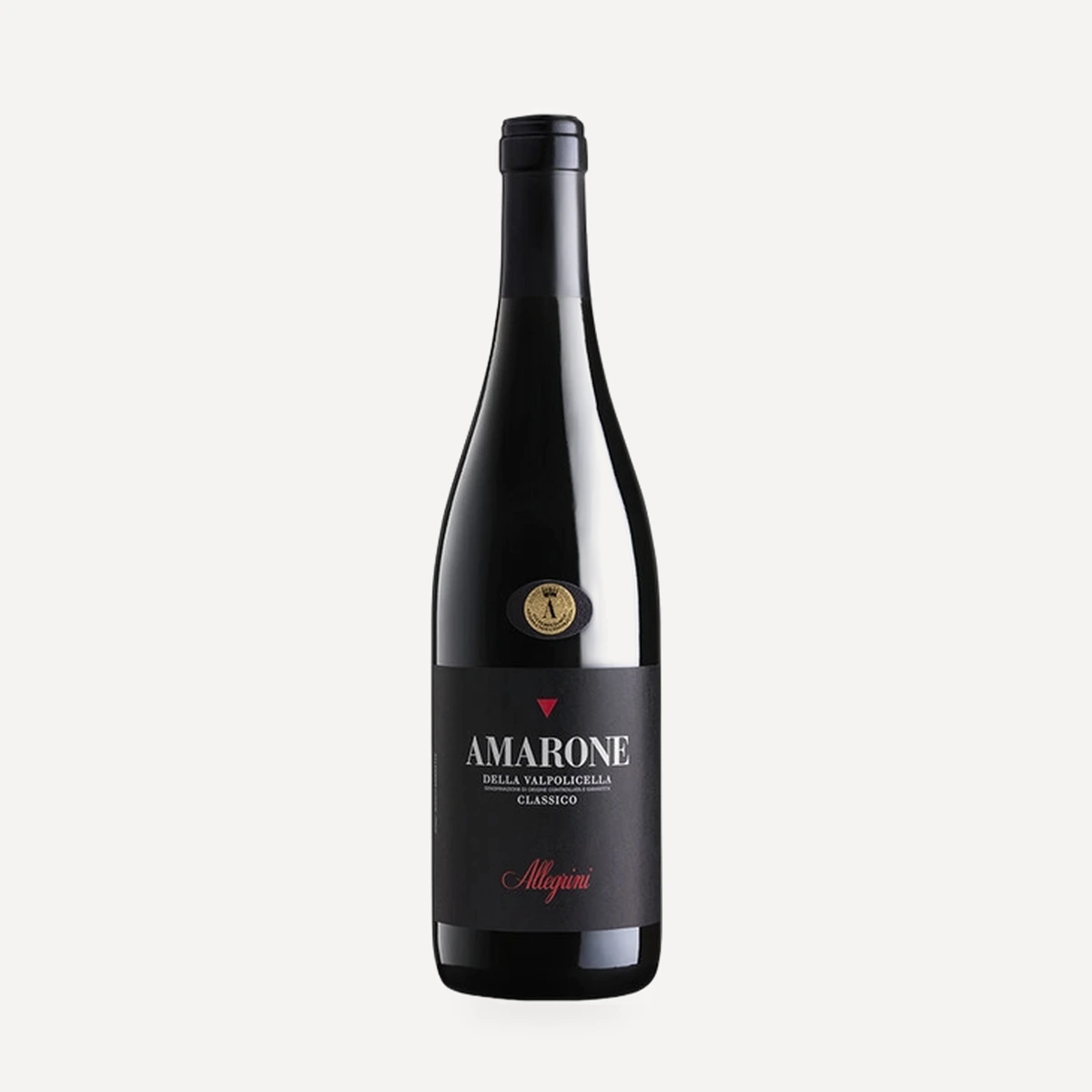
Amarone della Valpolicella Classico DOCG
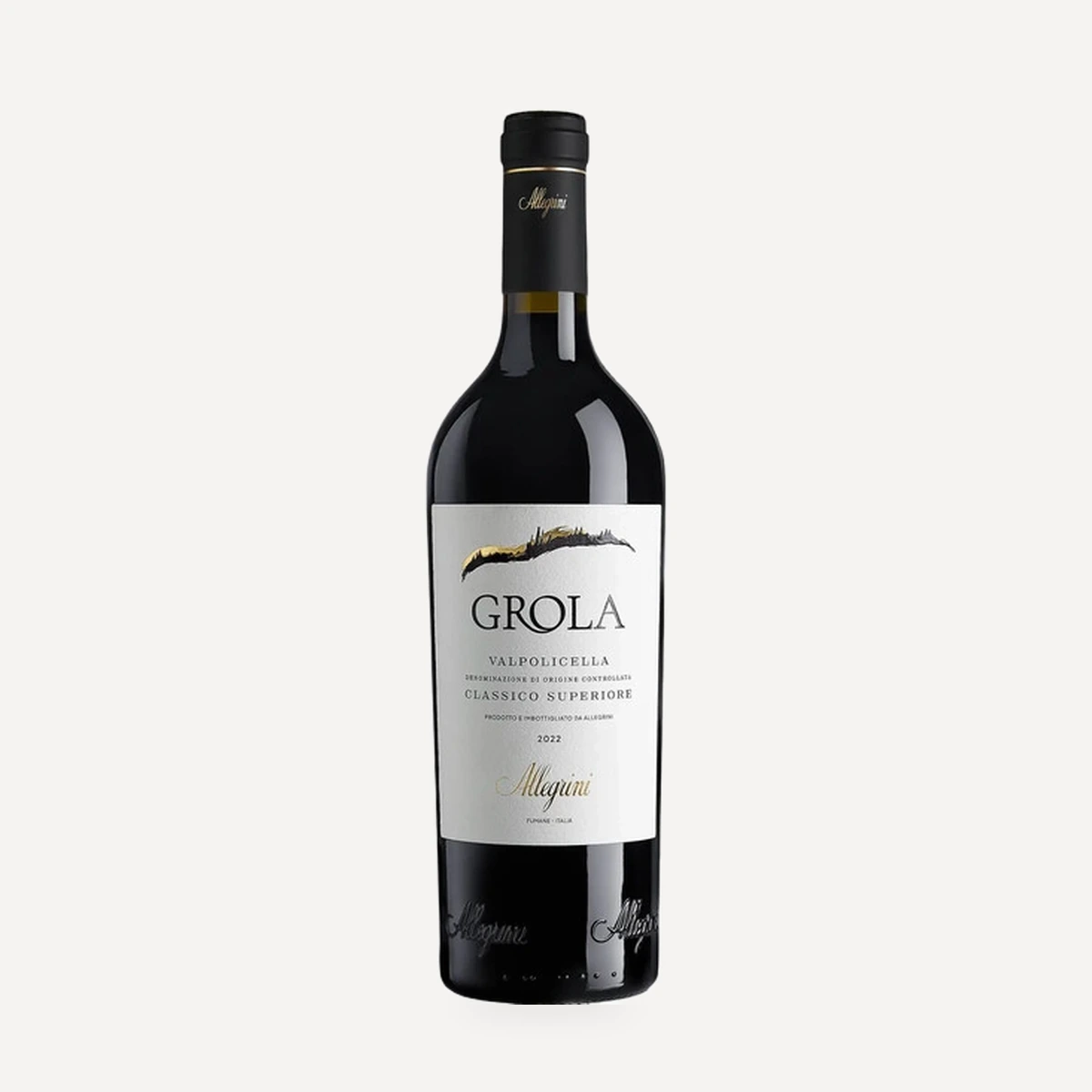
Grola Valpolicella Classico Superiore DOC
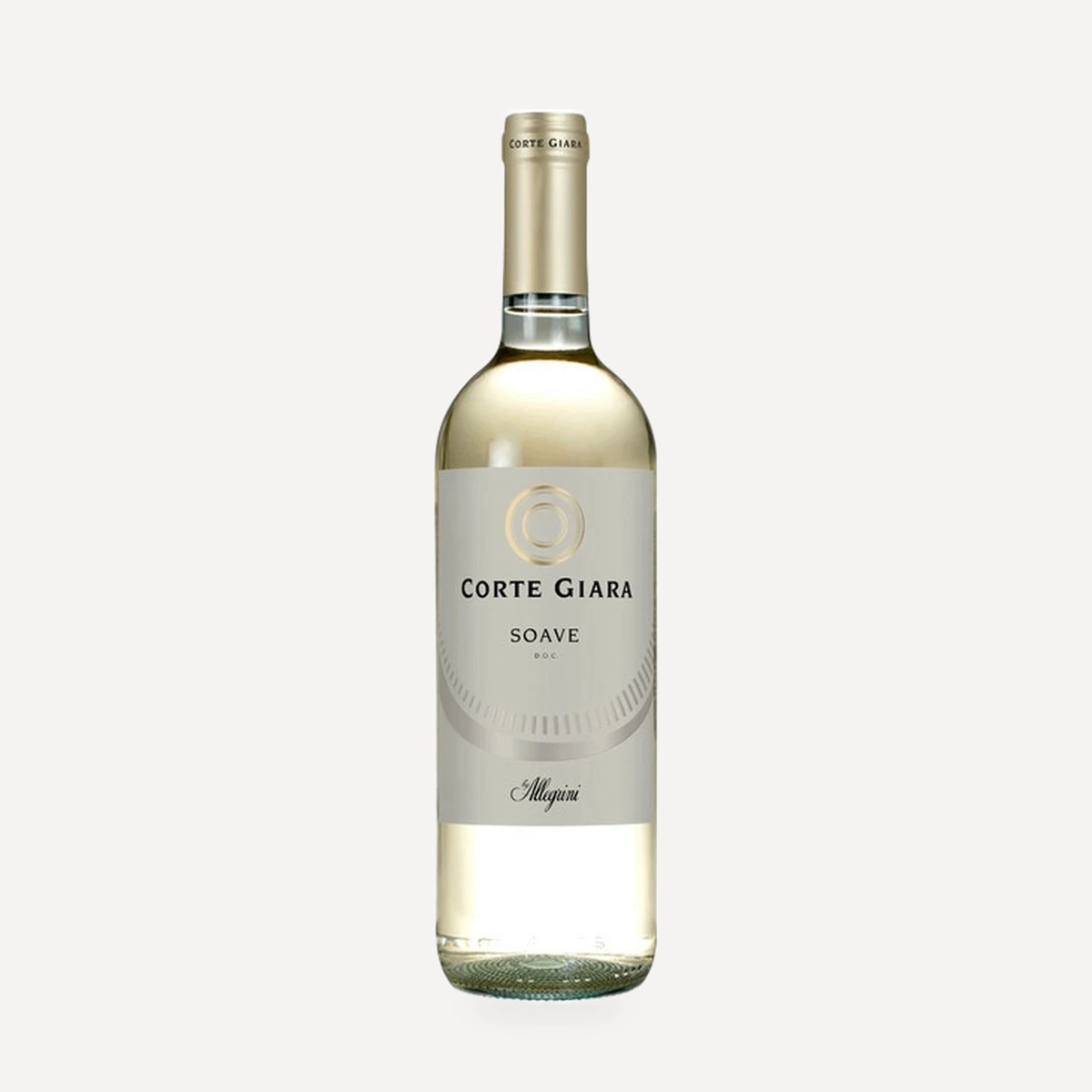
Soave
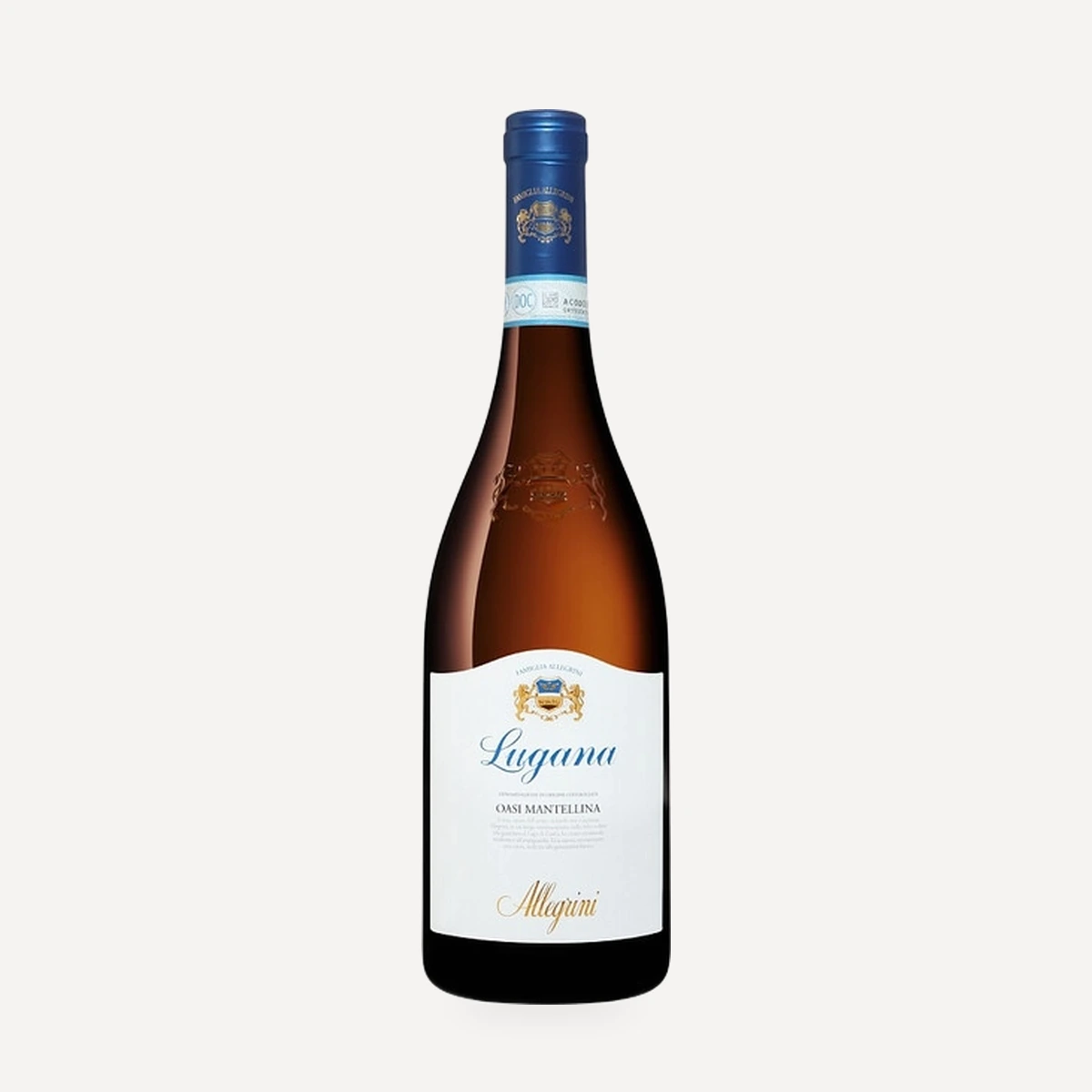
Lugana Oasi Mantellina
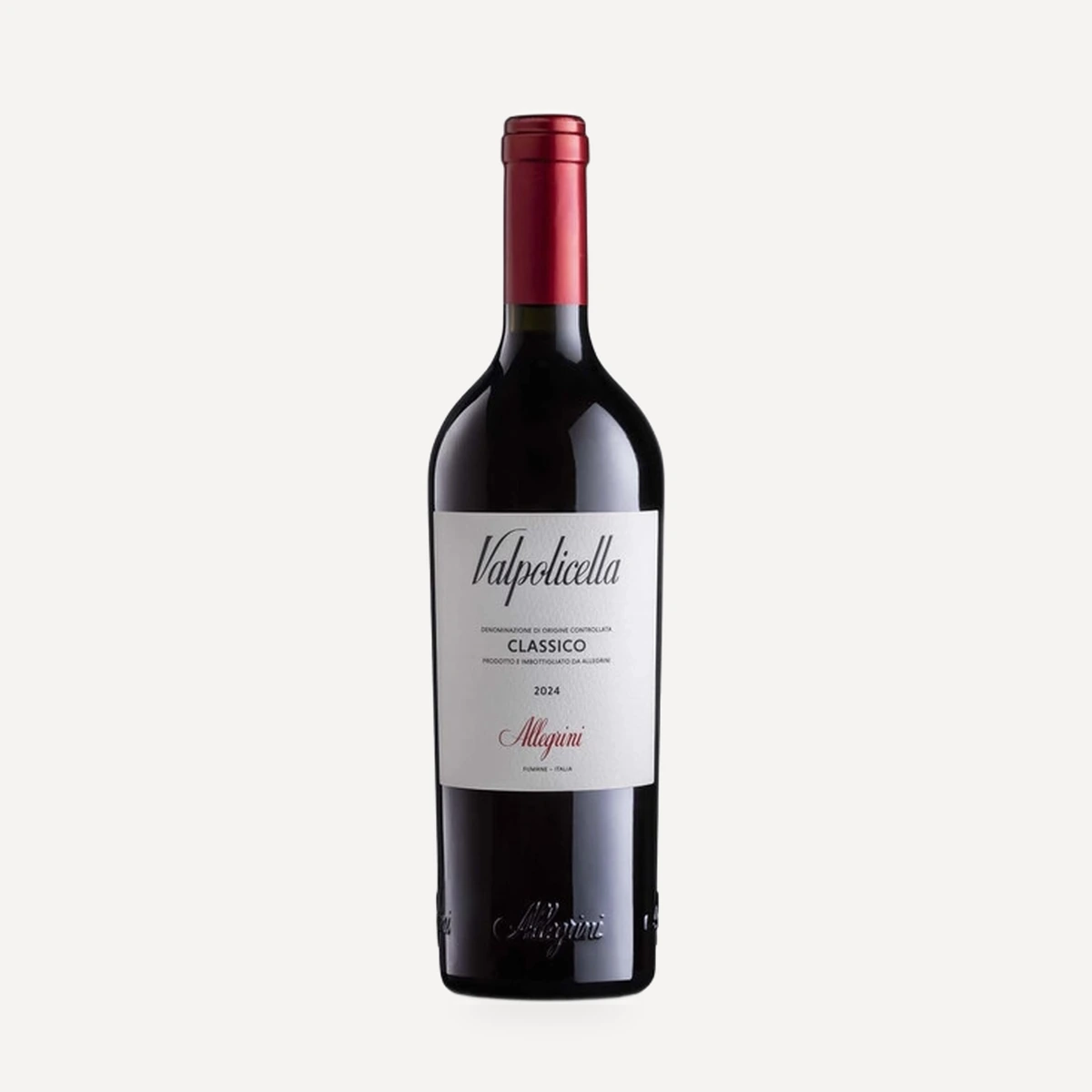
Valpolicella Classico
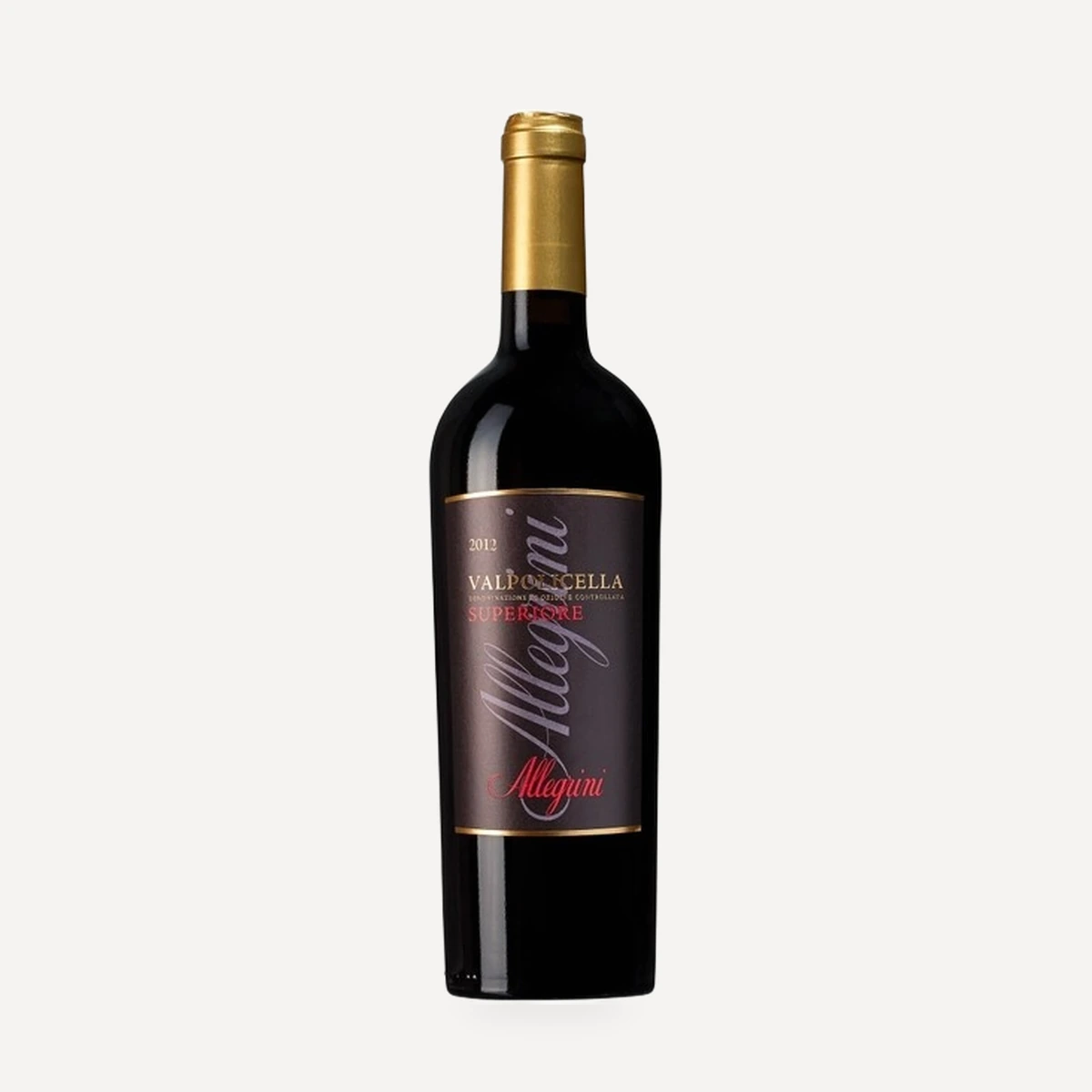
Valpolicella Classico Superiore
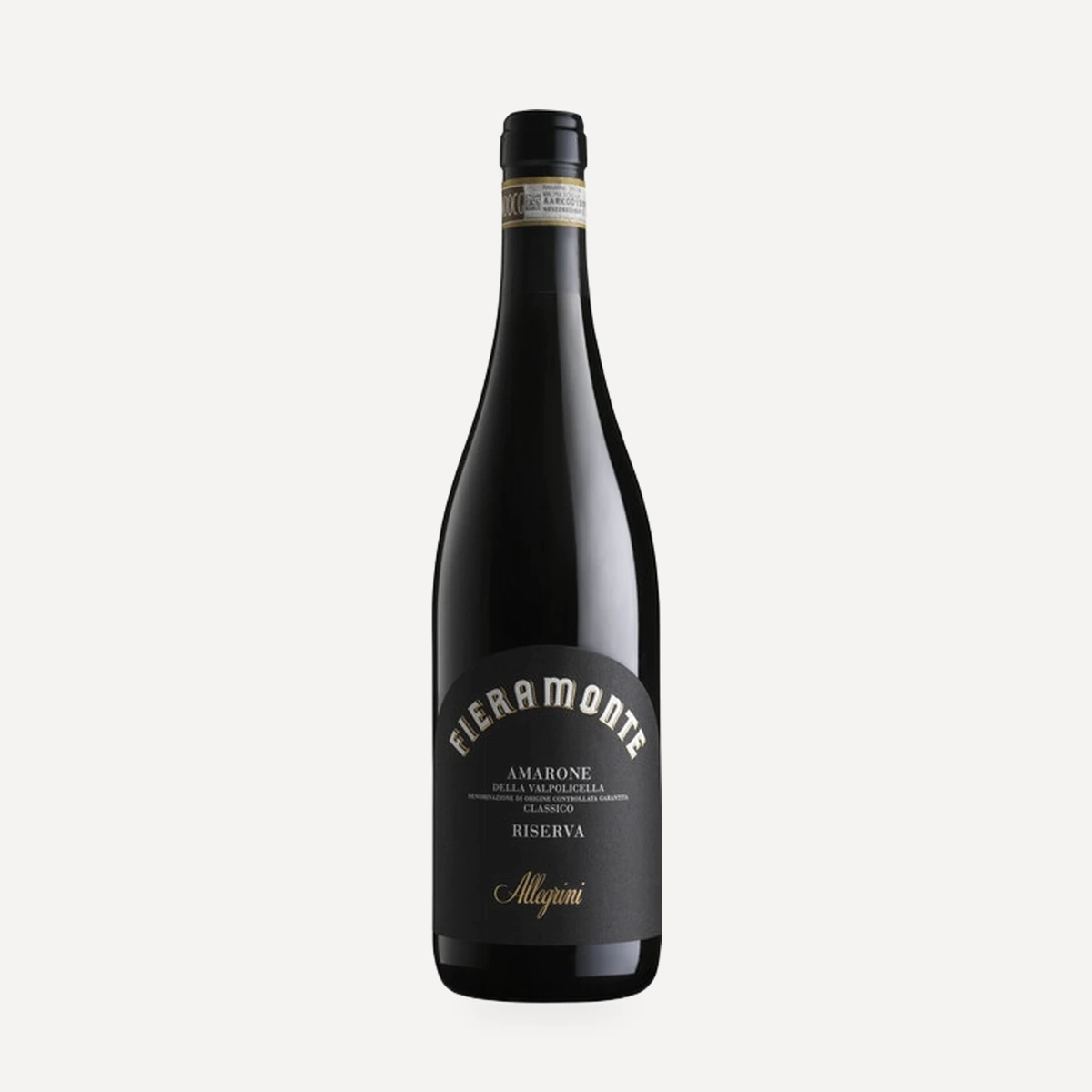
Fieramonte Amarone della Valpolicella Classico Riserva DOCG
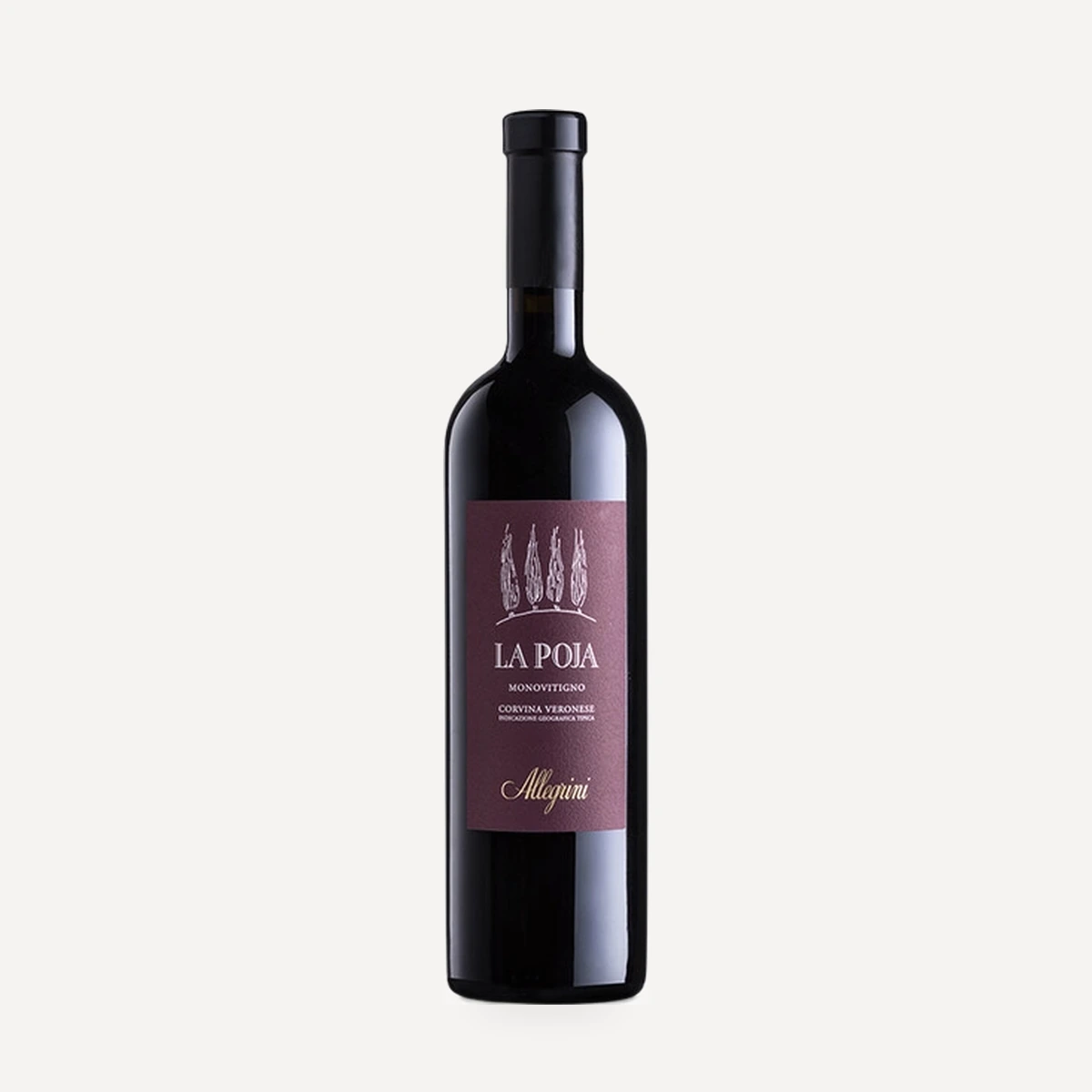
La Poja Corvina Veronese IGT
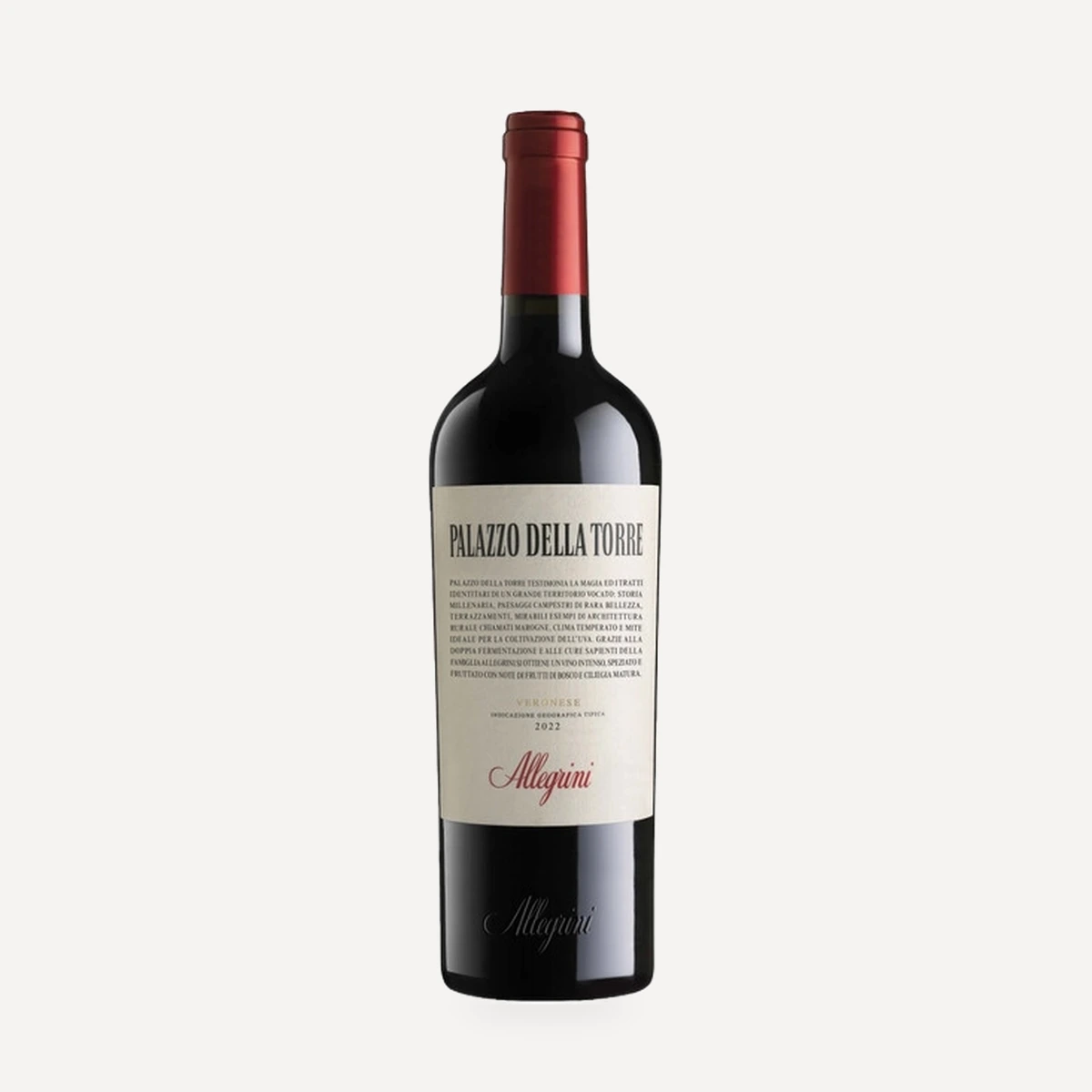
Palazzo della Torre Veronese IGT
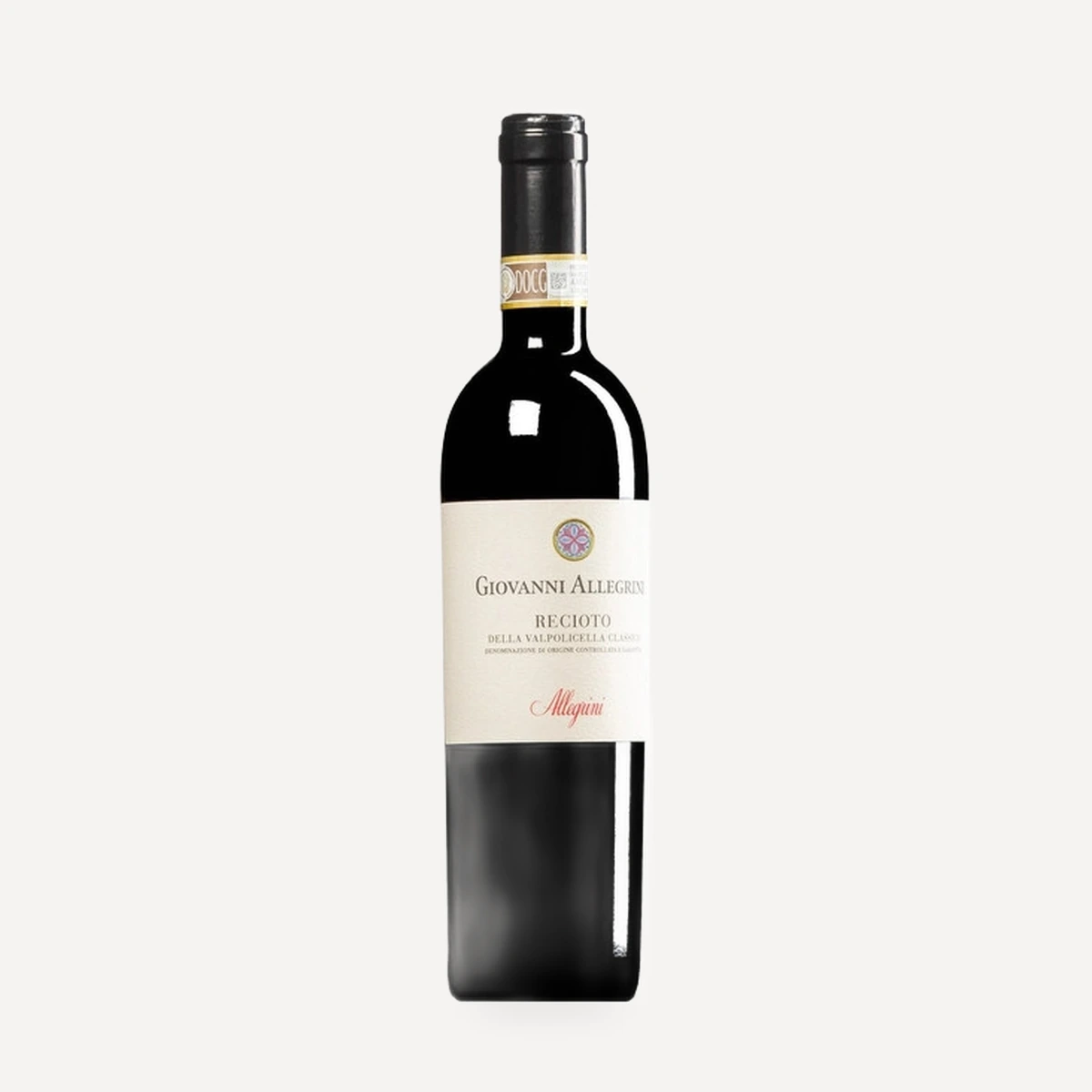
Giovanni Allegrini Recioto della Valpolicella Classico DOCG
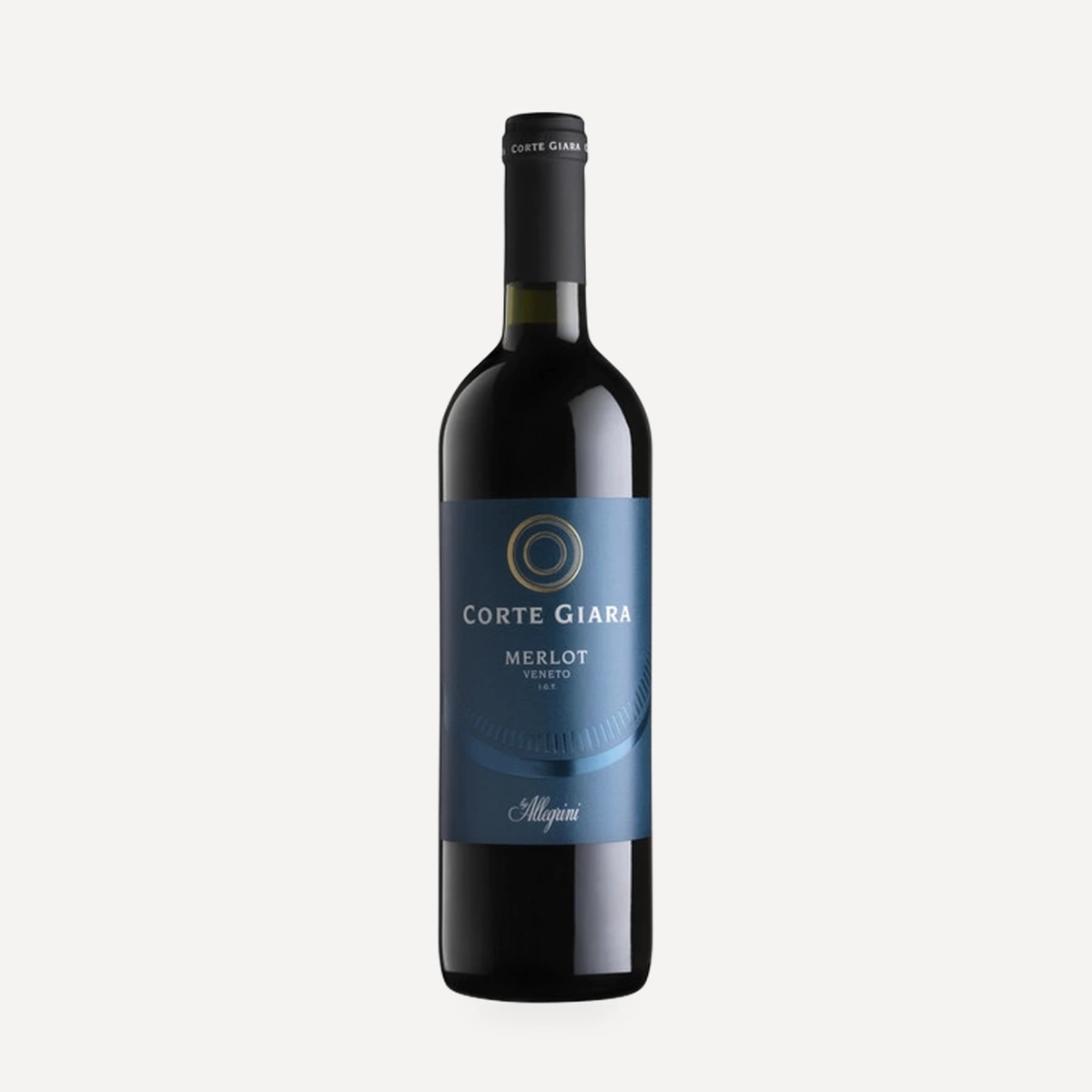
Merlot Veneto IGT
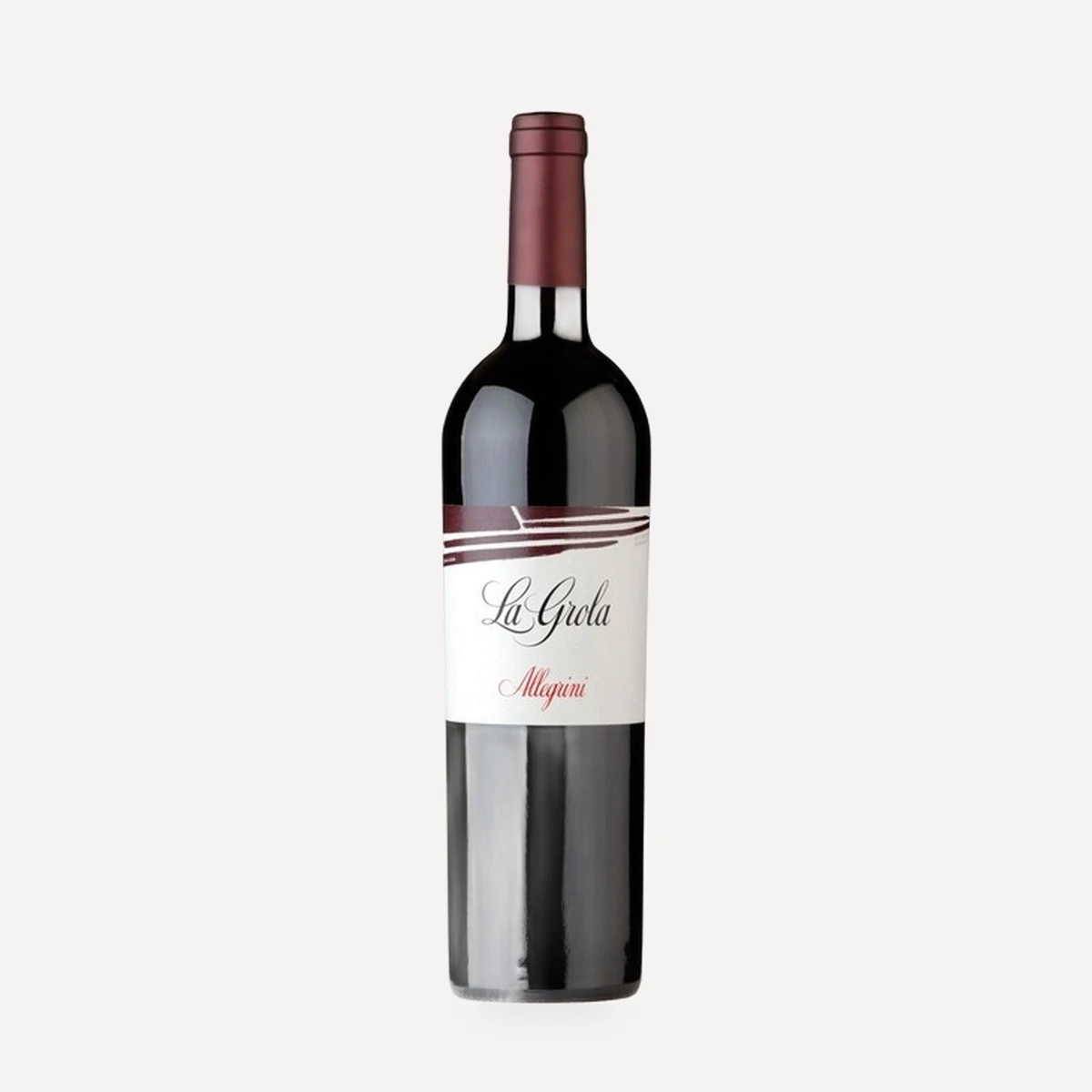
La Grola Veronese IGT
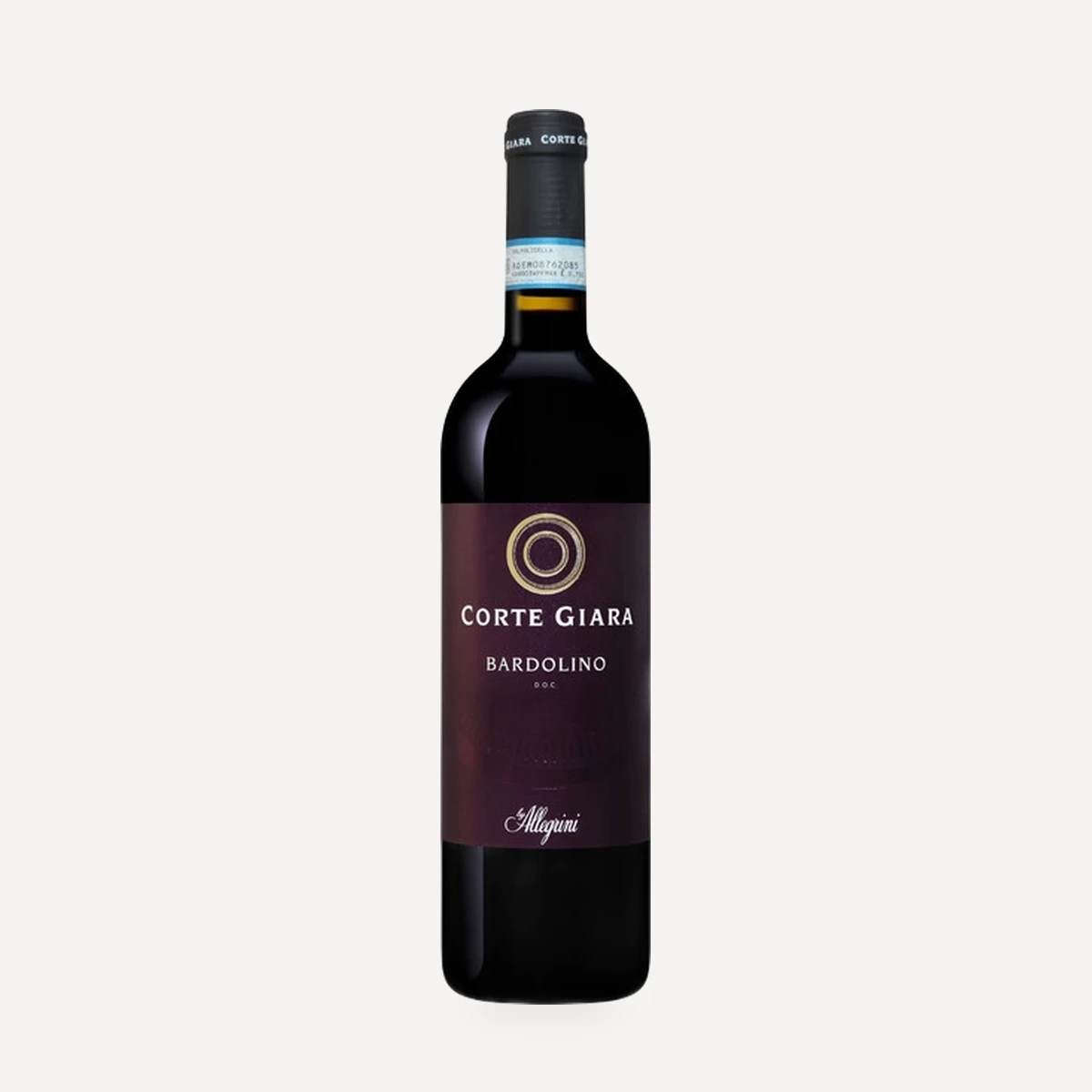
Bardolino DOC
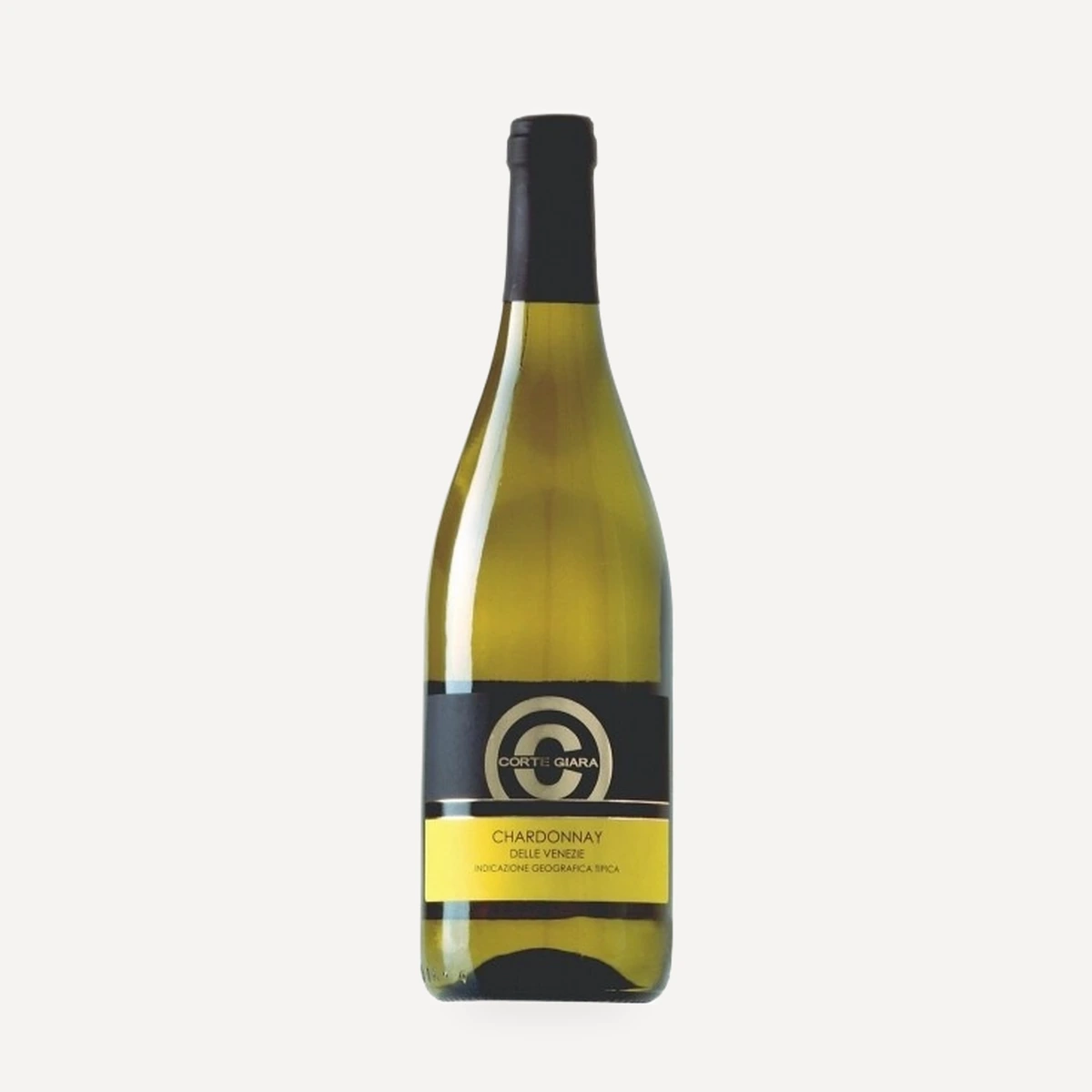
Chardonnay delle Venezie IGT
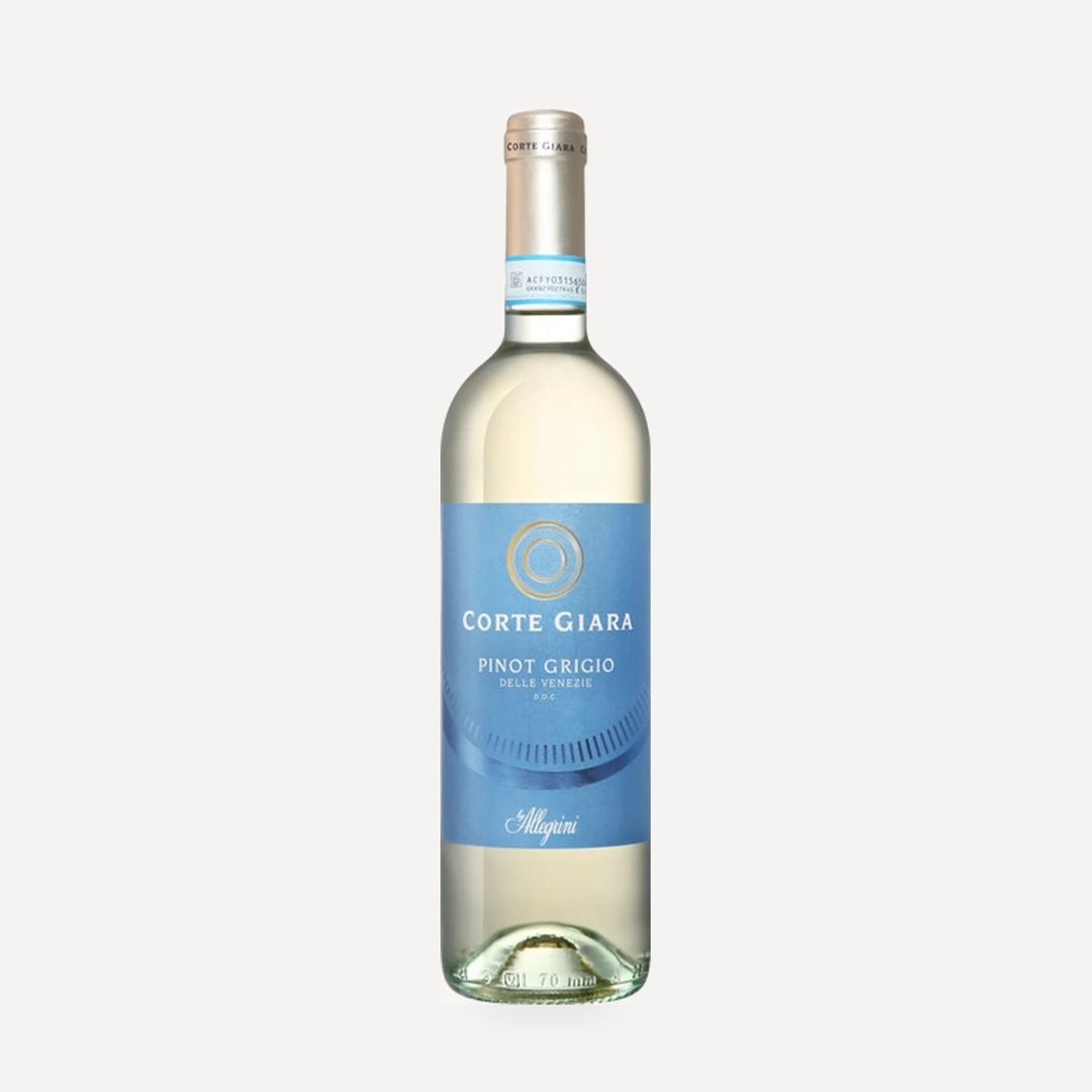
Pinot Grigio delle Venezie DOC
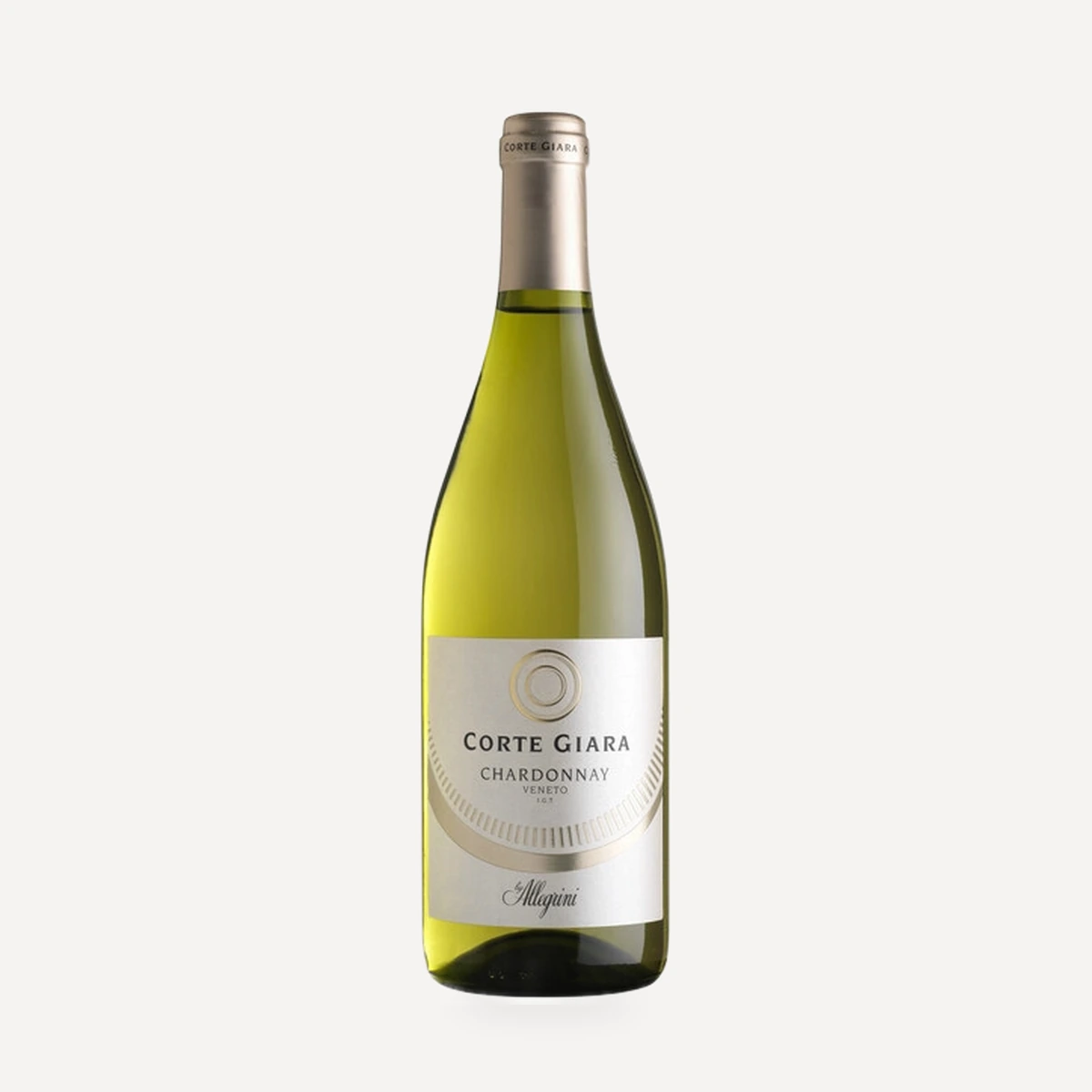
Chardonnay Veneto IGT
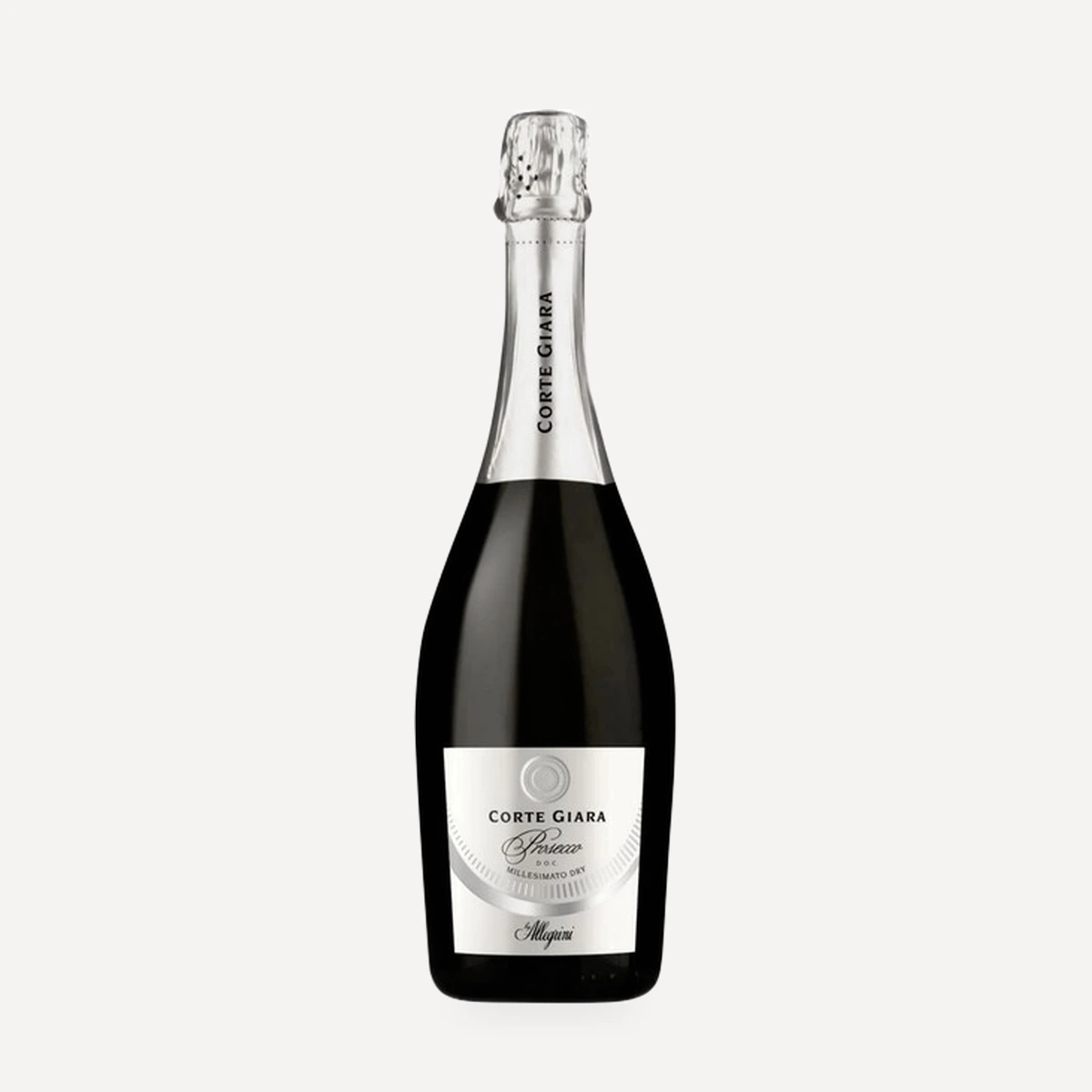
Prosecco Treviso DOC
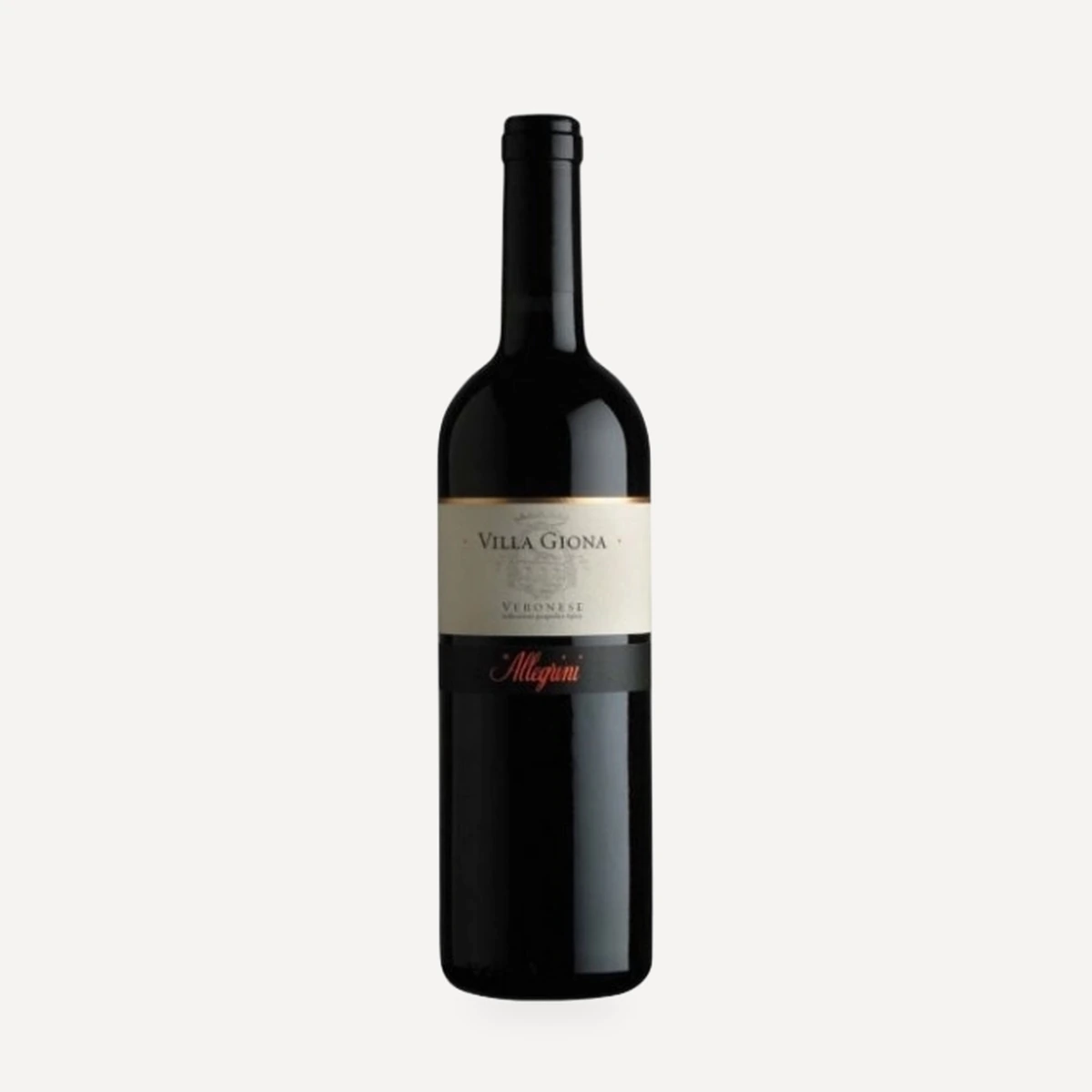
Villa Giona Veronese IGT
La Grola Limited Edition Wassily Kandinsky Veronese IGT
La Grola Limited Edition Nazareno Rodrigues Alves Veronese IGT
La Grola Limited Edition Hiroyuki Masuyama Veronese IGT
La Grola Limited Edition Leonardo Ulian Veronese IGT
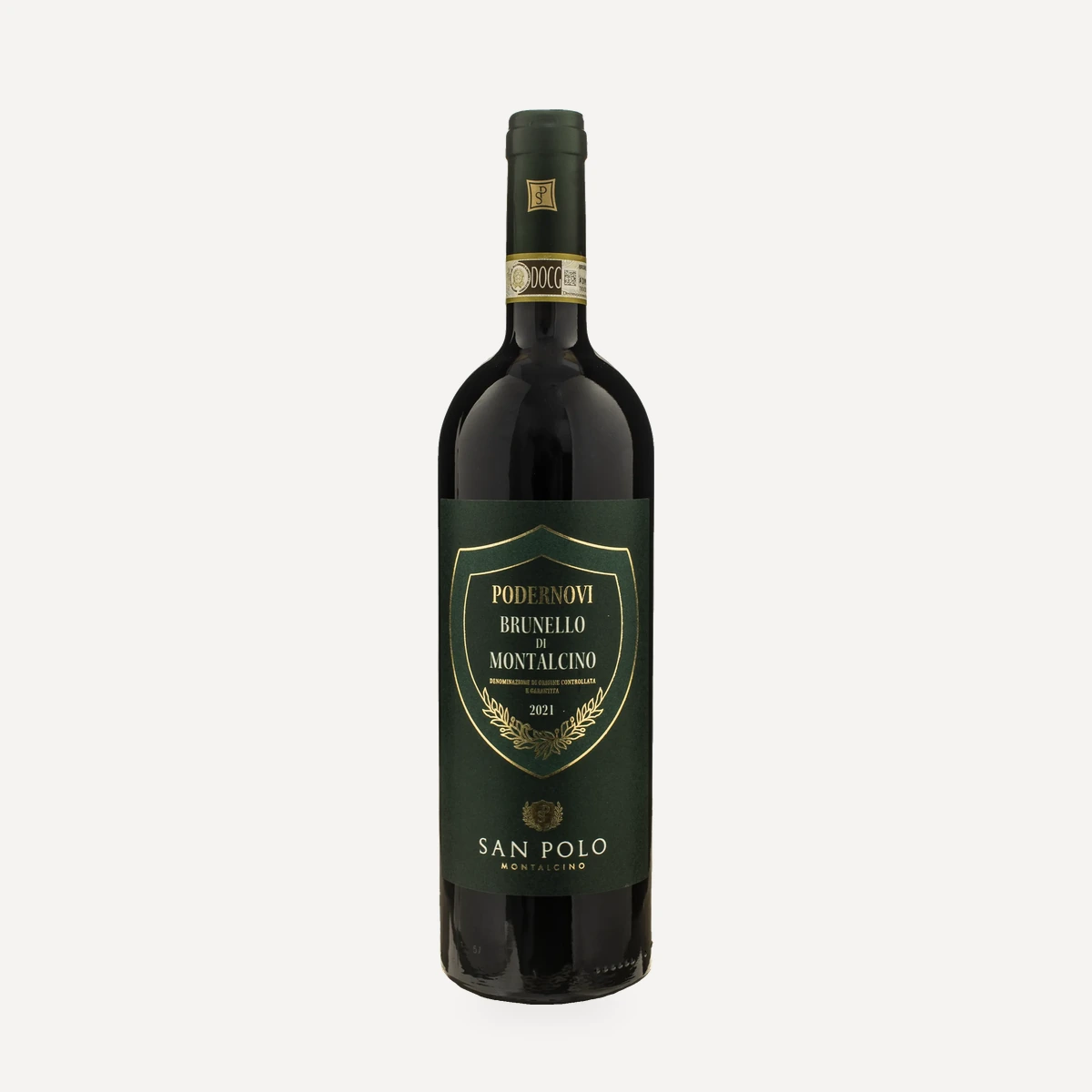
Brunello di Montalcino Podernovi
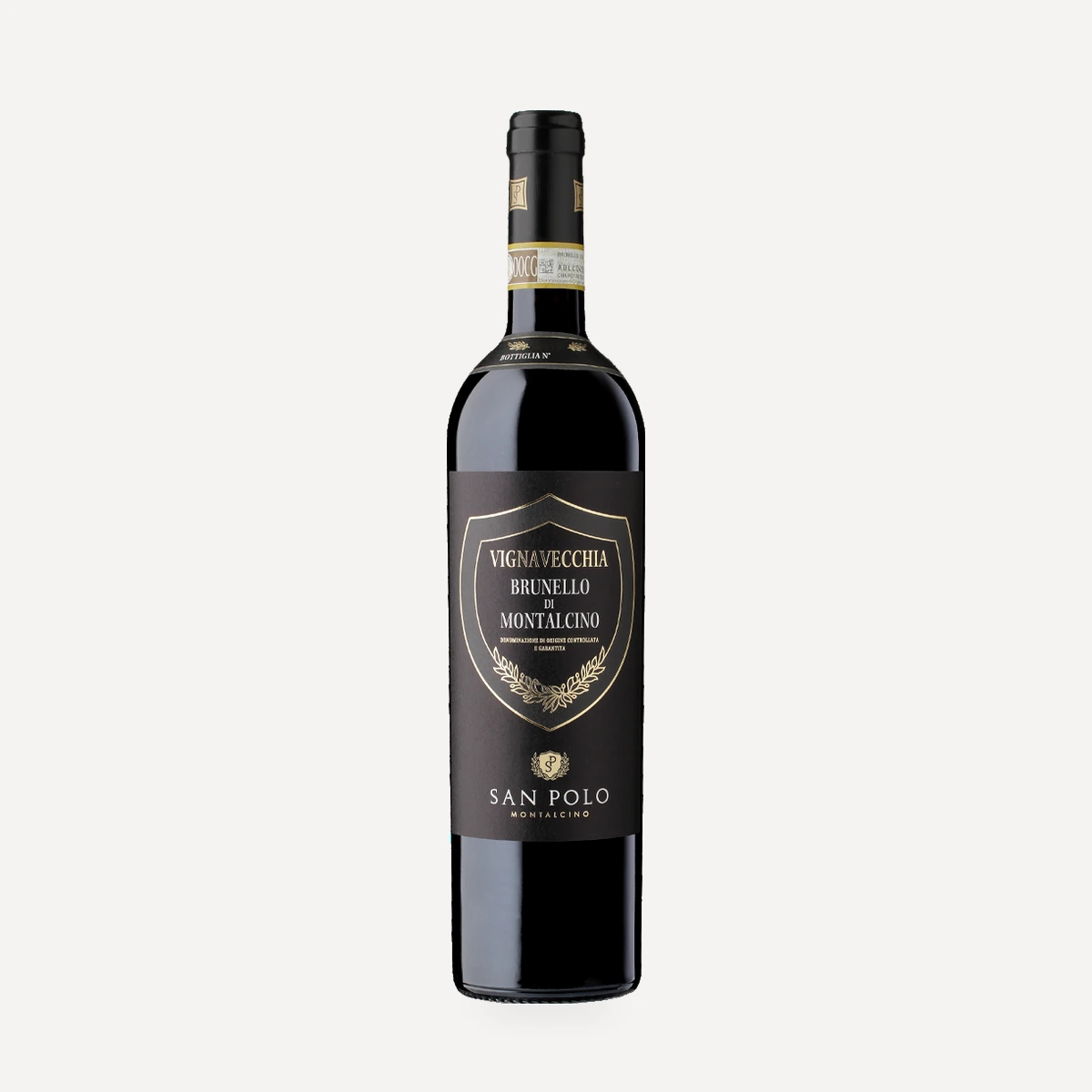
Brunello di Montalcino Vignavecchia
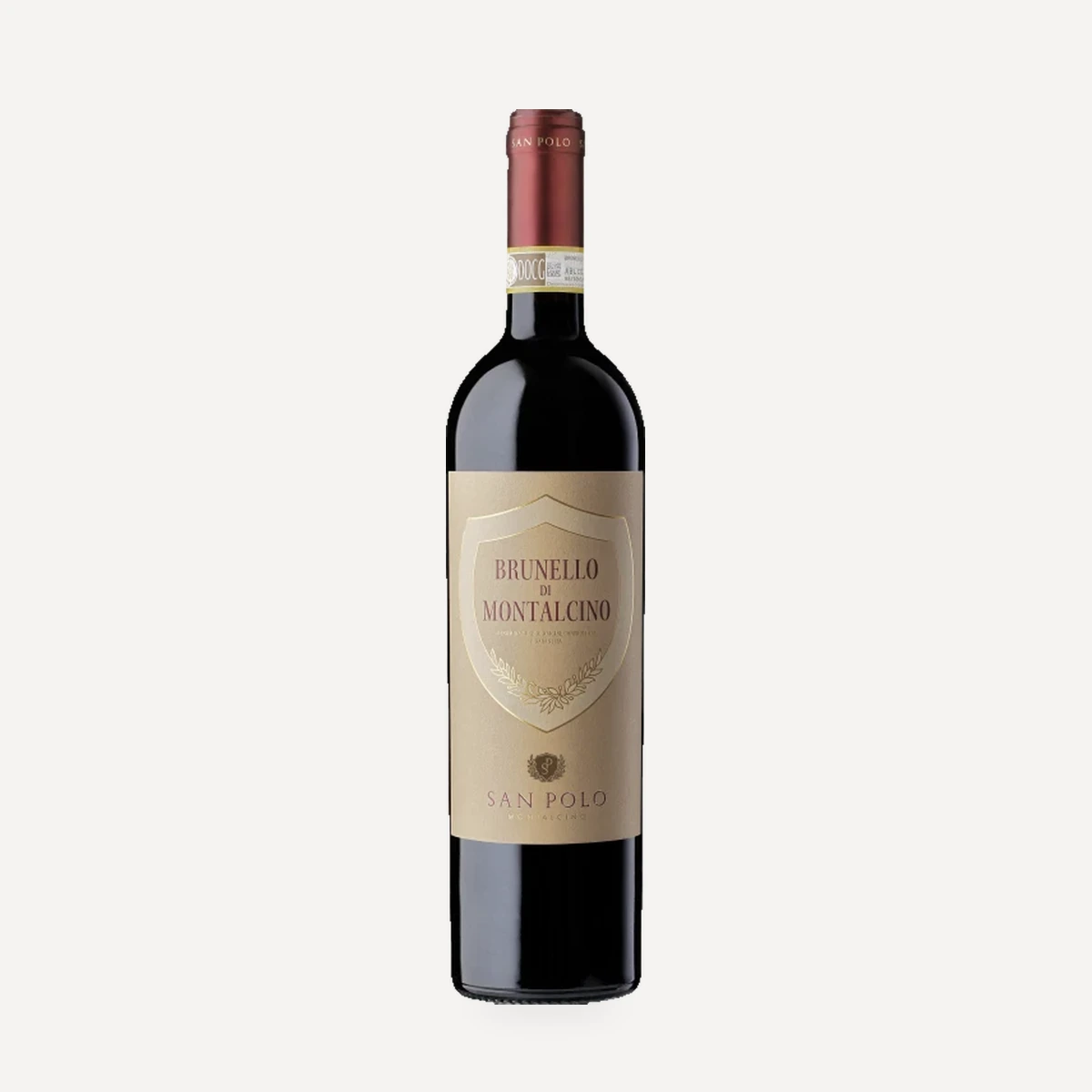
Brunello di Montalcino