History
A family property with seventeenth-century roots
The historic family residence now occupied by Relais Il Falconiere stands beside the winery and dates to 1650. The house, vineyards and surrounding olive groves later became the setting for the family’s combined work in wine, hospitality, food and wellness.
1860: the beginning of the documented winegrowing tradition
The Baracchi family has cultivated vines since 1860. Five generations have participated in this winegrowing history on the hills around Cortona and the Valdichiana.
Development of the family enterprise
Silvia Baracchi and Riccardo’s attachment to their birthplace helped create an enterprise uniting wine production with hospitality, restaurants and wellness. Benedetto Baracchi subsequently continued the family project alongside Silvia. He works with an oenologist to match grape varieties to the soils best suited to them and has made vineyard and cellar work, innovation and responsiveness to new techniques central to the project.
The vineyard holding developed into four production zones within Cortona DOC: San Martino, Gabbiano, Pietraia, and Montanare e Valecchie. Variety selection has been plot-specific from the beginning of the winery’s activity. Pietraia includes both recently planted vineyards and an older, traditionally trained Trebbiano vineyard. In the highest part of Valecchie, Riccardo undertook the planting of Pinot Noir alongside Sangiovese.
Product and stylistic development
The family pursued projects intended to reinterpret local tradition through contemporary techniques. These included its first traditional-method sparkling wines from Tuscan grapes Sangiovese and Trebbiano, the unconventional Syrah–Cabernet Sauvignon blend Ardito, and the first Syrah Riserva of Cortona DOC. The present range encompasses traditional-method sparkling wines, Cortona DOC bottlings and Toscana IGT wines.
Terroir
The vineyards occupy hills around Cortona and overlook the Valdichiana. All 32 ha lie within Cortona DOC but are distributed among four distinct production zones, allowing the estate to work with differences in altitude, microclimate, soil composition and grape variety.
The broader vineyard environment combines substantial altitude, galestro-rich or stony ground, abundant sunlight, moderately warm temperatures, dry air and pronounced temperature variation. Individual sites range from the sandy, freely draining soils of San Martino to the calcareous-clay and mineral-rich ground of Gabbiano. Pietraia is dominated by sand and mineral components. Montanare and Valecchie rise to 500–600 m on slopes facing Umbria at the beginning of the central Apennines; their soils combine pebbles, sand, silt and clay. Cooler mountain temperatures and marked day–night variation in these higher vineyards favor aromatic concentration and elegance.
Each vineyard is treated as an independent production unit because its altitude, microclimate, soils and varieties create a distinct growing environment.
Winemaking
All vineyard operations are managed directly by the estate and follow the seasonal rhythm of the vines. Winter work includes pruning and leaf removal, undertaken to maintain vine health and support grape quality. A first bunch selection takes place in July or August so that the remaining clusters receive a greater share of the vine’s nutrients.
Harvest timing is determined separately according to variety, microclimate, ripeness indices and the intended type of wine. All grapes are picked by hand and carefully selected during harvest. They are placed in small crates to prevent excessive weight from compressing the fruit and are then transported to the winery.
Varieties are matched to the characteristics of individual plots, and each vineyard is managed as a separate production unit based on its altitude, microclimate, soil composition and planted variety. The broader environmental commitment extends from vineyard to cellar and is directed toward protecting the ecosystem’s natural beauty and biodiversity for future generations.
Harvested grapes undergo manual selection on a sorting table before destemming and crushing. Each grape type ferments separately in stainless-steel tanks under controlled temperature.
Maturation is adapted to the variety and intended result. Available vessels include stainless steel, wooden casks and medium-toast French-oak barrels, with the duration varied according to the grapes and wine. Following maturation, the wines continue refining in bottle for several months.
The production approach gives particular attention to the condition of incoming fruit, temperature control, selection of appropriate vessels and the final maturation stage. The property also maintains a dedicated sparkling-wine cellar for its traditional-method wines.
Philosophy
Benedetto Baracchi defines his production philosophy through three words: care, devotion and dynamism. Its goal is a modern, responsive winery whose wines reinterpret traditional roots through new techniques while remaining connected to Cortona.
Authenticity and product quality form the stated foundation of the work. Varieties are assigned to individual sites according to soil and microclimate, while vineyard and cellar operations are treated as parts of one continuous quality process. Tradition and experimentation therefore coexist: native Tuscan grapes are used for traditional-method sparkling wines, while projects such as Ardito, Syrah Riserva and the high-altitude Pinot Noir planting extend beyond established local models.
Environmental responsibility is framed as an obligation to future generations. The family aims to preserve the natural beauty and biodiversity of its ecosystem throughout the path from vineyard to cellar. Dynamism is paired with respect—for family history, the Cortona landscape and the distinct identity of each plot.
Wines
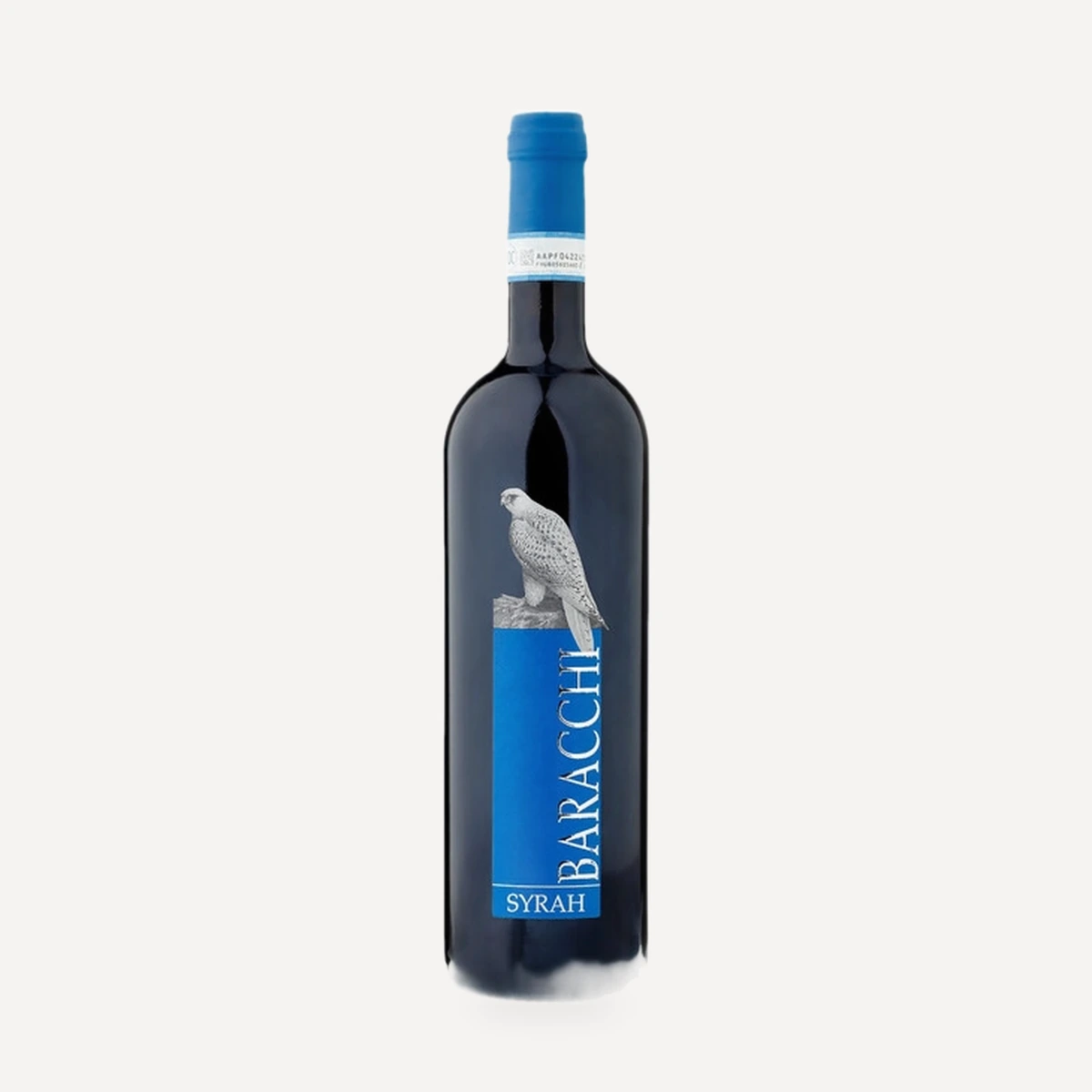
Syrah Riserva
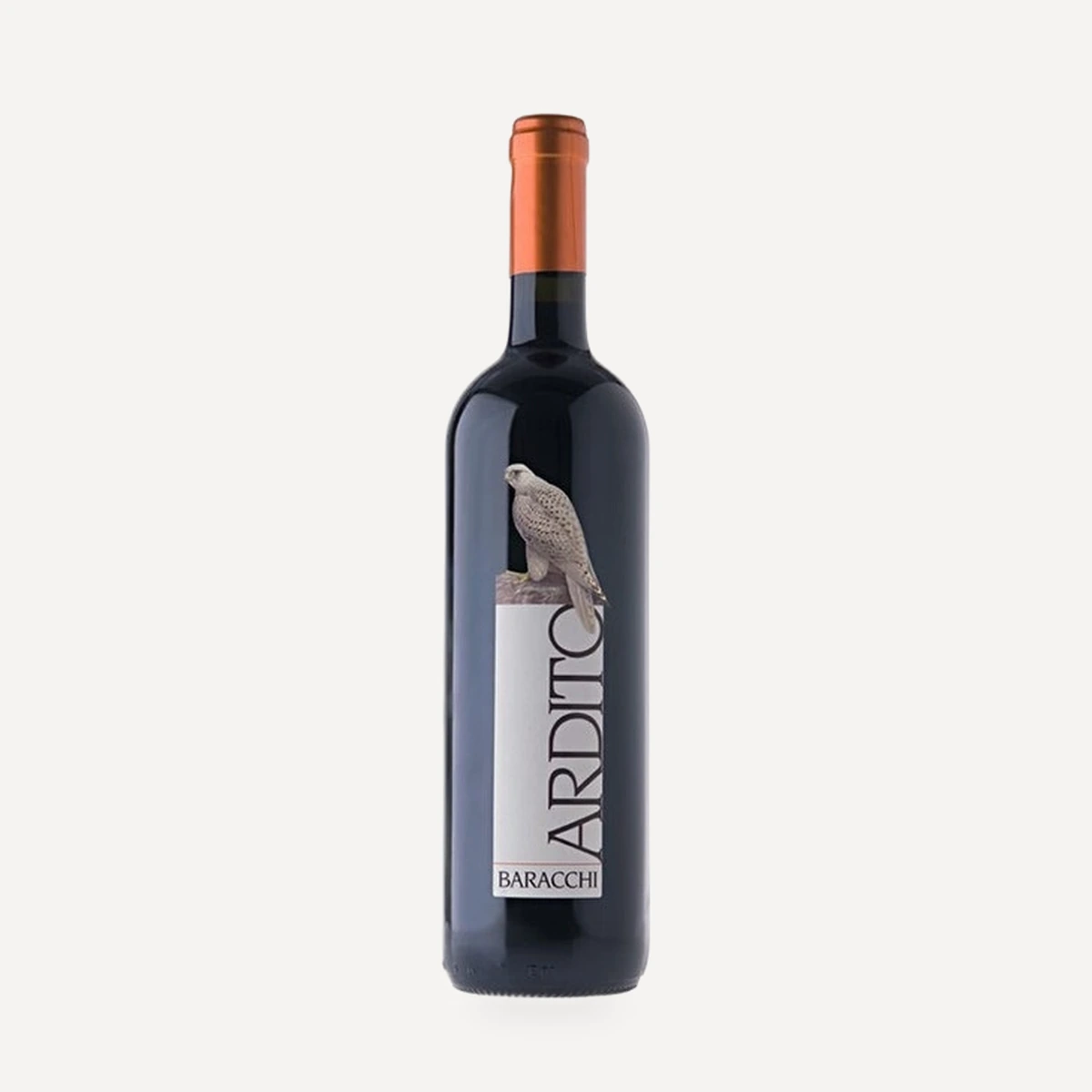
Ardito
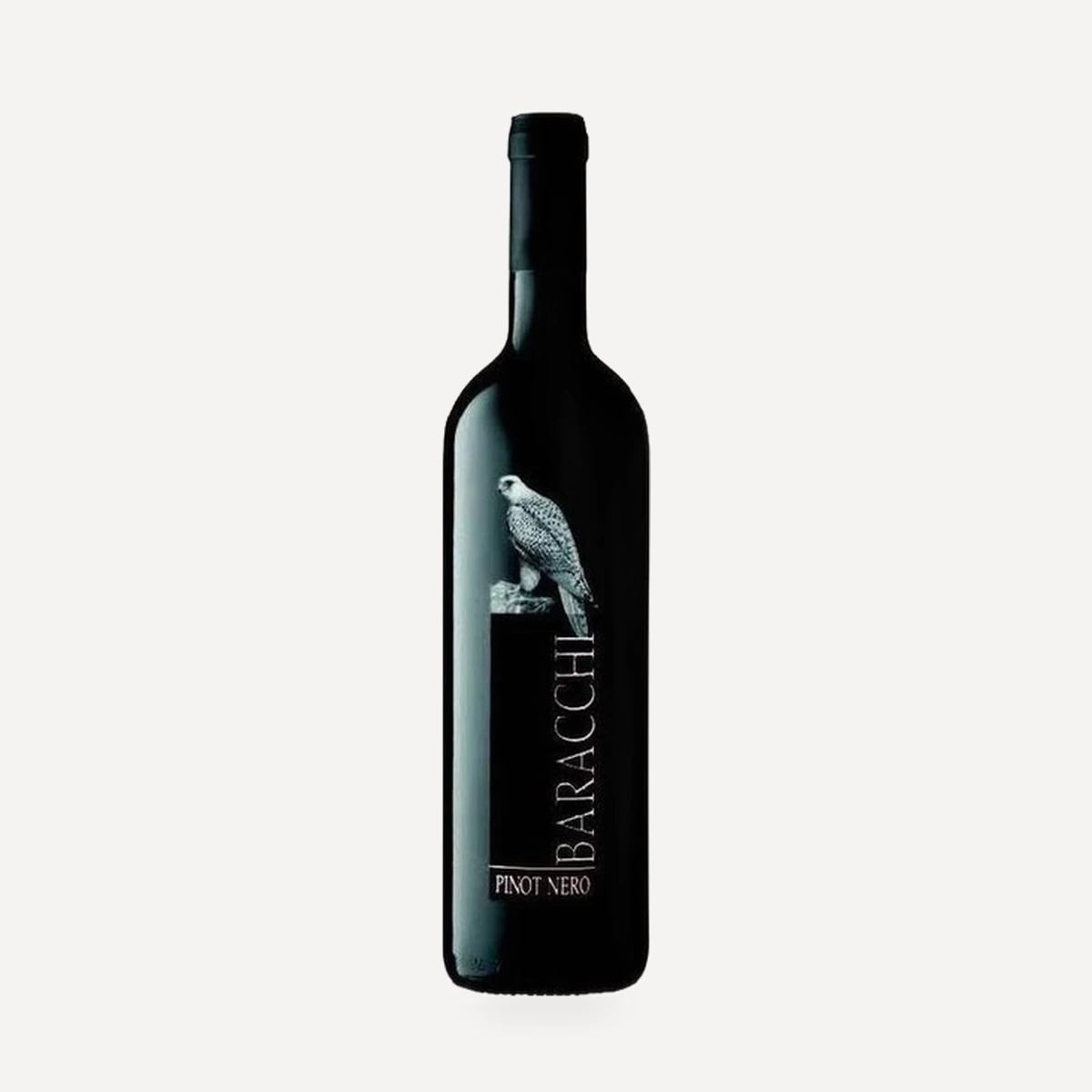
Pinot Nero
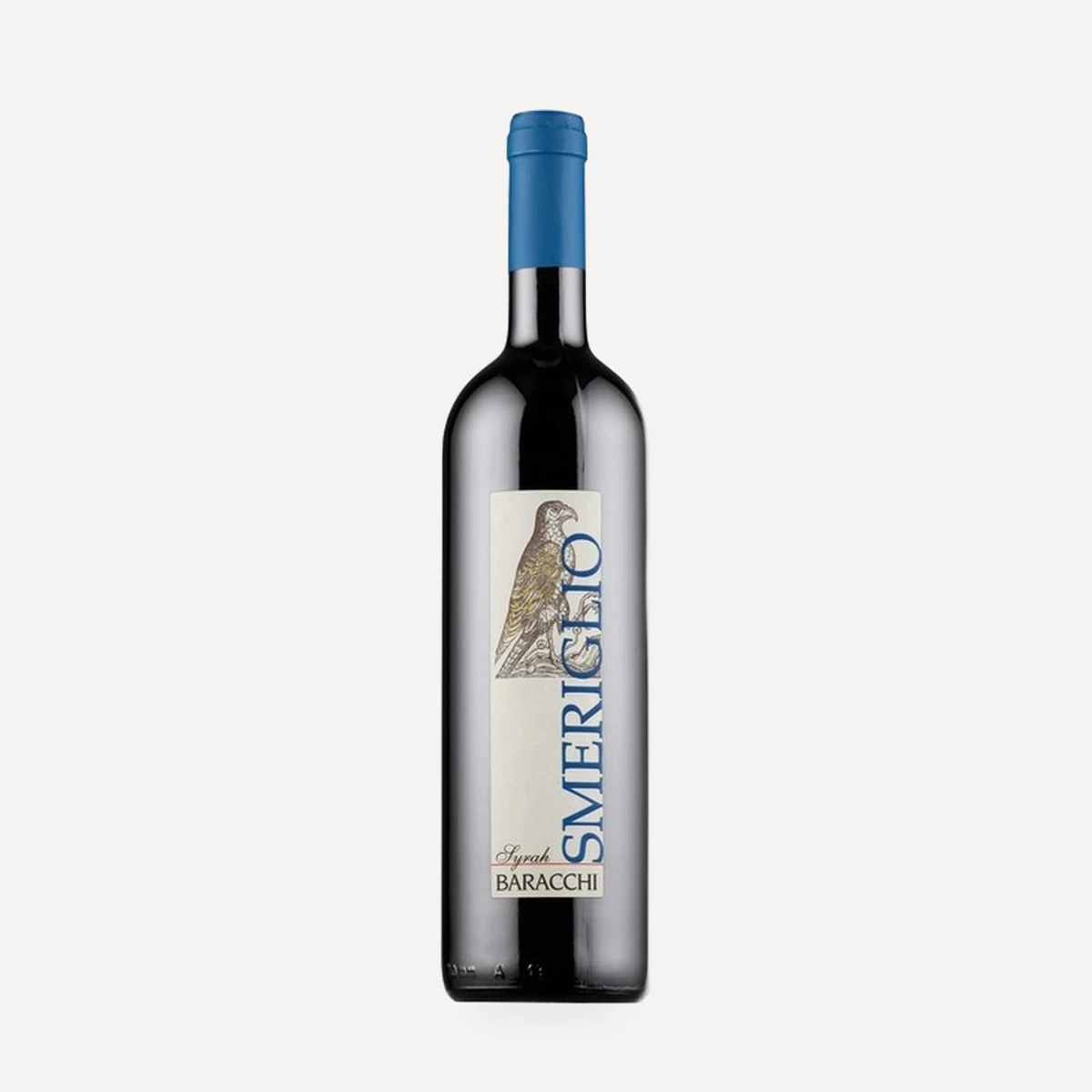
Smeriglio Syrah
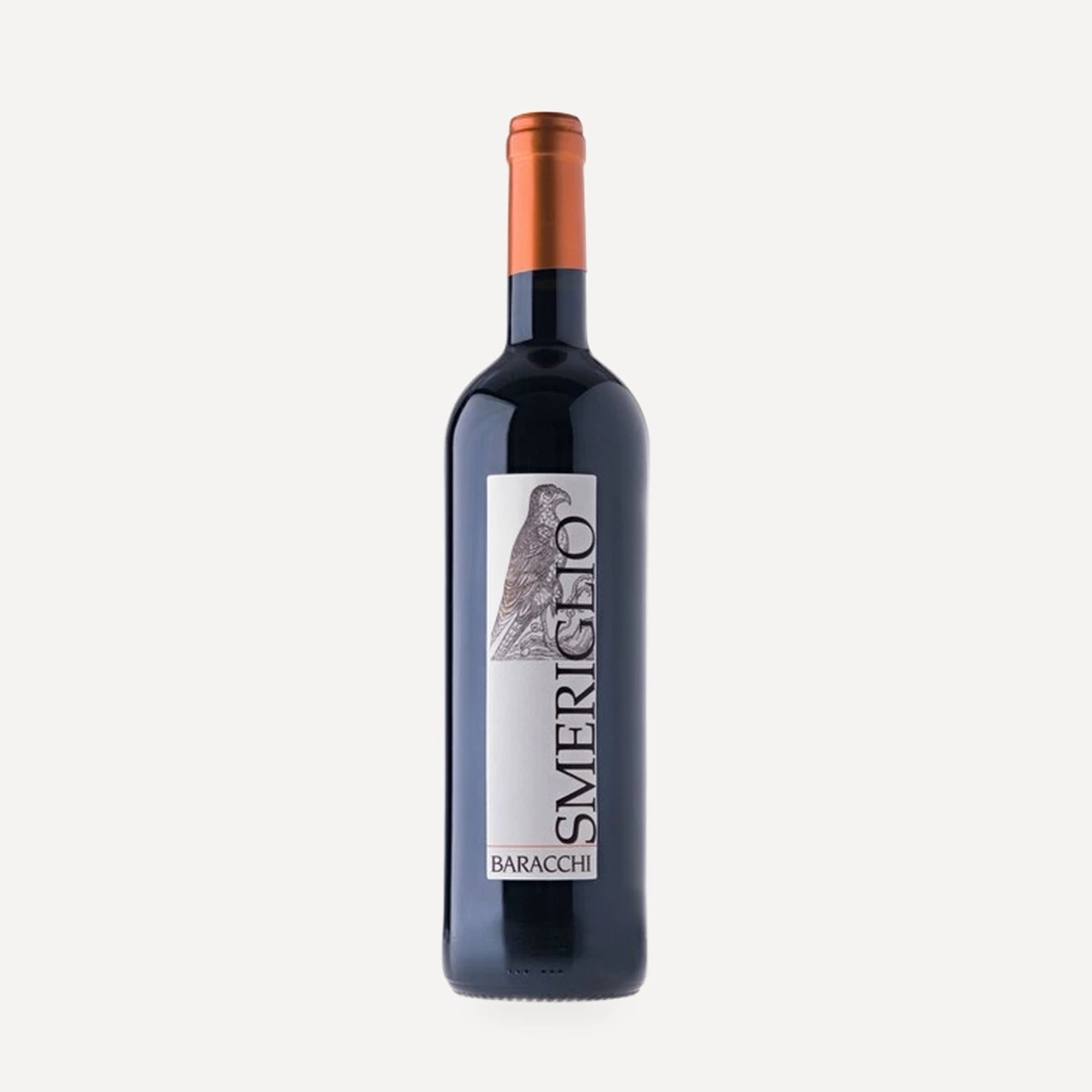
Smeriglio Merlot