History
Foundation and the first cellar
On 30 June 1961, Dino Carletti acquired the original 22-hectare holding and its sharecropping farm at Gracciano di Montepulciano. Some vines were still trained to field maples in the traditional vite maritate system. The new estate was named Poliziano: poliziano denotes a native of Montepulciano and recalls the town’s humanist and poet Angelo Ambrogini, known as Poliziano, whose likeness appears in the logo.
The first stone of the winery was laid in 1965. Production initially relied on cement vats, widely spaced vineyards without dedicated clonal selection, and a simple organization oriented toward selling wine in tanks and demijohns. The first vintage of the estate’s Vino Nobile di Montepulciano followed in 1968.
Federico Carletti and the estate-winery model
After completing agricultural studies, Dino’s son Federico Carletti assumed management in 1980. He redirected Poliziano both professionally and philosophically, studying and processing only estate-grown grapes and establishing it as an Estate Winery. Vineyard and cellar techniques were continually renewed, while Prugnolo Gentile—the local name for Sangiovese—became the subject of clonal work and increasingly detailed study.
The first Asinone vintage was produced in 1983. A small fermentation cellar was built in 1986, and an estate bottling line followed in 1990; the bottling equipment has subsequently been renewed repeatedly. I Pozzi was acquired in 1993.
During the 1990s, Cabernet Sauvignon and Merlot were planted. Initially used with Sangiovese in blends, they were later explored increasingly as varietal expressions. A more technologically advanced fermentation cellar was constructed in 1998. The grape-reception facilities were developed in stages in 1999, 2015 and 2019, ultimately incorporating two crushing-destemming lines, optical sorting and an efficient manual-selection line.
Expansion beyond Montepulciano
The search for suitable estate-owned land led to expansion into Maremma in 1997 and Cortona in 2000. The policy remained that every wine should be made only from estate fruit grown within its corresponding denomination. In Violas was first produced from the Cortona vineyards in 2006.
A new temperature- and humidity-controlled ageing cellar was created in 2003. Its barrels were selected by size and toast with the intention of supporting typicity and quality. The controlled ageing environment was inaugurated in 2005. As the winery evolved, the former barrel-storage area became bottle storage with capacity for approximately 300,000–350,000 bottles and an old-vintage library.
Geological research, cru development and organic conversion
Over approximately two decades, Federico undertook geological and pedological studies across the holdings. The work clarified the distinct identities of Asinone and Le Caggiole, both on marine Pliocene soils of Zanclean–Piacenzian age but with markedly different proportions of clay and sand. Pleistocene parcels around Valiano were also catalogued as possible future single-vineyard sites. The research was closely connected to the revival of Le Caggiole, whose new era began with the 2015 vintage.
Viticulture moved progressively away from synthetic inputs. Chemical fertilizers, herbicides and insecticides were replaced by organic fertilizers, mechanical weed control, pheromones and beneficial antagonist insects; systemic and cytotropic fungicides were subsequently eliminated. I Pozzi was completely replanted in 2017. The 2021 harvest became the first to yield wines certified as 100% organic, following more than a decade of progressively organic vineyard management. In March 2022, the estate was planting a further 8 hectares of Sangiovese at I Pozzi.
Hospitality and the third generation
The Angelo Ambrogini tasting room opened in 2007, with broad spaces and windows overlooking the winery and vineyards. Hospitality facilities were completely renovated in 2015. Renovation of the Le Stanze del Poliziano wine shop within Montepulciano’s historic walls was completed in 2017, and Villa La Fornace opened among the vineyards in 2018.
Federico’s children entered the estate’s decision-making as the third generation: Francesco in 2019 and Maria Stella in 2021. On the estate’s sixtieth anniversary, 30 June 2021, they began planning Poliziano’s future alongside their father.
Recent cellar development
In 2023, the fermentation cellar originally built in 1986 was renovated with seven stainless-steel fermenters. Equipped with advanced draining, temperature-control and safety systems, the renewed facility has a total capacity of 1,500 hL and was designed to improve precision and efficiency while reducing manual workload and improving cellar-worker safety. The estate has also planned expanded logistics in which bottling and storage would be fully automated.
Terroir
Poliziano’s vineyards extend across four areas—Montepulciano, Montefollonico, Cortona and Maremma—with elevations ranging from approximately 100 to 450 metres. The holdings encompass Pliocene marine sediments, younger Pleistocene formations and the skeletal Pseudoverrucano-derived slopes of Maremma.
Around Montepulciano, elevations generally range from 290 to 400 metres. Asinone and the two Caggiole sectors lie on Pliocene formations, but their proportions and structures of clay, sand, limestone and mineral salts differ markedly. East-facing Caggiole Alte has a mild, cool microclimate and soils containing coarse sands, conglomerates, sandstone and marine fossils. Asinone has calcareous clay sediments over compact sands, with calcium-magnesium phosphates. Valiano differs geologically, combining fine clay and sand of Pleistocene origin.
At Montefollonico, I Pozzi occupies a south-facing position at 400–450 metres below the village, overlooking Montepulciano. Its ancient Pliocene soils alternate pebbles with clay-silt lenses rich in limestone, iron and magnesium salts.
Farneta, near Cortona, lies on broad plateaus at about 300 metres. Dense, compact Pliocene clays contain iron oxide. Magliano in Maremma is much lower, at about 100 metres, with south- and southwest-facing slopes rich in coarse skeletal material identified as macigno galestro. Proximity to the sea contributes to the warm, spicy Mediterranean character associated with this area.
Winemaking
All fruit comes from estate-owned vineyards managed parcel by parcel. Variety, clone, rootstock and planting layout are selected in relation to each parcel’s soil, while vineyard workers adjust their interventions to the condition of each vine and growing season.
The original vineyards were widely spaced, lacked dedicated clonal selection and still included vines trained to maples under the traditional vite maritate system. Following study and experience in major wine regions, planting density was increased, a proprietary selection of Prugnolo Gentile was developed, and new Sangiovese clones were tested. In response to rising temperatures, density was subsequently rebalanced to approximately 4,000–5,000 vines per hectare, the foliage wall was raised, and new sites increasingly favored higher elevations. Canopy management now shades clusters during the hottest periods and opens them to airflow toward the end of ripening. New clones and varieties better adapted to current climatic conditions remain under evaluation.
The organic transition began more than a decade before certification. Chemical fertilizers were replaced with organic fertilizers; herbicides with mechanical weed control; and insecticides with pheromones and beneficial antagonist insects. Systemic and cytotropic fungicides were later eliminated. Pruning follows the Simonit&Sirch method, intended to preserve sap flow, continuity and the vitality of each plant through healthy roots and vascular systems. The 2021 harvest was the first to produce certified-organic wines.
Harvesting is manual. Selection begins in the vineyard, and grapes are collected in small boxes. A second, stricter berry-level selection follows at the winery: optical sorting is used generally, while cru fruit is selected manually. In 2024, a large crop required fruit thinning to protect uniform phenolic maturity. In 2025, naturally lower crop load followed the preceding high-yield year; harvest operations ran from 21 August to 3 October, beginning with thinning and ending with the last Cabernet Sauvignon.
Winery and grape reception
The winery began with cement vats and has expanded alongside the vineyards. A bottling line has operated since 1990 and has been repeatedly modernized. The reception center was developed in 1999, 2015 and 2019 and includes two crushing-destemming lines, an optical sorter and a manual-selection line. Hand-harvested grapes undergo an initial vineyard selection and a second winery selection, with optical sorting for general lots and manual sorting for cru fruit.
Fermentation and extraction
Vinification is strictly parcel-based in small truncated-conical vats. Estate-selected indigenous yeasts ferment at a steady temperature of approximately 26°C. Fermentation and extraction from the skins are deliberately gentle, with the objective of obtaining the highest-quality polyphenolic fraction and refined tannins. No biotechnologies are used.
The fermentation cellar built in 1986 was renovated in 2023 with seven stainless-steel tanks totaling 1,500 hL. The tanks have advanced systems for draining, temperature control and operational safety, allowing more precise and efficient fermentations. Experimental work in 2024 included layering whole clusters in the fermentation vessel and carbonic maceration. After several years of small-scale trials, the estate expanded whole-cluster trial volumes in 2025 for Sangiovese, Cabernet Sauvignon and Ciliegiolo.
Ageing, bottling and storage
Wines mature in a range of vessels so that no single wood format dominates: barriques, tonneaux and large casks of 30, 60 and 80 hL. Barrel size and toast are selected to reinforce typicity without obscuring territorial expression. The ageing cellar provides controlled temperature and humidity. Bottle maturation follows for periods determined by the individual wine.
Only light filtration is performed before bottling. The former barrel area now provides storage for approximately 300,000–350,000 bottles. A tunnel connecting the vinification cellar and barrel cellar houses the historic library, preserving limited quantities of old vintages and documenting more than half a century of production.
Philosophy
Poliziano defines quality as the work of growing its own grapes and transforming them into wines that preserve territorial expression. Fruit is therefore sourced exclusively from estate holdings within the denomination to which each wine belongs.
The estate combines respect for local tradition with continuing technical development. Modern equipment, geological research, clonal selection and precise parcel vinification are treated as compatible with the preservation of place and variety. In the vineyard, this has meant progressively more natural management; in the cellar, gentler extraction and less intrusive wood.
Typicity and natural expression are central goals. The estate’s geological and pedological studies reinforced its view that soil has a strong influence on a wine’s sensory identity, shaping the understanding of Asinone and Le Caggiole and the continuing evaluation of Valiano. Environmental goals are tied to the belief that living, fertile, chemically unpolluted soils and healthy vines can improve both quality and typicity.
Family continuity remains part of this outlook. Federico directs the estate with the counsel of Francesco and Maria Stella, joining accumulated experience to the third generation’s interpretation of contemporary climatic, technical and commercial challenges.
Wines

Asinone Nobile di Montepulciano

Pieve Caggiole Vino Nobile di Montepulciano

Nobile di Montepulciano
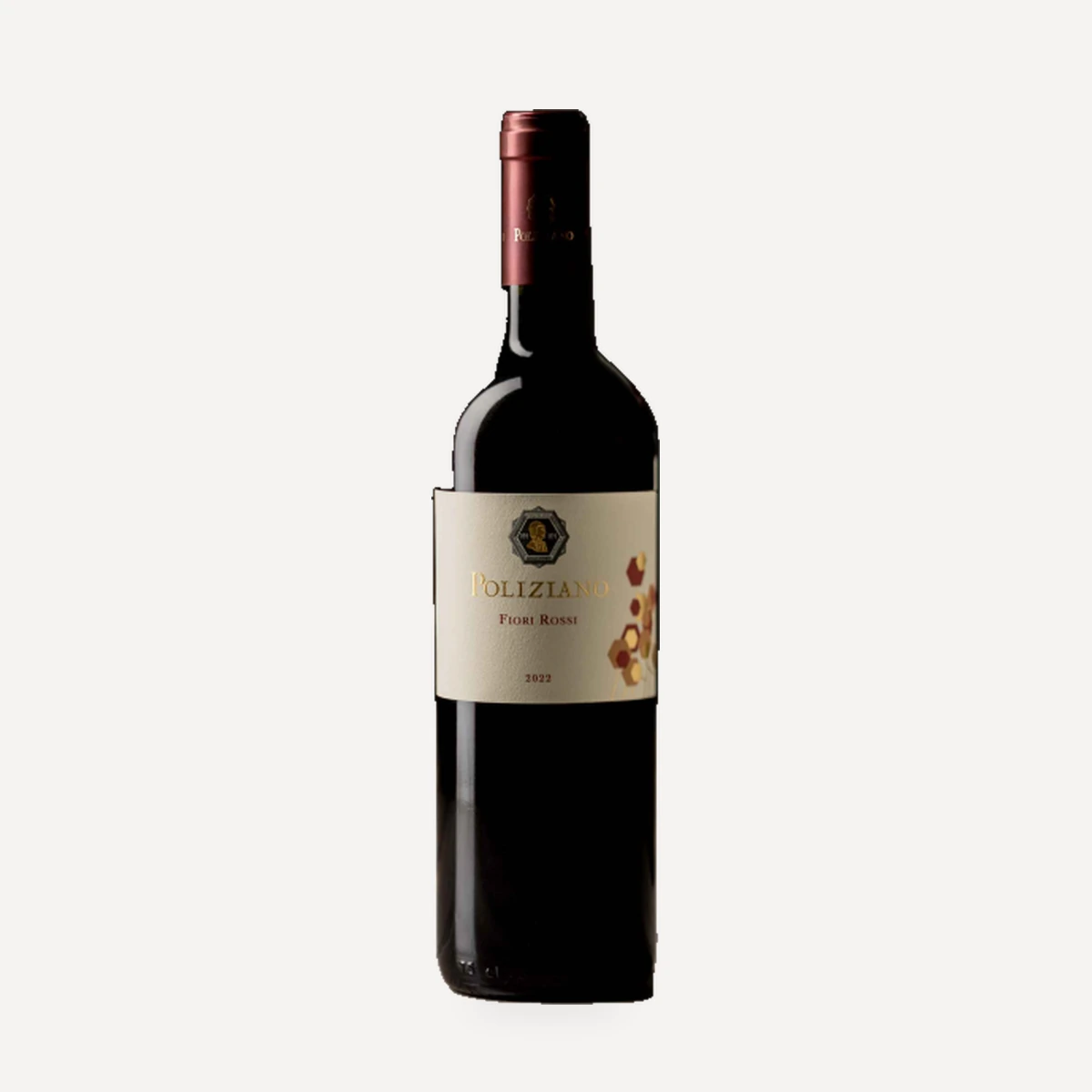
Fiori Rossi

Per la Giostra
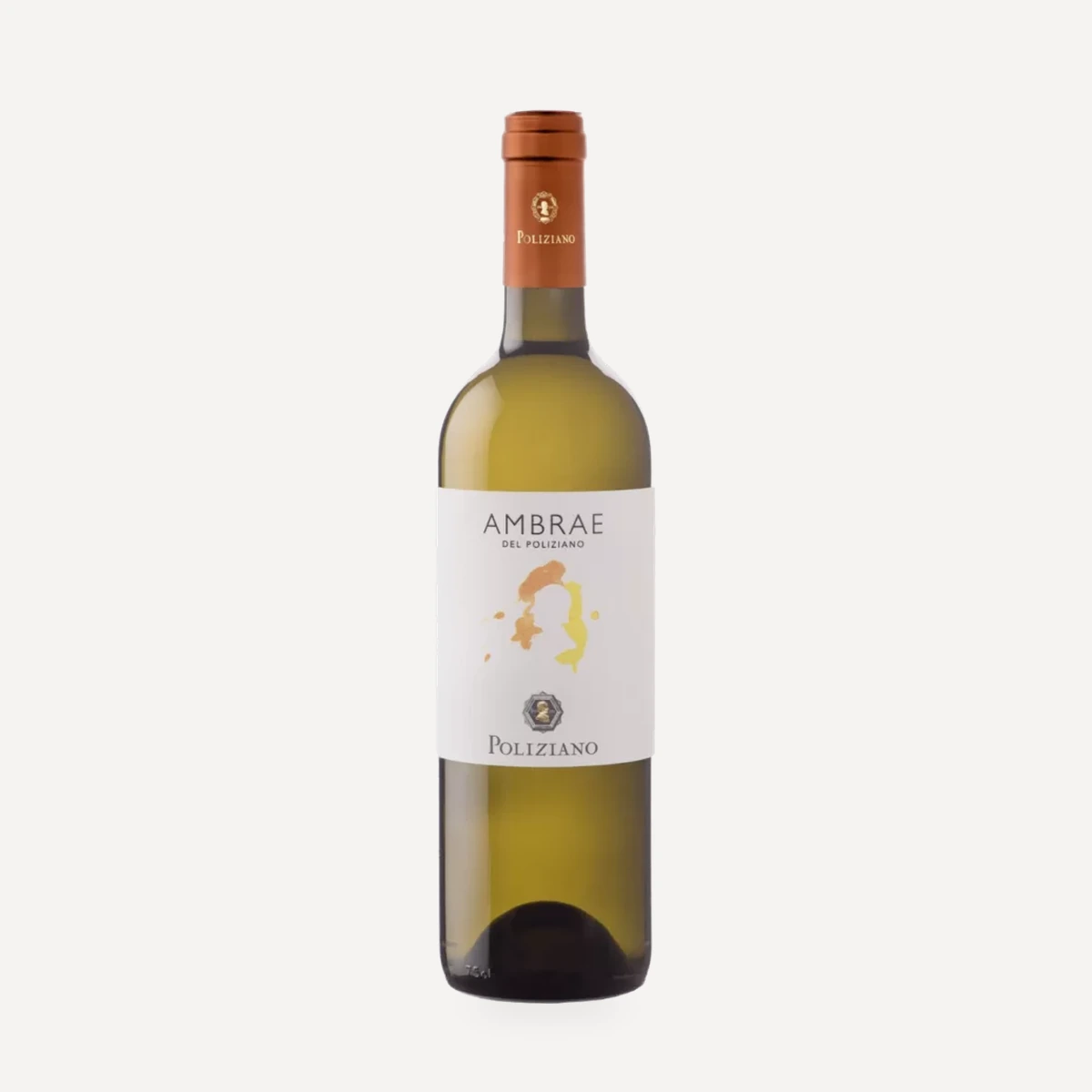
Ambrae del Poliziano

Rosato del Poliziano

Rosso di Montepulciano

Le Stanze del Poliziano
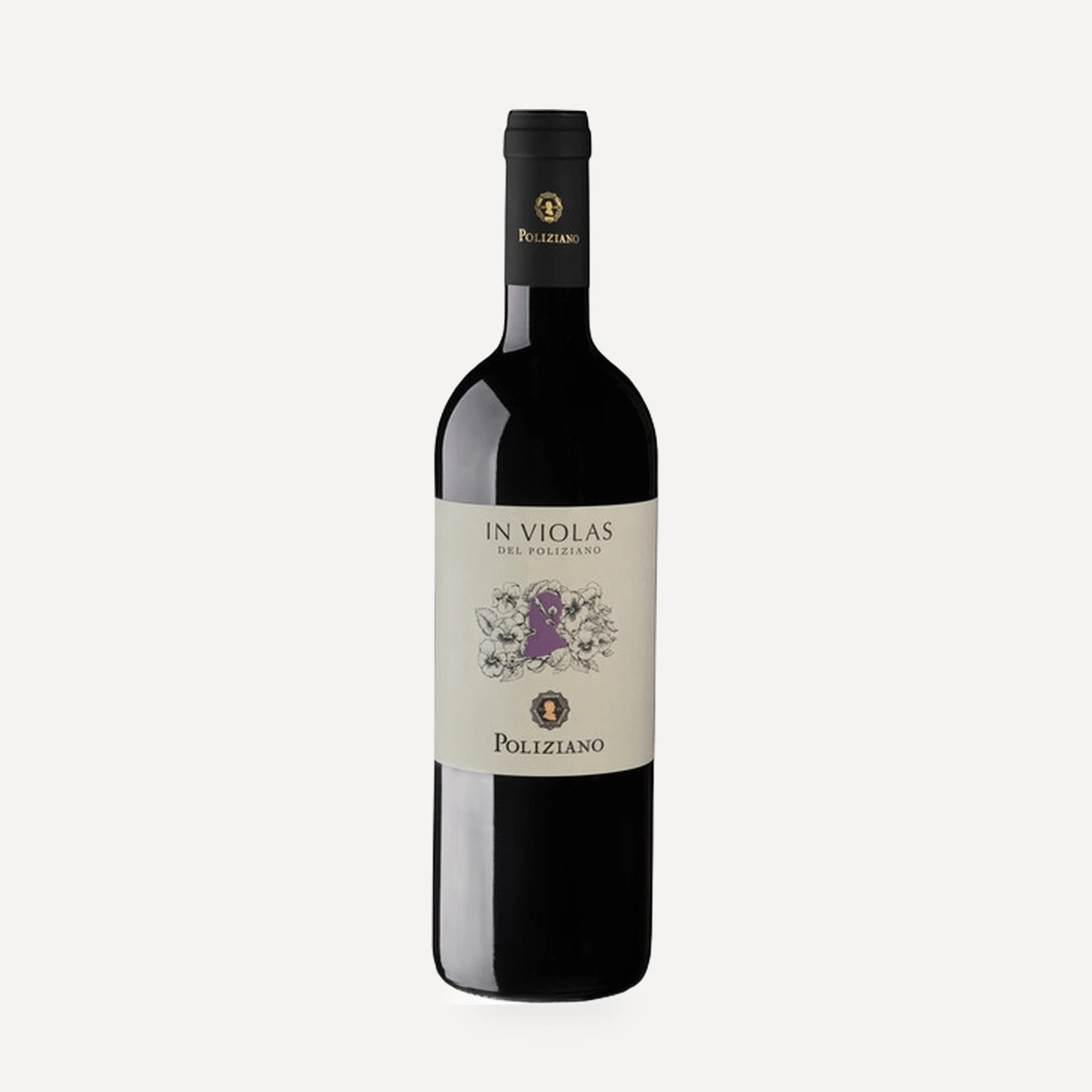
In Violas

Morellino di Scansano

Mandrone di Lohsa

Vin Santo di Montepulciano
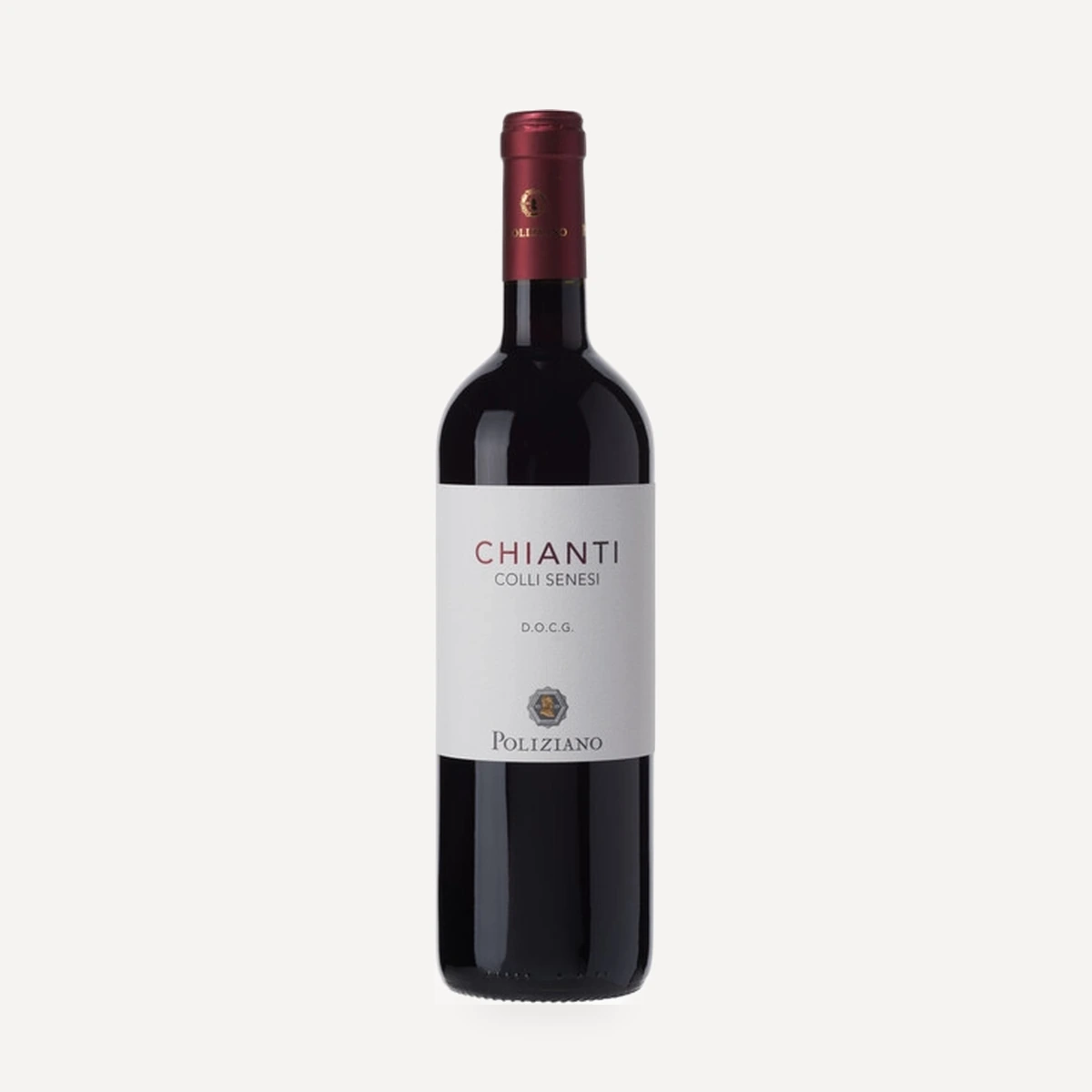
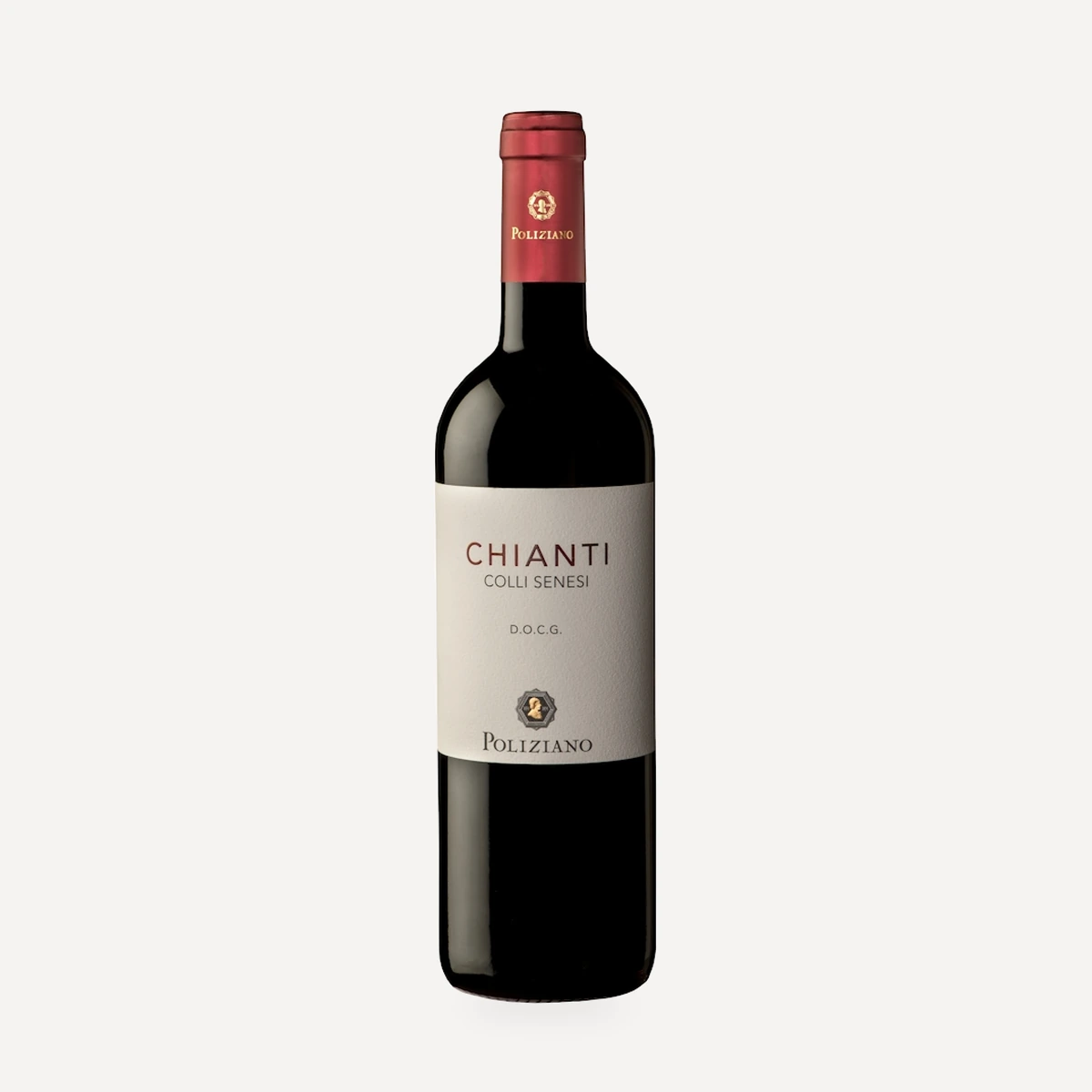
Chianti Colli Senesi DOCG