History
Family land and the historic Brazzano vineyards
Part of the Brazzano property has been in the family for four generations and was under vine by at least the eighteenth century. The steep vineyard later known as Rosso della Centa belonged to the estate of a villa completed by Count Sebastiano Florio in the second half of that century. Its slopes had already been formed into narrow terraces supported by dry-stone walls.
During the First World War, after the rout of Caporetto, retreating Italian soldiers burned the occupied villa and its contents to prevent them falling into Austrian hands. The farm buildings and vineyard survived. Nicola Manferrari also recounts that his grandfather’s house was destroyed by the Italians during the conflict.
The present Ronco della Chiesa vineyard was planted at the end of the 1950s. Its very steep ground was tilled and terraced by hand, preserving the natural contours and the underlying strata of marl and sandstone. The close planting had been designed for cultivation with horses. At the end of the 1960s, Giuseppe Manferrari acquired another plot adjoining the old family property. The small Merlot vineyard associated with Rosso della Centa was planted in 1970 with material from the Ferrari selection.
1981: Nicola Manferrari takes over
Nicola Manferrari studied pharmacy and, at the age of 23, worked at Farmacia Pontoni e Bassi in Gorizia, owned by his mother, Thea. His father Giuseppe—known to friends as Beppino and locally as “the Italian” because he came from Emilia—died on 23 July 1981. With the harvest approaching, Thea sent Nicola to manage Giuseppe’s estate, then comprising less than 3 ha of vineyard. Nicola was 25 and initially regarded the assignment as a necessity rather than a career change.
After the harvest, Nicola took a weekend away with Fulvia, then his fiancée and later his wife. When he declined Thea’s order to return to the pharmacy for an inventory, she dismissed him for the fifth and final time. He consequently settled among the vines and old farm buildings inherited from his father. Thea sought help from the family lawyer, Count Formentini, himself a grower in San Floriano del Collio, hoping to dislodge Nicola from his new occupation. Formentini instead supported the project and drafted a lease favourable to Nicola, converting his de facto position into a legal one.
The inherited vineyard was planted almost entirely to Tocai. In the summer after the first harvest, Nicola bottled the wine and offered it to a Milan wholesaler familiar with his father’s production. Although the buyer liked the wine, he considered the Tocai name commercially unsuitable and asked for another name. Nicola refused, regarding Tocai as the wine of his family, childhood and Brazzano.
Early experiments, Tocai and Merlot
Without formal training as either an oenologist or agronomist, Nicola relied on his background in chemistry and biology, empirical observation and later study. In 1982 he experimented with saignée to improve Merlot, removing part of the must to increase the ratio of skins to liquid. He also introduced what he describes as the first bilateral Guyot training in the Collio. From the same year, grapes from every vineyard parcel were vinified separately and the important data for each batch recorded.
Nicola reduced yields in Tocai, introduced grass between the rows, progressively reduced and then eliminated fertilisers, and reconsidered canopy management and the relationship between the vine and its environment. Rejecting both early harvesting and hard pressing, he harvested ripe fruit, pressed it very gently and used extended contact with fermentation lees to develop roundness. His first Ronco della Chiesa dates from 1982, while 1983 was the first Tocai harvest with which he was fully satisfied.
Unhappy with his first Merlot in 1981, Nicola began studying Bordeaux methods in 1982. The 1982 and 1983 red vintages were experimental. Rosso della Centa debuted with the 1985 vintage and was released at the beginning of 1988. Its reception encouraged continued work on Merlot at a time when Collio was chiefly associated with white wine. Later vintages were made only when the year met the required standard—on average about one year in three. Subsequent work gradually reduced yields while maintaining vine balance, and cellar methods were refined without changing the objective of combining concentration with freshness, drinkability, elegance and balance.
1987–1989: Ca’ delle Vallade and the study of terroir
Before 1987, Nicola had worked only with fruit from the hills extending from Colle di San Giorgio at Brazzano toward Monte Quarin near Cormòns. The acquisition of land at Ca’ delle Vallade between 1987 and 1989 transformed his understanding of terroir. Initial vinifications showed that Chardonnay performed well there, while Verduzzo failed to ripen satisfactorily and Tocai and Cabernet Franc remained coarse or herbaceous.
In the following season Nicola pruned more severely, worked the ground and fermented the Chardonnay in two new barrels. When a neighbouring 3 ha property came on the market the following April, he bought it. Tocai, Verduzzo and Cabernet were removed from the earlier parcel, and the holding was progressively specialised in Chardonnay because that variety responded best to its cool microclimate and poor acidic soils. Comparative vinification of individual parcels revealed differences connected with vine age, position, training and genetics, establishing the method used to guide later planting and vineyard improvement.
1989–1996: Ruttars and Studio di Bianco
On Easter Monday 1989, Nicola completed the purchase of 5 ha on the south-east slope of the Ruttars hill. The previous grower, Giorgio, had cleared woodland, tilled the land and planted several white varieties. Nicola preserved the information contained in the mixed vineyard by vinifying each variety separately.
In 1990 he began systematic blending trials, initially combining varieties in pairs at 50:50 wherever possible. Early screening focused attention on Tocai, Sauvignon and Riesling Renano. The work then refined both cellar methods and the proportions of the varieties. Studio di Bianco emerged as a deliberately evolving wine through which the results could be tested with drinkers while the vineyard itself was still being developed. From the 1996 harvest, the varietal composition and cellar method became stable enough to produce a consistent identity, although the wine continued to be made only in favourable years.
1992–2007: cellars and research infrastructure
Between 1992 and 1995, the cellars were completely restructured and their vessels renewed. The objective was to preserve the identity of each vineyard batch through to bottling, even for volumes as small as 250 litres. This expanded the estate’s long-running comparison of its sites and created a detailed record from vineyard to bottle.
In 2006, a large underground cellar was constructed beside the old village buildings. It can accommodate more than 300 wooden barrels used for fermentation and maturation. The winery was arranged over four levels for gravity movement, while bottling and bottle storage were placed across the road and connected to the vinification cellar by underground pipes.
The removal of the Italian-Slovenian border in December 2007, twenty years after the acquisition of Ca’ delle Vallade had initiated the estate’s formal terroir research, encouraged a broader investigation of the Ponca hills across political and appellation boundaries. With Slovenian friends and colleagues, the estate began by experimenting with grapes and later adopted a structured programme in which fruit from selected Ponca slopes was grown under its agronomic direction, harvested and vinified in the Brazzano cellars. Wine arising from this research eventually provided the basis for the Milleponche project.
Later vineyard changes
Brazzano was progressively refocused on varieties suited to its warmer conditions. Chardonnay and Sauvignon were removed in favour of sites with cooler microclimates. Cabernet Sauvignon, regarded as less suited than Merlot to Collio’s marl-derived clays, was also eliminated; the remaining Cabernet Sauvignon parcel was uprooted at the end of 2017. Ca’ delle Vallade continued its specialisation in Chardonnay, while Ruttars remained the centre of work with Tocai, Sauvignon and Riesling Renano.
Terroir
Regional setting
The Collio is a small Eocene hill chain at the eastern edge of northern Italy and part of a broader system extending from north of Udine toward Istria. Borgo del Tiglio’s vineyards occupy three contrasting positions within it: the comparatively warm Brazzano slopes, the cold and wind-exposed Ca’ delle Vallade site, and the cool south-east-facing Ruttars hill.
The Collio lies no more than 20 km from the Adriatic Sea, across a short coastal plain, and approximately 30 km from the first Alpine foothills. Mountain winds are colder and drier, while winds from the sea are milder and more humid. Climate varies with altitude, the barriers created by hills and mountains, proximity to the plain and the progressive warming of cold air as it moves from the mountains toward the sea.
Slope orientation has a direct physiological role. East-facing vines receive clearer morning light at cooler temperatures, favouring aromatic expression. West-facing vines receive afternoon light through greater atmospheric moisture and at higher temperatures, conditions associated with warmer-site white varieties such as Friulano and Malvasia and with polyphenolic ripening in red grapes. Ca’ delle Vallade is particularly exposed to cold north-easterly winds, including the Bora, while sheltered Brazzano receives warm summer breezes from the sea.
Geology and soils
The bedrock formed on the floor of a shallow Eocene sea approximately 55–34 million years ago. Turbidity currents deposited alternating layers of softer marl and harder sandstone, creating the sedimentary complex known as Cormòns Flysch and locally as ponca. The discontinuities between layers allow small quantities of water to filter through the fractured rock and remain available to deep vine roots during dry periods.
The broad geological origin is shared by the Collio, Colli Orientali del Friuli and Slovenia’s Brda, yet the rock’s chemical composition can change significantly across very short distances. Borgo del Tiglio identifies three different expressions of Ponca beneath its three principal holdings. Weathered marl gives rise to clay-rich soils, which the estate considers better suited to Merlot than Cabernet Sauvignon; Ca’ delle Vallade instead has poor, acidic upper soils, while Ruttars combines typical Collio terrain with limestone outcrops.
Site expression
Brazzano’s warm slopes favour Friulano, Malvasia and Merlot. Ronco della Chiesa is steep, sheltered and exposed toward the Adriatic; a perennial trickle of water runs beside the headland, and roots can enter fractures in the preserved marl-and-sandstone strata. Ca’ delle Vallade combines considerable sun with the coldest conditions among the estate holdings. Its lower temperatures permit later Chardonnay harvesting and produce a more saline, aromatic expression. Ruttars is cool and south-east-facing; aromatic white varieties develop powerful scents and flavours there, with pronounced character taking precedence over delicacy and complexity.
Winemaking
Viticulture is directed toward vegetative balance and deliberately low yields so that distinctions among sites can remain perceptible. Fertilisation of mature vines was abolished after an earlier period of gradual reduction. Permanent grass cover is maintained, pruning is particularly short, and new vineyards are established at densities exceeding 7,000 vines/ha. Chardonnay parcels are recorded at 7,300 vines/ha, with final bottled yields of approximately 20–30 hl/ha.
Where the variety permits, short-pruned training systems are preferred. These include the estate-developed ventaglio or fan system, intended to produce smaller clusters from basal buds, improve the spatial arrangement of vegetation and optimise interception of light. Nicola Manferrari also introduced bilateral Guyot locally during his early years. Vineyard development is adjusted parcel by parcel using observations of vine age, position, training system and genetic material.
Harvest is entirely by hand. Fruit is inspected in the vineyard and any berry affected by botrytis, rot or accidental damage is removed. Selected bunches are placed loosely in small plastic crates so that berries reach the cellar intact; crate bottoms must be completely dry. Each parcel is harvested, vinified and documented separately.
Lower yields are pursued through balanced vine development rather than fruit reduction alone. The objective is to prevent excessive vegetative growth from diverting photosynthetic products into wood instead of grapes. Work with Tocai combined reduced yields, grassing, elimination of fertilisers and revised canopy management. In the Merlot vineyard, production was progressively lowered while maintaining the balance needed for freshness and drinkability.
Parcel separation and grape reception
Every vineyard parcel has been vinified separately since 1982, with significant vineyard and cellar data recorded for each batch. The 1992–1995 reconstruction made it possible to preserve an individual lot through bottling from a minimum volume of 250 litres. The estate regards this traceable continuity from vine to bottle as a central production asset.
Hand-picked bunches arrive loosely packed in small crates after damaged, mouldy or rotten berries have been removed in the field. The four-level winery allows intact grapes to fall directly into the press without intermediate mechanical transport, limiting unintended berry breakage.
White-wine production
Production is predominantly white. Cellar intervention is kept restrained so that vineyard and varietal character remain identifiable. Grapes are allowed to ripen fully, and pressing is gentle. White must is analysed during pressing to control extraction. Balance is managed through the harvest date, extraction, must blending and final wine blending. Sugars are fermented to complete dryness.
White wines ferment mainly in small wooden barrels, generally around 250 litres. Chardonnay barrels are French oak and include a proportion of new wood. Malvasia may receive a brief cold maceration of the crushed fruit in suitable years to extract skin aromas, followed by fermentation in small barrels generally on their second or third use. Friulano production combines ripe fruit, very gentle pressing and prolonged contact with fermentation lees; small wooden barrels are used to maintain aromatic clarity and definition.
White wines ordinarily remain in barrel on fine lees for nine to ten months. Numerous tastings guide the final cuvée and the selection of barrels for higher-tier bottlings. Complexity may be built by combining separately harvested and vinified batches while preserving their original characters.
Red-wine production
Red wines ferment in small open wooden vats of 12 hl. They complete alcoholic fermentation there and undergo post-fermentation maceration, whose duration depends on vintage quality. Frequent punch-downs are employed. The wines are then transferred to small wooden barrels, some new, where malolactic fermentation takes place. Maturation averages about two years but may continue longer, followed by extended bottle ageing where required.
Nicola’s early Merlot work included saignée in 1982 to increase the ratio of skins to must. The 1982 and 1983 vintages served as experimental preparation for the 1985 Rosso della Centa. Subsequent refinements sought greater concentration without sacrificing freshness, drinkability, elegance or balance.
Selection hierarchy and handling
Barrels are selected after maturation for the estate’s upper tiers. Remaining compatible lots pass through a cascading hierarchy into lower categories; lots that cannot practically remain separate and wine left after selections form the basis of Milleuve. Material remaining after that stage is sold in bulk. This hierarchy allows the minimum intended standard of each category to be maintained in less favourable years.
The original village buildings contain the vinification cellars. A large underground cellar added in 2006 beside them holds more than 300 wooden fermentation and maturation barrels. Bottling and bottle storage are situated across the road and connected by underground pipes. Product moves through four levels by gravity, reducing mechanical handling and losses. Bottling is conducted at constant pressure without a pump. Both vinification and bottle-storage areas are temperature controlled.
Philosophy
Borgo del Tiglio’s stated objective is to make wines of finesse, complexity and balance whose identity derives principally from the origin of the grapes. Vineyard management, harvest timing, extraction, élevage and blending are all organised around that objective.
Nicola Manferrari’s approach joins scientific observation to empirical trial. Lacking a ready-made technical formula when he began, he treated each vineyard and variety as a separate problem: he compared lots, recorded results, challenged accepted practices and changed course when vineyard performance contradicted expectation. His central principle is that cellar operations should leave both grape variety and vineyard recognisable. Small wooden vessels, complete dryness, fine-lees ageing and restrained manipulation are tools serving that purpose rather than stylistic ends in themselves.
Site is treated as the interaction of geology, exposure, microclimate, vine age, training and plant genetics. The estate therefore does not assume that a variety will perform uniformly throughout the Collio: Chardonnay was concentrated in the cool Ca’ delle Vallade site, while Friulano, Malvasia and Merlot were retained on warmer Brazzano slopes. Repeated separate vinification supplies the evidence for planting, uprooting and blending decisions.
Quality selection is hierarchical. Only barrels that meet the intended identity of the upper bottlings enter them; remaining lots move into broader cuvées and ultimately bulk wine. Named vineyard selections are omitted in unsuitable years. This accepts vintage variation while protecting the estate’s minimum standard.
Manferrari describes innovation as a means of recovering connections with agricultural knowledge and landscape forms disrupted by indiscriminate modernisation. Narrow terraces, dense plantings, short pruning and site-specific equipment are valued when they support the vine and preserve the structure of the hillside. His broader Ponca research similarly seeks to understand the land through repeatable cultivation and vinification rather than through administrative boundaries alone.
Wines
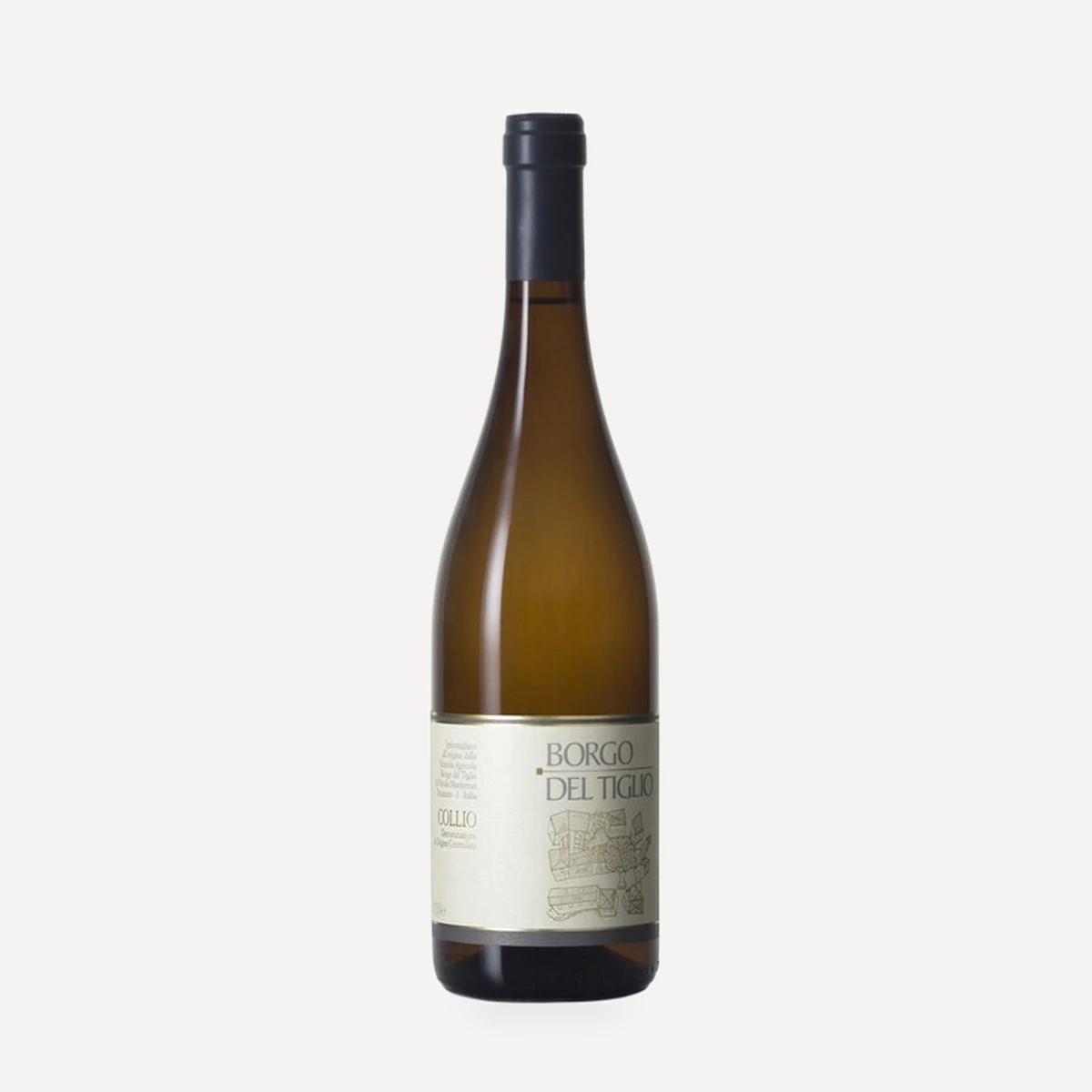
Collio Bianco
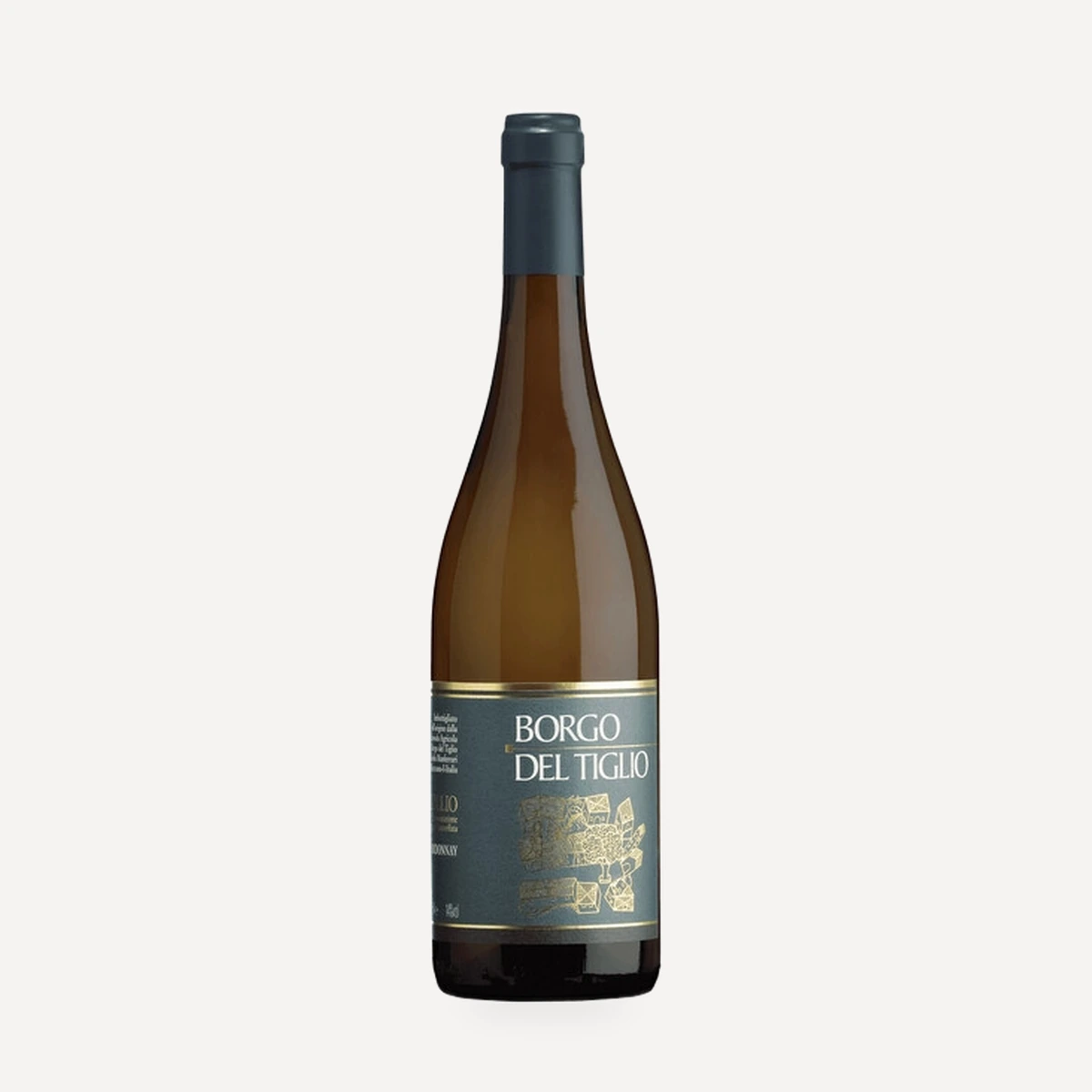
Collio Chardonnay Selezione
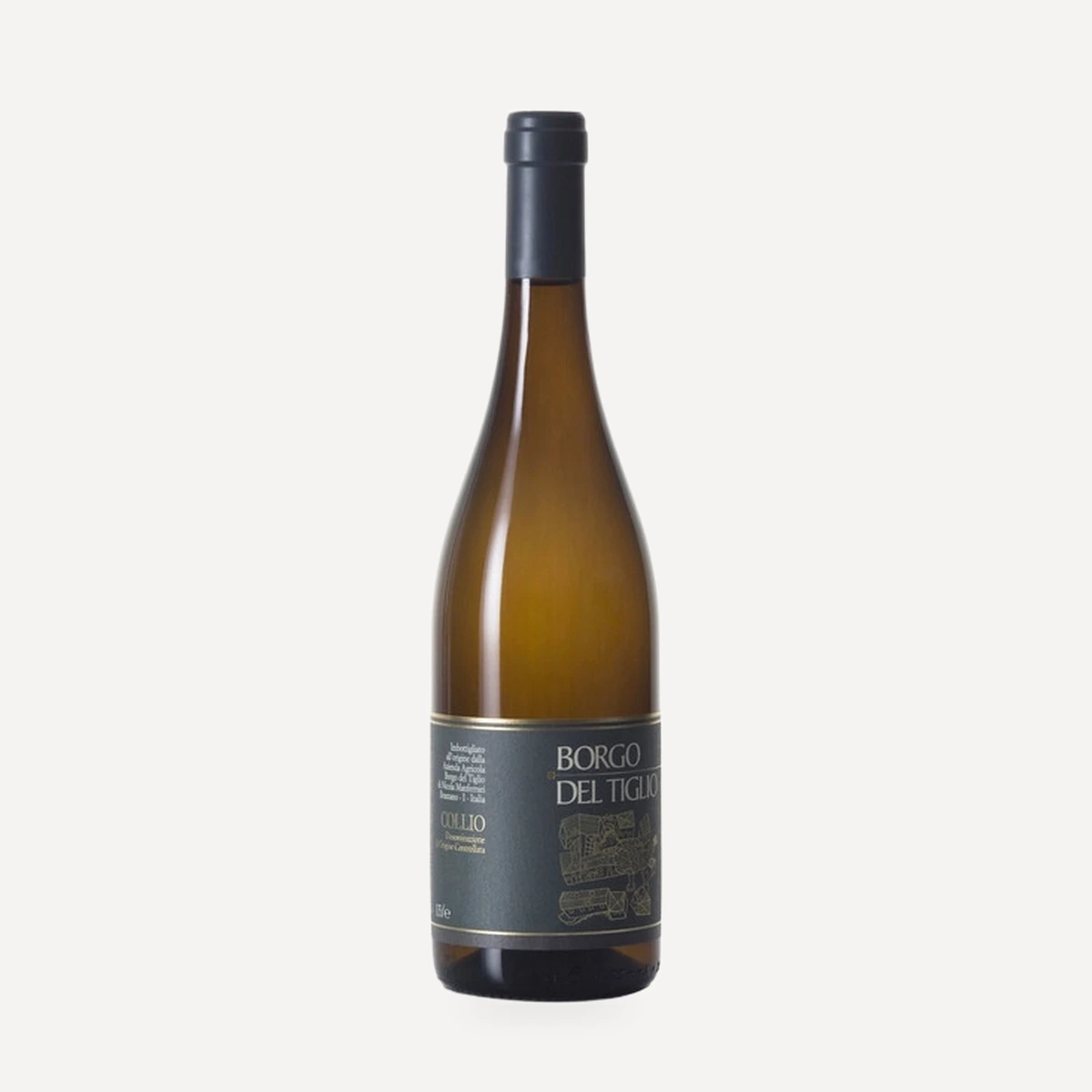
Collio Sauvignon Selezione
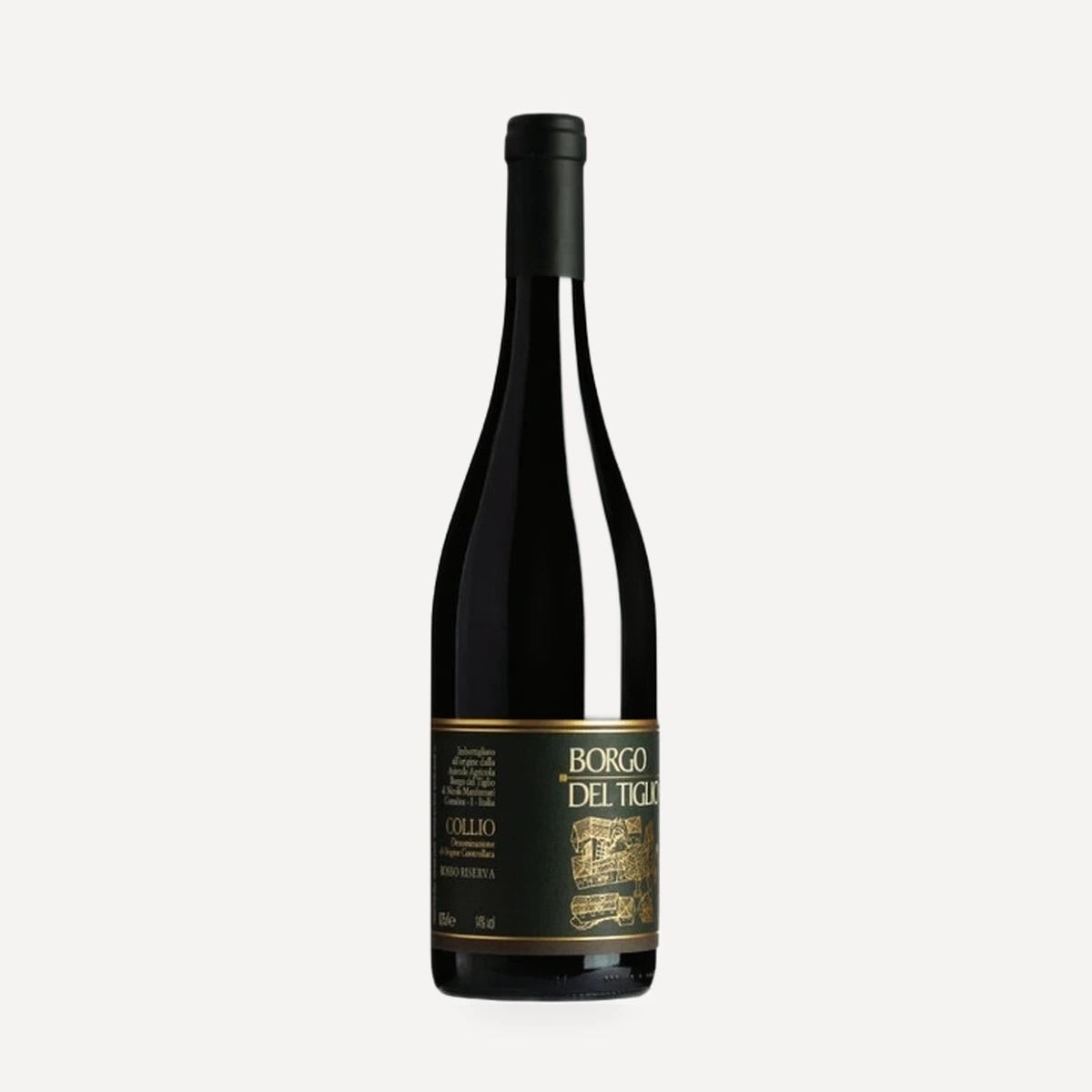
Collio Rosso Riserva
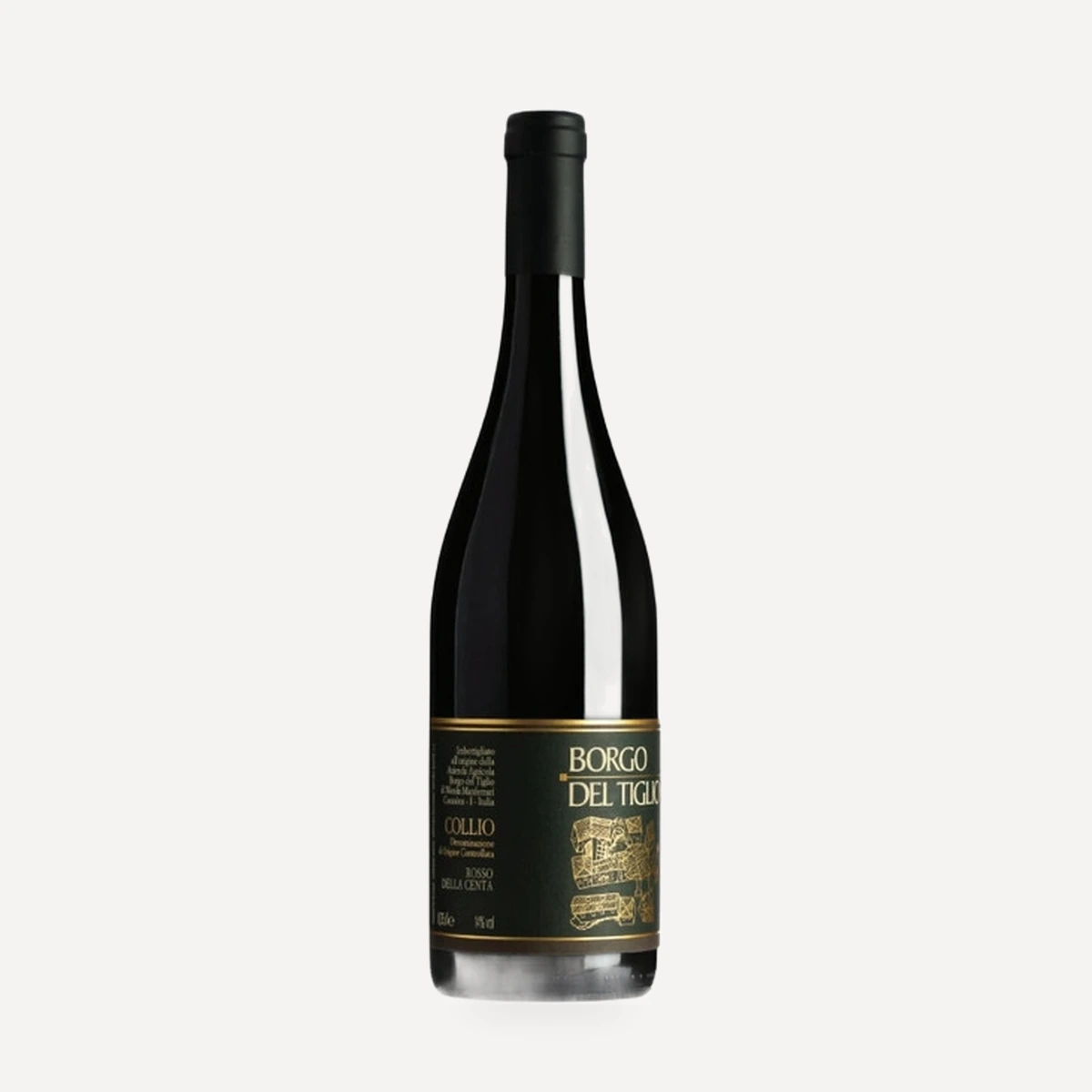
Rosso della Centa
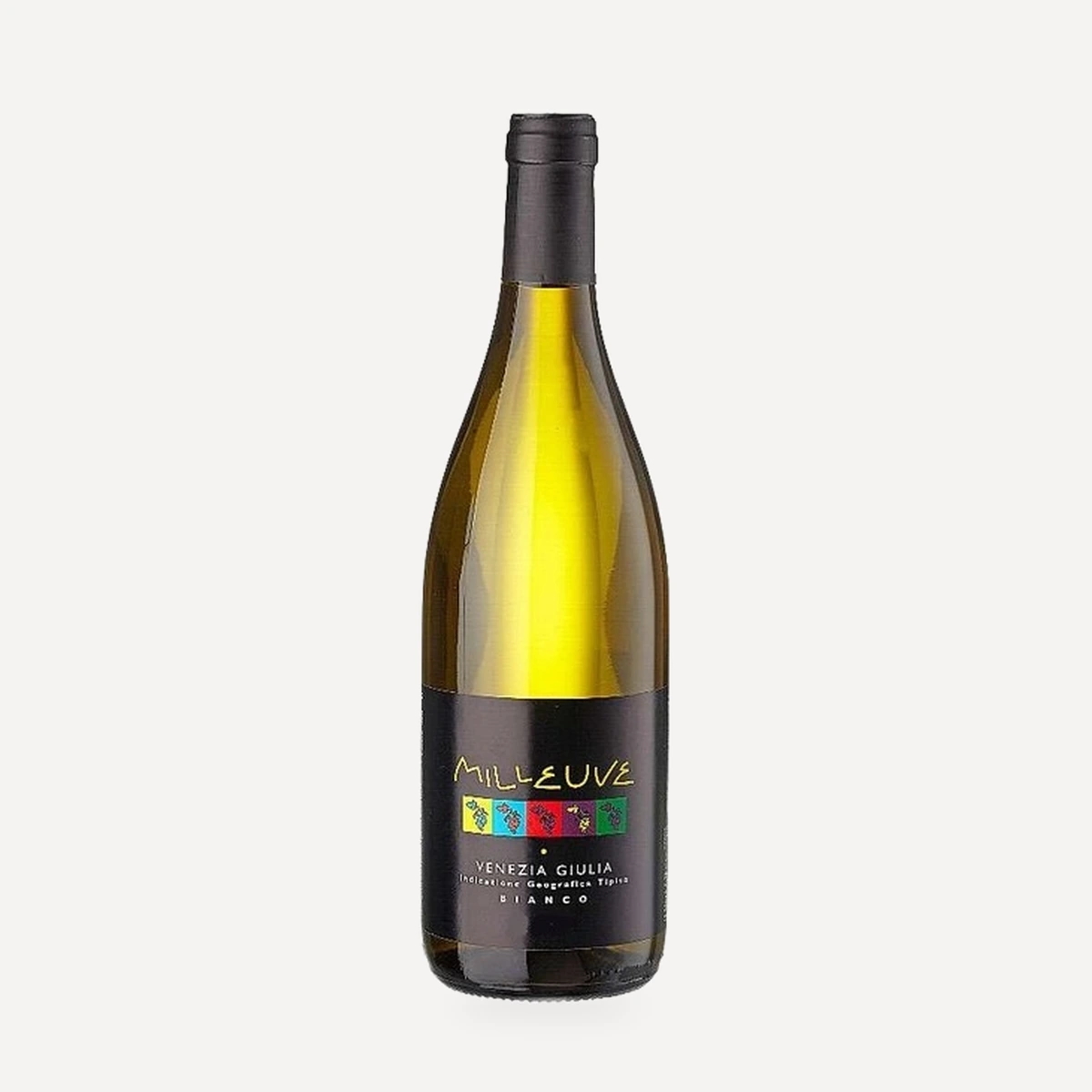
Milleuve
Nereus
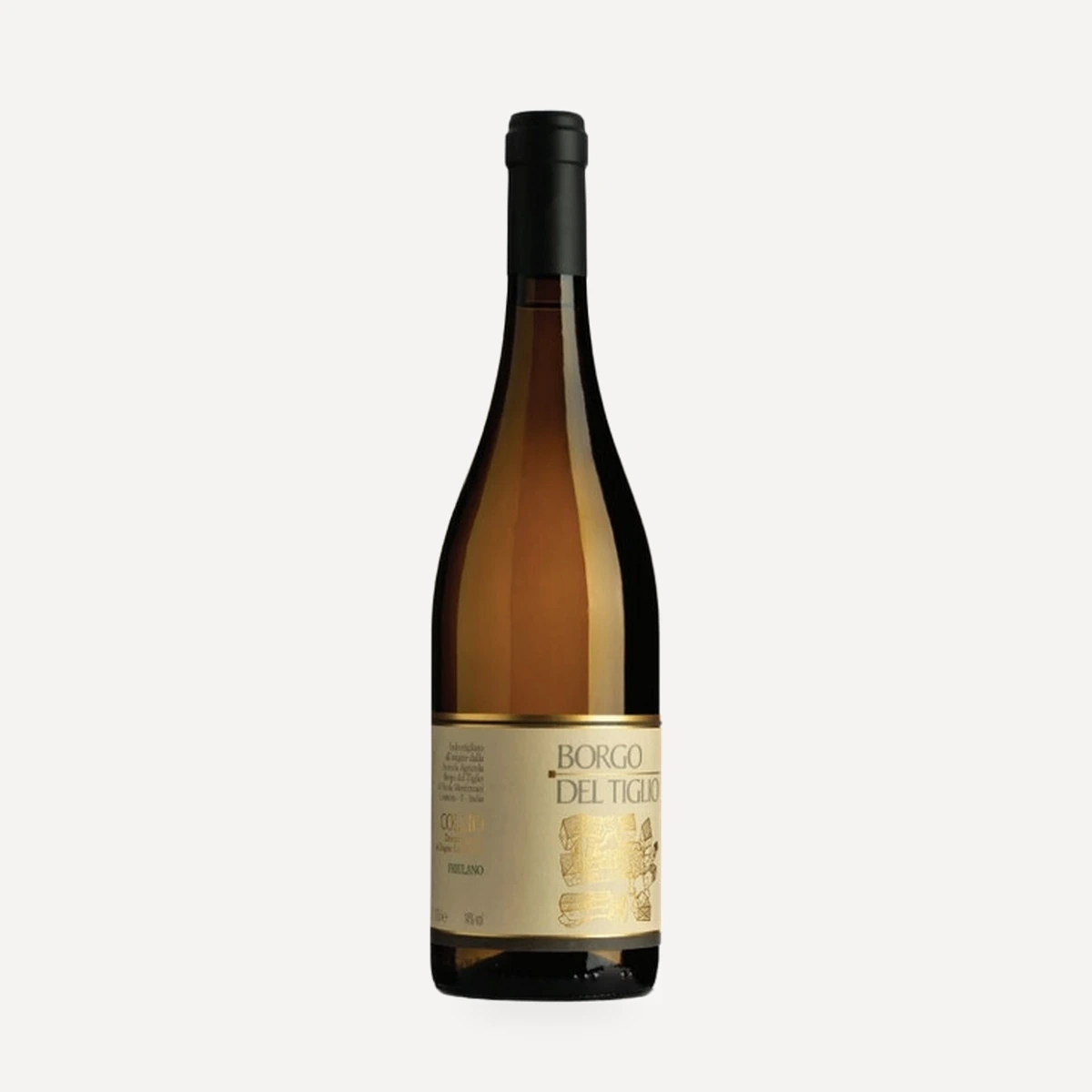
Collio Friulano
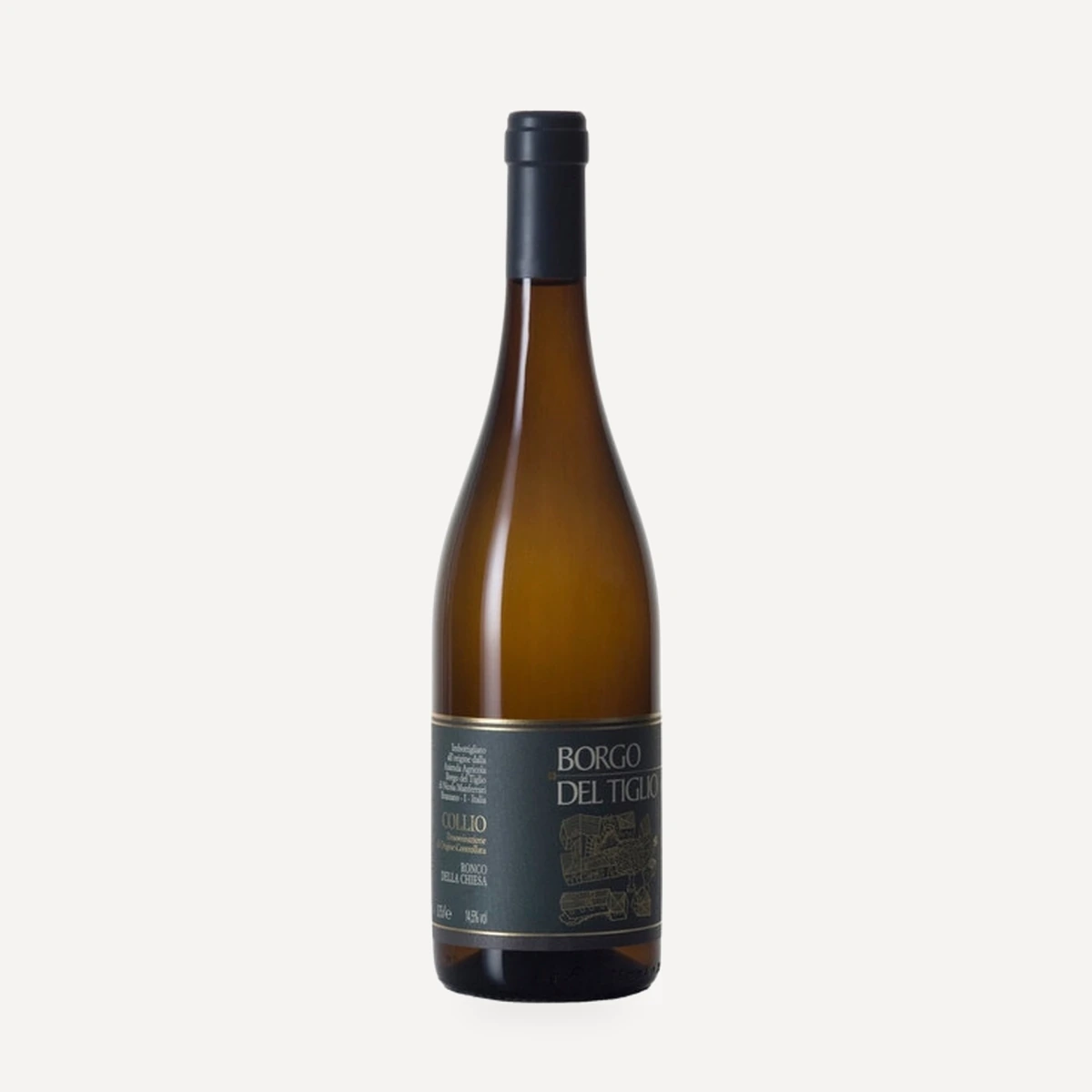
Collio Ronco della Chiesa
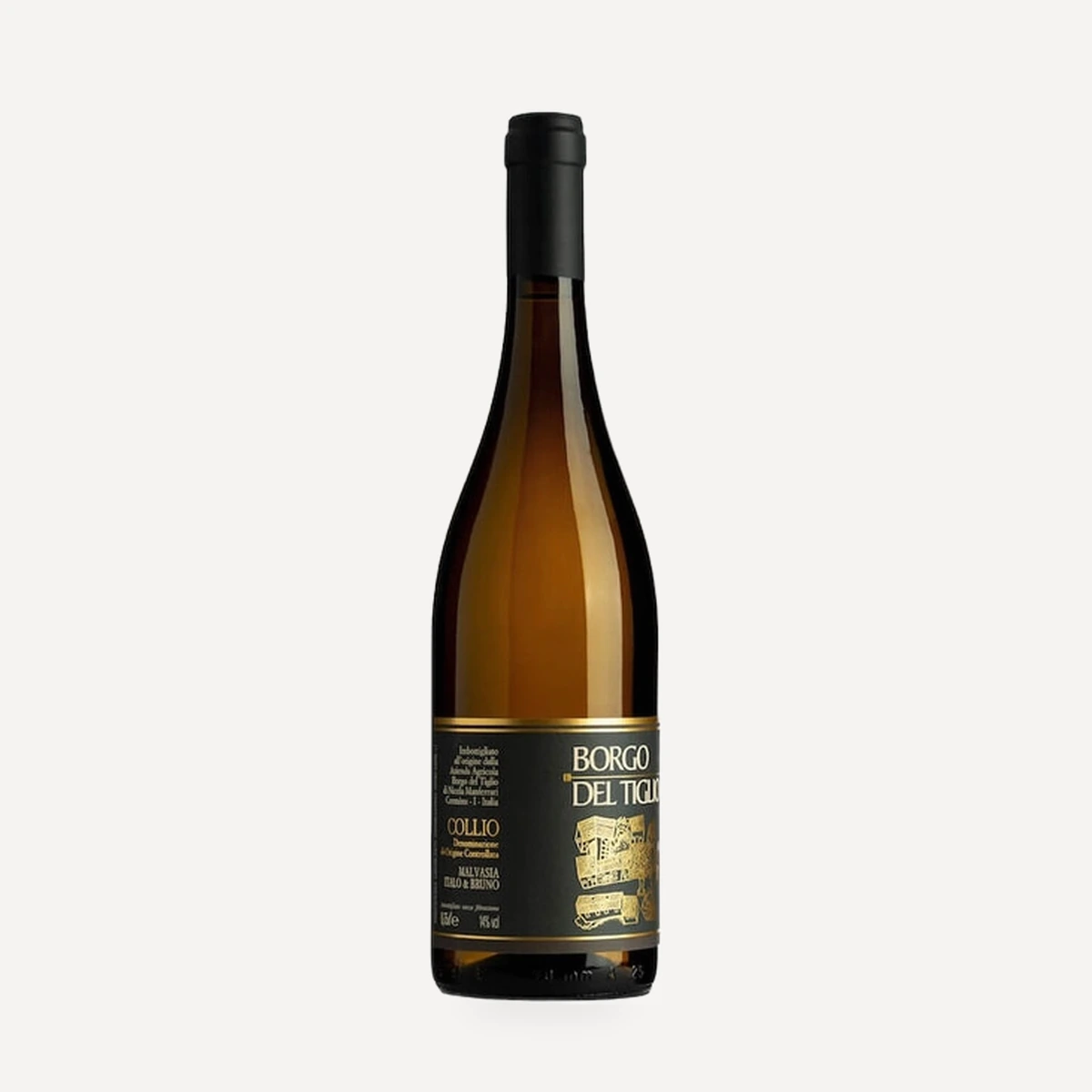
Collio Malvasia Italo & Bruno
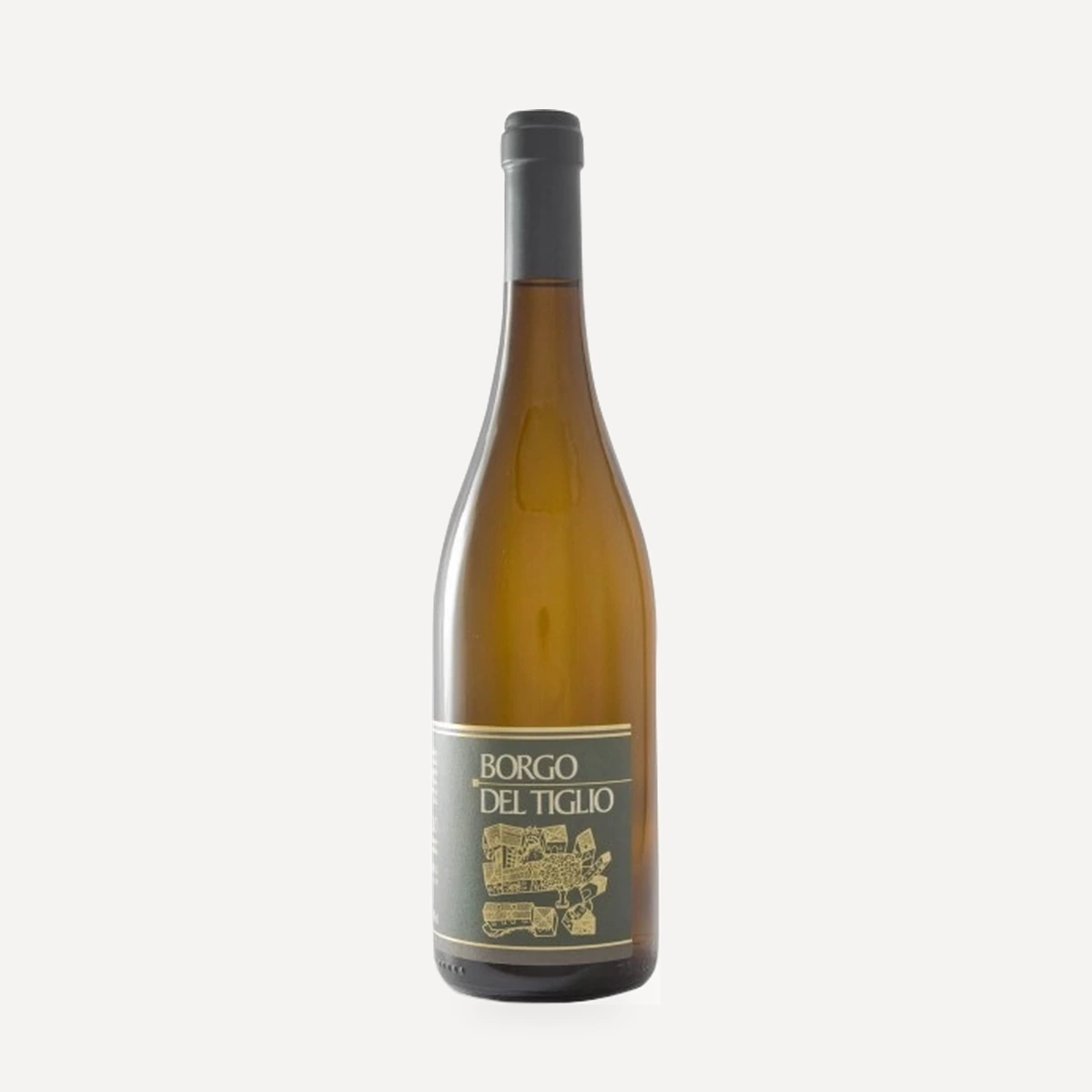
Collio Studio di Bianco
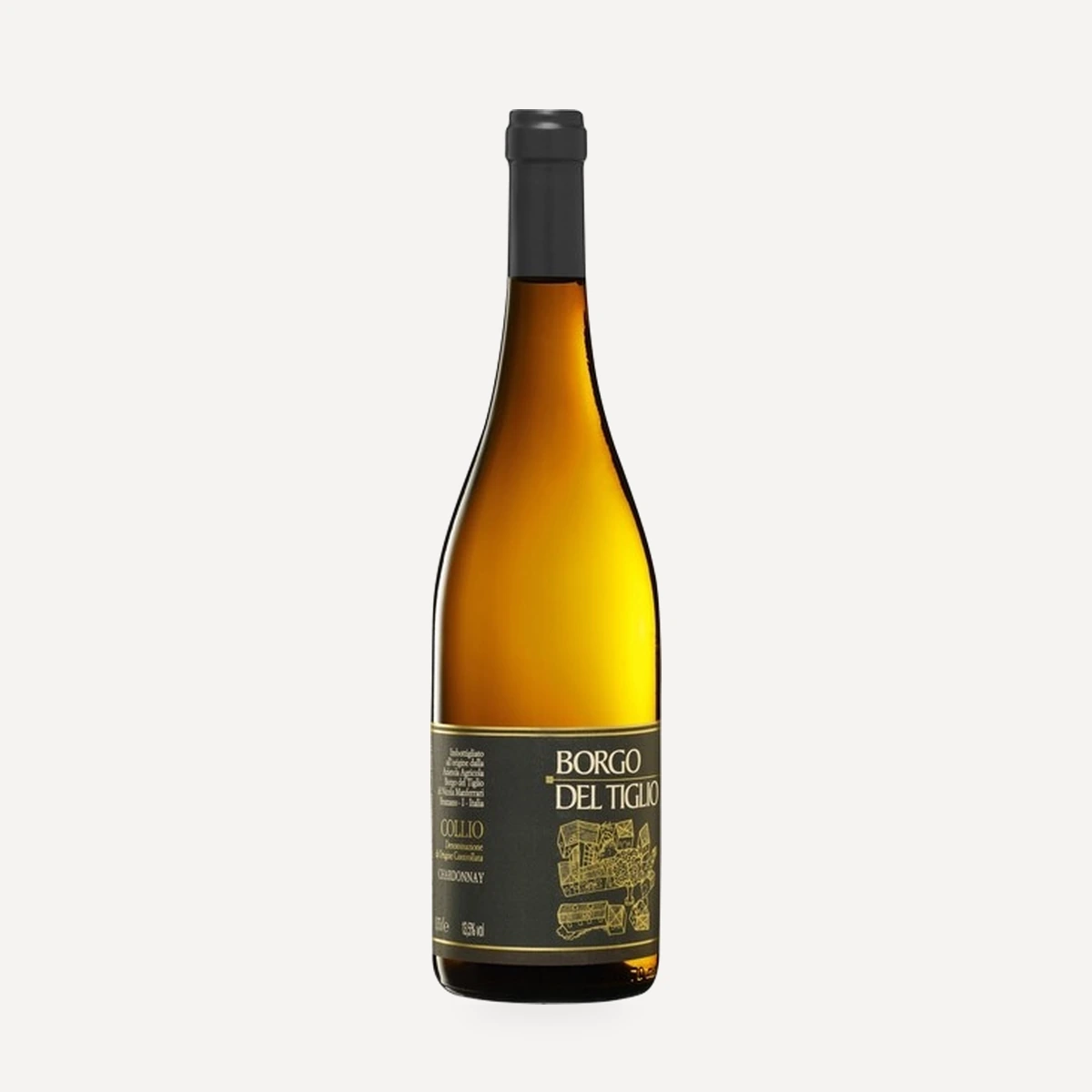
Collio Chardonnay
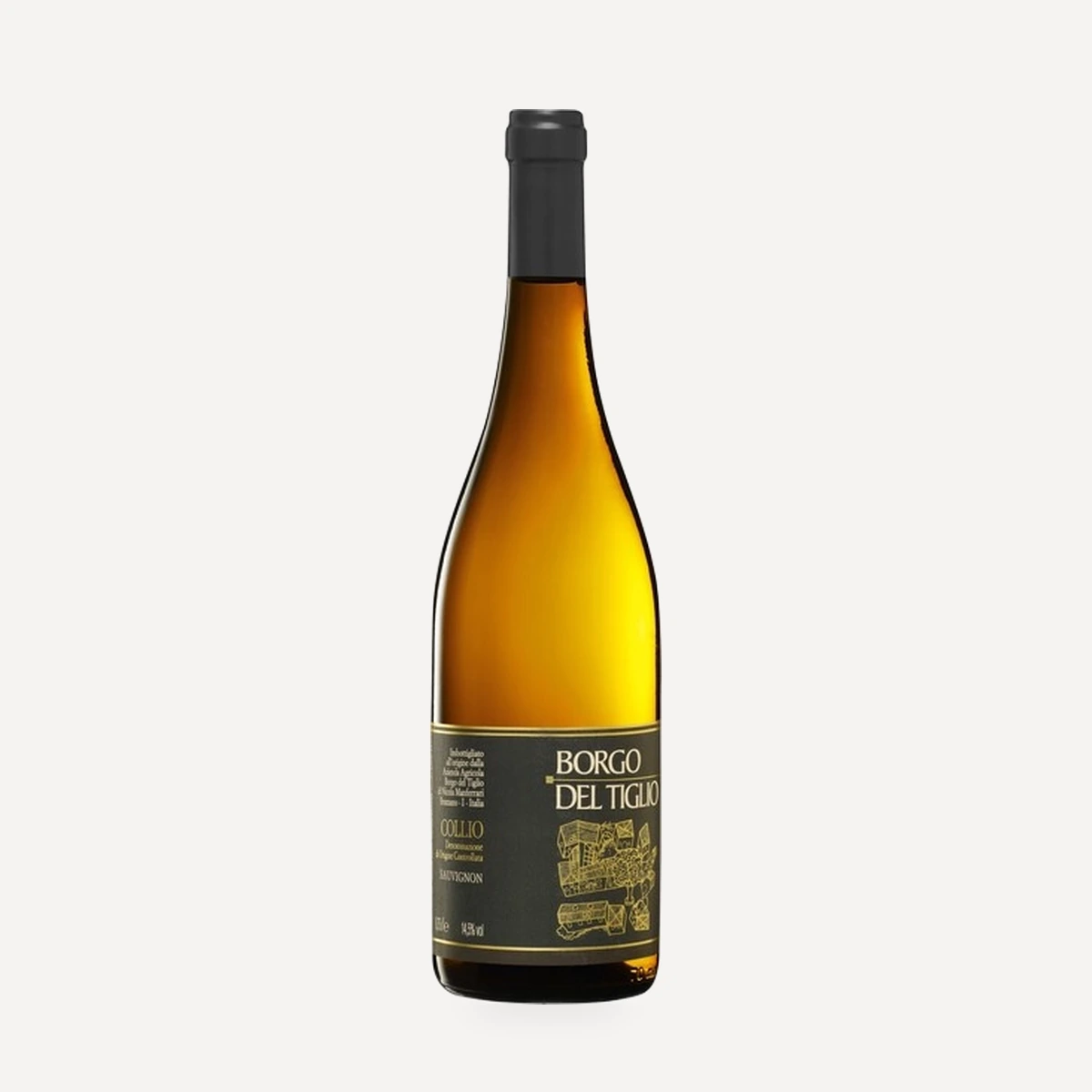
Collio Sauvignon
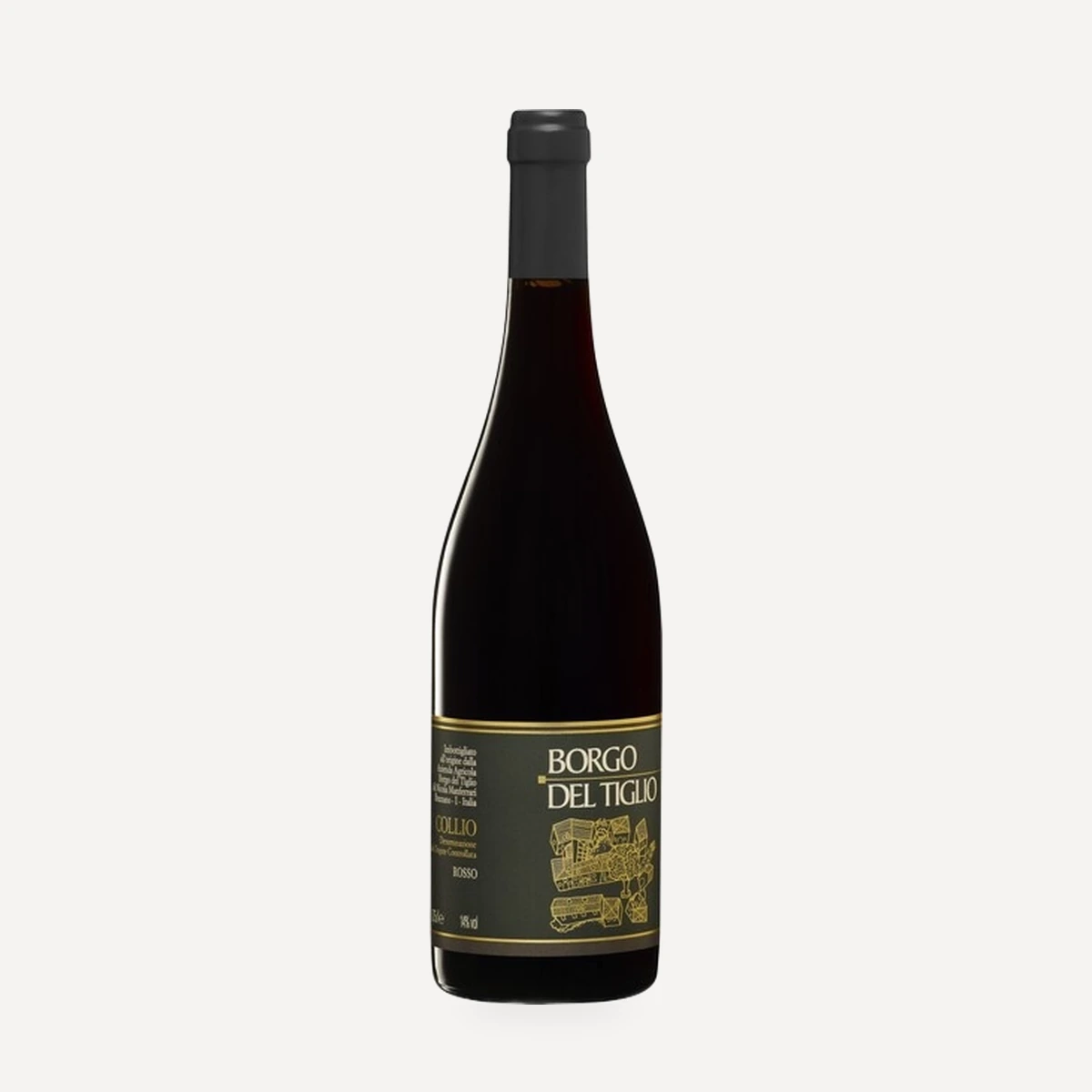
Collio Rosso
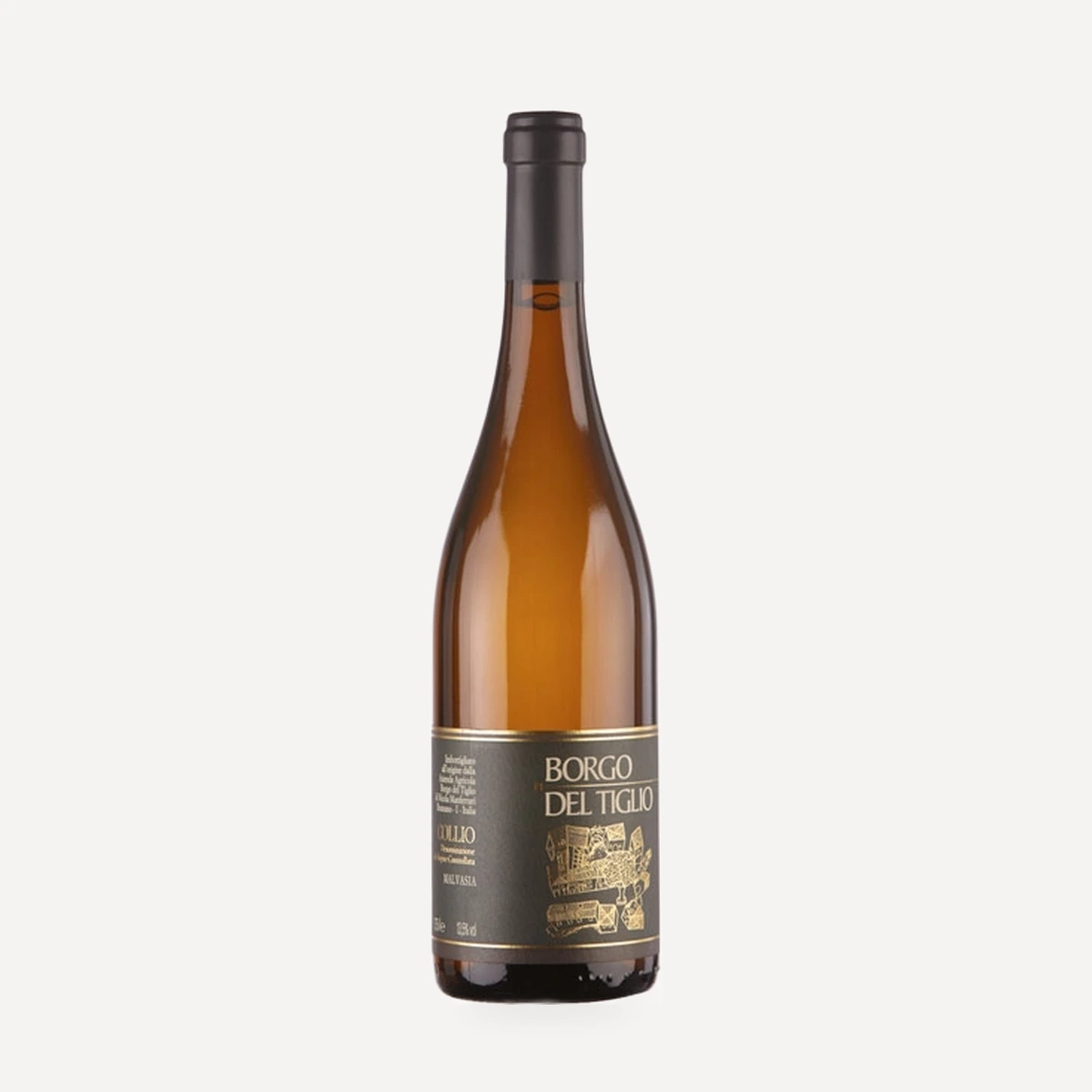
Collio Malvasia