History
Origins in the eighteenth century
The family’s agricultural record reaches back to the cadastral registers of Empress Maria Theresa, which preserve traces of tenant farmers who paid levies in wine to the local De Bresciani barons. The family surname derives from those barons.
The first named ancestor in the winemaking lineage is Giacomo Bressan, born in 1726, who initiated the family’s oenological activity in Farra d’Isonzo. He married Maria during the period between the Peace of Aachen in 1748 and the suppression of the Patriarchate of Aquileia in 1751. Their son, Biagio Bressan, was born on 5 January 1756 and died on 3 February 1824.
Biagio married Perressin Maddalena. Their son Michele Bressan, born on 24 January 1780, pushed the family activity toward greater specialisation in wine production. Michele died prematurely on 28 October 1807, leaving his wife, Caterina Trevisan of Bruma—now Mercaduzzo, outside the walls of Gradisca—widowed and five months pregnant.
A posthumous heir and the first private sales
The child born after Michele’s death received his father’s name: Michele Bressan, born on 9 February 1808. His childhood coincided with the end of Napoleonic rule and the return of Farra d’Isonzo and Friuli to Austrian government in 1813, subsequently confirmed by the Congress of Vienna in 1815.
Despite growing up without his father, Michele began the family’s first private wine sales. On 28 November 1827 he married Simsig Maddalena, whose assistance accompanied his continued pursuit of higher-quality production.
On 20 February 1850, after loading wine barrels onto a cart for delivery, Michele fell beneath the wheels while handling the draught horses and was killed. His son Domenico Bressan, born on 28 August 1838, was left fatherless at the age of twelve.
Domenico Bressan and the nineteenth-century continuation
Domenico carried on the business despite his age and further refined the family’s cultivation techniques. He worked through a politically divided period in Friuli: Farra remained under Habsburg rule during the upheavals of 1848 and after the 1866 armistice between Italy and Austria, while the Peace of Vienna transferred Veneto and western Friuli to Italy.
In 1864 Domenico, known to his friends as “Menj,” married Maria Lorenzon. Their son Antonio Bressan was born on 24 August 1869. Domenico died on 9 June 1915.
Antonio Bressan, war and expansion
Antonio married Maria Luigia Sandrin on 28 November 1896. In 1915, the First World War reached Farra d’Isonzo directly, with numerous battles fought in its vicinity. Antonio was sent to the front in Austrian uniform. The conflict devastated both the local population and its cultivated land.
Antonio subsequently led the family’s recovery from personal losses and wartime destruction. He also enlarged the property substantially by acquiring parts of the former holdings of the Counts Zuppini, a noble family from Gradisca established at Farra d’Isonzo since 1665. The district took their name, and their former farm remains the headquarters of the Bressan estate.
Antonio died in March 1944. His land was divided among his seven children: Maria, Antonio, Angelica, Caterina, Emilia, Luigi and Valeria. This fragmentation made further development difficult for Luigi Bressan, born on 18 November 1904, and Luigi’s wife, Maria Giuseppina Pecorari.
Nereo Bressan and the rebuilding of the estate
Luigi and Maria Giuseppina’s son, Nereo G. Bressan, was born on 26 July 1932. His childhood during the Second World War was marked by privation. He later played the central role in relaunching and further specialising the family’s wine production.
Nereo married Paolina F. Spessot on 2 December 1961. She was a niece of Monsignor Francesco Spessot, a glottologist and historian who published studies of Friuli and its traditions. During the postwar reconstruction, when many farmers were leaving the countryside for factory employment, Nereo and Paolina invested the proceeds of years of work in carefully selected vineyard parcels. Their purchases included land that had belonged to Nereo’s grandfather, allowing them to reassemble properties on which Antonio Bressan had worked.
After establishing a secure land base, Nereo undertook the demanding clearance and preparation required before planting vineyards. This work formed the foundation of the modern estate. Nereo remained active in the vineyards into his nineties.
Fulvio, Jelena and the ninth generation
Fulvio Luca Bressan was born on 3 August 1964. After university, he combined his attachment to the countryside and viticulture with international promotion of the family estate. During one of his journeys he met Jelena Misina, born on 27 October 1976. She joined him after completing her university studies, and they married on 27 August 2000.
Fulvio and Jelena represent the ninth generation identified in the family chronicle as master winemakers, responsible for carrying the family estate and its traditional production principles into international markets. Fulvio was named “Nobleman of Friulian Wines” by Duke Emilio I at Villa Manin during the summer Diet of the Duchy of Friulian Wines.
Emanuele Bressan was born on 27 May 2001, extending the documented family line into another generation.
Terroir
Location and geographic influences
The vineyards occupy the transition where the slopes of the Collio descend toward the Isonzo River Valley. The Julian Alps form a natural barrier against cold northern winds. To the south, the Isonzo flows toward the Adriatic Sea, approximately 18 km away, creating a corridor for warmer maritime air. These influences moderate the coldest winter and spring conditions and allow the growing cycle to begin several days earlier than in vineyards farther from the river.
The estate’s holdings extend across Farra d’Isonzo and the hamlet of Corona within Mariano del Friuli. The vineyards are divided among several separately registered blocks.
Alluvial highland at Farra d’Isonzo
The Farra vineyards stand on a broad gravel highland approximately 18–20 m above the lower, damper land known as the Bassa Friulana. The plateau originated with the Alpine glacier that descended from the mountains until approximately 20,000 years ago. Flooding and changes in the course of the Isonzo subsequently reshaped the adjacent land.
The upper soil contains approximately 0.6–1 m of Quaternary gravel deposited during the melting of the Alpine glaciers. Beneath it lie clay, sandy marl and loam-rock horizons. The nutrient-poor surface forces vines to root deeply in search of water and nourishment; roots of the oldest vines reach depths of as much as 5 m.
The gravel absorbs solar heat and releases it at night, aiding ripening. Its permeability carries water downward, while the underlying clay and sandy marl retain enough moisture to sustain the vines during dry summer conditions. This structure permits the plants to remain active through the final phase of maturation.
One Farra block associated with the Collio slopes consists of Eocene formations approximately 35–55 million years old, dominated by clay, calcareous schistose loam arranged in leaves and layers, and quartz-feldspar sandstone. Its low organic and nutrient content naturally limits vegetative growth.
Corona soils
The vineyard blocks at Corona have a calcareous mineral base with abundant iron sesquioxides or iron oxides and little organic matter or other available nutrients. The resulting slow vegetative growth and low yields are central features of these parcels.
Climate
Farra d’Isonzo has a Mediterranean-influenced local climate. Spring generally divides into a cold, damp first phase and a milder, frequently rainy second phase. Summers are warm and usually humid until early July, after which they become hotter and substantially drier. The period from approximately 10 September to 20 October is often warm and sunny, providing favourable harvest conditions.
Winemaking
The estate treats wine quality as a result of vineyard work and imposes its own cultivation rules without claiming organic or biodynamic certification. Fulvio Luca Bressan explicitly rejects both labels while maintaining that the family’s internal restrictions are more severe than many certification standards.
Plant material is selected manually through mass selection, with preference for indigenous vines. Cloning and genetically modified organisms are rejected as matters of principle, although individual vineyard records also identify specific historic and registered selections. Propagation and replacement material is selected within the family vineyards to preserve their genetic heritage.
All pruning and shoot removal are manual. Most blocks use unilateral Guyot, generally leaving one cane and 4–5 fruiting buds; the Schioppettino block is recorded with 7–8 buds. Typical estate density approaches 5,000 vines/ha, while individual blocks are recorded principally at 4,630 vines/ha. The standard estate target is approximately 0.8–1 kg of grapes per vine.
From November through March the vines are pruned. Canes are bent and tied in March and April, when defective shoots are also removed. Dead or declining vines are replaced from late April through May. From April until harvest, the soil is ploughed regularly to aerate it and control weeds. Vegetative growth is trimmed roughly every two weeks from June to early September. A late-July green harvest removes clusters until generally only four or five remain on each vine, concentrating the plant’s resources in the retained fruit.
Synthetic chemicals are excluded from personal cultivation of the vineyards. Herbicides, desiccants and pesticides are specifically prohibited. Fertilisation is limited to natural plant material or stable manure, or omitted altogether; several individually documented blocks receive no fertilisation. Irrigation, including emergency irrigation, is forbidden because the family philosophy holds that added water diminishes aromatic concentration and intensity.
Harvest runs principally through September and October, with exact dates chosen from the maturation curve rather than a fixed calendar. Picking is exclusively manual to protect the fruit and ensure that only physiologically mature, healthy grapes enter the cellar. Premature harvesting is rejected. Some varieties are allowed to reach slight overripeness or near-late-harvest maturity; the Pignolo used for the longest élevage may be gathered from late October into early November. Moscato Rosa requires additional care because of coulure, millerandage, poor fruit set and the need to dry slowly on the vine without Botrytis cinerea.
Harvest reception and maceration
Harvest normally begins in September or October once the maturation curve indicates optimal ripeness. Grapes are picked entirely by hand to avoid damaging the fruit. In the cellar they are destemmed and softly pressed.
The must and skins are transferred gently to temperature-controlled stainless-steel fermenters. A cold pre-fermentation maceration extracts naturally occurring components from the skins, accompanied by manual cap plunging. Individual lots may also receive délestage. Alcoholic fermentation follows, usually lasting about one week in the estate’s general cellar sequence, after which maceration continues. The combined maceration and primary-fermentation stage lasts approximately four weeks in the general process.
Fermentation relies on indigenous yeasts naturally present on the grapes; synthetic industrial yeasts are excluded. No sulphur dioxide or other additives are introduced into the must. Biological and chemical flavourings are also prohibited.
Malolactic fermentation and élevage
After approximately four weeks, the wine is separated from the skins and returned to clean vats for malolactic fermentation, transforming malic acid into lactic acid and softening the wine’s structure.
Once alcoholic and malolactic fermentations are complete, the wine moves into oak casks. It remains with its fine lees until bottling. Regular bâtonnage keeps the lees suspended and is intended to develop aromatic complexity and texture.
Wine absorbed by the wood or lost through natural evaporation is replaced twice weekly with the same wine. Glass fermentation bungs permit monitoring of the level while allowing controlled gaseous exchange with the atmosphere. The family avoids indiscriminate wood influence and adjusts time and handling to each wine rather than forcing maturation through technology.
Selection, blending and bottling
Individual casks are tasted frequently. After selection, their contents are brought together in vats for the final blend. The bottling date is determined by repeated tasting rather than a fixed schedule.
The wines are bottled without filtration. Sulphur dioxide may be used only in small quantities at bottling, at levels no higher than those permitted under organic certification. Closures are exclusively natural, single-piece corks, each inspected immediately before use.
Following capsulation, bottles rest in large storage chests, generally holding 500 bottles, in temperature-controlled warehouses for further maturation. Labels are applied manually, and labelling and case packing take place immediately before shipment.
Long-ageing and experimental vessels
The broader cellar programme includes stainless-steel tanks, 225 L French oak barriques and 2,000 L oak casks. The longest-maturing Pignolo lots may remain in large wood for 10–20 years. The Nereo project aged for 20 years in three separate casks made from mulberry, wild cherry and wild pear. Grigio in Grigio emerged from years of experimentation with late-picked Pinot Grigio, skin contact lasting several months and maturation in wild-cherry and wild-pear wood. These projects express the estate’s emphasis on time rather than corrective cellar technology.
Philosophy
Fulvio Luca Bressan presents the estate as an artisan undertaking grounded in family continuity, personally cultivated vineyards and accumulated practical experience. His model is the assured hand of his father and preceding generations working the same vines, rather than a recipe supplied by modern cellar technology.
The vineyard is treated as the primary source of quality and aromatic identity. The family’s task is to preserve the relationship between vine, land and producer through mass selection, low yields, manual work and close observation of natural cycles. Wine is understood as the result of natural transformation: the winemaker follows its development patiently, adapting methods and time to the individual lot instead of accelerating it.
The estate deliberately declines to describe itself as organic or biodynamic. Fulvio argues that labels and formal rules can become matters of fashion, while the family’s responsibility rests in doing what it says: excluding synthetic vineyard chemicals, irrigation, industrial yeast, must additives, flavourings and filtration, and allowing time for fermentation and maturation.
Modern standardisation is rejected because it can obscure the characteristics of the vine, territory and producer. The estate favours methods predating modern industrial technology, but its traditionalism is not presented as simple repetition. Selection, experimentation and exacting work continue within the inherited framework, including unconventional long élevage and the use of different fruitwoods.
Time is central to this philosophy. Wine is compared to a person that requires years to reach adulthood. Wood is not intended to dominate the fruit, and technology is not considered a substitute for maturation. Frequent tasting and the experience of the master winemaker determine when a wine is ready for blending and bottling.
Family is the other foundation of the estate’s outlook: knowledge, land and responsibility are transmitted from one generation to the next. Fulvio characterises his position as that of an idealist working in an increasingly rare cultural space where old practices can still be understood rather than merely imitated.
Wines
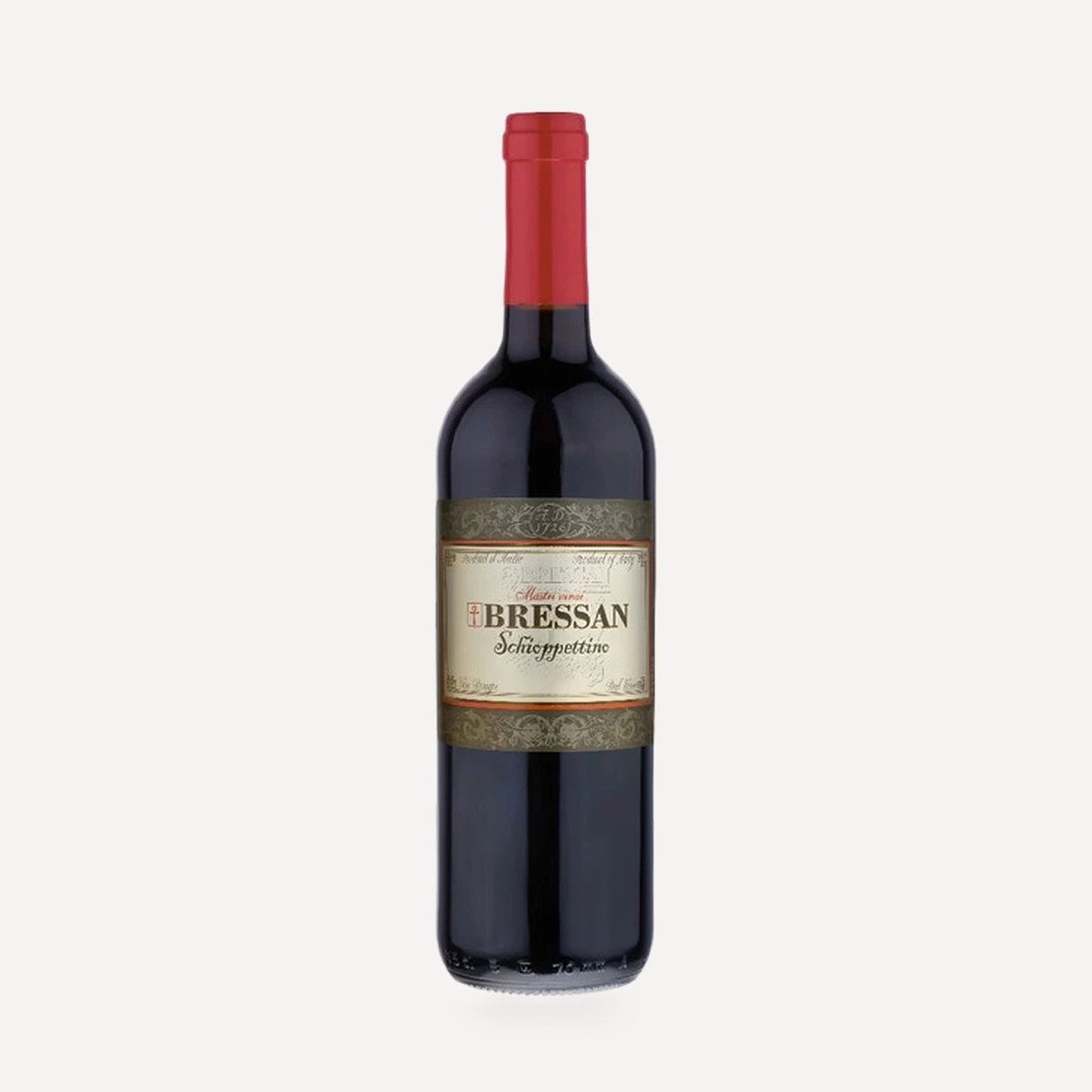
Schioppettino
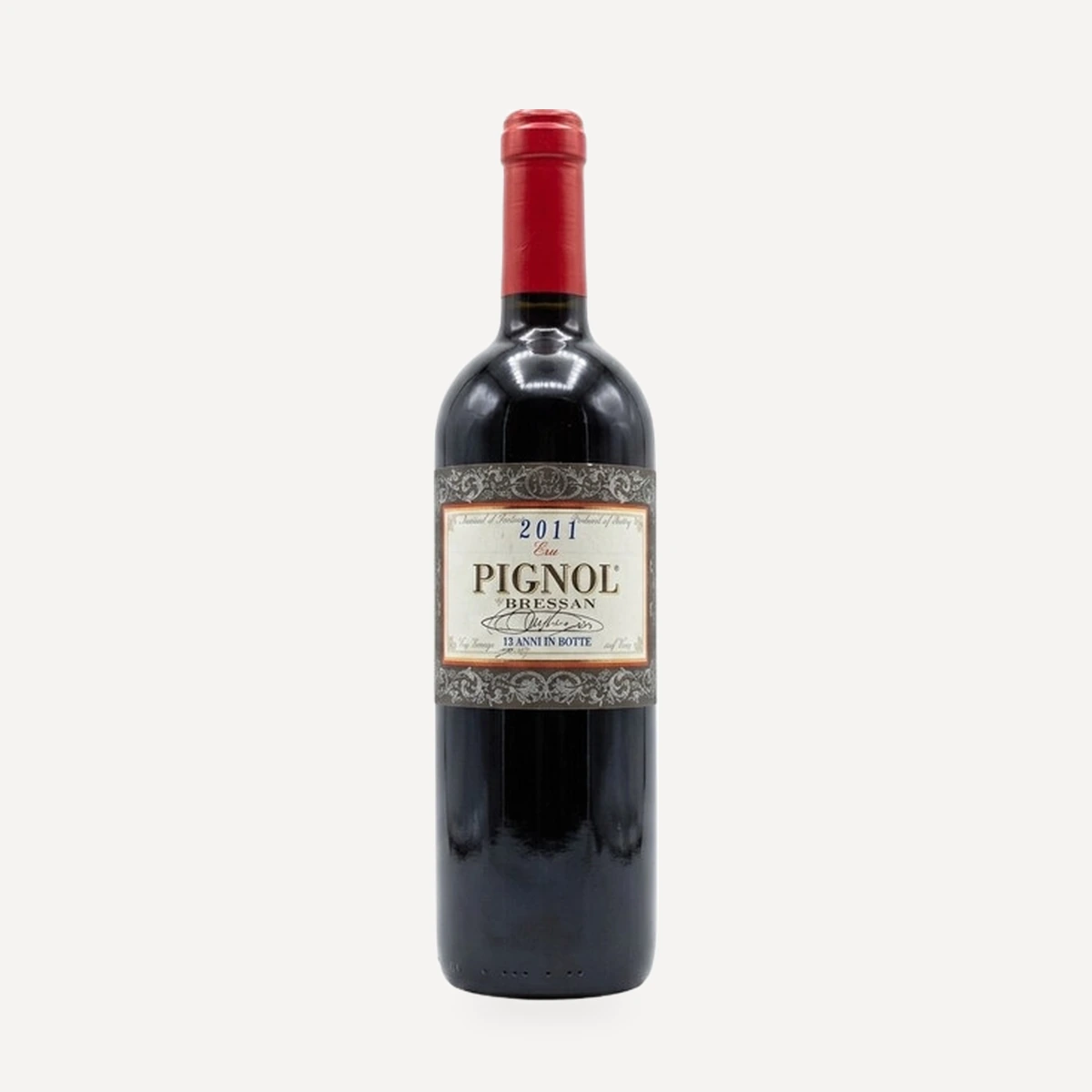
Pignol
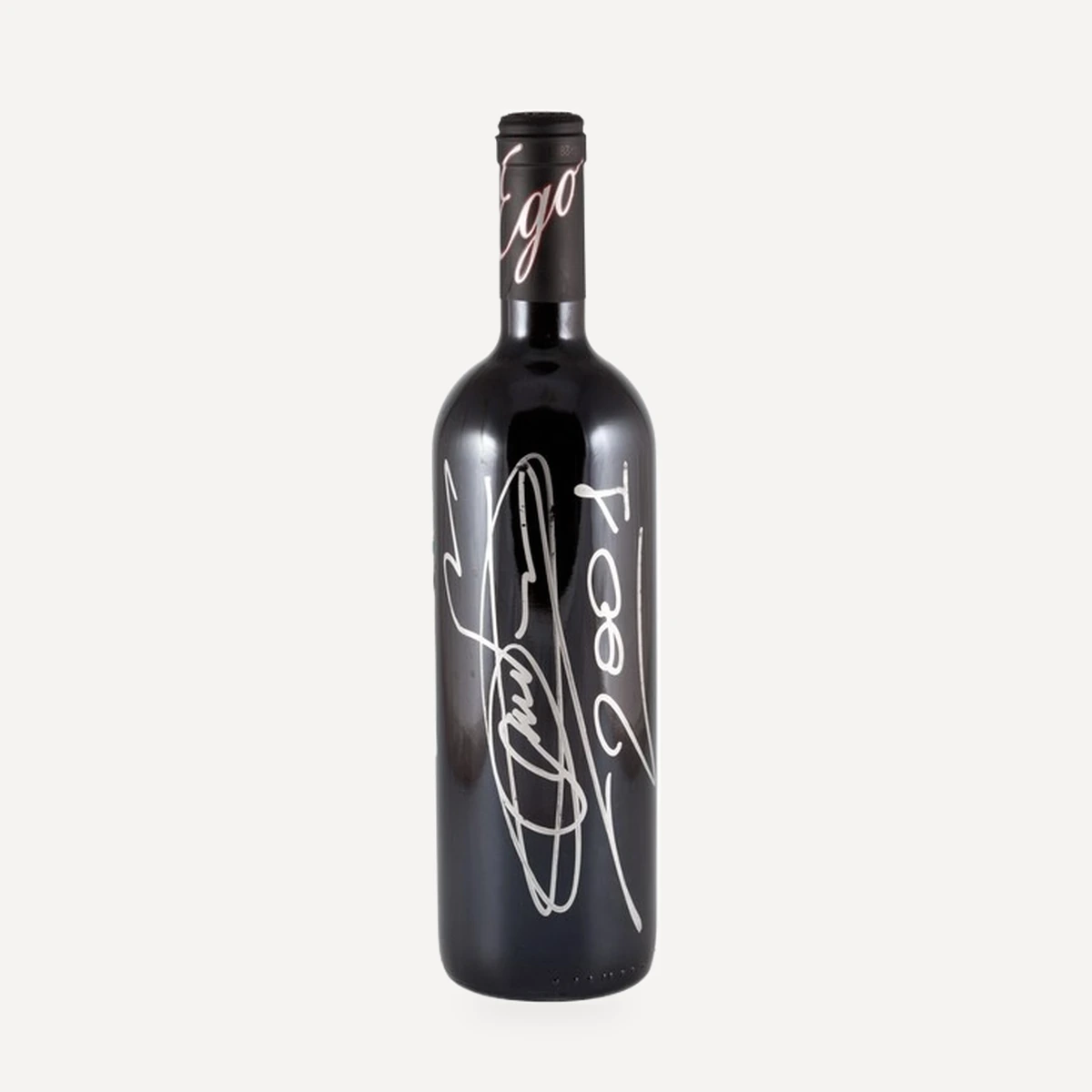
Ego
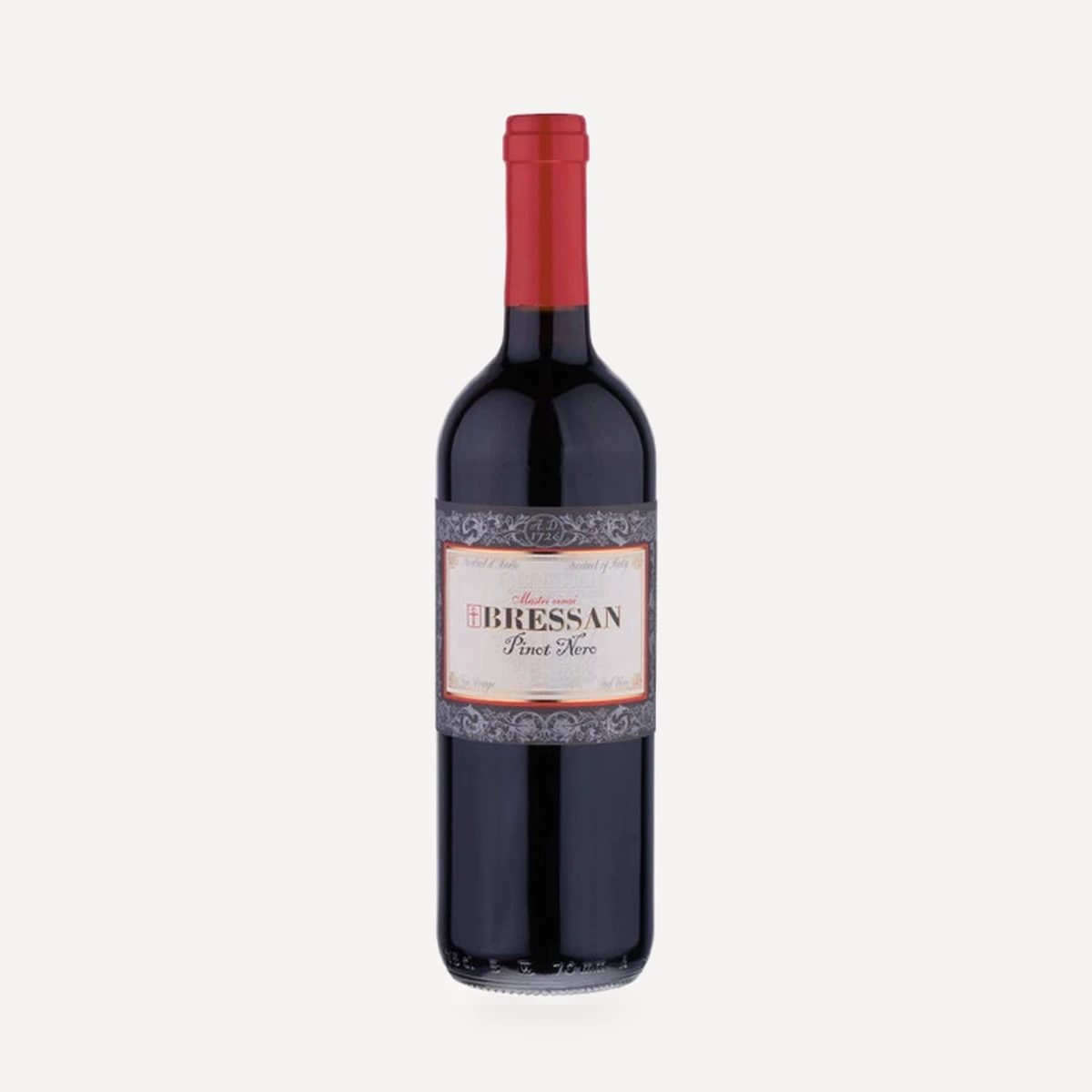
Pinot Nero
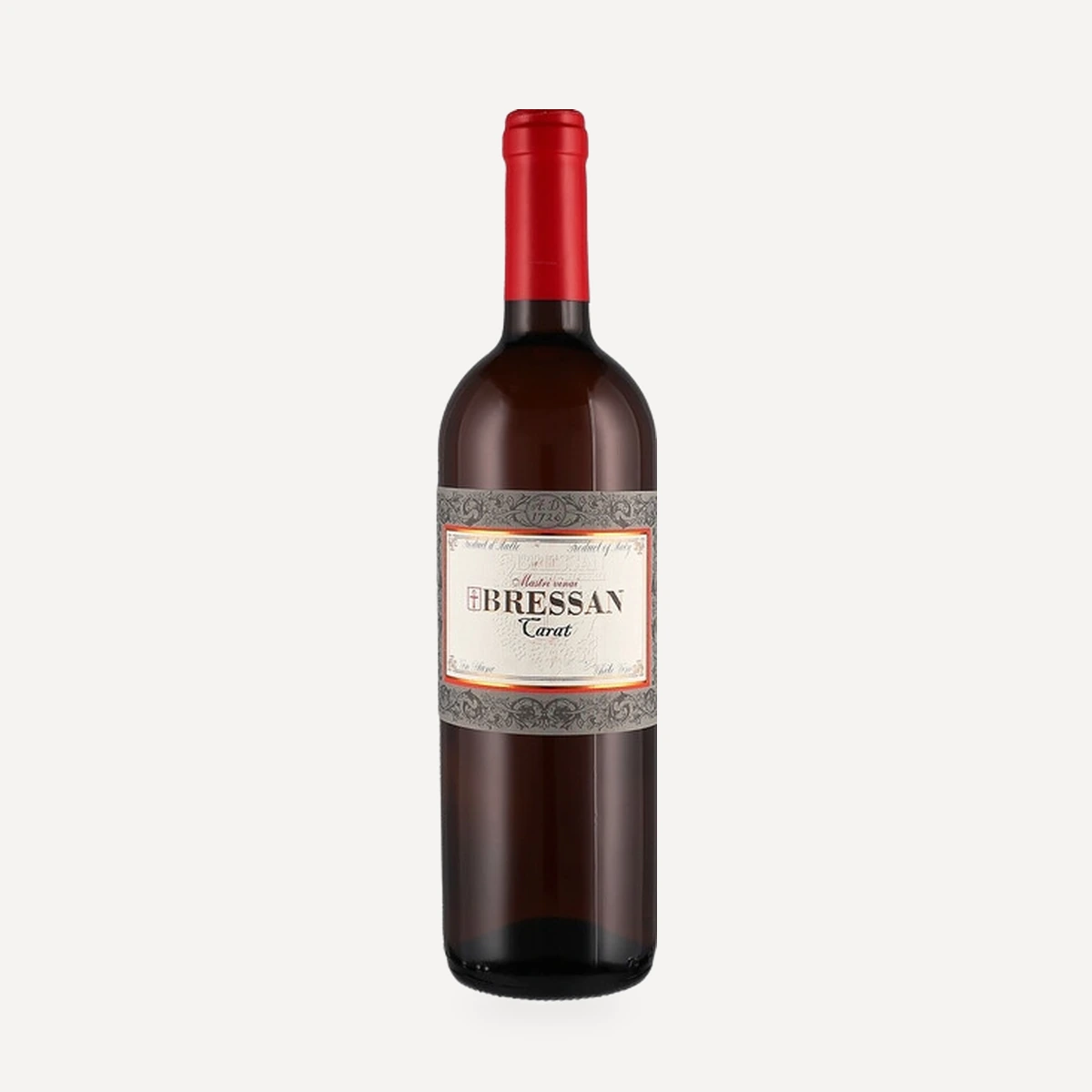
Karat Venezia Giulia IGT