History
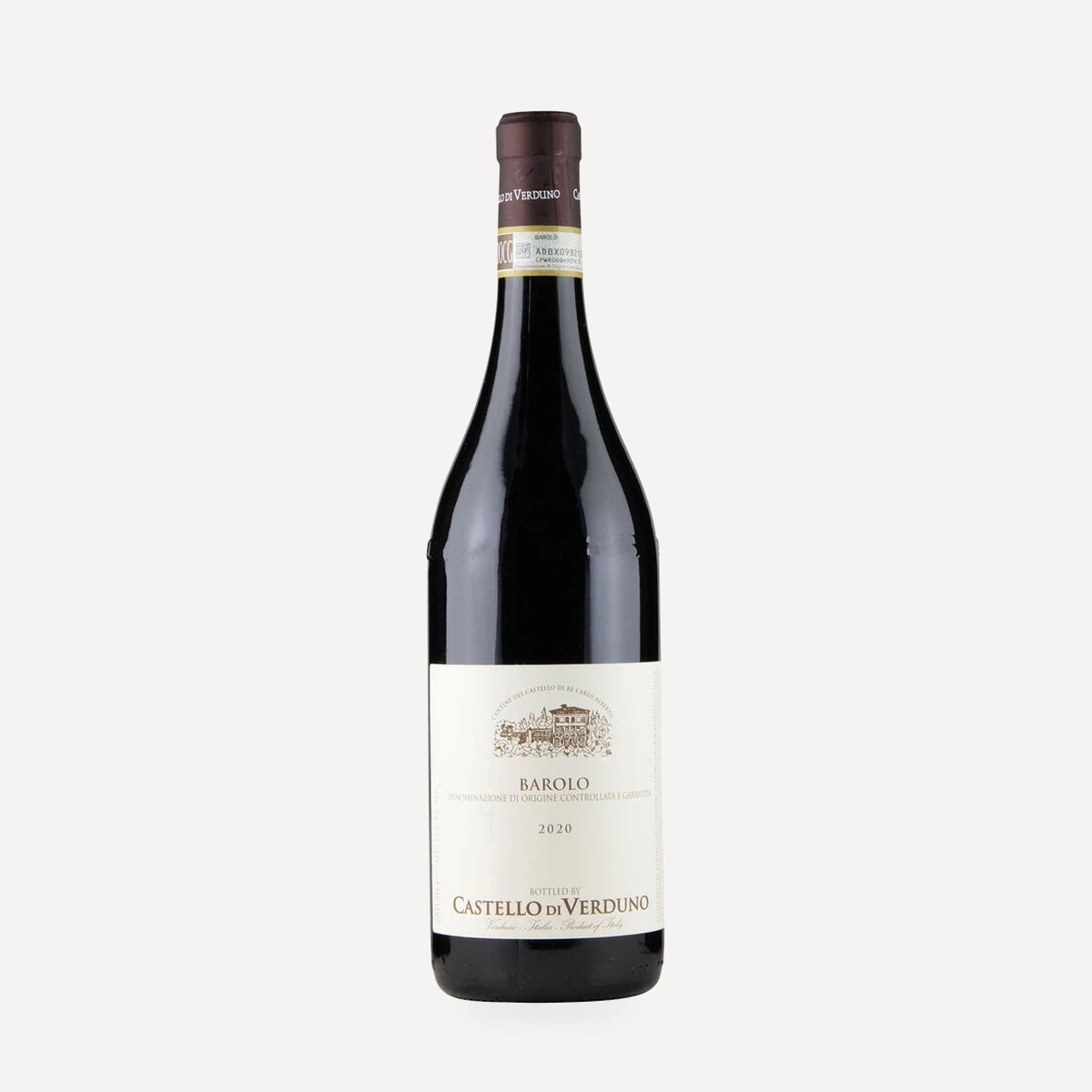
Castello di Verduno is a family-owned estate in Piedmont’s Langhe, with vineyards and cellars divided between Verduno in the Barolo zone and Barbaresco. The union of the Burlotto family’s property in Verduno and the Bianco family’s vineyards and winery in Barbaresco gives the estate a presence in both denominations. Its principal varieties are Nebbiolo, Pelaverga Piccolo, Barbera and Dolcetto.
History
Construction of the present castle began with the Cerrato family at the beginning of the sixteenth century. In 1585, Benedetto Cerrato transferred the entire fief to Senator Bernardino Scozia. Verduno came under the jurisdiction of the House of Savoy through the Treaty of Cherasco in 1631, and the Rachis family of Racconigi bought the castle from the Scozia family in 1633.
Maurizio Rachis sold the property in 1737 to Carlo Luigi Caisotti, Count of Santa Vittoria and, from 1739, Marquis of Verduno. Caisotti commissioned the reconstruction of part of the castle to a design by the architect Filippo Juvarra. In 1799, Carlo Giuseppe Caisotti bequeathed his Verduno properties in equal shares to the San Giovanni and Carità hospitals in Turin.
King Carlo Alberto of Savoy purchased the castle from those institutions in 1838 and entrusted the estate and cellar to General Staglieno, an important nineteenth-century oenologist. Experiments with Nebbiolo conducted there, following a method associated with Giulia Falletti Colbert, formed part of the early technical development of dry Barolo. The castle was also a residence of Prince Oddone, son of Vittorio Emanuele II and Maria Adelaide; during his stays he studied and catalogued fossils found at the nearby Rocche Patarine.
The Burlotto family acquired the castle and its land from the House of Savoy in 1909. After spending fifteen years in Eritrea, Giovanni Battista Burlotto returned to Verduno in 1950 with the idea of combining wine, food and accommodation at the property. In 1953 he converted part of the castle into a hotel and reactivated its cellars for the production of Barolo and Verduno.
A parallel family history had developed in Barbaresco. The Bianco family owned vineyards there by the late nineteenth century, when Battista Bianco decided to vinify and sell wine from the family’s own grapes. The marriage of Gabriella Burlotto and Franco Bianco subsequently brought the Verduno and Barbaresco properties together under the Castello di Verduno name. Gabriella Burlotto and Franco Bianco remain the estate’s senior proprietors, while their daughters Marcella and Giovanna have joined its work. Marcella has assumed an increasing share of day-to-day responsibilities.
Mario Andrion joined the estate in 2000 and has overseen its cellar and winemaking, building on Franco Bianco’s experience while introducing measured technical refinements. His training includes harvest work in Oregon.
Vineyards and farming
The estate’s holdings are split between two distinct landscapes. In Verduno they include Monvigliero and Massara; in Barbaresco they include Rabajà, Rabajà-Bas and Faset. Nebbiolo and Pelaverga Piccolo are grown at Verduno, while the Barbaresco vineyards include Nebbiolo, Barbera and Dolcetto.
Monvigliero occupies an amphitheatre-like, south-facing site whose Marne di Sant’Agata soils contain approximately 55% clay, 30% sand and 15% limestone. The estate replanted its own Monvigliero parcel in 2022. While the young vines develop, its non-Riserva Monvigliero may combine estate fruit with grapes bought from a longstanding grower; the Riserva had been reserved for estate-grown fruit.
Castello di Verduno owns two Rabajà parcels, planted in 1974 and 1990, covering a combined 1.23 hectares. Massara lies south of Monvigliero and is also associated with the Marne di Sant’Agata formation.
The estate played an early role in preserving Pelaverga Piccolo as a varietal wine and established the first vineyard in the production area planted exclusively to the variety. Pelaverga remains central to the identity of the Verduno side of the property.
Viticulture is certified organic. Summer thinning is used where necessary to help vines ripen sound fruit under difficult conditions, and each plant is tended from pruning through harvest with attention to physiological balance and an appropriate crop load. The broader objective is to protect the land while obtaining grapes that retain the identity of their sites.
Cellars and winemaking
Castello di Verduno operates two production centres. Grapes are vinified and the wines mature at the Barbaresco cellar. Bottling takes place at Verduno, after which the wines continue ageing in the castle’s centuries-old cellars before release.
The approach is traditional and deliberately restrained. Harvested bunches are carefully selected, and the grapes are destemmed. Fermentations use indigenous yeasts, with minimal additions of sulphur dioxide. Barolo and Barbaresco undergo long, carefully judged macerations—typically 30 to 40 days—and extended maturation in large Slavonian oak botti. Castello di Verduno was also an early adopter of large casks made by the Austrian cooper Stockinger. Varietal wines are generally matured in stainless steel, although large botti are also used for the vineyard-designated Barbera.
The production team seeks to preserve the character of each grape and its soil rather than impose a uniform cellar style. The wines are held until the estate considers them ready to provide a rewarding expression of their origins. Pomace from Nebbiolo and Pelaverga is distilled separately by the Distilleria del Barbaresco to produce the estate’s grappas.
Philosophy and hospitality
The guiding principle is minimum intervention supported by slow, patient care of the fruit. Tradition is treated as a practical framework rather than a prohibition on change: established Langhe methods are retained while small technical innovations are adopted when they improve precision without obscuring vineyard character. The intended result is wine whose quality and distinctions remain traceable to Verduno or Barbaresco.
The family’s activities extend beyond wine. The castle developed into a hotel and restaurant alongside the winery, while the associated Ca’ del Re agriturismo offers another base for visitors in Verduno. These hospitality projects continue Giovanni Battista Burlotto’s post-war idea of bringing accommodation, local food and the wines of the estate together.
Wines
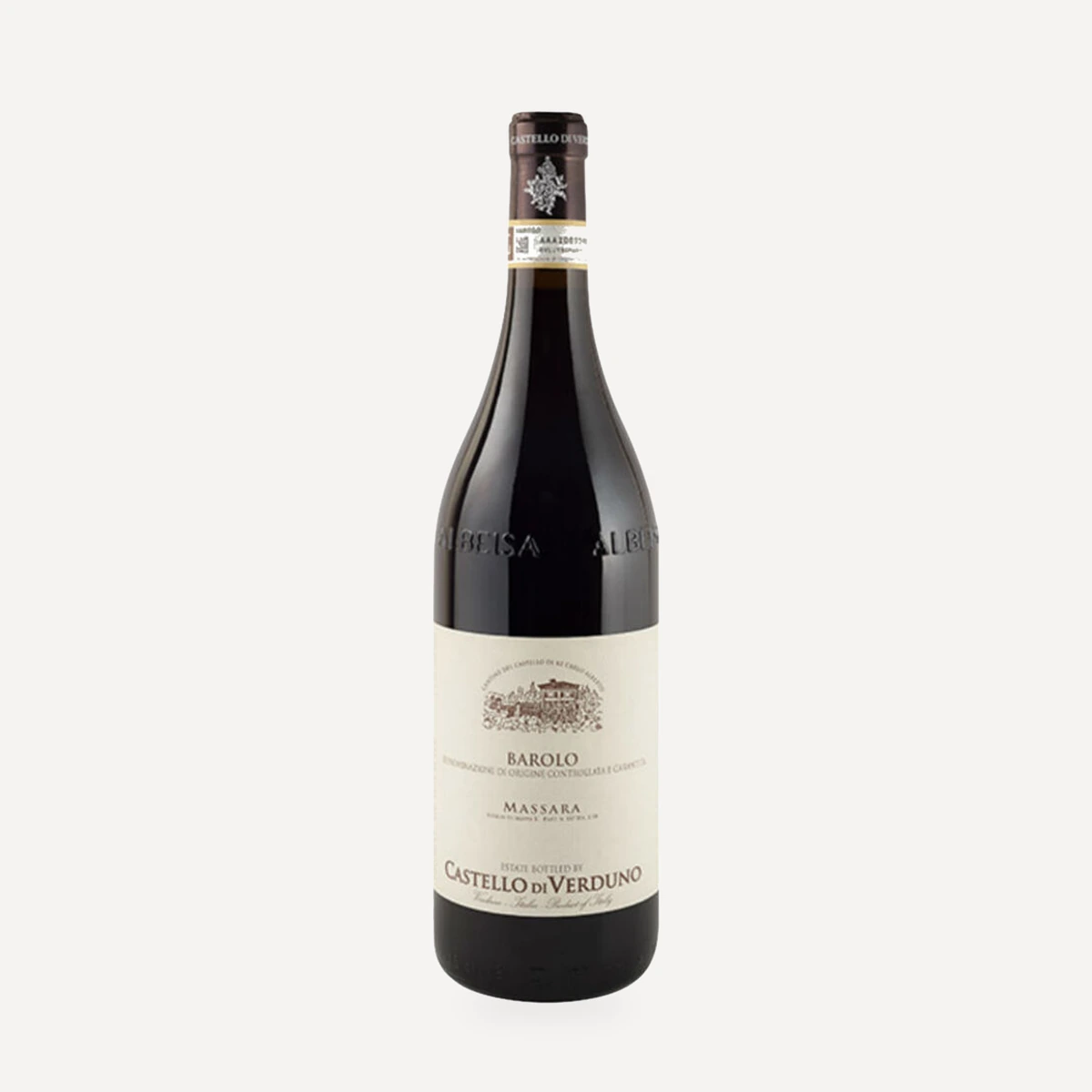
Barolo Massara DOCG
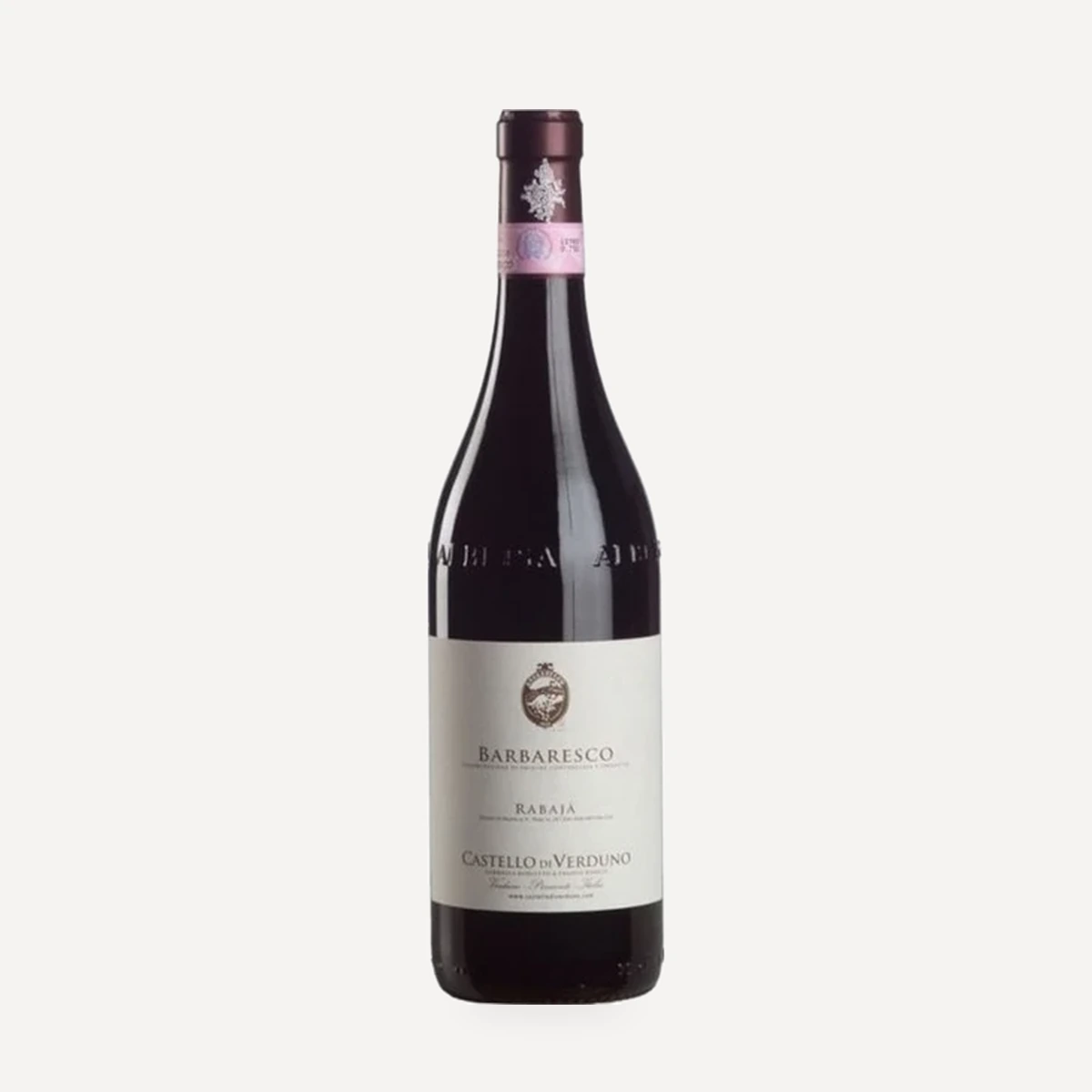
Barbaresco Rabajà DOCG
Langhe Pelaverga Basadone DOC
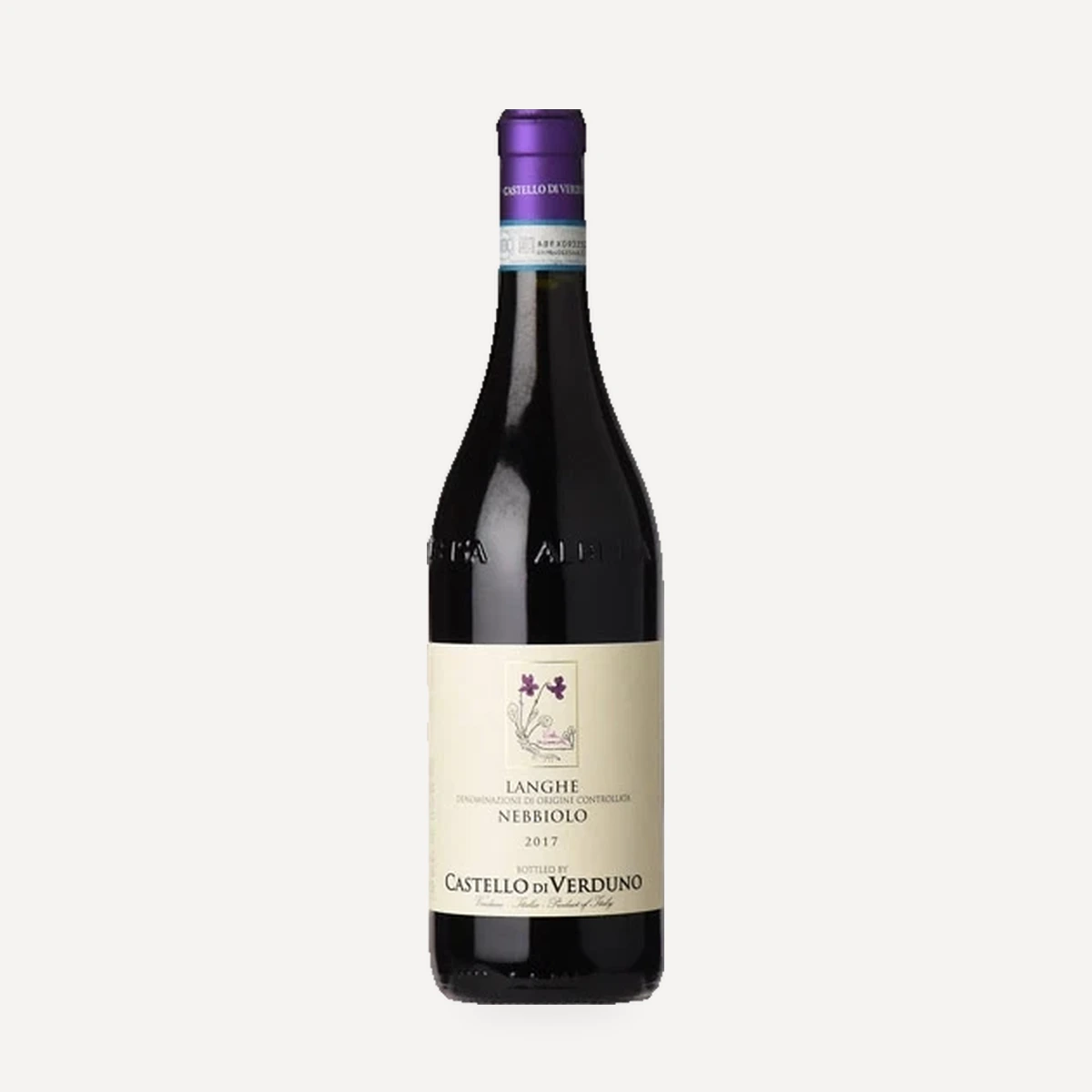
Langhe Nebbiolo DOC
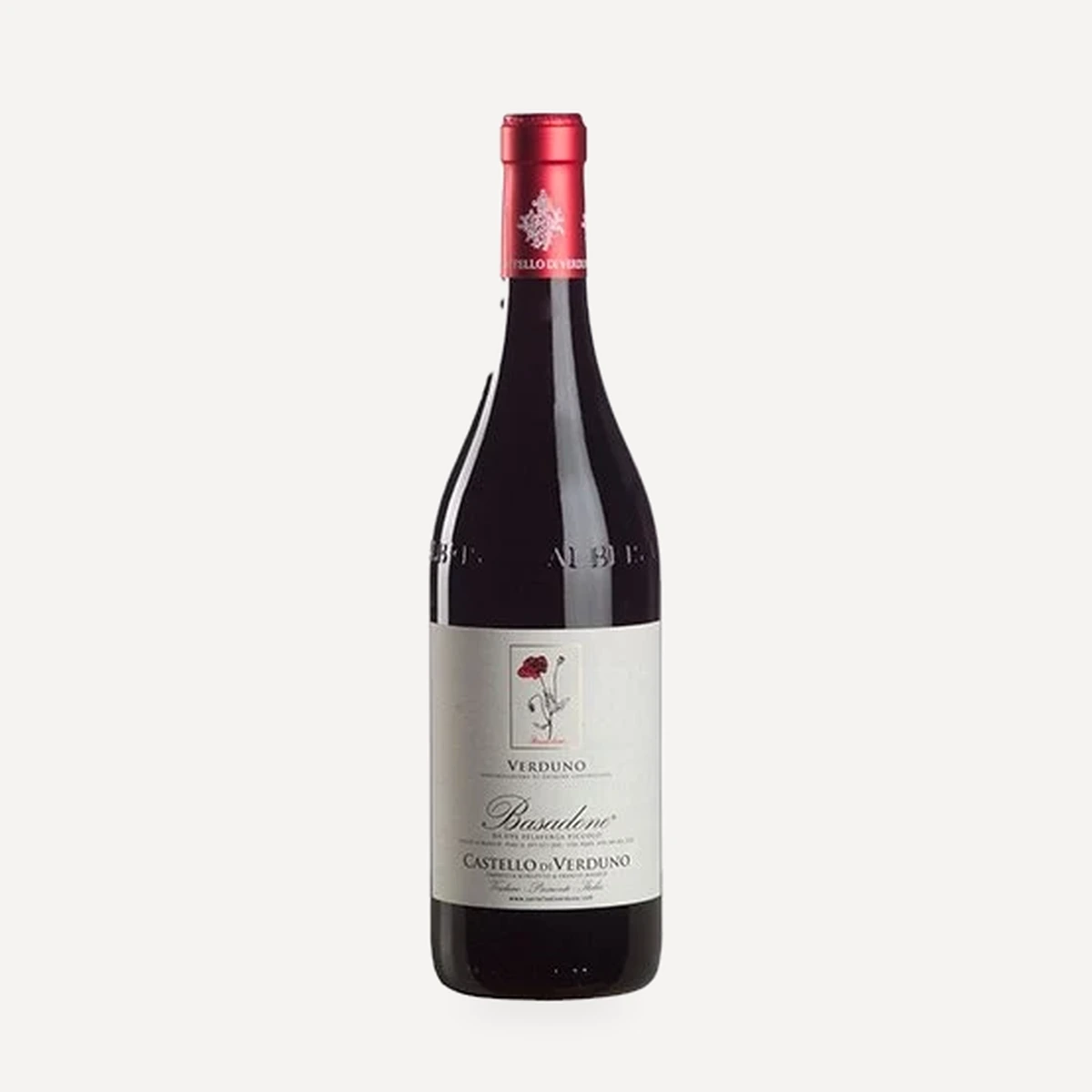
Verduno Pelaverga DOC
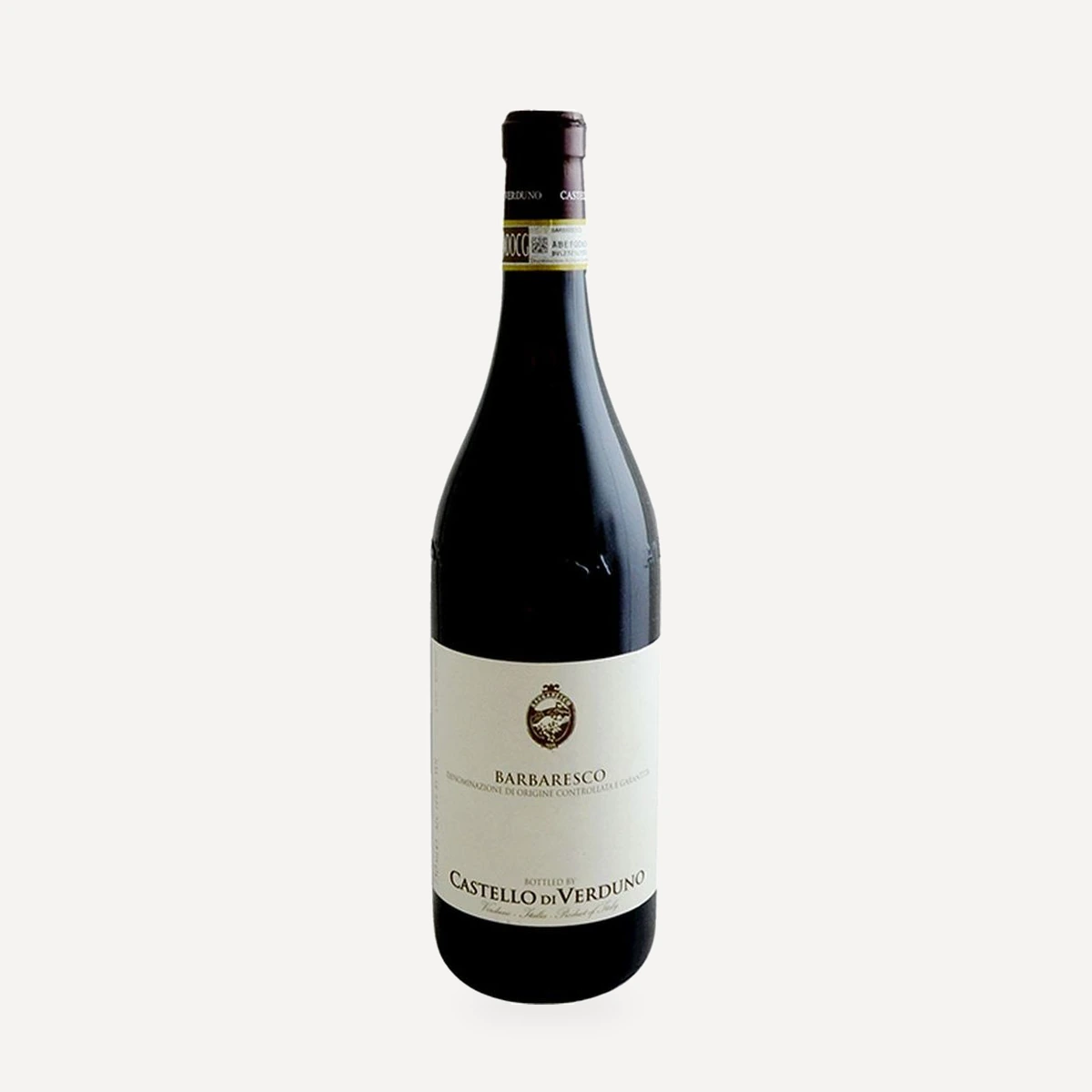
Barbaresco DOCG