History
Nineteenth-century roots and the beginning of winemaking
The family’s experience in viticulture reaches back to the nineteenth century. The modern history began in the mid-1940s with Giacomo Rocca, Albino Rocca’s father. Giacomo initially sold grapes from the family vineyards, then began vinifying them himself and selling the wine in demijohns in towns and the surrounding countryside. Winemaking activity was established during the 1950s.
The estate takes shape in the 1960s
During the 1960s, Albino Rocca inherited part of the family’s most valuable vineyards and used this patrimony to establish the estate that bears his name. Albino’s work, together with his support for the next generation represented by his son Angelo, formed the basis of the family business. The holdings subsequently grew through gradual vineyard acquisitions, while the cellar produced Nebbiolo alongside Dolcetto and Barbera and placed increasing emphasis on Barbaresco.
Angelo Rocca began working at the estate in the 1960s. He steadily expanded its vineyard surface beyond Barbaresco into Neive and San Rocco Seno d’Elvio. His agronomic work progressively reduced vineyard treatments and eliminated herbicides. In parallel, he refined vinification and maturation through new cellar equipment and technology, combining respect for tradition with modern techniques rather than treating the two as opposites.
Separate cru vinification and cellar development
In the late 1980s, Angelo began separating the vinification and maturation of estate crus, initially Bric Ronchi and Vigna Loreto. This was intended to bring an important stylistic development to the estate’s Barbaresco and to communicate the identity of individual sites more precisely.
From 2004, the estate intensified the use of large 20-hectolitre oak casks for Barbaresco as well as other wines. The decision was made to reveal Nebbiolo’s personality and elegance more clearly, rather than as a nostalgic return to an earlier era. The estate’s broader pursuit of quality also involved crop thinning and more attentive work among the rows, followed by renovation and enlargement of the cellar.
Montersino becomes an individual cru
Montersino was planted in 1998. Until 2011, its fruit was incorporated into the classic Barbaresco together with grapes from other younger vineyards. During the 2012 harvest, Angelo and Carlo decided to vinify Montersino separately, recognizing the vineyard’s maturity and power and seeking to show how the characteristics of an individual cru shape Nebbiolo. The resulting bottling was limited to 2,600 bottles and matured for two years in a single large German and Austrian oak cask.
Barbaresco Angelo and the next generation
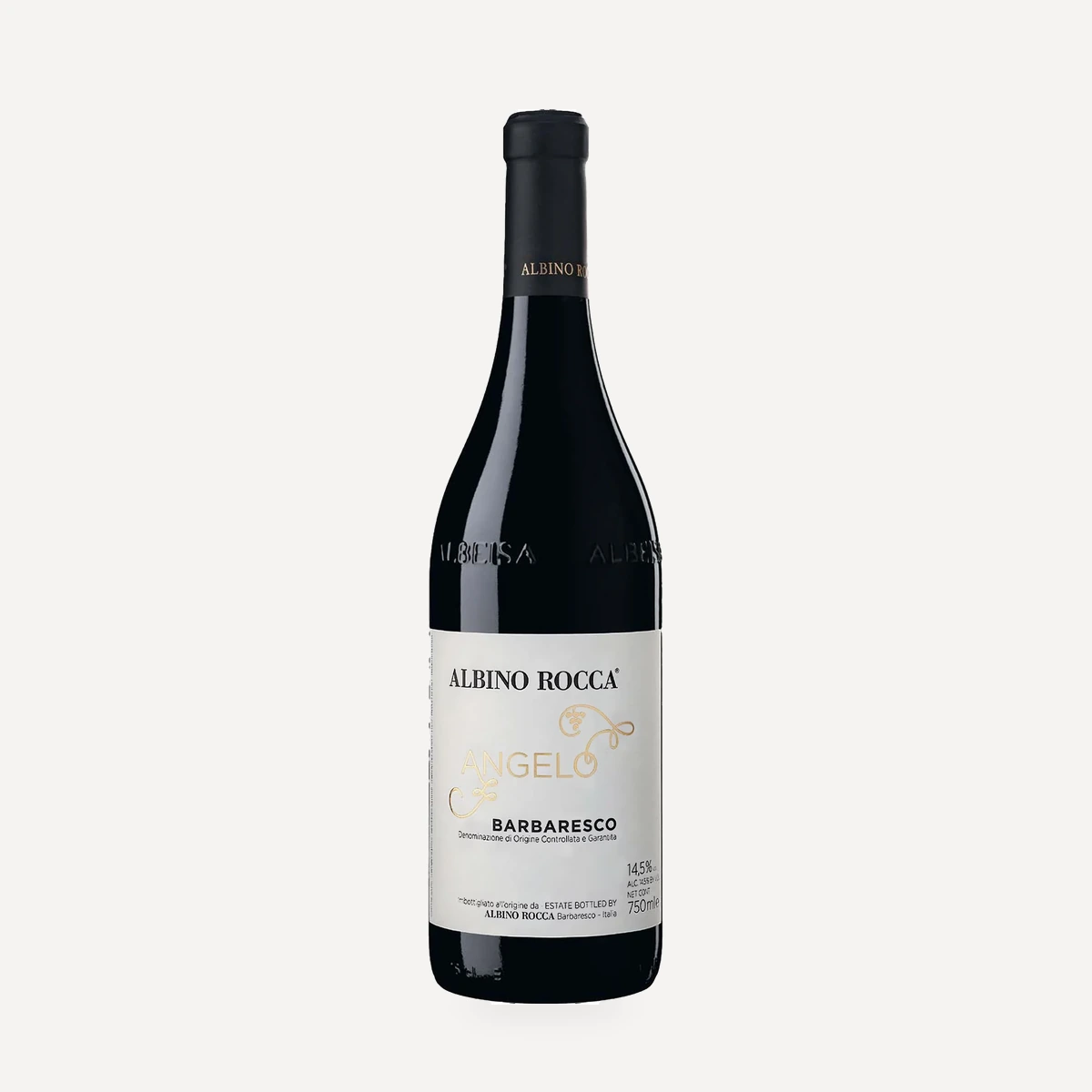
Beginning with the 2013 vintage, the family dedicated Barbaresco Angelo to the memory of Angelo Rocca. It brings together Nebbiolo from Ronchi and Ovello in Barbaresco and Montersino in San Rocco Seno d’Elvio. Its submerged-cap vinification in a conical oak vat and extended maceration recall a longstanding Langa tradition and reflect Angelo’s passion for Nebbiolo, evolving outlook, and pursuit of purity and elegance.
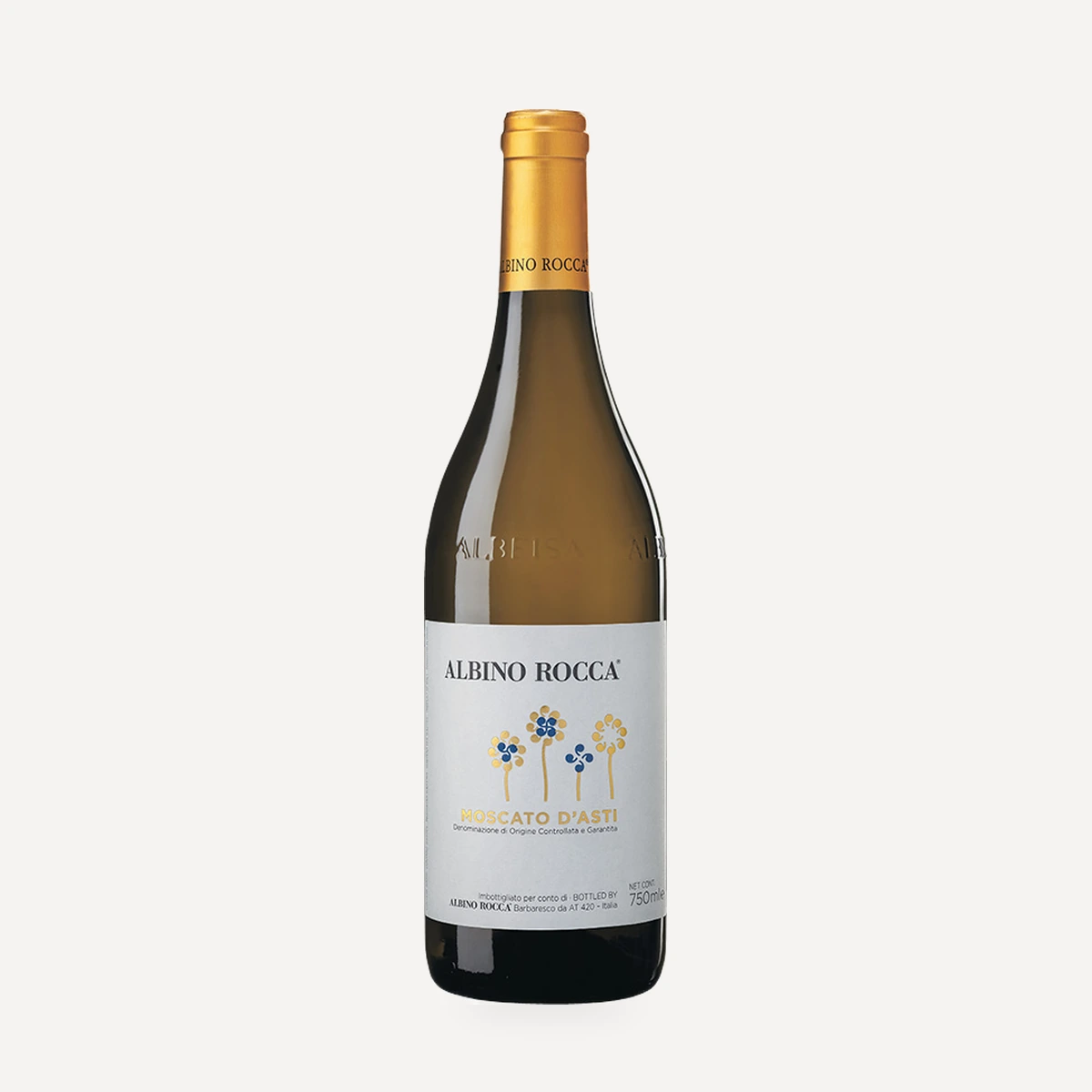
A redesigned family of labels accompanied the releases of the 2013 Barbaresco wines, 2014 Nebbiolo d’Alba and 2015 Moscato d’Asti. The redesign was conceived for the entire range, retaining graphic elements associated with the estate over generations while giving them a cleaner and more dynamic form. Juliane Schmitt and Torsten Herzog of Version1 developed the redesign, with technical support from La Commerciale of Alba.
Sustainability and continued site development
With the 2016 vintage, Albino Rocca entered The Green Experience certification process promoted by Coldiretti Cuneo. The program pursues integrated, sustainable Piedmontese viticulture through natural agricultural techniques, reduced chemical use, conservation of resources and protection of the hilly landscape. The estate subsequently received The Green Experience certification.
A vineyard in Magliano Alfieri, on the left bank of the Tanaro, was purchased in 2016. Its fruit contributed to a new expression of Nebbiolo sourced from Castagnito, Magliano Alfieri and, in smaller part, Barbaresco.
Cottà was first explored as a separate expression with the 2015 vintage. Despite the parcel’s very small size, the family chose to isolate it to investigate another expression of Barbaresco. Production was limited to 2,000 bottles, matured in German and Austrian Stockinger oak.
Today the estate presents its work as a four-generation tradition guided by Albino and Angelo Rocca. Vineyard care is adapted to each grape variety and appellation, Carlo continues the technical work, and Barbaresco DOCG is matured exclusively in large oak casks.
Terroir
Albino Rocca’s vineyards extend across almost 20 ha and include sites in Barbaresco, Neive and San Rocco Seno d’Elvio, a hamlet of Alba. Nebbiolo for Barbaresco is therefore cultivated in three of the denomination’s four productive communes. Other holdings extend to Castagnito and Magliano Alfieri, the latter situated on the left bank of the Tanaro.
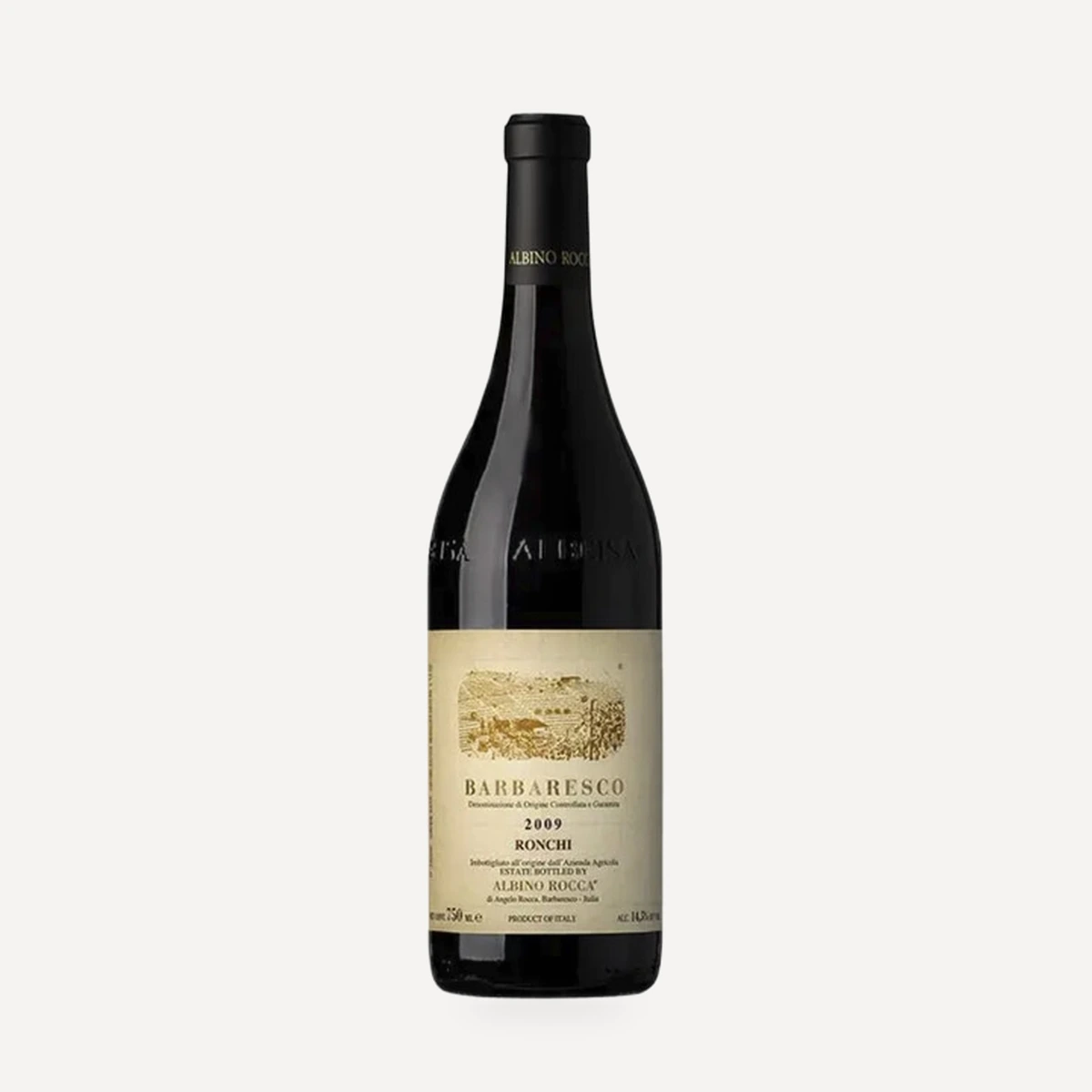
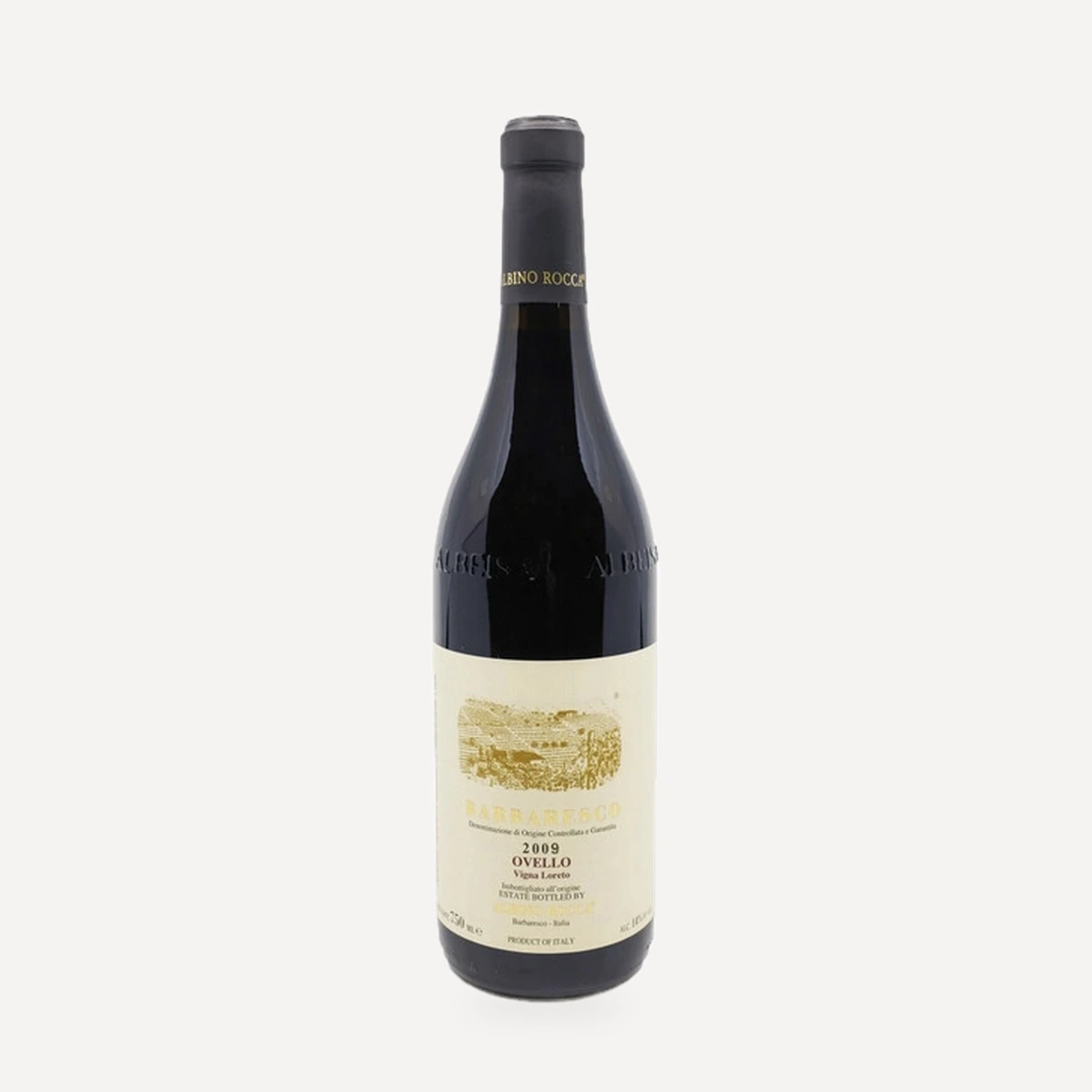
The four individually presented crus occupy distinct positions. Ronchi rises below the winery and faces south-east. Its limestone-and-clay soils are mineral-rich and stratified with layers locally described as tufo. Cottà occupies the middle of a south-west-facing slope opposite Ronchi; clay marl underpins its robust, substantial expression. Ovello Vigna Loreto lies on a south-west slope overlooking the Tanaro River. Limestone and clay are joined there by sand, a combination associated with a more delicate tannic structure and finesse. Montersino lies at the southern edge of the Barbaresco growing area in San Rocco Seno d’Elvio, close to Treiso. It stands higher than Barbaresco on a steep, fully south-facing slope, with clay-limestone soil, fine sandstone layers and tufo.
Across other estate vineyards, soils are predominantly marly and limestone-based, variously mixed with clay or sand. Exposures range from east through south to west. The Moscato vineyard occupies a steep Sorì in San Rocco Seno d’Elvio with exposure from south-east to south-west, while the Nebbiolo holdings in Castagnito and Magliano Alfieri range from east to west.
Winemaking
The estate’s vineyard work is organized around close attention to each variety and appellation. Quality development began in the rows through careful cultivation and crop thinning before continuing in the cellar.
Angelo Rocca progressively reduced vineyard treatments and eliminated herbicides. With the 2016 vintage, the estate entered The Green Experience process promoted by Coldiretti Cuneo and subsequently received its certification. This collective, integrated sustainability program for Piedmontese wine promotes natural agricultural methods, lower chemical use, conservation of natural resources and stewardship of the region’s hilly landscape.
Site conditions sometimes determine how work can be performed. The steep, rugged Moscato Sorì at San Rocco Seno d’Elvio must be worked manually and gives a very small crop. The estate also regards continued cultivation of Dolcetto, alongside its other varieties, as an expression of vineyard biodiversity.
The production philosophy begins with preserving what the vine has created and allowing each cru to retain an identity shaped by grapevine, environment and tradition. Technology is used as a supporting tool, while vinification and ageing are intended to express rather than conceal origin.
Separate cru vinification began in the late 1980s with Bric Ronchi and Vigna Loreto. From 2004, large 20-hl oak casks assumed a greater role in the maturation of Barbaresco and other wines. Barbaresco DOCG is now aged exclusively in large oak casks. Ronchi and Montersino mature for about 20 months in 20-hl Austrian and German oak; the early separate Montersino production was held for two years in a single large cask. Cottà matures for approximately two years in German and Austrian Stockinger oak. The small Vigna Loreto production is likewise matured together in one large oak cask.
Barbaresco Angelo uses a blend of Nebbiolo from Ronchi, Ovello and Montersino. It is vinified with a submerged cap in a conical oak vat, following an established Langa practice, with extended maceration; the 2013 vintage underwent 55 days of maceration. It then matures for approximately 20 months in oak casks and rests for about nine months in bottle.
The estate also employs steel for wines intended to retain a youthful profile. Rosso di Rocca and Dolcetto mature for a few months in steel tanks. Cortese La Rocca undergoes part of its fermentation and approximately ten months of maturation in 225-litre French barriques, followed by around ten months in bottle. The cellar itself has been renewed and enlarged over time, with new instruments and equipment introduced as vinification and maturation techniques evolved.
Philosophy
Albino Rocca’s central aim is to make wines of high quality that remain recognizably connected to Barbaresco. Terroir is understood as more than climate and soil: human work and careful vineyard attention also contribute to a site’s character.
The family seeks to evolve without severing its roots. Tradition and modern technique are treated as complementary, but technology remains secondary to an informed, restrained approach. Extraction is directed toward the essential qualities created by the vine, while ageing should reveal rather than cover origin.
Individual crus are valued as distinct combinations of grapevine, environment and tradition. The decision to isolate Montersino and later Cottà reflects the belief that Nebbiolo can communicate the particular character of each site. Purity, elegance and fidelity to vintage and place are recurring goals.
Environmental work extends the same principle to the landscape. The Green Experience framework links ecological viticulture with reduced chemical use, natural agricultural techniques, conservation of resources and care for the hills. Family continuity remains equally important: the current generation explicitly carries forward the guidance and work of Albino and Angelo Rocca while continuing to refine the estate.
Wines
Barbaresco Angelo DOCG
Barbaresco Ronchi DOCG
Barbaresco Ovello Vigna Loreto DOCG
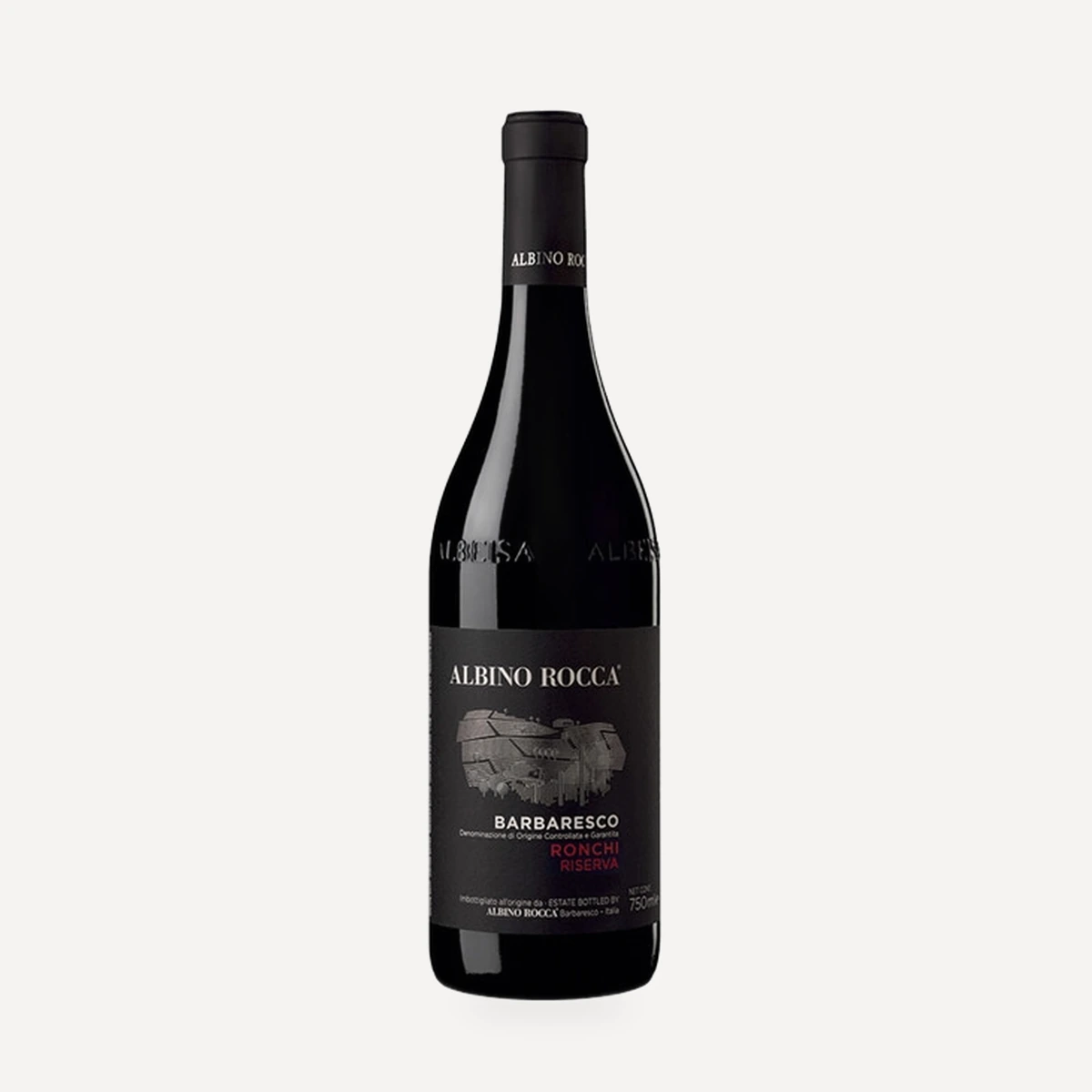
Barbaresco Ronchi Riserva DOCG
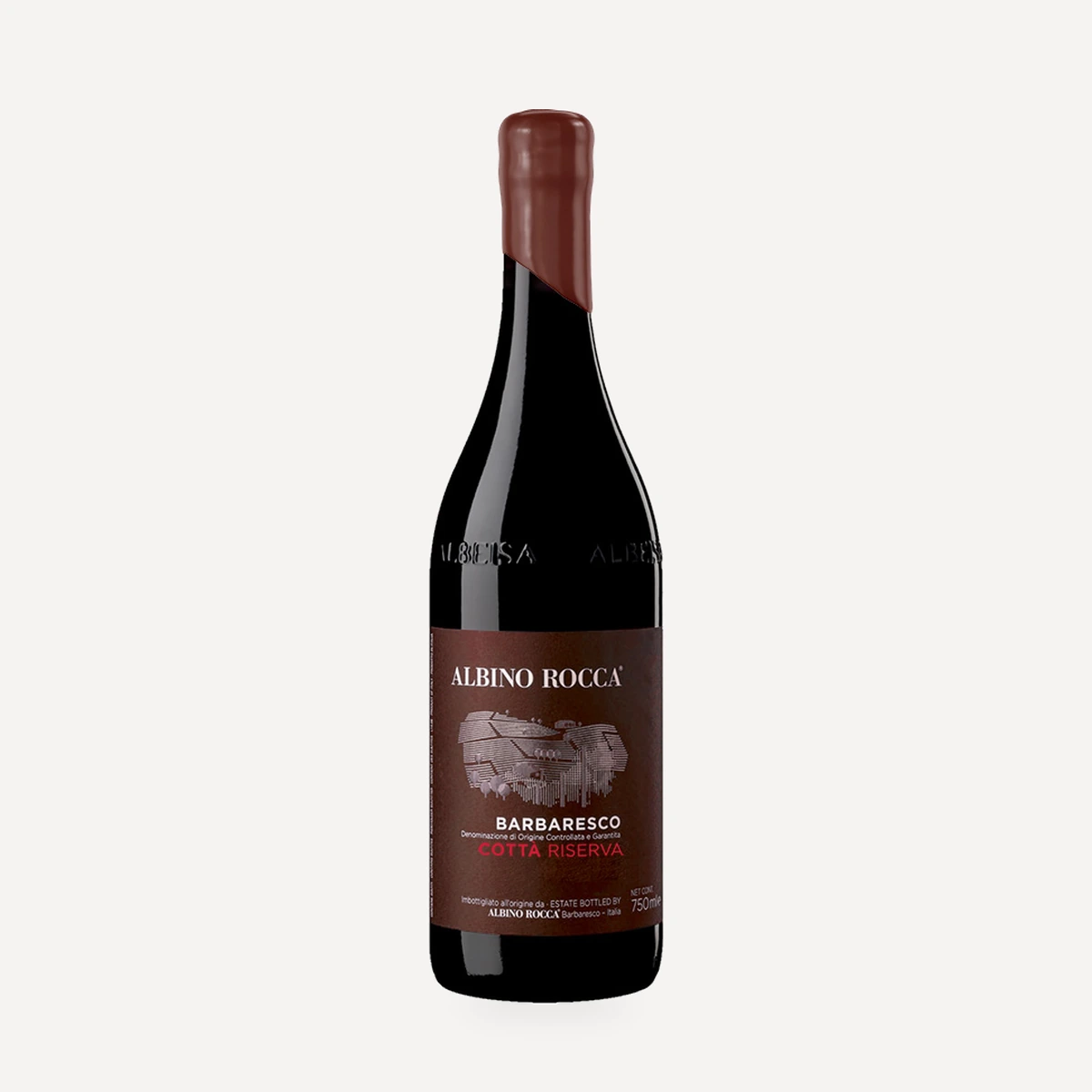
Barbaresco Cottà Riserva DOCG
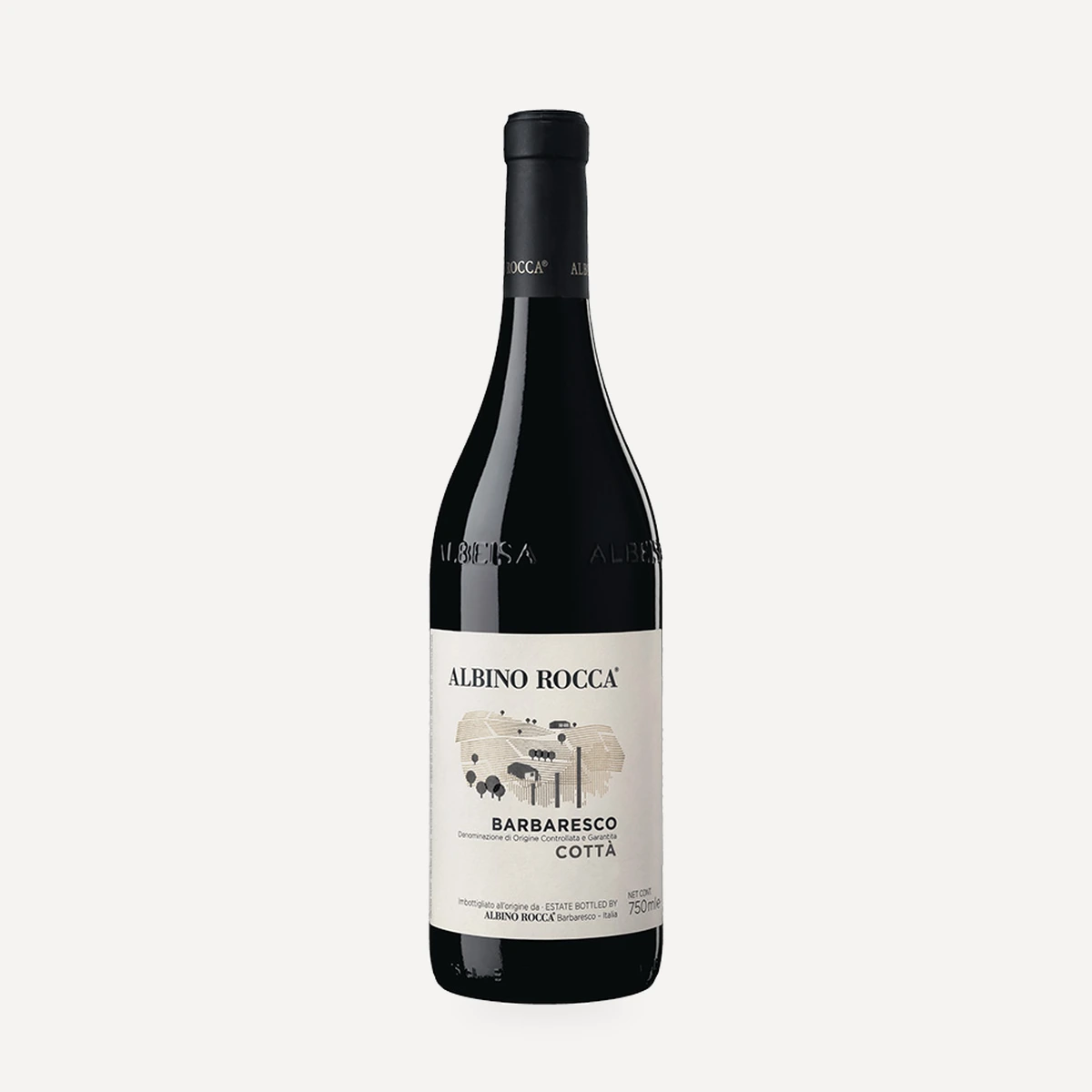
Barbaresco Cottà DOCG
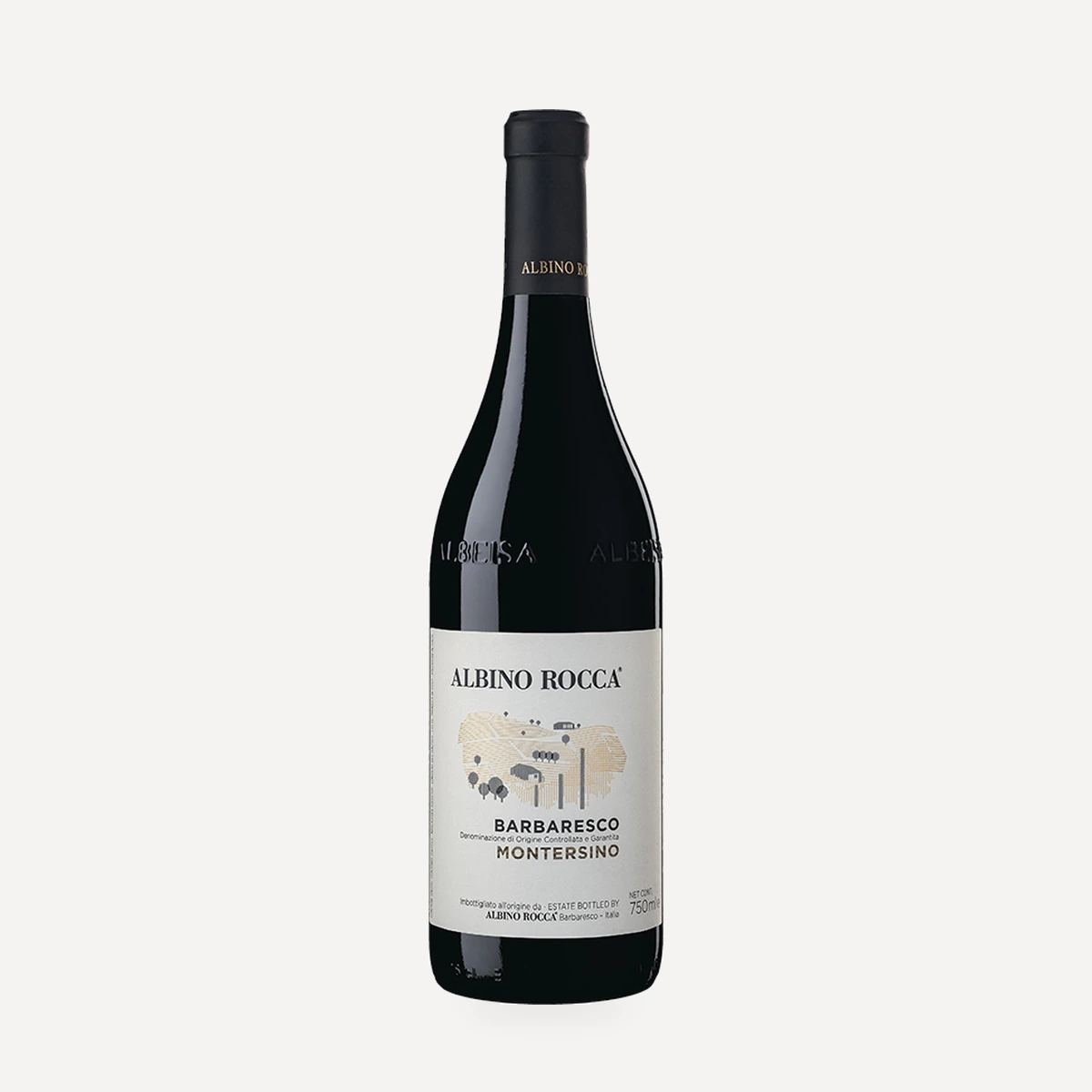
Barbaresco Montersino DOCG
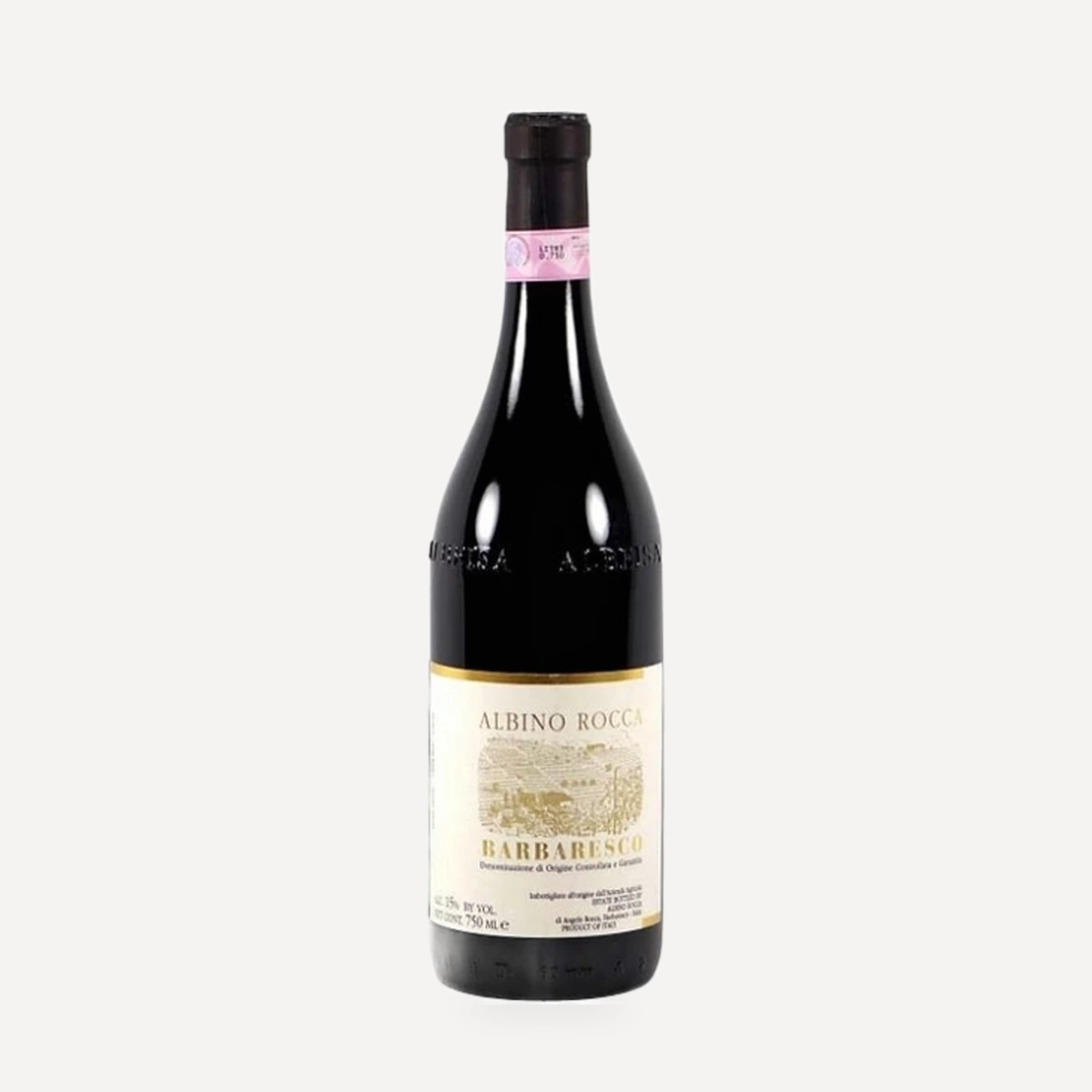
Barbaresco DOCG
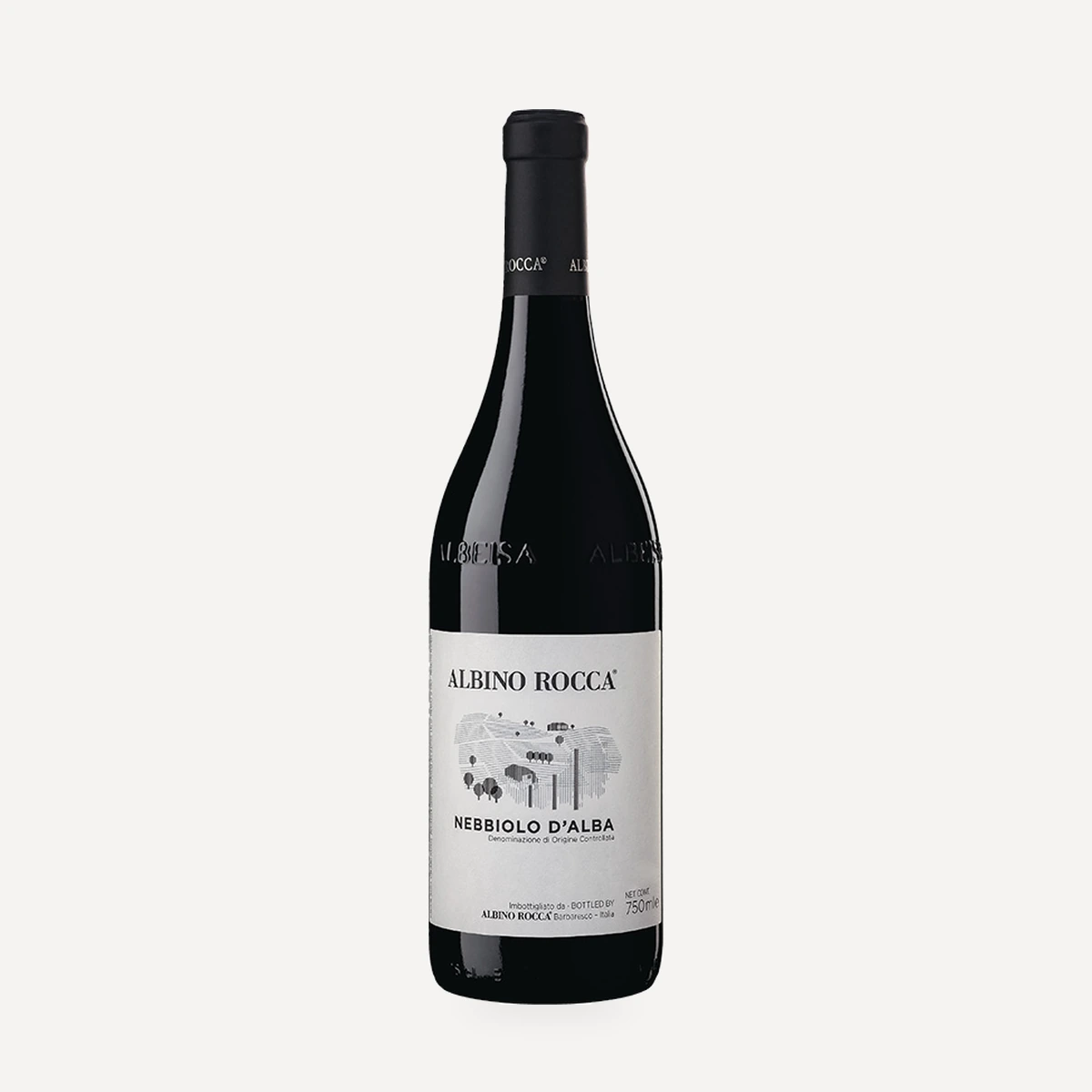
Nebbiolo d’Alba DOC
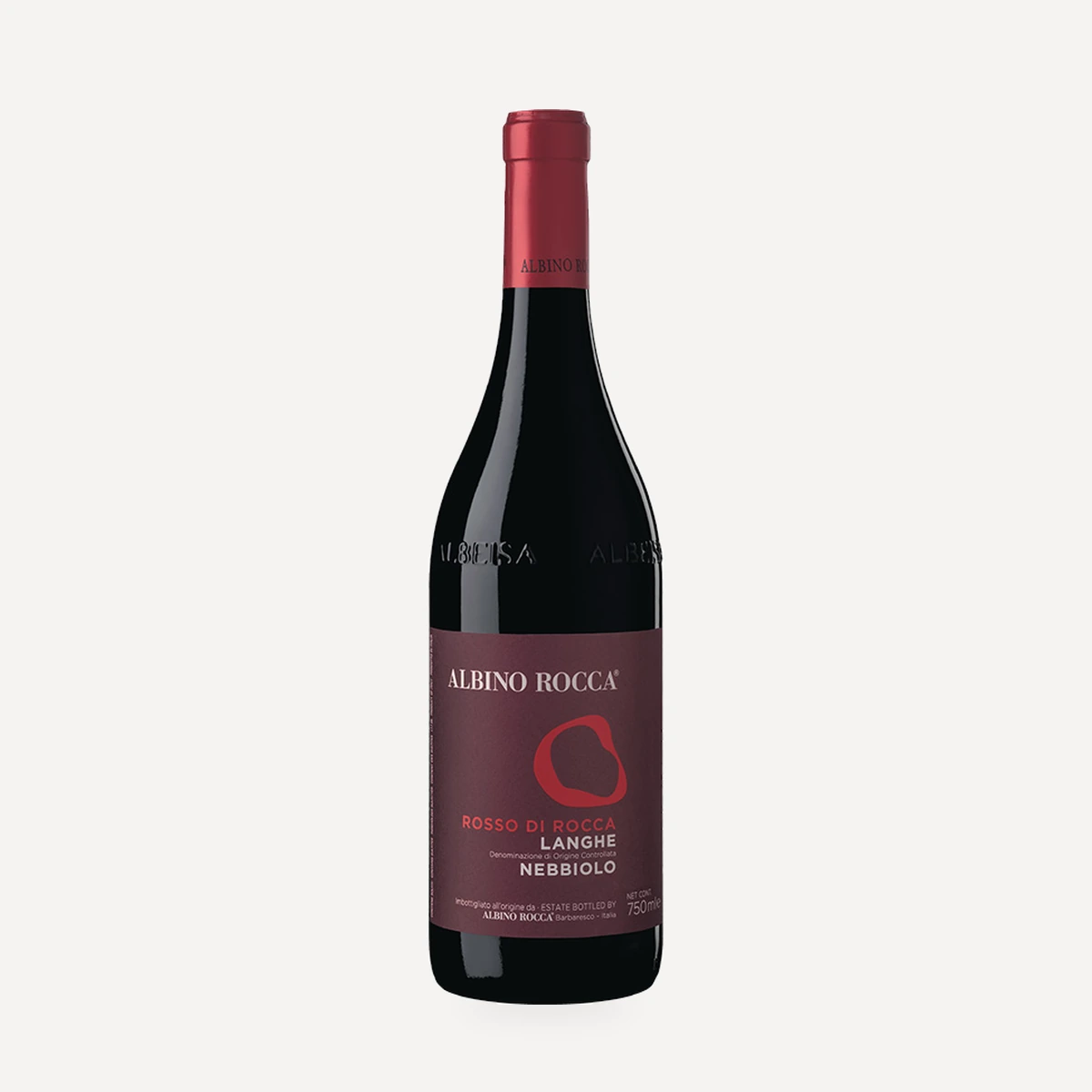
Langhe Nebbiolo Rosso di Rocca
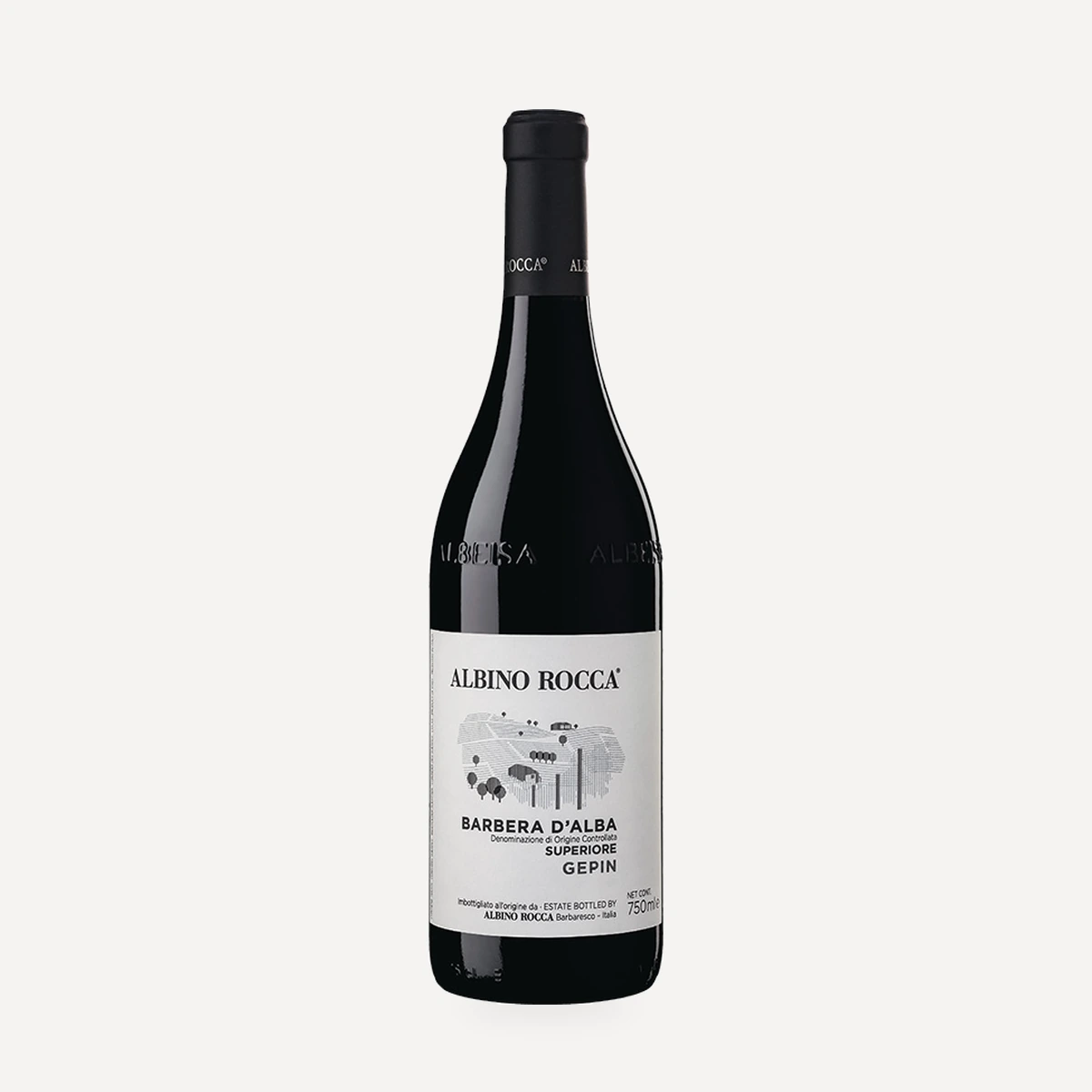
Barbera d’Alba Superiore Gepin DOC
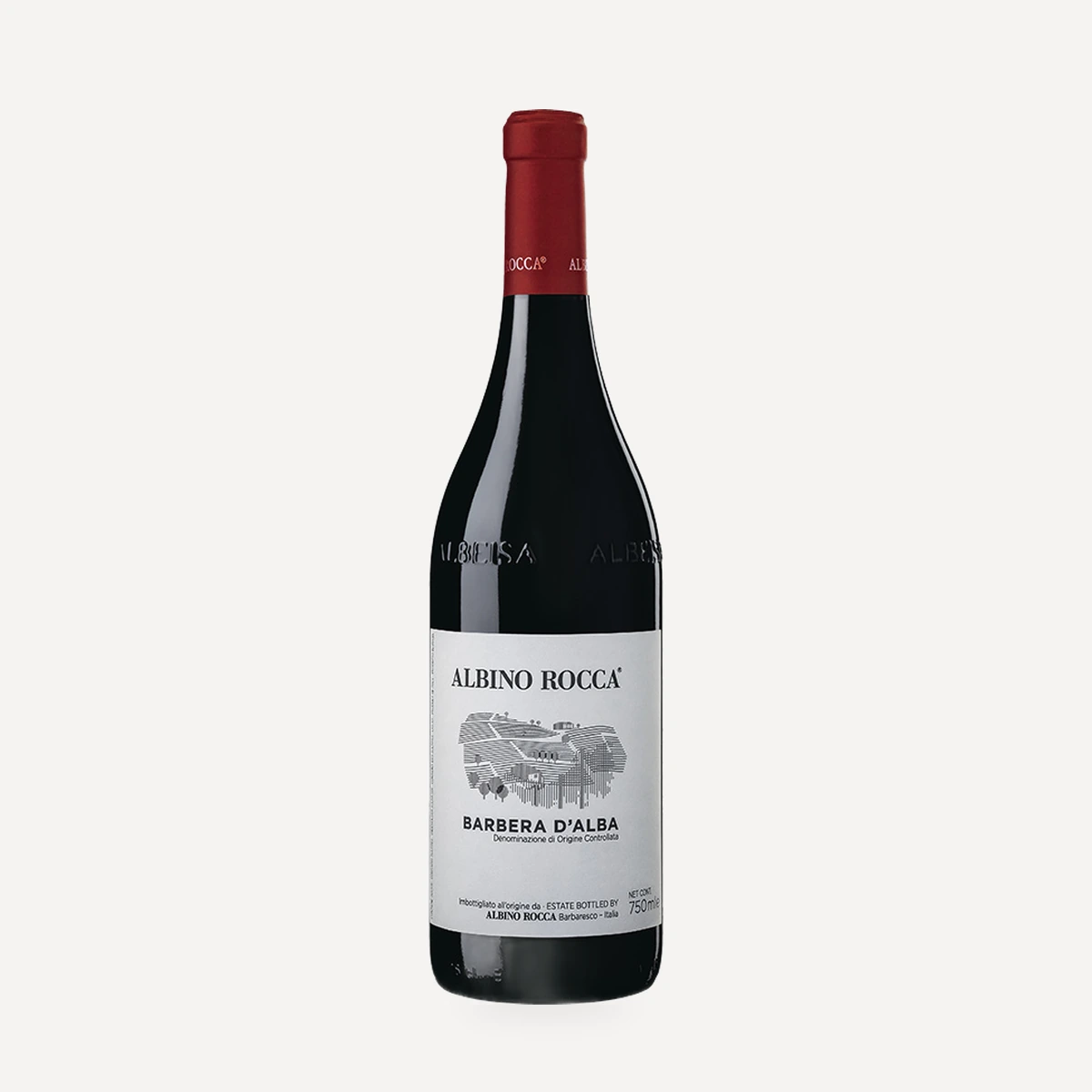
Barbera d’Alba DOC
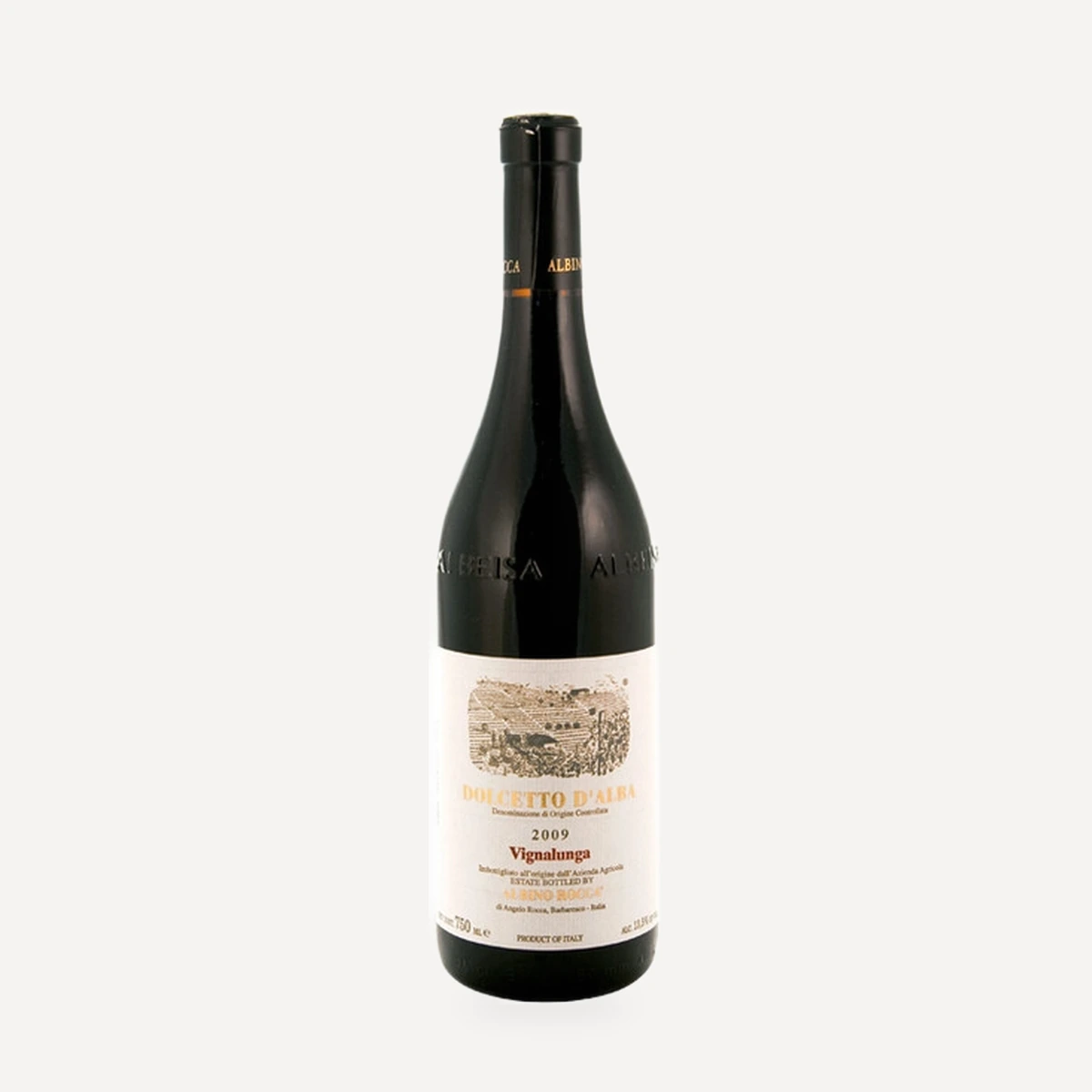
Dolcetto d’Alba DOC
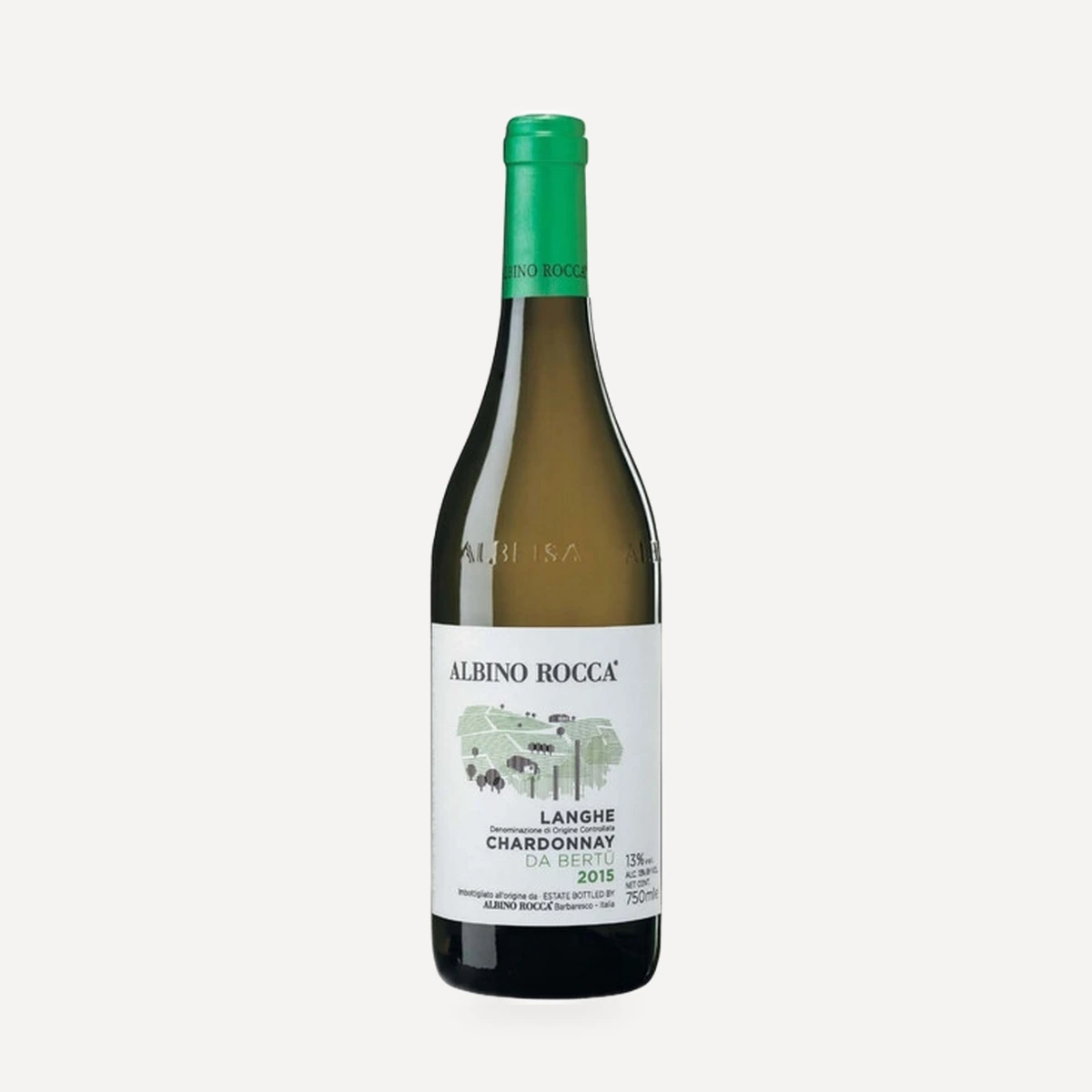
Langhe Chardonnay da Bertü DOC
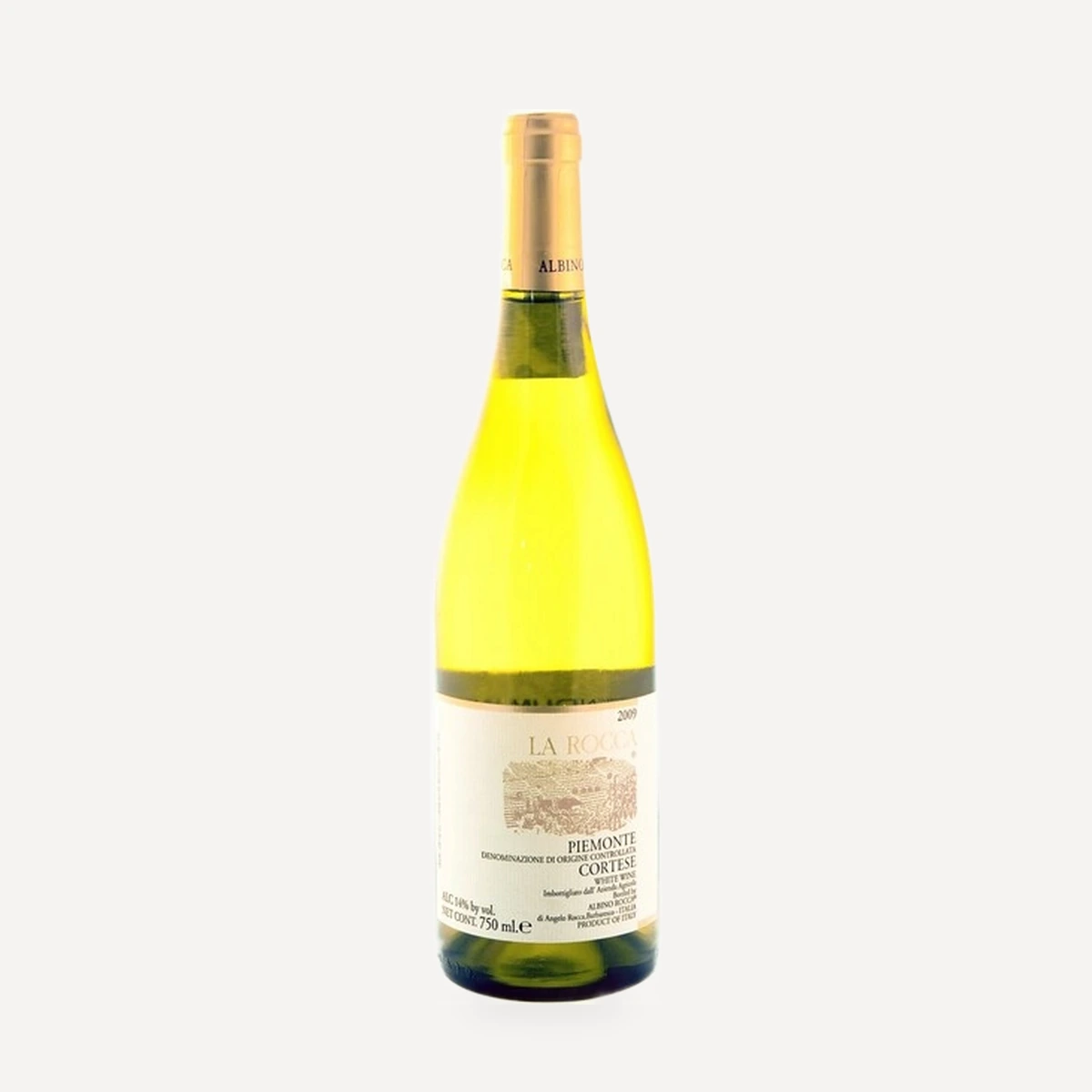
Piemonte Cortese La Rocca DOC