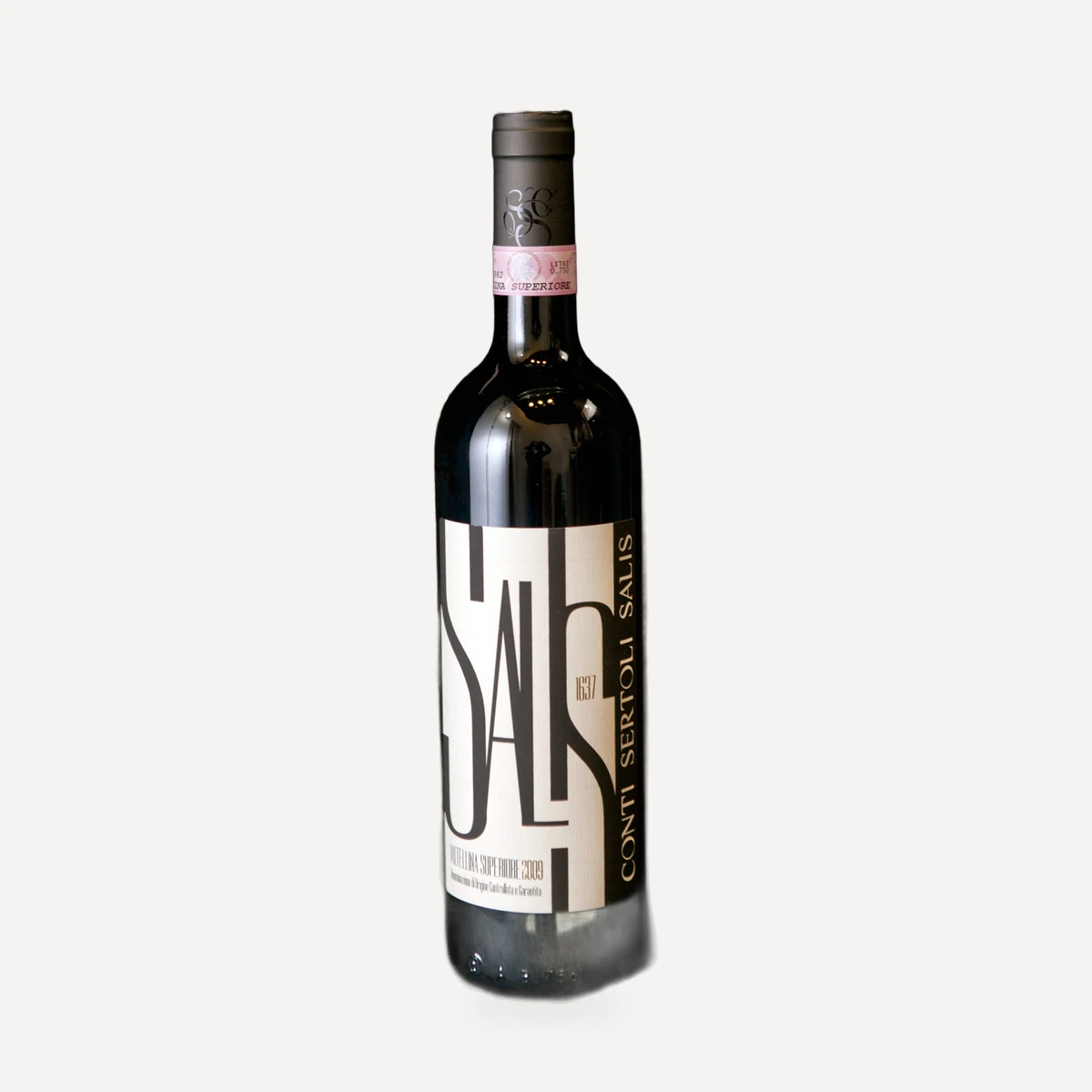
History
Seventeenth-century origins
Conti Sertoli Salis traces its association with wine to 1637 and describes more than four centuries of activity. By the middle of the seventeenth century, the noble Sertoli Salis house was supplying fine Valtellina wines to the court of the Habsburg emperor and to noble Graubünden families present in the valley.
The names of several later wines preserve the connection with the family residence: they refer to frescoed reception rooms and representative spaces in Palazzo Salis.
Preservation of Valtellina methods
The production repertoire retains old regional techniques alongside temperature-controlled cellar work. One is rinforzo, in which a portion of the crop is dried and subsequently added to wine made from fresh grapes, causing fermentation to resume. Another historical method places intact, healthy bunches in vats with a small quantity of fermenting must before gentle pressing; an 1834 text by G. F. Massara is cited as evidence of this practice.
The drying of Nebbiolo for Sforzato is also central to production. Bunches harvested at the end of October are selected for health and maturity, rested on mantavole in a cool, dry loft and, depending on vintage conditions, kept there until between late January and March.
Denominations and modern range
Valtellina Superiore received DOCG recognition under the ministerial decree of 24 June 1998. Conti Sertoli Salis works in its Sassella, Grumello and Inferno subzones and also produces named selections, Sforzato and wines under broader geographical indications.
Canua from the 2002 vintage is presented as the first red wine of Lombardy and became one of the producer’s repeatedly recognised labels. The current range combines the traditional geographical names Grumello, Sassella and Inferno with Salis 1637, Canua, Il Saloncello, Capo di Terra, Torre della Sirena and Corte della Meridiana.
The business is now based in Tirano and operates as Alta Valtellina Srl under the Conti Sertoli Salis name.
Terroir
Terraced Rhaetian slope
The viticultural landscape extends for approximately 50 km along the terraced Rhaetian side of Valtellina. It has an east–west orientation, a northerly exposure and vineyards reaching elevations of as much as 700 m. The terraces create a distinctive winter microclimate: the ground rarely freezes and snow generally does not remain for long.
Nebbiolo, locally called Chiavennasca, is the principal variety in these conditions. Vineyard selection focuses on the geological formation, exposure and microclimate of individual growing zones and crus.
Subzone conditions
The Sassella vineyards have very little soil; vine roots may penetrate among the stones that form the terraces. Grumello lies partly east of Sondrio and within Montagna in Valtellina, around Castel Grumello, from which the subzone takes its name.
Inferno occupies terraces in Poggiridenti and Tresivio, east of Sondrio toward Tirano. The vineyard area is sheltered from winds travelling along the valley by the rocky promontories of Monte Calvario and Monte Paradiso. Its small terraces become particularly hot during sunny summer weather, a condition connected with the name Inferno.
Nebbiolo parcels between Teglio and Tirano include vines approximately 15–20 years old, with limited, regular production, loose bunches and medium-small berries. Other old-established Nebbiolo vineyards used for dried-grape production are situated in the commune of Tirano.
Fruit is also selected from vineyards in Villa di Tirano and Montagna in Valtellina, while Merlot is grown in Tirano. The white-wine sourcing zone lies on the hills around Casteggio, whose gypsum vein is associated with the cultivation of white grapes and red grapes suitable for white vinification.
Winemaking
The steep, terraced configuration determines the vineyard regime. Cultivation is performed manually, as is the harvest. Some sites can be reached only after approximately 30 minutes of uphill walking.
Vineyard and parcel selection considers geology, exposure and microclimate. The producer controls the complete vegetative cycle in selected Nebbiolo vineyards, including parcels belonging to small growers, and accepts fruit on the basis of its balance between sugars and polyphenols.
For dried-grape production, bunches are inspected at the end-of-October harvest and only fully mature, healthy fruit is placed on mantavole. For another whole-bunch method, fruit must likewise be completely healthy. Slightly overripe Nebbiolo may be selected where reduced skin-tannin astringency is desired. White varieties and Pinot Nero intended for white vinification are harvested separately around late August and early September.
The cellar combines conventional controlled red-wine vinification with older Valtellina techniques.
For the traditional red program, grapes are generally destemmed and crushed before alcoholic fermentation with the skins. Punch-downs and pump-overs keep the cap immersed. Maceration may run for approximately 15–20 days at a controlled 28–30°C, followed by clarification rackings, maturation in oak and further bottle ageing.
A more selective red process retains roughly 20% whole berries after destemming. Fermentation-maceration lasts about 10 days with frequent pump-overs and punch-downs. After drawing off, the wine enters 15–25 hl oak casks to complete malolactic fermentation, then moves to second- and third-use French oak barriques for about 15 months and receives six further months in bottle.
Dried-grape production
Nebbiolo bunches harvested at the end of October are selected and laid on mantavole in a cool, dry loft. Drying can continue from late January into March, depending on the harvest. Water loss raises sugar concentration, while respiration and polyphenolic transformation alter primary aromas; a limited amount of noble mould may develop.
The dried bunches are manually removed and selected again before pressing. The resulting must has a sugar concentration of approximately 25–30%, and the combination of high sugar and low ambient temperature makes alcoholic fermentation slow. Fermentation proceeds on the skins for about 15–20 days. Pressing recovers free-run and first-press must, after which fermentation continues without marc until the sugars are exhausted. Clarification rackings take place between April and July. During a waning moon, wine is transferred to 450-litre carati and 225-litre French oak barriques for two years, followed by at least six months in bottle.
Rinforzo
The old rinforzo method treats separate portions of the same harvest differently. One part dries in a loft until the end of autumn, while carefully selected fresh grapes are vinified earlier. In December, the dried portion is pressed and added to the wine made in early November, initiating a second fermentation. Repeated clarification rackings follow. During the waning moon in April or May, the wine moves from large casks into new 450–500-litre oak carati for more than 18 months, with regular racking and topping. Bottling takes place during the waning spring moon of the second year after harvest, followed by at least six months of bottle ageing.
Historical whole-bunch method
Another old Valtellina practice uses perfectly healthy intact bunches placed in vats with a small amount of fermenting must. After six to ten days they are pressed gently, at pressures likened to traditional hand or foot pressing. Temperature is controlled by cooling or heating during both the whole-bunch phase and the subsequent vigorous fermentation. The cap is repeatedly submerged, followed by a final warm maceration and drawing off.
The young wine remains in stainless-steel tanks through malolactic fermentation and undergoes repeated rackings during the waning moon. In March, during the moon’s last quarter, one portion enters 50 hl oak casks and another enters 550-litre small oak vessels until August or September, when bottling begins.
For white production, destemmed berries are lightly broken and transferred with part of the released juice to a temperature-controlled tank.
Philosophy
The guiding proposition is a balance between tradition and modernity. Historical Valtellina methods—including grape drying, rinforzo, whole-bunch fermentation and cellar transfers timed to lunar phases—coexist with temperature regulation, controlled maceration and careful management of maturation vessels.
Quality begins with targeted vineyard selection. Geological formation, exposure and microclimate are considered at cru and parcel level, while grapes are selected for health, maturity and balance between sugars and polyphenols. The intended result is wine that expresses its growing territory, with Nebbiolo interpreted for elegance and finesse.
The approach extends beyond directly controlled vines to selected parcels cultivated by small growers, while retaining control of the vegetative and production cycles used for those lots.
Wines
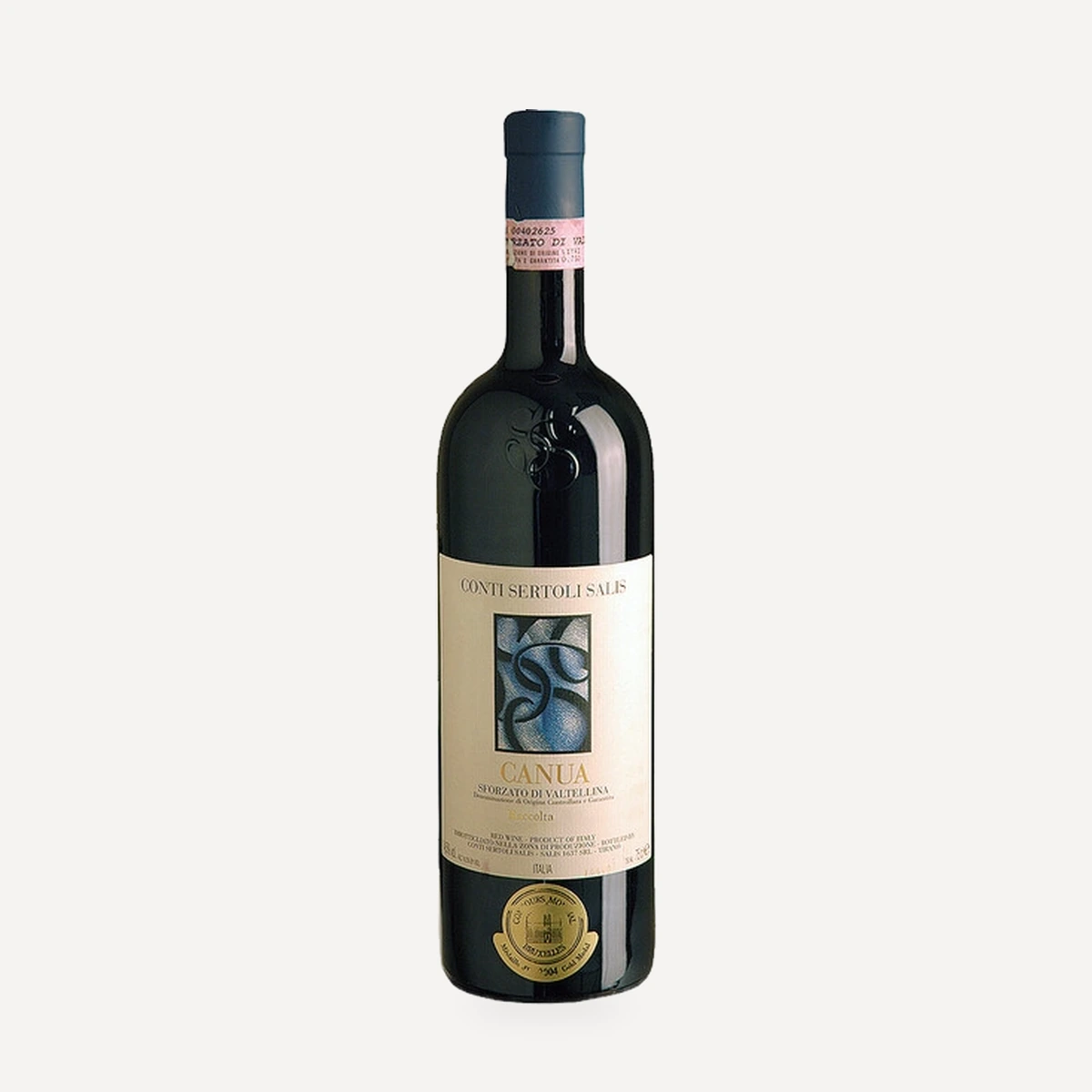
Canua
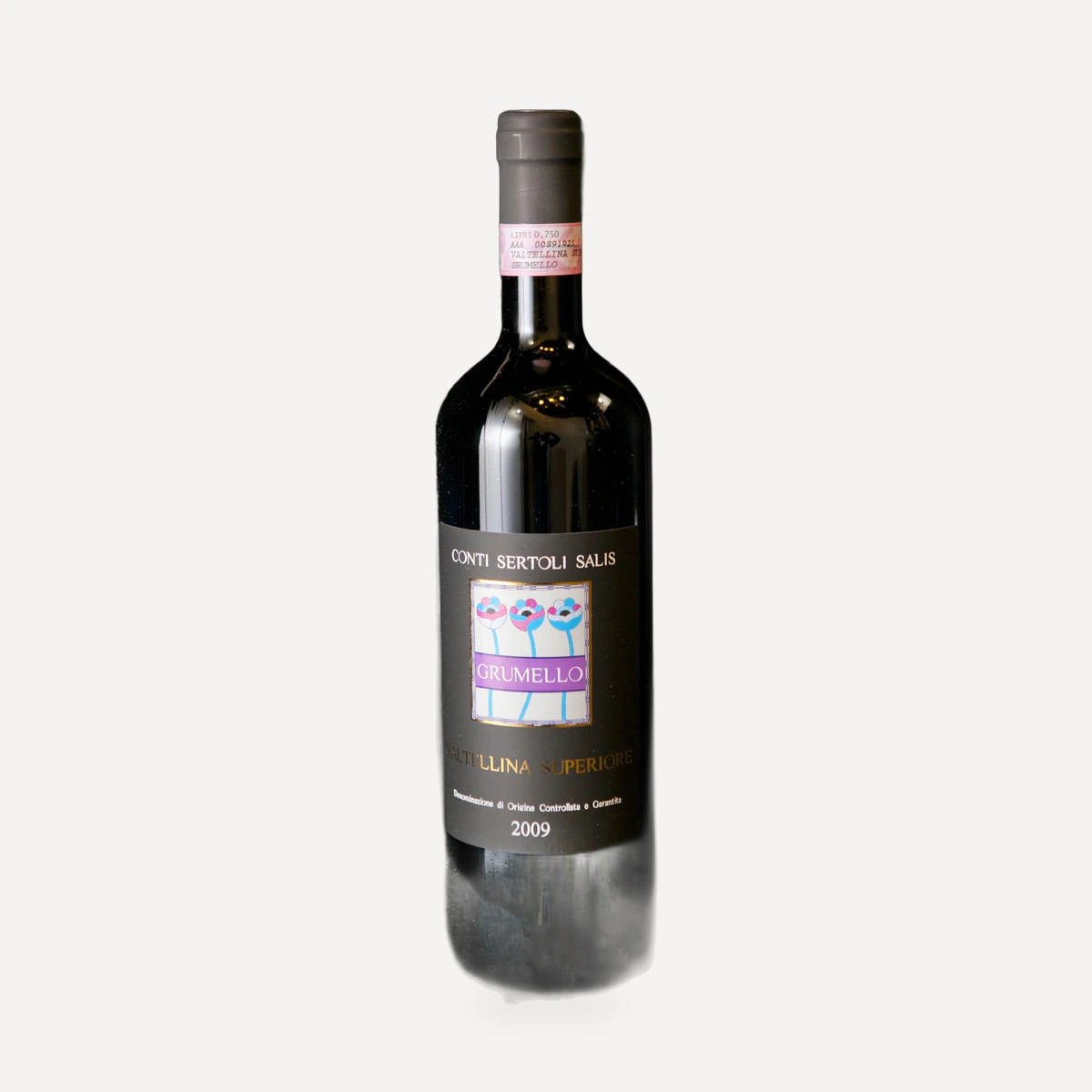
Grumello
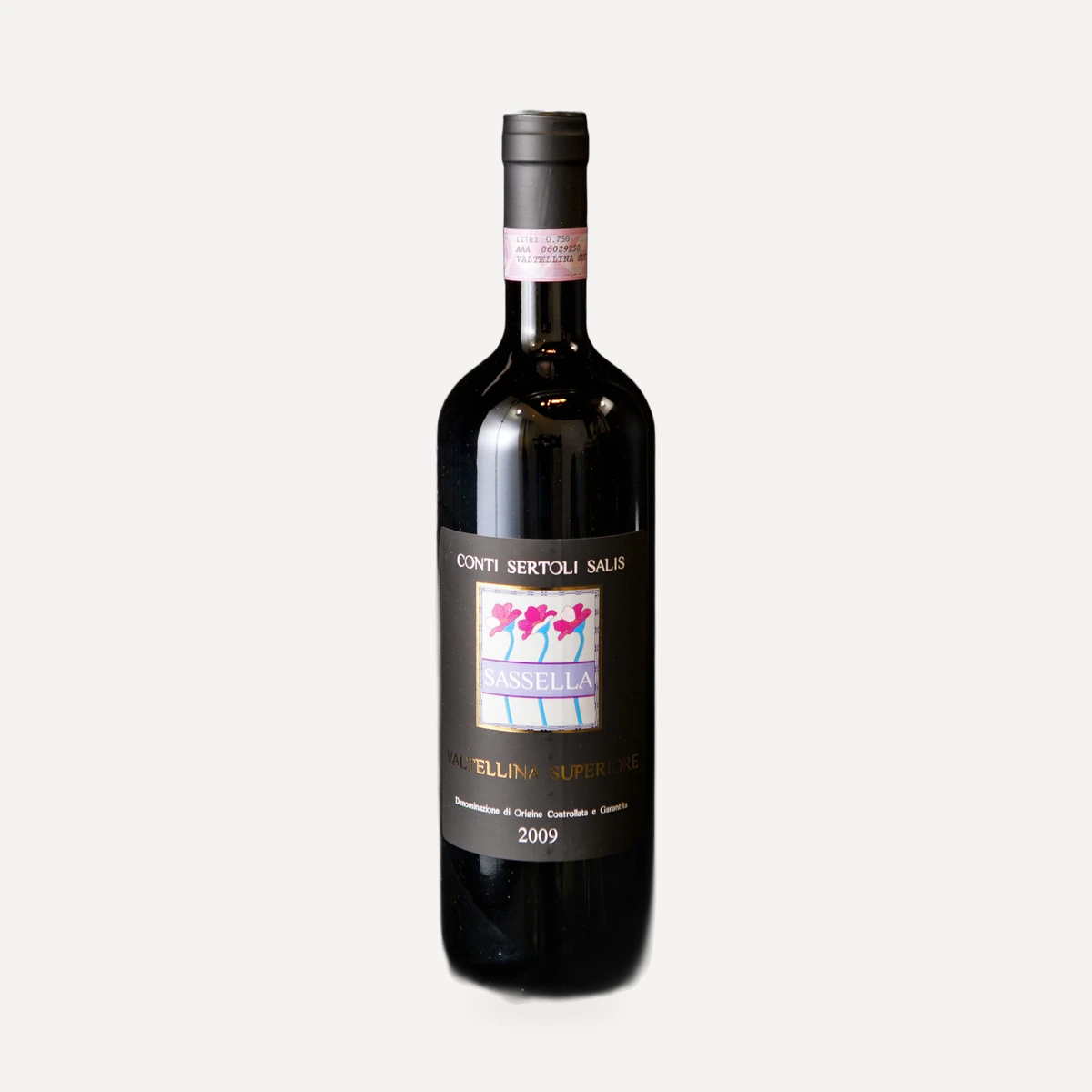
Sassella
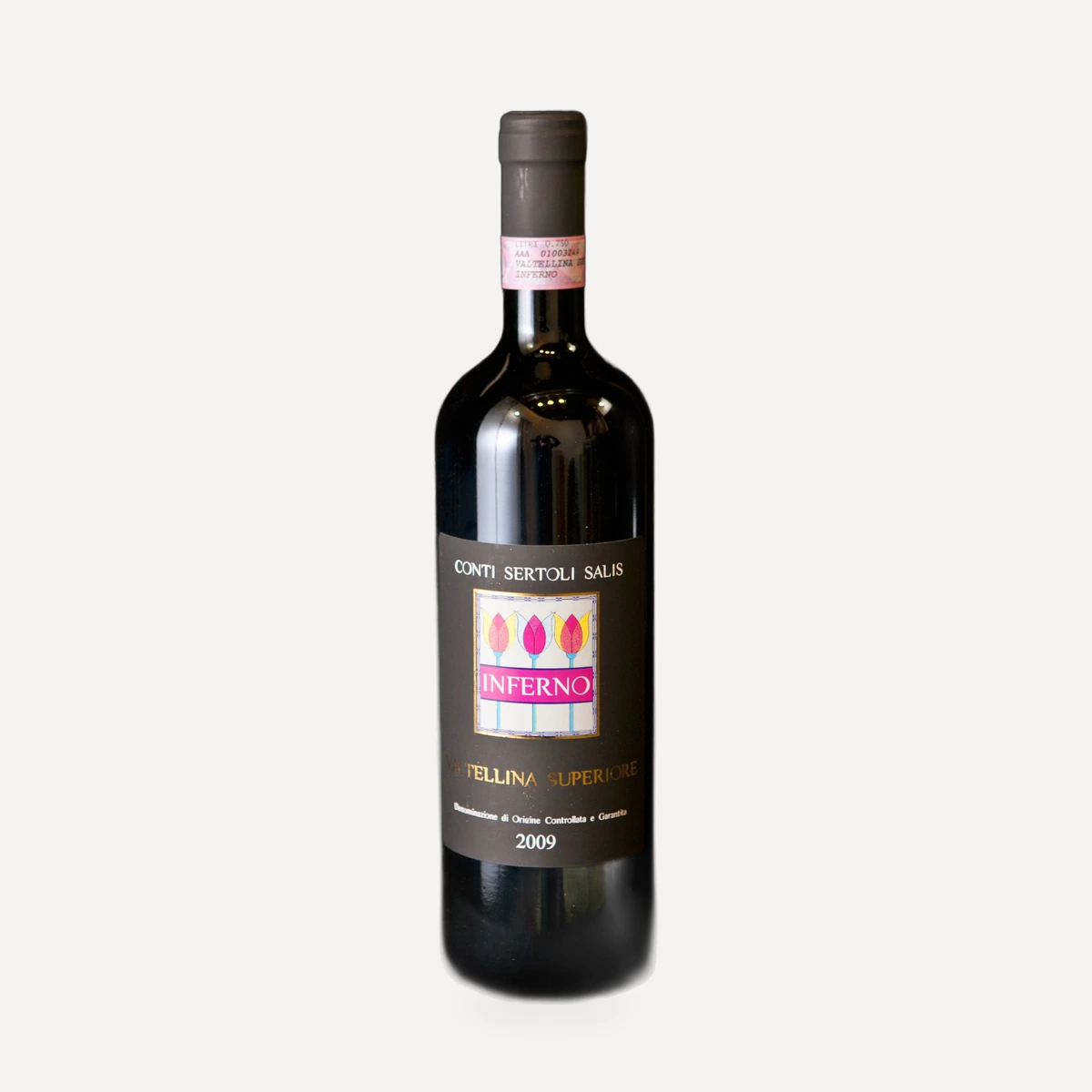
Inferno
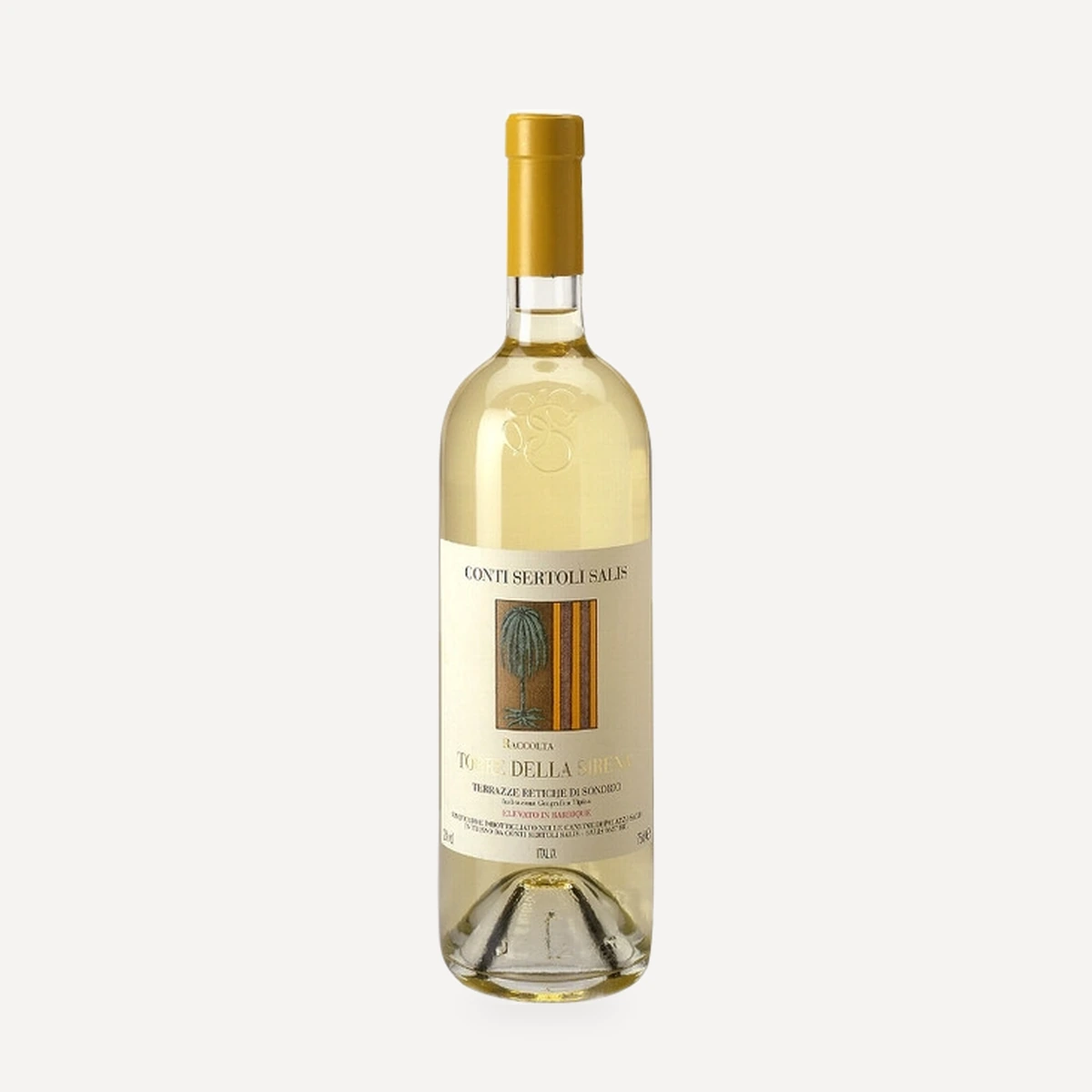
Torre della Sirena
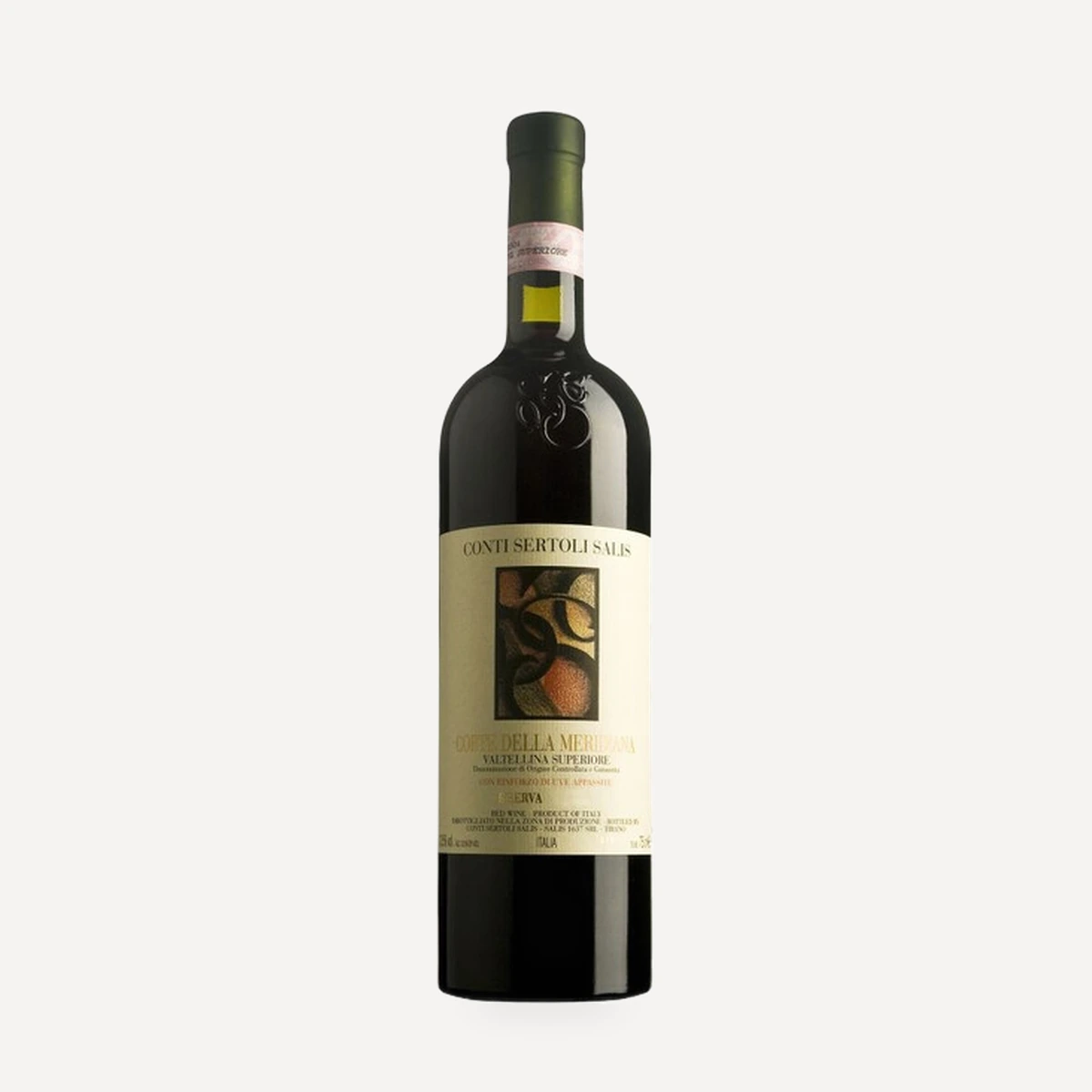
Corte della Meridiana