History
1860: the Pelizzatti beginnings
The family's written record begins in 1860, immediately before Italian unification. Handwritten company books preserve the traditional Valtellina method followed by the Pelizzatti Perego family. Contemporary documents also record an uninterrupted commercial relationship with a customer who continued buying from the cellar, then known simply as Pelizzatti, for more than a century despite generational changes.
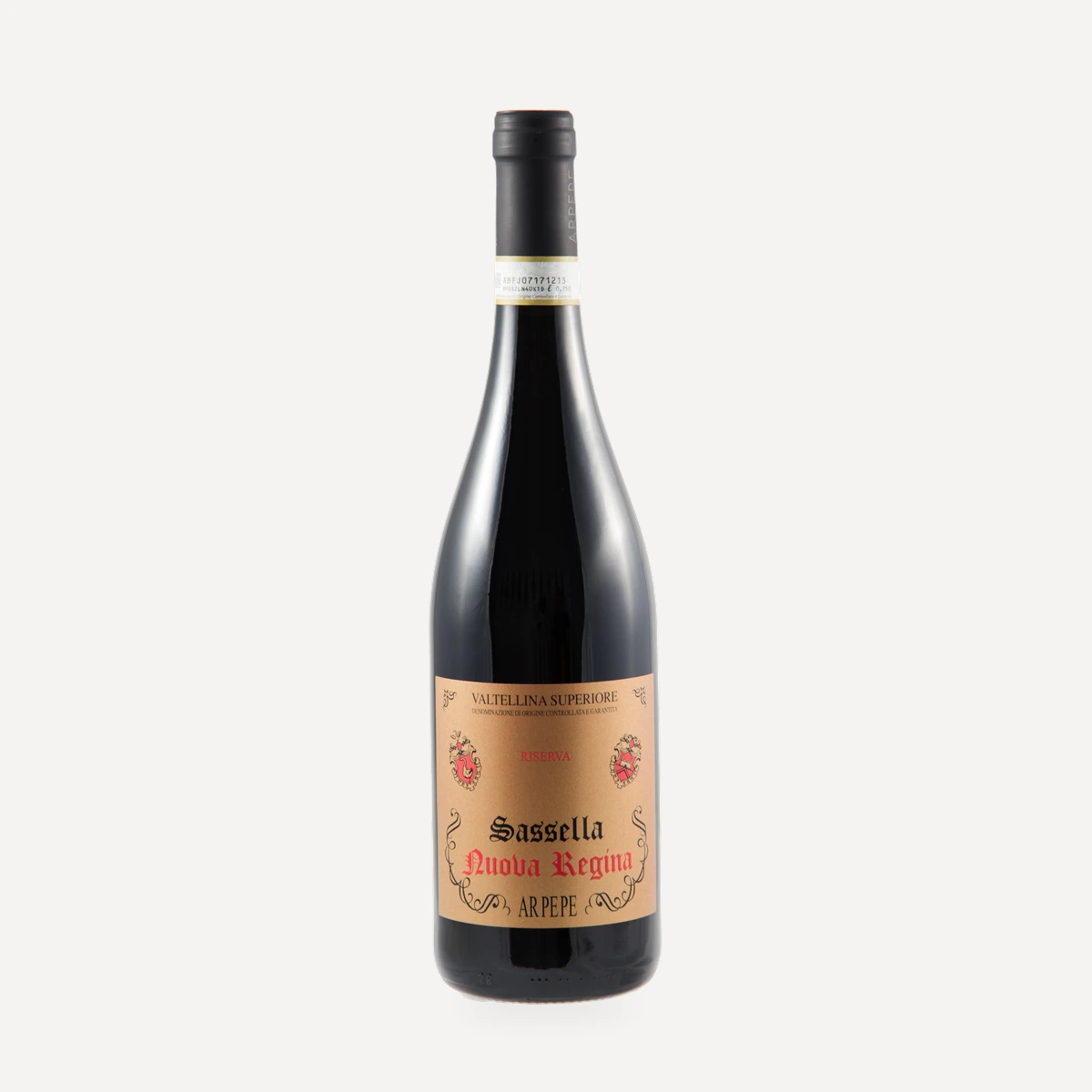
The ancestor Giovanni Pelizzatti was already trading wine across the Swiss border in 1860. The Nuova Regina name had appeared in cadastral records for generations and may predate his cross-border business. Wine historically travelled over the Bernina Pass toward German-speaking Europe.
1969–1973: family transition and sale
Arturo Pelizzatti Perego married Giovanna at the church of Sant’Antonio in Montagna in Valtellina on 4 September 1969.
By 1973, Guido Pelizzatti, owner of the Arturo Pelizzatti estate and father of four children, had been diagnosed with cancer. Arturo was the only son who had followed him into the family business. A lack of agreement among Guido’s heirs led to the division of approximately 50 hectares of family vineyards and the sale of both the established Valtellina brand and the cellar business. Arturo protected his inherited share by leasing approximately 6 hectares under long-term contracts rather than selling the land.
The underground Buon Consiglio cellar was built in 1973 within Grumello’s terraced slope using advanced solutions for its time. Its structure provides natural regulation of humidity and temperature.
1983–1984: recovery and rebirth as ARPEPE
Arturo regained control of approximately 15 acres—about 6 hectares—in 1983 as the leases expired. In 1984 he recovered his portion of the vineyards and the ageing premises at Buon Consiglio and resumed production. Initially trading as Azienda Agricola Arturo Pelizzatti Perego, he subsequently adopted ARPEPE, an acronym of Arturo Pelizzatti Perego, after the transferred Pelizzatti brand could no longer be used.
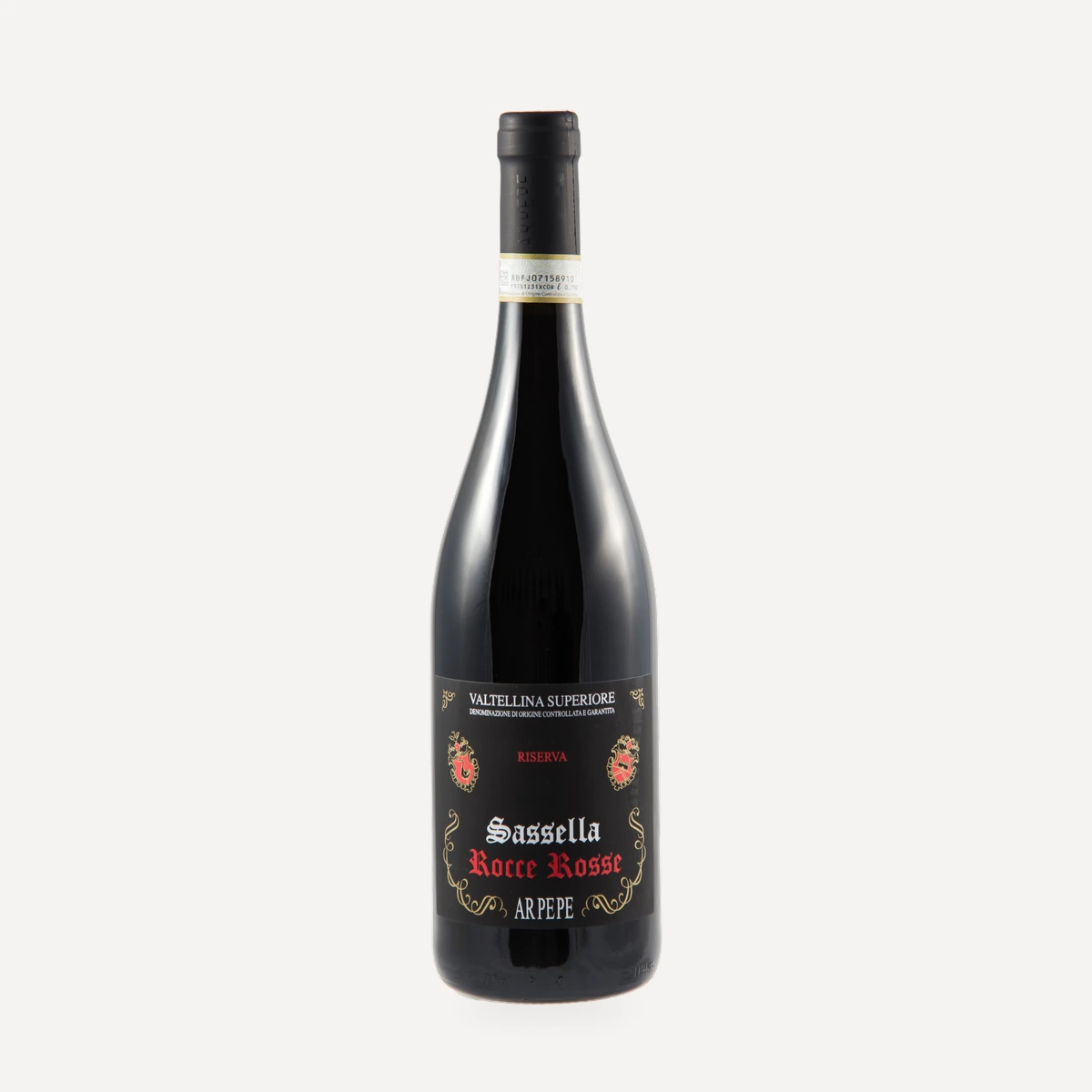
Arturo’s aim was to demonstrate the full potential of Nebbiolo from the Alps in Valtellina. He restored the vineyard inherited from his father in the heart of Sassella, at approximately 400 metres, and made the first vintage of the wine that would become Rocce Rosse. His methods centred on long maceration, patient maturation in large cement vessels and oak casks, and release only after the wine had completed the development he considered necessary. The 1984 wines remained in the cellar until the 1990s, even as market fashion shifted toward barriques.
1990–1999: names and new interpretations
Six years after the 1984 harvest, Arturo and Giovanna named the Sassella riserva Rocce Rosse. The name joined the colour of passion with the iron-rich, sanguine character Arturo associated with his ancestral land.
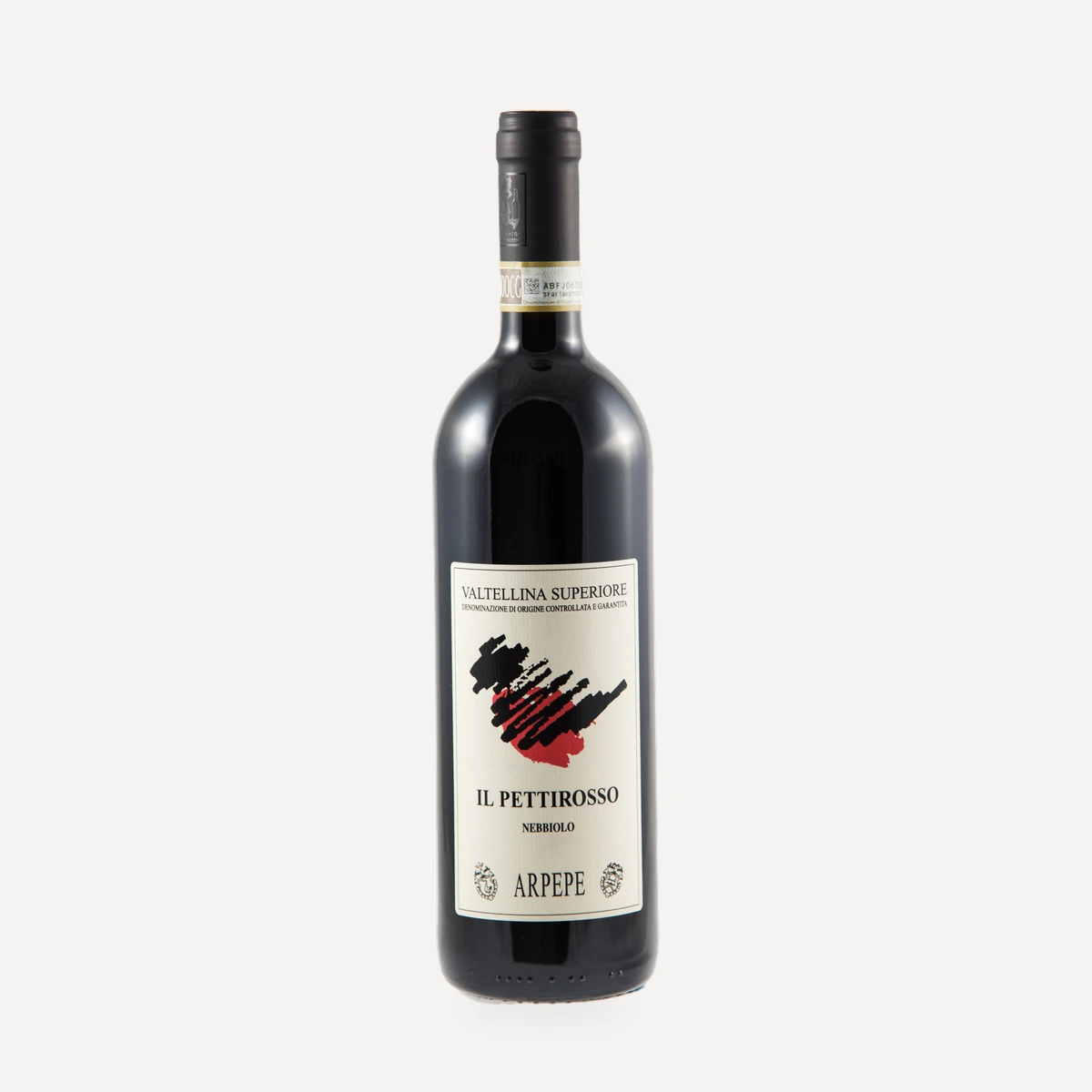
Il Pettirosso originated in 1997 after a robin landed on an old wooden cask. Shortly afterwards Isabella noticed a small leak from one of its acacia staves. Because the wine was ready for bottling but the volume was insufficient for a separate label, Isabella and Emanuele selected several similarly advanced 1997 casks to create the new cuvée. Continuing Arturo’s practice of drawing labels, Isabella asked her husband Enrico to design it.
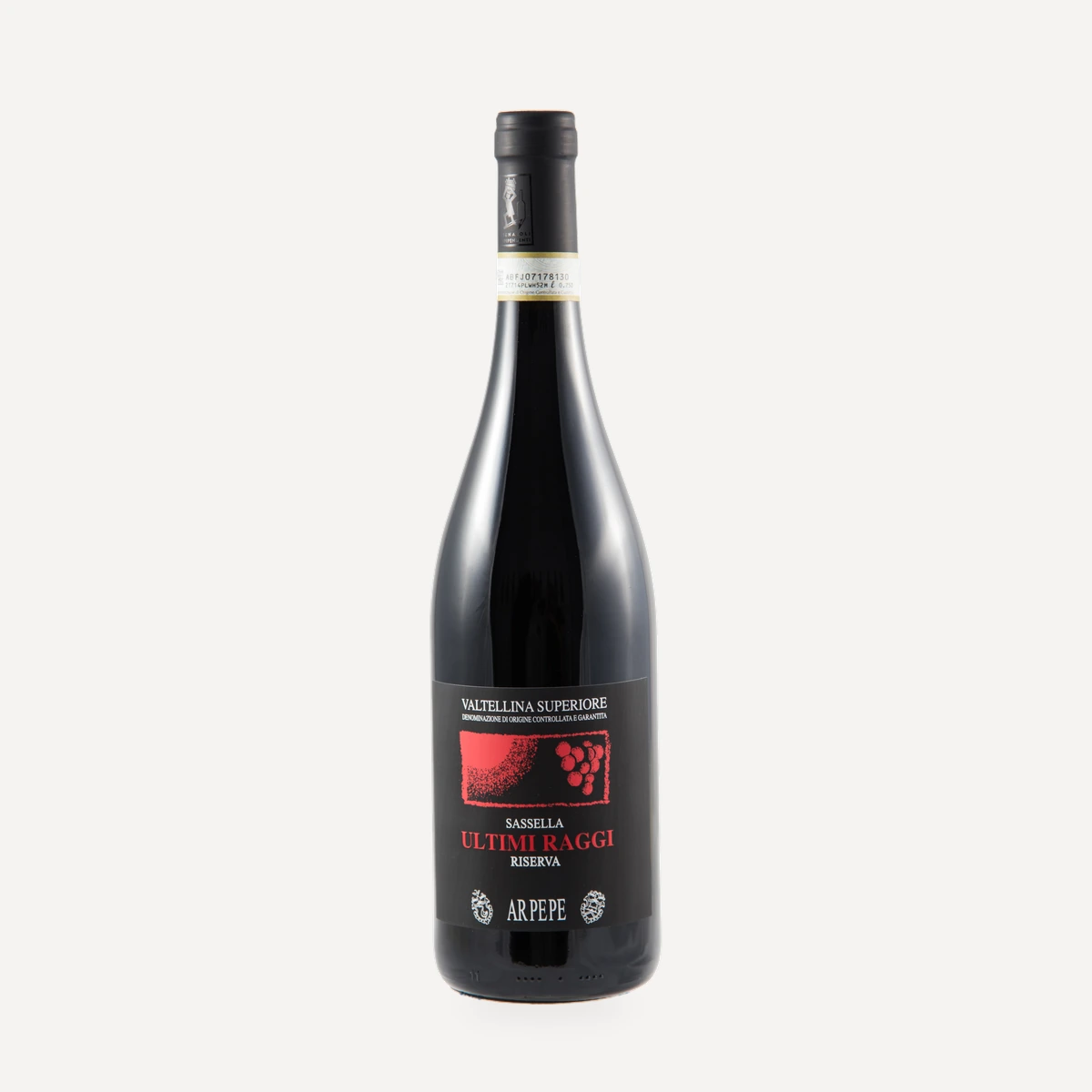
Ultimi Raggi was conceived by Arturo in 1999. Rather than drying grapes indoors, it relies on slight overripening on the vine in the high Ere area of Sassella, with harvest delayed by several weeks.
2001–2004: the fifth generation takes responsibility
Isabella joined her parents at ARPEPE in 2001 after gaining professional experience in Valtellina and Piedmont.
The exceptionally hot and difficult 2003 season produced grapes unsuitable for the family’s long-ageing wines. Instead of selling or devaluing the crop, the family created Rosso di Valtellina as a youthful expression. The decision demonstrated Emanuele’s belief that precise, rational company management was essential to sustaining quality production in Valtellina.
Arturo died on 10 December 2004 after illness. At the end of that year, his children Isabella, Emanuele and Guido—the fifth generation—assumed responsibility for ARPEPE and united their efforts around his project. Emanuele took charge of vineyards and cellar production, Isabella developed the estate’s international presence, and Guido specialised in communication.
2009–2010: family commemorations and new facilities
The 2009 harvest gave the family the opportunity to realise two projects connected with Arturo and Giovanna. Sesto Canto fulfilled Arturo’s ambition to make an Inferno riserva evoking both Dante’s sixth canto and the Circuito dell’Inferno rally course on which he had competed. Sant’Antonio commemorated the fortieth anniversary of Arturo and Giovanna’s wedding; its vineyard lies below the church where they married.
A new reception and tasting space designed by Enrico Massimino opened for the company’s 150th anniversary in 2010. The project added a garden roof, photocatalytic exterior paving and geothermal energy while maintaining visual continuity with the Grumello vineyards and rock.
2014–2024: recognition and continuity
At Vinitaly 2014, Rosso di Valtellina reached the top of the inaugural Italian POPWINE ranking.
The family continued to expand cellar capacity so that wines could remain for years in tanks, concrete vats, large neutral barrels and bottle until ready. It retained Arturo’s principle of the right waiting time while selectively introducing tools intended to protect wine quality, reduce physical strain and lower environmental impact.
On 10 December 2024, Isabella, Emanuele and Guido marked forty years since the first 1984 Rocce Rosse and twenty years since Arturo’s death with a vertical tasting at the University of Gastronomic Sciences in Pollenzo. The event honoured Arturo Pelizzatti Perego and the late Slow Wine vice-curator Paolo Camozzi, who was born in 1984.
The continuing approach
Maturation may continue substantially longer than standard minimum periods. Bottling takes place only when the family considers the wine ready and is timed to lunar phases, followed by further bottle rest. Individual vineyards and the distinctions among vintages remain central to the fifth generation’s interpretation of Nebbiolo from the Alps.
Terroir
Valtellina is a glacial valley crossed by the Adda for 120 kilometres from the Stelvio Pass to Lake Como. It lies between the Alpi Retiche and Orobie and runs parallel to the Alpine chain.
The vineyards occupy the Rhaetian side, which faces south and receives sunlight from dawn to sunset. Cool air from the north moderates the exposed terraces, while the breva rising from Lake Como refreshes the valley around Sassella. Autumn day-to-night temperature differences help thicken grape skins and shape aromatic development; at higher elevations these fluctuations also slow ripening and encourage concentration while maintaining acidity.
Dry-stone walls retain thin, poor soils dominated by flaked granite. The roots of Chiavennasca penetrate this rocky material, and the long history of vines in these conditions has preserved substantial genetic variability. Terraces can be extremely narrow and steep, with walls at Grumello Buon Consiglio exceeding 7 metres.
The individual areas show marked topographic distinctions. Sassella includes rocky sites from approximately 400 metres to the Ere vineyards at 550–600 metres. Nuova Regina rises beyond 450 metres and exposes more rock than soil. Grumello includes Buon Consiglio at 370 metres and Sant’Antonio at 450 metres. Inferno contains steep, sun-warmed granite slopes in Poggiridenti and the third bend of the Circuito dell’Inferno at approximately 450 metres.
Winemaking
All 13 hectares are grass-covered. The terrace morphology prevents tractor use, so pruning, canopy work, plant protection, harvest and transport are manual. During harvest, small boxes and baskets are carried along paths across the rocky slopes. Cultivation can require as much as 1,500 working hours per hectare.
Plant-protection frequency follows rainfall pressure. Powdery mildew and peronospora are managed through carefully applied integrated protection rather than an eradication strategy, with the objective of reducing environmental impact. Every treatment is performed manually. Disease pressure can still eliminate a harvest or lead to wines being withheld from the market, as occurred in 2008.
Gentle Simonit&Sirch pruning, lightweight battery-powered Pellenc tools and small harvest boxes were introduced to improve grape quality, work efficiency and worker health. A modern cableway, installed in Rocce Rosse with helicopter assistance, revives a transport solution used in the area a century earlier while meeting current safety requirements.
Harvest timing is determined by ripeness and weather rather than a fixed formula. In the high Ere vineyards, grapes intended for late harvest remain on the vines for several extra weeks and slowly dehydrate in the wind. Across the estate, the variability of weather, site and vintage is treated as something that human work can guide only in part.
The underground Buon Consiglio cellar was constructed in 1973 within Grumello’s terraced slope. Its architecture uses the surrounding rock and soil to regulate humidity and temperature naturally. Geothermal energy now contributes additional temperature control while lowering carbon emissions.
Vinification and ageing are adjusted to the character of each harvest rather than calculated from a fixed formula. The cellar works with wooden vats, large barrels, steel tanks and concrete vessels. Long maceration is an established tool, and selected lots may remain on their skins for more than 100 days. The historical approach favours large cement tanks and large, seasoned oak or chestnut vessels rather than a barrique-led style.
Ageing lasts as long as the vintage requires. Some wines remain for years in tanks, concrete vats and large neutral barrels before bottling, then rest further in bottle before release. A nitrogen-blanketing system protects wine in tanks and casks from oxidation and permits lower sulphur use.
Bottling occurs only when maturation is judged complete and is scheduled in accordance with lunar phases. Bottle ageing then continues in darkness and silence. The objective is gradual refinement without erasing the identity of individual vineyards or the distinctions among vintages. ARPEPE DAYS, held for two consecutive days at the beginning of winter, provide the cellar’s annual first presentation of its work.
Philosophy
ARPEPE defines its work through il giusto tempo, the right waiting time for Nebbiolo. Manual cultivation following the vine’s natural rhythm and patient cellar maturation are treated as inseparable. The intended result is to carry the grapes’ aromatic character into bottle while respecting both the land and the people who work it.
The family rejects a predetermined winemaking formula. Agronomy, vinification and ageing change with the vintage, and each vessel is used only where it serves the wine. Time and humility are presented as the means by which Nebbiolo can express the people, terraces and individual vineyards of Valtellina.
Tradition does not exclude innovation, but innovation must answer a concrete need for improvement rather than fashion. New pruning methods, lightweight tools, cable transport, geothermal energy and inert-gas protection are adopted when they improve grape quality, worker health, environmental performance or the precision of maturation.
The estate’s economic philosophy is also tied to international recognition. Mountain viticulture requires immense manual labour and cannot be sustained through mass production; the family therefore seeks a place for Nebbiolo from the Alps within the international fine-wine market while retaining its local identity.
Vintage differences are not engineered away. Maturation may exceed conventional schedules, and some harvests never reach the market. Bottling occurs only when the wine is ready, preserving the distinctions among sites and years rather than forcing them into a standard timetable.
Wines
Sassella Ultimi Raggi
Sassella Nuova Regina
Sassella Rocce Rosse
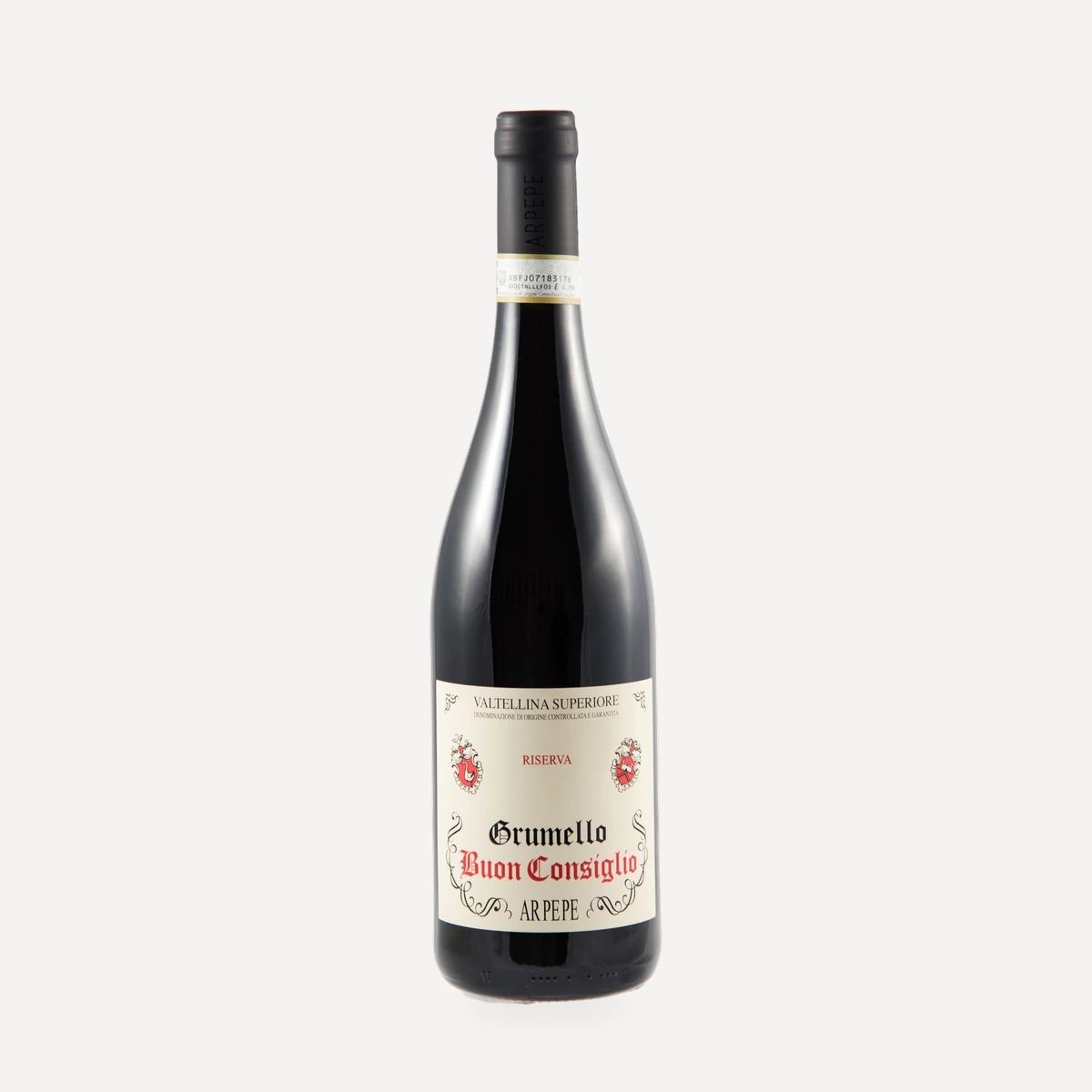
Grumello Buon Consiglio
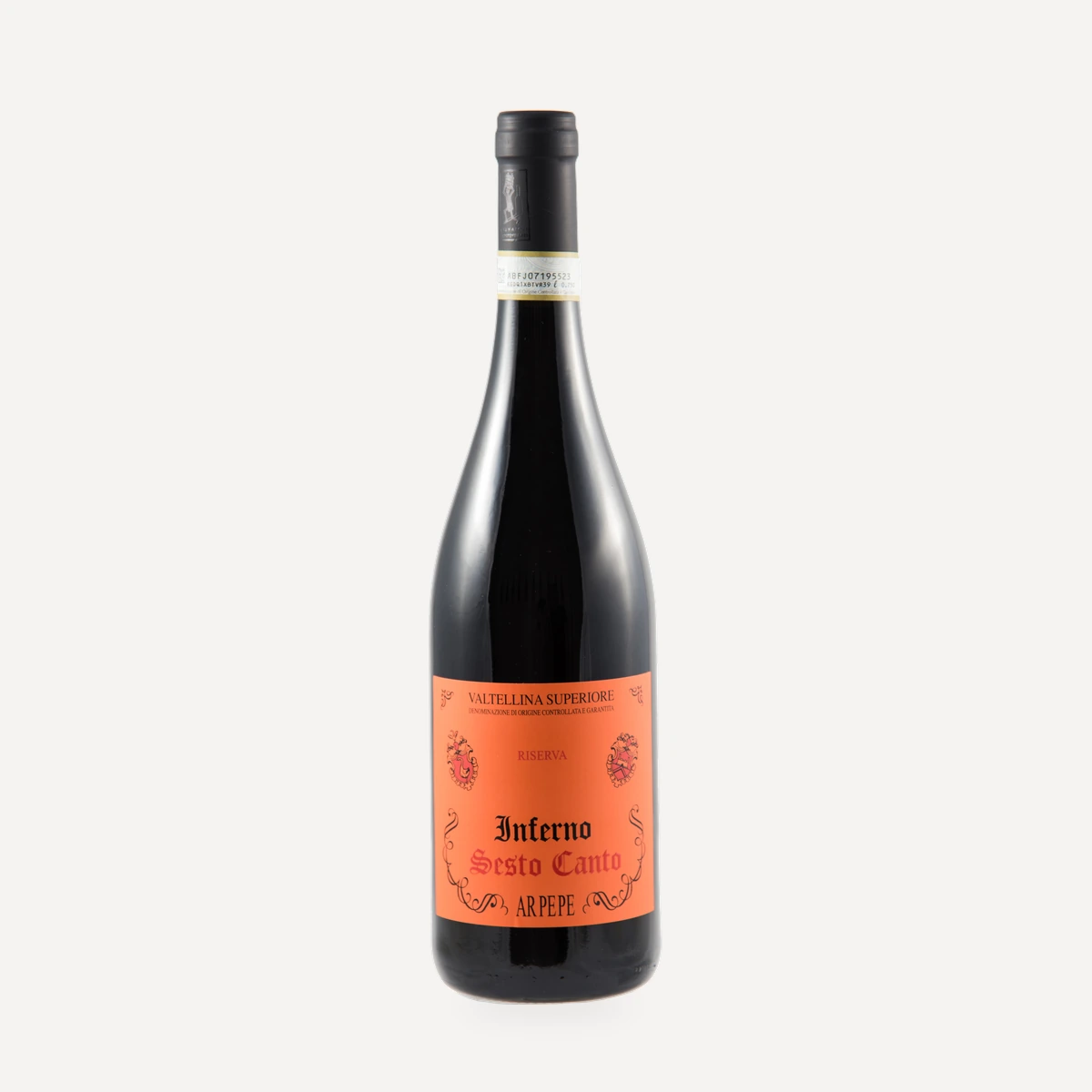
Inferno Sesto Canto
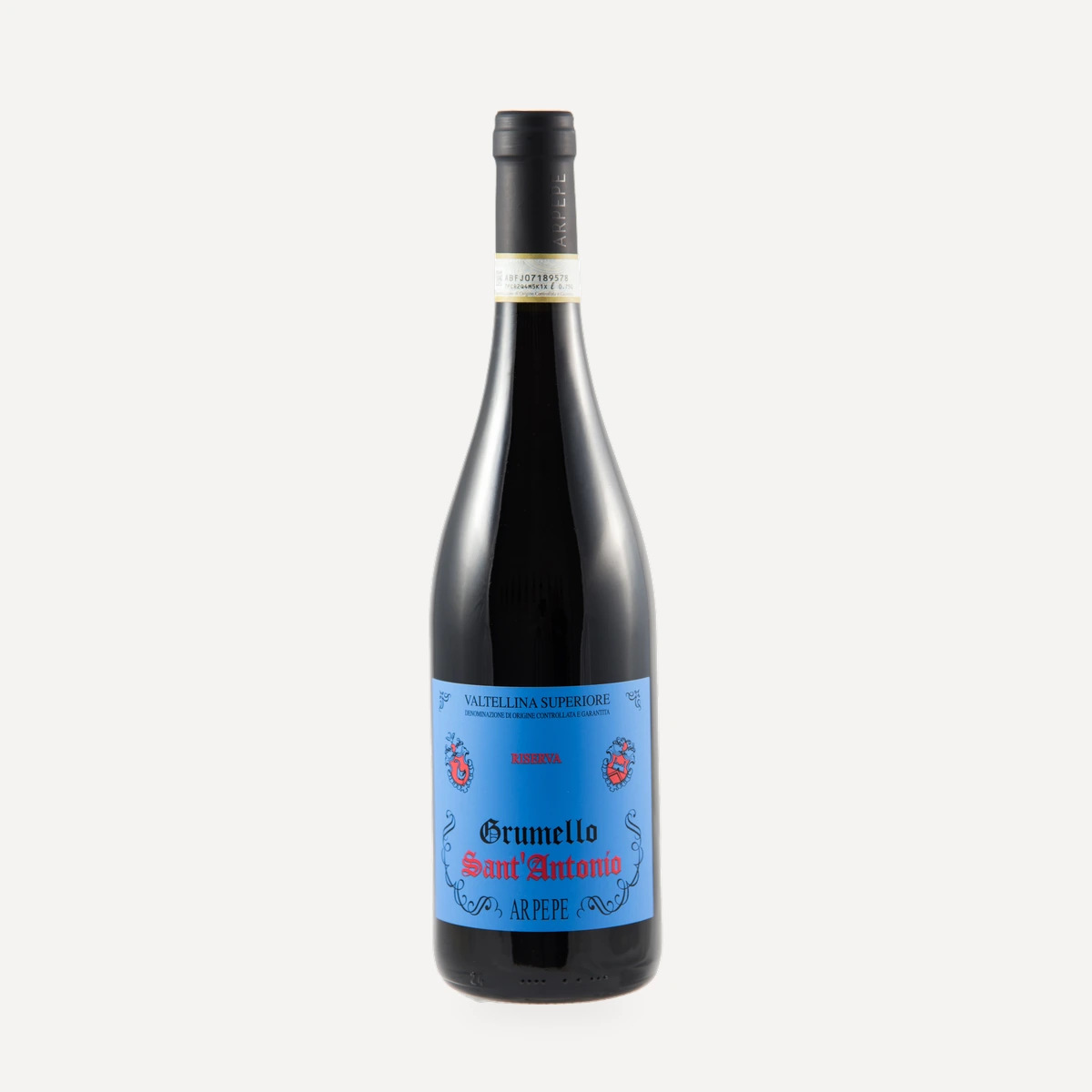
Grumello Sant'Antonio
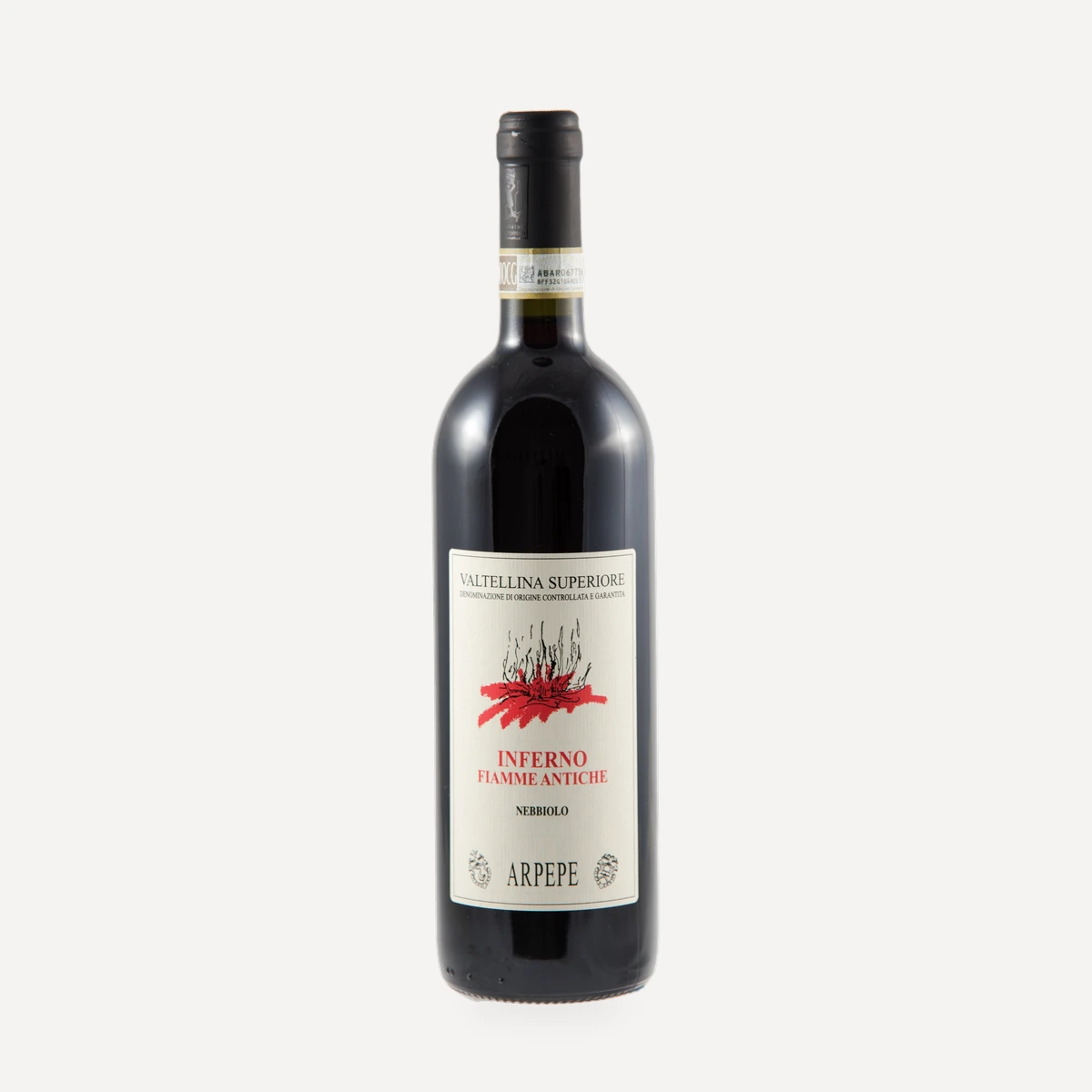
Inferno Fiamme Antiche
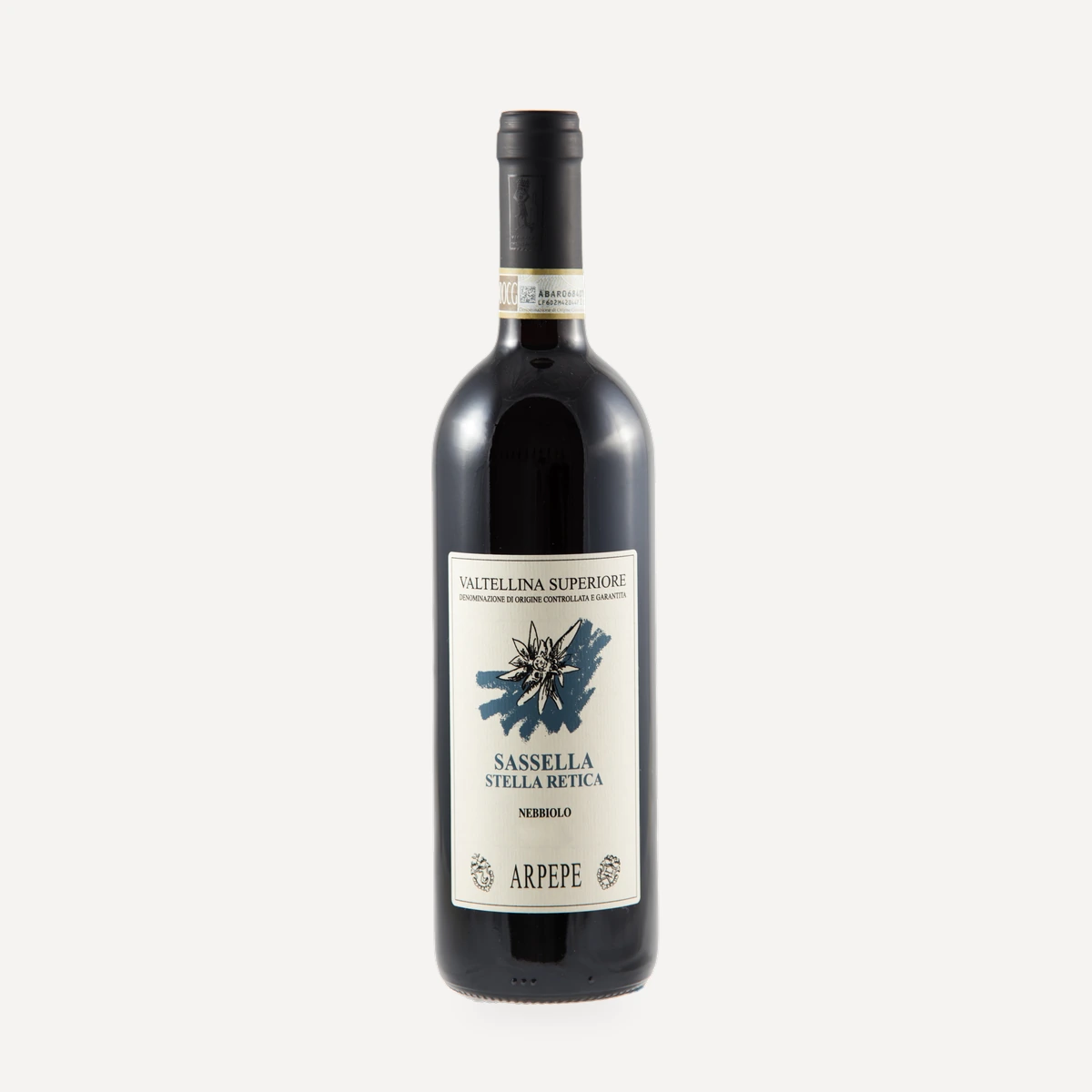
Sassella Stella Retica
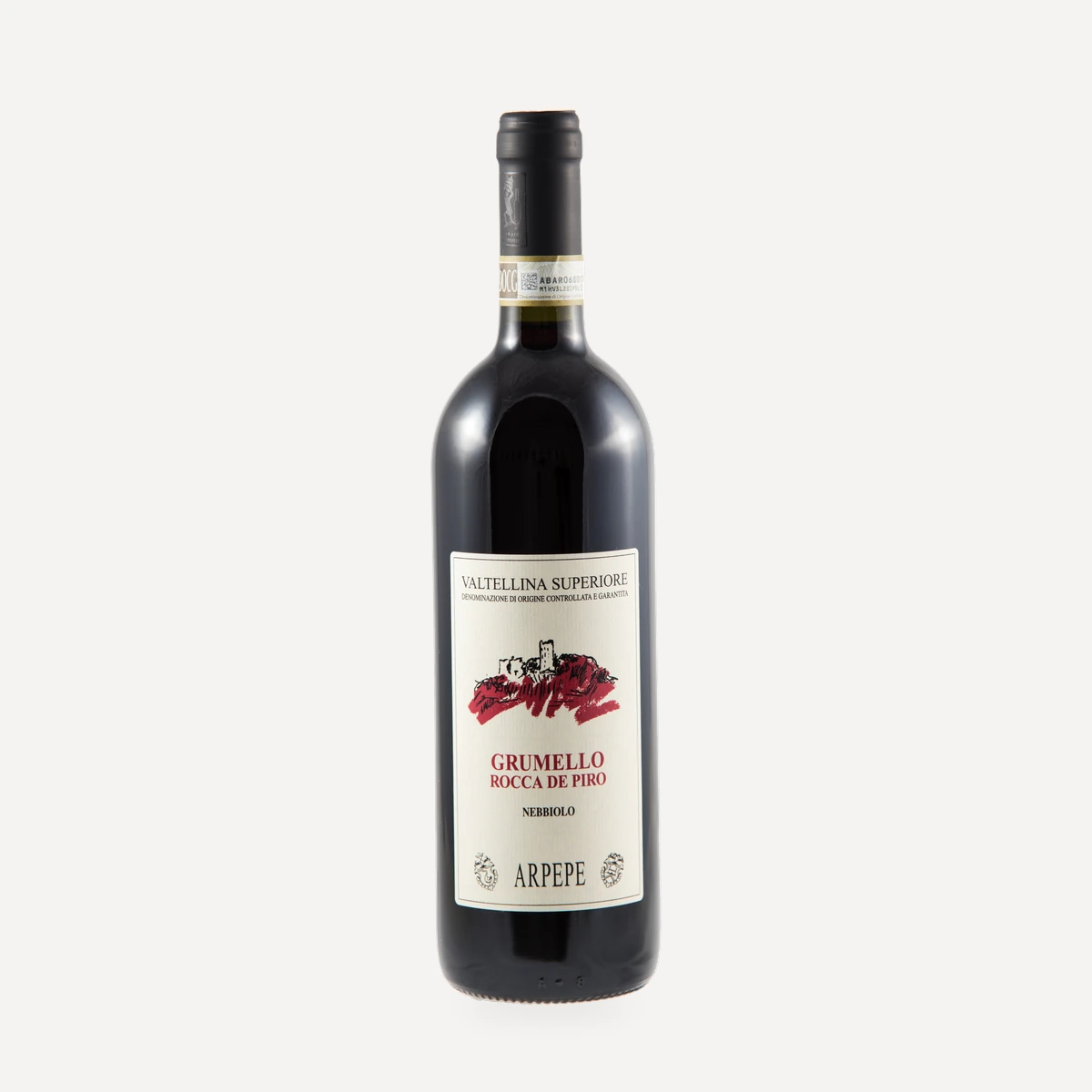
Grumello Rocca De Piro
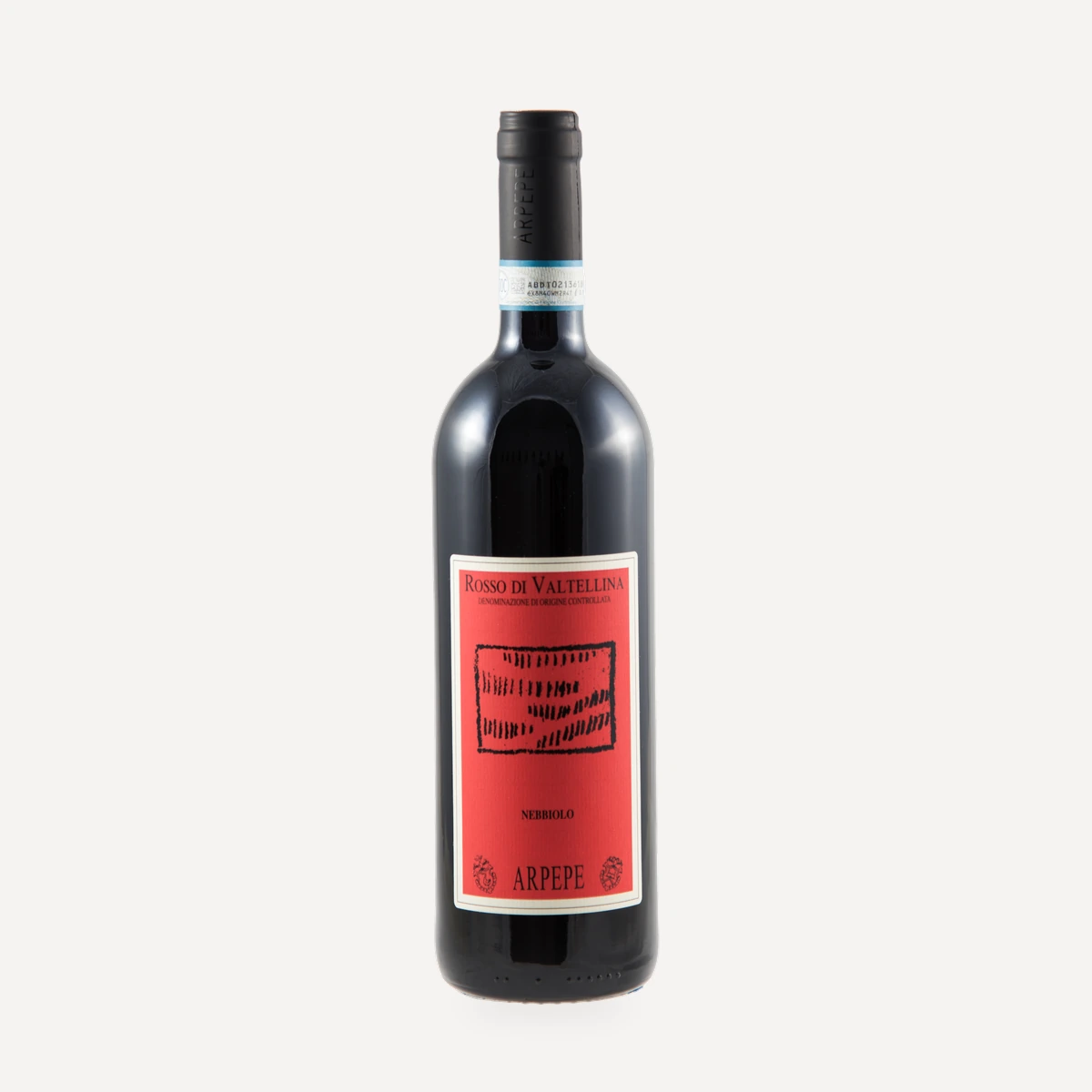
Rosso di Valtellina