History
Origins at Fontaniva
The family’s commercial roots precede the wine house itself. Giuseppe Rainoldi, born in 1866 as the first of the twelve children of Lorenzo Rainoldi and Maria Tuia, settled with his wife Domenica at Fontaniva in Val d’Arigna, a hamlet of Ponte in Valtellina at 824 metres. Toward the end of the nineteenth century they opened an osteria beside a grocery shop, trading necessities such as flour and milk as well as occasional barrels of wine. Domenica brought a small amount of land as her dowry. Their work supplied a remote community then numbering about 700 inhabitants.
Their son Aldo Rainoldi was born in 1905. He remained with the family while some siblings emigrated and, from the age of eight, travelled through the valley with a mule to obtain grain for the stone mill at Fontaniva. After his father’s early death, he helped support his mother.
1925: foundation at Casacce di Chiuro
At twenty, Aldo moved from Fontaniva to Casacce di Chiuro and established himself as a wine merchant. His aim was to make a living exclusively from wine, initially distributing a simple everyday product throughout Valtellina. He later married Virginia Carugo. He built the tallest house in the old Casacce settlement, which became the historic base of the business.
Aldo left the Casacce cellars early each morning to deliver wine to villages, hotels, restaurants and private customers, returning late in the evening. The expansion of hydroelectric construction in Valtellina created a large workforce and a corresponding market for his wine.
1942–1945: cellar work and wartime continuity
In 1942 Aldo hired his first cellarman, Virgilio Salvagni, born in 1928. At that time the business bought both bulk wine and grapes. Grapes were taken to the Chiuro press, crushed in October and November, and the resulting light wine began to be sold in April. Bressana and Brugnola, described as close relatives of Chiavennasca, were then particularly important. Five oak vats were kept meticulously clean.
The winery continued through the Second World War, including the difficult period in 1944 when retreating German forces targeted hydroelectric installations in the valley. When demand revived in the summer of 1945, Aldo resisted the abandonment of mountain agriculture and resumed expanding his rounds. He gradually involved his son Giuseppe, known as Peppino and born in 1937. His younger son Gianluigi sometimes accompanied deliveries in a lobster-coloured Fiat 500, visiting hotels and restaurants, going house to house and collecting orders outside churches after Sunday Mass.
The post-war transformation under Giuseppe Rainoldi
Around the middle of the twentieth century, A. Rainoldi & Figlio began bottling and labelling its own wines. Giuseppe briefly combined morning wine deliveries with running a bar in Sondrio, but the schedule proved unsustainable and he returned fully to the family enterprise.
Giuseppe proposed a fundamental change rather than the replacement of the old business. The company stopped buying bulk wine and moved to purchasing grapes; bottle sales replaced chestnut barrels; and new machinery was installed. This established a quality-oriented model based on direct control from grape intake onward.
The Lake Como market became the first major step beyond Valtellina. Giuseppe spent a week visiting hotels, restaurants and trattorias and returned with orders for 20,000 bottles. New equipment was acquired within a week to bottle Grumello, followed by Sassella, Inferno, Valgella and Sfursat. Markets then expanded beyond Lombardy and Switzerland to the United States, Germany, Japan and Northern Europe.
The 1970s and international expansion
During the 1970s, demand shifted toward white and sparkling wines, putting the company’s traditional reds under pressure. Giuseppe responded by developing exports. Rainoldi bottles were presented at the Coliseum in New York, and Sassella 1976 entered the wine list at Windows on the World on the 107th floor of the World Trade Center’s North Tower.
The family worked with the Italo-American brothers Aldo and Mario Daniele through Daniele & C. At the height of this relationship, as many as 120,000 bottles per year were being shipped to the United States.
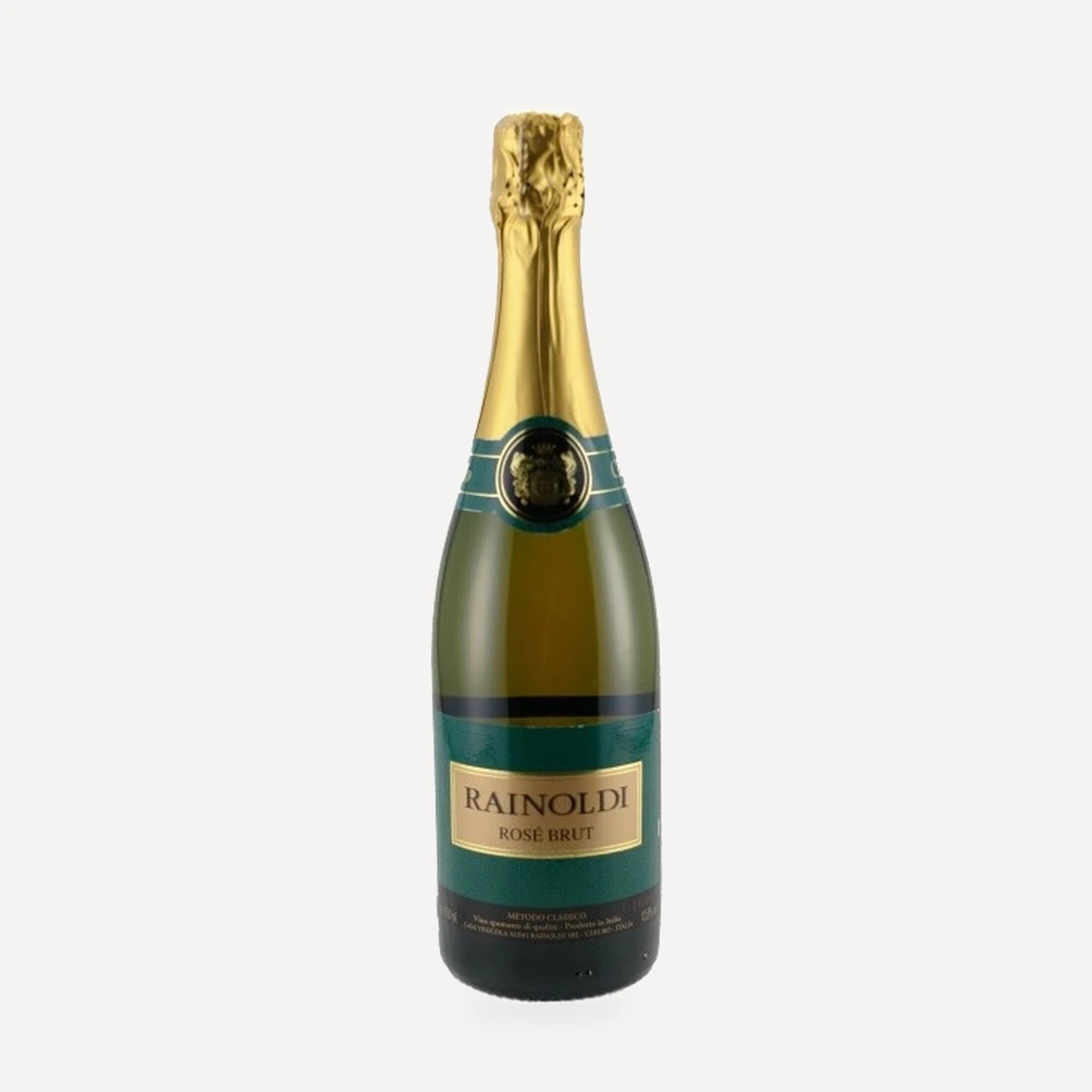
Giuseppe also began experimental production of a traditional-method rosé sparkling wine from Chiavennasca with an oenologist friend. The trials started with only a few bottles, whose strengths and weaknesses were evaluated before the next experiments. Six bottles were eventually included in an export shipment, and the importer entered one in a competition for Italian traditional-method sparkling wine. Rainoldi Brut Rosé placed first, attracting coverage that included the New York Times and Daily News. The result made 1984 the beginning of a formal sparkling-wine chapter for the family.
Aldo Rainoldi junior and the third generation
Aldo Rainoldi junior, Gianluigi’s son, was born in Bergamo in 1973. He studied viticulture and oenology at Turin and Alba and returned to Valtellina during the 1990s. His first wine after joining the company was Ghibellino, made from Sauvignon Blanc—a deliberate departure within a region associated principally with red wine.
His work combined the family’s traditions with experimentation, land acquisition and vineyard expansion. The objective was to improve quality while reducing environmental impact and to leave the enterprise in better condition for the next generation. He also strengthened exports, which by the centenary extended to more than thirty countries.
Michela Benigni joined the business in 2010. She developed detailed knowledge of wine and the regulatory environment and became an international ambassador for the house, with particular interest in complex or emerging markets such as Scandinavia, Central Asia and Hong Kong.
2016–2024: new facilities and renovation
A modern vinification cellar opened in 2016 above the historic Casacce premises. It receives grapes from directly managed vineyards and trusted growers after agronomic controls.
Over the two years preceding January 2024, the historic Chiuro building underwent internal and external renovation focused on energy efficiency and a clearer visual relationship between the old stone structure and the modern production area. Architect Rocco Borromini used wooden pupitres associated with traditional-method sparkling production as part of the exterior treatment. Photovoltaic panels were installed on the historic façade, at times allowing the winery to be energetically self-sufficient. The project was included in Archilovers’ Top Ten Wineries of 2023.
2025: the centenary and fourth generation
The centenary was marked by publication of CULTO, edited by Michele Mauri with art direction by Paolo Vallara. The book traces four generations through archival photographs, recollections and testimony, presenting wine as culture and linking technical competence to the family’s attachment to Valtellina.
Marco Rainoldi and his younger sister Maria Vittoria represent the fourth generation. Marco has studied innovation in viticulture and changing consumer behaviour at the University of Trento and the Edmund Mach Foundation in San Michele all’Adige. His stated ambition is to protect the company from climate change and market pressures incompatible with the family tradition while contributing wines of his own. Maria Vittoria is also becoming acquainted with the family cellars. Their participation is associated with digital solutions and environmental and social sustainability.
In 2025 the company also began an Equalitas SOPD certification pathway. The first objectives included obtaining certification, progressively replacing three-bottle wooden cases with cardboard, eliminating adhesive tape from six- and twelve-bottle cartons, adapting underground rooms for radon management and publishing the centenary book.
Terroir
Valtellina lies in northern Lombardy within the Alps and is characterised by mountain viticulture on the south-facing Rhaetian slope. The vineyards rise on steep ronchi and terraces supported by dry-stone walls, often forming isolated cultivated sections between woodland and rock.
The geological setting follows the Insubric Line, formed through the collision of the European and African plates. Vineyard soils are laid directly over rock: light, shallow, loose and free-draining, with low yields. Around Sassella, iron-rich red rocks absorb solar heat and create notably warm conditions just above 300 metres. The Sassella zone extends from approximately 300 to 630 metres, with the estate’s holdings around Grigioni, the Santuario della Sassella and Triasso.
Rows face south for prolonged sunlight. The Alpine chain reduces the force of cold northerly winds, while a light evening breeze supports the day–night temperature variation favoured by Chiavennasca. Dry, sunny autumns and pronounced thermal shifts promote healthy bunches and aromatic development.
The terraces retain enough solar heat to support an unusual mixture of Alpine and Mediterranean vegetation. Woodland surrounds the vineyards, while cactus, agave and olive trees occur within the landscape. The average vineyard age exceeds sixty years.
Directly managed and supplied vineyards extend across Sassella, Grumello and Inferno, with Maroggia to the west and Valgella to the east. Other grape sources lie within Rosso di Valtellina DOC and the wider Valtellina Superiore DOCG area. Vineyard elevations associated with the portfolio extend from roughly 290 to 650 metres.
Winemaking
Viticulture follows an integrated-production approach intended to reduce insecticide use and make cultivation more natural. Insecticides are restricted to the compulsory control of Grapevine Flavescence Dorée. The company also participates in an experimental sexual-confusion project targeting its leafhopper vector.
Herbicide use has been eliminated. Grass is cut and left in the vineyard to return organic material to the soil. Pruning wood is shredded in place where possible; otherwise it is collected for biomass-energy production.
Dry pruning follows the Simonit & Sirch method. By limiting large cutting surfaces and maintaining sap-flow continuity, the practice is intended to reduce excessive vigour and improve the balance between vegetative growth and fruit production.
The Vigna degli Apostoli is maintained under permanent grass with espalier-trained vines. Canopy management increases illuminated leaf area and encourages photosynthesis. Irrigation is used only as emergency relief within the production regulations.
Every vineyard requires extensive manual work. Mountain conditions demand about 1,200 labour hours per hectare annually—approximately four times the requirement cited for hill viticulture. Harvest is entirely by hand. Field checks determine the optimum picking date for every lot, and helicopters may sometimes transport harvested grapes from terraces to the valley.
Grapes supplied by trusted growers are also covered by treatment records and individual inspections from the company agronomist. Lots must pass agronomic controls before entering the vinification cellar.
For Sforzato production, Chiavennasca is normally picked in the first ten days of October. Only loose, completely healthy bunches with intact, sufficiently thick skins are selected. They are placed in small 5–6 kg crates before drying.
Production structure
A modern vinification facility inaugurated in 2016 stands above the historic Casacce site. Azienda agricola Aldo Rainoldi works exclusively for Casa Vinicola Aldo Rainoldi, cultivating grapes and processing them through to bulk wine, which the wine house subsequently purchases. The Chiuro cellar receives bulk wine for maturation and bottling; some young and white wines requiring no further maturation are bottled at the Maschio facility by a mobile contractor.
In 2024 the wine house purchased 95,486 kg of grapes and 85,674 L of bulk wine. It sent 17,142 L for contract processing, held 20,775.5 L under processing arrangements and bottled 152,052.75 L.
Historic maturation cellar
The historic cellar is reached by an old stone staircase and contains a long row of Slavonian oak vats. An inner reserve area known as the Infernotto holds older vintages. The building is constructed from local stone, with perimeter walls up to one metre thick and an aerated underground section. Temperature is naturally maintained between approximately 11 °C in winter and 19 °C in summer by opening or closing purpose-designed vents, without mechanical cooling or ventilation.
Drying for Sforzato
Selected Chiavennasca bunches are placed in 5–6 kg crates or on racks and dried in naturally ventilated fruttai until at least 1 December, commonly to around 10 December. The lower drying room, at about 300–350 m, produces approximately 28–30% dehydration. Fruttaio Ca’ Rizzieri, at 500 m, can reach 32–33%. The process concentrates sugars, polyphenols and aromas before fermentation. The general target is a loss of about 30–32% of the starting bunch weight.
Maturation and sparkling production
The portfolio demonstrates maturation in 25 and 56 hl oak vats, smaller oak barrels and stainless-steel tanks, followed by bottle rest in dark, cool cellars. The historic maturation room contains Slavonian oak.
Traditional-method sparkling production began with Chiavennasca rosé experiments in the 1970s and entered a commercial phase in 1984. Present sparkling cuvées combine Chiavennasca with small proportions of Pignola and Rossola. Base wine rests in steel until the spring after harvest; after tirage and secondary fermentation, wines mature on the lees. The longest named period is at least 60 months for Cuvée Maria Vittoria, while Brut Rosé rests for at least 36 months before disgorgement.
Cellar hygiene and materials
Bottling machinery is rinsed immediately after use and again before the next bottling. Vats are washed with soda followed by citric acid, and floors are cleaned mechanically. Detergent-containing cellar wastewater is collected and handled as waste. Winemaking inputs and cleaning products are monitored to minimise waste while meeting technical objectives. The 2024 inventory included acids, bentonite, fining agents, enzymes, gum arabic, yeasts, mannoproteins, potassium metabisulphite, PVPP and stabilisers.
Vinification by-products are collected for distillation or composted for agronomic use. In 2024, 477 kg of pomace from the wine house was returned to the fields.
Philosophy
The family describes itself as custodian of both the land and a century of inherited work. Its central principle is renewal without abandoning origins or values: tradition is treated as a foundation for experimentation rather than a reason to repeat methods unchanged.
Wine is understood as culture and as a vocation joining vineyard labour, technical knowledge and convivial pleasure. Technical competence should remain accessible; obscure vocabulary and self-congratulation are rejected in favour of helping visitors enjoy wine without discomfort.
Aldo Rainoldi’s approach begins with substrate, soil and microclimate but also leaves space for the producer’s judgement and personality. The goal is not modernity for its own sake, since uniform notions of modern taste can flatten differences, but wines with an identifiable character. New winemaking methods are studied without abandoning the craftsmanship considered necessary for quality.
Environmental stewardship is linked to generational responsibility. Land, vineyards and cellars should pass to the next generation in better condition than they were received. Sustainability is defined as an ongoing balance of environmental, economic and social dimensions rather than a fixed status. The management system therefore joins product quality, food safety, worker welfare, environmental improvement, supplier relationships and support for the surrounding community.
The fourth generation associates continuity with digital tools, climate adaptation and environmental and social sustainability. Marco Rainoldi has specifically identified climate change and market pressures detached from family tradition as risks to be managed.
Wines
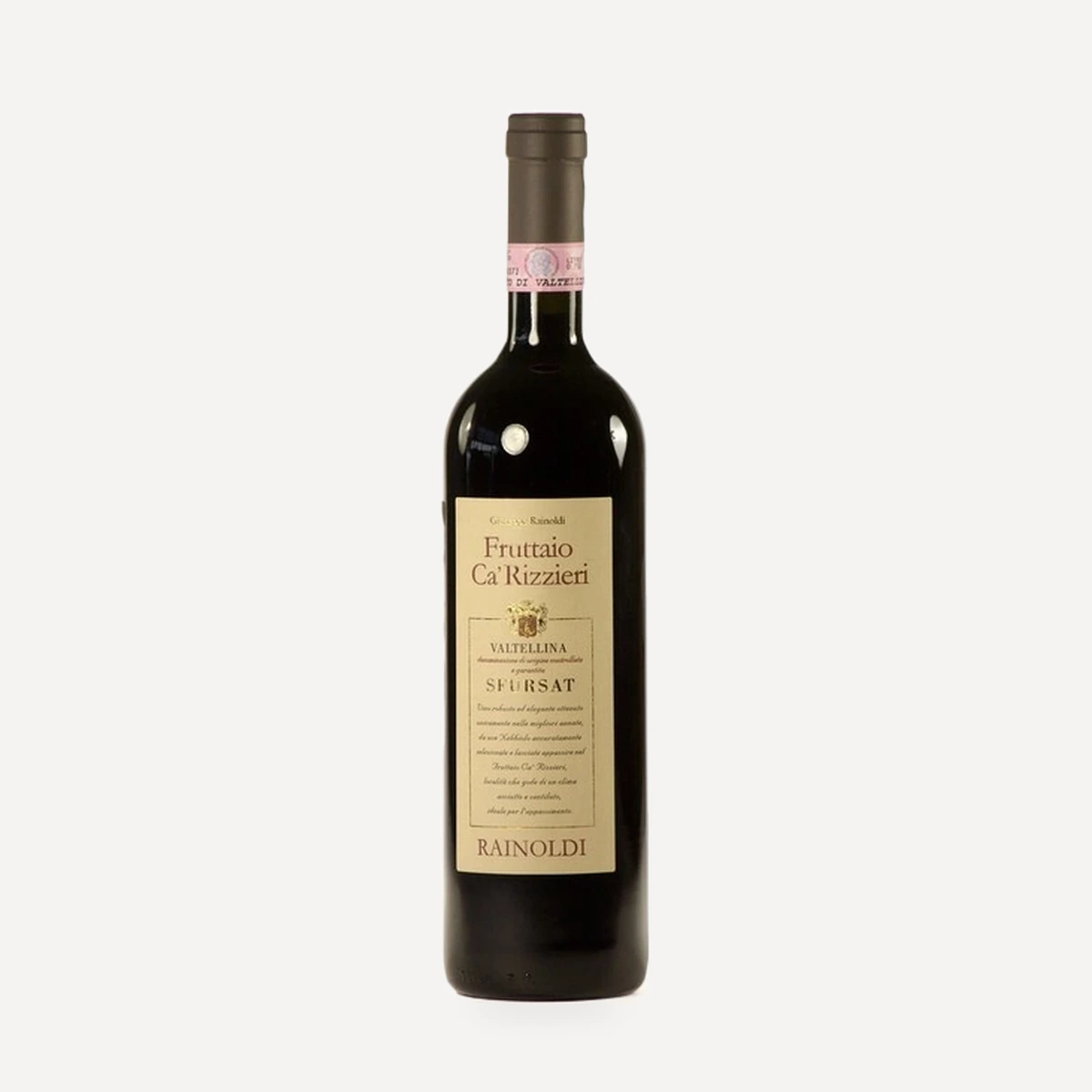
Fruttaio Ca’ Rizzieri — Sforzato di Valtellina DOCG
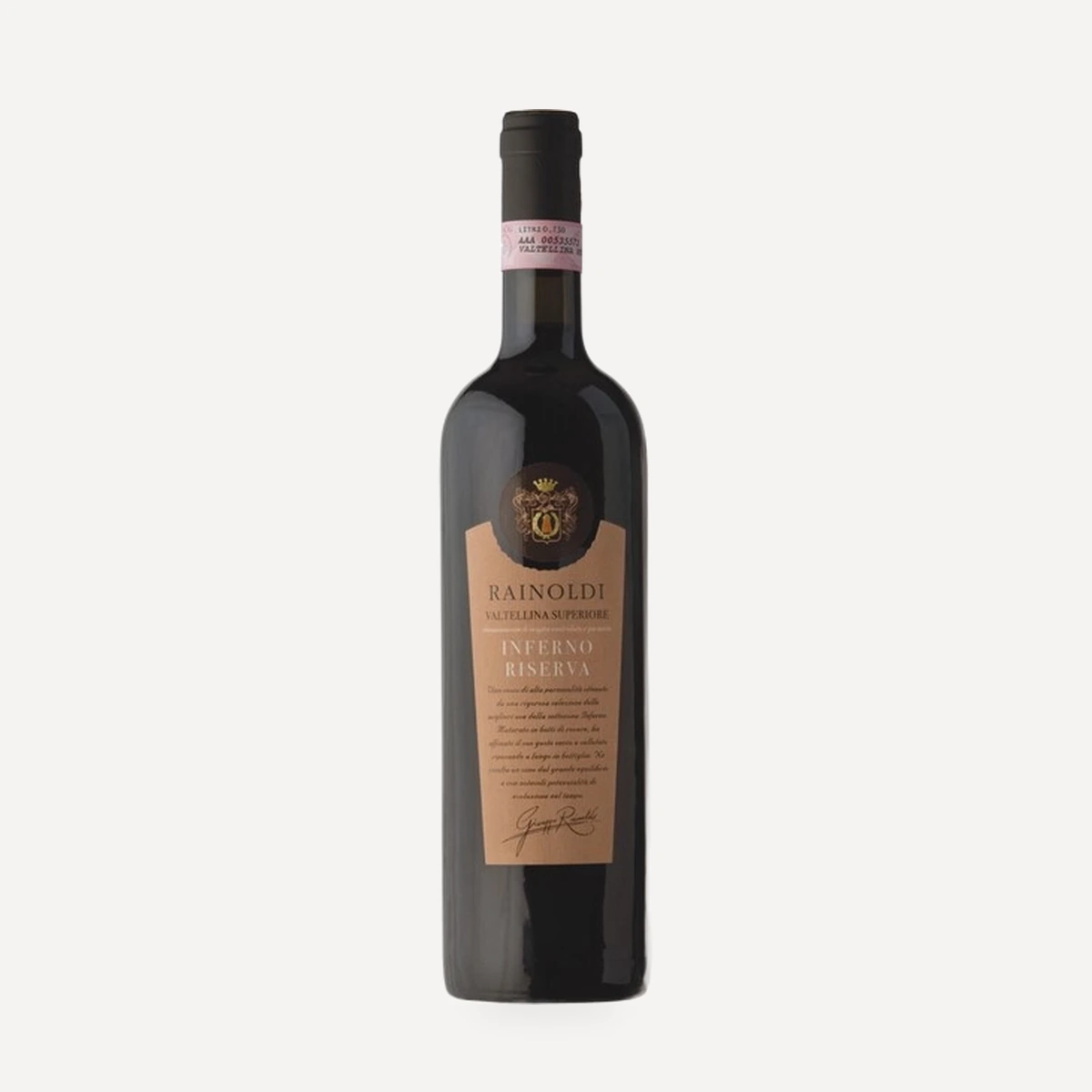
Inferno Riserva — Valtellina Superiore DOCG
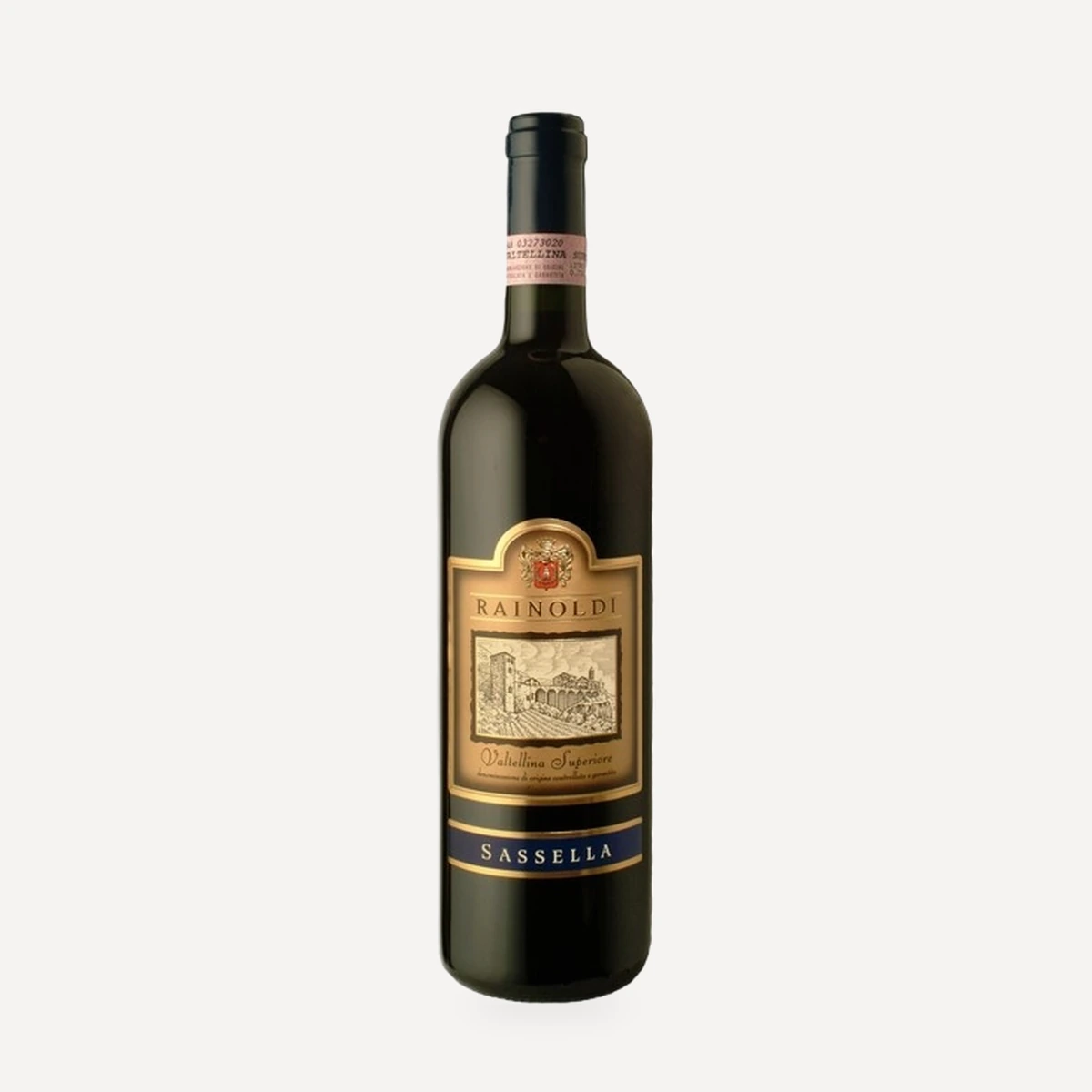
Sassella Riserva — Valtellina Superiore DOCG
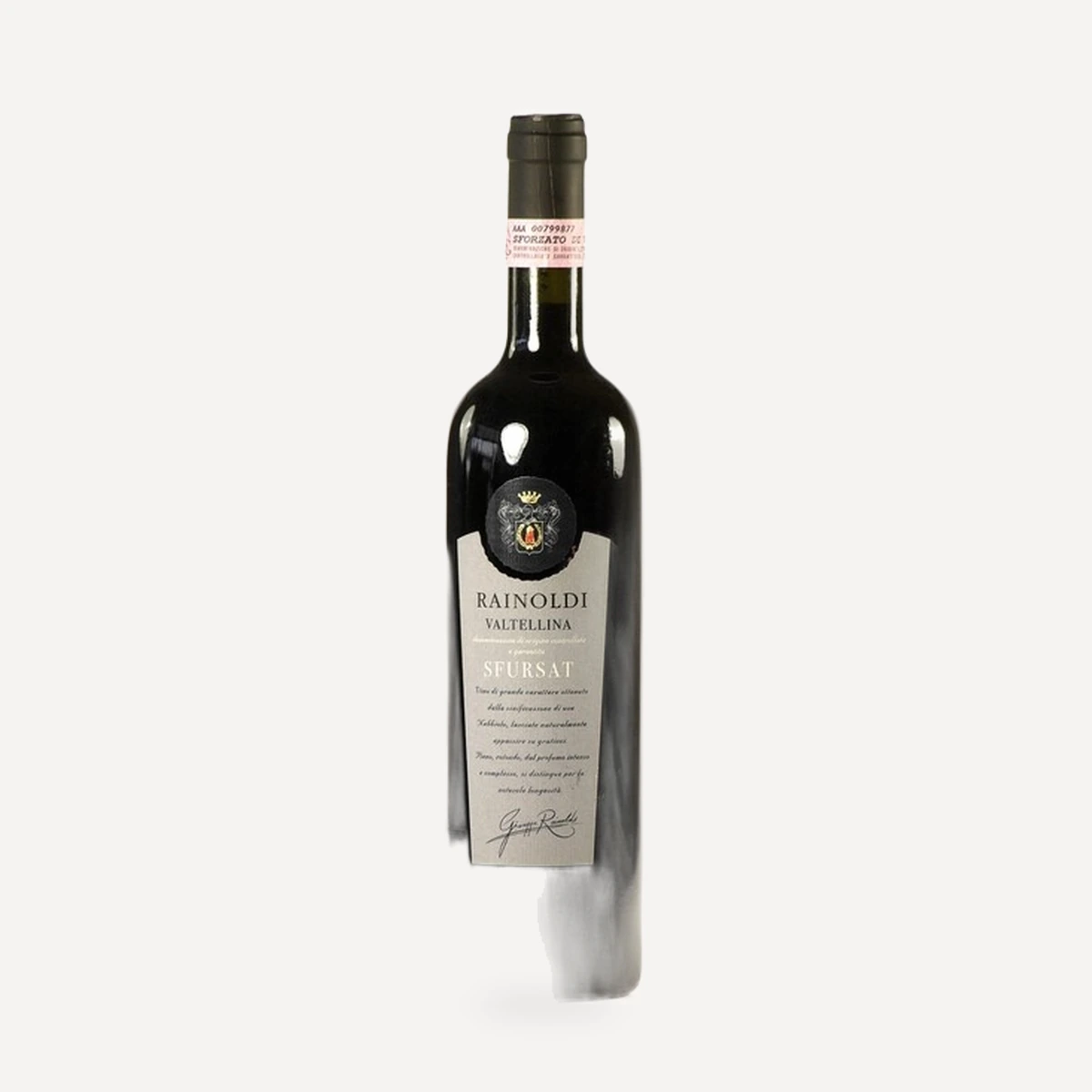
Sforzato di Valtellina DOCG