History
Family vineyards and early recognition
The Grasso family’s vineyards have long formed the core of the estate. Their location was already recognised for its wine-growing potential in the early 20th century, when historian Lorenzo Fantini included the family’s holdings in his map of the area’s finest vineyards.
1978: separate vinification by vineyard
In 1978, the family began vinifying and bottling grapes from its different vineyards separately. The decision was intended to preserve the identity of each site and give the estate a distinct place in a market that already included established growers. The first vintages of Gavarini Chiniera® Barolo DOCG and Casa Maté® Barolo Docg Ginestra date from that year.
The return to grape growing in the early 1980s
During the early 1980s, the family made a deliberate return to its origins as grape growers. The approach was not presented as a break with the past: the objective was to continue the best traditions and work of previous generations while remaining open-minded. Development followed a gradual, step-by-step policy, including successive replantings of Nebbiolo, Barbera and Dolcetto.
The first vintage of Dolcetto d’Alba DOC dei Grassi® was produced in 1980.
1986–1990: diversification of the vineyards
In 1986, the estate planted a small parcel of Chardonnay, a non-native variety. The family’s stated intention was to adapt—or “educate”—the variety so that it would express the terroir where it had been planted.
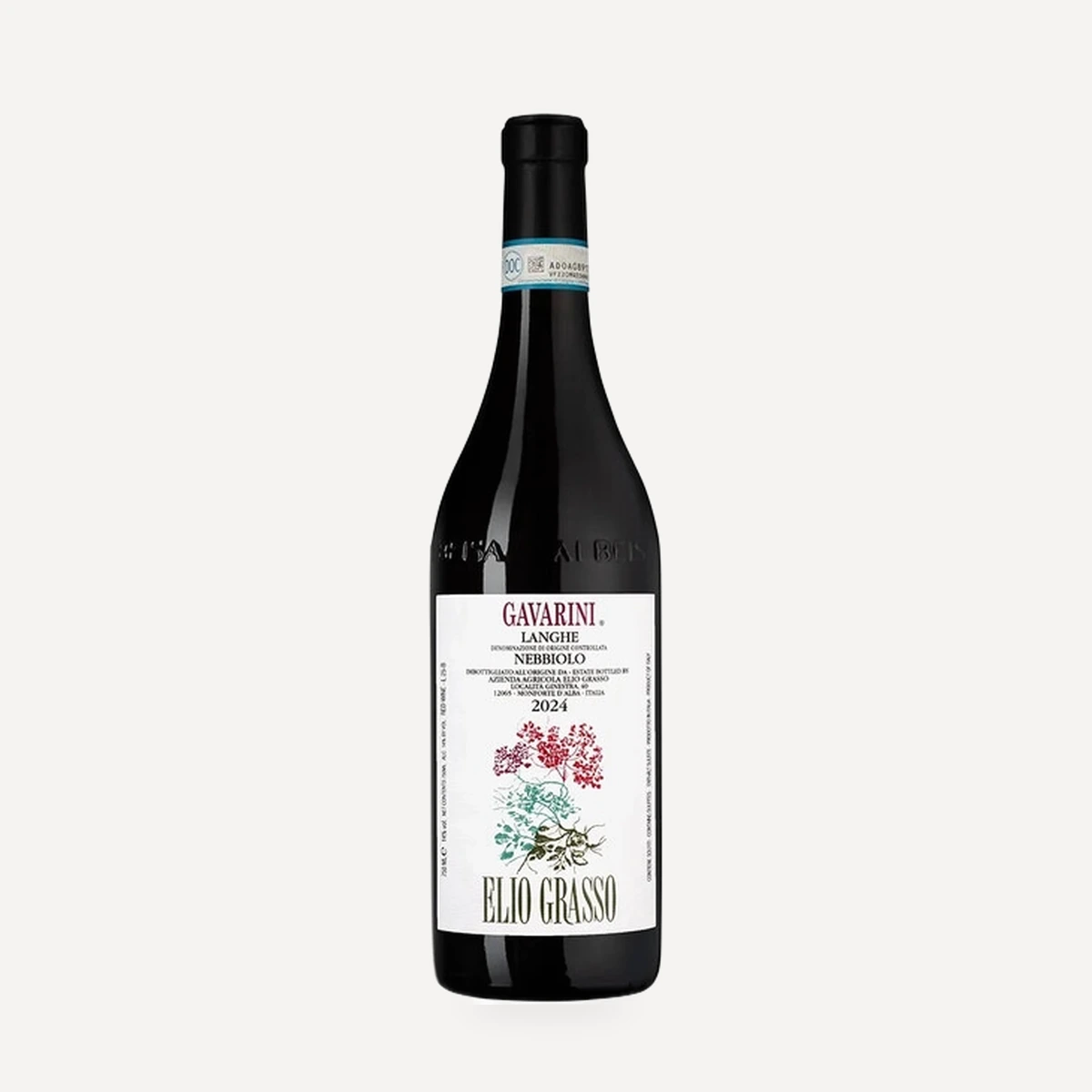
Langhe DOC Nebbiolo followed with its first vintage in 1987. The first vintage of Barbera d’Alba DOC Vigna Martina® was produced in 1988, and Langhe DOC Chardonnay Educato® debuted with the 1990 vintage.
1995 and the present estate
Barolo DOCG Riserva Rüncot® was first produced in 1995.
The estate now comprises 42 hectares: 18 hectares of vineyards surrounded by 24 hectares of woods and meadows. Its average annual production is held at no more than 90,000 bottles, a scale intended to preserve family management and close control from vineyard work through cellar operations.
Terroir
The estate lies at Località Ginestra in the municipality of Monforte d’Alba, where the Alba Langhe meets Dogliano and the Upper Langhe. Monforte has historically formed part of the Barolo production area.
The 18 hectares of vines are surrounded by 24 hectares of woods and meadows, creating a contiguous 42-hectare agricultural and natural setting within a UNESCO World Heritage site. The vineyards occupy differently exposed slopes and encompass several limestone-based soil expressions: moderately loose limestone soils; limestone tending toward sand; limestone tending toward clay; and clay-limestone soils.
The documented vineyard elevations extend from 280 metres for the Dolcetto source vineyard to 400 metres for the Chardonnay parcel. Most sites face south; the Dolcetto and Chardonnay sites have southeastern or eastern components. This combination of different aspects, elevations and soil compositions provides the basis for the estate’s vineyard-by-vineyard approach.
Winemaking
The estate farms 18 hectares of vines surrounded by 24 hectares of woods and meadows. Its vineyard development has followed a gradual policy: Nebbiolo, Barbera and Dolcetto were progressively replanted, and a small Chardonnay parcel was added in 1986.
Nebbiolo, Barbera and Dolcetto are trained to Guyot. Chardonnay is trained to a modified Casarsa system. Every documented site has a planting density of 4,500 vines per hectare. The productive vines described across the estate range from approximately 30 to 60 years old.
All seven documented vineyard sources are harvested manually. The estate links its relatively limited production scale—an average of no more than 90,000 bottles—to meticulous control throughout both vineyard and cellar work.
The cellar was equipped with dedicated spaces intended to make work simple and rational while retaining the scale of a small producer. Its organisation reflects a commitment of more than 30 years to vinifying grapes separately according to their vineyard of origin.
Fermentation and maturation take place in purpose-designed areas and proceed without haste. Each lot is allowed the time required to mature and reach balance before bottling. After bottling, the wines remain in the cellar for several additional months before release. The intended result is wine with meaningful ageing potential that can nevertheless show balance while young.
Average annual output is kept below 90,000 bottles so that the family can maintain close control over every stage from vineyard to cellar.
Philosophy
The Grasso family defines itself first as a family of grape farmers and only then as wine producers. This identity is framed as a way of honouring the people who previously faced the difficulties inherent in working with nature and wine, while preserving the convictions and conduct associated with Langhe farming families.
The estate’s vineyard philosophy centres on respecting and enhancing the individual character of each site. Its hillsides are treated as places through which the family can reconnect with its roots, and separate vinification is used to retain their distinctions.
Tradition is approached without rigidity. The family does not present its work as an attempt to invent something new, but as a continuation of the strongest elements of earlier practice combined with an open mind. The planting of Chardonnay illustrates this position: rather than treating the introduced variety independently of place, the objective was to adapt it to the character of its new terroir.
Growth follows a policy of small steps. Limiting average output to no more than 90,000 bottles supports family management and close oversight from the vines through maturation and bottling.
Wines
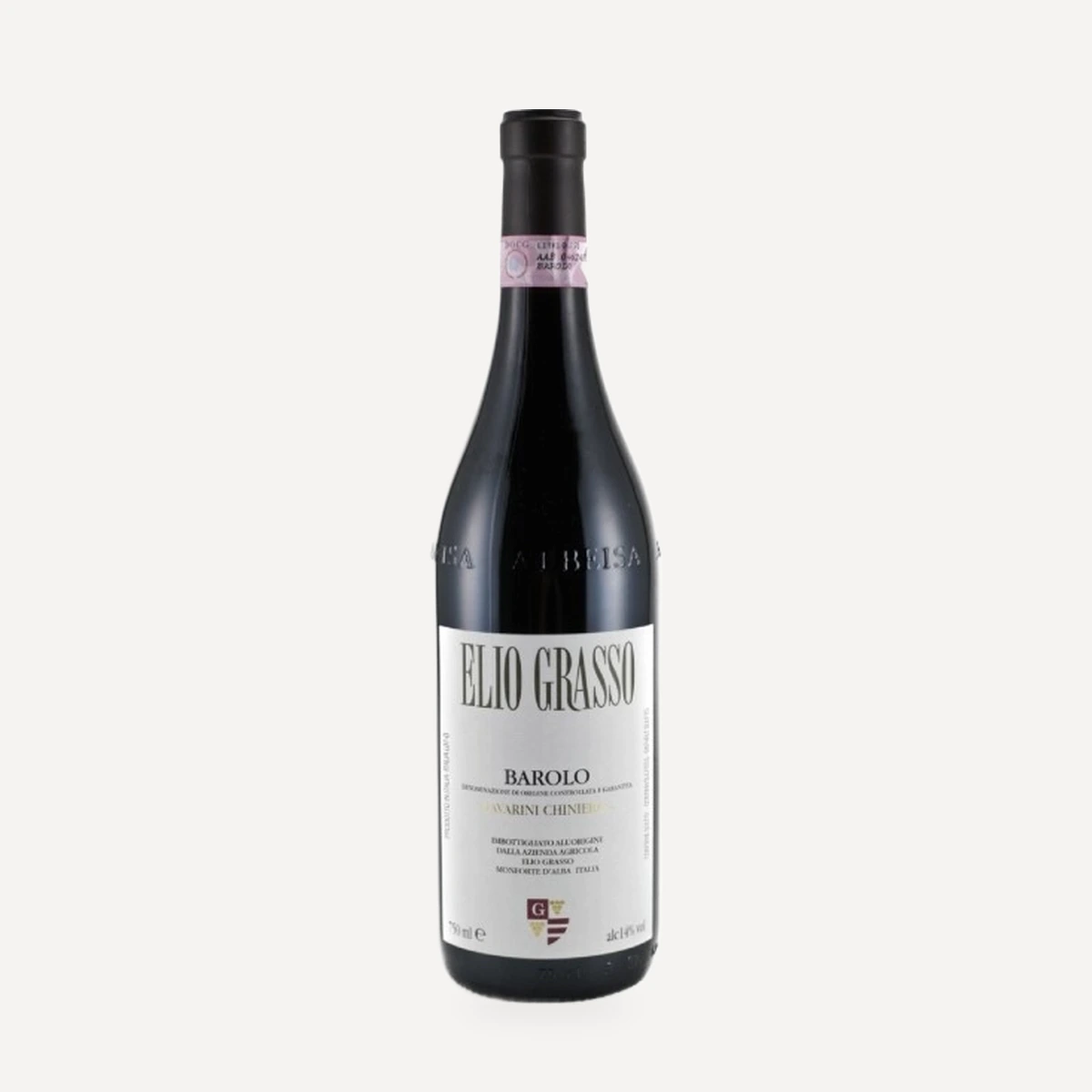
Barolo Gavarini Vigna Chiniera DOCG
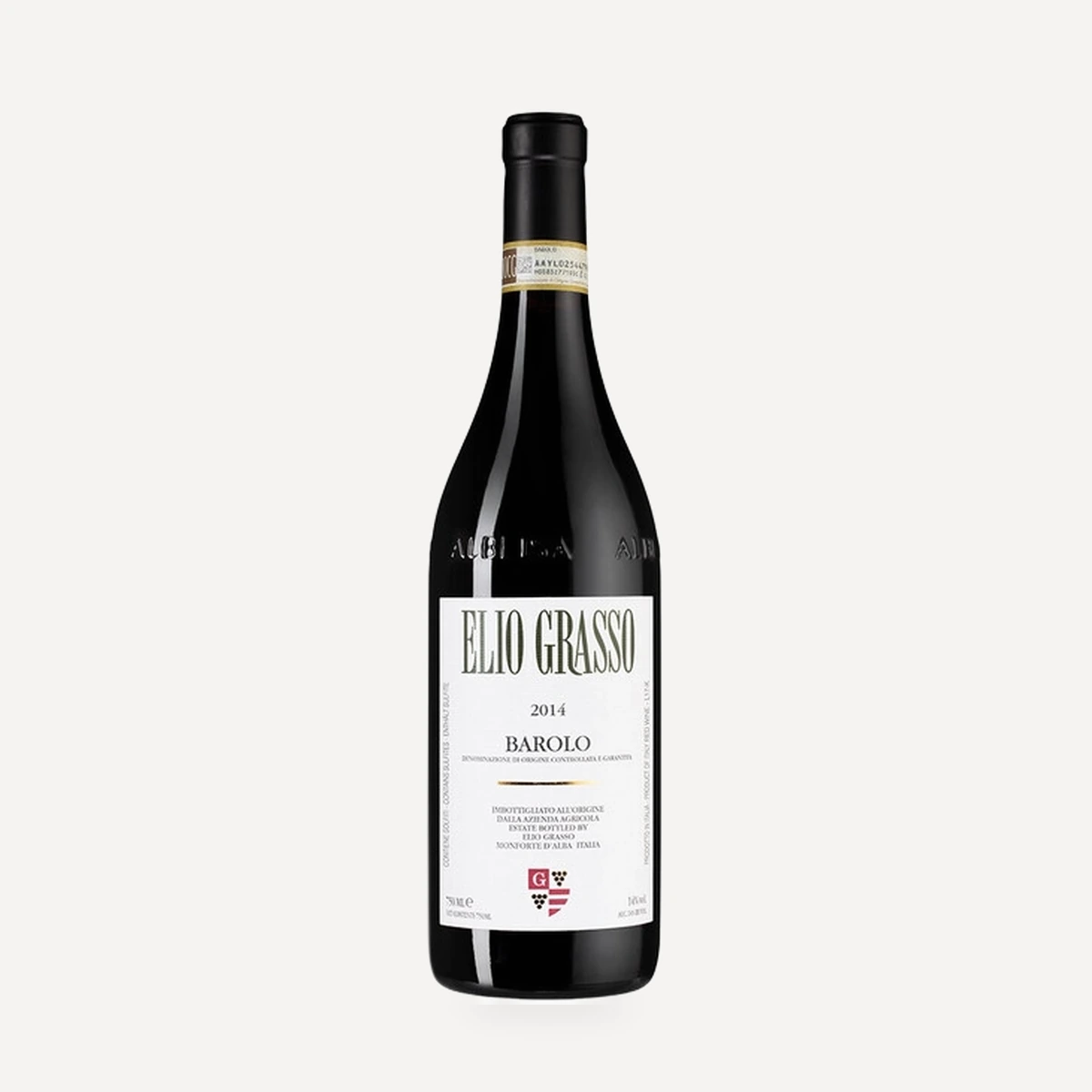
Barolo DOCG
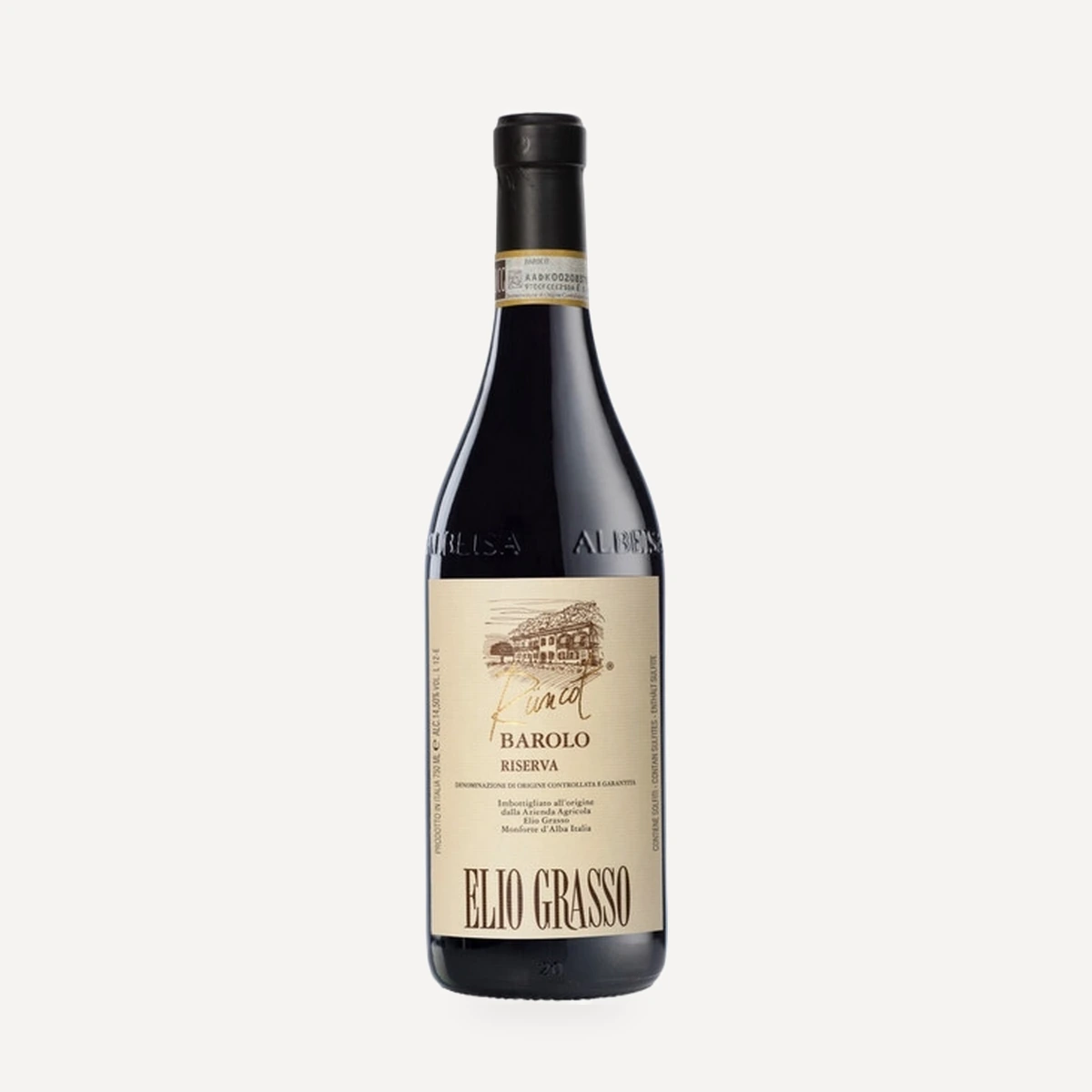
Barolo Riserva Runcot DOCG
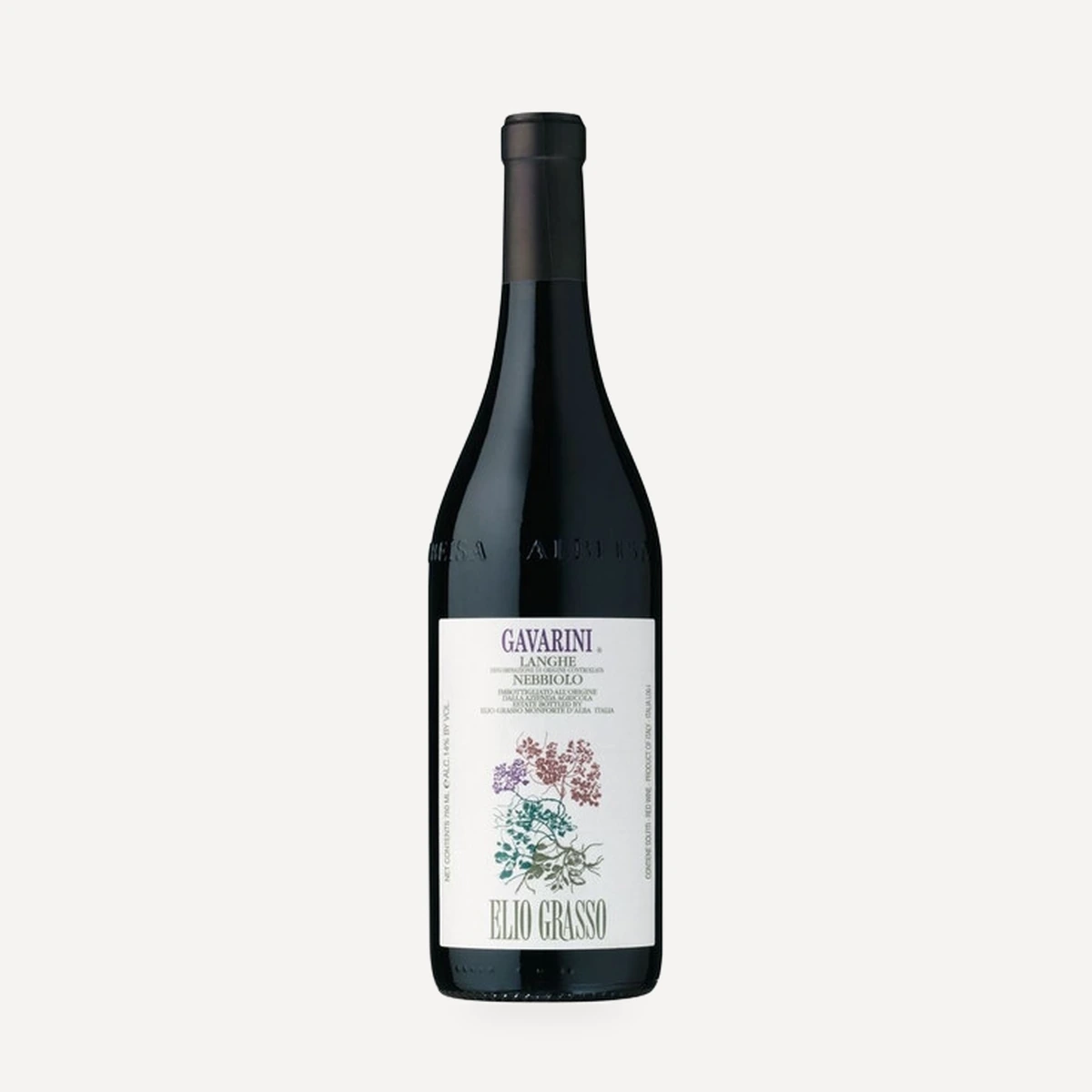
Langhe Nebbiolo DOC
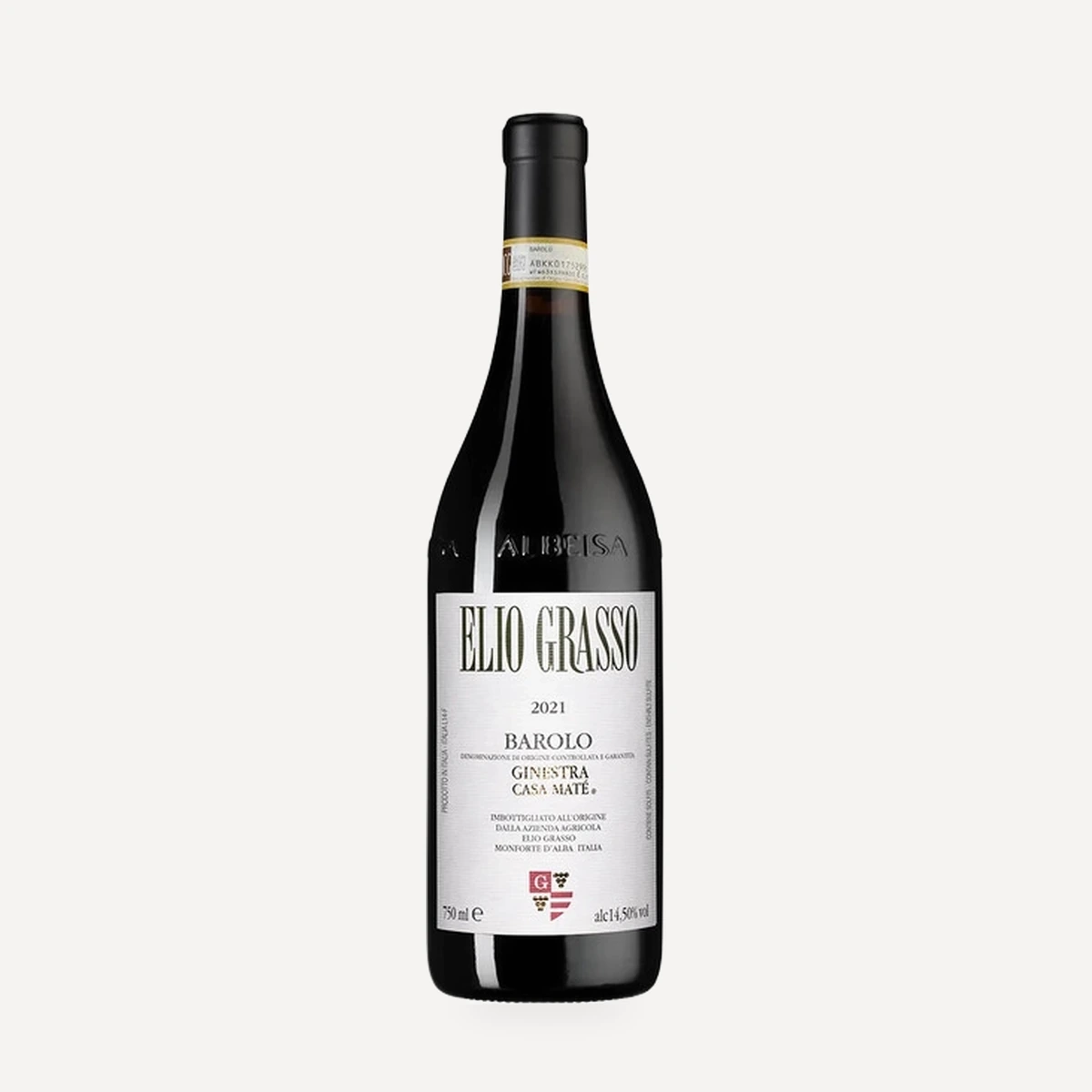
Barolo Ginestra Casa Mate DOCG
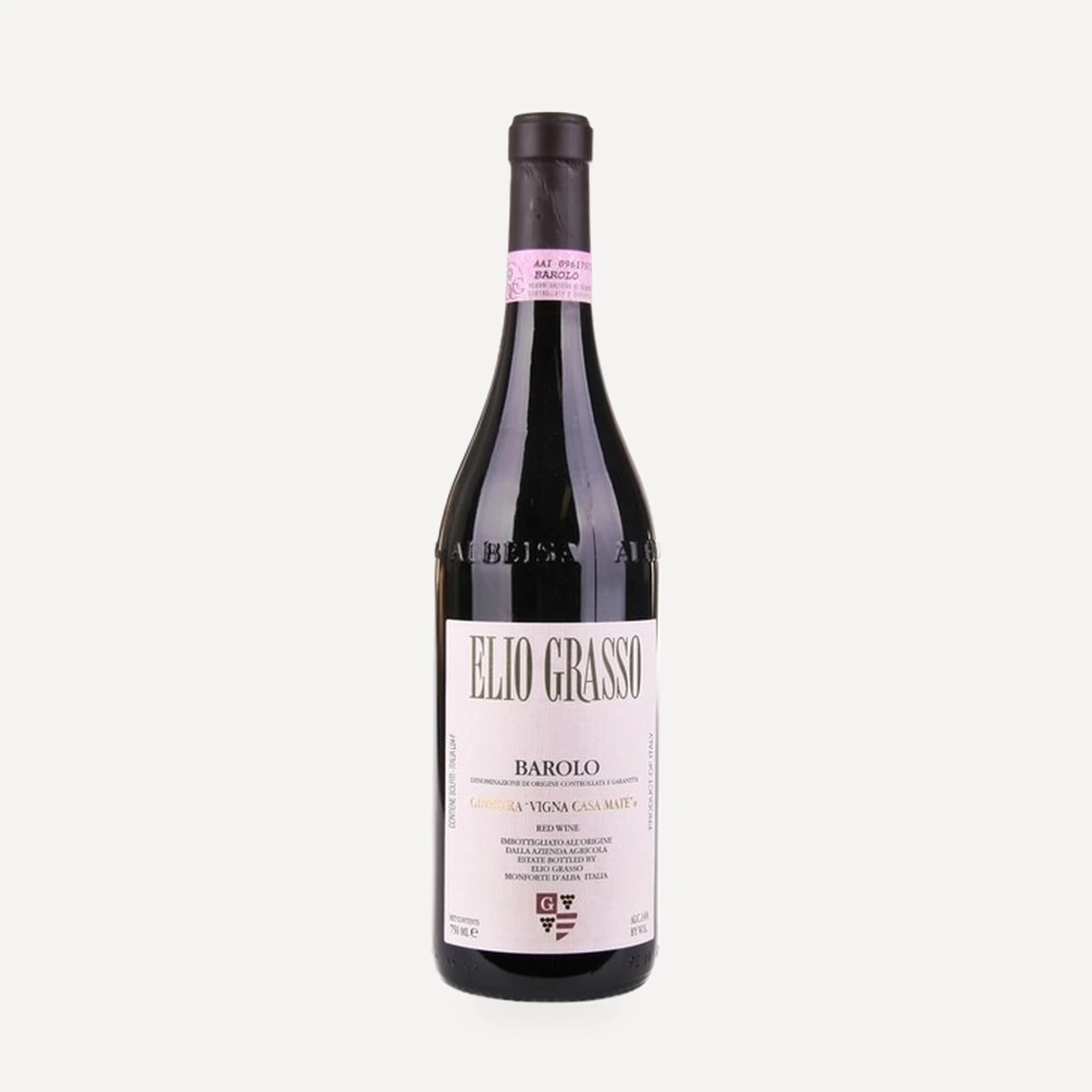
Barolo Ginestra Vigna Casa Mate DOCG
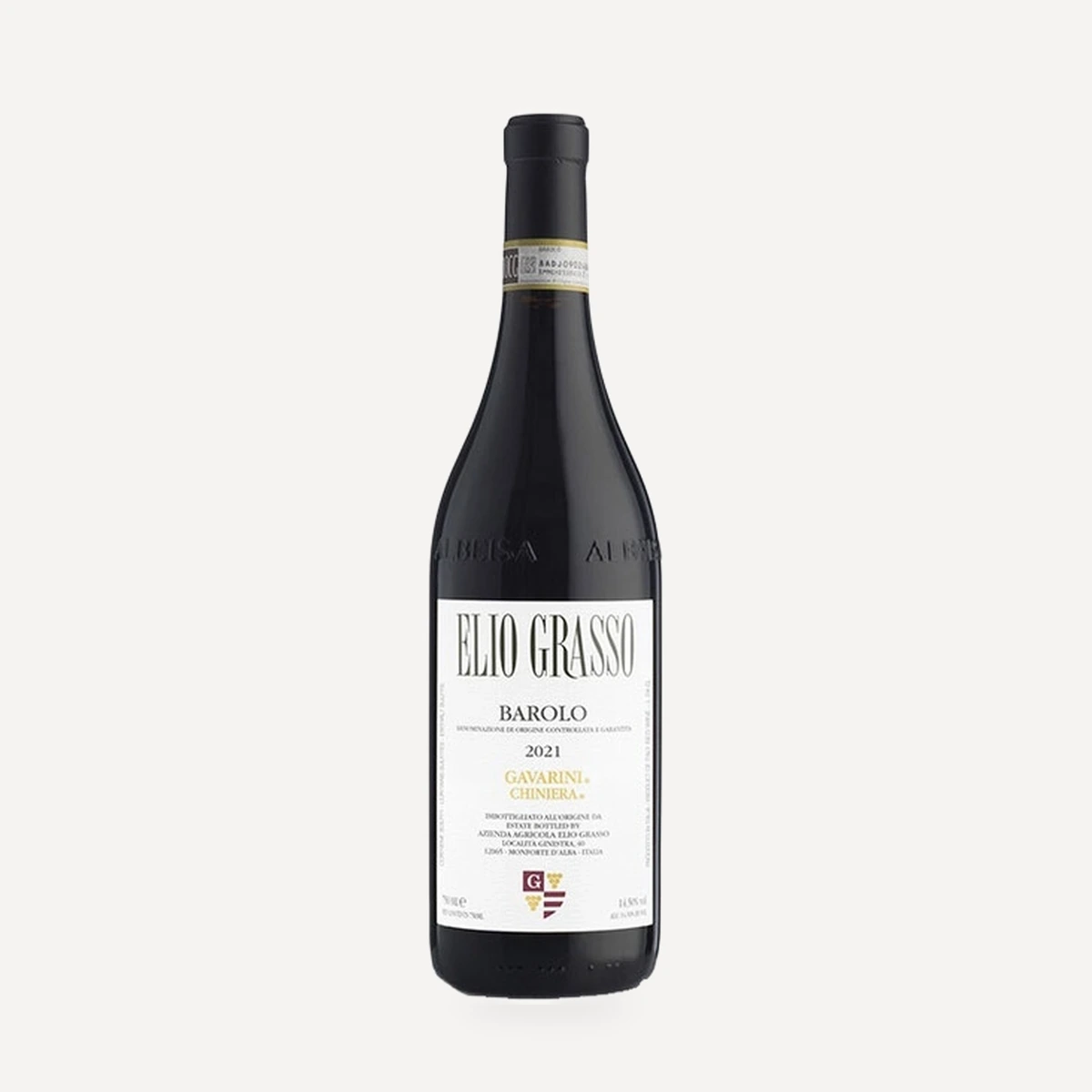
Barolo Gavarini Chiniera DOCG
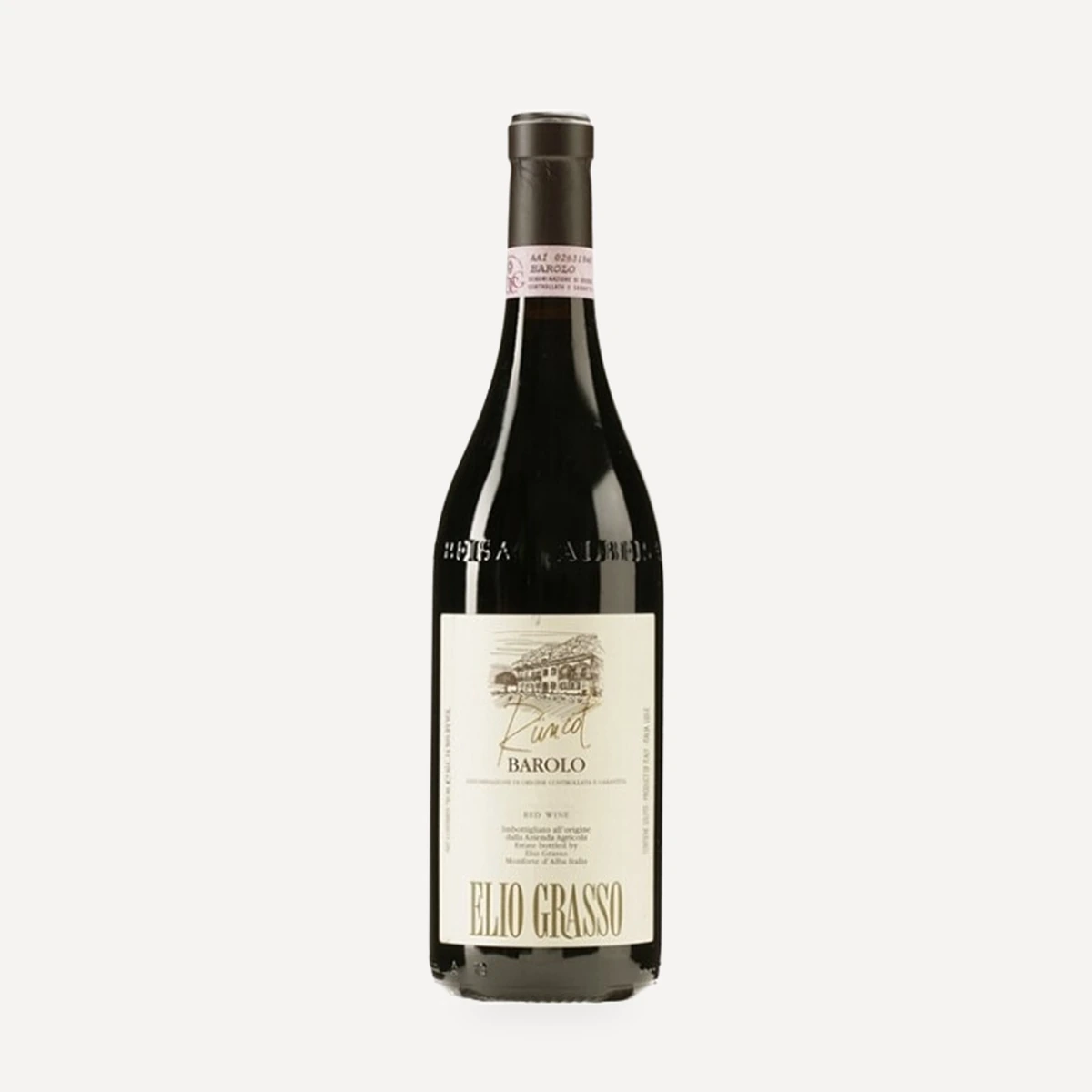
Barolo Runcot
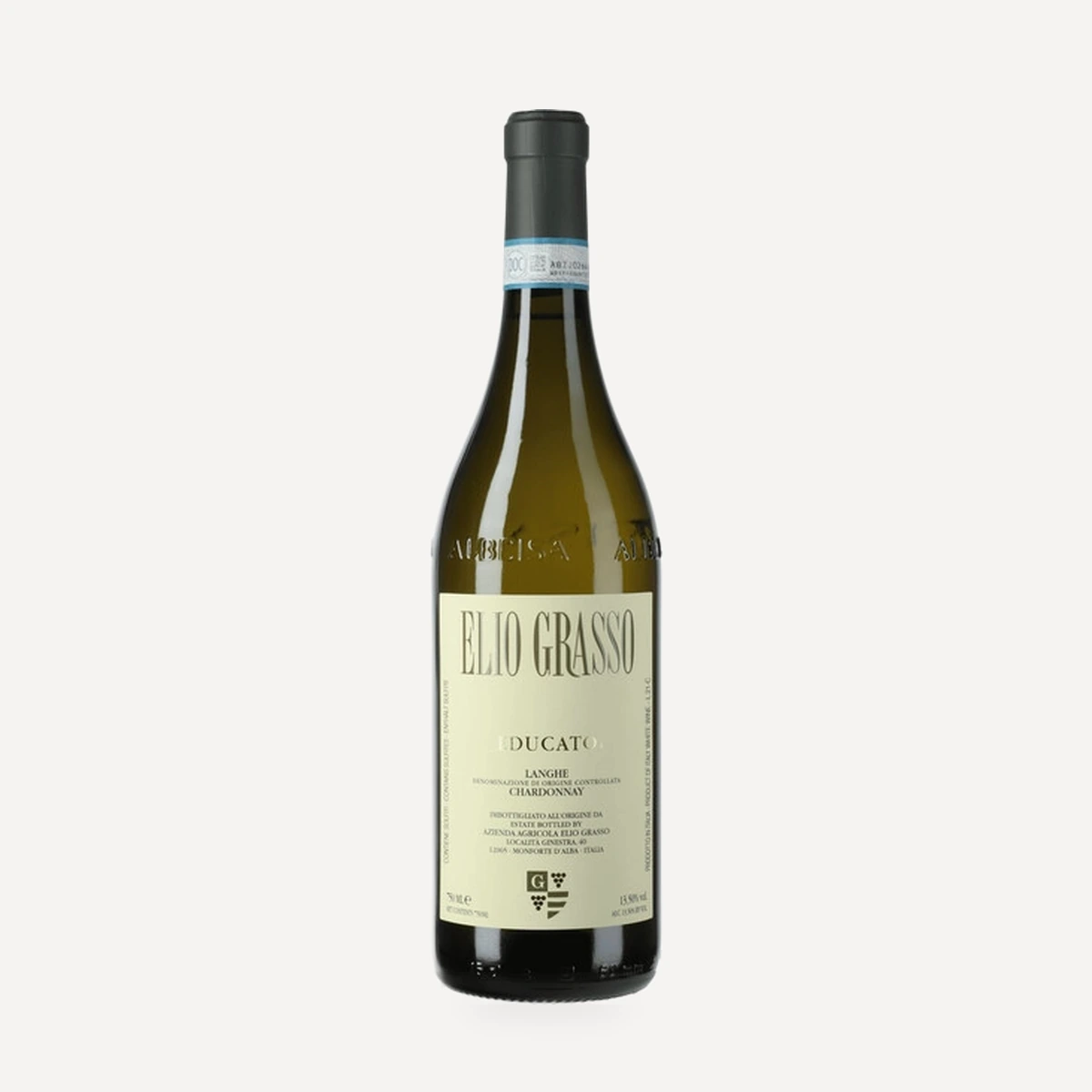
Educato Langhe Chardonnay DOC