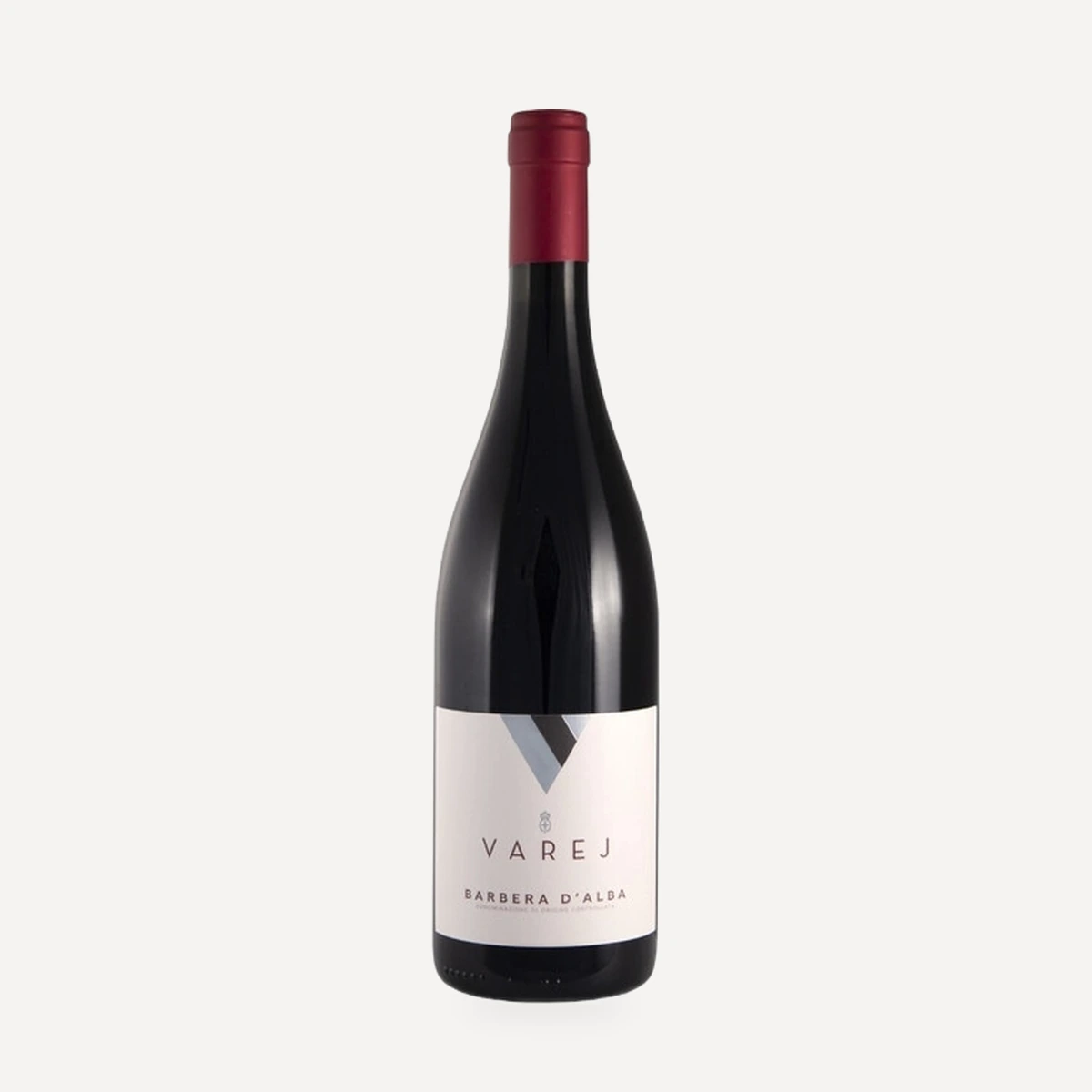
About this wine
Vineyard and terroir
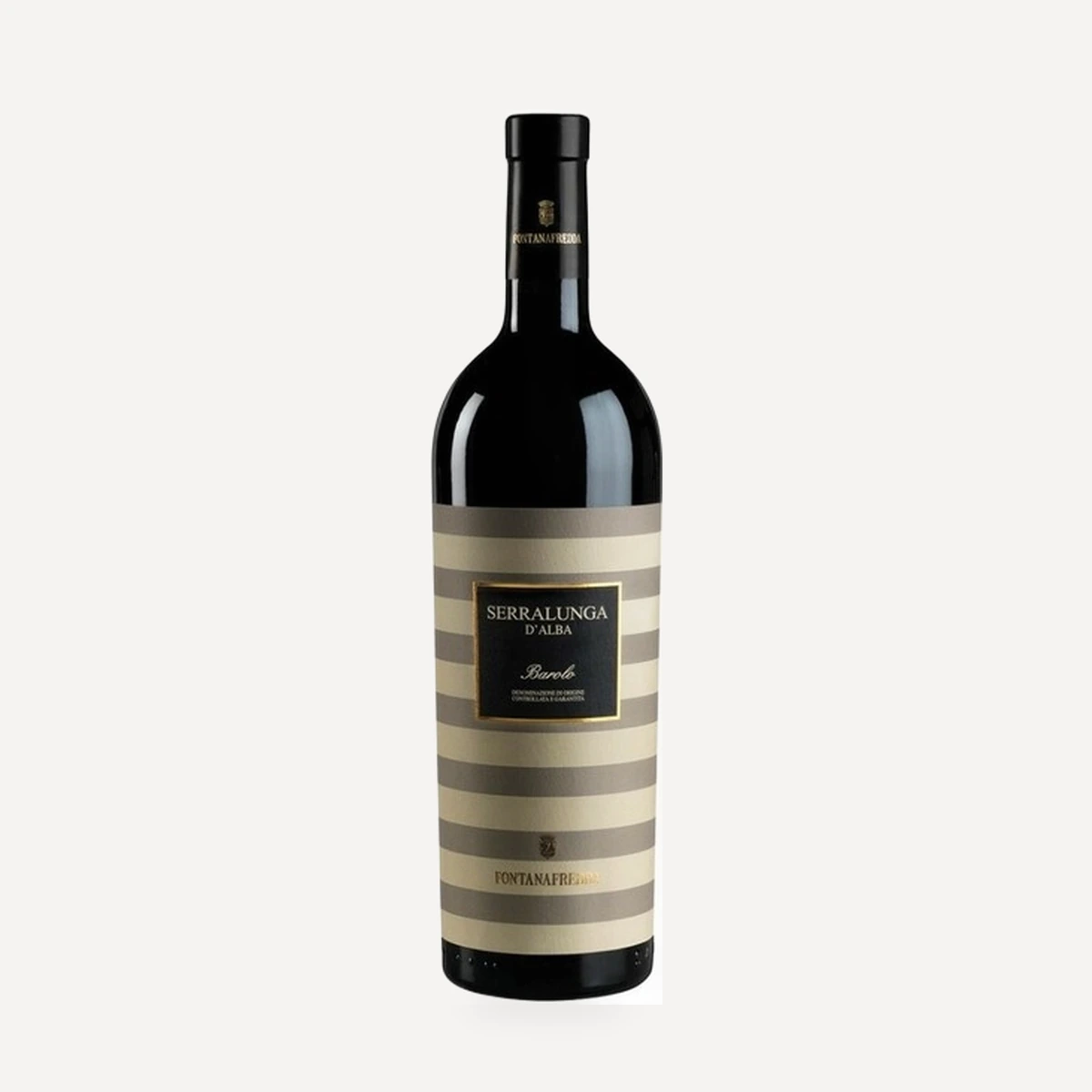
The grapes grow in Serralunga d'Alba on predominantly calcareous soils whose composition can vary within ten metres. Looser plots contain almost 50% sand, while firmer plots have high proportions of loam and clay. The continental climate brings most of its rainfall in spring and autumn, with conditions and harvests varying considerably from year to year.
Vinification
The grapes are harvested at optimal ripeness and undergo traditional fermentation.
Ageing
The wine rests for six months in oak barrels, followed by two months in bottle.
Tasting profile
Open, aromatic and generous.
Serving and pairing
Pairs with meat dishes and cheeses.
Vintage notes
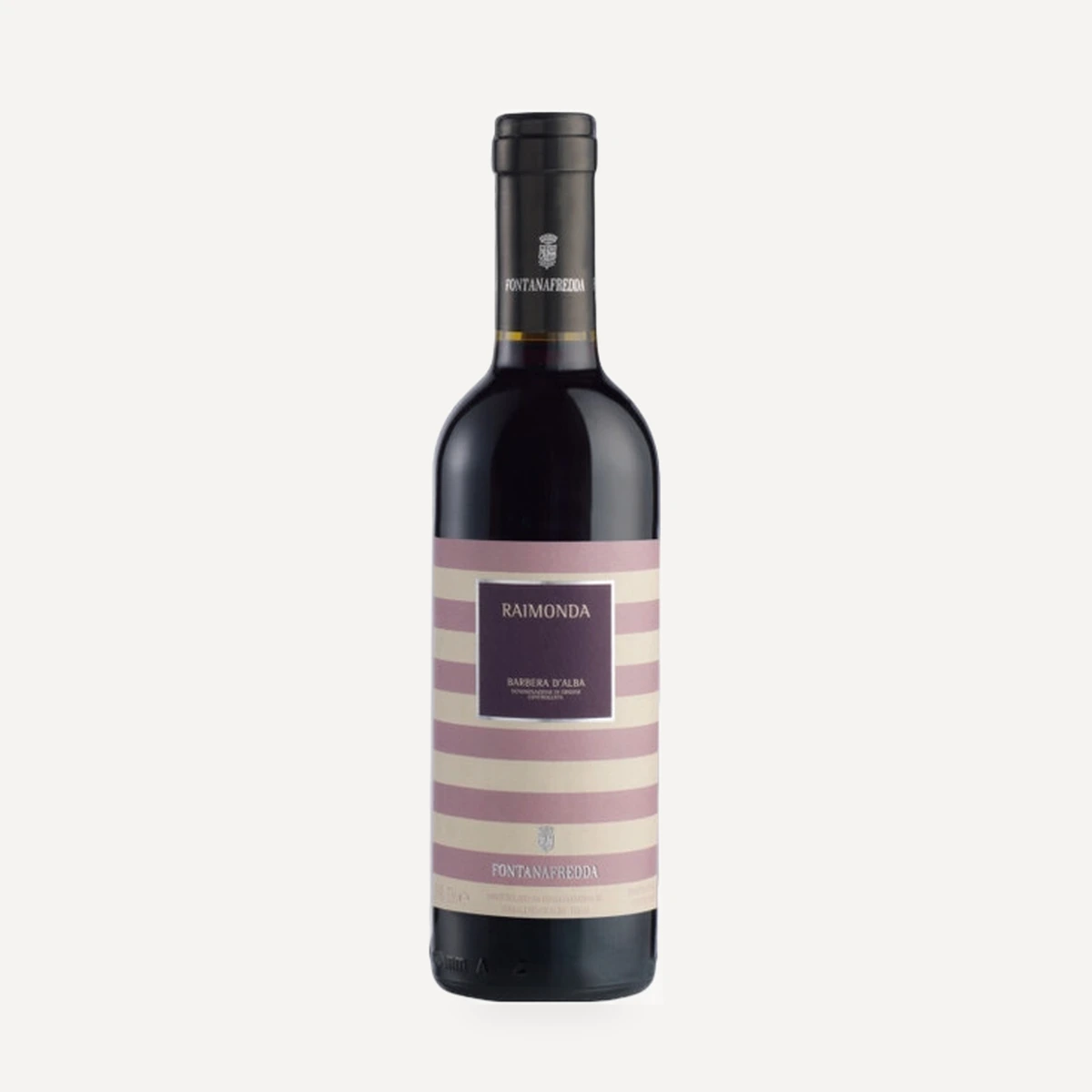
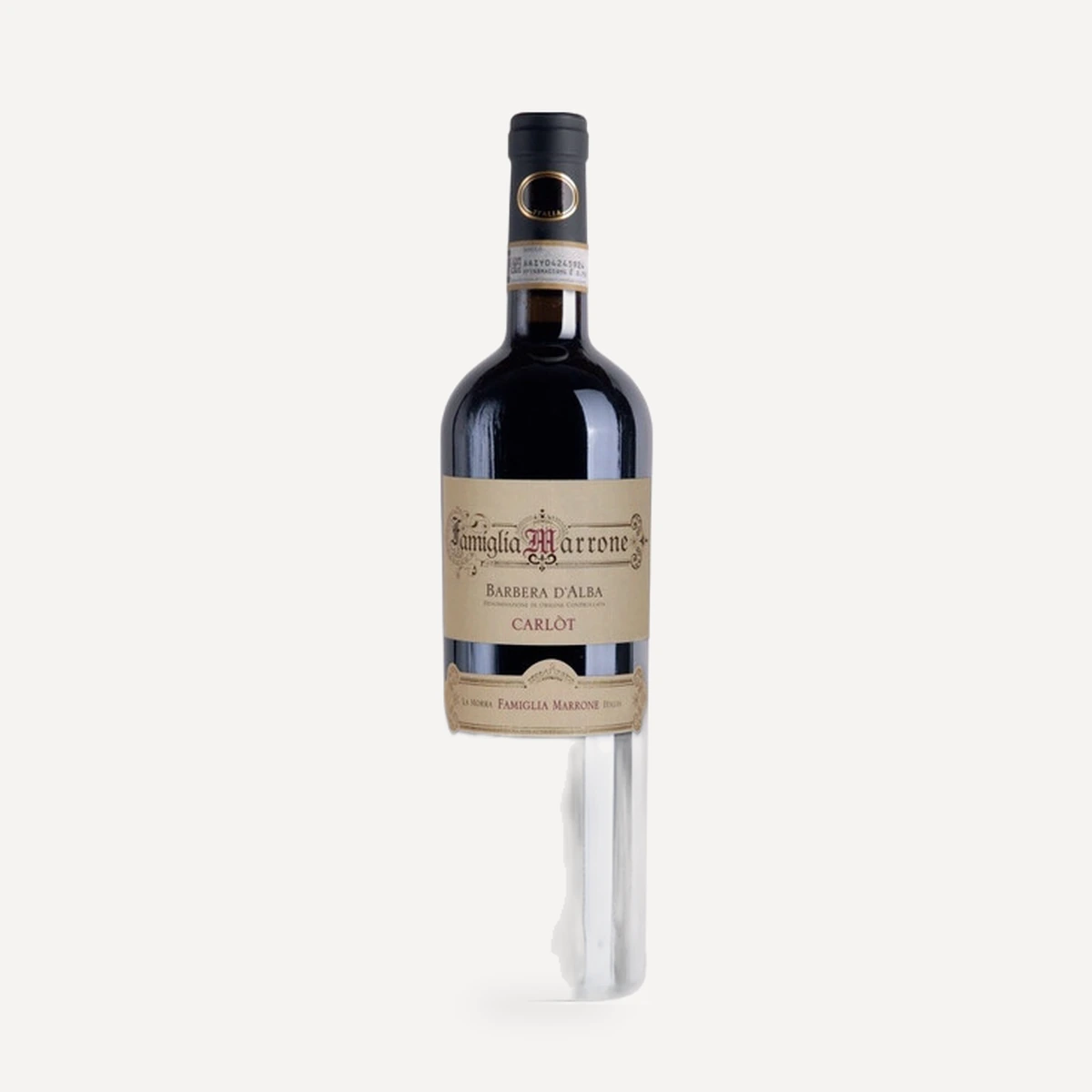
In Piedmont, the winter of 2019 was long and spring arrived late. Heavy April rain slowed the beginning of the growing cycle. High June temperatures and good groundwater reserves then encouraged rapid vine development. The season’s hottest period occurred in late June, followed by milder days alternating with rain. A second heatwave arrived in late July and ended with strong thunderstorms. The remainder of summer was mild, with regular rainfall. Barbera reached optimal phenolic ripeness, with slightly lower potential alcohol than in 2018 and brighter acidity.