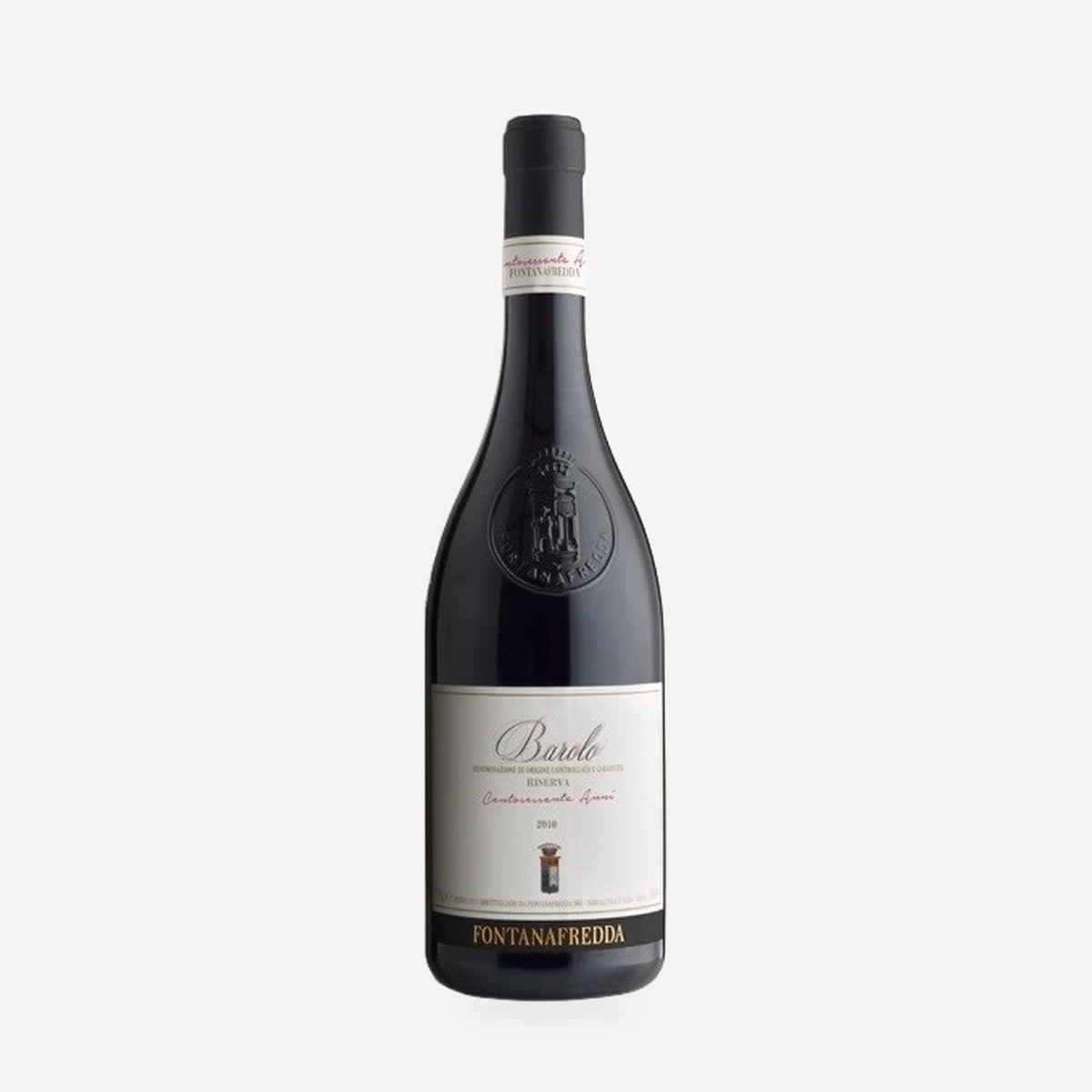
About this wine
Vineyard and terroir
Produced only in selected vintages from the best grapes grown in historically well-exposed estate vineyards. The 2016 technical sheet identifies Serralunga d'Alba and Barolo, at 300–400 metres, with south to south-west exposure. The vines are Guyot trained at 4,400–5,000 plants per hectare. The 2016 soils are described as limestone-rich with grey marl alternating with sand; the general product page instead describes Miocene, Helvetian and Tortonian soils rich in limestone and marl.
Grapes
100% Nebbiolo.
Vinification
For 2016, traditional fermentation lasted 15 days in stainless-steel vats with a floating cap at 30–31 °C. The must then remained with the skins for another 15 days to optimize polyphenol extraction and help initiate malolactic fermentation. The general product page gives a different post-fermentation maceration of 25–30 days under a submerged cap.
Ageing
The 2016 wine spent one year in Allier barriques and two years in large casks made from Allier or Slavonian oak. After light clarification, it continued maturing in bottle. Total maturation was at least 62 months, including the first 30 months in wood. The general product page instead specifies at least 36 months in wood and includes cement tanks among the vessels used after the first year in barriques.
Technical data
For 2016: alcohol 14.5% vol.; formats 0.75 L, 1.5 L and 3 L. The general product page gives 14% vol. and lists only the 0.75 L format. Serve at 17–18 °C.
Tasting profile
Intense garnet red with ruby reflections. The clear, concentrated bouquet combines black cherry, tobacco, dried mushrooms, nutmeg and pepper with balsamic suggestions of resin and mint. Warm and soft on the palate, it has sweet, velvety tannins, a fresh acidic line and a long finish.
Serving and pairing
Serve at 17–18 °C with substantial red-meat dishes or medium- and long-aged cheeses. It can also be enjoyed on its own after a meal.
Vintage notes
The selected technical sheet covers 2016. Barolo Riserva is made only in suitable vintages, using the finest fruit from historically best-exposed estate vineyards.