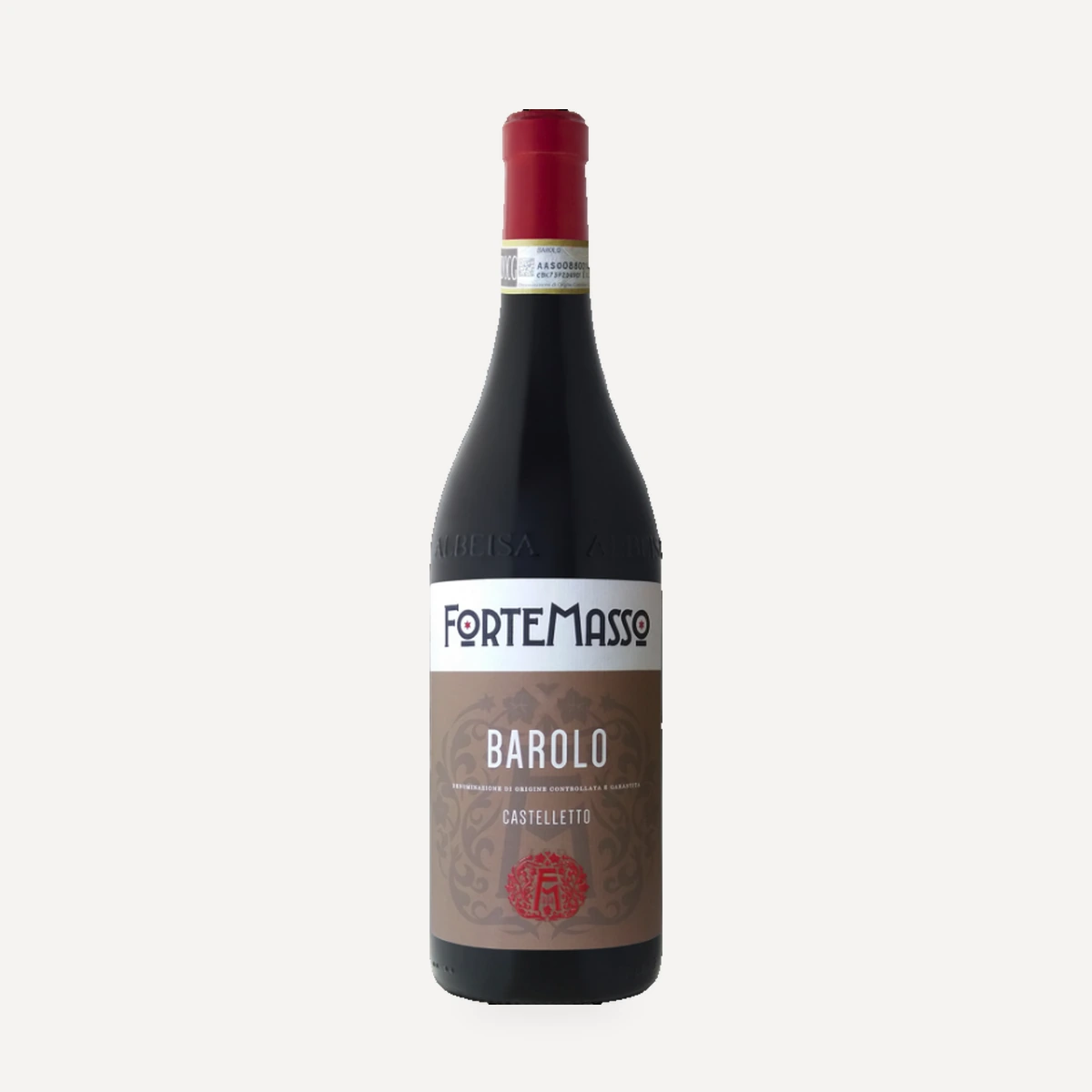
About this wine
Vineyard and terroir
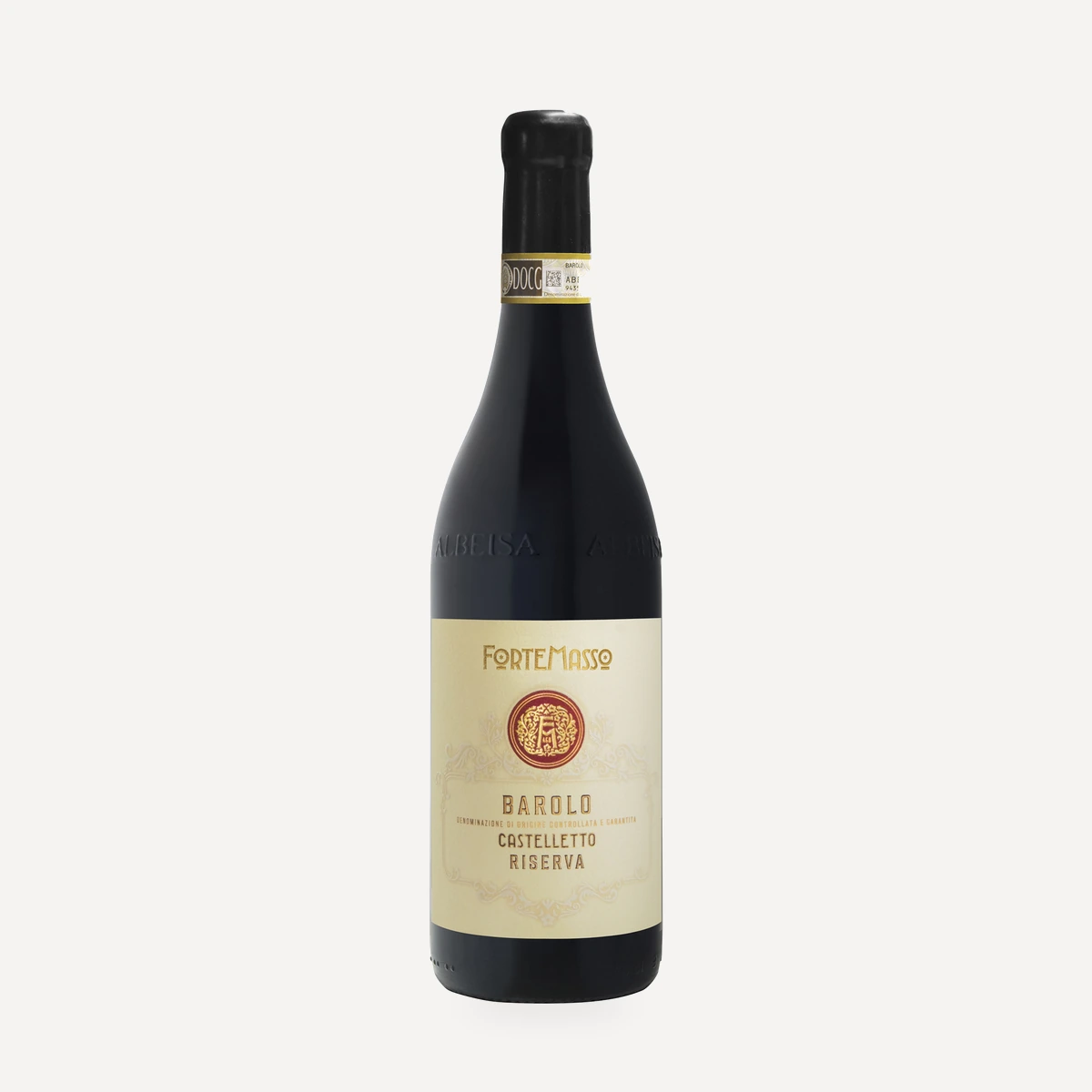
The Nebbiolo comes from steep Castelletto vineyards in Monforte d’Alba, at 360–450 metres above sea level. The technical profile gives a south-eastern exposure, while the wine page describes the slopes as facing east/southeast. Their gradient makes mechanization extremely difficult. Diano sandstone soils comprise sand, silt and clay; the wine page additionally characterizes them as sandy and limestone-rich. The vines are Guyot-trained at approximately 4,000 plants per hectare, with yields limited to 7 tonnes per hectare.
Grapes
100% Nebbiolo. The crop is harvested by hand into small crates; the wine page specifies a capacity of 20 kg.
Vinification
Freshly harvested grapes are crushed and destemmed, then fermented for 8–10 days in temperature-controlled stainless-steel vats. Daily pumping over promotes gentle extraction of colour and primary aromas. Submerged-cap maceration follows and lasts an average of 25–30 days, prolonging skin extraction and helping stabilize the wine’s colour. Malolactic fermentation occurs during this phase and contributes to microbiological stability.
Ageing
Wood ageing begins in December and lasts an average of 30 months. A further 8–10 months in bottle precedes release.
Technical data
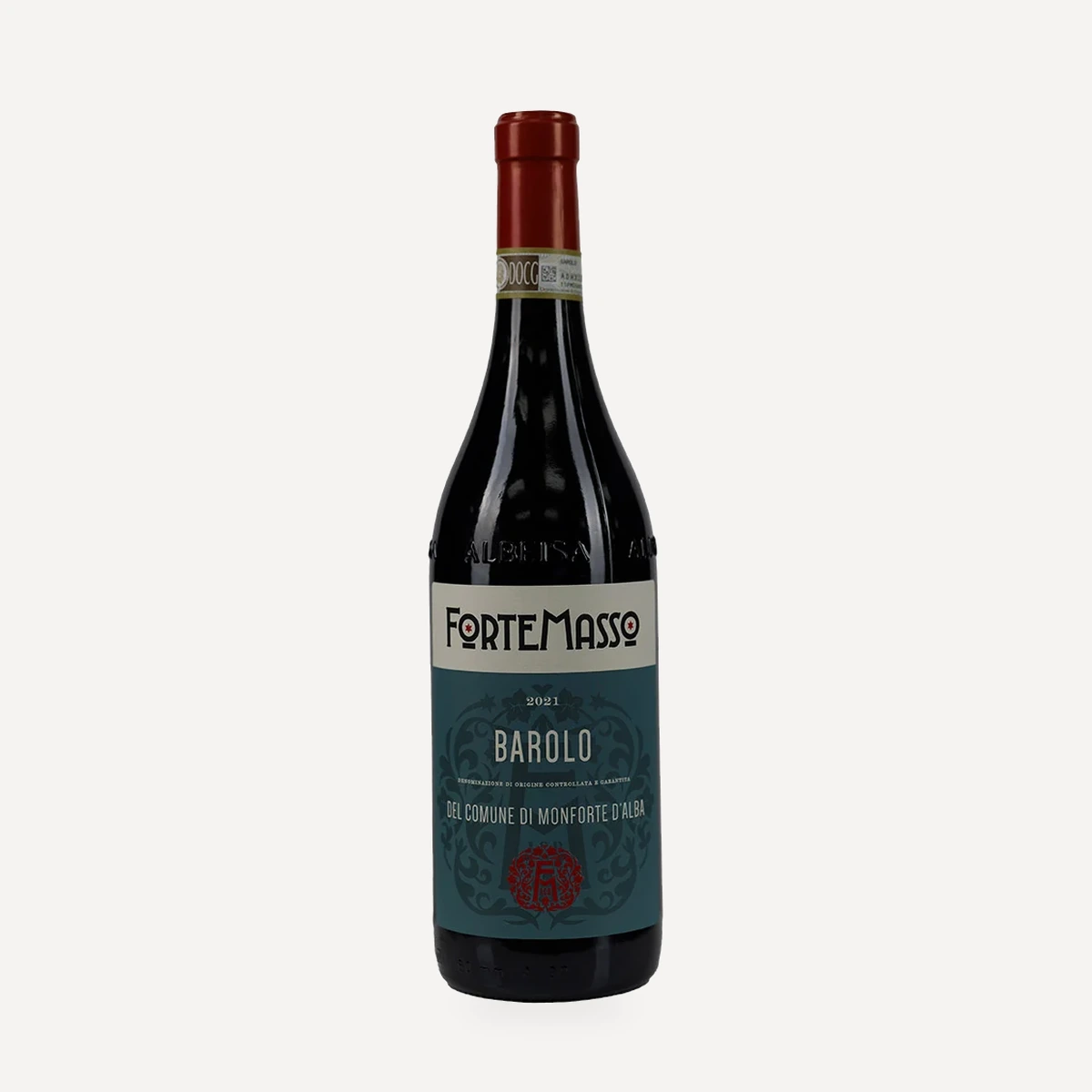
Barolo D.O.C.G. Bottled in 750 ml and 1,500 ml Albeisa formats under cork.
Tasting profile
Bright, brilliant ruby red with slight orange highlights. The clear, expansive bouquet combines violet, spices, hay and liquorice. Harmonious and full on the palate, it is slightly dry and finishes with notable persistence and complexity, leaving a liquorice aftertaste. Its character becomes increasingly intense and complex with time.
Serving and pairing
Serve at 18°C in a tasting goblet. In its early years, pair it with pasta and meat sauces, filled fresh-egg pasta such as ravioli, braised or stewed meats, game, and medium- to long-aged hard cheeses. After 10–15 years, it is suited to very mature cheeses and truffle dishes, or can be enjoyed by itself as a meditation wine.