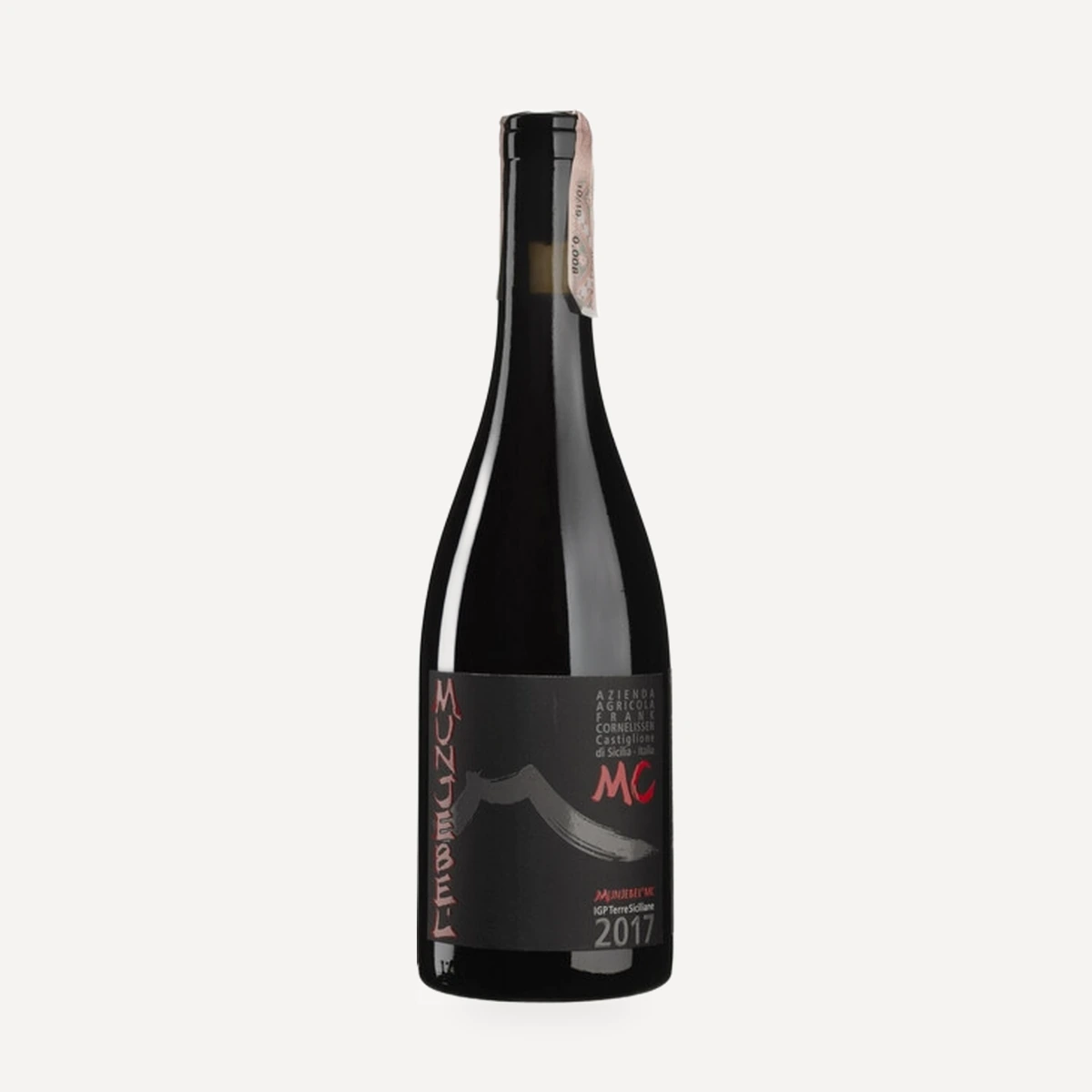
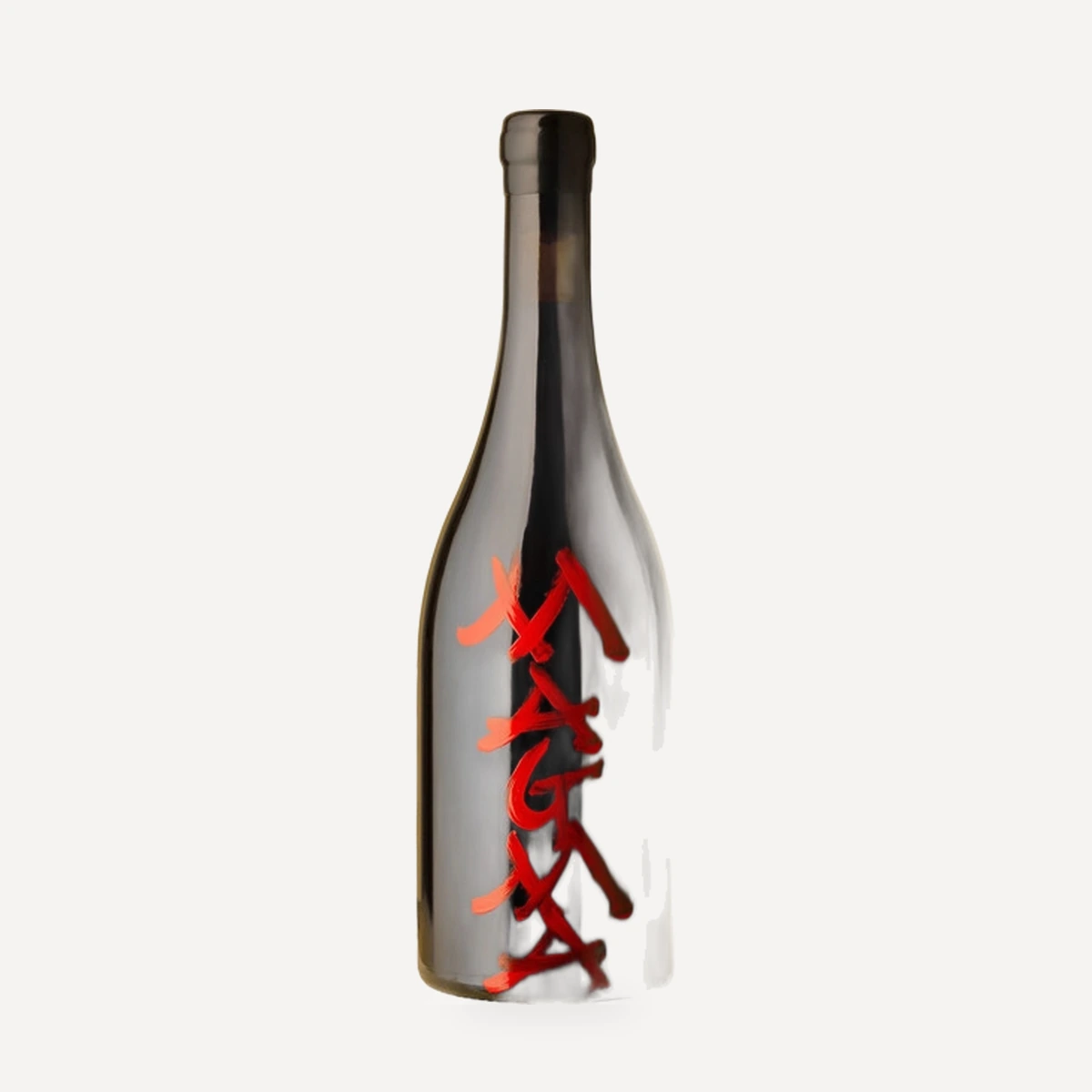
About this wine
Vineyard and terroir
The wine draws on vineyards across Etna’s northern valley at elevations of 600–800 m a.s.l. The Nerello Mascalese vines average more than 60 years of age.
Grapes
100% Nerello Mascalese.
Vinification
The grapes are destemmed and lightly crushed. Fermentation begins with a pied-de-cuve, uses indigenous yeasts exclusively and includes approximately 50 days of skin contact. The wine is not fined. It is filtered before bottling through 5-micron polypropylene cartridges. Sulphur may or may not be added according to grape quality and wine stability; values range from 25 to 50 mg/L.
Ageing
The perpetual blend remains for several years, depending on the edition, in a single neutral 7,000 L epoxy tank. Bottle maturation lasts an additional six months.
Technical data
Annual production is approximately 2,500 bottles. Classified as Vino Rosso, it is bottled in dark Burgundy bottles in 750 mL and 1,500 mL formats.
Serving and pairing
Zalto Burgundy stemware is recommended.
Vintage notes
Perpetuum I combines contrada Piano dei Daini 2015, MunJebel® Classico 2016, contrada Crasà 2017 and MunJebel® Classico 2019. Twenty-five percent of this initial blend was scheduled for bottling in 2021; selected wine from the 2020 vintage was then added to refill the tank and continue the perpetual system.
Label / history
The earliest MunJebel® Rosso Classico bottlings combined two vintages, giving a broader view of the area rather than the profile of a single year. Vintage blending ended with the 2012 vintage as the focus shifted toward greater precision. In 2016, the earlier evolved style was revived through a perpetual method inspired by solera wines, leading to the creation of Perpetuum.