History
Foundation and the first vintages
Frank Cornelissen established the estate in 2001, at a time when Etna had yet to receive broad recognition as a wine region. The first harvest was comparatively uncomplicated and began around the middle of October. The estate's first Magma and the first red later associated with the MunJebel name were made that year.
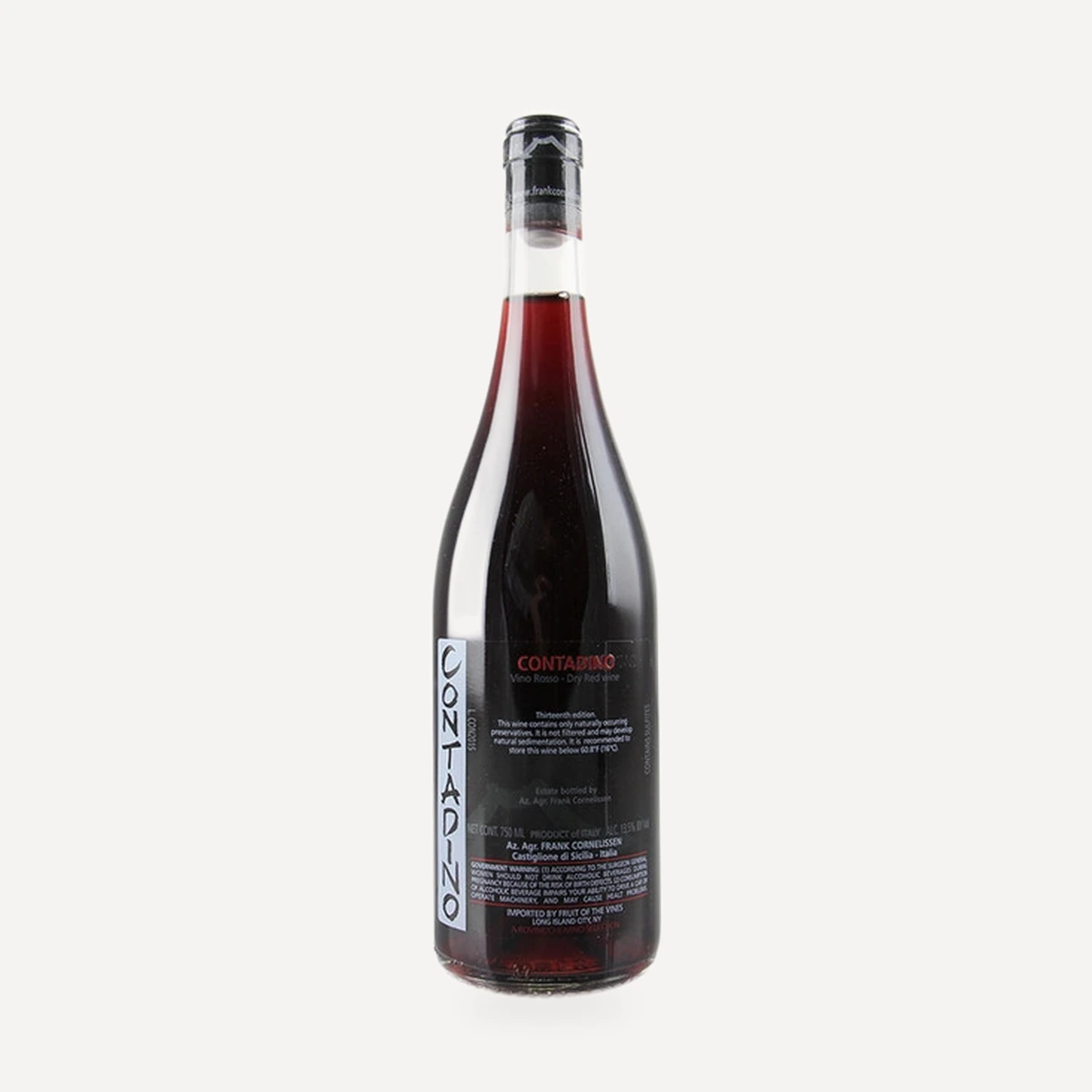
The 2002 growing season struggled to reach maturity and required a very late harvest. A major Etna eruption deposited lava ash on vines and grapes in early November, making cleaning during harvest necessary. The estate also produced its first Magma olive oil in 2002. Continuous rain from early October 2003 destroyed approximately 85% of the crop. That year nevertheless marked the first vintage of Contadino, the wine subsequently renamed Susucaru Rosso, and the beginning of Magma production from the ungrafted Barbabecchi vineyard.
The first white wine followed in 2004. The cool season produced high acidity, with lower sites harvested into early November. MunJebel olive oil was also first produced that year. The estate succeeded in farming without treatments in both 2004 and 2005, although the rainy 2005 harvest demanded extensive selection and both Grecanico and Nerello developed some botrytis. No Magma was released from the 2005 crop because Barbabecchi did not reach the required standard.
Refinement of farming and selection, 2006–2010
A short period of extreme heat at véraison in 2006 damaged about 60% of the crop and led to early picking and unusually powerful wines. A cool start and increasingly precise weather monitoring and fruit selection shaped 2007; this was also the first vintage of Susucaru Rosato. Formal organic inspection began in 2007 after Frank Cornelissen reconsidered his initial opposition to regulating the idea of natural farming.
The 2008 crop was approximately 20% above average. In 2009, autumn rain was offset by strong wind that kept low-yielding, well-ventilated vineyards clean. Horses ate the crop from the lower Santo Spirito white-wine vineyard, so the white production identified as Vigne Alte came solely from Tartaraci. The estate received organic certification in 2010. That year's humid, almost windless harvest required repeated picking in small sections as mould advanced. Very few cru bottles were made, no Magma was released, and the cellar was being enlarged at the same time. The Barbabecchi fruit was instead bottled as MunJebel 10th Anniversary. The first Rosso di Sandro was also produced in 2010.
Cru development and cellar investment, 2011–2017
The 2011 harvest brought unusually complete phenolic maturity in the highest vineyards. Monte Colla was bottled separately for the first time. In 2012, winter rain and snow restored the vines, but hail between Passopisciaro and Solicchiata cut the crop by about half before budbreak. A dry summer then accelerated maturity, and picking ended on 23 October. From the 2012 vintage onward, the estate stopped blending vintages in MunJebel Rosso in pursuit of greater precision. Chiusa Spagnolo also became a separate cru, while Sconsacrato originated from the combined settled wine and lees retained during racking in this exceptionally concentrated year.
The 2013 season demanded management of vigorous growth and a large crop, followed by late harvesting as ripeness caught up between the final week of October and early November. Copper sulphate and sulphur were required to protect the vines. In 2014, more frequent and careful canopy work limited direct sun exposure, vineyard treatments were applied selectively, and fruit arrived close to perfect condition. New grape-reception equipment allowed a team of more than 35 pickers to bring in 50,000 kg from eight vineyards in two and a half days. This investment marked a significant advance in precision. Feudo di Mezzo–Porcaria and Feudo di Mezzo–sottana were first bottled separately in 2014.
The wet 2015 season required eight treatments, roughly double the customary number. June hail reduced Feudo di Mezzo to about 25% of its expected crop and struck Piano Daini the following day. Crop thinning supplied rosé fruit and left the Nerello Mascalese clean; the team finished the compressed harvest on 20 October, working into darkness with torches. Campo Re and Crasà received their first separate releases from this vintage, and the estate changed its white-wine technique: long orange-wine maceration gave way to brief skin contact followed by extended maturation in the coldest part of the cellar.
In 2016, a balanced season followed several difficult years. Frank Cornelissen chose later bottling because of the tannic structure, although he subsequently concluded that earlier bottling with longer bottle maturation was preferable. He also initiated the Perpetuum project, returning to the multi-vintage idea of the earliest MunJebel Rosso bottlings through a perpetual-reserve method. Research into anti-counterfeiting, begun in 2014, led to NFC authentication chips being integrated into every Magma label from the 2016 vintage. The dry 2017 season produced clean fruit with little disease pressure; September rain helped the Nerello Mascalese reach maturity even in the highest vineyards.
Extreme seasons and adaptation, 2018–2024
Rain and cool conditions persisted through the summer of 2018, including the wettest August of the estate's first 18 vintages. Many high vineyards failed to qualify for cru bottling, crop thinning came too late, and no Magma was released. Sulphur was used in every wine for the first time to protect the fragile vintage. Calderara sottana and Puntalazzo nevertheless began their separate cru histories in 2018, while Barbabecchi was released as MunJebel BB rather than Magma.
Uneven ripening within individual bunches complicated 2019, making the sorting table important for removing irregularly mature fruit. The first Perpetuum edition eventually combined components from 2015, 2016, 2017 and 2019; 25% was scheduled for bottling in 2021 before replenishment with selected 2020 wine.
Corrective pruning in a new vineyard delayed the end of winter work in 2020. The team completed harvest under COVID-19 precautions and avoided a quarantine interruption. Pistemutta Rosso and Rosato began with the 2020 vintage as an exploration of the lighter, shorter-maceration approach associated with older Etna farming traditions.
Drought placed young vines under severe stress in 2021. The team watered new plantings on the terraces and deliberately postponed one planting until May in the hope of rain. More severe green pruning improved ventilation and reduced drought pressure. Rosato fruit entered the cellar on 17 August, the earliest date to that point, and Magma was harvested on 16 October. Production initially appeared likely to fall by half, but canopy management and delaying harvest until rain arrived limited the final reduction to about 25%. Scimonetta was first bottled separately from the 2021 crop, and the estate introduced Susucaru Bianco and the Patos collaboration in the same vintage.
More staff allowed winter pruning and other work to finish on time in 2022. A new section of Scimonetta was planted during a cold March. Young vines again required summer watering, while rain and hail on 8 August were followed by another hailstorm that damaged much of the Muscat intended for rosé. Magma was picked on 11 October, earlier than the previous record. From this vintage, all crus, including Magma, moved to personalized bottles as an additional authentication measure.
Excess rain in May and June 2023 triggered severe downy mildew during flowering. Hail later affected Chiusa Spagnolo, Feudo di Mezzo and Scimonetta, while variable maturity required repeated passes through the vineyards. Approximately 70% of the crop was lost, and the damaged vines required additional care during 2024.
The 2024 season was more balanced. Practices learned during 2023 were applied while retaining organic farming. Little winter rain delayed planting until May, but water stored in the subsoil after the wet preceding year helped old vines remain balanced through a dry, warm but not excessively hot season. Fruit stayed unusually clean and healthy, and Barbabecchi was harvested for Magma on 10 October, another estate record for early picking.
Terroir
The vineyards are concentrated principally in Etna's Northern Valley in eastern Sicily, on the slopes of an active volcano. Estate sites span roughly 580–1,000 metres above sea level, while Puntalazzo lies separately on Etna's eastern slope at 610 metres.
The environment is marked by abrupt seasonal changes, strong differences between vintages and regular volcanic eruptions. Elevation, exposure, ventilation, depth of soil and the size and abundance of volcanic stones create pronounced differences among the contrade. Higher sites such as Tartaraci, Barbabecchi, Rampante soprana and Zacchino Pietre occupy terraces between approximately 870 and 1,000 metres. Lower sites include Feudo di Mezzo–sottana at 580 metres and Calderara sottana at 610 metres.
Soil distinctions are described parcel by parcel. Monte Colla has sandy clay on a very steep, terraced slope exposed to sun and wind. Crasà has coarse sandy soil. Campo Re and Feudo di Mezzo–sottana have relatively deep soils that complicate ripening in humid years, although ventilation assists at Feudo di Mezzo. Calderara sottana contains many small stones that absorb daytime warmth and radiate it during cold evenings. Scimonetta belongs to a pyroclastic geological formation. Chiusa Spagnolo sits in a lava-enclosed amphitheatre near the valley floor. Puntalazzo faces east toward the Mediterranean and is surrounded by forest.
Winemaking
The estate covers approximately 24 ha: 13 ha of old vines trained as free-standing alberello, 9 ha of old vines converted to rows of varying widths, approximately 2 ha of olive groves, and remaining areas devoted to fruit trees, vegetables and scrub.
New vineyards are planted as ungrafted alberello vines using selections from the estate's original ungrafted material. Monoculture is reduced by interplanting local fruit varieties and keeping bees. Buckwheat is sown on soils poor in organic matter, particularly before vineyard establishment, to restore balance without industrial compost. Tillage is avoided whenever seasonal water conditions and vine recovery permit.
The objective is to avoid treatments throughout vineyards, orchards and their surroundings. This was achieved even in 2004 and 2005, but copper sulphate and sulphur were used when required to prevent vine loss, including in 2013 and 2015. The wet 2015 season required eight treatments. Organic inspection began in 2007, and the estate became certified organic in 2010 through QCERTIFICAZIONI. Newly purchased parcels may remain temporarily in conversion.
Top vineyards are pruned very short during dormancy to restrict yields to approximately 300–600 g per vine. For the most exacting selection, bunch tails are cut away and unripe or damaged berries removed individually. Harvest is by hand, relatively late when conditions allow, and conducted in multiple passes in pursuit of phenolic maturity. Canopy work, green harvesting and harvest timing are adapted to the season: more frequent canopy management protected fruit from direct sun in 2014, while severe green pruning improved ventilation and drought resilience in 2021. Young plantations were watered during the droughts of 2021 and 2022.
Grapes are destemmed and lightly crushed. Fermentation begins with a pied-de-cuve and indigenous yeasts. Skin contact varies by wine style, from a few hours or days for whites and rosato to approximately 30–60 days for reds and crus. Small neutral vats are used to limit excessive fermentation temperatures, and maceration continues at least until alcoholic fermentation is complete when skin quality permits. Manual punch-downs are used, followed by gentle pressing. Malolactic fermentation is completed for the rosato to provide density, fluidity and stability.
The estate avoids flavour-imparting maturation vessels. Early-release wines mature in larger neutral epoxy tanks, generally from 2,500 to 8,000 litres. More structured wines age in smaller neutral epoxy tanks, commonly 1,500–2,500 litres, or in epoxy-coated terracotta vessels buried to their necks in the cellar's volcanic rock. Crus generally mature for 18 months in tank followed by 18 months in bottle. MunJebel Rosso classico matures for about 12 months, while MunJebel Bianco classico spends about 16 months in the coldest part of the cellar.
White-wine practice changed with the 2015 vintage. The initial extended skin-fermented style was replaced by short maceration and longer cool-cellar maturation to increase purity and precision. Perpetuum uses a 7,000-litre neutral epoxy tank as a perpetual reserve: part is bottled and the remainder replenished with selected wine from the next vintage.
Wines are not fined. Filtration before bottling uses polypropylene cartridges, typically 5 microns for reds, 3 microns for Susucaru Rosso, 1 micron for rosato and lighter whites, and 0.8 micron for the principal whites. Sulphur may be omitted or added according to fruit quality and wine stability. Typical stated ranges are 15–50 mg/L for most estate wines and 25–60 mg/L for lighter whites. The fragile 2018 vintage was the first in which sulphur was used across every wine. The estate's products contain only small quantities of preservatives and require transport and storage below 16°C.
Philosophy
Frank Cornelissen's farming philosophy begins with the belief that human beings cannot fully understand nature's complexity and interactions. Observation, learning and following natural cycles therefore take precedence over imposing a predetermined agricultural system. The aim is to disturb cultivated land as little as possible and restore equilibrium, especially when preparing a new vineyard.
He rejects “natural wine” as an exact description because transforming grapes into wine inevitably involves choices and manipulation. “Low-intervention, artisanal wine” is considered more accurate. Organic, biodynamic, Fukuoka and macrobiotic approaches are treated as different expressions of respect for land rather than as measurable degrees of naturalness.
Certification was ultimately adopted because unverified claims of natural production offered no external guarantee. QCERTIFICAZIONI establishes compliance with the legal organic standard, while the producer's reputation and work are regarded as the broader guarantee. The estate seeks to go beyond minimum organic requirements while accepting that disease pressure may require copper, sulphur or protective additions in the cellar.
The goal is territorial definition without flavour from external materials: low yields, careful selection, indigenous fermentation and neutral vessels are intended to preserve the distinctions among contrade and vintages. The estate also seeks a self-sustaining agricultural model based on the Mediterranean trilogy of wine, olive oil and cereals—producing from the land while returning resources and gradually restoring equilibrium.
Wines
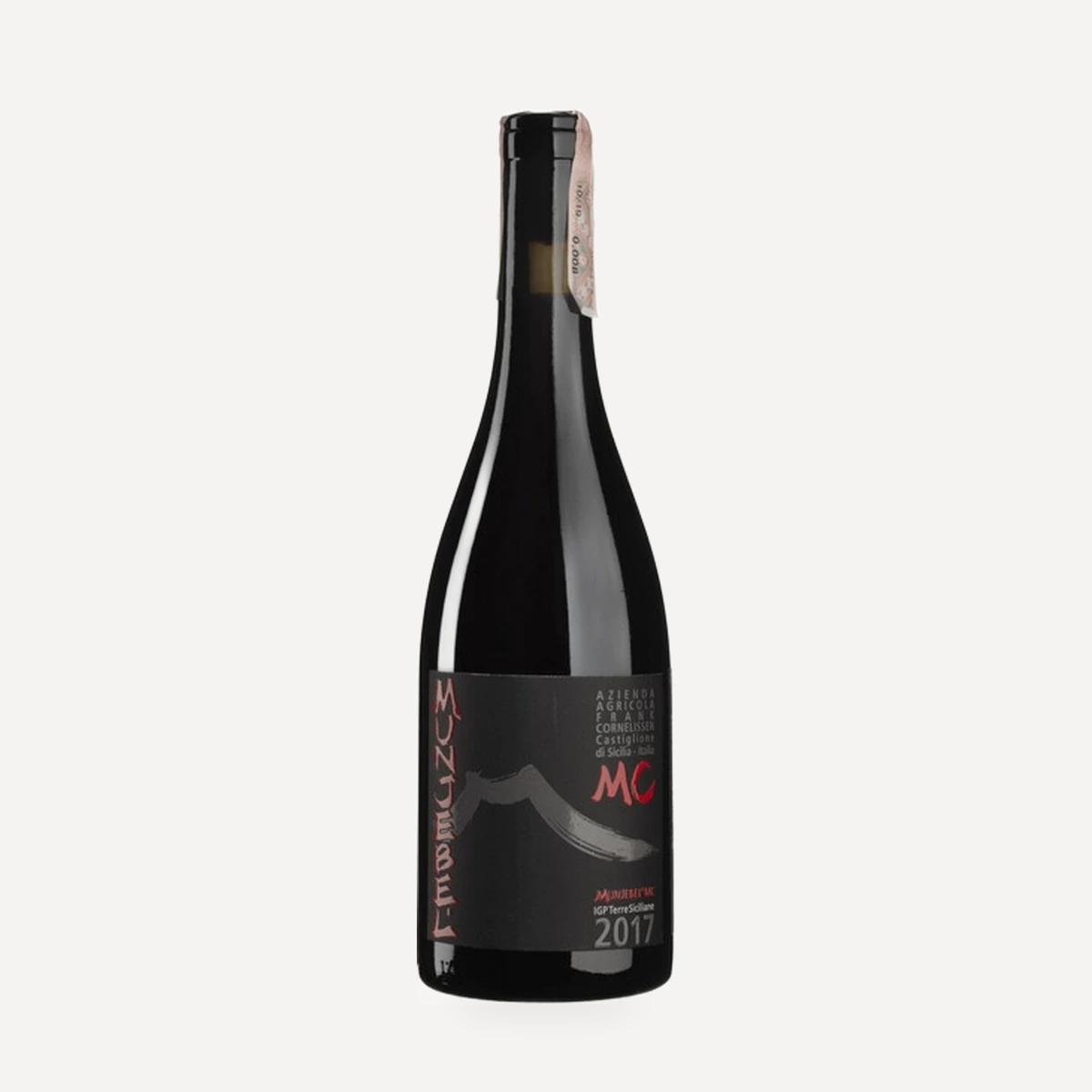
MunJebel® Rosso MC, contrada Monte Colla
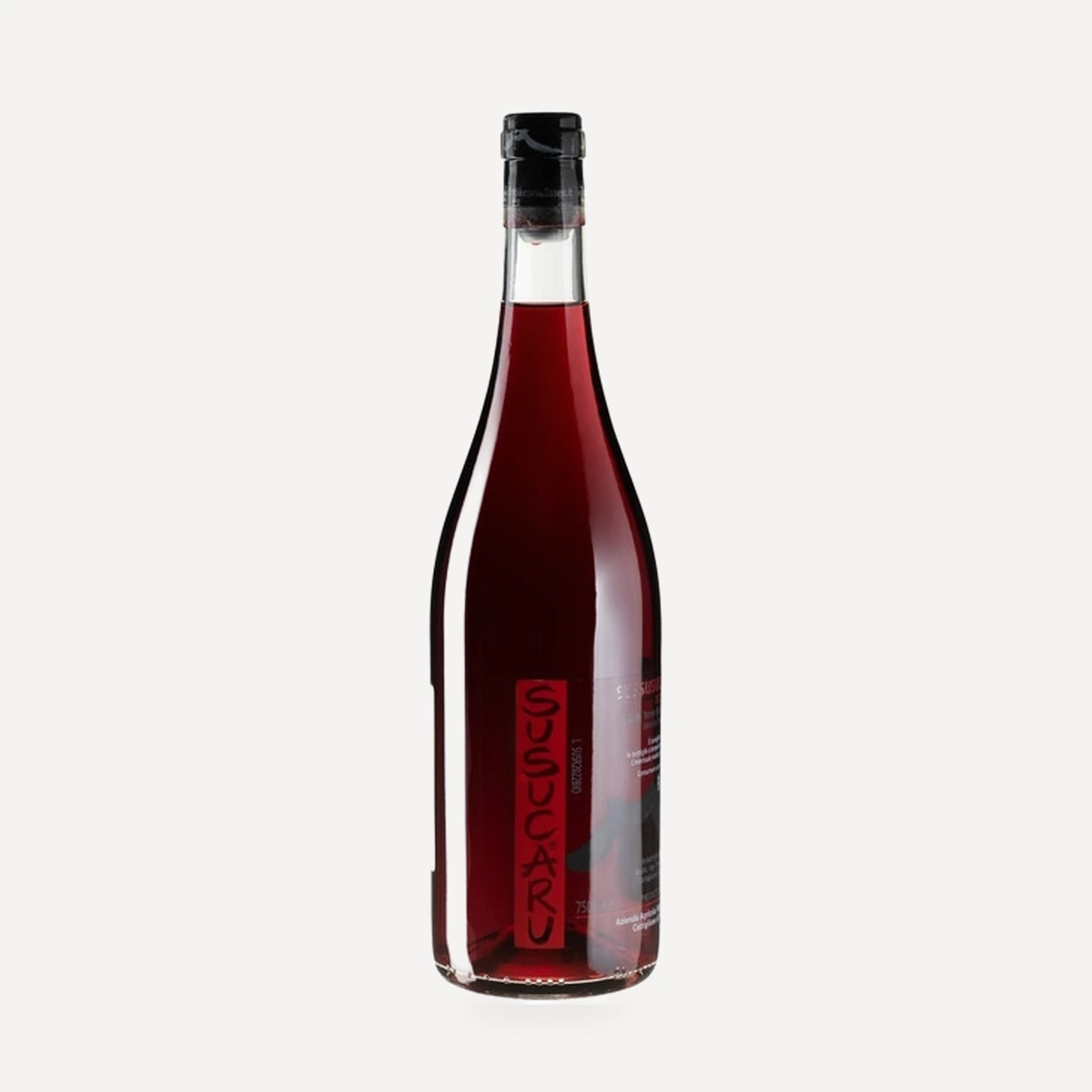
SUSUCARU® Rosso
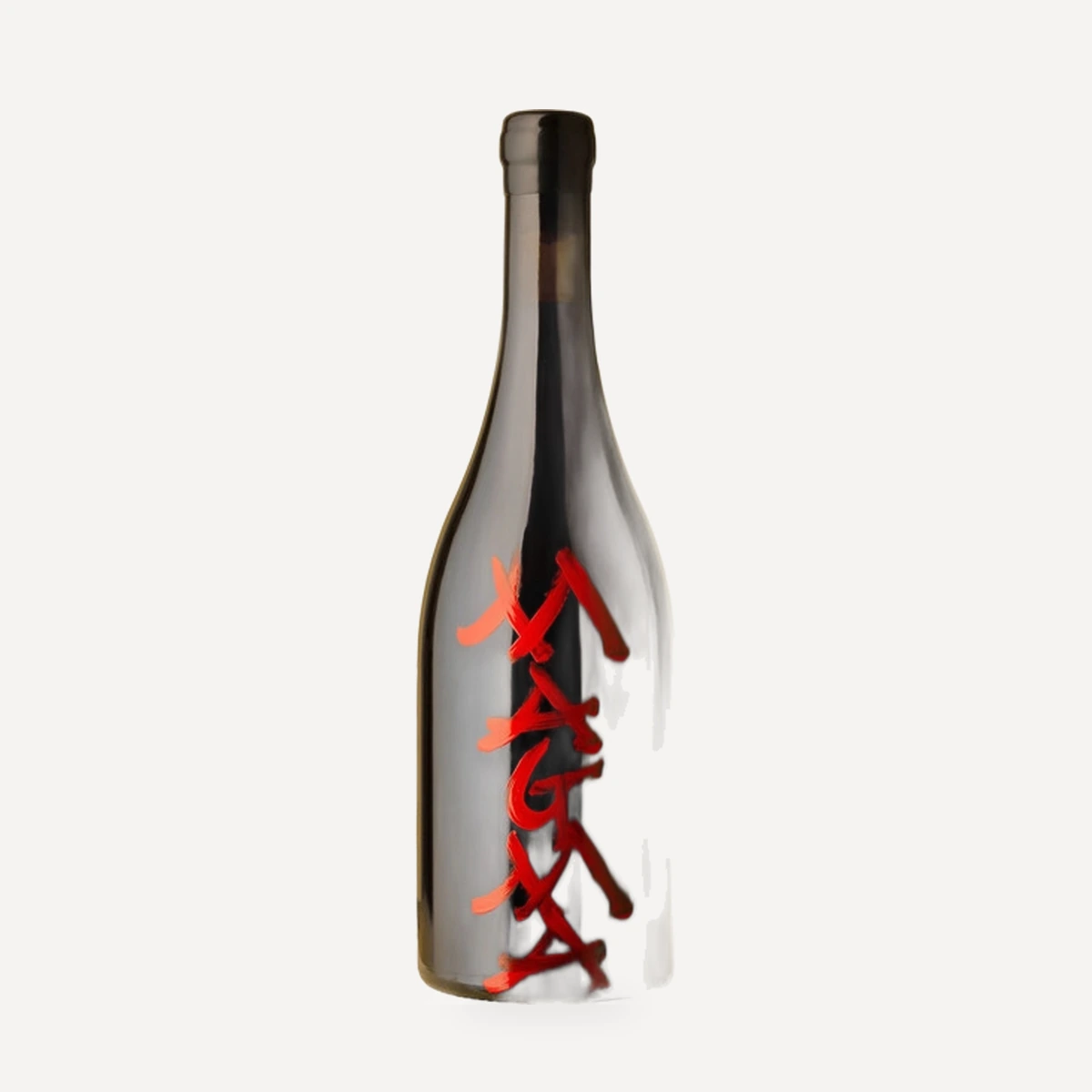
Magma Terre Siciliane IGT
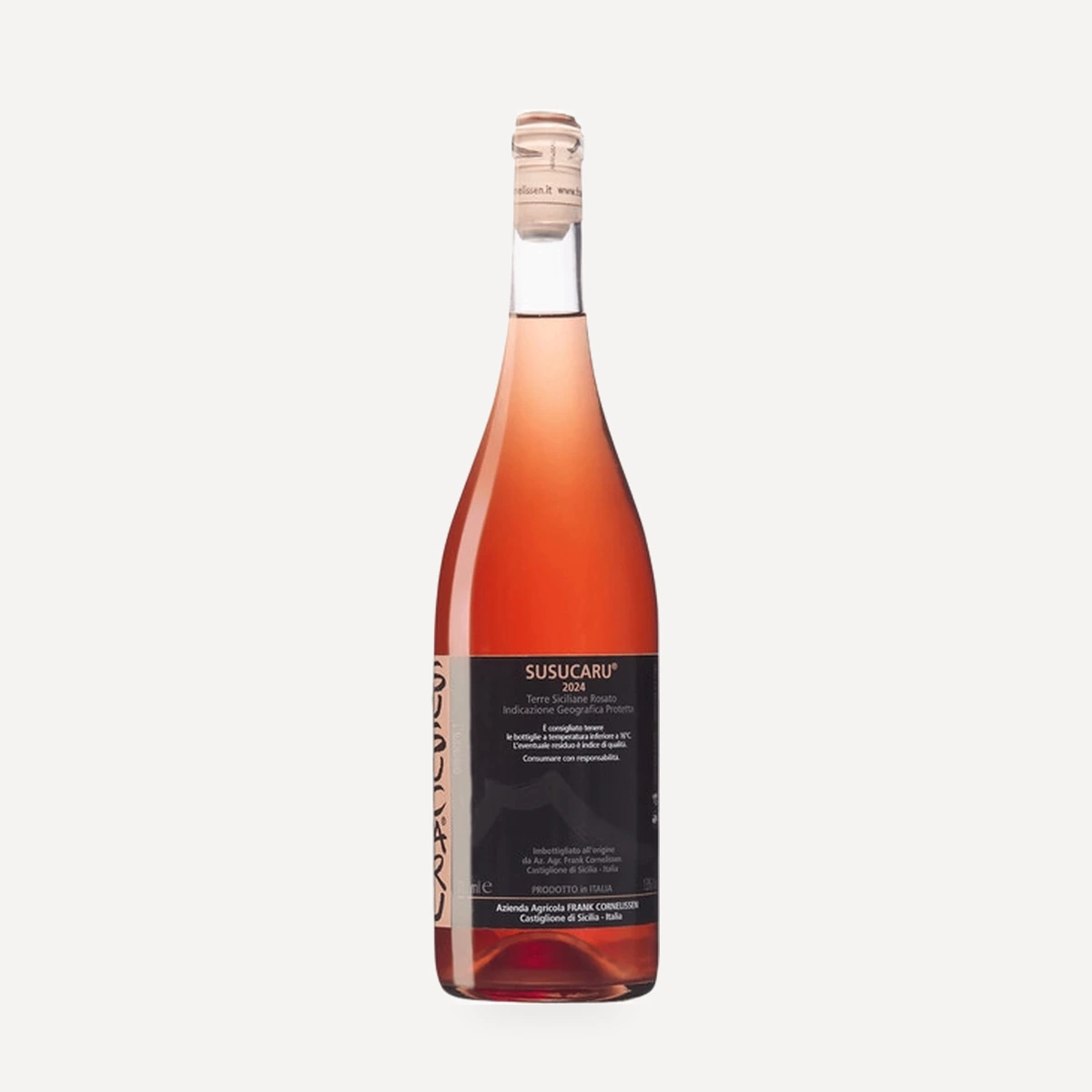
Susucaru® Rosato
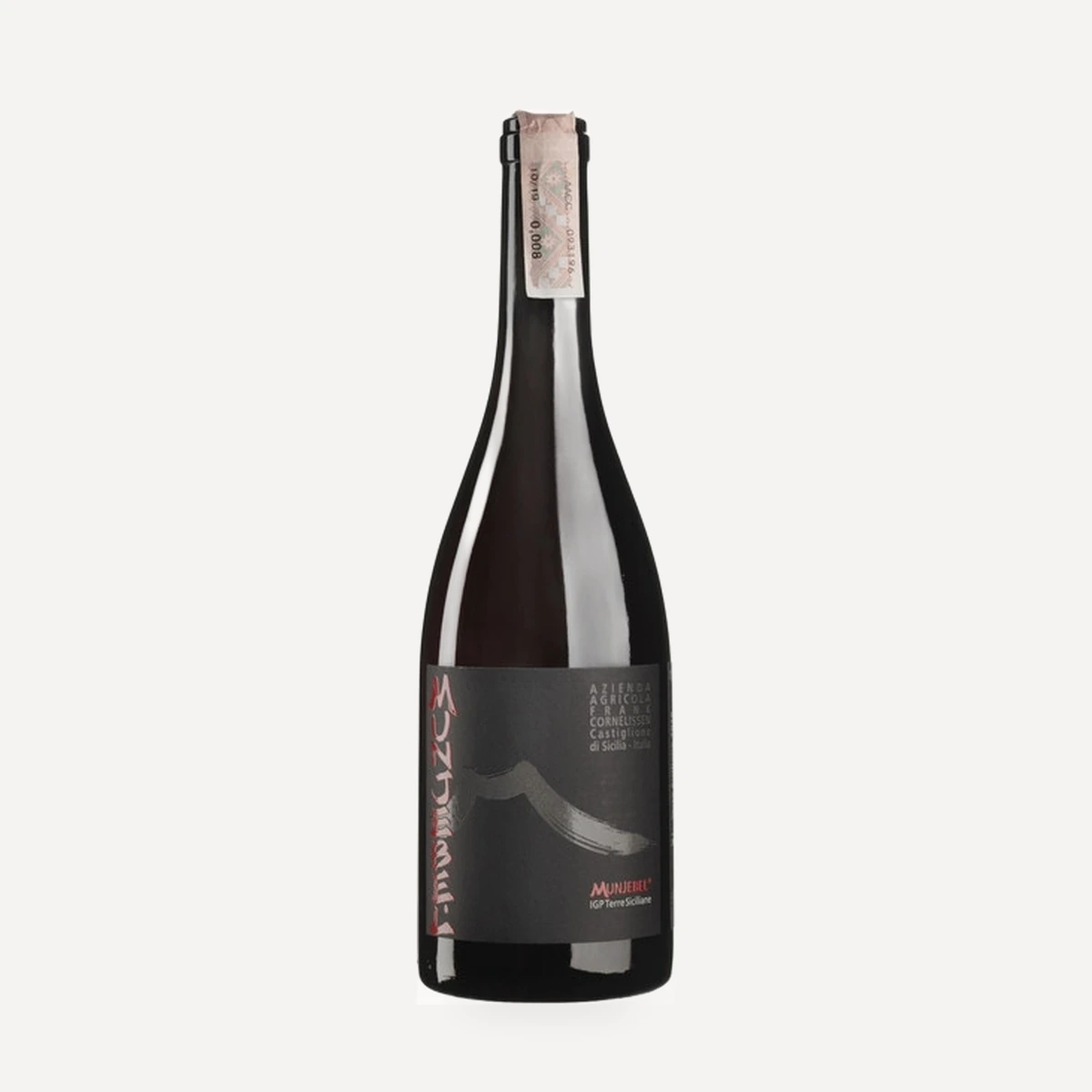
MunJebel® Rosso classico
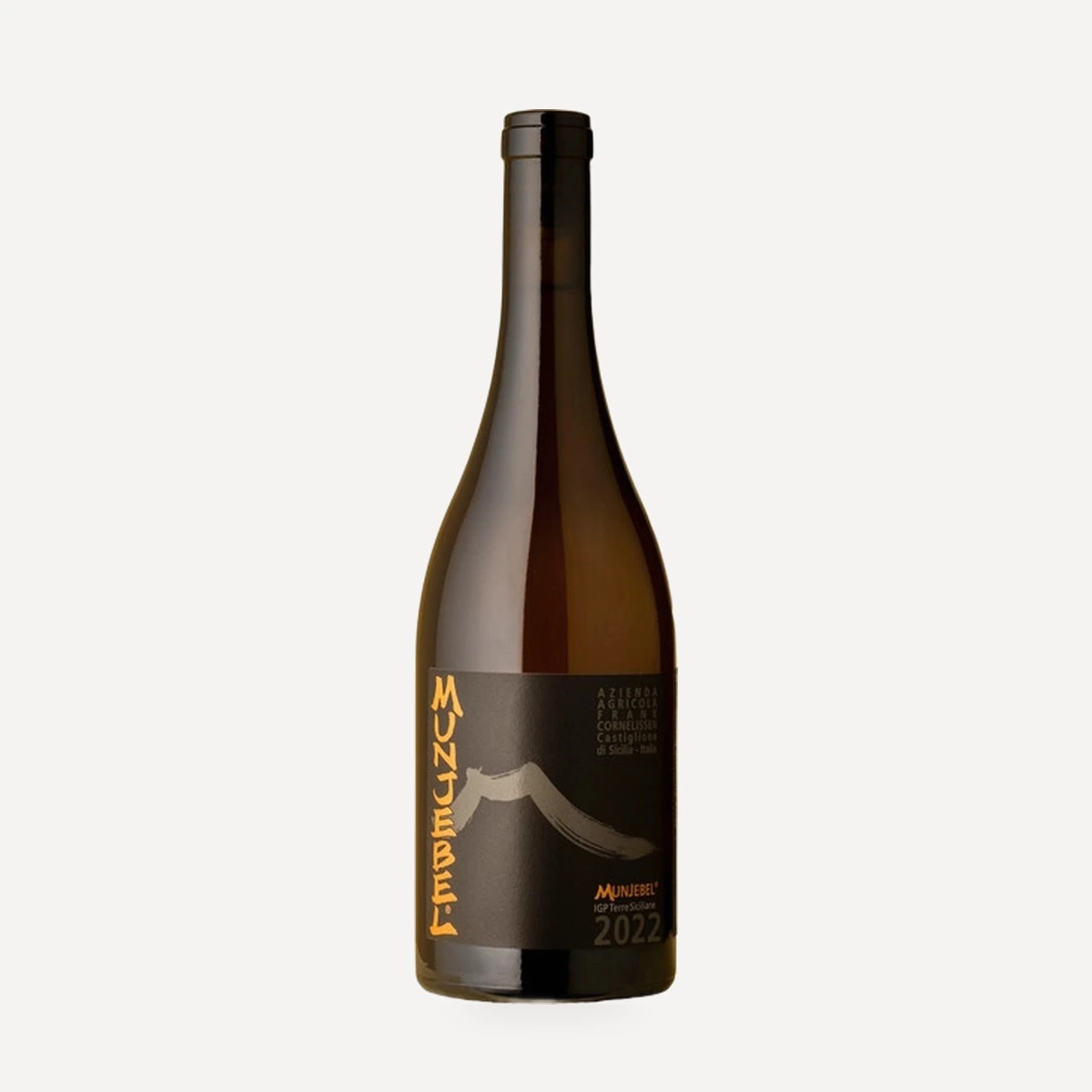
MunJebel® Bianco classico
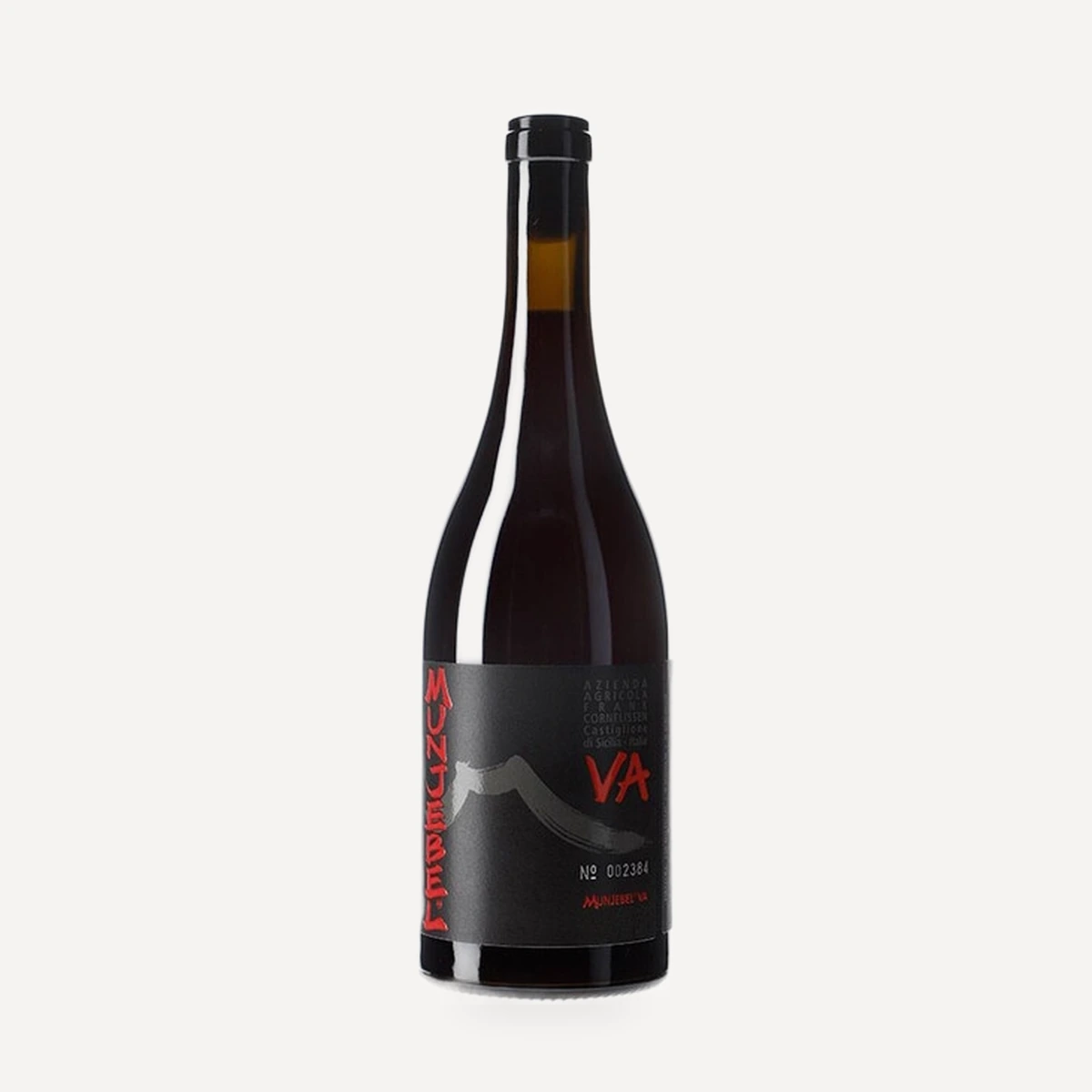
MunJebel® Rosso VA, cuvée Vigne Alte
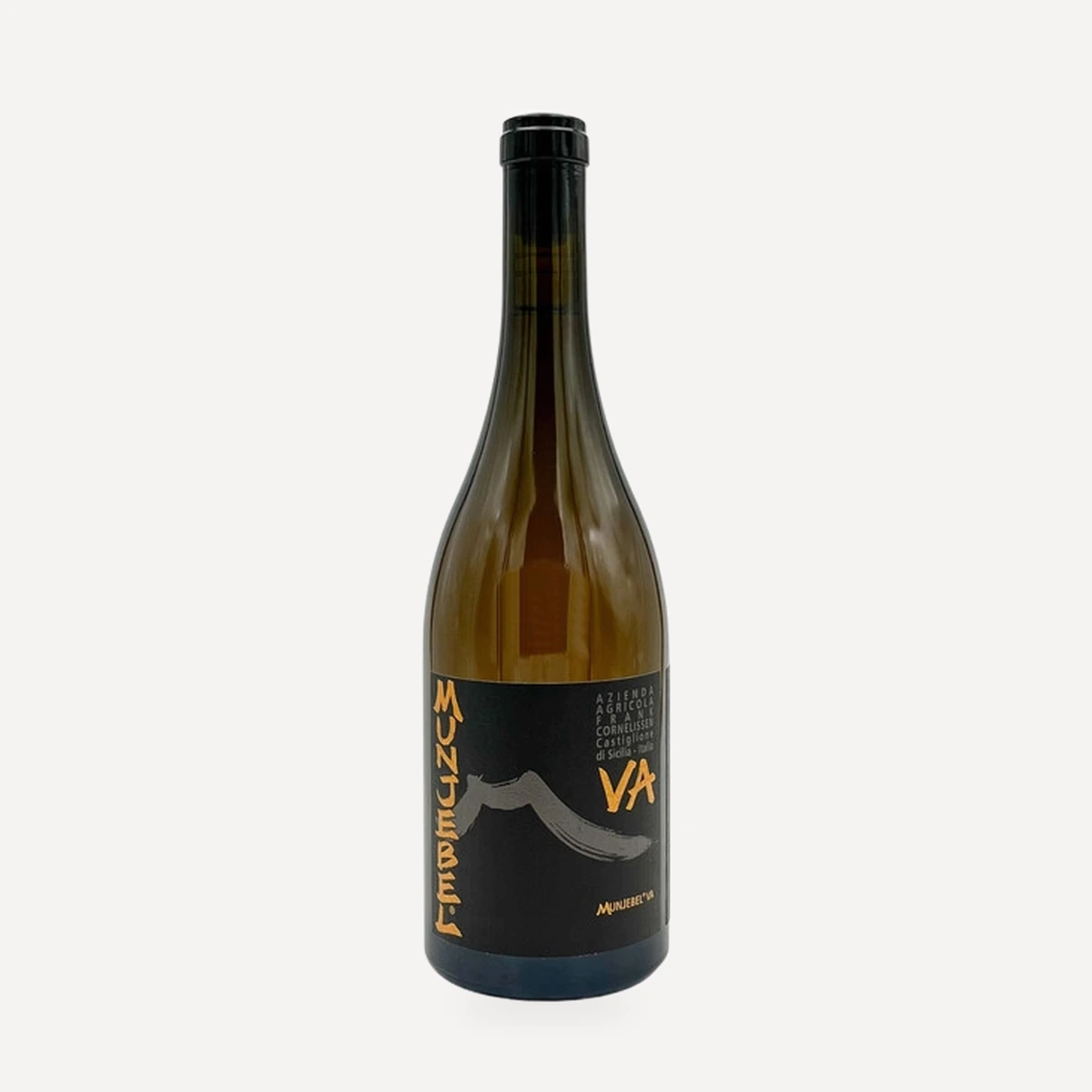
MunJebel® Bianco VA, cuvée Vigne Alte
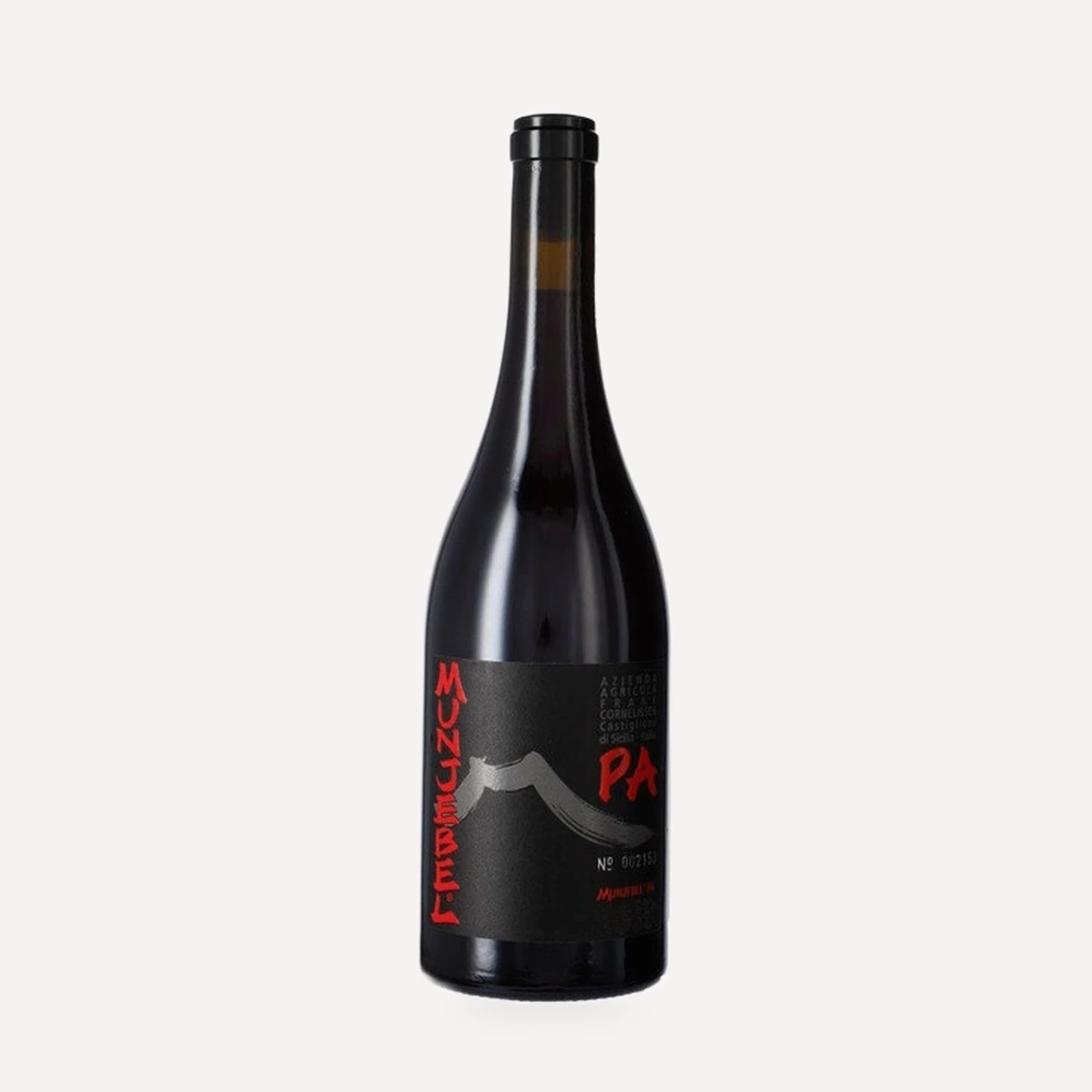
MunJebel® Rosso PA, contrada Feudo di Mezzo – Porcaria
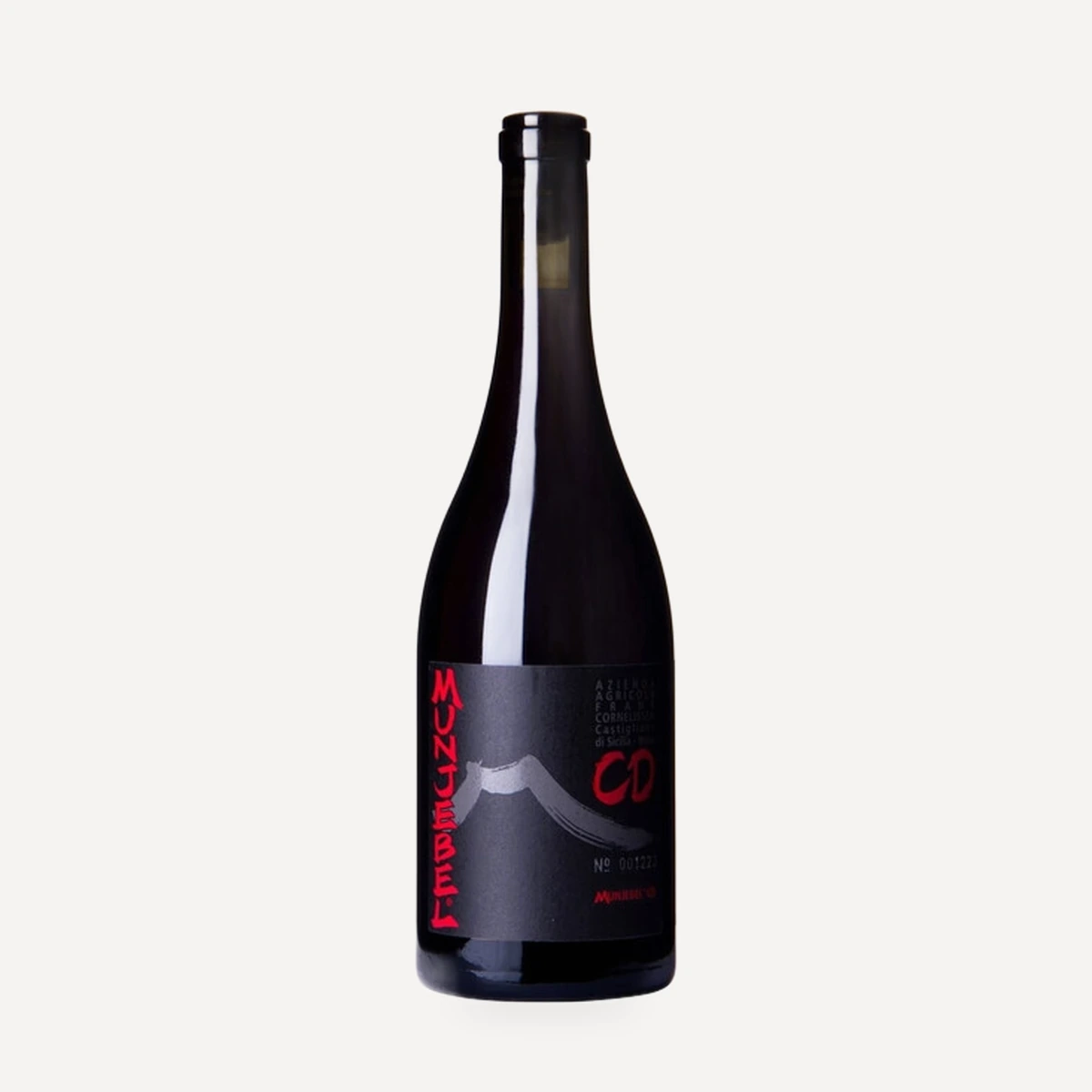
MunJebel® Rosso CD, contrada Calderara sottana
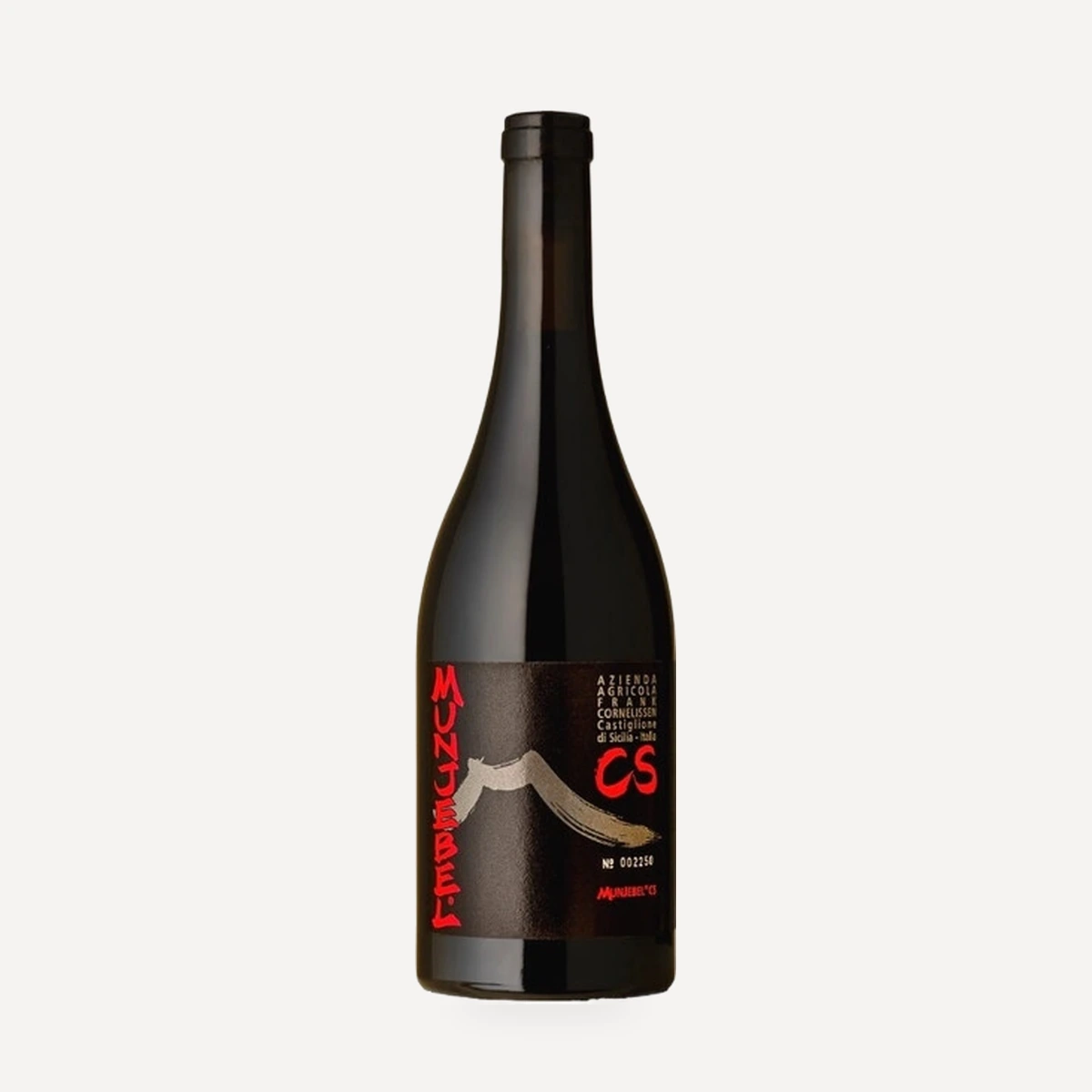
Munjebel CS Terre Siciliane IGP
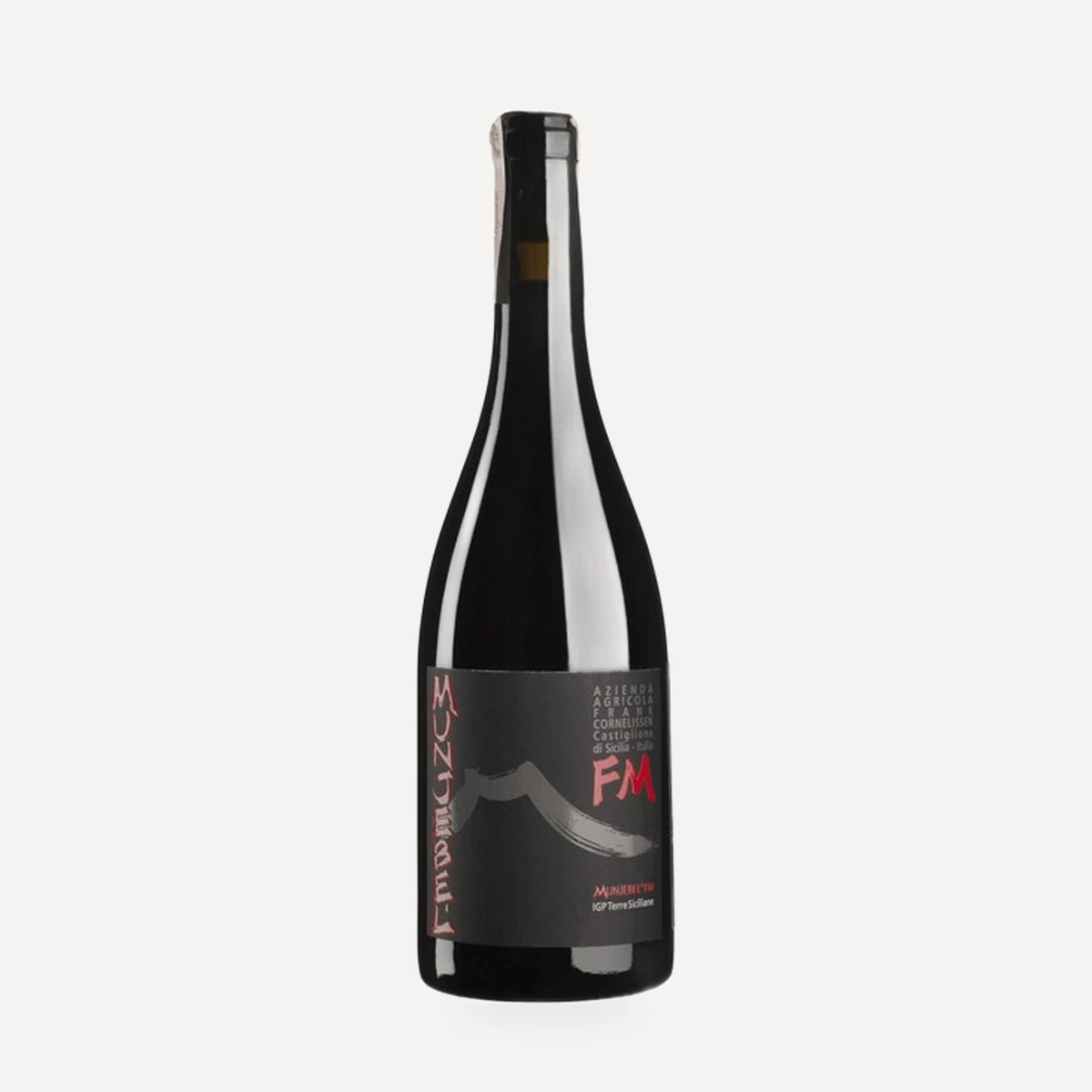
Munjebel FM Terre Siciliane IGP