About this wine
Vineyard and terroir
The fruit comes from different vineyards in the northern valley of Etna. The vines average more than 50 years of age.
Grapes
The blend changes with the vintage, with Nerello Mascalese accounting for 60–100%.
Vinification
The grapes are destemmed and lightly crushed. Fermentation starts with a pied-de-cuve, uses only indigenous yeasts and proceeds with approximately 20–50 days of skin contact. The wine is not fined. Before bottling it is filtered through 5-micron polypropylene cartridges. Depending on grape quality and wine stability, sulphur may or may not be added; reported values range from 15 to 50 mg/L.
Ageing
Ageing takes place in 500–1,500 L epoxy tanks.
Technical data
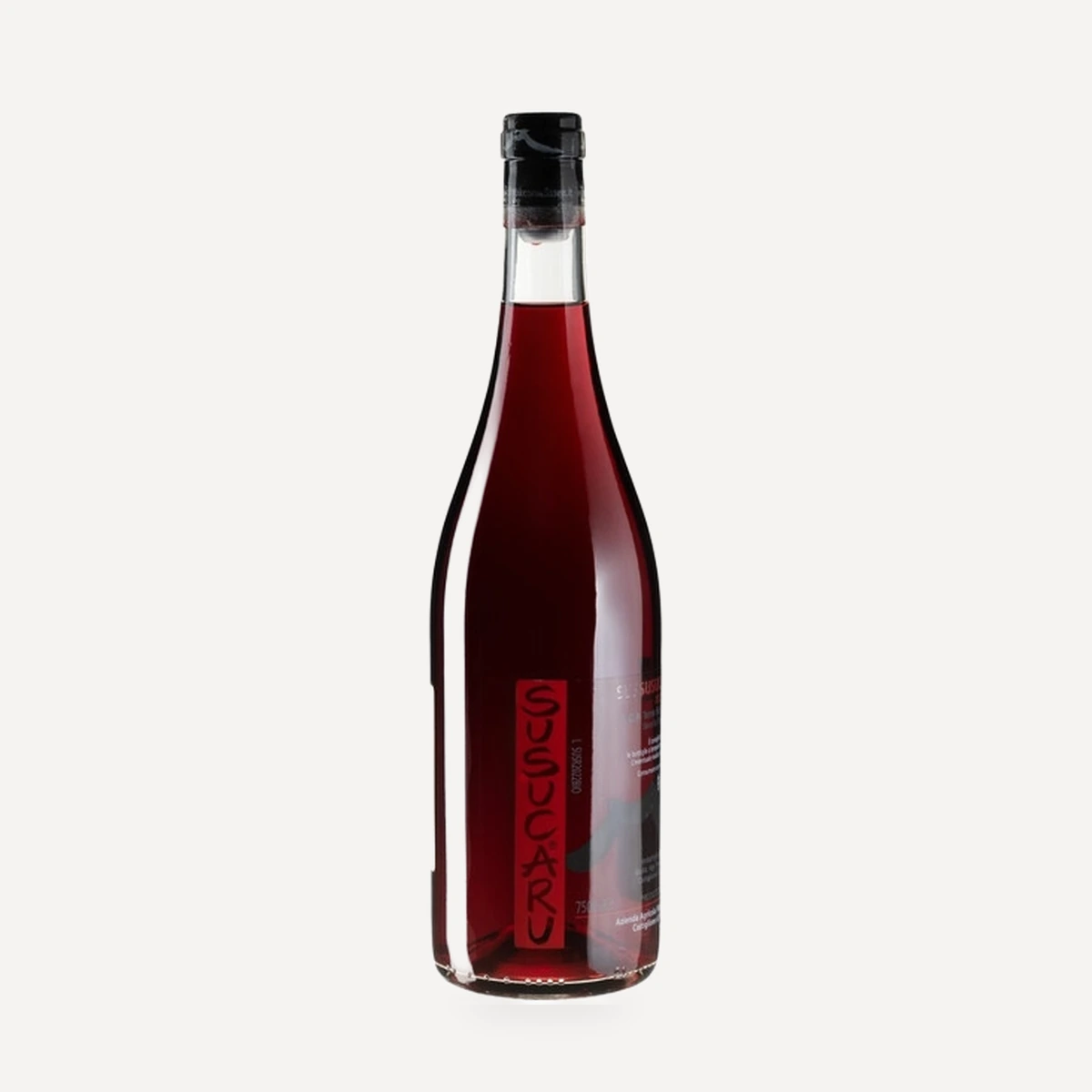
Production varies from vintage to vintage. The wine is classified as Vino Rosso and packaged in a transparent 750 ml Burgundy bottle.
Label / history
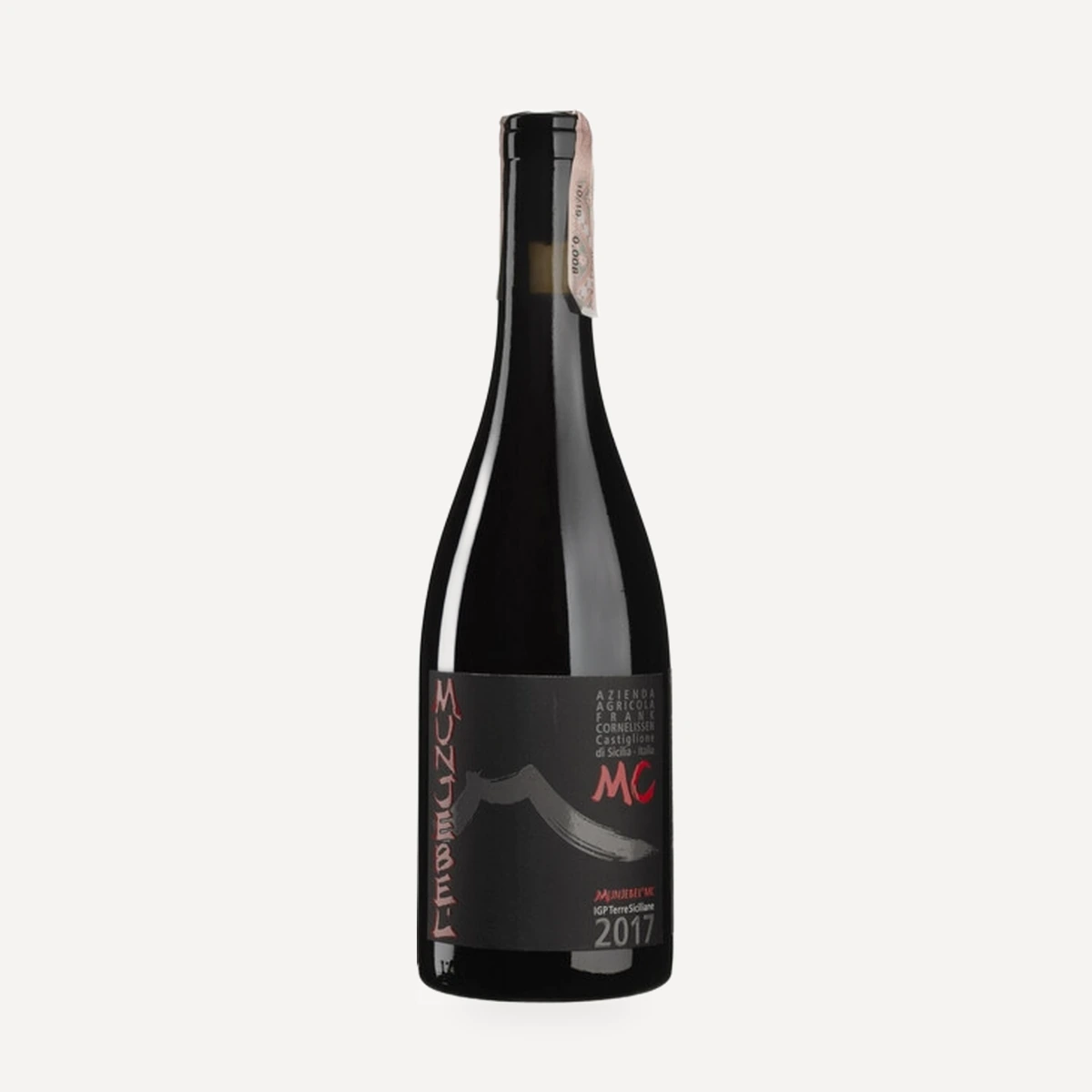
Sconsacrato® originated in the unusually dry and concentrated 2012 vintage. During racking, wine recovered from the lees and bottoms of different tanks was combined. It had no single vineyard, variety, vinification method or even vintage to define it, but the resulting blend proved compelling enough to bottle.
The name means “un-holied,” reflecting a wine assembled across vineyards, varieties, vinifications and vintages. Inspired by Fabrizio Niccolaini of Massa Vecchia and his socially minded bulk-wine concept, it was conceived as an approachable introduction to the estate's winemaking and to Etna. It is made exclusively for the Polish importer Naturaliści. The project incorporates partially rinsed and recovered bottles, imperfect cases and labels printed by the estate.